
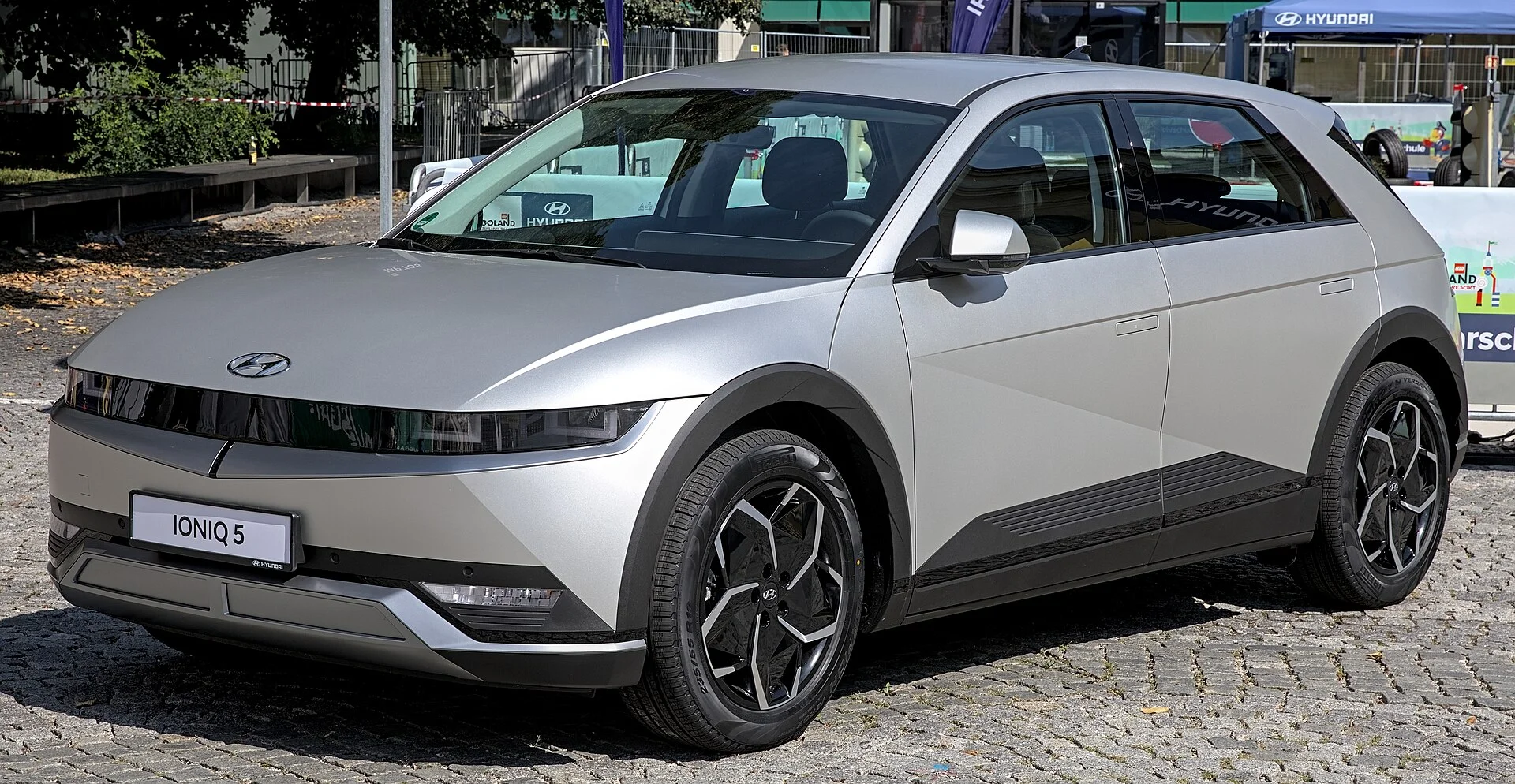
The Short Answer: Yes, Because There's No Engine to Kill You
Here is the answer up front, and it is the opposite of what you would tell someone in a gas vehicle: yes, it is safe to run the climate in a Hyundai Ioniq 5 while you sleep. The reason is simple and it changes everything - the Ioniq 5 is a fully electric vehicle with no combustion, so it produces zero carbon monoxide while parked and running climate control.
Carbon monoxide is the whole danger in a gas vehicle. Idling an engine for heat makes an odorless, colorless gas that can overcome a sleeper before they wake, and that is why the answer for any gas car is a hard no. The Ioniq 5 has no engine to idle, no exhaust, and no tailpipe. Take away the combustion and you take away the killer.
So the question itself transforms. In a gas vehicle you are asking whether you will survive the night; in the Ioniq 5 you are only asking how much battery you will use. That is a comfort-and-logistics question, not a safety one. The rest of this guide is how the Ioniq 5 runs climate parked, what it costs in battery, and how to sleep warm without stranding yourself in the morning.
Why the Gas-Vehicle Answer Doesn't Transfer
It is worth being explicit about why the usual warning does not apply here, because the instinct to fear overnight climate is strong and, in a gas car, correct. A combustion engine produces carbon monoxide as a byproduct of burning fuel, and in a parked, snow-surrounded gas vehicle that gas can reach lethal levels in the cabin fast. That is a real, documented danger for anything with a tailpipe.
The Ioniq 5 breaks that chain at the source. With no fuel being burned, cabin carbon monoxide stays at zero parts per million regardless of snow around the vehicle - the exact scenario that kills people in gas cars is a non-event in an EV. A snowbank against the back of an Ioniq 5 blocks nothing dangerous, because there is no exhaust to block.
This is the part a mechanic wants to hammer home. Every piece of advice about cracking a window, clearing the tailpipe, or limiting idle time exists to manage engine exhaust. None of it applies to the Ioniq 5, because none of the hazard exists. You can run the climate with the windows sealed shut in a garage-like enclosure and the cabin air stays clean - something you must never do in a gas vehicle.
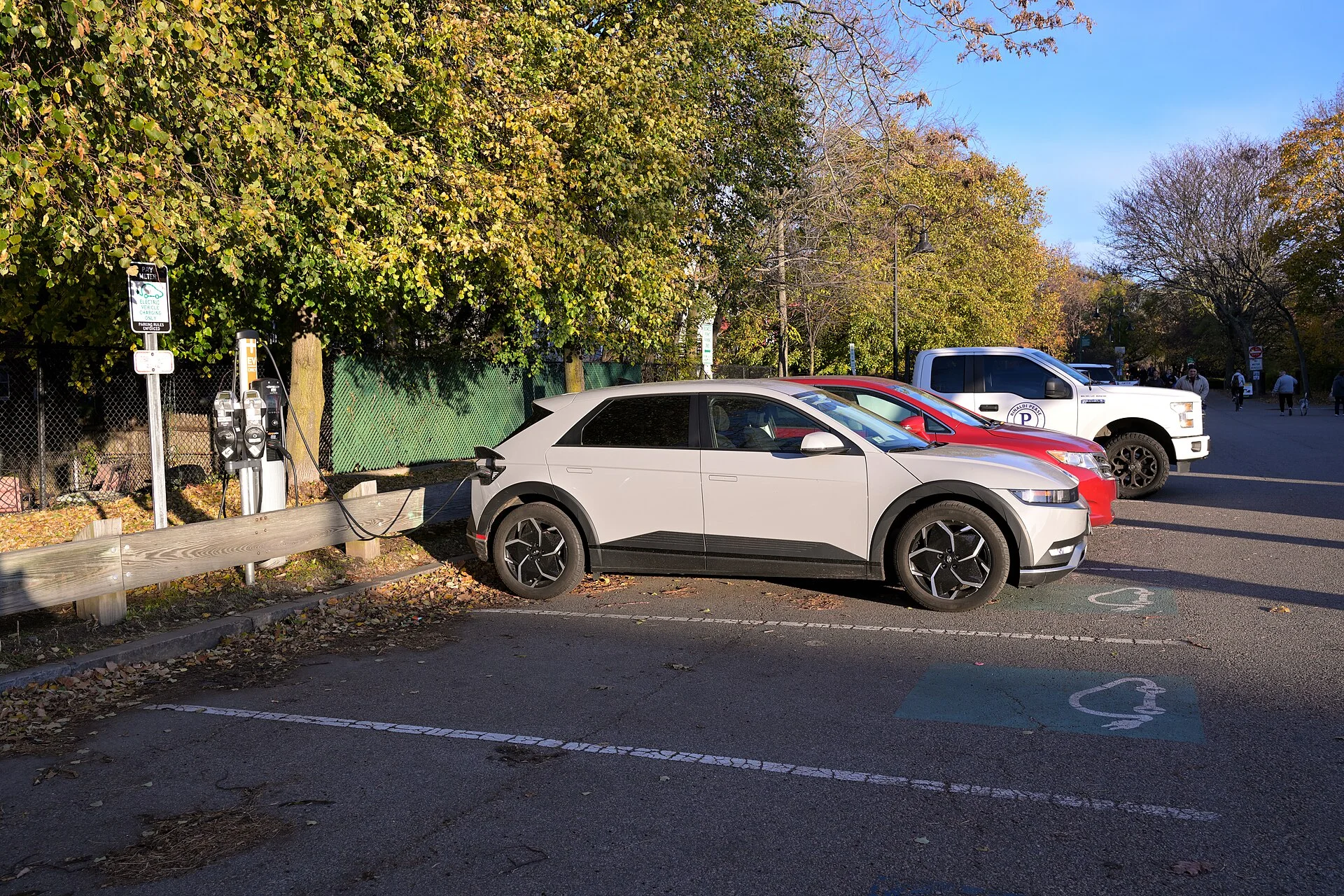
Utility Mode: Climate Without an Engine
The feature that makes overnight climate practical is Utility Mode. It keeps the 12-volt system, the climate control, and the cabin outlets powered from the main drive battery while the vehicle is parked, with no engine running because there is no engine to run. You set your temperature, the system holds it, and the big traction battery quietly feeds it all night.
This is fundamentally different from a gas car's setup, where cabin heat is a byproduct of a running engine. In the Ioniq 5, the climate system is an electric appliance drawing from an enormous battery, the same way your home furnace draws from the grid. There is no combustion, no idle, and no exhaust anywhere in the chain - just stored electricity doing work.
The practical upshot is that you get true set-and-sleep climate control, the thing that is forbidden in a gas vehicle. Dial in a comfortable temperature, climb into the back, and let Utility Mode maintain it. The only thing you are spending is charge, and the only planning you need to do is making sure you have enough of it for the night and the drive out - which is what the next sections cover.
The Only Real Variable: Battery Drain
With safety off the table, battery is the entire game. Running the full climate system overnight through Utility Mode can consume roughly 20 to 50 percent of the battery, depending on the outside temperature. A mild night with light climate use sits near the bottom of that range; a bitterly cold or blazing hot night with the system working hard pushes toward the top.
The Ioniq 5's advantage is that its battery is large to begin with. The 2025 Standard Range uses a 63-kilowatt-hour pack, and the Long Range uses an 84-kilowatt-hour pack - an increase from the previous generation's 77.4-kilowatt-hour pack. That is a substantial reservoir, so even a hungry 50-percent overnight draw leaves plenty of capacity, especially on the Long Range.
The mechanic's framing is to treat the battery like a fuel tank you are budgeting across two jobs: keeping you comfortable tonight and getting you to a charger tomorrow. Unlike a gas tank, you can watch the percentage precisely and know exactly where you stand. Plan for the worst-case 50 percent on a cold night, and a full or near-full battery at bedtime gives you a comfortable margin either way.
The Efficiency Trick: Heat the Person, Not the Cabin
Here is where a little knowledge saves a lot of battery. Running the full climate system to heat or cool the whole cabin is the expensive way to stay comfortable - that is the 20-to-50-percent draw. But you do not actually need to condition the entire air volume; you need your body to be comfortable, and that is a far smaller job.
The Ioniq 5's Vehicle-to-Load system lets you run a low-power appliance instead. Light overnight use through V2L - phone charging, LED lights, a fan - draws only about 5 to 10 percent of the battery overnight, a fraction of what full climate costs. An electric blanket or a fan run through V2L uses far less energy than running the full climate system directly, because it works on you, not the whole cabin.
The smart cold-night play is a heated blanket on V2L plus minimal cabin heat, not the furnace blasting all night. A 12V heated blanket plugged into the Ioniq 5's outlet keeps you warm for a sliver of the battery a full climate cycle would burn. Heat the person, not the air, and you turn a 40-percent night into a 10-percent one - the single best efficiency move an EV camper can make.
How the V2L Outlet Actually Works
Since V2L is the key to sleeping efficiently, it helps to know its limits. The Ioniq 5's Vehicle-to-Load system is rated up to about 3.6 kilowatts of output, which is enough to run serious appliances. The interior V2L outlet is a 120-volt household-style socket located under the rear seats on select trims - the same kind of plug you have at home.
The real-world ceiling is lower than the headline number, and it is worth knowing. V2L cuts off when the combined load exceeds about 1.9 kilowatts, so treat roughly 1.9 kilowatts as the practical limit for what you plug in. Thinking of the interior outlet as about 15 amps at 120 volts gives a practical draw limit near 1.8 kilowatts - plenty for a heated blanket, a fan, lights, and device charging all at once.
For sleeping, you will never approach that ceiling. A heated blanket pulls a fraction of an amp; lights and a phone charger barely register. The 1.9-kilowatt limit matters when you are running a real appliance like a griddle or a space heater, not when you are keeping a body warm overnight. For camp comfort, the outlet is effectively unlimited - the battery capacity is the real constraint, not the outlet's rating.

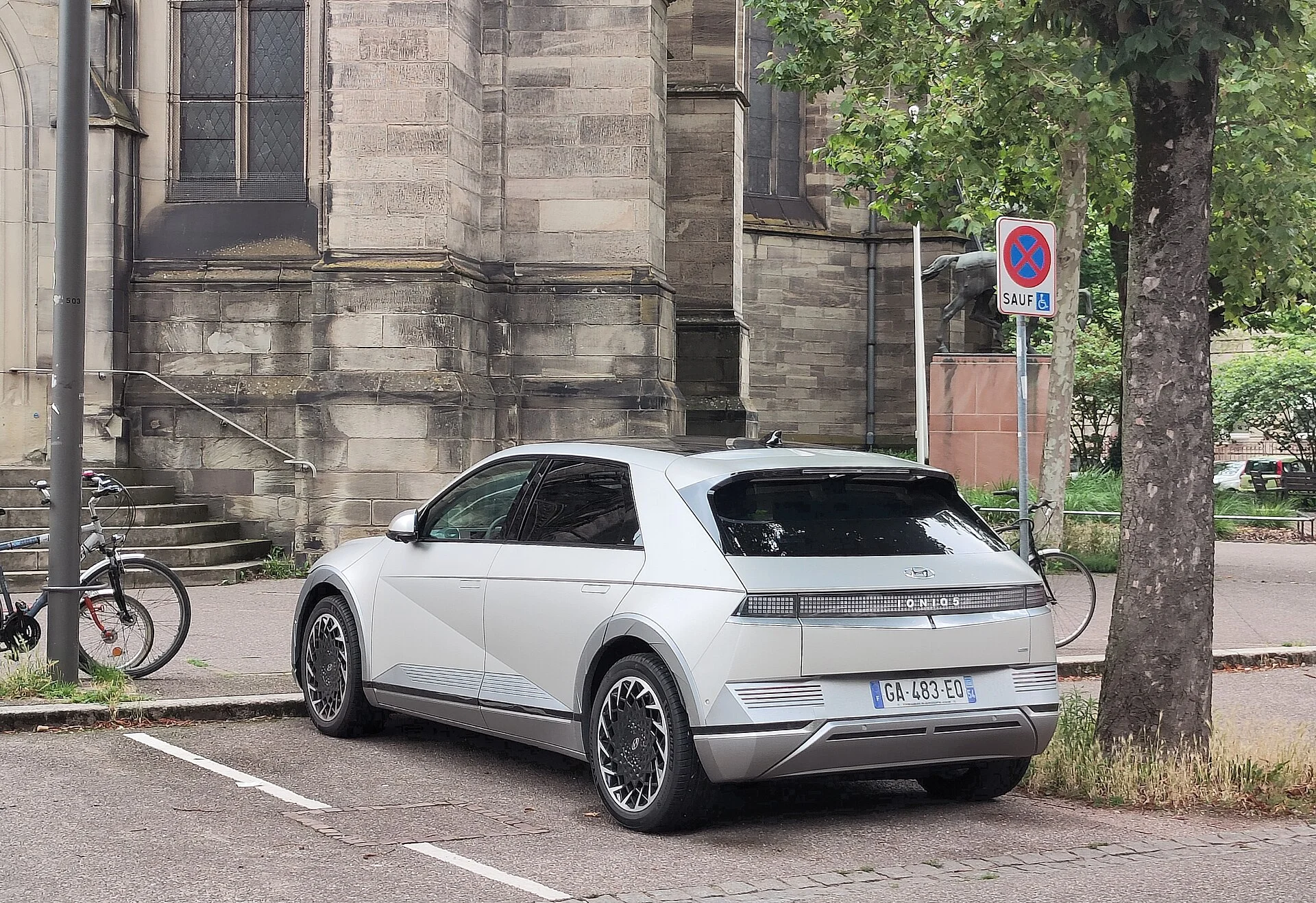
What a 50-Percent Drain Actually Costs You
Battery percentage is abstract until you translate it into range, so do the math like a mechanic checking a fuel gauge. The Ioniq 5 SE with the 84-kilowatt-hour battery has an EPA-estimated range of 318 miles, and the Standard Range covers 245 miles; a Limited AWD is rated 269 miles. A worst-case 50-percent overnight drain on the Long Range still leaves well over 150 miles of driving range.
That is the reassurance the big battery buys. Even a hard, cold night that eats half the charge does not strand a Long Range Ioniq 5 - you wake up with more range than most people's daily driving needs. On the smaller 63-kilowatt-hour pack the same percentage is fewer miles, so Standard Range owners should watch the number more closely and lean harder on the heated-blanket trick.
The planning rule is straightforward: know how far you are from your next charger, keep that many miles in reserve, and spend the rest on comfort. Because the Ioniq 5 shows you exact percentage and estimated range, you are never guessing. Bed down at a high charge, budget the drive out, and use whatever is left to sleep as warm or cool as you like.
The Snow Scenario That Terrifies Gas Campers Is a Non-Event
The single deadliest car-camping scenario in a gas vehicle simply does not exist in the Ioniq 5, and it is worth dwelling on because it is so counterintuitive. In a gas car, parking in snow and running the engine for heat can pack the tailpipe and fill the cabin with carbon monoxide within minutes. It is the classic winter tragedy, and it is why gas idling is a hard no.
In the Ioniq 5, park in the deepest snowbank you can find, run the climate all night, and the cabin carbon monoxide stays at zero parts per million - because there is no exhaust to obstruct and no combustion to produce the gas. The snow is a comfort and traction issue, not a lethal one. The whole tailpipe-clearing ritual is meaningless on an EV.
This is the clearest illustration of why the EV answer genuinely differs from the gas answer, not as a technicality but as a fundamental change in the hazard. A mechanic who has warned people for years about winter idling has to say the opposite here: in an Ioniq 5, winter overnight climate is safe, snow and all. Same question, opposite answer, and the reason is the absence of an engine.
The Real Cautions for an EV Overnight
Safe does not mean thoughtless, so here are the genuine cautions - all about logistics, none about survival. The first is not draining below what you need to reach a charger. Comfort is not worth a dead battery in a remote spot, so always keep enough charge in reserve for the drive to your next plug, then spend the rest on climate.
The good news is that recovery is fast when you can reach a fast charger. Built on Hyundai's 800-volt E-GMP platform - where most EVs use a 400-volt system - the Ioniq 5 can charge from 10 to 80 percent in as little as about 20 minutes on a 350-kilowatt DC fast charger, and roughly 18 to 22 minutes on a typical 150-to-350-kilowatt charger. A big overnight drain is a short coffee stop to undo.
The second caution is ventilation for comfort, not safety - a cracked window helps manage condensation from breathing in a sealed cabin, the same as any vehicle. And keep a carbon monoxide detector in your kit anyway if you also camp in gas vehicles; it is cheap insurance and good habit, even though the Ioniq 5 itself will never set it off. Those are the real rules: manage charge, manage moisture, and sleep easy.
The Verdict: Safe to Sleep With Climate Running
The Hyundai Ioniq 5 is genuinely safe to sleep in with the climate running, and it is one of the few vehicles where that sentence is true. Because it is fully electric with zero combustion, it makes zero carbon monoxide, so the danger that forbids overnight climate in every gas vehicle simply is not present. Utility Mode gives you real set-and-sleep temperature control off the main battery.
The only thing to manage is charge. Full climate runs roughly 20 to 50 percent of the battery overnight, but a heated blanket on the V2L outlet cuts that to about 5 to 10 percent by warming you instead of the whole cabin. With a 318-mile Long Range pack, even a hard night leaves plenty of range, and an 800-volt fast charge refills 10 to 80 percent in about 20 minutes.
So sleep warm, sleep cool, and do it with the windows shut and a snowbank at your back if you like - none of it can hurt you in an Ioniq 5. Keep enough charge to reach your next charger, crack a window for condensation if you want, and enjoy the one thing gas campers cannot have: safe, quiet, all-night climate control from a vehicle that will never produce a breath of carbon monoxide. For a camper coming from a gas vehicle, that alone is a genuinely different way to spend a night outdoors.