

The Short Answer: No, and the Hybrid Doesn't Save You
Straight answer: no, do not leave a RAV4, gas or hybrid, idling unattended overnight just to stay warm while you sleep. The Toyota RAV4 is sold as a gasoline model and a gas-electric hybrid, and here's the part people get wrong - both burn gasoline to produce cabin heat. There's no version of the RAV4 that heats you overnight without burning fuel.
The false economy that trips up RAV4 owners is the belief that buying the hybrid buys them out of the danger. It's an easy assumption: a hybrid doesn't idle constantly, so surely it's safer to sleep with the heat on. That reasoning feels smart and it's wrong, and being wrong about this one is the kind of mistake you don't get to learn from.
Any time the RAV4's gasoline engine runs, it produces carbon monoxide in the exhaust - an odorless, colorless, tasteless gas a sleeping person can't detect. Gas or hybrid, the moment the engine is making heat, it's making carbon monoxide. So the safe answer is no for both, and the rest of this explains exactly why the hybrid exemption is a myth that can cost you everything.
The Hybrid-Exemption Myth
Let's name the false economy directly, because it's the whole reason this article exists. Plenty of RAV4 Hybrid owners assume that because the hybrid's engine shuts off at stoplights and runs less than a pure gas car, it's fundamentally safer to sleep with the climate on. They reason that less idling means less exhaust means less risk - and they conclude the hybrid is basically exempt.
That's the trap. A hybrid RAV4 is not exempt from the carbon monoxide risk, because its gasoline engine still switches on automatically to make heat and to keep the battery charged while parked. The hybrid system decides when the engine runs, and sustained overnight heat is exactly the demand that keeps calling the engine on. You don't control it, and it doesn't stay off.
The budget-wrench lesson applies perfectly: the thing that looks like it saves you often doesn't, and assuming it does is how you get burned. A hybrid saves fuel and emissions in normal driving - real benefits - but it does not make overnight cabin heating safe. Treating 'I have a hybrid' as permission to sleep with the heat running is a false economy with the highest possible stakes.
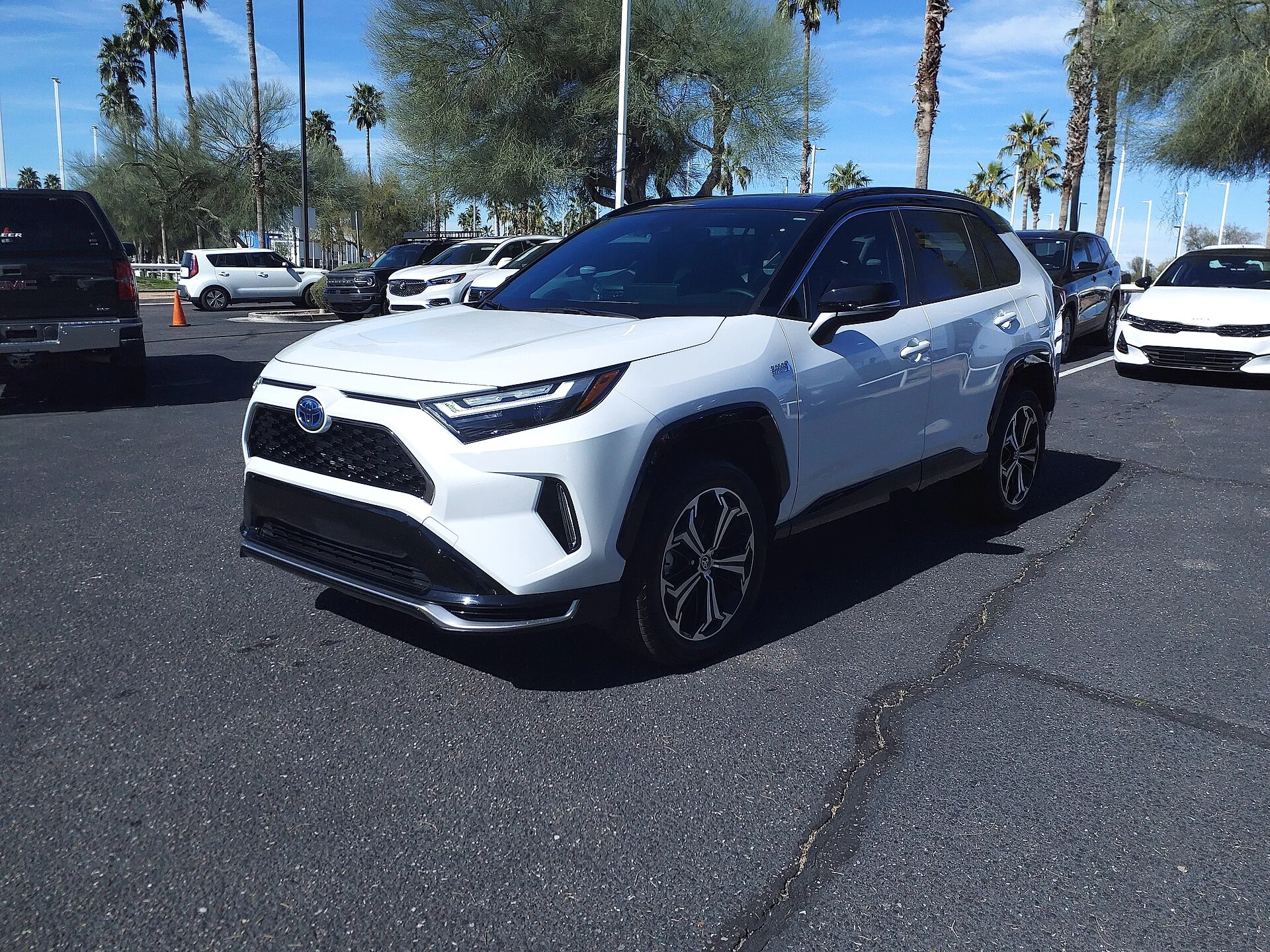
Why a Hybrid Still Makes Carbon Monoxide
Here's the mechanical reality behind the myth. A hybrid does not idle continuously, but it cannot deliver sustained overnight heat without its gasoline engine cycling on, so exhaust and carbon monoxide are still produced. Cabin heat, in a RAV4 hybrid, still comes from the gasoline engine - the electric side doesn't make meaningful heat for the cabin over a whole night.
So what happens when you sleep with the hybrid's climate on? The engine cycles on and off through the night to supply heat and maintain the battery. Every time it fires, it burns gasoline and emits exhaust - carbon monoxide included. The gas doesn't run constantly, but it runs repeatedly, and each run adds exhaust to whatever is around the vehicle.
That intermittent running is arguably sneakier than constant idling, because it's quiet and easy to ignore. You might not even notice the engine cycling while you doze, which reinforces the false sense that the hybrid is 'off' and safe. It isn't off - it's cycling, and cycling produces the same odorless gas as steady idling. The hybrid changes the pattern of exhaust, not the fact of it.
It's the Same Gas Engine, Same Exhaust
Strip away the hybrid marketing and the hardware tells the story. The 2024 RAV4 gas and hybrid models use a 2.5-liter four-cylinder engine - the same fundamental combustion engine, burning the same gasoline, producing the same exhaust chemistry. Carbon monoxide forms from the incomplete combustion of fuels, including the gasoline a car engine burns, and a hybrid's engine burns gasoline exactly like the gas model's does.
When that engine runs, the fuel math is ordinary too. A modern gasoline engine burns roughly 0.15 gallons per hour per liter of displacement, so a 2.5-liter RAV4 engine idles at about 0.375 gallons per hour when the engine is running. The hybrid runs its engine less of the time, but while it's running, it's a normal gas engine with normal exhaust.
Tank sizes reinforce that this isn't a fuel-shortage question. The 2024 RAV4 Hybrid carries a 14.5-gallon fuel tank, and recent RAV4 models hold roughly 14.5 to 15.9 gallons depending on trim. With the hybrid rated around 41 mpg city and 38 mpg highway, fuel efficiency is excellent - but efficiency has nothing to do with the carbon monoxide in the exhaust. A thriftier engine still makes the deadly gas whenever it runs.
Carbon Monoxide: The Real Hazard
Focus on the actual danger and the hybrid question answers itself. Carbon monoxide is an odorless, colorless, and tasteless gas, so a sleeping person cannot smell or see it building up. Your senses give no warning, gas or hybrid - there's simply nothing to detect until it's affecting you, and by then you may be asleep and unable to react.
This is a real and steady killer. The CDC estimates that about 400 people die each year in the United States from unintentional, non-fire carbon monoxide poisoning. That's not a rare fluke - it's a consistent annual toll from engines and heaters running where their exhaust reaches people, frequently while they sleep. The RAV4 hybrid's engine cycling on overnight is exactly the kind of source that contributes to it.
The concentrations explain why sleeping is uniquely dangerous. Most people feel no symptoms at about 1 to 70 parts per million, but when carbon monoxide stays above 70 parts per million, headache, fatigue, and nausea become noticeable, and at sustained levels above 150 to 200 parts per million, disorientation, unconsciousness, and death are possible. Awake, you'd notice the headache and react; asleep, you sleep through your only warning.
The Snow-Blocked Tailpipe
Whether the RAV4 is a hybrid changes nothing about the deadliest failure mode: a blocked exhaust. A tailpipe blocked by snow, mud, or a curb can force exhaust back into the cabin instead of venting it safely away. The hybrid's tailpipe blocks just as easily as the gas model's, and when the engine cycles on with a buried pipe, the exhaust goes exactly where you don't want it.
The speed is what makes this lethal. In a real snow-obstructed idling car, carbon monoxide reached lethal levels within about 2.5 minutes with the windows closed. Two and a half minutes is faster than a sleeper could ever notice and respond, and it's the same physics whether the engine idles continuously or a hybrid's engine cycles on into a snow-packed tailpipe.
That's why the CDC advises clearing snow and debris from the exhaust pipe before running a vehicle's engine. But with a hybrid, there's an extra wrinkle: the engine can fire on its own while you sleep, so you can't 'watch' the tailpipe the way you might with steady idling. You set the climate, doze off, and the engine cycles on unsupervised - into whatever has drifted against the back of the vehicle.

The Cracked-Window False Economy
The most tempting shortcut is cracking a window, and it's a false economy in the truest sense - it feels like a free safety fix and it isn't. Cracking a window is not a reliable fix, because the same snow-obstructed study still reached dangerous carbon monoxide levels within about 5 minutes with a window open one inch. Five minutes is barely slower than windows-closed.
The reason a cracked window fails is simple math. A small gap can't vent carbon monoxide faster than a running engine produces it, especially when a blocked tailpipe is forcing exhaust back toward the cabin. You're trying to bail out a boat with a teaspoon while a hose fills it. The window trick provides the feeling of safety without the substance - the worst kind of false economy.
The budget-wrench rule is to never pay for safety with something that doesn't actually deliver it. A cracked window costs you heat and gives you almost no protection, which is a bad trade dressed up as a smart one. If the tailpipe is blocked and the engine is running, no cheap window trick saves you - only a clear exhaust path does, and the only sure way to have that overnight is to not run the engine at all.
The Numbers on Exposure
It's worth grounding this in the actual exposure figures, because they show why there's no 'safe' amount of unattended idling. At low concentrations - roughly 1 to 70 parts per million - most people feel nothing, which is the deceptive part. You could be accumulating carbon monoxide with zero sensation, gas or hybrid, right up until the level climbs into the symptomatic range.
Above 70 parts per million, the warning signs appear: headache, fatigue, and nausea. For an awake person, that's the cue to kill the engine and get fresh air. But a sleeping RAV4 camper never gets that cue - they're unconscious for the exact window when their body would otherwise tell them to act. The hybrid's quiet, intermittent engine only makes it easier to sleep through.
Then it climbs fast. At sustained levels above 150 to 200 parts per million, disorientation, unconsciousness, and death are possible - and a blocked-tailpipe scenario can blow past that range in a couple of minutes. The gap between 'no symptoms' and 'unconscious' is small and can be crossed quickly, which is why the only genuinely safe number of unattended overnight idling hours is zero.
The Cheap, Safe Way to Stay Warm
Here's the good news for a budget camper: staying warm safely is cheaper than idling anyway. Warm sleeping bags and layers do most of the work for a fraction of what fuel costs over a season, and they carry zero risk. A cold-rated bag, insulated window covers, and a good pad will get most people through a cold night in a RAV4 with the engine off entirely - no gas burned, no carbon monoxide made.
Add a cheap safeguard on top. A battery-powered carbon monoxide alarm costs about 10 to 20 dollars and can be kept in the cabin as an added safeguard - the single best value in the whole kit. A good portable carbon monoxide detector is trivially cheap next to the risk it guards against, and it's the one purchase you never skip to save a few dollars.
If you want engine heat, take it in controlled doses. Only run the engine for short warm-up bursts while awake with a clear tailpipe, never as an all-night solution, and never inside an attached garage, where carbon monoxide can build to deadly levels quickly. For frequent cold camping, a vented diesel heater makes dry heat from sealed combustion and vents exhaust outside - the safest overnight warmth, and cheaper to run than idling a gas engine all night.
The Verdict: The Hybrid Isn't a Loophole
The verdict closes the loophole people wish existed: do not leave a RAV4, gas or hybrid, idling unattended overnight just to stay warm. Both burn gasoline to make cabin heat, and burning gasoline makes carbon monoxide - the odorless gas that overcomes sleepers before they wake. The hybrid runs its engine less, but it still cycles on to make heat, so it is not exempt.
Don't fall for the false economy. The hybrid's efficiency - around 41 mpg city, a 14.5-gallon tank that goes far - is real and worth having for driving, but it buys you nothing on overnight safety. The engine still fires into whatever has blocked the tailpipe, and a snow-packed pipe pushed carbon monoxide to lethal levels in about 2.5 minutes in a real study, cracked window or not.
So stay warm the cheap, safe way: a cold-rated bag, insulated covers, and a good pad handle most nights with the engine off. Keep a ten-to-twenty-dollar carbon monoxide alarm in the cabin, run the engine only in short bursts while awake with a clear tailpipe, and consider a vented heater for regular winter trips. The RAV4 is a fine cold-weather camper - hybrid or gas - as long as you don't treat either as a reason to idle unattended while you sleep. The hybrid badge saves you money at the pump, not from the risk, and keeping those two things separate is what keeps you safe.