Florida's answer is friendlier than most people think
Is it legal to sleep in your car in Florida? For most travelers, yes - and Florida is actually one of the clearer states on this question. There is no statewide statute that criminalizes sleeping in a lawfully parked car, and as of a 2024 law the state went a step further and expressly carved car-sleeping out of its public-camping ban. That's an unusually traveler-friendly starting point.
The nuance, and where people get tripped up, is that 'legal in Florida' doesn't mean 'legal everywhere in Florida.' The state sets a permissive baseline; rest-area limits and a handful of city ordinances draw the lines that actually bite. As a researcher I'll keep the statute language separate from the internet's summaries and label every source, because on this topic the confident blog claims are often wrong.
Below: the statewide picture, the 2024 camping law and its car exemption, the FDOT rest-area rule and what it really means, the cities that restrict it, the Walmart reality, and the national ruling that reshaped enforcement - so you know exactly where you can close your eyes legally in Florida.
It helps to know why this question generates so much conflicting advice online. 'Sleeping in your car' isn't a single legal category - it sits at the intersection of traffic law, rest-area administrative rules, public-camping ordinances, and the trespass rules that govern private lots. A claim that's perfectly true for a downtown Miami curb can be flatly false for an inland Walmart or a highway rest stop a hundred miles away. That's why sorting the answer by place, rather than by state, is what actually keeps you out of trouble - and why a single confident headline almost always oversimplifies it.
The bottom line: no statewide ban on sleeping in a parked car
Start with the most important fact, because it settles most people's question. Florida has no statewide statute that makes it illegal to sleep in a lawfully parked car. There is no section of Chapter 316, the state's uniform traffic law, that criminalizes sleeping in a parked vehicle - the matter is left to rest-area administrative rules and local ordinances instead.
What that means in practice:
- The default is permissive. If you're parked somewhere you're legally allowed to park, sleeping there isn't a state crime.
- The restrictions are local and situational, not statewide - so the real question becomes 'where am I parked,' not 'is it legal in Florida.'
- Drowsy-driving safety is on your side: pulling over to rest is the behavior the system wants, which is why no state bans sleeping itself.
So the state-level answer is a green light. The rest of this page is about the two places that light turns yellow: state rest areas and certain city limits.
It's worth being precise about what 'no statewide ban' does and doesn't cover. It means the state itself won't charge you for the act of sleeping in a parked car; it does not override a lawful local ordinance, a posted parking restriction, or a private property owner's right to ask you to leave. The absence of a state law is the floor, not the ceiling - every layer of rule beneath the state can still apply exactly where you happen to be parked, which is why the location you choose does all the real work.
The 2024 camping law, and the car it carved out: 125.0231
Florida's newest and most relevant law is worth reading carefully, because it cuts in the traveler's favor. In 2024 the legislature passed HB 1365, codified at Fla. Stat. 125.0231 and effective October 1, 2024, which bars local governments from allowing public camping and sleeping on public property. On its face that sounds restrictive - but the statute contains a key carve-out.
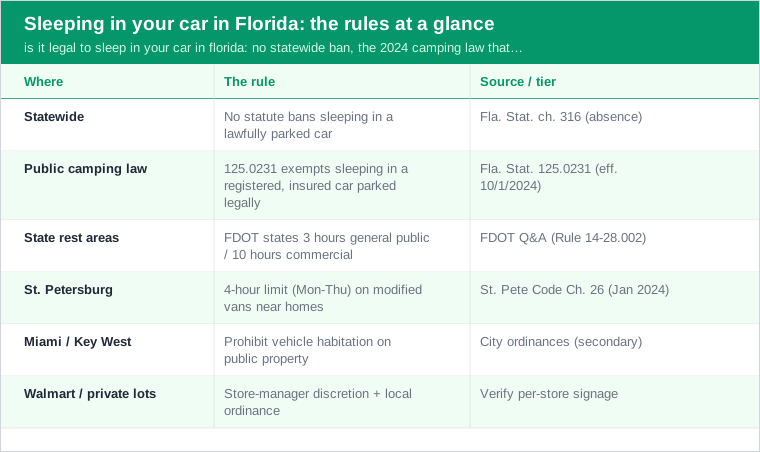
Under Fla. Stat. 125.0231 (effective October 1, 2024), the camping ban expressly does not require regulation of sleeping in a car or motor vehicle that is registered, insured, and located somewhere it may lawfully be.
Read that carefully: the same law that clamps down on tent camping specifically protects sleeping in a registered, insured car parked legally. So the 2024 statute, far from banning car-sleeping, is the strongest written confirmation Florida offers that it's allowed - provided your vehicle is registered and insured and you're parked somewhere you're permitted to be. Keep your registration and insurance current; the exemption is written around exactly those conditions.
One practical footnote on the phrase 'located somewhere it may lawfully be': the exemption does the traveler no good if the car itself is parked where it isn't allowed. Registration and insurance protect the act of sleeping, but they don't convert an illegal parking spot into a legal one. Read the statute as protection for a lawfully parked, road-legal vehicle - keep the tag and the coverage current, and then pair them with a parking spot that no local ordinance or posted sign forbids. Both halves have to be true at once for the carve-out to help you.
Rest areas: FDOT's three-hour rule, and what it really means
Florida's interstate rest areas are the one place with a clear time limit, and it's short. According to FDOT's own Rest Area Questions and Answers page, the state rule permits a period of three hours for the general public and ten hours for commercial motor-vehicle operators subject to hours-of-service rules. So FDOT states a three-hour limit for the general public at Florida rest areas, and a ten-hour limit for commercial drivers.
A researcher's honest caveat on that number: the three- and ten-hour figures come straight from FDOT's official Q&A page, and the underlying rule is Florida Administrative Code 14-28.002 - but I'd cite it as 'FDOT states,' because the exact hour wording inside the rule text isn't cleanly machine-readable. The number is official; I'm just naming where it comes from.
- General public: plan on three hours, then move.
- Commercial drivers: up to ten hours, tied to federal rest requirements.
- Florida rest areas are not overnight campgrounds - they're for a short, safety-driven rest.
Because the limit is administrative rather than criminal, enforcement is usually a request to move along rather than an arrest - but repeatedly overstaying, or ignoring a posted notice, is how a low-stakes situation escalates. Treat the signage at each individual rest area as the operative rule for that location, since facilities can post their own notices, and don't assume a Florida welcome center or a turnpike service plaza follows the identical timing. When in doubt, the number on the sign in front of you outranks anything you read online.
The three-hour limit is a parking cap, not a sleeping ban
Here's the distinction that trips people up, and it matters. Florida's three-hour rest-area rule is a limit on how long you can park, not a ban on sleeping. Sleeping during those three hours is exactly what the rest area is for - the violation is exceeding the three hours, day or night, not the act of closing your eyes.
Don't read 'three-hour limit' as 'no sleeping.' Florida wants drowsy drivers to pull over and rest; the only thing the rule polices is how long you stay, not whether you sleep.
Practically, that makes a Florida rest area a great place for a three-hour recovery nap on a long drive but a poor place for a full night's sleep. If you need eight hours, a rest area isn't your spot - you'll want a location without the short cap, which is where the where-to-park guidance below comes in. Rest a few hours legally, then either drive on refreshed or relocate.
The safety logic behind the distinction is worth internalizing, because it tells you how an officer is likely to read the scene. Fatigue-related crashes are precisely what a rest area exists to prevent, so a driver visibly resting is doing the sanctioned thing. What draws scrutiny instead is the appearance of settling in - an awning, camp chairs, or gear spread across the pavement - which reads as camping rather than resting. Keep it to sleeping inside the vehicle, leave nothing set up outside, and you stay on the clearly permitted side of the rule.
Cities are where the real rules live
With the state permissive and rest areas time-capped, the practical restrictions in Florida are municipal. Cities and counties can and do regulate overnight parking and vehicle habitation on their own streets and lots, and that's where a legal night can quietly become an illegal one.
- Residential streets are the most-regulated - many cities restrict overnight or long-term parking near homes.
- Beach and tourist zones often post explicit no-overnight-parking signs.
- Signage is your law: a posted restriction is enforceable, so read the signs where you park.
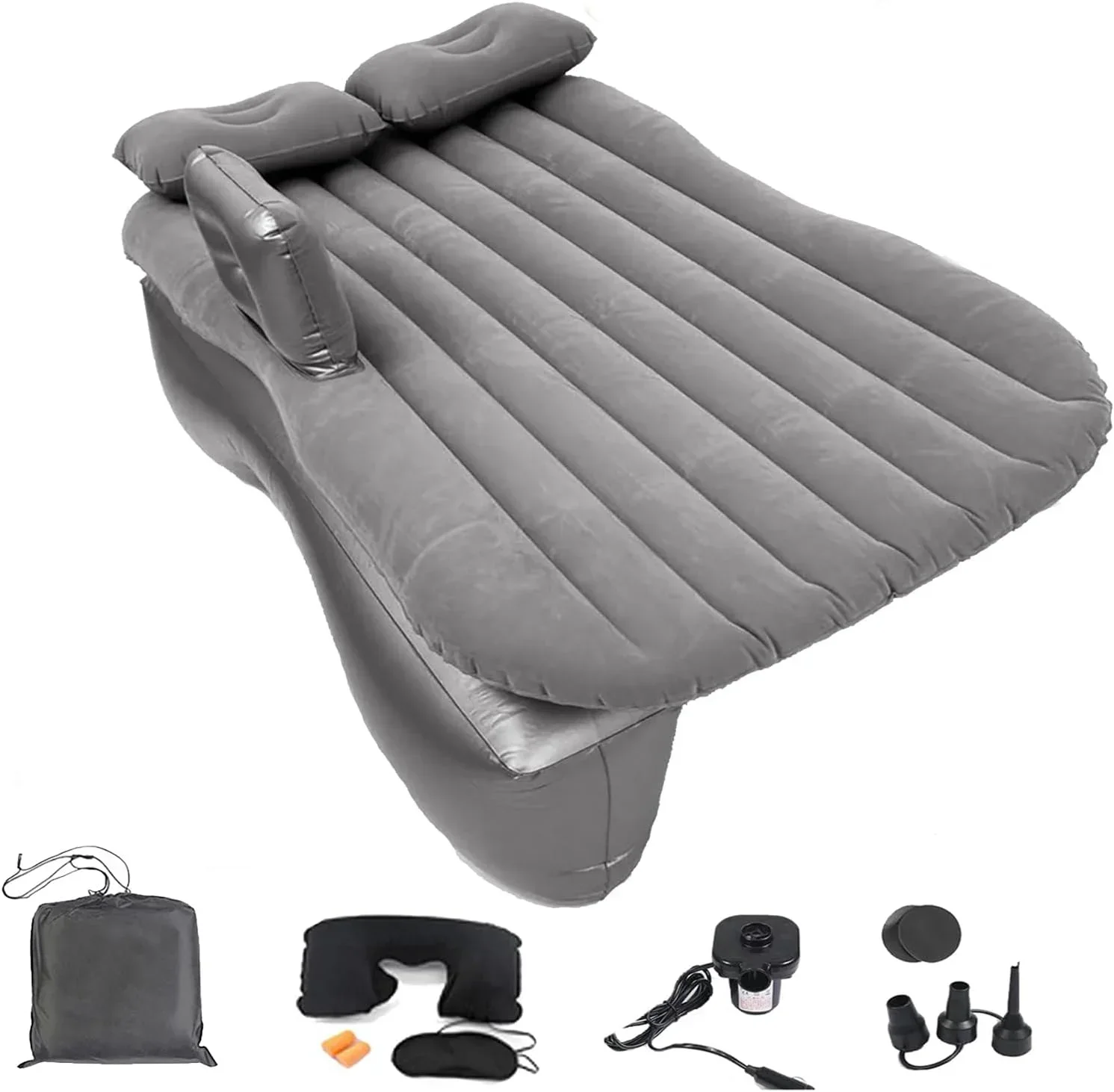
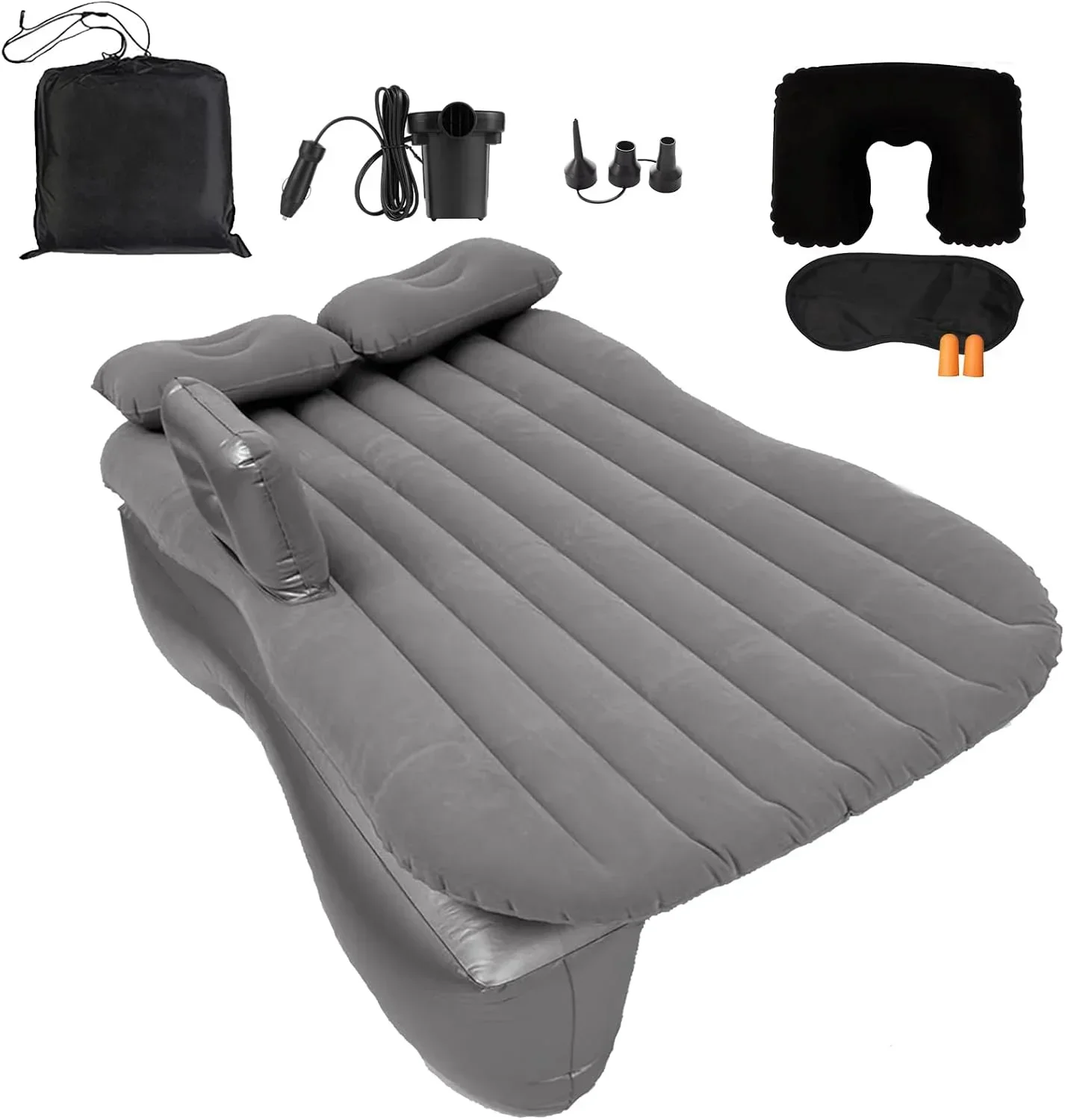
The safety-and-discretion rule I give everyone: park somewhere you're clearly allowed to be, stay low-profile, and don't set up anything that looks like a camp. A restful, no-idle night is easier with a proper bed - an Onirii SUV air mattress lets you lie flat and sleep without running the engine, which keeps you both comfortable and inconspicuous.
A quick way to gauge a block before you commit to it: look for posted parking signs first, note whether the surrounding cars are clearly residents' vehicles, and prefer commercial or mixed-use frontage over a purely residential street. Ordinances vary city to city and even zone to zone, so there's no single Florida-wide list to memorize - the sign in front of you and the character of the block are the most reliable guides you'll have at ten o'clock at night. If a spot makes you hesitate, that hesitation is usually worth trusting.
St. Petersburg's four-hour van rule: a sign of the trend
One recent city ordinance shows where Florida is heading. In January 2024 St. Petersburg amended its code to impose a four-hour parking limit, Monday through Thursday, on modified 'van-life' passenger vans parked adjacent to residential areas, approved by the council on a 6-1 vote. The relevant provisions sit in St. Petersburg City Code Chapter 26 on traffic and vehicles.
What to take from it:
- The target is conspicuous van-dwelling near homes, not a discreet traveler resting in a car.
- It's a four-hour cap on certain days, not a blanket ban - a limit on duration and location.
- It signals the trend: Florida cities are tightening residential-area rules, so expect more of these locally.
The lesson for a traveler is the same one that runs through this whole page: the state won't stop you, but the block you choose might, so choose carefully and avoid residential streets.
Notice what the ordinance targets and what it doesn't: it aims at built-out van-life vehicles lingering by homes on weekdays, not at an ordinary car parked briefly. That narrow drafting is common - cities write these rules against conspicuous, long-staying vehicles because those are what generate neighbor complaints in the first place. The traveler's takeaway is to avoid looking like the thing the rule was written to stop, and to keep residential blocks off your list entirely rather than trying to parse each city's exact hours.
Miami, Key West, and the coastal-city bans
Some Florida cities go further and prohibit living or sleeping in a vehicle on public property outright. Legal-guide and news summaries report that Miami, Miami Beach, Pompano Beach, and Key West restrict vehicle habitation on public property, with local fines commonly cited in the range of a few hundred to about a thousand dollars.
An honest sourcing note, because precision matters here: those particular city bans and their fine ranges come from secondary summaries, not from a municipal code section I verified line by line. So treat 'Miami and Key West prohibit it' as reliable in direction but check the current local ordinance or posted signage before you rely on a specific number. The tourist-heavy coastal cities are consistently the strictest, which fits the pattern - the more valuable and crowded the parking, the tighter the rules.
If you're weighing a night anywhere near the coast, keep three things front of mind:
- Assume tourist-coastal cities are strict - Miami, Miami Beach, Pompano Beach, and Key West are the ones repeatedly named in these summaries.
- Check the current ordinance or posted signage before relying on any specific fine figure, since those dollar amounts are secondary-sourced and can change.
- Favor inland and less touristy areas - they are consistently the safer bet for a legal, uneventful night than a crowded beachfront block.
Walmart and private lots in Florida
Private lots follow their own logic, and Walmart is the classic example. Overnight parking at a Florida Walmart is up to each store manager's discretion and subject to local ordinances - there's no statewide corporate guarantee either way. Many inland and highway-corridor stores allow a night; South Florida and coastal-tourist locations often post 'no overnight parking' signs.
- Look for posted signs first - they settle it instantly.
- Ask the manager if there's no sign; a yes from the store is the cleanest permission you can get.
- Inland and highway stores are your better odds than beach-town ones.
The same goes for truck stops, casinos, and some businesses that welcome overnighters - private permission plus no conflicting local ordinance is the combination you want.
The national backdrop: Grants Pass and why it matters
Two national legal developments shape enforcement in Florida. In City of Grants Pass v. Johnson, decided June 28, 2024, the U.S. Supreme Court held that enforcing generally-applicable public-camping and anti-sleeping ordinances does not violate the Eighth Amendment - which freed cities nationwide, Florida included, to enforce camping and vehicle-habitation bans more readily.
The older counterweight is Desertrain v. City of Los Angeles (9th Circuit, 2014), which struck down a vague vehicle-habitation ordinance - but that decision binds the Ninth Circuit, which does not include Florida (Florida sits in the Eleventh Circuit), so it's persuasive here at best, not controlling.
After Grants Pass in 2024, Florida cities have a freer hand to enforce local camping bans - which is exactly why the permissive state baseline can still meet a strict city ordinance on the ground.
What this means on the ground is subtle but important: Grants Pass didn't create any new Florida ban, and it doesn't touch the state's 125.0231 car-sleeping exemption. What it changed is the litigation backdrop - a city that chooses to enforce a camping or vehicle-habitation ordinance now faces less constitutional friction than it did before June 2024. So the permissive state baseline is fully intact, but the practical odds that a strict local rule actually gets enforced have gone up, which is one more reason to pick a spot no local rule forbids.
How to actually sleep legally in Florida
Put it together and Florida is a genuinely workable state for a legal night in your car. The state doesn't ban it, the 2024 law protects it for a registered, insured vehicle parked legally, and your job is simply to pick a spot that no local rule forbids. The playbook:
- Keep the car registered and insured - the statutory exemption is written around exactly that.
- Use rest areas for a three-hour recovery nap, not a full night.
- Avoid residential streets and coastal-tourist zones; favor inland Walmarts, truck stops, and businesses that permit it.
- Read the signs, stay low-profile, and don't idle - a flat bed and a small battery beat running the engine all night.
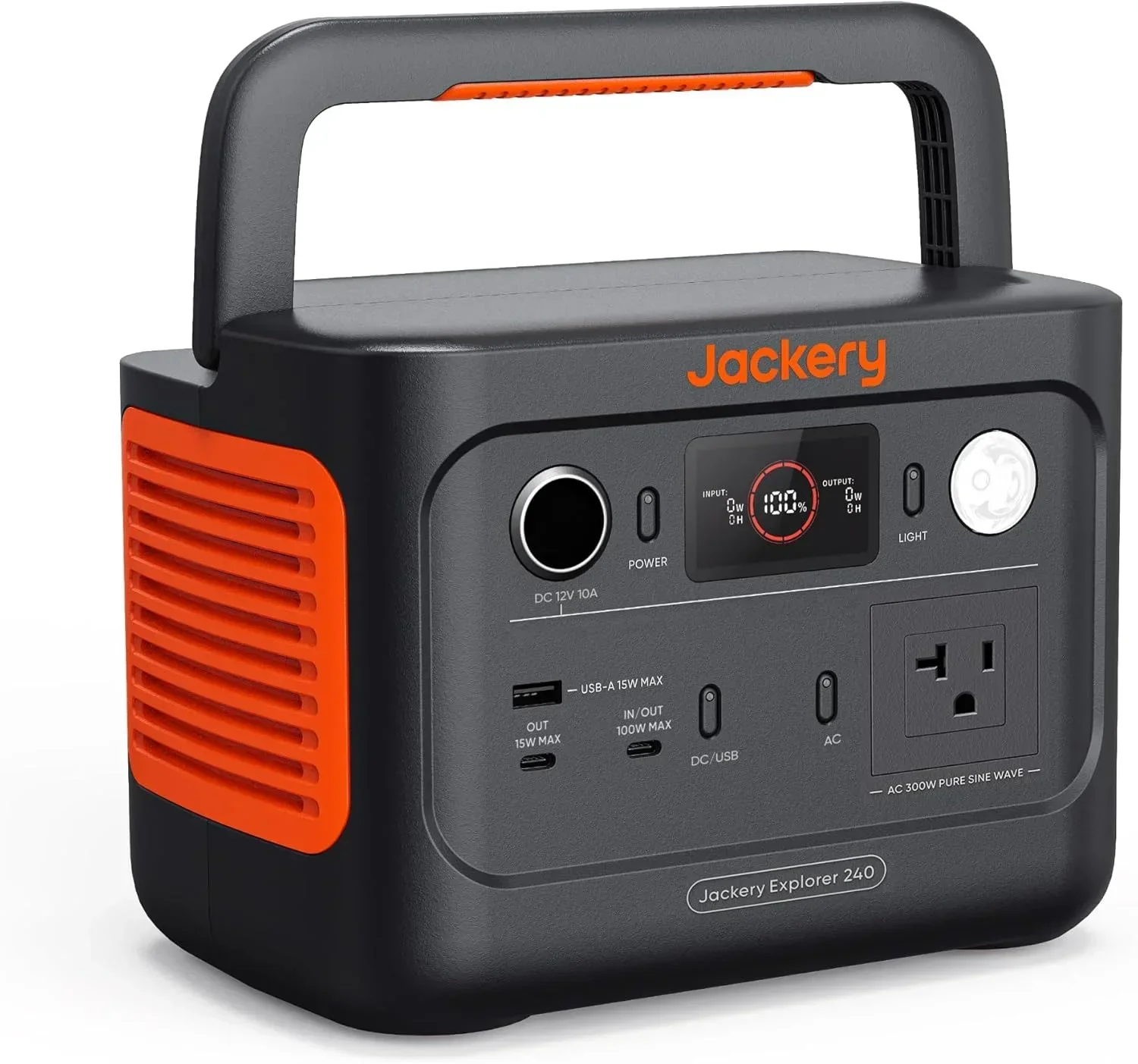
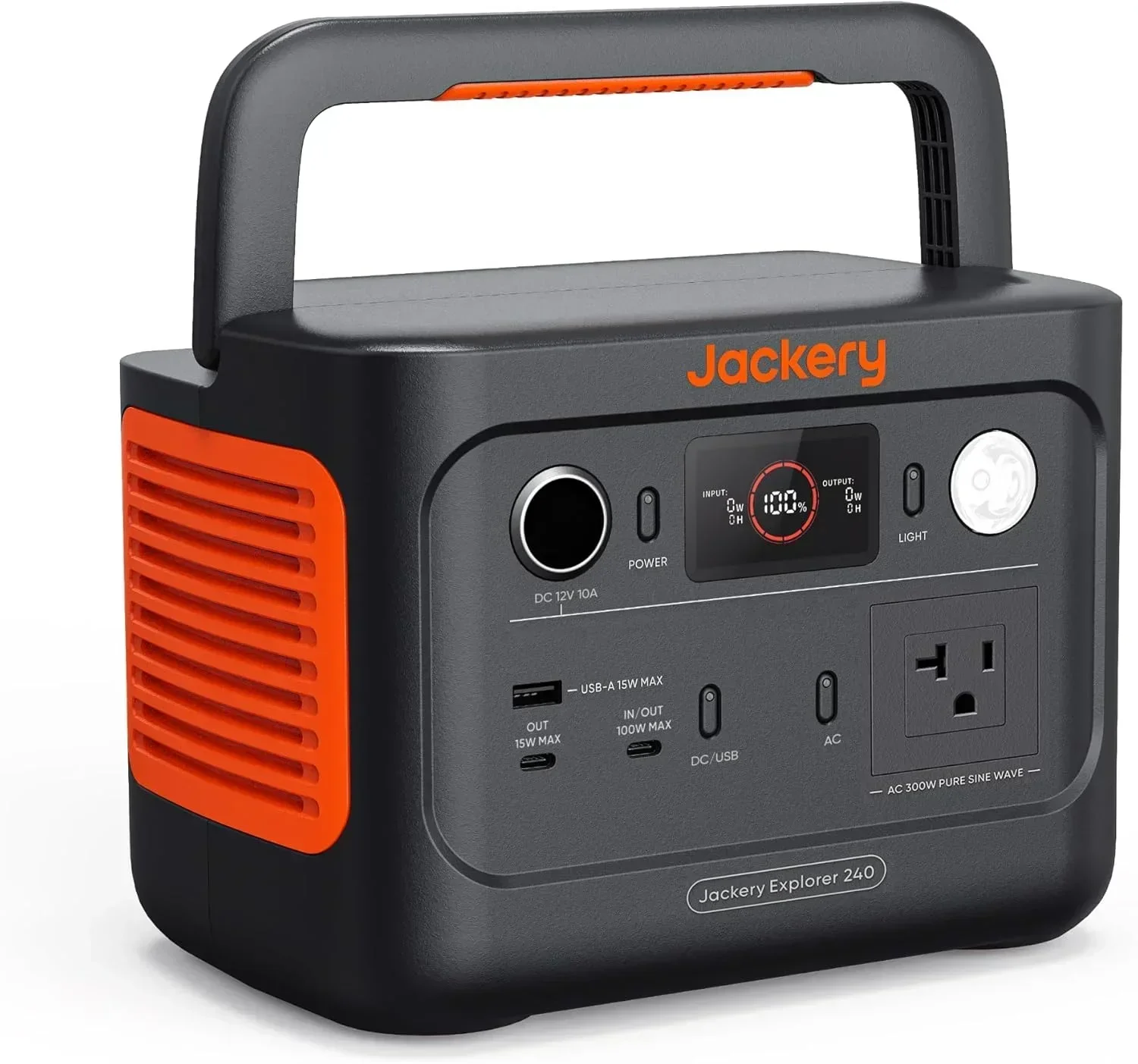
Running gear without idling is easy with a Jackery Explorer 240 v2 power station for a fan and charging. For the state-by-state picture see where you can legally sleep by state, and the safe and legal sleeping guide covers the discretion habits that keep a Florida night trouble-free.
One last habit worth building: have a backup spot in mind before you stop for the night. If a sign turns out to forbid it, a manager says no, or a block simply feels wrong, the traveler who already knows the next legal option moves on without stress instead of scrambling at midnight. Florida hands you a permissive baseline and a statute on your side - a little planning is all it takes to turn that legal right into a genuinely restful, uneventful night.
Related on Auto Roamer: where to park overnight; sleeping in your car at Walmart.