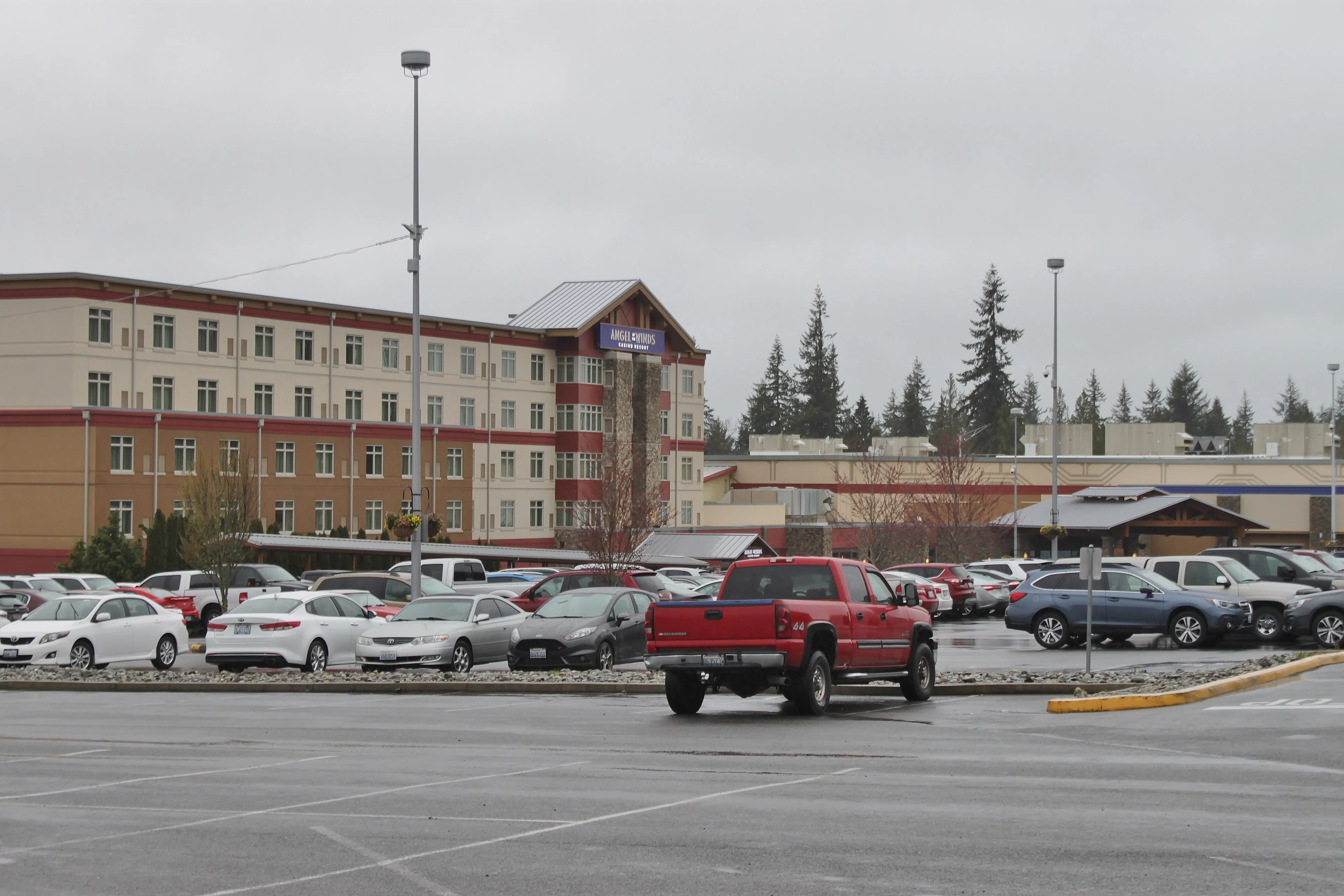
Casinos are one of boondocking's open secrets
Casino parking lots are one of the road's better-kept secrets for a night's sleep, and after enough overland miles you learn why. They're big, they're lit, they're patrolled 24/7, and the house has a clear incentive to let you stay - because a traveler parked in the lot is a traveler who might wander in for dinner, a coffee, or a few hands of blackjack. That alignment of interests is what makes so many casinos genuinely welcoming to overnighters.
So can you sleep in your car in a casino parking lot? Frequently, yes - and it's often free. But I want to be straight with you the way I wish more guides were: this is private property, not public land, and 'often yes' hides a real range. Some casinos roll out a designated RV area with a welcome. Some tolerate you in a far corner if you check in first. And a few flatly prohibit it and will have you towed.
The good news is that the etiquette for landing on the right side of that line is simple and consistent, and I'll walk you through it: the private-property reality, why you check in with security, how long you can usually stay, which lots welcome it versus ban it, the players-card angle, and the habits that keep casinos hospitable to the next rig that rolls in.
Part of what makes these lots work is scale. A destination casino often sits on acres of parking with lighting all night and security running 24/7, so a single sedan tucked in a back row barely registers - which is the opposite of a residential street where you stand out the moment the porch lights come on. That's why the answer runs 'often yes' for one night and occasionally stretches to three days where a property is generous, while a cramped urban floor with a paid garage has no room to offer at all.
One framing to carry through all of it: you are a guest angling to be an asset, not a squatter hoping to go unnoticed. Casinos that welcome overnighters do it because those travelers behave like customers. Show up acting like one and the whole thing works in your favor.
The one rule that matters: it's private property
Before any tip about where to park, internalize the single fact that governs everything here: a casino lot is private property. There is no public right to be there overnight; you're on the owner's permission, and that permission can be given, limited, or revoked at the security office's discretion.
On private property you don't have a right to stay - you have a license the owner can withdraw. Asked to leave and refusing is trespassing. That's the whole legal frame for casino-lot sleeping.
Why does a seasoned overlander lead with the buzzkill? Because it flips your strategy from 'hide and hope' to 'ask and receive,' which is both safer and more comfortable:
- Permission beats stealth. A casino that says yes gives you a settled night; a casino that never agreed can wake you with a tow truck.
- The house decides, not the internet. No blog can promise you a spot at a specific casino - only that property's security can.
- Rules change often. Casino overnight policies shift with management and season, so last year's forum post is a lead, not a guarantee.
There's a second layer worth knowing about: the local ordinance. A city can independently ban overnight vehicle sleeping within its limits, and after the Supreme Court's June 28, 2024 decision in City of Grants Pass v. Johnson - a 6-3 ruling that let cities enforce anti-camping laws on public property - more towns felt free to write and enforce those rules. That case was about public sidewalks and parks, not a casino's private lot, so it doesn't directly govern where you sleep here. But it's the reason a nearby 'no overnight parking per local ordinance' sign can exist, and it's one more argument for asking security what the local situation actually is rather than guessing.
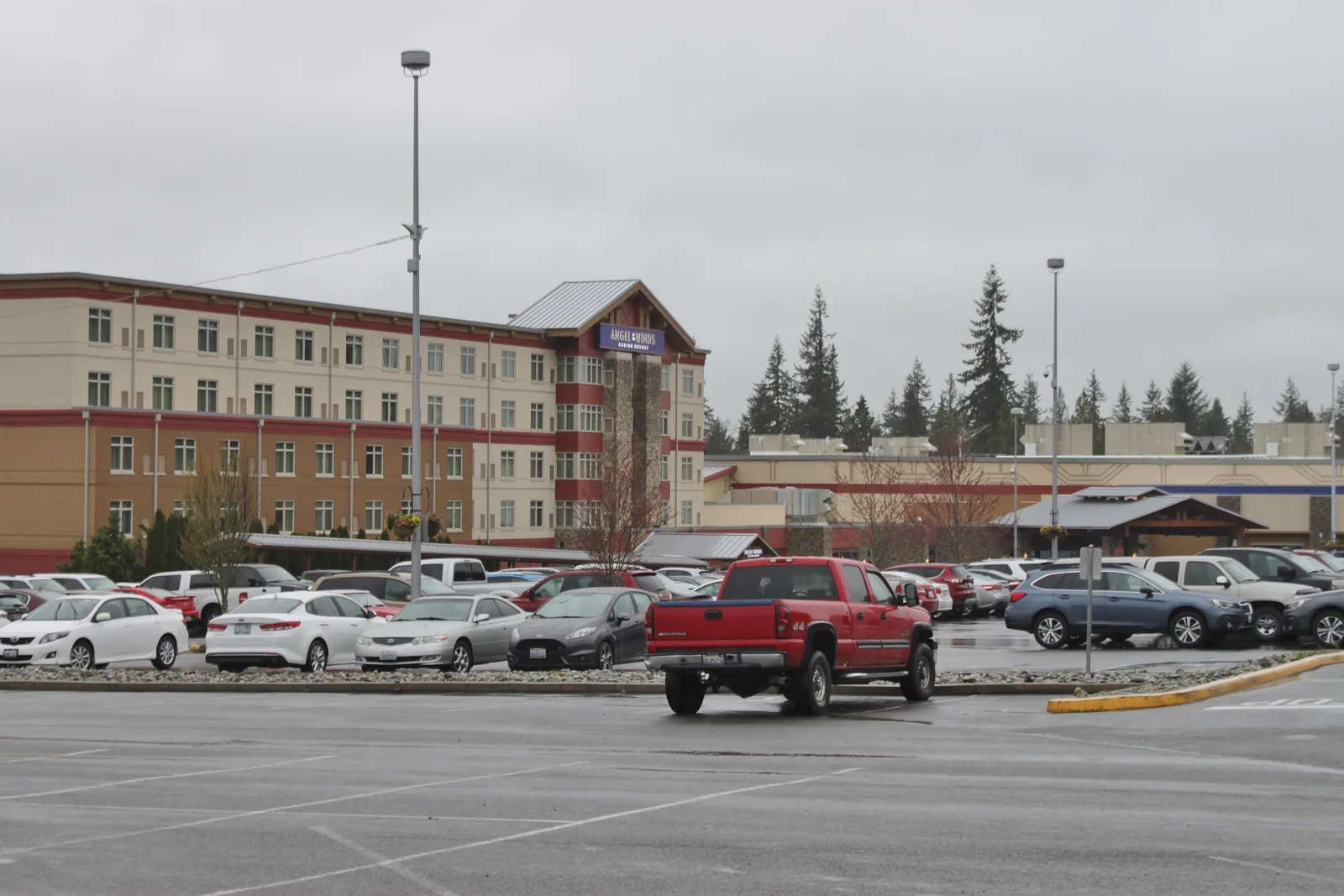
Check in with security: the move that unlocks the night
Here's the habit that separates travelers who sleep easy at casinos from those who get rousted: check in with security when you arrive. It's the near-universal etiquette, and it does more work than any other single thing you can do.
- They tell you the actual rules. Security will point you to the designated area, name any time limit, and flag anything specific to that property - information no aggregator can give you.
- It converts a gray area into a yes. A guard who knows you're there and approved you is the reason nobody knocks on your window at 3 a.m.
- Some want paperwork. A few casinos ask you to sign in or show a players-club card; doing it up front is painless.
I know the temptation - there's a whole 'don't ask, just do it' school of thought online. I don't follow it, and I'd steer you away from it too. On property that can tow you at will, the ninety seconds it takes to find security is the cheapest insurance there is, and it usually turns a nervous night into a sanctioned one. For the wider skill of picking good overnight spots, the where-to-park-overnight guide pairs well with this.
Finding security is usually easy: on a 24/7 property there's a desk inside the main entrance, a guard booth at the lot, or a number posted near the doors. Keep it short and specific - tell them you'd like to park overnight, sleep in your car, and leave in the morning, and ask where they'd like you and how long you can stay. That one exchange settles the two variables that cause every casino-lot problem: where and how long. And because these lots run patrols and cameras all night, a guard who has your plan on record is the difference between being a known guest and being an anonymous car that gets a flashlight and a knock at 3 a.m.
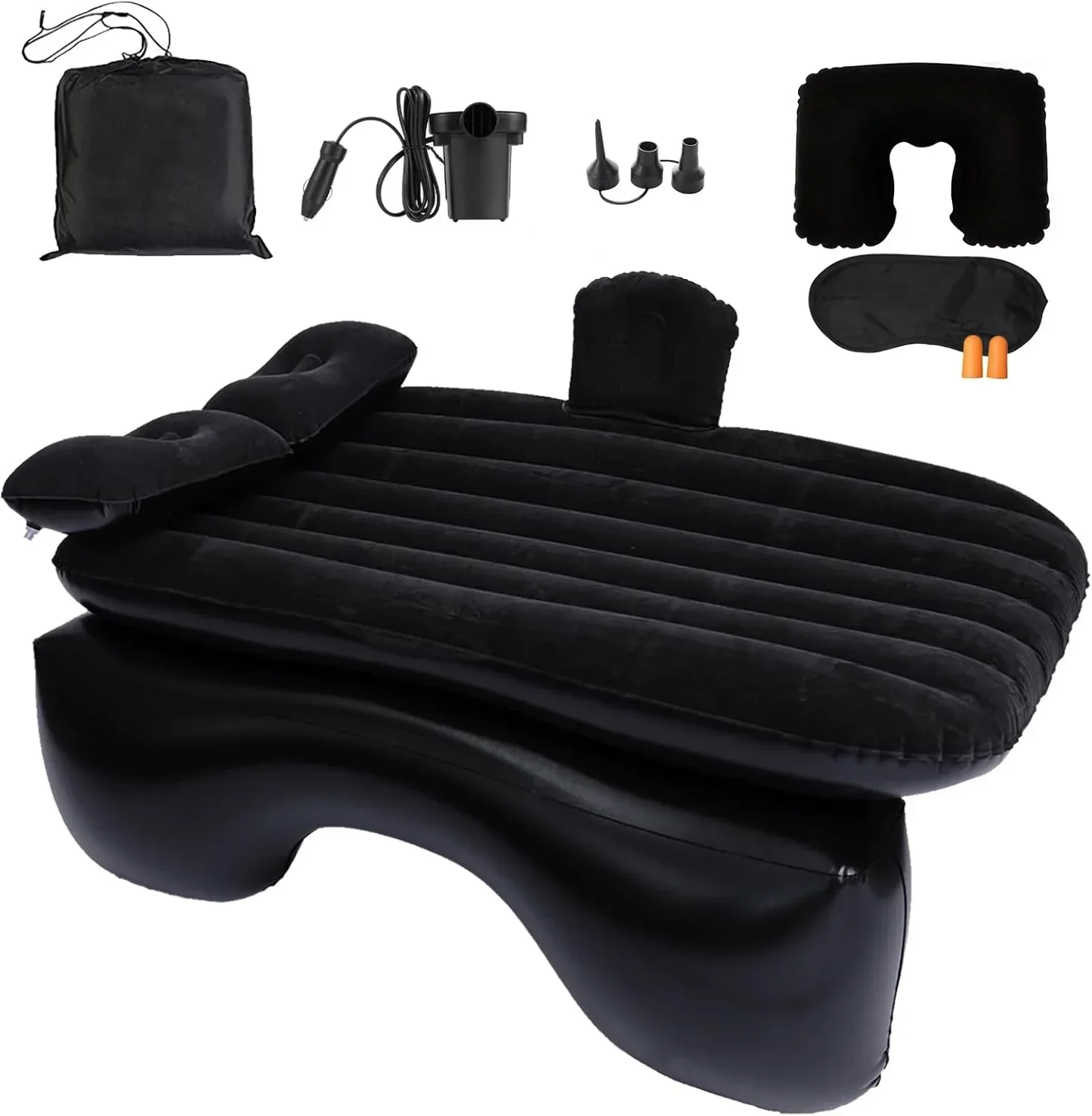
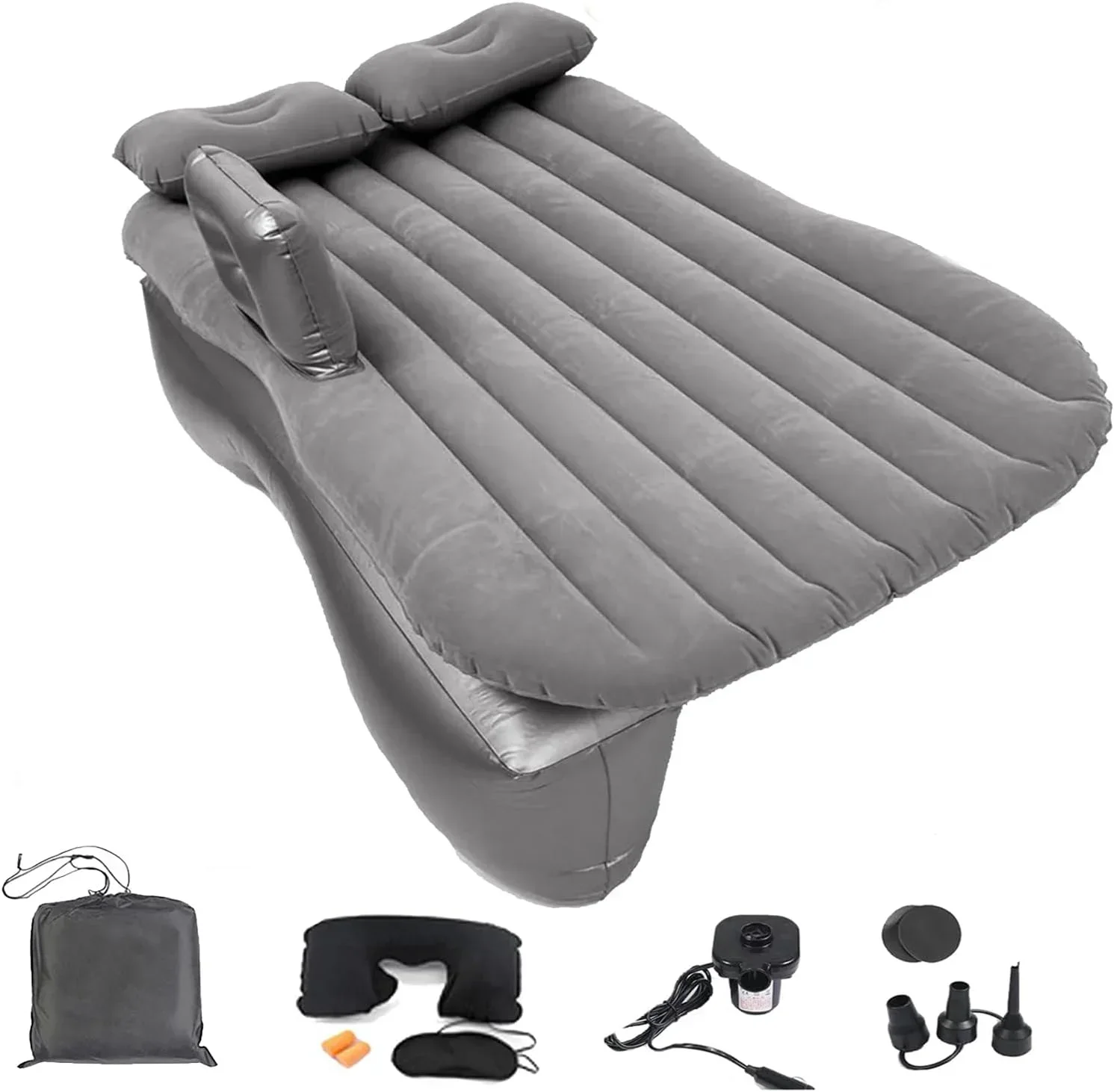
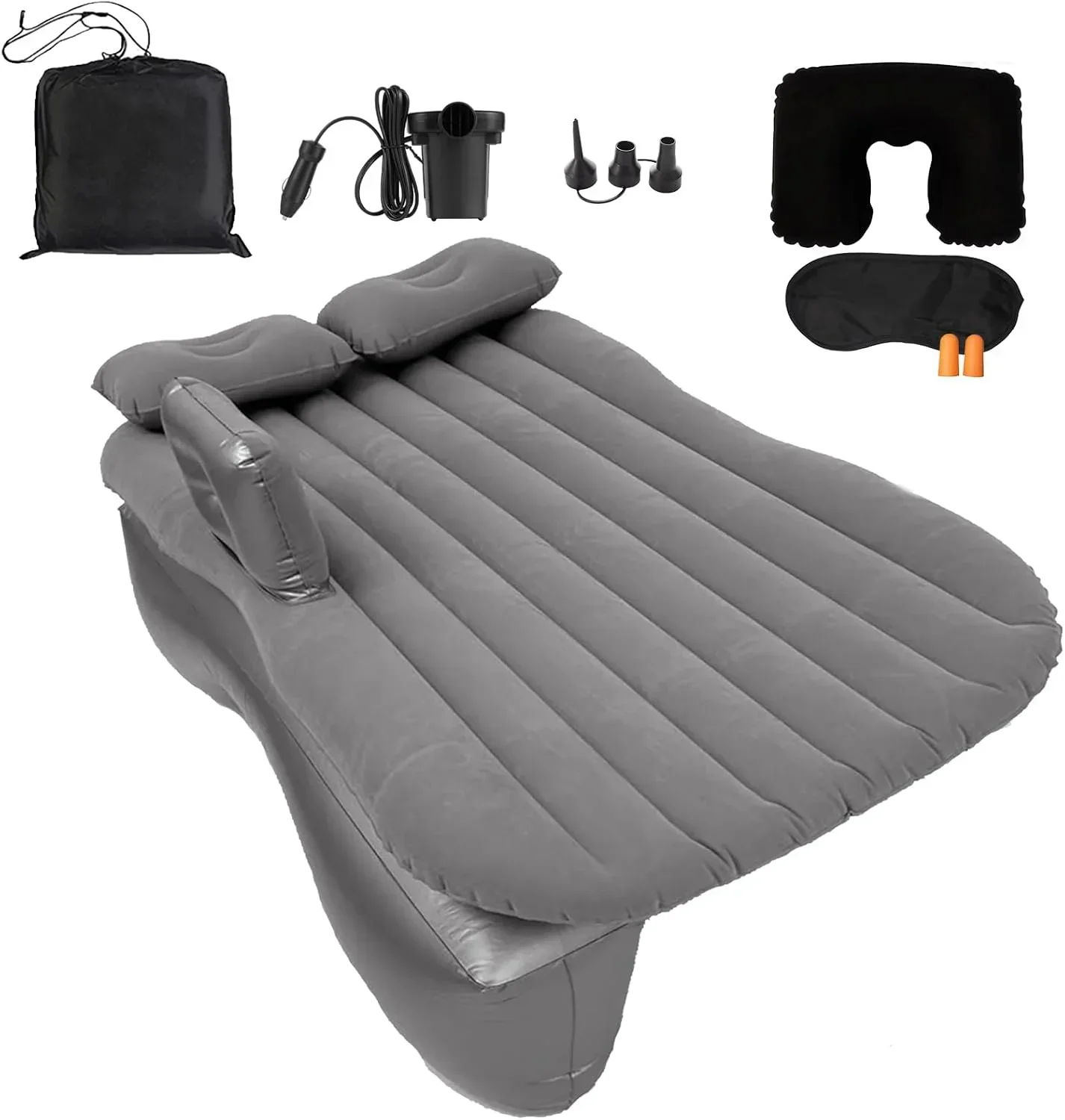
A flat, quiet bed makes that sanctioned night worth having. An Onirii SUV air mattress levels a folded back seat in one inflate, so once security waves you in you're actually resting, not tossing on a seam all night before a long day of driving.
How long you can stay: one night to several days
Length of stay is the factor that varies most from casino to casino, so don't carry an assumption in from the last place you stopped. The reported range runs from strict one-night limits to several days, and only the property can tell you which applies.
- One night is the safe default. If you haven't confirmed otherwise, treat it as a single overnight and move on.
- Some allow multi-day stays. Reports describe casinos that permit one night, three days, or more - but that's property-specific and changes, so confirm at check-in.
- Don't leave the vehicle unattended for days. Even where longer stays are allowed, a rig left sitting can get flagged and towed - stay present and keep it looking active.
Those figures are reported norms from RV-travel sources, not published casino policy, so the security desk's word beats anything I can quote. Think of it like a rest area's cap versus a campground's: a casino lot is for a night's sleep, occasionally a few, never a place to settle in. Read it as a courtesy with a clock and you'll never overstay your welcome.
The reported figures usually land in a narrow band - one common pattern is 'one night' at strict properties and 'one night, three days' at looser ones, with a handful going longer. Because the security desk can move you off the lot at any hour regardless of what a review promised, the practical rule is to ask for the number on arrival and set your own departure a comfortable margin inside it. If they say three days, plan to roll out on the morning of the third rather than testing the edge, and check in again if your plans change - a rig that quietly overstays is exactly what gets a property to tighten its policy.
Where casinos welcome it, and where they don't
It helps to understand the pattern behind which casinos say yes, because it lets you predict a lot before you even call. The welcoming ones tend to be destination and tribal casinos with large lots and rooms to fill; the reluctant ones tend to be urban, space-constrained, or bound by local rules.
- Big, semi-rural casinos usually welcome it. Room in the lot plus a motive to draw players equals an easy yes, sometimes with a marked RV area.
- Some run actual RV parks. A number of casinos operate hookup RV lots with 20/30/50-amp power, water, and dump stations for a fee, which is a step up from boondocking.
- Urban and tight lots often decline. A downtown casino with a parking structure and no room simply can't host you.
The takeaway isn't to memorize a list - policies change too fast for that - but to read the property. A sprawling casino off a state highway is a better bet than a packed city floor, and either way the security desk confirms it in a sentence. When a casino can't host you, the Walmart overnight guide and the state-by-state legality guide give you the next options.
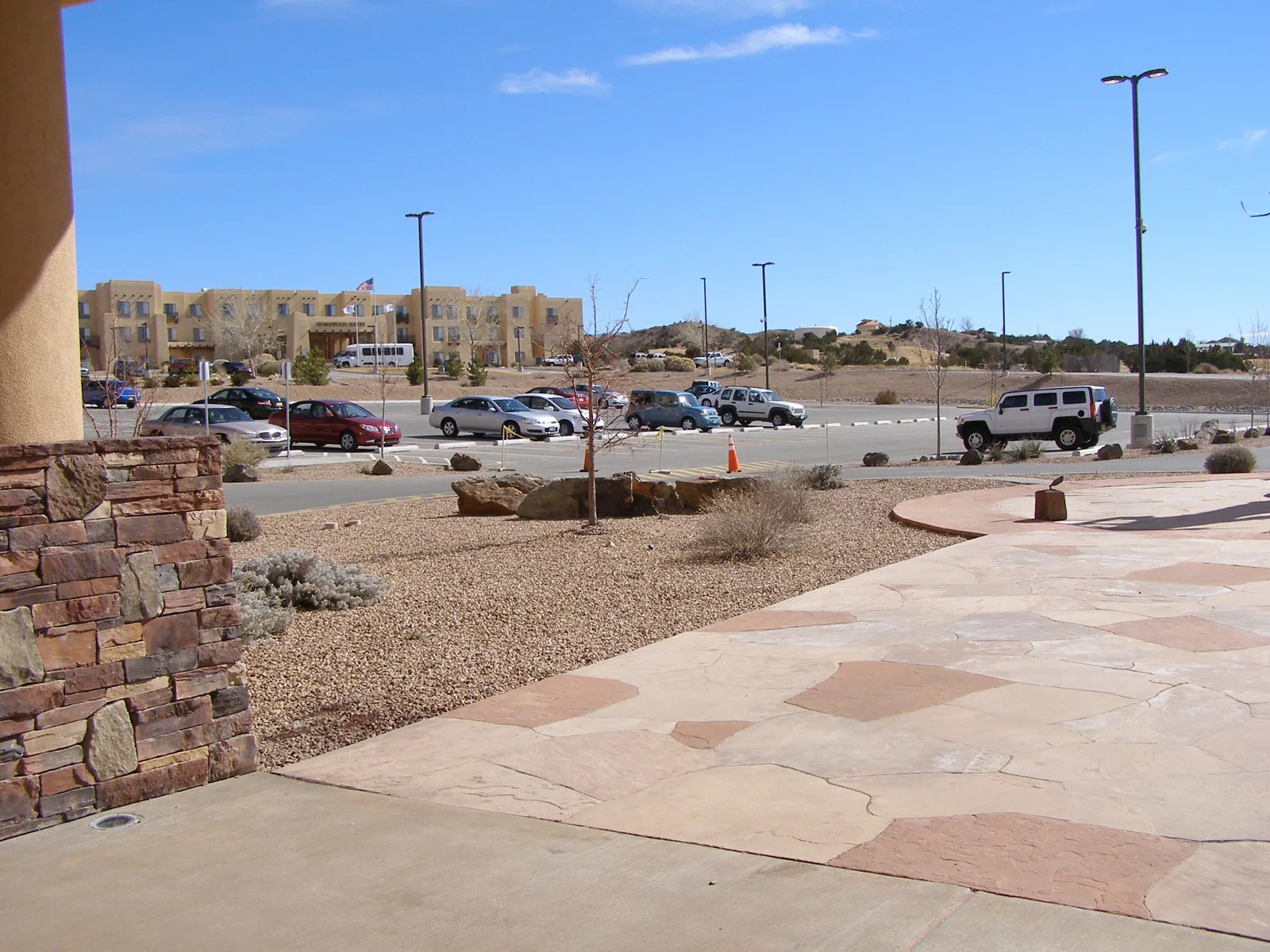
Named lots on both sides: allowed and off-limits
To make the range concrete, here are the kinds of examples RV-travel communities point to - reported by travelers, not confirmed against each casino's official policy, so treat every name as 'reportedly, call ahead.'
- Reportedly welcoming: properties like Angel of the Winds (described as free boondocking on a gravel lot) and Seneca Allegany (a large lot with room for big rigs) come up repeatedly as friendly.
- Reportedly with hookups: Cypress Bayou is described as running an actual RV park with 20/30/50-amp service, water, and a dump - a paid step above a bare lot.
- Reportedly off-limits: Odawa Casino in Mackinaw City is described in traveler reviews as not allowing overnight parking at all.
I list both sides on purpose, because the myth I most want to kill is 'all casinos let you boondock free.' They don't. The Odawa example is the reminder that a casino's status can be a flat no, and that these reports come from user reviews that go stale. Use them to build a shortlist, then confirm the current answer at the source before you count on it.
The Cypress Bayou example is worth a second look because it shows the top of the range. A casino that runs its own RV park with 20/30/50-amp hookups, water, and a dump station is offering something closer to a campground than a free lot - you plug in, you settle, and you pay a nightly fee for the privilege. That's a different transaction from boondocking in a back corner, and it's a good fallback when you want a longer, powered stay without hunting for a separate RV park. On the other end, the Odawa report is the reason I never assume: one property in Mackinaw City reportedly saying a flat no is all it takes to turn a confident arrival into a midnight scramble for a backup spot.
The players-card angle: permission and perks
Here's a move that quietly smooths the whole thing: sign up for the casino's players club. It's free, it takes a few minutes, and at many properties it's the unofficial key that turns a maybe into a yes.
A free players card often is the permission. It signals you're a patron, not a squatter, and at some casinos it's literally what security asks to see before approving an overnight stay.
Why it works, and what you get:
- It marks you as a customer. The overnight courtesy exists to draw players; a card is proof you're the audience it's for.
- It can unlock perks. Cards frequently come with food credits or discounts, so the dinner you'd buy anyway to be a good guest gets cheaper.
- It creates goodwill. A little play or a meal is the give-back that keeps a casino willing to host travelers.
You don't have to gamble a dime you don't want to - but being an actual, carded patron who grabs a coffee is a far easier guest to welcome than a car that treats the lot as free camping and gives nothing back.
Etiquette that keeps casinos welcoming rigs
Everything good about casino-lot sleeping survives on travelers not abusing it, so the etiquette isn't just manners - it's what keeps the door open for all of us. After a lot of these nights, here's the code I live by.
- Park where they tell you. Use the designated RV area or a far corner; never take prime spots near the entrance.
- Stay self-contained. No slide-outs, no awnings, no chairs out, no setup unless you're told it's fine - a car with cracked windows should read as parked, not camped.
- Keep it quiet and clean. Low noise, leashed pets, and pack out every scrap of trash.
- Give them business. Eat or play a little; it's the whole reason the courtesy exists.
Follow that and you're the guest every casino wants back. Ignore it - spread out, leave a mess, overstay - and you're the reason the next property posts a no-overnight sign. The favor is collective, and so is the cost of blowing it.
Powering an overnight without idling
One practical note that matters more on a casino lot than most places: don't idle the engine all night. Big lit lots have cameras and patrols, and a car running for hours reads as exactly the kind of settled-in camping that makes security nervous - plus it's noise, fumes, and wasted fuel.
The fix is to carry your own quiet power:
- Run a fan and lights off a battery, not the engine - silent, fume-free, and invisible to a passing patrol.
- Charge your devices overnight so you're topped up for the next leg without cracking the ignition.
- Recharge as you drive to the next stop, so the battery is ready for the following night.
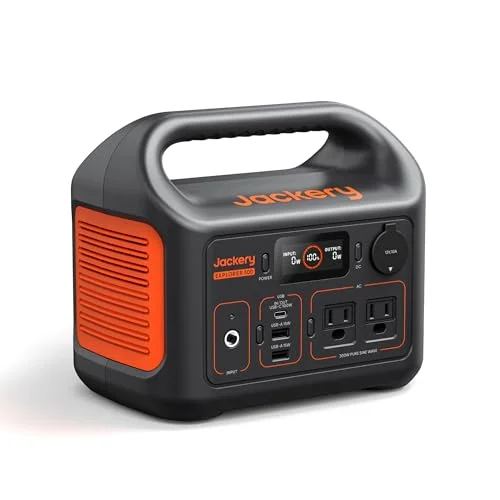
A Jackery Explorer 300 power station covers all three: it runs a fan and charging through the night on its 292 watt-hours and tops back up off the 12V socket between camps - so you stay comfortable and low-profile without ever idling in a lot full of cameras.
That 292 watt-hours is enough to run a small 12V fan and top a phone through a single overnight with margin to spare, which is all a casino night asks of it - you're there for one night, maybe three, not a week off-grid. Recharge from the car on the drive to the next stop and the pack is ready again by evening, so a quiet, engine-off night becomes your normal rather than a battery you have to ration.
The bottom line on a casino-lot night
Put it together and a casino lot is one of the best free overnight options going for a car sleeper - lit, patrolled, often welcoming, and frequently attached to a warm meal and a clean restroom. You just have to treat it as the private-property courtesy it is.
My road-tested checklist:
- Check in with security - it unlocks the night and tells you the real rules.
- Grab the free players card, park where they direct you, and mind any stay limit.
- Give them a little business, stay self-contained, and run your own power instead of idling.
- Confirm named-casino reports at the source - policies change, and a few casinos say no.
Do that and you get a safe, sanctioned, genuinely pleasant night for the price of a coffee and some courtesy. For the safety-and-discretion habits that carry across every overnight spot, the safe and legal sleeping guide is the companion to this one.