
The Short Answer: Yes, and the Rear Window Is Why
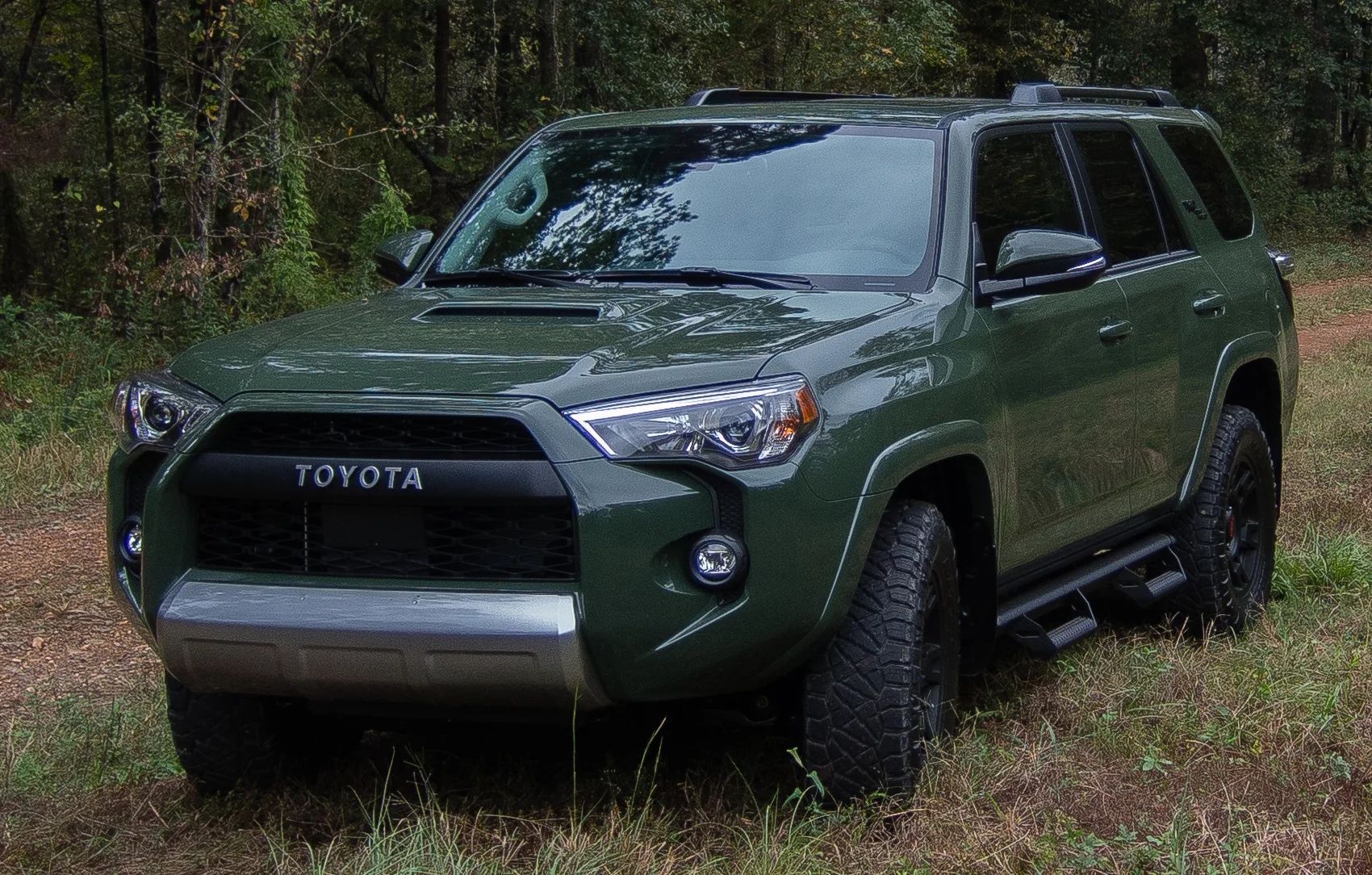
For summer car camping, the Toyota 4Runner earns a clear yes, and the reason is airflow. Heat, not cold, is the hard problem when you sleep in a vehicle in warm weather, and the whole game is moving hot air out and pulling cooler night air in. The 4Runner is unusually good at exactly that, because it can open more of itself to the breeze than most SUVs can.
Its standout feature is a power roll-down rear liftgate window that fully retracts into the tailgate - a design that is nearly unique in its class. Most SUVs seal the rear glass shut; the 4Runner lets you drop it completely, turning the back of the vehicle into a large low vent. Pair that with the side windows and an available moonroof and you have several openings working together.
Space is the other half. With the second-row seats folded, the 4Runner opens up 89.7 cubic feet of cargo volume, enough flat floor for an adult to stretch out. A vehicle that both sleeps a person flat and breathes from multiple directions is a strong summer platform, and the rest of this guide is how to use that airflow to sleep cool on a hot night.
First, Understand the Heat-Soak You're Fighting
Before the 4Runner's strengths matter, respect the physics, because a parked vehicle heats fast. A Stanford study found a parked car's interior warms an average of 40 degrees Fahrenheit within one hour regardless of the outside temperature, and 80 percent of that rise happens in the first 30 minutes. The cabin does not warm gently; it spikes early and hard.
The peak numbers are worse than most campers expect. Research from UC San Diego and Arizona State found a vehicle parked in direct sun for one hour reaches an average cabin temperature of about 116 degrees Fahrenheit, versus roughly 100 degrees Fahrenheit parked in shade. That 16-degree gap between sun and shade is the single biggest lever you control, and it is free.
The takeaway for a summer camper is that you are managing stored heat, not just air temperature. The 4Runner's dark interior and metal body soak up sun all day and radiate it back at night. No amount of ventilation fixes a cabin you let bake in full sun - which is why the airflow advantages below only pay off once you have also parked smart and shed the daytime heat load.
The 4Runner's Ace: A Rear Window That Disappears
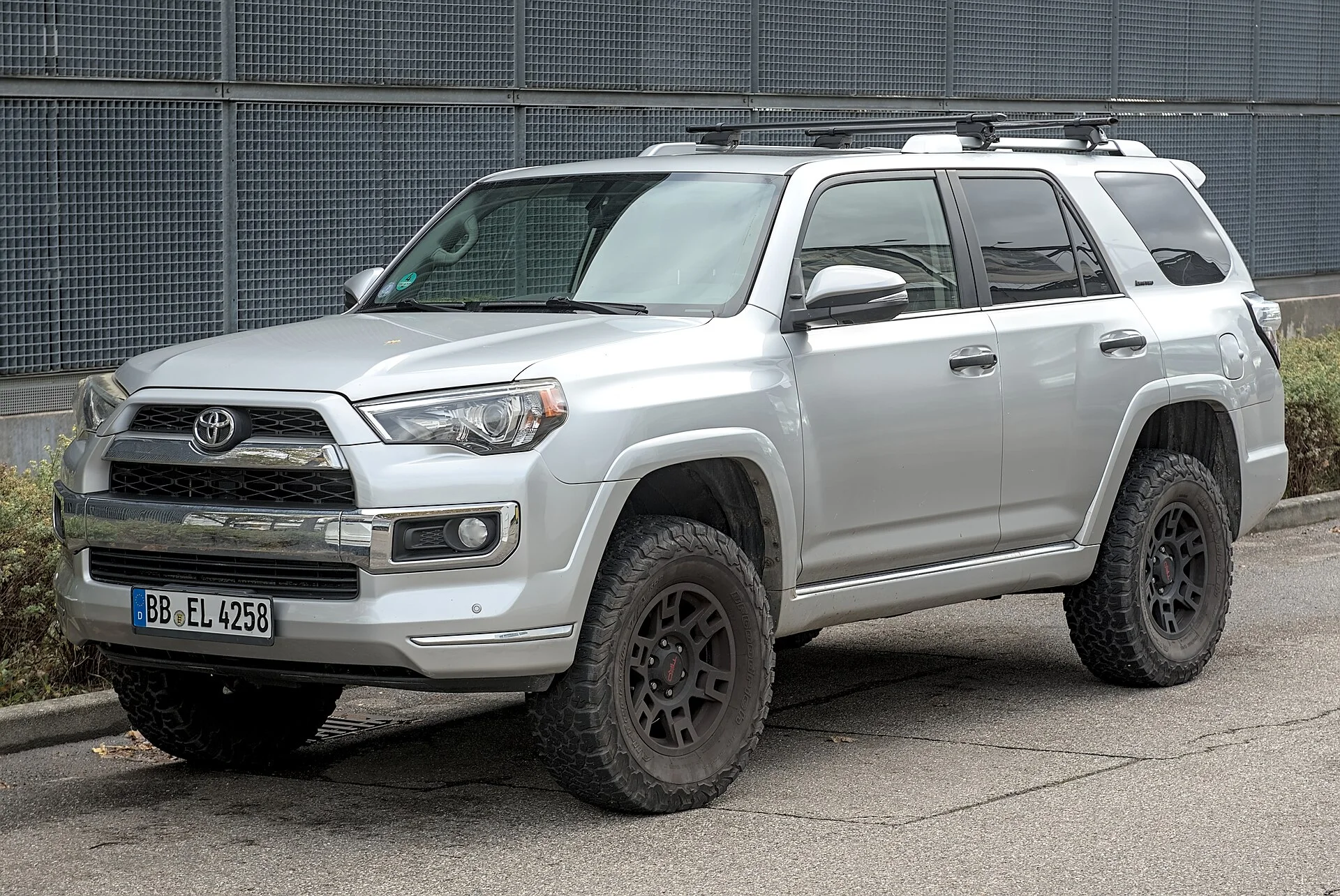
Here is the feature that sets the 4Runner apart for hot-weather sleeping. Its power rear liftgate window fully retracts into the tailgate, so the entire rear glass opening becomes a vent. On a trip through desert heat, that is the difference between a stuffy box and a shelter that actually breathes, because it opens a large low exit for hot air at the back of the vehicle.
Cross-flow is why it matters. Hot air needs somewhere to leave and cooler air somewhere to enter, ideally on opposite ends of the cabin. Crack the front side windows and drop the rear glass, and the whole length of the 4Runner becomes an air channel - intake up front, exhaust at the tailgate. Very few SUVs can open their rear like this; most force you to rely on side windows alone.
The practical benefit is airflow without fully opening the vehicle to bugs and weather. The rear window sits behind you when you sleep with your head toward the front, so you can run that big rear vent with a mesh screen over the tailgate and keep a low, steady draft over your body all night. For summer camping, this one feature is worth more than any spec on the sheet.

Counting the Vents: How Many Ways It Breathes
An overlander rates a summer vehicle by its venting inventory, and the 4Runner's is deep. All four side windows open, the rear liftgate glass rolls fully down, and where equipped, a power tilt-and-slide moonroof opens overhead. That is up to six separate openings you can dial in - far more than the typical two-or-four-window setup that most crossovers limit you to.
The moonroof deserves special mention for heat. Hot air rises, so an overhead vent lets the hottest air at the top of the cabin escape straight up while cooler air enters low through the windows and rear glass. Tilting the moonroof open and cracking the lower windows creates a chimney effect that pulls heat out of the cabin passively, without any fan running at all.
The flexibility is the point. On a still night you open everything to catch any breath of air; on a buggy or dewy night you open just the screened rear glass and a front window for a controlled draft. A vehicle with many venting points lets you tune the airflow to the conditions, and the 4Runner gives you more knobs to turn than almost anything else you would car-camp in.
Room to Sleep in the Airflow
Ventilation only helps if you can lie in the moving air, and the 4Runner has the space. Folding the second-row seats opens 89.7 cubic feet of cargo volume, and owner measurements put the rear load floor at roughly 66 to 73 inches of depth with the seats folded - long enough for many adults to stretch out flat rather than curl up.
Width helps too. The cargo area runs roughly 41 to 44 inches wide between the wheel wells per forum measurements, which is enough for one person with room to spare or two on a snug pad. The long 109.8-inch wheelbase gives that flat floor its length, and the body-on-frame layout means a mostly rectangular sleeping space rather than a sharply tapered one.
Positioning matters in heat. Sleep with your head toward the front and your feet toward the tailgate, and you can run the rear glass vent low near your feet while a cracked front window feeds air past your head. The 89.7 cubic feet is not just storage - it is the room that lets you place your body in the path of the cross-flow instead of in a stagnant corner.
Making the Air Actually Move: Fan Math
Open windows help, but on a dead-still night you need to force the air, and a small 12-volt fan does the work. A common ventilation rule of thumb targets about 1 CFM of fan output per cubic foot of interior space, and 15 to 20 complete air exchanges per hour to stay comfortable in hot conditions. That is a modest fan, not a shop blower - even a small unit moves meaningful air in a cabin.
Placement beats power. Set a fan to exhaust hot air out one opening - the rear glass is ideal - and the vehicle pulls fresh air in through the others to replace it. Blowing air out of the hottest, highest opening does more than blowing air around inside, because it drives the exchange rather than just stirring warm air over your skin.
A rechargeable clip fan is the cheapest upgrade to a hot-weather setup. A portable 12V camping fan clipped near the rear glass, aimed out, turns the 4Runner's already-good venting into an active air exchanger. Combined with the cross-flow the roll-down rear window enables, a single small fan is often enough to keep a summer night tolerable without idling the engine at all.

Kill the Daytime Heat Before It Stores Up
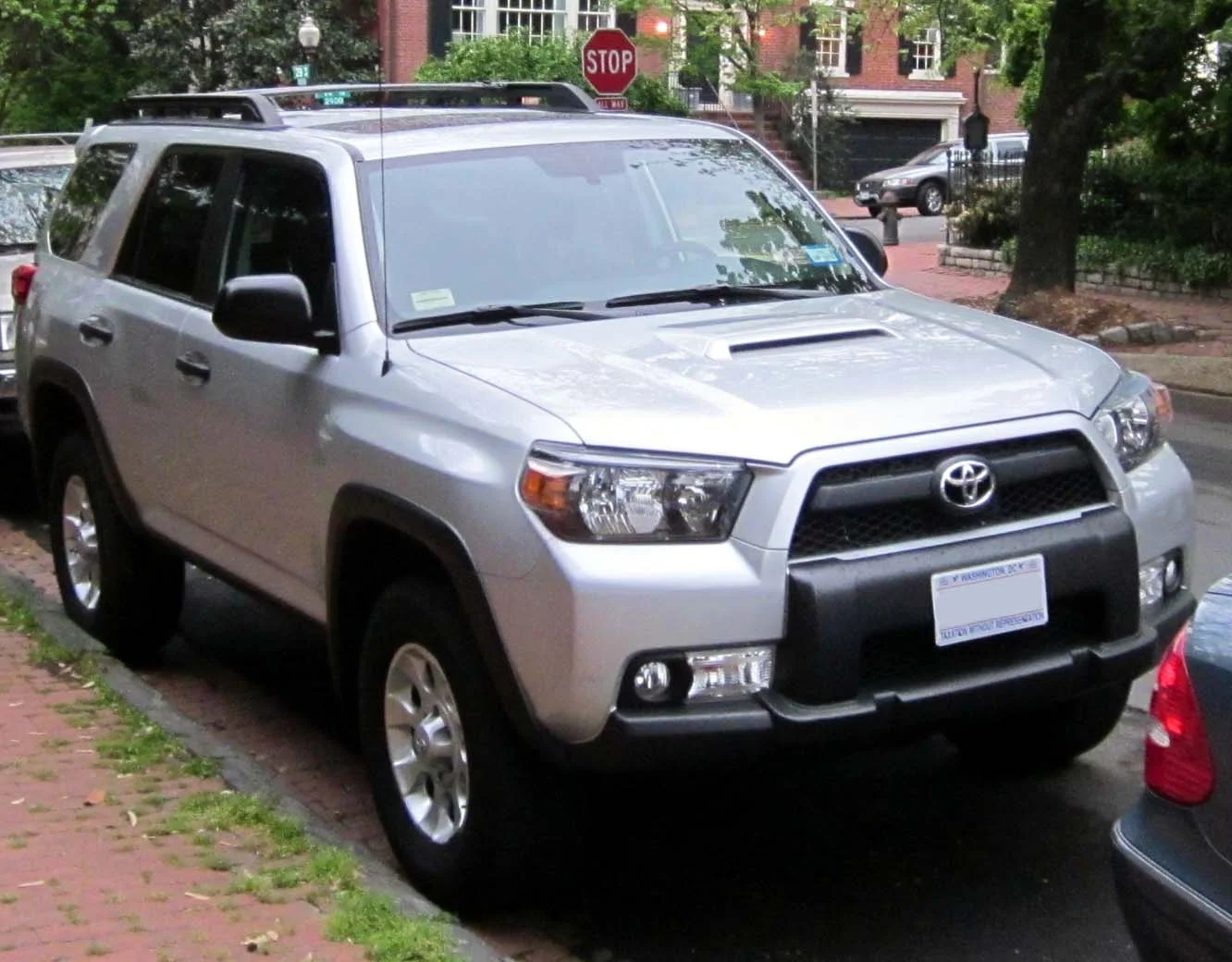
The best summer sleep starts hours before bed, by keeping the cabin from heat-soaking in the first place. The biggest lever is shade: parking in shade instead of full sun drops the peak cabin temperature from about 116 degrees Fahrenheit to roughly 100 degrees Fahrenheit, a 16-degree head start you get for the cost of choosing your spot. Chase afternoon shade the way you would chase a level pad.
A reflective windshield sunshade is the next cheapest win. It can cut peak interior temperature by up to 40 degrees Fahrenheit, with an average reduction near 25 degrees Fahrenheit, by blocking the sun from cooking the dash and front cabin. Because 80 percent of the heat rise happens in the first 30 minutes, deploying the shade whenever you park - not just at bedtime - keeps the stored heat from ever building.
Insulated window covers extend the same idea to the rest of the glass, blocking radiant heat during the day and holding cooler air at night. The overlander's habit is to treat heat management as an all-day project: park in shade, shade the glass, and vent early, so that by nightfall the 4Runner's airflow advantages are working with a cool cabin instead of fighting a hot one.
Idling for AC: The Costs and the Limits
The tempting shortcut is to run the engine and air conditioning to cool the cabin, and while it works, it comes with real costs. The 4Runner is EPA-rated at 16 mpg city and 19 mpg highway, and its V6 burns fuel steadily at idle, so running the AC through the night is thirsty and noisy. It is a comfort tool for a rough hour, not an all-night plan.
There is a safety line that matters more than fuel. Running the engine to power the AC means idling a gasoline engine, and an idling engine produces carbon monoxide. Idling for climate should only ever be done while awake and alert, with the exhaust path clear - never as a set-it-and-sleep solution, because carbon monoxide is odorless and a sleeping person cannot detect it.
The honest role for AC is a pre-cool, not an overnight crutch. Run the engine and AC for a short while before bed to knock the cabin temperature down, then shut it off and switch to passive airflow - the rear glass vent, the cracked windows, the small fan - to hold that cooler air through the night. The 4Runner's ventilation is good enough that most summer nights do not need the engine running at all.

Where the 4Runner Still Fights the Heat
No vehicle is a perfect summer camper, and honesty about the 4Runner's weak spots helps you plan around them. Its body-on-frame construction and roughly 4,400-pound mass mean a lot of metal that soaks up sun all day and radiates it back after dark, so the cabin holds daytime heat longer than a lighter vehicle. That stored heat is why the shade-and-shade routine matters so much here.
Interior color is another factor. Dark upholstery and trim absorb more radiant heat, and the 4Runner's large glass area lets a lot of sun in during the day. The same big windows that vent so well at night are heat collectors by day, which is exactly why insulated covers earn their place - they turn the glass from a liability into an asset once the sun is up.
Finally, the 4Runner has no factory climate solution that runs safely while you sleep - like every gas vehicle, its only overnight cooling is passive airflow. That is not a knock unique to the 4Runner; it is the reality of summer car camping. The difference is that the 4Runner's roll-down rear window and many vents make passive airflow genuinely effective, where a more sealed vehicle would leave you sweating.
The Verdict: One of the Better Summer Platforms
The Toyota 4Runner is one of the better vehicles you can car-camp in during summer, and the case comes down to airflow plus space. The power rear window that fully rolls down into the tailgate gives true cross-flow ventilation that almost nothing else in its class offers, and folding the second row opens 89.7 cubic feet of flat floor to sleep in that moving air.
The heat is still real and you have to manage it. Park in shade to hold the cabin near 100 rather than 116 degrees Fahrenheit, run a reflective sunshade for up to 40 degrees of peak reduction, shade the rest of the glass, and vent early so the cabin never fully heat-soaks. Then let the rear glass, side windows, and moonroof do their work, with a small 12-volt fan to force the exchange on still nights.
Do that and the 4Runner sleeps cool on most summer nights with the engine off - quieter, cheaper, and safer than idling for AC. It is heavy, it holds daytime heat, and it has no magic overnight cooling, but its ventilation is genuinely class-leading. For a summer car camper who plans around the heat instead of fighting it, the 4Runner is a strong, breathable home base. Few vehicles you can buy give you this many honest ways to move air on a hot night, and that, more than any single spec, is what makes it sleep well in summer.