
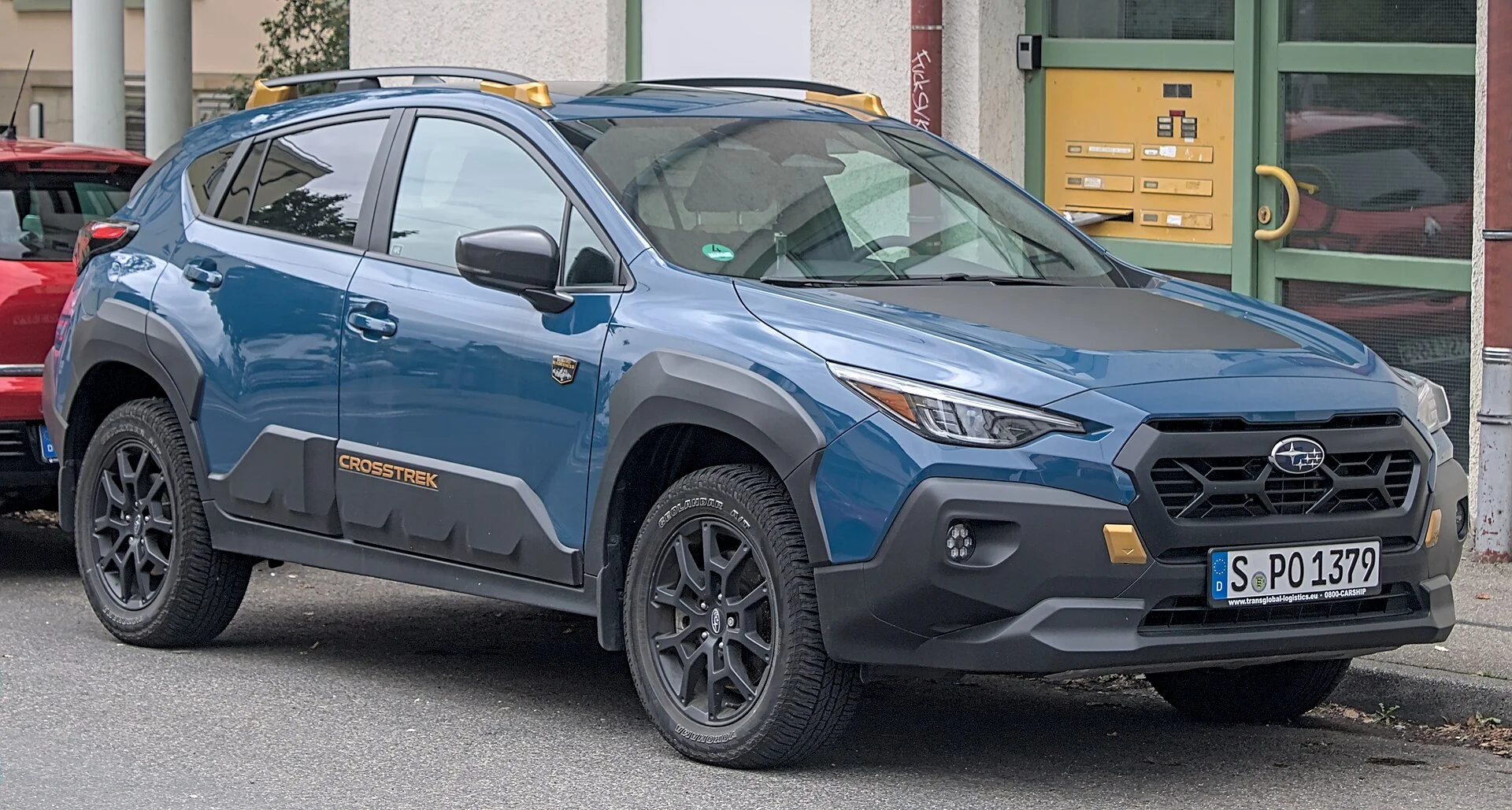
The Short Answer: The Value Winter Warrior, With a Lumpy Floor
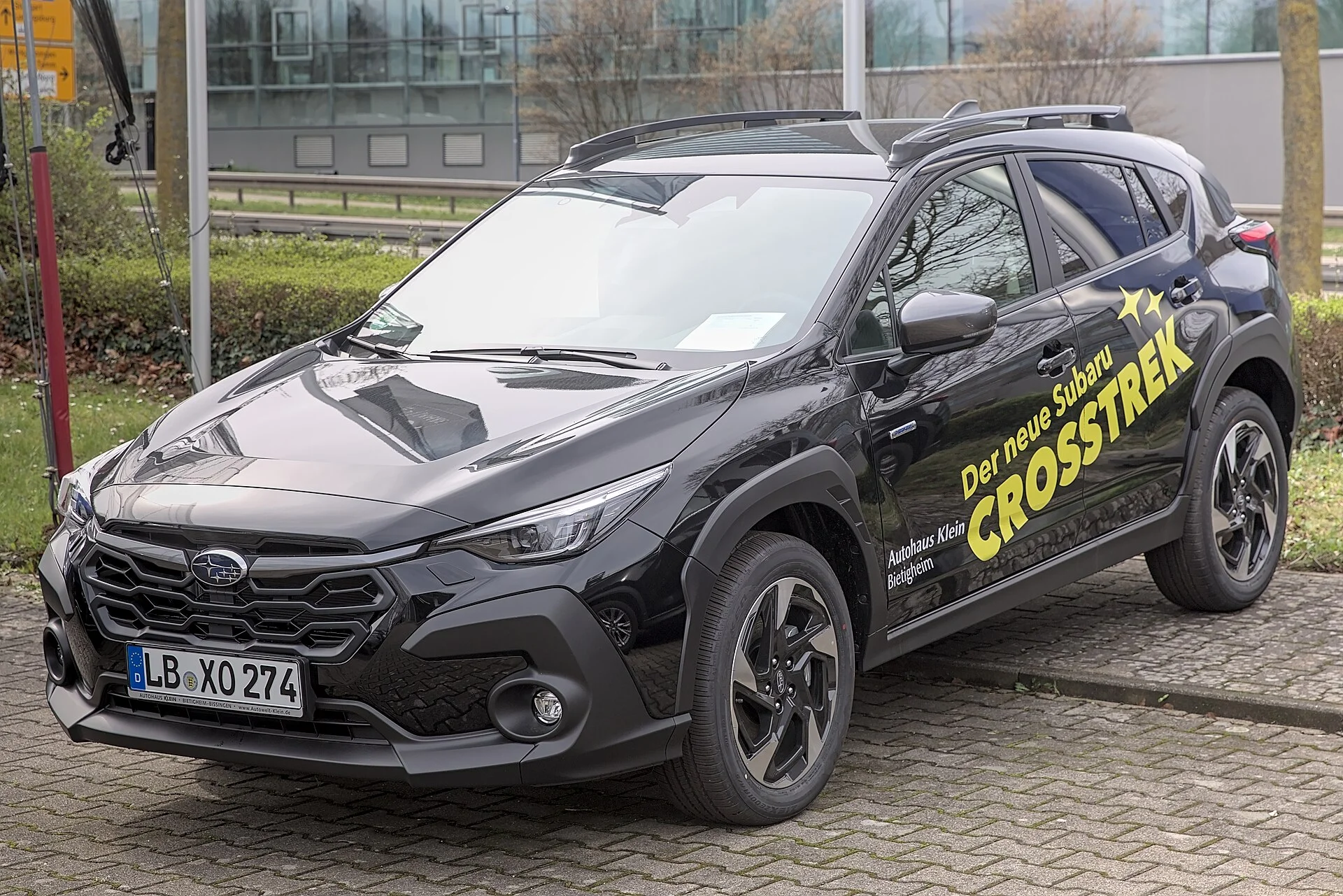
Dollar for dollar, the Subaru Crosstrek is one of the most winter-capable vehicles you can sleep in. It comes standard with real full-time all-wheel drive and genuine ground clearance at a price well below the rugged SUVs people assume they need. For a budget-minded winter camper, that's the headline, and it's a strong one: you get the capability without paying SUV money for it.
Here's the false economy to avoid, though. The Crosstrek's folded cargo floor is not flat - there's a pronounced hump or step between the folded seatbacks and the cargo floor that lands near a sleeper's hips or lower back. People discover this at midnight, mid-freeze, and blame the vehicle. It's not a flaw so much as a cheap problem to solve, if you solve it before the trip.
So the honest answer is yes, with a five-to-twenty-dollar caveat. Budget a bit of foam or plywood to bridge the hump, plan a solo-scale bed, and the Crosstrek delivers more winter capability per dollar than almost anything else. Skip that cheap fix and you'll sleep badly on an otherwise excellent little rig - the exact kind of false economy that costs you a night's rest to save a few bucks.
That framing matters because the Crosstrek's whole appeal is value, and value isn't just the sticker price - it's what the vehicle costs you to actually use well. A capable AWD platform you can't sleep in comfortably isn't a bargain; it's a compromise you paid for. Spend the small money to level the floor, and the Crosstrek's low price becomes real value instead of a number that looked good until your first cold night in it.
What Your Money Buys: Full-Time AWD as Standard
The Crosstrek's core value is its drivetrain, and it's worth being precise about why it matters. Every Crosstrek comes with standard Symmetrical All-Wheel Drive, a full-time AWD system that Subaru designs to keep traction in rain, snow, and off-pavement conditions. Full-time is the key word: power goes to all four wheels continuously, not reactively after a wheel already slipped.
That's a real advantage over the on-demand systems many rivals use at this price, especially at the moment a snowy campsite driveway turns to glare ice. A reactive system decides what to do after traction is lost; a full-time symmetrical layout is already driving all four. For winter, that's the difference between confidence and a nervous crawl, and on a Crosstrek it's standard equipment, not a costly upgrade.
The engine backs it up without drama. The standard Crosstrek's 2.5-liter Subaru Boxer four-cylinder produces 182 horsepower and 178 pound-feet of torque, while earlier and base trims use a 2.0-liter rated at 152 horsepower. Neither is powerful, but the boxer sits low, which keeps the center of gravity down and the little Subaru planted on ice - capability that comes from layout, not from spending more.
Clearance That Punches Above the Price
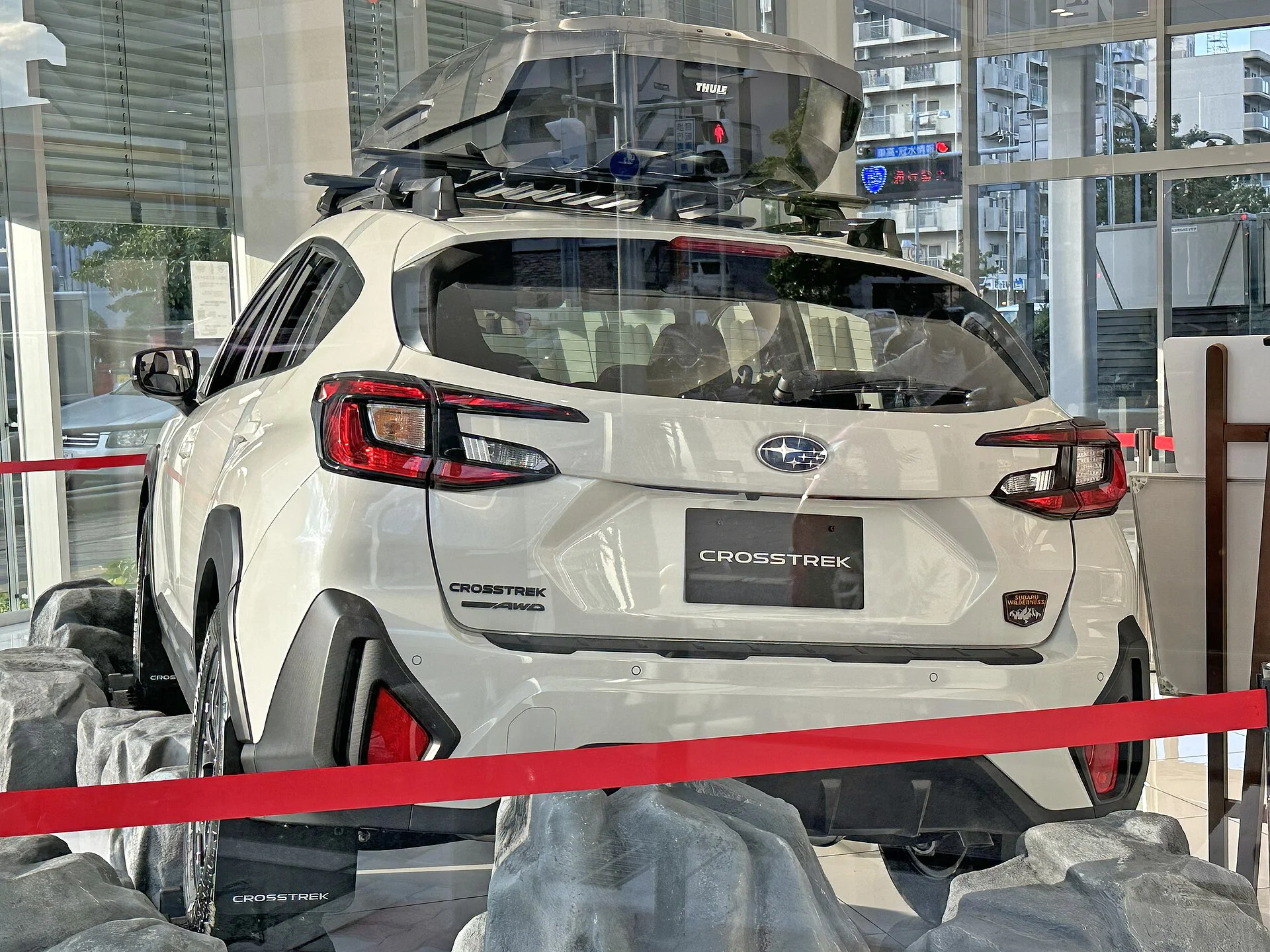
Ground clearance is where the Crosstrek quietly embarrasses vehicles that cost far more. The standard Crosstrek has 8.7 inches of ground clearance, and the off-road Wilderness trim raises that to 9.3 inches. For context, that standard 8.7 inches matches or beats many midsize crossovers and even some SUVs, in a compact, affordable package.
What that clearance buys is the ability to clear a plowed berm and follow a lightly-maintained forest road without scraping. Paired with the standard full-time AWD, it means the Crosstrek reaches winter sites that a lower, front-drive-biased economy car simply can't. You're getting genuine access, not just a rugged look, and you're getting it at the bottom of the capable-camper price range.
The Wilderness trim is the value-vs-capability fork. Its 9.3 inches of clearance and off-road tuning are worth it if you regularly tackle rough, unplowed approaches; for most winter camping, the standard 8.7 inches is plenty and saves you money. That's the budget wrench's read: buy the clearance you'll actually use, and don't pay for the Wilderness unless your sites demand it.
The Catch: The Folded Floor Isn't Flat
Now the thing the brochure photo hides. With the rear seats folded, the Crosstrek's maximum cargo volume is about 54.7 to 54.9 cubic feet and the load floor is roughly 64 inches long, giving a usable sleeping area of about 66 inches long by 41 inches wide. On paper that's a fine solo bed. In practice, the folded floor is not flat.
There's a pronounced hump or step between the folded seatbacks and the cargo floor, and it lands right near a sleeper's hips or lower back - the worst possible place for a bump. Lie down on the bare folded floor and you're draped over a ridge, which ruins sleep and, on a cold night, can leave you shifting all night trying to get comfortable instead of staying warm and rested.
This is the single most important thing to know about camping in a Crosstrek, and it's the one owners most often learn the hard way. The good news is that it's a completely solvable problem for very little money. The bad news is only for people who don't solve it - which is exactly the false economy worth avoiding here.
Building the Cheap Fix for the Hump
The fix costs less than a tank of gas, which is what makes ignoring it such a poor trade. Owners level the uneven floor with foam puzzle mats, plywood over the footwells, or purpose-built platforms and mattresses with a head-support bridge. Any of those turns the humped floor into a flat sleeping surface, and the cheapest versions cost a handful of dollars.
The simplest budget approach is interlocking foam mats laid to fill the low spots and even out the step - light, cheap, and they add a bit of insulation from the cold floor as a bonus. A step up is a piece of plywood cut to bridge the footwell gap and span the hump, which gives a rigid, fully flat base for a pad. Both are weekend-DIY jobs, not purchases.
The premium route is a purpose-built platform or a shaped mattress with a head-support bridge, which works beautifully but costs real money. The budget wrench's take: start with foam or plywood, spend maybe ten to twenty dollars, and only graduate to a built platform if you camp often enough to justify it. The cheap fix solves the actual problem; the expensive one just solves it more comfortably.
A Solo Bed, Honestly Sized
Set expectations on space and the Crosstrek won't disappoint you. The cargo area measures about 43 inches wide between the wheel housings, and the usable flat sleeping area is about 66 inches long by 41 inches wide once you've leveled the floor. That's a solo bed - a full queen mattress is too large for the Crosstrek's cargo space.
The interior suits a solo sleeper or a close couple, and a twin-scale pad is the more realistic fit. Sixty-six inches of usable length is short for taller campers, so sliding the front seats forward to reclaim length is part of the setup, and a shorter person will be far more comfortable than a six-footer. Size the pad to a twin or narrower, not a full, and it lies properly between the wheel wells.
The liftgate is worth a mention for loading gear in the cold: the opening is roughly 42 inches wide and 29 inches tall, and the whole vehicle is 176.4 inches long, 70.9 inches wide, and 62.8 inches tall. It's a small, easy-to-park package that sleeps one comfortably - which, for a solo winter camper on a budget, is exactly the right amount of vehicle.
The No-Heat Reality and the False Economy of Skipping the Detector
Like every crossover here, the Crosstrek has no factory-sealed dry-heat source, so overnight warmth is on you. That's not a Crosstrek problem; it's a car-camping problem. But it does mean the winter kit needs a heat plan, and the one item you never cut to save money is the safety device.
The moment any heat source is involved - a running engine or a fuel-burning heater - a battery carbon monoxide alarm becomes mandatory. A good portable carbon monoxide detector is the cheapest insurance in the entire kit, and skipping it to save a few dollars is the worst false economy in car camping. It's the one purchase where the budget wrench says spend the money, no debate.
Everything else in the heat plan can flex with your budget. In a Crosstrek's tall glass greenhouse, cheap reflective window panels cut heat loss for a few dollars and do double duty in summer, so insulation is where a frugal camper gets the most warmth per dollar. The detector is fixed cost; the rest is where you optimize.
Idle, Heater, or Insulation: Spending Where It Counts
Three heat paths, three price points - and the value play is to lean on the cheapest one first. Insulation is the budget champion: reflective panels cut to each window trap still air and bounce warmth back inside, lowering the workload on any heat source for a tiny outlay. Start there, because it makes everything else work better for almost no money.
Idling the engine is the free-seeming option that isn't. The 2.5-liter boxer will make cabin heat, drawing from a 16.6-gallon fuel tank, but idling in snow demands a clear tailpipe to avoid pushing carbon monoxide into the cabin, so it only works in short, watched cycles - never as a sleep solution. And the fuel you burn idling is fuel you need to drive home, so it's less free than it looks.
The vented heater is the spend-more-that-pays-off tier. A diesel heater sips far less fuel than idling and makes dry heat from sealed combustion, so it doesn't fog the cabin. It's the biggest up-front cost, but for anyone camping below freezing regularly, it's where spending more genuinely pays off - the exact tier the budget wrench says is worth the money, unlike the gimmicks.

Efficiency, Remote Start, and Running Costs
The Crosstrek's running costs are part of its value story. EPA fuel economy for the 2.0-liter Crosstrek is up to 27 mpg city and 34 mpg highway, and the 2.5-liter returns up to 27 city and 33 highway; the Wilderness, with its off-road tuning, drops to around 25 city and 29 highway. Those are strong numbers for a full-time-AWD vehicle, and they keep long, cold drives affordable.
Good economy also means the 16.6-gallon tank delivers real range, so you're not refueling constantly on a remote trip - a practical benefit when winter detours eat into your plans. The efficient boxer is cheap to feed relative to the thirsty V8 SUVs that offer more sleeping space, which is the trade-off at the heart of choosing a Crosstrek: less room, far lower running costs.
Remote start is available, both through Subaru's STARLINK connected-services smartphone app and, on higher trims, a key-fob remote start. It's a genuine cold-morning convenience for pre-warming the cabin, though it's not standard across the board, so check the trim. For the budget camper, the Crosstrek's low running costs matter more than the feature list - it's cheap to own and cheap to drive to the snow.
The Verdict: The Most Camper You Can Buy for the Money
The Subaru Crosstrek earns an easy yes for winter car camping, and it earns it on value. Standard full-time Symmetrical All-Wheel Drive, 8.7 inches of ground clearance (9.3 on the Wilderness), and strong fuel economy add up to more genuine winter capability per dollar than almost anything else you can sleep in. For a solo camper watching the budget, it's the smart buy.
The one condition is the floor, and it's cheap to meet. The folded floor isn't flat - there's a hump near your hips - so bridge it with foam mats or plywood for ten to twenty dollars before you go. Plan a solo, twin-scale bed, because the roughly 66-by-41-inch usable area won't take a queen. Slide the front seats forward for length, and a shorter camper especially will sleep fine.
For heat, buy the carbon monoxide alarm no matter what, lean on cheap window insulation first, and step up to a vented heater only if you camp cold often. Do that, and the Crosstrek gives you the most winter camper your money can buy - capable, efficient, and honest about being a one-person rig with a floor you level yourself for the price of a couple of coffees before you ever leave the driveway.