
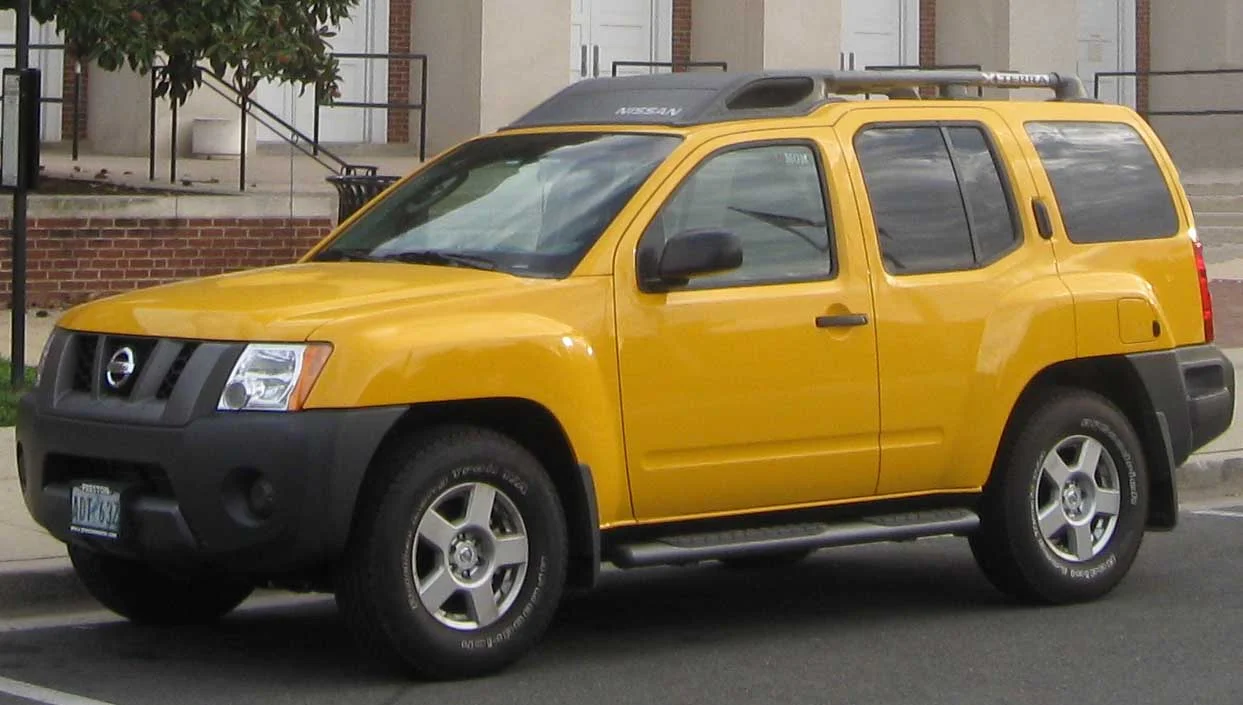
The Short Answer: A Rugged Used-Market Sleeper With Real Caveats
The Xterra has a devoted following that swears it's the cheap, rugged winter rig nobody makes anymore. The skeptic's job is to check that pitch against the spec sheet, and mostly it holds up - with two caveats the fans tend to gloss over. The truck is genuinely capable, but it's old, and it's missing a feature that matters more in winter than in any other season.
Start with reality: the Nissan Xterra was discontinued after the 2015 model year, so it is strictly a used-market pick. Everything here reflects the 2015 final-generation truck. That's not a dealbreaker - plenty of great campers are used vehicles - but it means you're buying a decade-old truck, with everything that implies about condition, wear, and what's actually included.
What you get for the used price is real: a body-on-frame 4x4 with a washable cargo area and a roughly 6-foot flat sleeping surface. What you don't get is factory remote start - Nissan didn't offer it on the 2015 Xterra, only aftermarket kits exist. Weigh both sides honestly and the Xterra can be a bargain winter camper, but only if you buy it with your eyes open.
The Elephant: It's Been Discontinued Since 2015
Let's not bury the biggest fact: the Xterra was discontinued after the 2015 model year, so every one you can buy is at least a decade old. That's the first thing to reconcile before the ruggedness pitch wins you over. A used-only vehicle means variable condition, unknown maintenance history, and the reality that you're inheriting someone else's truck, not buying a warranty.
For a winter camper, age cuts two ways. On one hand, the final-gen Xterra is a simple, proven, body-on-frame design with a stout 4.0-liter DOHC V6 rated at 261 horsepower and 281 pound-feet of torque - the kind of straightforward mechanical package that ages well and is cheap to keep running. On the other, a decade-old vehicle needs a careful pre-purchase inspection, especially anything that camps in the cold and far from help.
The skeptic's read: the discontinuation isn't a reason to avoid the Xterra, but it is a reason to shop carefully and price the risk. You're trading the certainty of a new vehicle for a lower price and a rugged, simple platform. That can be a genuinely smart trade - but only if you treat it as buying a used truck first and a winter camper second, not the other way around.
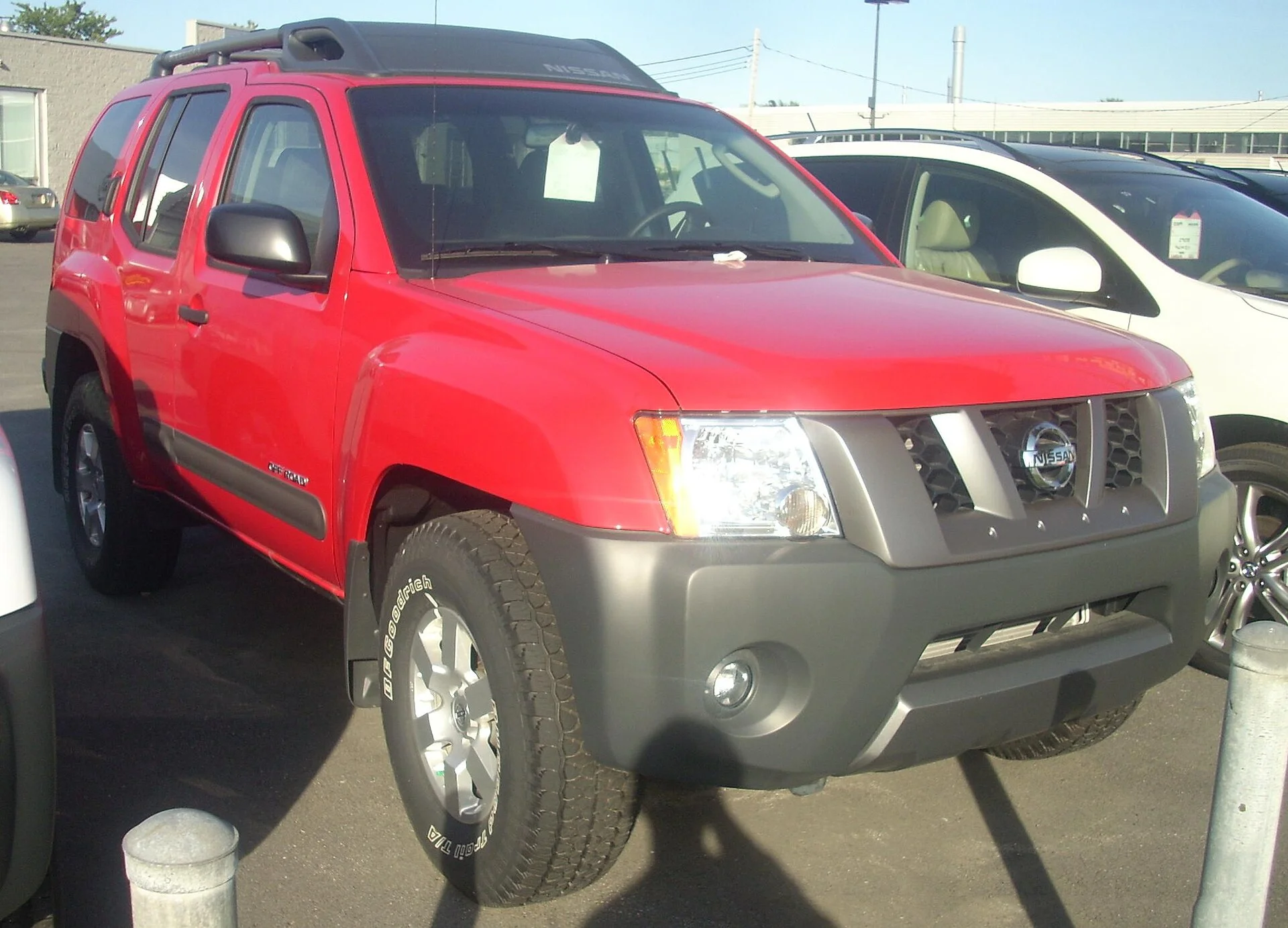
What You Actually Get: A Real 4x4, Not a Soft-Roader
Here's where the Xterra's reputation is earned rather than hyped. The 4x4 Xterra uses a part-time four-wheel-drive system with electronically controlled 2WD, 4HI, and 4LO modes and a two-speed transfer case. That's a genuine truck 4x4 with a low range - not the reactive, on-demand all-wheel drive that dominates crossovers. For deep snow and steep, slick approaches, a real low range is a meaningful capability.
The PRO-4X 4x4 trim goes further, adding an electronic locking rear differential for low-traction terrain. A locker is serious off-road hardware that keeps both rear wheels driving when one loses grip - the kind of feature you find on dedicated off-roaders, not family crossovers. If your winter sites are genuinely remote and unplowed, the PRO-4X is the Xterra to want.
Clearance backs it up: ground clearance is about 8.2 inches on 4x2 models and between 9.1 and 9.5 inches on 4x4 versions. That upper figure is real off-road clearance, better than most crossovers here. So when the fans say the Xterra goes places soft-roaders can't, the spec sheet agrees - this is a legitimately capable snow-and-trail vehicle, not a lifted-look pretender.
The Cargo Box That Hoses Out
One genuinely clever Xterra feature gets undersold: the washable, hard-surface cargo area. The Xterra's washable, hard-surface cargo area and standard roof rack make it a rugged, snow-friendly base for car camping. In winter, when you're tracking in snow, mud, and slush every time you climb in, a cargo bay you can wipe or hose out instead of shampooing is a real practical advantage.
That hard-surface floor is also a better base for a sleeping platform or pad than a carpeted crossover floor - it doesn't hold moisture, it doesn't get funky, and it shrugs off the abuse of winter gear. Combined with the standard roof rack for hauling bulky kit up top, the Xterra is set up like the utility vehicle it is, not a dressed-up commuter.
The skeptic's caveat: hard surfaces are cold and hard to sleep on directly, so the washable floor is a feature for cleanup and durability, not comfort - you still need insulation and a pad between you and it. But as a winter base that gets dirty and stays functional, the Xterra's hose-out box is exactly the kind of honest, useful design the marketing usually can't fake.
The Sleeping Surface: Pull the Cushions, Get 6 Feet Flat
The sleeping setup is where the Xterra pulls a genuinely useful trick. Maximum cargo volume with the rear seats folded is about 65.7 cubic feet, listed as 66 in rounded specs, and the cargo area is about 61.4 inches long from the tailgate to the front seats and about 43.3 inches wide at the beltline. On its own, that folded floor isn't perfectly flat - the seatbacks don't sit level and the deck slopes slightly.
The fix is built into the truck. With the rear lower seat cushions removed, owners report a roughly 6-foot-long flat sleeping surface with no extra setup needed. That's the detail that makes the Xterra work as a bed: pull the cushions and the floor drops to a genuinely flat, roughly six-foot length that fits an adult without a platform build. It's a quirk of the design that happens to be ideal for camping.
Be clear-eyed about the raw floor, though. The rear seatbacks fold forward but do not sit perfectly flat, and the cargo deck slopes slightly downward, so the floor has an uneven step rather than a truly flat surface until you remove the cushions. The cargo box interior height is about 36.1 inches, which is enough to sit up partway but not stand. Do the cushion trick and you've got a flat six-foot bed; skip it and you're sleeping on a slope.
Mattress Reality: Twin Yes, Queen No
Set mattress expectations honestly and the Xterra is a solo-to-tight-two sleeper. A full-size air mattress fits two people, but the closest standard mattress size that fits cleanly is a twin, and a queen does not fit the width. At about 43.3 inches wide at the beltline, the cargo area simply doesn't have the width for a full queen to lie flat - a queen needs far more span than the Xterra's beltline provides, so it rides up the sides into a useless trough.
So the practical setup is a twin pad on the flattened floor for one, or a full-size air mattress for two who don't mind a snug fit. The roughly 6-foot flat length works for most adults up to about six feet, and the twin width fits between the walls with room to spare. It's a comfortable solo bed and a workable two-person one, sized like the compact truck it is.
The skeptic's bottom line on space: don't buy the Xterra expecting a full-size SUV's two-person bay - it's a mid-size truck, and the numbers say twin-for-one or full-for-two-tight. If a spacious queen setup is the goal, this isn't the vehicle. If a rugged, flat, six-foot solo bed in a real 4x4 is what you're after, the Xterra delivers exactly that.
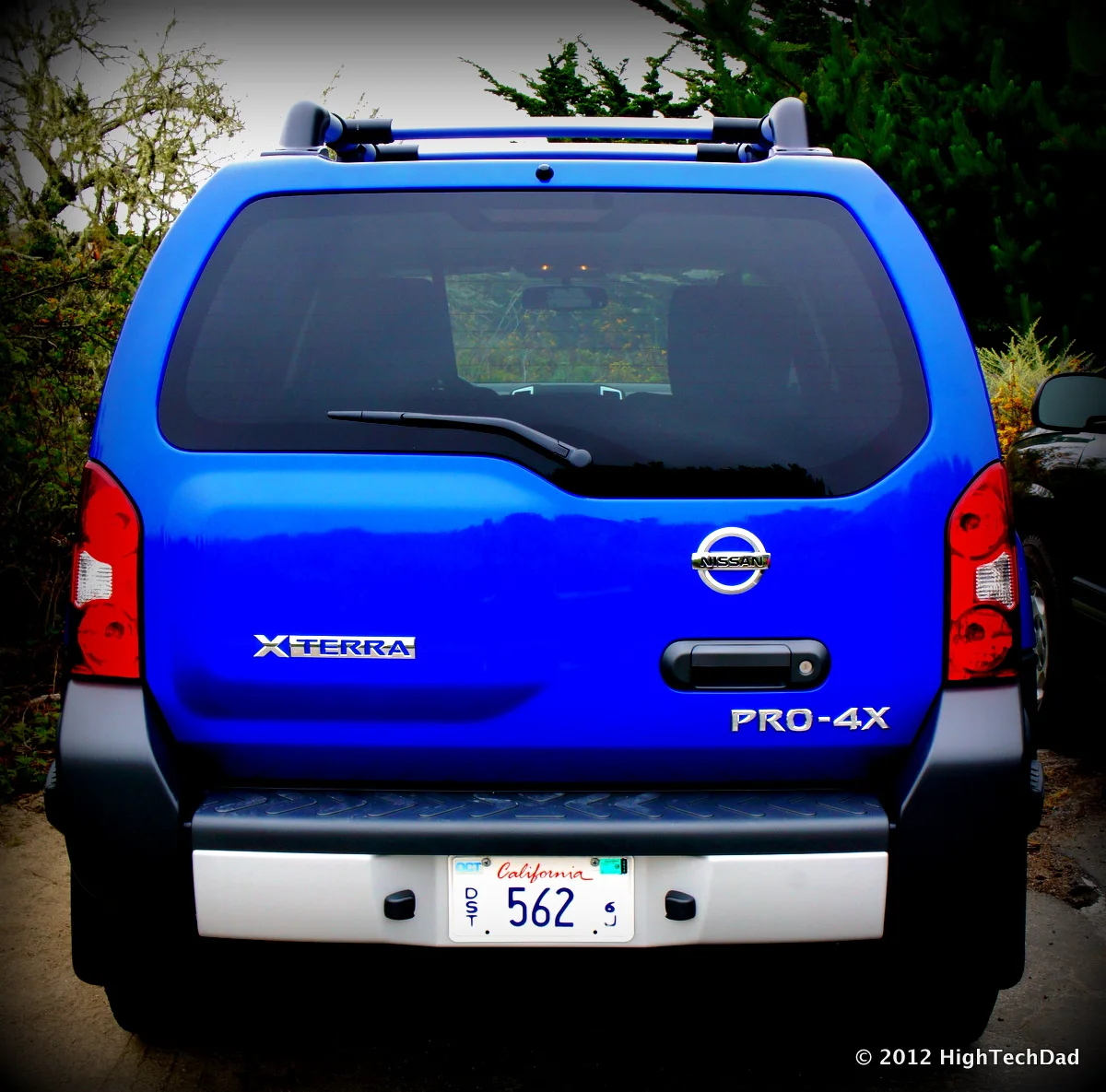
No Factory Remote Start - and What That Costs You
Here's the feature gap the fans skip past, and in winter it stings. Nissan did not offer factory remote start on the 2015 Xterra; only aftermarket remote-start kits are available for it. Every modern crossover in this comparison has remote start, standard or optional, and the Xterra simply doesn't - a real disadvantage on a frigid morning when pre-warming the cabin from the sleeping bag is a genuine comfort.
The workaround is aftermarket, and it's worth pricing into the purchase. A quality aftermarket remote-start kit plus installation is a real cost on top of the used-truck price, and on an older vehicle it means adding wiring to a decade-old electrical system. It's doable and common, but it's a line item the ruggedness pitch conveniently ignores when it calls the Xterra a bargain.
Does it matter for you? If you're a hardy camper who's fine climbing into a cold cab and letting it warm as you drive, the missing remote start is a shrug. If cold-morning comfort is a priority, budget for the aftermarket kit or accept the inconvenience. Either way, it's exactly the kind of omission the skeptic flags before you sign - a feature you'd assume is there that isn't.
Fuel, Range, and the Idle-Heat Question
The Xterra's fuel numbers are honest-to-its-era: not efficient, but not disastrous. EPA fuel economy for the 4x2 automatic is about 16 mpg city and 22 mpg highway, and 4x4 models rate roughly 15 city and 20 highway. That's typical old-truck thirst, and winter driving lowers real-world figures. The saving grace is the roughly 21.1-gallon fuel tank, which gives useful range despite the mileage.
That mid-size tank supports some idle-heat use, but the safety rules are identical to any vehicle's. Idling in snow demands a clear, unobstructed tailpipe, because a drift banked against a parked vehicle can push carbon monoxide toward the cabin - and on a decade-old truck, exhaust and seal integrity are worth checking closely. Idle only in short, watched cycles, never as a sleep solution, and always with a battery carbon monoxide alarm running.
A good portable carbon monoxide detector is the cheapest insurance in the kit, and doubly so in an older vehicle where you can't assume factory-fresh seals. The cleaner heat option, as always, is a vented diesel heater that sips fuel and vents exhaust outside the sleeping space - a sensible upgrade for a truck you plan to camp in through real cold.
Insulation, Sealing, and Buying Used Smart
Because the Xterra is a used, decade-old vehicle, sealing deserves extra attention. Insulated window covers and reflective panels cut heat loss through the glass, the same as on any vehicle, and they're cheap and high-return. But on an older truck, also inspect the door seals and weatherstripping - a decade of wear can open draft paths that a new vehicle wouldn't have, and those drafts undo your heating in a hurry.
Condensation is the standard cold-cabin problem: two people breathing overnight fog the glass and dampen bedding, and a wet bag stops insulating, which is a safety issue in a freeze. Crack a window a finger's width for ventilation and lean on dry vented heat. The Xterra's hard, washable interior is at least easy to dry out and wipe down when condensation does form, a small used-truck perk.
The skeptic's buying advice ties it together: a pre-purchase inspection isn't optional on a vehicle this age, especially one you'll trust in the cold and far from help. Check the frame for rust, the 4x4 system's function, the exhaust, and the seals. Buy a well-kept example and the Xterra is a rugged, cheap winter camper; buy a neglected one and the savings evaporate into repairs. The truck is good - the individual example is what you're actually buying.
The Verdict: A Bargain Winter Rig If You Buy With Eyes Open
The Nissan Xterra earns a qualified yes for winter car camping, and the qualifications are exactly what the skeptic flags. It's discontinued since 2015, so it's a used-only buy that demands a careful inspection, and it has no factory remote start, so budget for an aftermarket kit or accept the cold-morning inconvenience. Those are real costs the bargain pitch tends to skip.
What's genuinely good is genuinely good. A real part-time 4x4 with 2WD, 4HI, and 4LO, up to 9.5 inches of clearance on 4x4 models, an available locking rear differential, a washable hose-out cargo box, and a roughly 6-foot flat sleeping surface once you pull the rear seat cushions. That's a legitimately capable, low-fuss winter platform - a twin bed for one or a snug full-size for two.
Price it honestly: the used-truck cost, plus a pre-purchase inspection, plus maybe an aftermarket remote start, plus the usual insulation and a vented heater and carbon monoxide alarm for heat. Do that math and buy a well-kept example, and the Xterra is one of the better rugged winter-camping bargains you can find - as long as you bought the truck with your eyes open, not the legend.