
The Short Answer: A Near-Flat Bay That's the Easiest Build in the Class
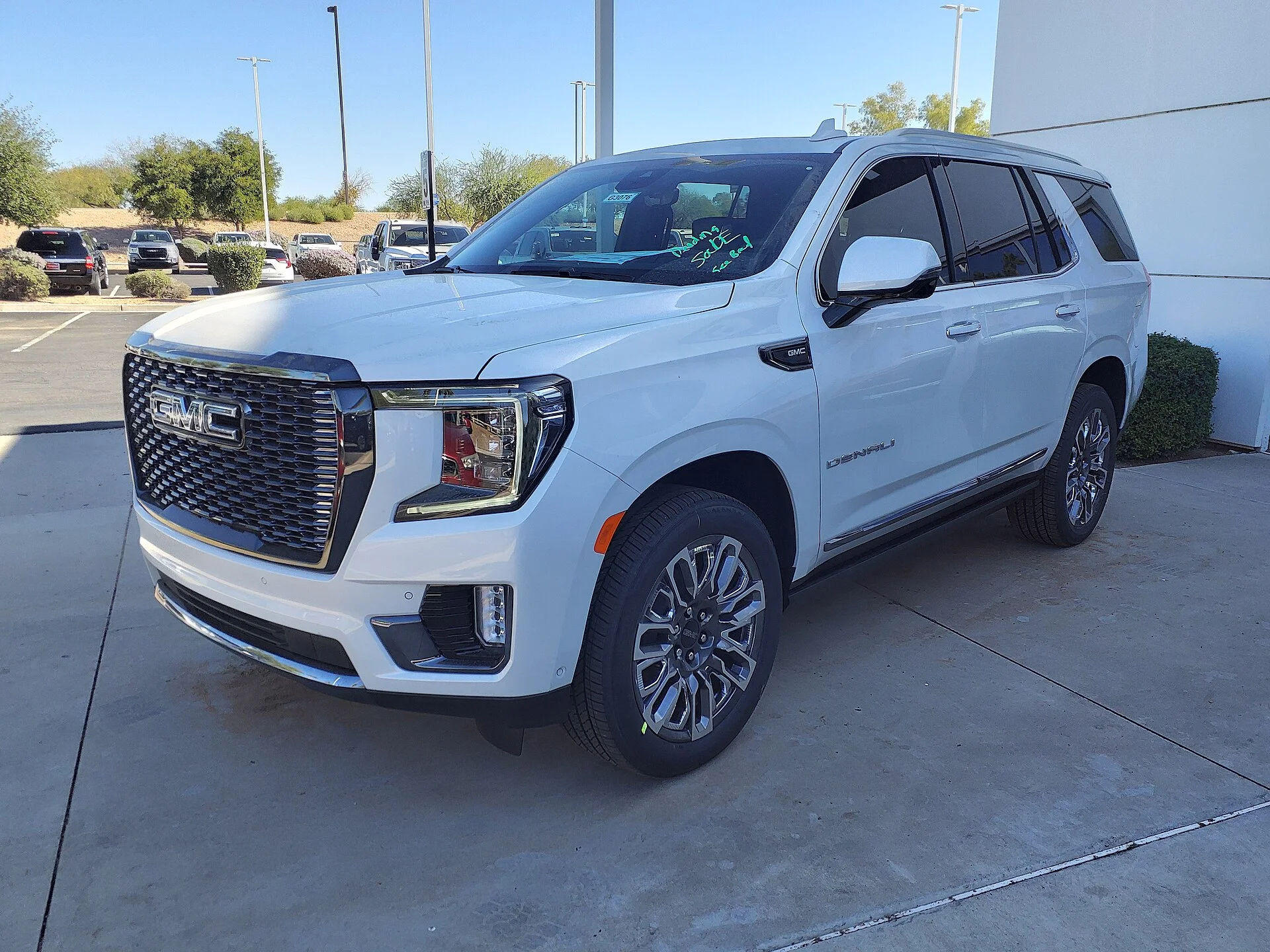
From an installer's chair, the GMC Yukon is one of the most satisfying vehicles to set up for winter camping, because it does most of the hard work at the factory. The current Yukon has a flat load floor, and its second and third rows fold nearly flat for a long, level cargo deck. That single detail - a folded floor that's already close to level - eliminates the fussiest part of building a car-camping bed.
The space is genuinely full-size. With the second and third rows folded, the standard Yukon offers about 122.8 cubic feet of cargo volume behind the first row, and a full-size air mattress fits well in it. This is a real two-adult sleeping bay, not a compromise you talk yourself into, and it's flat enough that many owners skip platform-building entirely.
The honest trade-off is efficiency. The Yukon's EcoTec3 5.3-liter V8 returns around 15 mpg city and 20 mpg highway, so it's thirsty, and you plan fuel accordingly on a long, cold trip. But the 24-gallon fuel tank gives real range, and standard remote start makes cold mornings civilized. As a build-it-once winter camper, the Yukon asks very little of you.
Why the Folding Is Half the Work Already Done
The step everyone dreads in a car-camping build is turning a lumpy, stepped folded floor into something flat enough to sleep on. Most crossovers fold to a humped or sloped surface that demands foam, plywood, or a full platform to level. The Yukon skips that problem: its second and third rows fold nearly flat for a long, level cargo deck, so the surface is already most of the way to a bed.
That matters more than it sounds. A level base is the foundation every good sleeping setup is built on, and a vehicle that provides one out of the box saves hours of measuring, cutting, and shimming. In the Yukon, you fold the rows, lay a mattress, and you're close to done - the kind of clean, fast setup an installer appreciates and a tired winter camper needs at the end of a cold drive.
The current Yukon's flat load floor is the other half of the equation. Combined with the near-flat folding rows, it gives you a continuous, level deck rather than a series of steps. When the factory hands you a flat floor, the smart move is to work with it, not over-build on top of it - which is exactly why the Yukon is the easiest full-size build in its class.
The Sleeping Deck: 122.8 Cubic Feet, Nearly Level
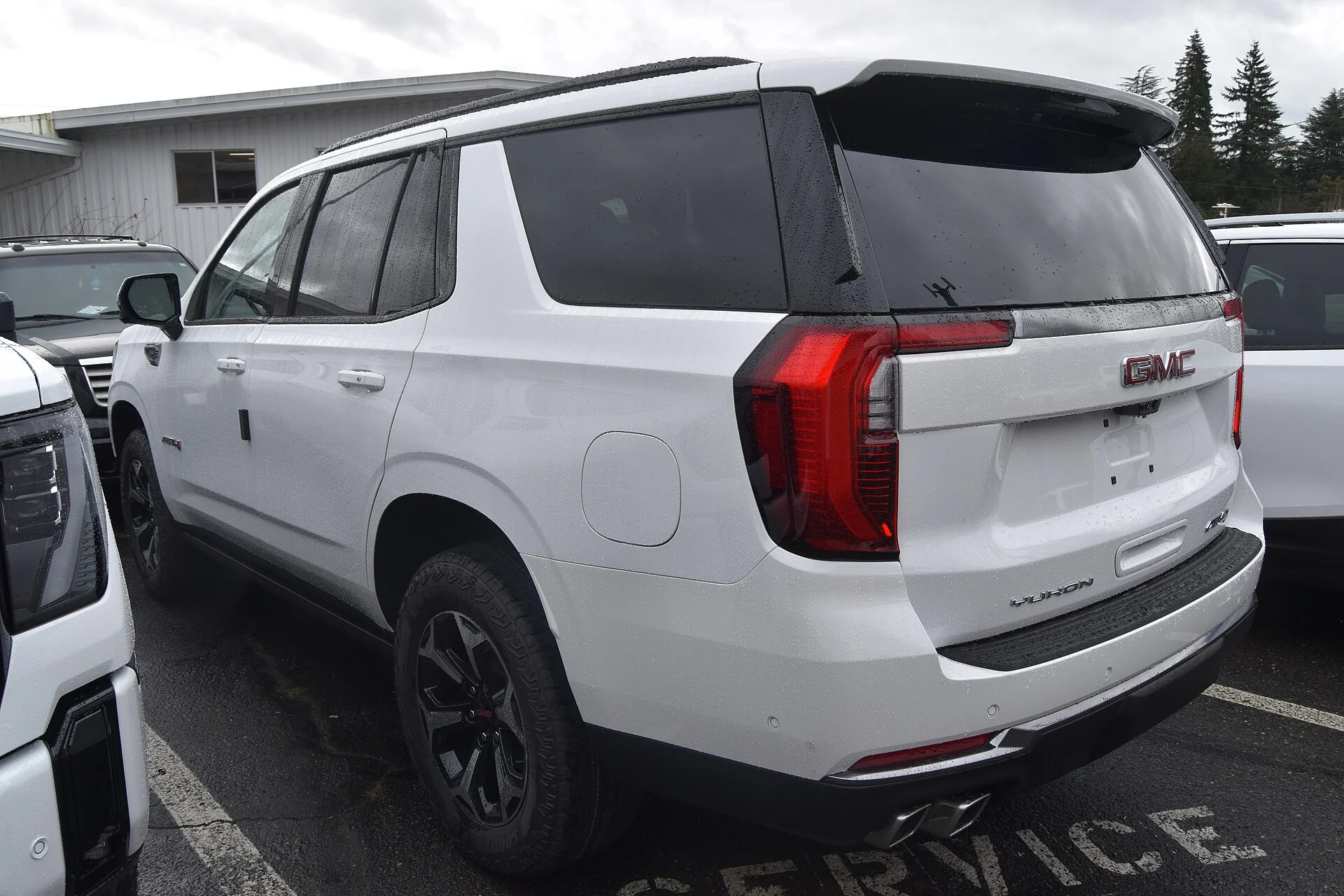
Let's put real numbers on the bed. With the second and third rows folded, the Yukon offers about 122.8 cubic feet behind the first row; behind the second row it holds about 72.5 cubic feet, and behind the third row about 25.5 cubic feet. For sleeping, both rear rows go down for the full 122.8-cubic-foot deck, and that's a lot of usable, level floor.
Width is where a full-size platform earns its keep. The cargo area measures about 49.5 inches wide at the wheelhousings, which is enough to lay two adults side by side without crowding. Combined with the near-flat folding and the flat load floor, that width makes the Yukon a genuine two-person bay - the thing compact crossovers simply can't offer no matter how you build them.
The Yukon's body-on-frame, V8, full-size platform gives it a large, tall, near-flat sleeping bay well suited to two adults. Tall matters too: full-size interior height means you can sit up, change clothes, and move around inside without the crouch a low crossover forces. For winter, when you spend long hours in the vehicle, that headroom is a real livability gain, not a luxury.
Mattress Sizing: Full-Size Fits, Queen Is Tight
Here's the fitment guidance that saves you a returned mattress. A full-size air mattress fits well in a Yukon, and a queen can work but is tight on width in the standard-length Yukon. The 49.5-inch width at the wheelhousings comfortably takes a full-size mattress; a queen's extra width pushes against the wheel-well line, so it fits imperfectly rather than cleanly.
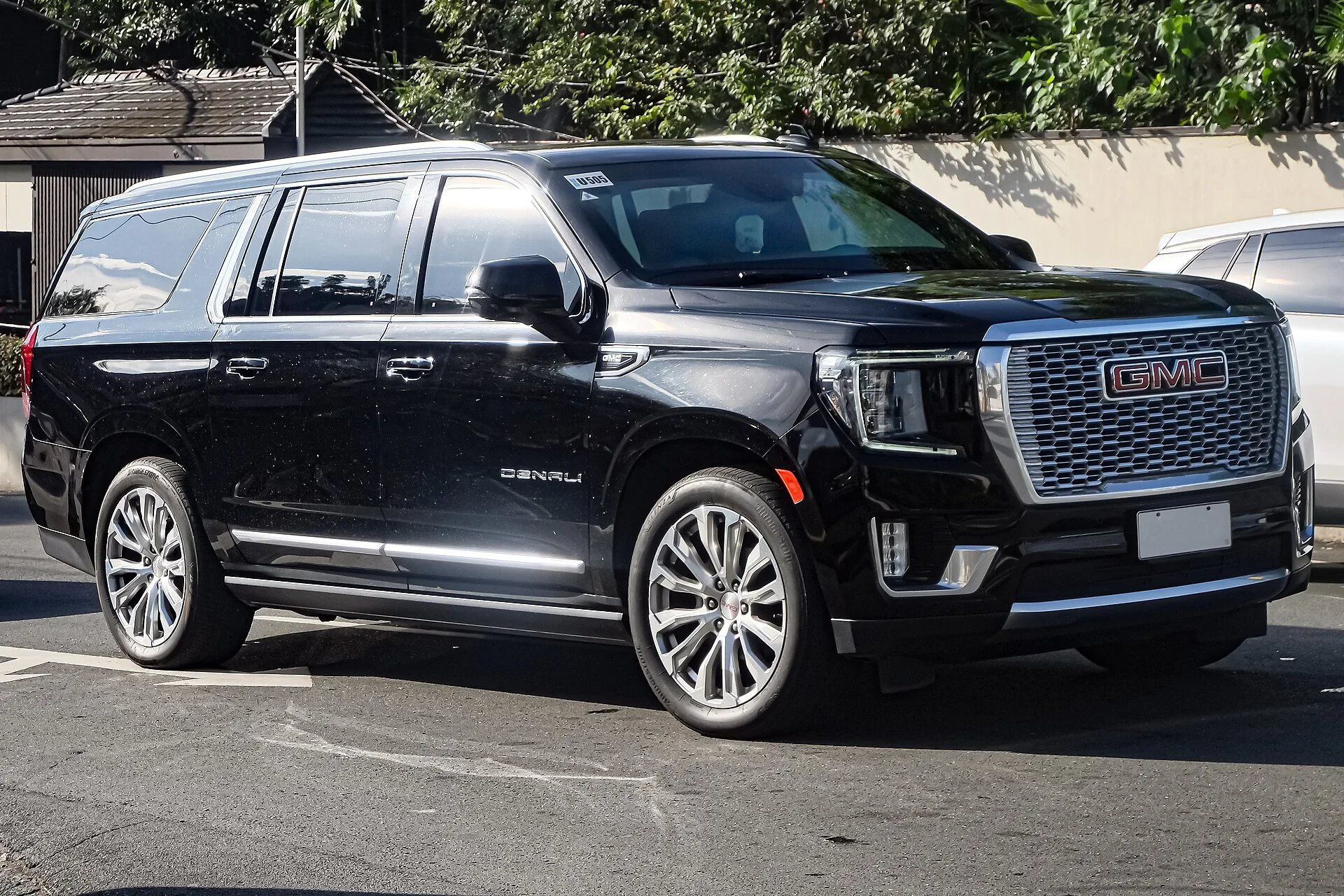
For most two-adult setups, the full-size mattress is the sweet spot: enough room for two without fighting the wheel wells, and it lies flat on the near-level deck. If you specifically want a queen, the answer isn't the standard Yukon - it's the longer body. Full-size fits easily in the longer Yukon XL, which also opens up more length for taller sleepers.
The installer's advice is to measure your exact mattress against the folded deck before a trip, since air mattresses vary. But as a rule, spec a full-size for the standard Yukon and you'll get a clean, flat two-person bed with minimal fuss. Reach for a queen only if you've confirmed it fits your specific body, or step up to the XL where it fits without argument.
Building a Simple Platform (When You Even Need One)
The honest truth is that many Yukon campers don't need a platform at all - the near-flat folded deck takes a mattress directly. But there's still a case for a simple build, and it's about storage, not leveling. A low platform lets you slide gear underneath and keeps your sleeping surface clear, which is a real benefit on a multi-day winter trip with a lot of kit.
If you do build, keep it minimal. Because the floor is already flat and level, you're not correcting a hump the way you would in a Crosstrek - you're just adding a shallow deck for under-storage. A short, sturdy frame that spans the flat 122.8-cubic-foot bay is all it takes, and the level starting surface makes it a straightforward, square build rather than a shimming exercise.
The step most people skip is measuring the wheelhousing width before cutting: at about 49.5 inches, that's your platform's usable width between the arches. Build to that and to the length of your folded deck, and the platform drops in flat the first time. On a vehicle this level to begin with, a clean platform build is a weekend job, not a project - which is the whole appeal of the Yukon for a hands-on camper.
Getting There: V8, 4WD, and Full-Size Clearance
A great bed still has to reach the campsite, so look at the drivetrain. The standard Yukon is powered by an EcoTec3 5.3-liter V8 producing 355 horsepower and 383 pound-feet of torque - ample muscle for pushing a heavy full-size SUV through snow and up slick grades. Four-wheel drive uses a two-speed AutoTrac transfer case available on 4WD models, and that low range is what you want for controlled climbs on snowy approaches.
Clearance is the honest limit, as it is on any full-size SUV. The standard Yukon's minimum ground clearance is about 7.8 inches, ranging up to roughly 8.0 to 8.3 inches depending on trim. That's adequate for plowed berms and maintained forest roads, but the Yukon is a big vehicle - 210.1 inches long and 81.0 inches wide - so tight, snow-narrowed trails are harder to thread than in something compact.
The takeaway is to match sites to the vehicle. With four-wheel drive and the two-speed transfer case, the Yukon reaches most winter destinations confidently, but it's a full-size cruiser, not a rock crawler. Pick sites within its 7.8-to-8.3-inch clearance and its considerable width, and it gets you there in comfort with the sleeping bay to match.

The 24-Gallon Tank and the Heat Question
Fuel is the Yukon's one real weakness, and it shapes the heat plan. EPA fuel economy for the 5.3-liter V8 is around 15 mpg city and 20 mpg highway, with 2WD versions rated as high as 16 city and 23 highway. That's thirsty, so the 24-gallon fuel tank is a welcome buffer that gives useful range and supports some heat use, but it still demands disciplined fuel planning on remote cold trips.
That big tank tempts people to idle for heat, and while it does support longer idle sessions than a small crossover, the safety rules don't change. Idling in snow demands a clear tailpipe, because a drift banked against a parked vehicle can push carbon monoxide toward the cabin, so idle only in short watched cycles and never as a sleep solution. A battery carbon monoxide alarm is mandatory whenever the engine runs - a good portable carbon monoxide detector is the cheapest insurance in the kit.
The cleaner path in a cabin this large is a vented heater. A diesel heater sips far less fuel than idling a V8 and makes dry heat from sealed combustion, venting exhaust outside the sleeping space. In a Yukon's big interior, a properly sized vented heater warms the space without draining that 24-gallon tank overnight, and it keeps the fuel you have for driving out the next morning.
Sealing and Insulating a Big, Boxy Cabin
A full-size SUV is a lot of cabin to keep warm, and the Yukon's large glass area is the main heat leak. Insulated window covers and reflective panels cut heat loss through that glass, and on a three-row vehicle with this many windows, covering them is one of the highest-return moves in the winter kit. It's straightforward work - measure each window, cut panels to fit - and it pays back every night.
Condensation scales with the number of sleepers and the cold. Two people breathing in a sealed Yukon overnight will fog the glass and dampen bedding by morning, and a wet bag stops insulating, which is a safety problem in a real freeze. Crack a window a finger's width for ventilation and rely on dry vented heat rather than an unvented burner that adds moisture to the air.
The Yukon's advantage is that it's a solid, sealable steel box with real thermal mass. Once it's insulated and warm, it holds heat reasonably well between cycles, unlike a fabric-topped vehicle. Cover the glass, ventilate deliberately, insulate under the mattress against the cold floor, and the big cabin becomes a comfortable place to spend a long winter night rather than a cavern you can't heat.

Remote Start, the XL Option, and Livability
The Yukon is well-sorted for cold-weather living. Remote engine start is standard on the Yukon, so you can pre-warm the cabin from the sleeping bag before climbing into the driver's seat and clear frost off the glass - a genuine convenience on a single-digit morning, and standard equipment rather than an option to hunt for.
If the standard Yukon's space isn't quite enough, the XL is the answer to more room without a different vehicle. The long-wheelbase Yukon XL stretches to 225.2 inches overall and up to about 144.7 cubic feet of maximum cargo volume with seats folded - meaningfully more sleeping length and storage, and the body where a queen mattress fits easily. For two tall adults, the XL is worth the extra length.
Everything else about living in a Yukon in winter is straightforward. The standard Yukon is 210.1 inches long, 81.0 inches wide, and 76.5 inches tall on a 120.9-inch wheelbase, so it's tall enough to move around inside and stable on the road. As a vehicle that hauls a family and then folds into an easy, near-flat two-person winter bed, it covers an unusually wide range with minimal setup.
The Verdict: Fold, Level, Sleep - Full-Size Made Easy
The GMC Yukon earns a strong yes for winter car camping, and it earns it on ease. The second and third rows fold nearly flat into a long, level 122.8-cubic-foot deck, so the hardest part of most builds - getting a flat surface - is done for you. A full-size air mattress drops in and fits well, giving two adults a real bed with little or no platform work.
The trade-offs are the familiar full-size ones. Fuel economy is modest at around 15 mpg city, so the 24-gallon tank needs disciplined planning on remote trips, and the 7.8-to-8.3-inch clearance plus considerable width mean it's a cruiser, not a trail machine - match your sites accordingly. For heat, run a vented heater and a carbon monoxide alarm rather than open-ended idling of a thirsty V8.
Where the Yukon shines is the setup: fold the rows, level is already handled, lay the mattress, and sleep. Add standard remote start, a sealable big cabin you insulate once, and the XL option if you want a queen or more length, and you have a full-size winter camper that's about as low-effort to build as they come. For a hands-on camper who values a clean, fast setup, that's the whole appeal.