
The Short Answer: A Superb Snow-Reacher With a Sealing Problem
Engineer it like a system and the Ford Bronco splits cleanly into two questions: can it reach a winter site, and can you sleep well once it's parked? On the first, it's one of the best answers on the market. On the second, it carries a trade-off no unibody crossover has - a removable roof - plus a cargo bay that's tighter than its rugged looks suggest.
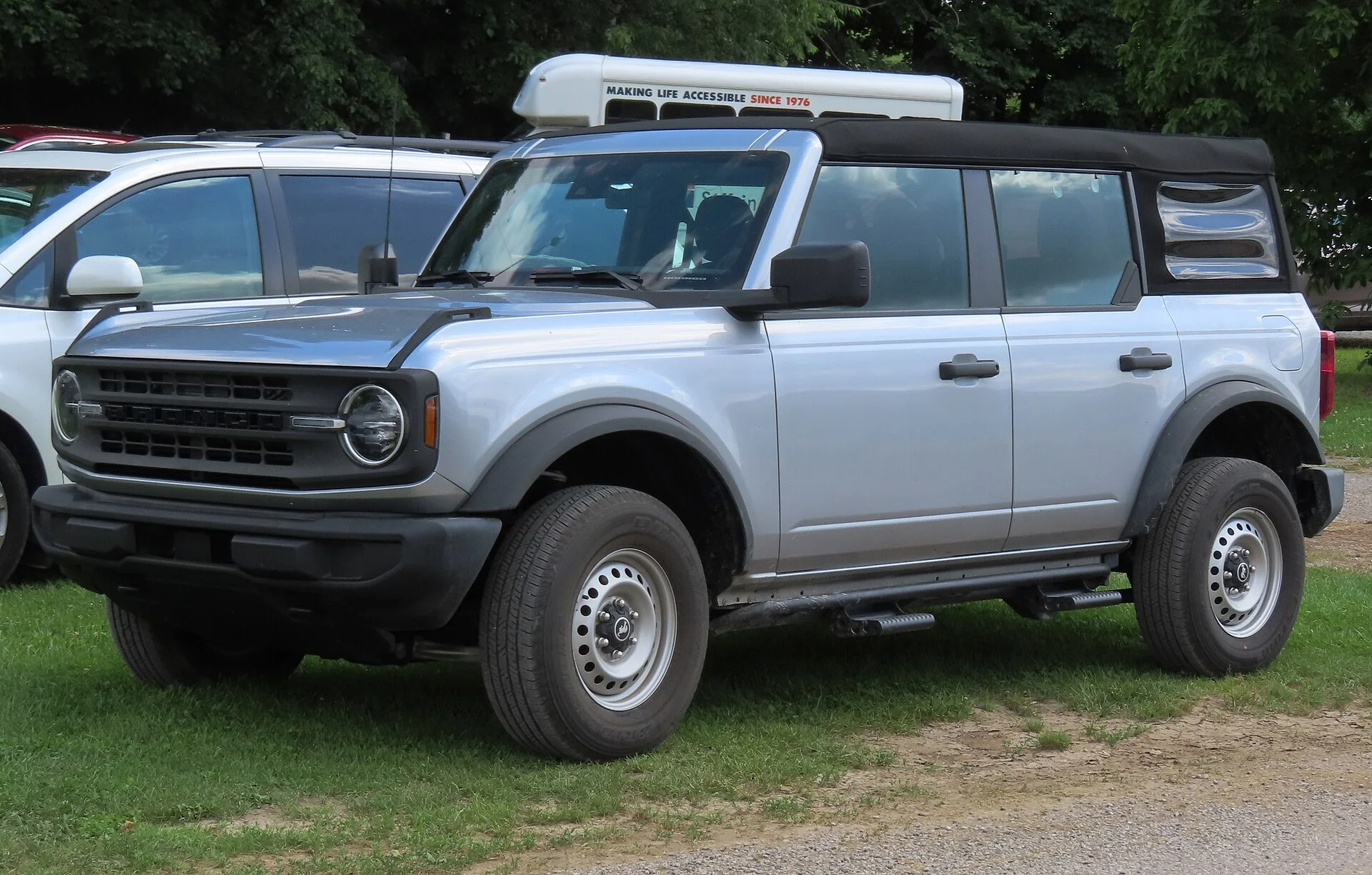
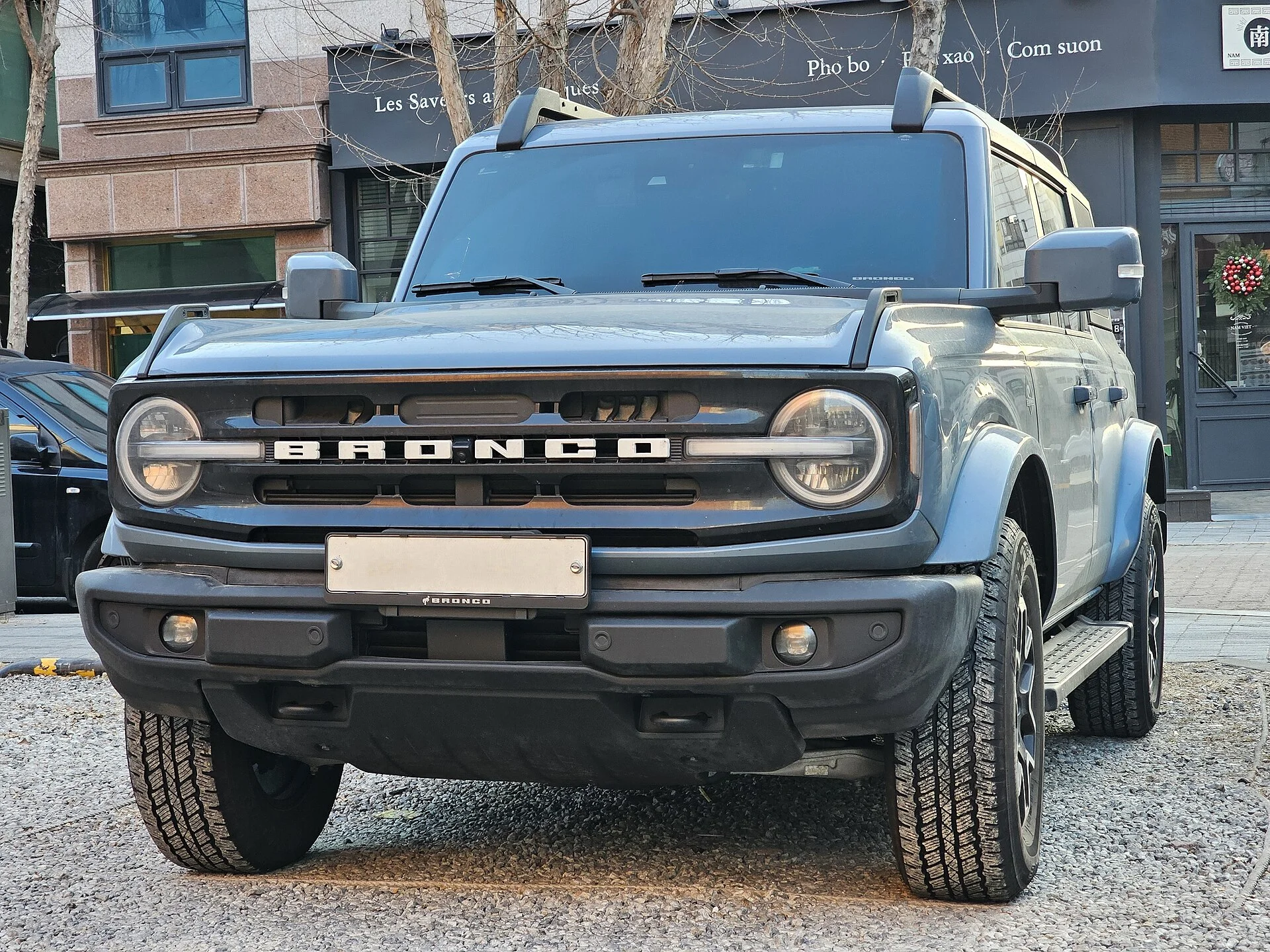
Getting there is where the Bronco shines. All Broncos come standard with four-wheel drive, and models fitted with 35-inch tires, such as Wildtrak and Sasquatch-equipped trims, have about 11.5 to 11.6 inches of ground clearance. That's genuine snow-and-trail capability, well beyond what a Forester or CR-V offers, and it opens up unplowed, remote sites those vehicles turn around at.
The two conditions are the top and the space. The Bronco's removable hardtop or soft-top roof means winter campers must ensure the top is sealed and insulated against cold and drafts, and with the rear seats folded the four-door offers about 52.0 cubic feet of cargo behind the first row - workable for one, tight for a full two-person bed. Neither is a dealbreaker; both are things you engineer before the trip.
Where the Bronco Wins: Getting to the Site
Start with the number that decides whether you reach a snowed-in campsite: clearance. The Bronco Big Bend and Badlands trims have about 8.3 to 8.4 inches of ground clearance, and trims on 35-inch tires jump to about 11.5 to 11.6 inches. That upper figure is body-on-frame off-roader territory, and it means plowed berms and deep, unplowed forest roads that would stop a crossover are just terrain to the Bronco.
The drivetrain matches the clearance. All Broncos come standard with four-wheel drive, and the four-wheel-drive system includes a two-speed transfer case with four-high and four-low ranges - the low range being exactly what you want for crawling up a slick, snow-covered grade under control. The available Advanced 4x4 system, the 4A option, adds an automatic on-demand mode alongside the part-time modes for mixed conditions.
Put together, the Bronco's tall 11.5-inch ground clearance on 35-inch-tire trims makes it well-suited to reaching snowy, unplowed campsites, and the standard 4WD with a low range gives it the control to do it safely. This is the Bronco's whole case for winter: it goes where the comfortable crossovers can't, which is often exactly where the good winter sites are.
The Removable-Top Trade-Off No Crossover Has
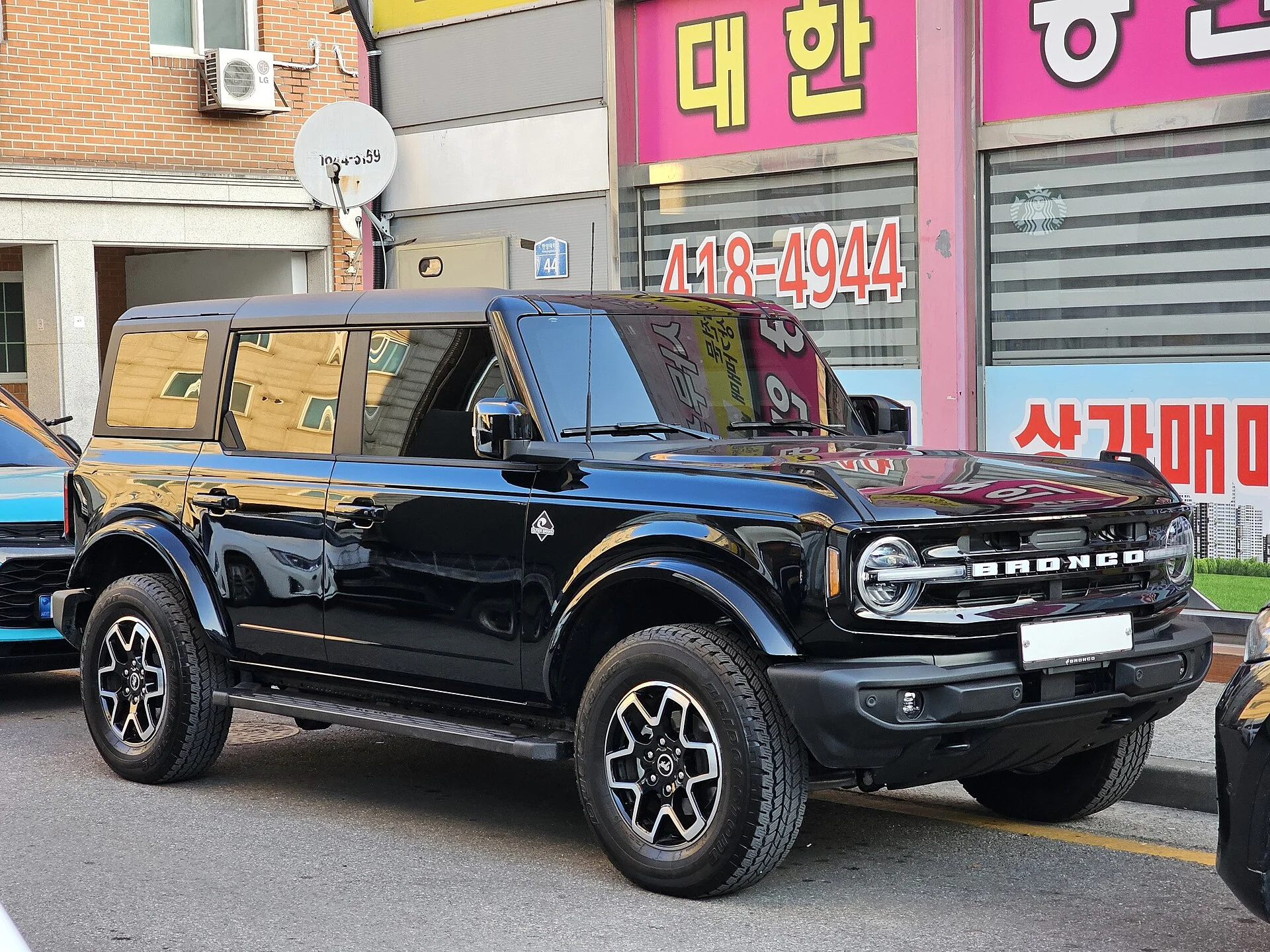
Here's the engineering catch that defines Bronco winter camping: the roof comes off. The Bronco's removable hardtop or soft-top roof is a feature in summer and a liability in a real freeze, because winter campers must ensure the top is sealed and insulated against cold and drafts. A sealed steel roof is a given on a CR-V; on a Bronco, it's something you verify.
The two tops behave differently. A hardtop, properly latched, seals reasonably well and insulates better than fabric, though panel seams are still worth checking for drafts. A soft top is the harder case: fabric loses heat fast and can let cold air seep at the edges, so a soft-top Bronco needs more insulation work and more attention to sealing before a cold night than almost any other vehicle here.
The trade-off is honest and it's the price of the Bronco's versatility. You get an open-air vehicle that also goes anywhere, but in exchange you inherit a roof that isn't a sealed thermal box by default. Plan the top before the trip - confirm every latch and seam, prioritize the hardtop for serious cold - and the liability becomes a manageable checklist item rather than a miserable surprise.
The Bed: 52 Cubic Feet and a Solo-First Reality
The Bronco looks big, but the sleeping numbers ask for honesty. With the rear seats folded, the four-door Bronco offers about 52.0 cubic feet of cargo volume behind the first row on the hardtop, and behind the second-row seats it has about 22.4 cubic feet. Ford lists up to 83.0 cubic feet of maximum storage with the rear seats folded in the soft-top four-door, but the usable flat sleeping area is smaller than those numbers imply.
The practical consequence is a solo-first bed. A standard twin mattress is 75 inches long, longer than the four-door Bronco's cargo floor, so most Bronco campers fold the rear seats and sleep diagonally or use a shorter pad. The four-door's roughly 52-cubic-foot maximum cargo area is smaller than a full-size SUV like a Tahoe, making a full queen sleeping setup tight.
None of that makes the Bronco a bad camper - it makes it a one-person-flat camper that two can share with compromise. Engineer the sleep system around a shorter, well-insulated pad, use the diagonal, and accept that the Bronco trades interior sleeping volume for the go-anywhere hardware. If a spacious two-person flat bed is the priority, this isn't the vehicle; if reaching remote snow is, the tighter bed is a fair price.
The engineering way to look at it is that the Bronco spends its interior volume on capability - the boxy shape, the removable panels, the tall ride height - rather than on a long, flat load floor. That's a deliberate design choice, not an oversight, and it's the right one for the mission the Bronco is built for. You just have to size your sleep system to what's left, which means a shorter pad and honest expectations about lying diagonally.
Engine Choices and What They Mean for Idle Heat
The Bronco's engine lineup matters for winter because idle behavior and fuel range shape your heat options. The base engine is a 2.3-liter EcoBoost four-cylinder rated at 275 horsepower at 5,700 rpm on regular fuel, producing up to 300 horsepower on premium. The available 2.7-liter EcoBoost V6 makes 330 horsepower, and the Bronco Raptor's 3.0-liter EcoBoost V6 produces 418 horsepower.
For camping, the relevant spec isn't horsepower - it's the tank. The Bronco has a fuel tank capacity of about 17 gallons (16.9 gallons), which is modest for a vehicle this thirsty; the base 2.3-liter four-door is EPA-rated at about 18 mpg city and 17 mpg highway. That combination means fuel range is a real constraint on a cold, remote trip, and it argues against leaning on engine idling for heat.
The transmission choice is a smaller footnote: the Bronco is available with a 7-speed manual or a 10-speed automatic. It matters mainly because, as we'll see, remote start is tied to the automatic. For heat planning, the takeaway is that a roughly 17-gallon tank and mid-teens mpg make a vented heater far more practical than idling a thirsty EcoBoost all night.
The Cold-Sealing Problem, Engineered
The Bronco's defining winter task is making a partly-modular vehicle behave like a sealed one. Start with the top: confirm the hardtop's latches are fully engaged and inspect the seams and seals for gaps, because a single unsealed edge undoes a lot of heating effort. On a soft top, the fabric itself is the weak point, and edge sealing plus interior insulation are non-negotiable before a freeze.
Doors and the tailgate are the next audit. A vehicle designed to come apart has more seams than a fixed-roof crossover, and each is a potential draft path. The engineering mindset is to treat the whole cabin as a thermal envelope and hunt the leaks systematically - roof seams, door seals, the tailgate - rather than assuming it's tight because it's a Ford SUV.
The payoff for that work is real. Once sealed and insulated, a hardtop Bronco holds heat acceptably, and the same clearance and 4WD that got you to a remote snow site now sit outside a cabin that's actually warm. The Bronco rewards the prep; it punishes the assumption that it seals like a normal SUV out of the box.
Heat Without Idling: The Vented-Heater Case
Given a roughly 17-gallon tank and mid-teens fuel economy, idling the Bronco for heat is the weakest option, and the math shows why. Idling burns fuel you can't easily replace on a remote winter trip, and idling in snow demands a clear, unobstructed tailpipe, because a drift banked against a parked vehicle can push carbon monoxide toward the cabin - worse on a rig with more seams to leak through.
That's why idle-for-heat only works in short cycles while someone is awake, never as a set-it-and-sleep solution, and why a battery carbon monoxide alarm is mandatory the moment the engine runs. A good portable carbon monoxide detector is the cheapest insurance in the kit, and on a removable-top vehicle it earns its place doubly.
The clean engineering answer is a dedicated vented heater. A diesel heater sips far less fuel than continuous idling and makes dry heat from sealed combustion, venting exhaust outside the sleeping space entirely. On a Bronco, where fuel is limited and the cabin takes real work to seal, a vented heater sized to the space is the most efficient way to stay warm without draining that modest tank overnight.
Insulation, Condensation, and the Soft-Top Penalty
Insulation matters more on a Bronco than on almost anything else here, because of the top. Reflective window panels and insulated covers cut heat loss through the glass, and on a soft-top Bronco, insulating the fabric roof area is just as important - that's the surface bleeding the most heat. Budget more insulation for a Bronco than you would for a sealed-roof crossover, and prioritize the roof.
Condensation is the paired problem. Any sealed cabin fogs up as occupants breathe, and in freezing weather a wet bag stops insulating, which is a safety issue rather than a comfort one. Crack a window a finger's width for ventilation and lean on dry vented heat that doesn't add moisture - but be aware that a soft top can also trap and hold dampness differently than a hardtop, another reason the hardtop is the cold-weather pick.
The soft-top penalty is the recurring theme: more heat loss, more sealing work, more condensation management. It's entirely livable if you plan for it, but it's real, and it's the single biggest reason to choose a hardtop Bronco if winter camping is a priority. The hardtop turns most of these penalties from significant into minor.
Remote Start Caveats and Trim Notes
The Bronco's remote start situation is a trim-and-transmission puzzle worth knowing before you buy for winter. Remote start is not standard across the base Bronco lineup; it is available only on automatic-transmission Broncos. So a manual Bronco simply can't have factory remote start - a meaningful loss on cold mornings when pre-warming the cabin is a genuine comfort.
Where it does exist, it's easy to get. Remote start is bundled in the Big Bend's optional Mid Package and is standard on the Outer Banks trim, among others. If cold-weather livability matters, spec an automatic with a package that includes remote start, and you gain the ability to warm the cabin and clear frost before climbing into the driver's seat - the same morning-tool benefit any vehicle gets from it.
Two other trim notes shape a winter build. Clearance and tires define capability - the 35-inch-tire trims are the ones with the big 11.5-inch clearance figure - and the four-door Bronco can tow between about 3,340 and 4,500 pounds depending on configuration if you're pulling a small trailer to a base camp. Choose the drivetrain, top, and tires deliberately; on a Bronco, trim selection is most of the winter decision.
The Verdict: Buy It to Reach the Snow, Prep It to Sleep In
The Ford Bronco earns a qualified yes for winter car camping, and the qualification is the whole story. As a machine for reaching remote, snowed-in sites, it's outstanding: standard four-wheel drive, a two-speed transfer case with a low range, and up to about 11.5 inches of ground clearance on 35-inch-tire trims. Few vehicles a camper would actually consider get to the hard-to-reach winter spots this easily.
The conditions are the top and the space. The removable hardtop or soft-top must be sealed and insulated against cold and drafts - a real task, especially on the soft top, and the reason to favor a hardtop for serious cold. And the four-door's roughly 52 cubic feet make a full two-person bed tight, so engineer the sleep system around a solo pad or a shorter diagonal setup.
For heat, skip open-ended idling of a thirsty EcoBoost on a roughly 17-gallon tank - run a vented heater, cover the glass and roof, crack a window, and keep a carbon monoxide alarm active. Do that, and the Bronco is exactly what it's built to be: the vehicle that reaches the snow nothing else can, once you've done the prep it needs to sleep in.