
Setting the Scene
The on-ramp is a blur of brake lights and surging traffic, your palms slick against the steering wheel. You're approaching the merge point, and the highway is a river of cars moving at 70 mph, while you're still trying to build speed. Panic is a powerful instinct, but it's the enemy of safe highway merging. Forget the "what ifs" and focus on what's happening right now. You need to get into that flow, and quickly. The key isn't about being fearless; it's about being prepared and executing a plan with confidence. This isn't a parking lot; it's a high-speed environment where timing and awareness are critical. You have a limited window to match the speed of traffic already on the highway, and failing to do so can create dangerous situations leading to accidents. This guide will equip you with the knowledge to navigate these moments without freezing up.
The Short Answer
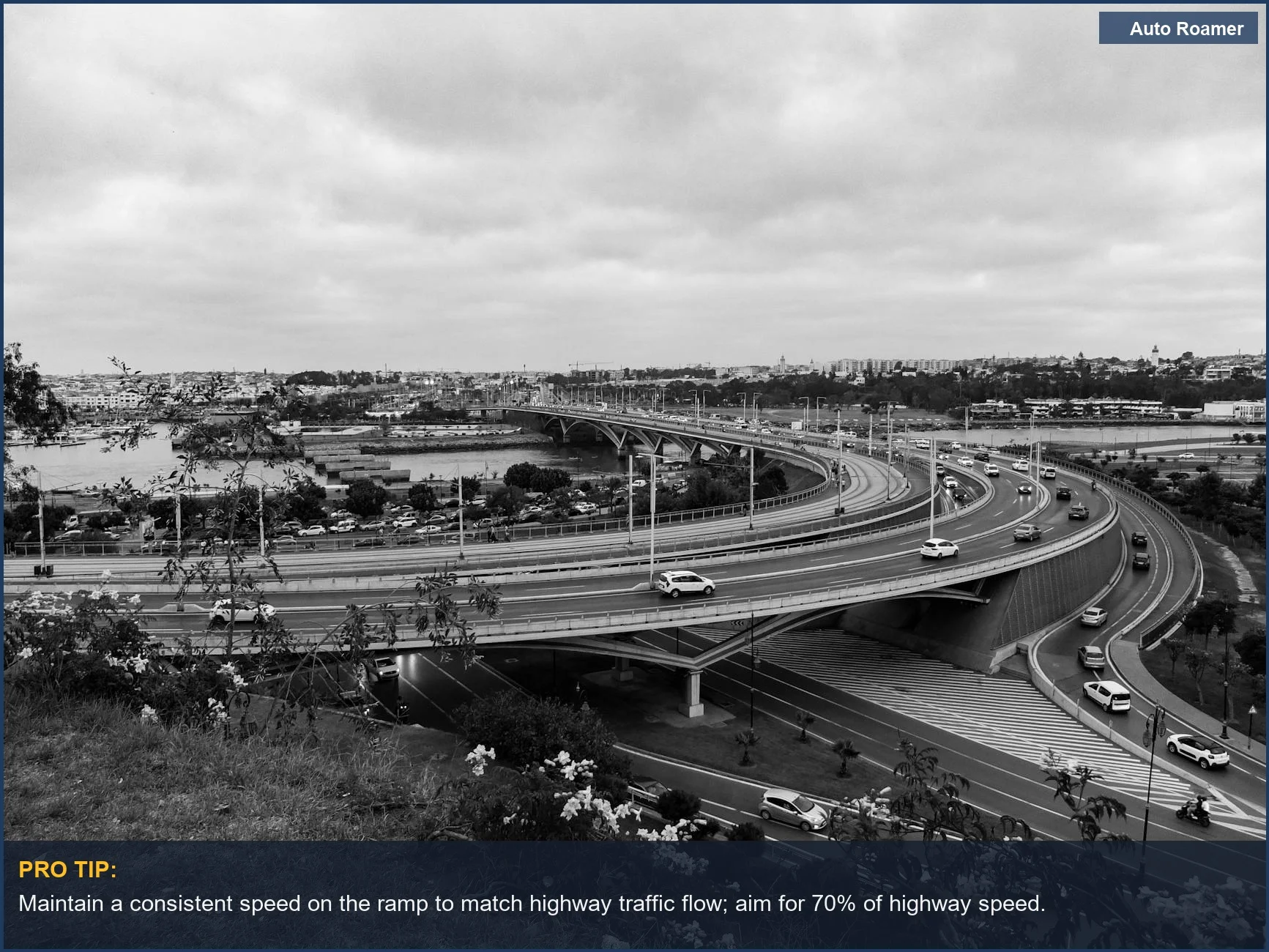
The mental model for highway merging without panic is treating it as a controlled entry into a moving stream, not an arbitrary leap of faith. Your goal is to match the speed and flow of existing traffic, not to force your way in.
Panicking during a highway merge often stems from a lack of preparation and a misunderstanding of the process. The key is to use the acceleration lane (on-ramp) not as a waiting area, but as a tool to match the speed of highway traffic before you commit to a lane Understanding How To Merge. Don't attempt to merge onto a highway where traffic is moving at 60-70 mph if you're only going 40-50 mph; that speed differential is a recipe for disaster Mastering Freeway Merging: A Comprehensive Guide - YouTube.
Preparation is paramount. Before you even reach the on-ramp, adjust your mirrors and check blind spots How to Safely Merge Onto the Highway? - Wichita - Auto Smart. Once on the ramp, scan ahead and behind to gauge the speed and distance of vehicles. Aim to look 10-15 seconds ahead to give yourself ample time to assess the situation and adjust your speed accordingly How to Safely Merge onto a Highway - DM Injury Law.
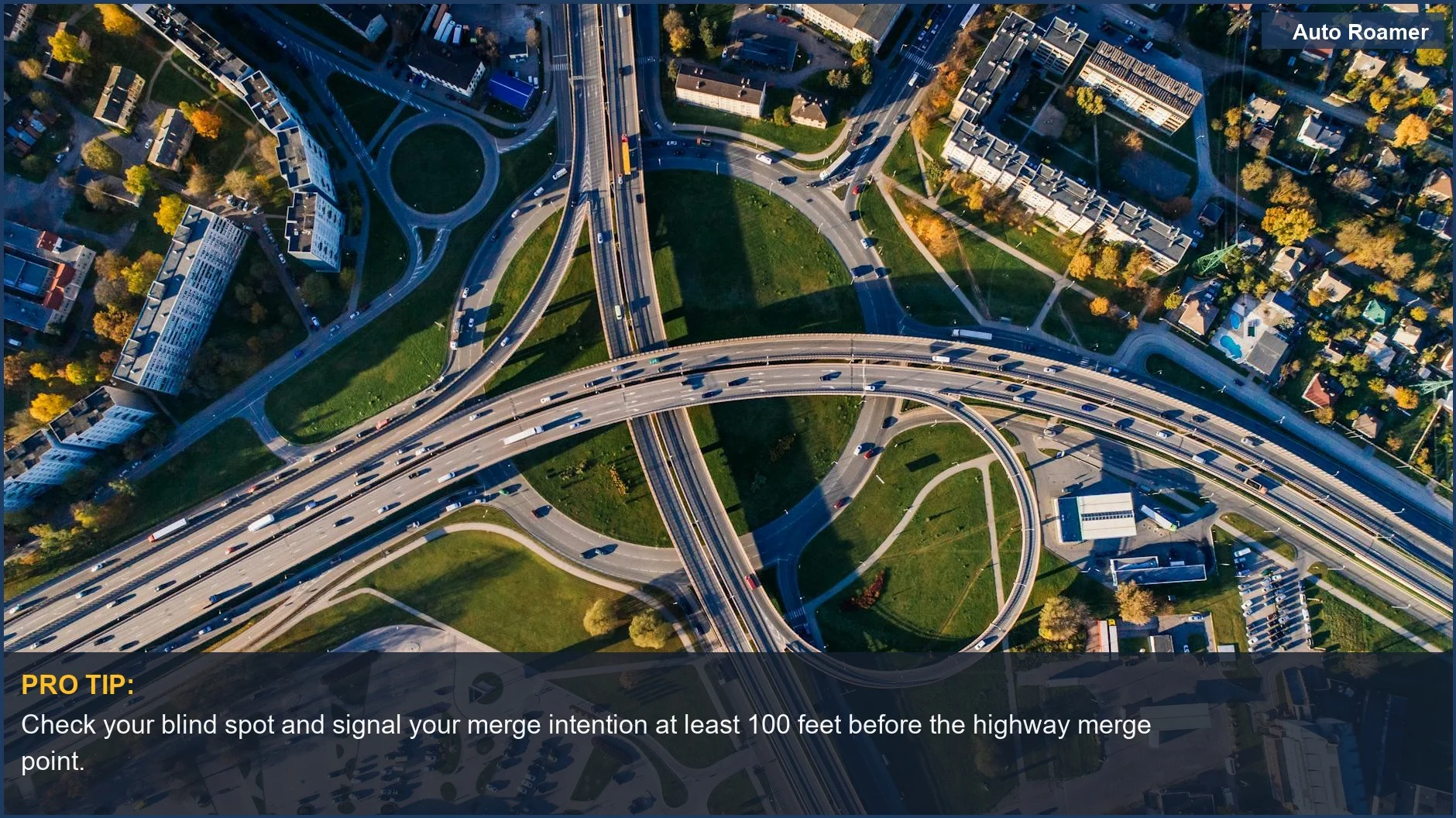
Signaling your intent early is non-negotiable. Signal as soon as you're on the ramp, at least 100 feet before merging Your Complete Guide to Safe Highway Merging on Texas's Busiest .... This gives existing traffic ample warning and allows them to adjust if necessary. Remember, traffic already on the highway has the right-of-way; you are the one entering their flow Your Complete Guide to Safe Highway Merging on Texas's Busiest ....
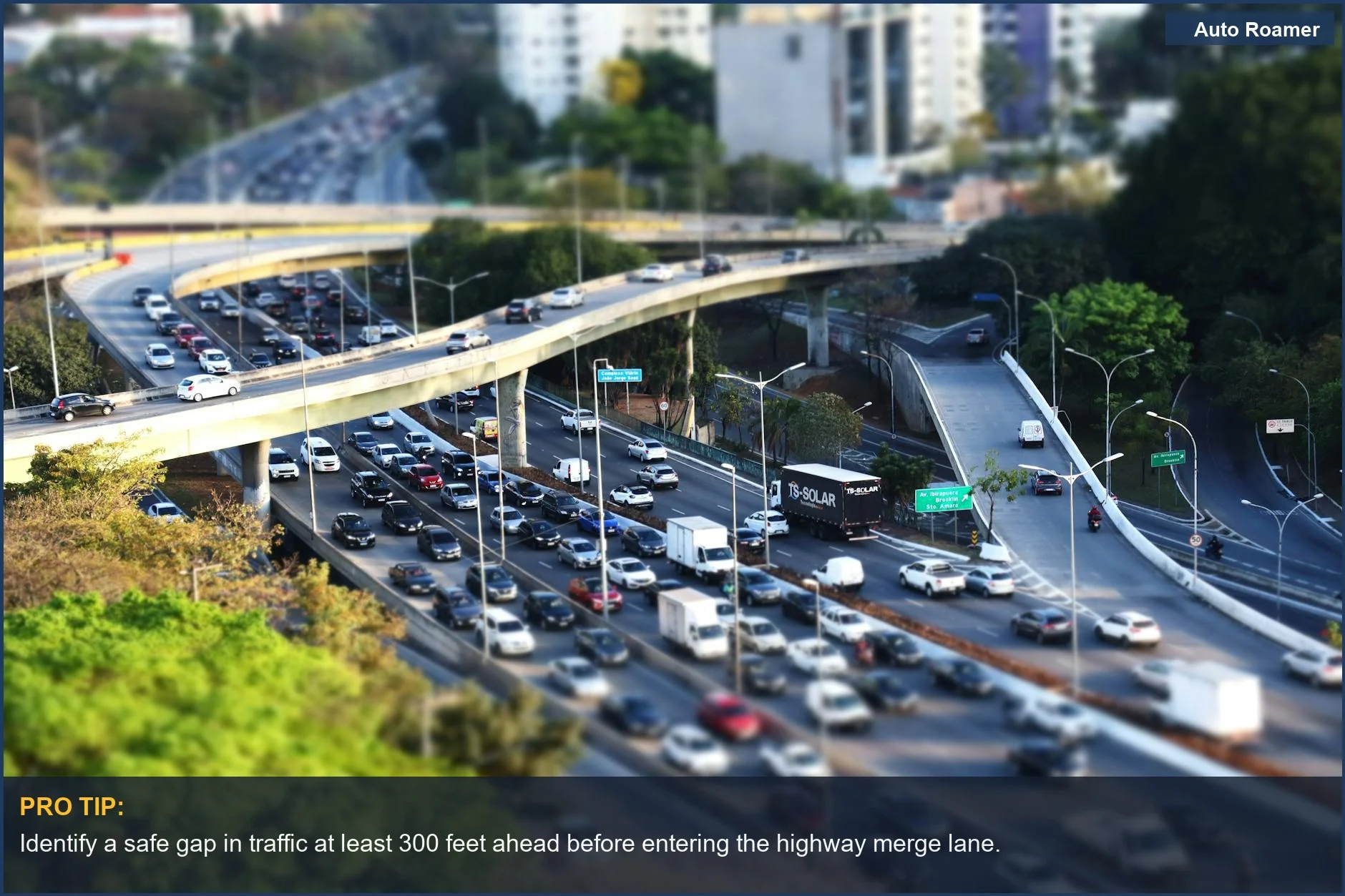
Look for a sufficient gap in traffic. Don't force your way in; be patient and wait for an opening. Once you've identified a safe space, accelerate smoothly to match the speed of the vehicles you're merging into. Maintain this speed after merging and continue to check your mirrors and blind spots The Dos and Don'ts of Highway Merging.
What You Need to Know
How to Handle This
Why it matters: This gives other drivers time to see you and adjust.
What goes wrong if you skip it: You'll be forced into a last-minute maneuver, potentially cutting someone off or causing sudden braking, creating a dangerous situation. This is critical on busy highways like I-35 in Austin Your Complete Guide to Safe Highway Merging on Texas's Busiest ....
Why it matters: Merging at the correct speed ensures smooth flow.
What goes wrong if you skip it: Merging too slowly creates a speed differential forcing abrupt reactions and increasing collision risk. In heavy rain or fog, this speed mismatch is more perilous.
Why it matters: This allows seamless integration.
What goes wrong if you skip it: Hesitation leads to missed opportunities and unsafe merges, particularly on complex interchanges like Houston's I-610 West Loop Your Complete Guide to Safe Highway Merging on Texas's Busiest .... Highway traffic has the right-of-way; you must find your space.
Why it matters: This ensures you are not merging into a vehicle that has suddenly appeared or shifted lanes.
What goes wrong if you skip it: You risk a side-swipe collision if another vehicle is in your blind spot. This is a common mistake, especially when anxious or rushing.
What This Looks Like in Practice
- Winter Mountain Pass in a Subaru Outback: Merging onto a highway with snow and ice presents a challenge. While the Outback's all-wheel drive offers some advantage, drivers often underestimate reduced traction. A common mistake is accelerating too quickly on slick surfaces, causing wheel spin and loss of control, as seen in winter driving forums. Maintain a slow, steady speed, use the full acceleration lane to gauge traction, and be patient finding a gap. Merging Without a Hitch: A Trucker's Guide to Joining the Highway highlights matching traffic speed, exponentially harder in winter.
- Summer Desert in a Honda Civic: Merging onto a desert highway in a compact car like a Honda Civic during summer can be daunting due to high speeds and heat. Drivers panic if they don't find a large gap immediately, leading to abrupt braking or erratic lane changes. A frequent issue is merging when highway traffic moves at 60-70 mph while the Civic is at 40-50 mph, creating a dangerous speed differential Mastering Freeway Merging: A Comprehensive Guide - YouTube. Success relies on using the entire acceleration lane to build speed and scanning 10-15 seconds ahead How to Safely Merge onto a Highway - DM Injury Law.
- Rush Hour in a Pickup Truck: Merging onto a busy highway during rush hour in a pickup truck can feel intimidating due to visibility issues and traffic volume. A recurring problem is assuming other drivers will make space, leading to being cut off or forced to brake hard. Experienced drivers advise being assertive but not aggressive: signal early, check mirrors and blind spots thoroughly, and adjust speed to match the flow, even if it means waiting for a larger gap Your Complete Guide to Safe Highway Merging on Texas's Busiest ....
- Rainy Evening in a Minivan: Merging onto a highway during a rainy evening in a minivan can be stressful due to reduced visibility and hydroplaning potential. Drivers often worry about not being seen by faster vehicles. A common failure is not signaling early enough or keeping the signal on until the merge is complete, leaving other drivers unsure of intentions Your Complete Guide to Safe Highway Merging on Texas's Busiest .... Slow down slightly on the ramp if necessary to avoid hydroplaning and wait for a clear, safe gap. Turn on headlights for visibility.
Mistakes That Cost People
Symptom
You slam on the brakes or accelerate erratically on the on-ramp, causing other drivers to swerve or brake suddenly.
Signal
Sudden braking by vehicles already on the highway, or honking horns from behind you on the ramp.
Fix
Use the entire acceleration lane to match highway traffic speed before merging. Don't treat the on-ramp as a "stop ramp." Master merging by building speed gradually.
Symptom
You fail to signal your intention to merge, or signal too late, leaving other drivers no time to react.
Signal
Other drivers cut you off, or you have to brake hard because no one anticipated your move.
Fix
Signal early, at least 100 feet before merging as soon as you're on the ramp. Keep your signal on until you are safely in the lane.
Symptom
You only check your mirrors and miss vehicles in your blind spot, leading to a near-miss or collision.
Signal
Other drivers honk at you aggressively or make sudden evasive maneuvers.
Fix
Perform a head check over your shoulder in addition to using your mirrors. Always be aware of your surroundings before merging onto the highway.
Symptom
You try to merge when highway traffic is moving significantly faster than you can achieve on the ramp, creating a dangerous speed differential.
Signal
You are forced to brake heavily on the ramp, or you enter the highway at a dangerously slow speed compared to traffic.
Fix
Do NOT attempt to merge onto a highway where the average speed is 60-70 mph when you're only going 40-50 mph This is how accidents happen. Wait for a sufficient gap or a slower section of traffic.
Symptom
You focus only on the immediate gap, ignoring traffic flow further down the highway, leading to being cut off.
Signal
Traffic behind your intended merge point bunches up, forcing you to accelerate or decelerate unexpectedly.
Fix
Scan 10-15 seconds ahead on the highway to assess the overall traffic flow. This helps you pick a gap that allows for consistent speed after merging.
Key Takeaways
- Scan and signal early. Use your mirrors to assess speed and space, signaling at least 100 feet before you need to merge onto the highway Your Complete Guide to Safe Highway Merging on Texas's Busiest .... This gives other drivers ample time to react.
- Match the highway's speed. Don't attempt to merge when you're going significantly slower than traffic already on the road; this is a recipe for disaster Mastering Freeway Merging: A Comprehensive Guide - YouTube. Utilize the full acceleration lane to build up to the speed of surrounding vehicles.
- Don't stop on the ramp. A merge is an "on" ramp, not a "stop" ramp. Look ahead 10-15 seconds to identify a safe gap in traffic How to Safely Merge onto a Highway - DM Injury Law.
- Be aware of your surroundings. Continuously check your mirrors and blind spots for a clear path. Remember that drivers in the far-right lane may not always adjust their speed for you How to Safely Merge Onto the Highway? - Wichita - Auto Smart.
- The single most important thing to remember for safe highway merging is to match the speed of traffic before you enter the lane.