Why does a 12V fridge drain your car battery?
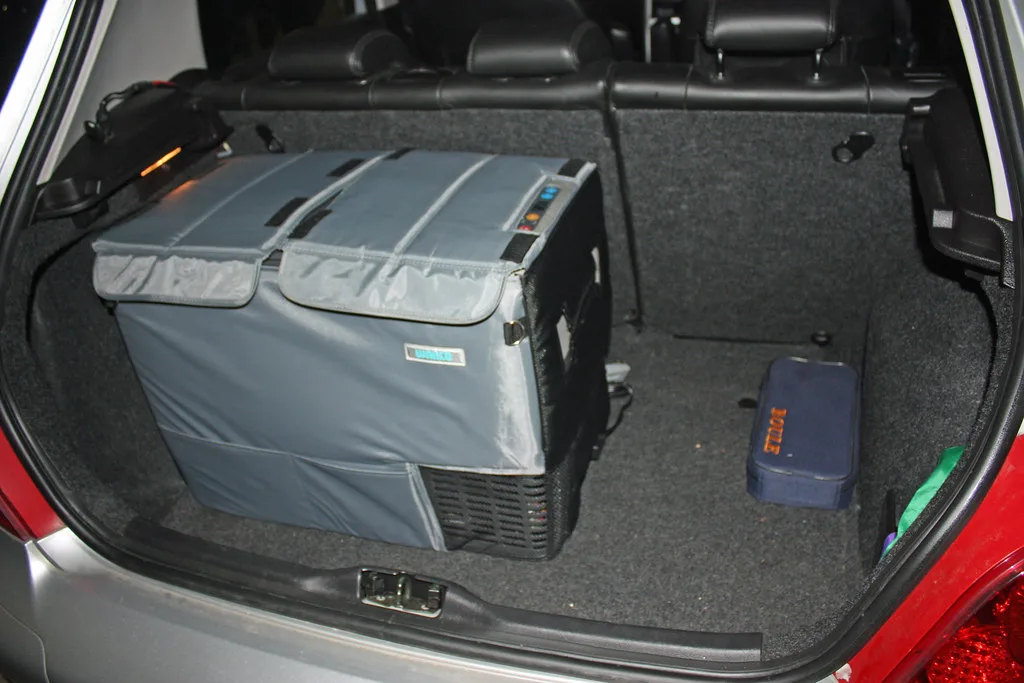
A 12V compressor fridge draining your car battery is not a defect - it is physics. The fridge is a continuous load that runs day and night, and your car's starter battery is built to deliver a huge burst to crank the engine, not to be slowly drained for hours. Run a fridge off the starter battery overnight and you can wake up to a car that will not start. The fix, in one sentence, is to give the fridge its own power source so it never touches the battery you need to drive home.
There are a few ways to do that, from the dead-simple to the fully wired, and I will walk all of them. But first it helps to see the actual numbers - how much a fridge pulls and how quickly that empties a starter battery - because once you understand the draw, every fix below makes obvious sense. This is the most common power mistake I see new campers make, and it is completely avoidable with the right setup.
The mental model that makes all of this click is simple: a fridge is a marathon load and a starter battery is a sprinter. Cranking an engine asks for hundreds of amps for a fraction of a second, then the alternator immediately tops the battery back up - that is the entire life a starter battery is designed for. A fridge asks for a few amps continuously for hours with no alternator running to replace them. Ask the sprinter to run the marathon and it collapses; that collapse is your dead battery in the morning. Every fix below is just a way of handing the marathon to a runner built for it.
How much power does a 12V fridge actually use?
Start with the load, because everything else sizes off it. A typical 12V compressor fridge pulls roughly 2.5 to 5 amps - about 30 to 60 watts - while the compressor is running, per low-voltage camping guides. The key word is while running: the compressor cycles on and off, typically a third to half of the time depending on heat and how often you open the lid, so the average draw is far below the rated wattage.
Turned into a daily figure, that lands most fridges around 20 to 50 amp-hours a day in mild conditions, with 30 to 50 amp-hours a common planning number and more in real heat, per RV electrical references. A hot day can push the duty cycle up ten to fifteen percent and add meaningful amp-hours. Our guide to a 12V fridge's power consumption on a road trip breaks the numbers down by size and temperature. Hold on to that 30-to-50-amp-hour-a-day figure, because it is the number every fix below has to cover.
One more nuance worth internalizing: the draw is not constant, which is why a fridge is sneakier than a steady 40-watt bulb. On a cool night it might barely cycle and sip a handful of amp-hours; on a hot afternoon in a sunlit car it can run almost continuously and pull several times that. So when you size a battery or a panel, plan for a bad day, not an average one - a system that only works in mild weather will strand you exactly when it is hot and you care most. Budgeting to the top of that 30-to-50-amp-hour range gives you the margin that keeps the fridge cold through a heat wave.
Why a starter battery can't take it
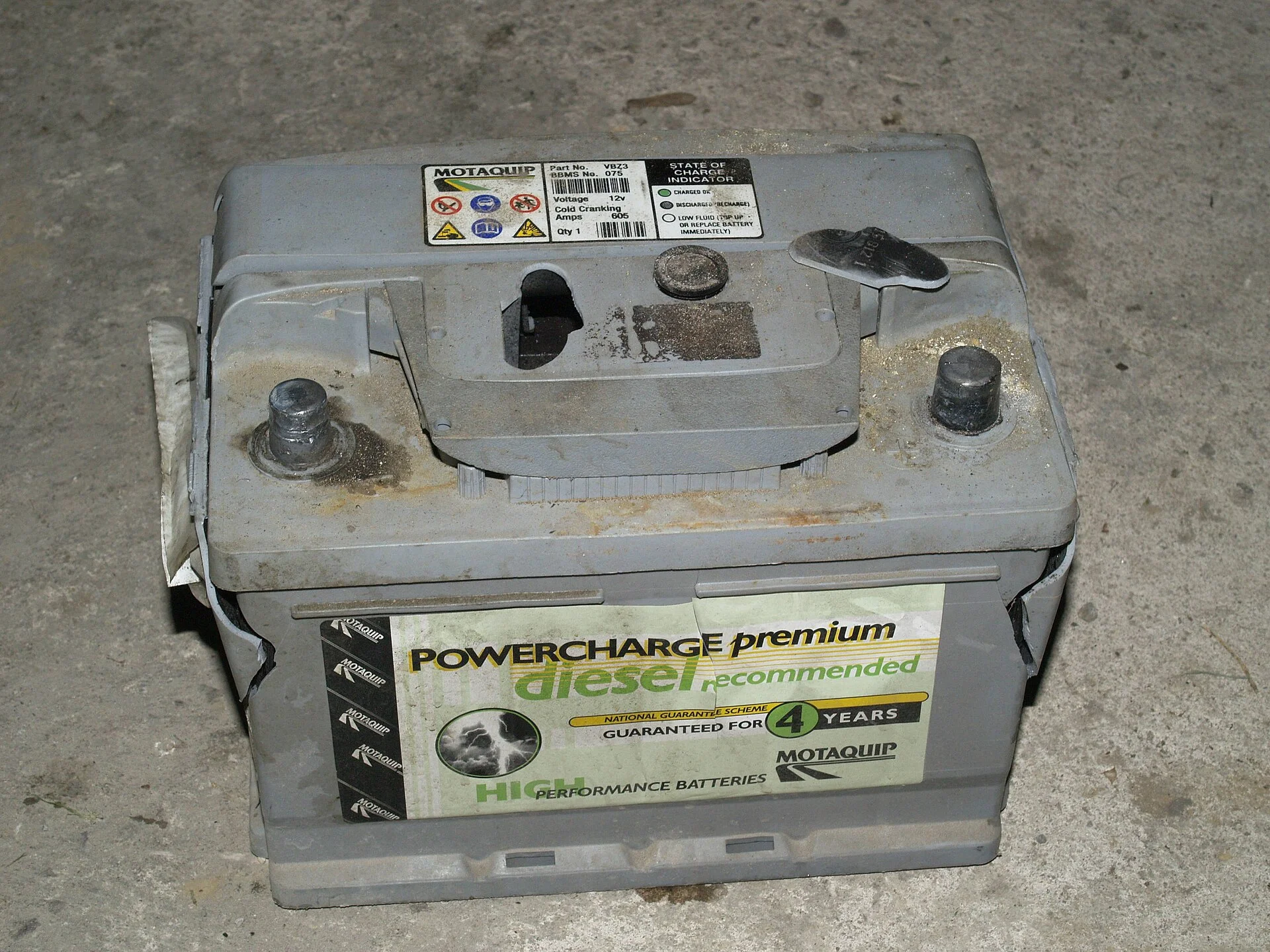
Now the other half of the problem: the battery under your hood is the wrong tool for this job. A car starting battery is a starting-lighting-ignition battery, designed to dump a big current for a second or two to crank the engine, then be immediately recharged by the alternator. It is not built to be deeply discharged, and repeatedly drawing it down damages it, per battery makers.
A lead-acid battery should never go below about 50 percent charge, which means a typical 45-to-60-amp-hour starter battery gives you only about 25 to 30 usable amp-hours before you risk not being able to start the car.
Do the math against a fridge and the danger is clear: a small fridge pulling 3 to 4 amps runs only about 7 to 9 hours on a 60-amp-hour starter battery held to a safe 50 percent, per low-voltage guides - less than a single night. Push past that and the battery may be too low to crank in the morning, and you have also shortened its life. This is why every real solution below does the same core thing: it keeps the fridge off your cranking battery.
It is worth being precise about what shortening its life means, because it is not only the dead-morning risk. Each time a starter battery is drawn down deeply, a little of its capacity is lost for good to sulfation, so a battery you keep using for the fridge does not just risk stranding you tonight - it quietly dies months early and leaves you buying a replacement. That is the hidden cost of the run-it-off-the-car approach: even on the nights the engine starts fine, you are shortening the life of the one battery your vehicle cannot do without. Treat the cranking battery as off-limits for the fridge and it lasts its full life.
Fix 1: a portable power station (the easy button)
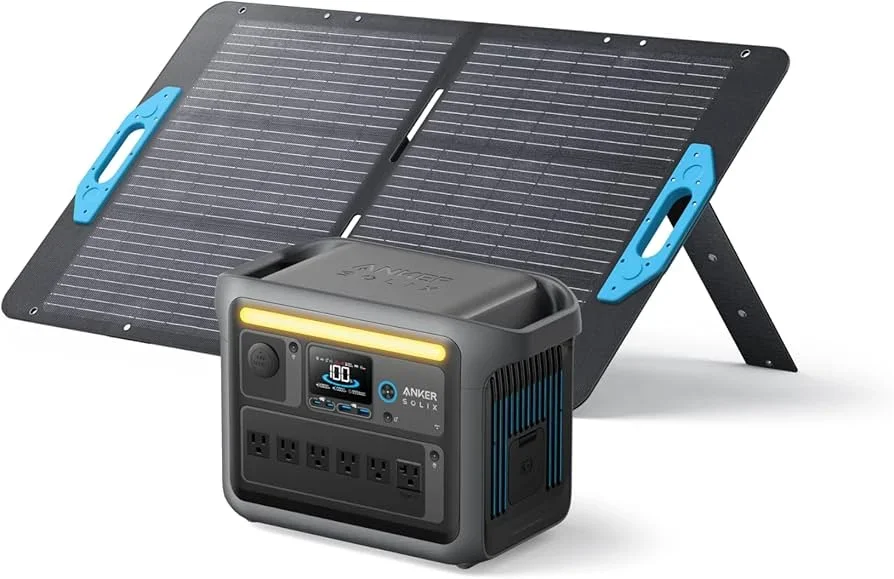
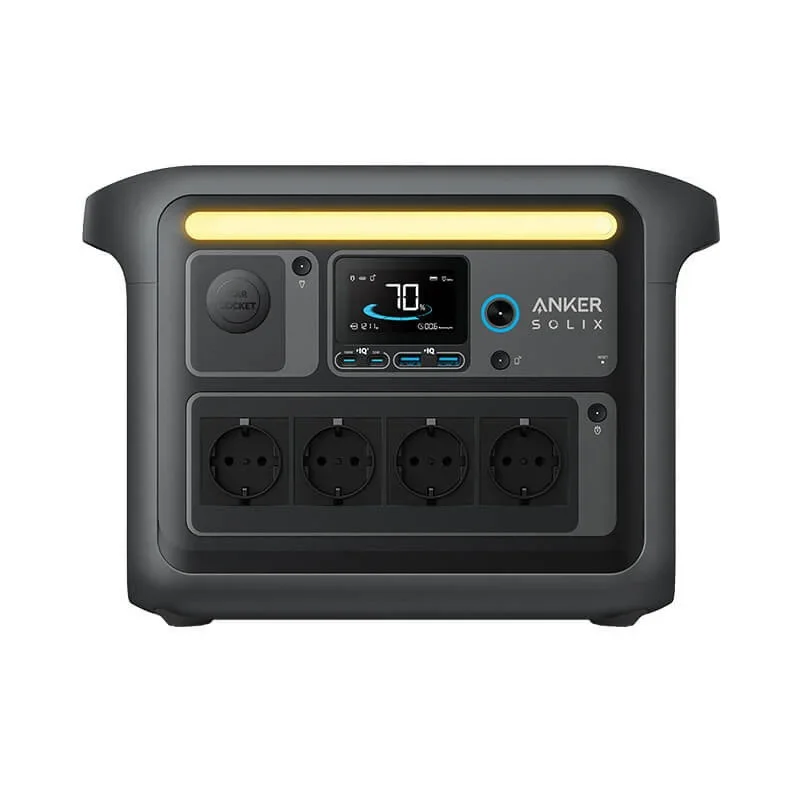
The simplest fix, and the one I hand most car campers, is a portable power station. It is a self-contained battery pack that powers the fridge entirely on its own, with zero draw on the vehicle's battery, and you recharge it from a wall outlet, the 12V socket while driving, or a solar panel. No wiring, no installation - you plug the fridge in and forget it.
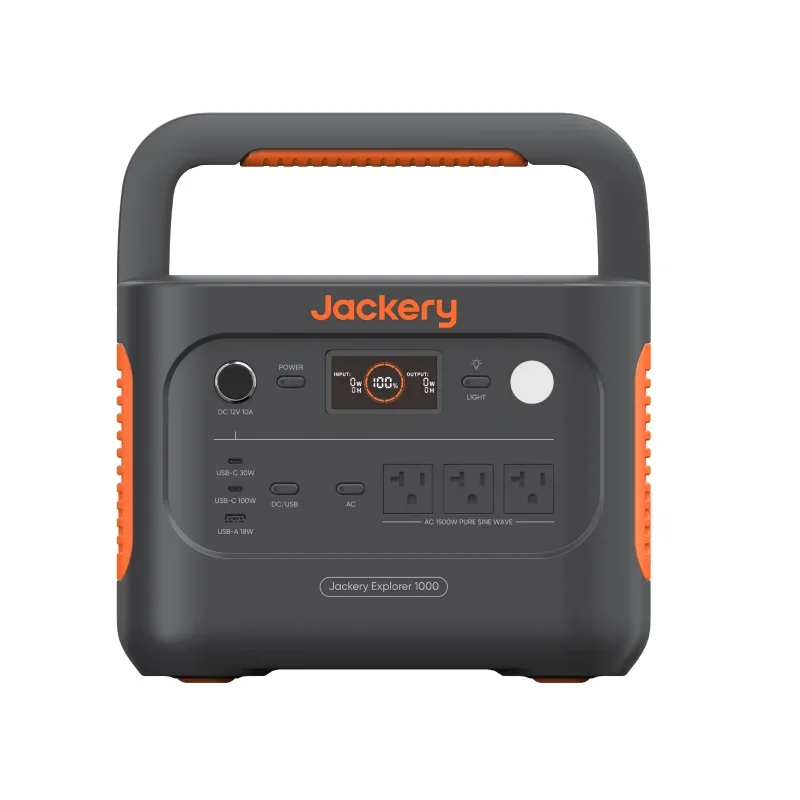
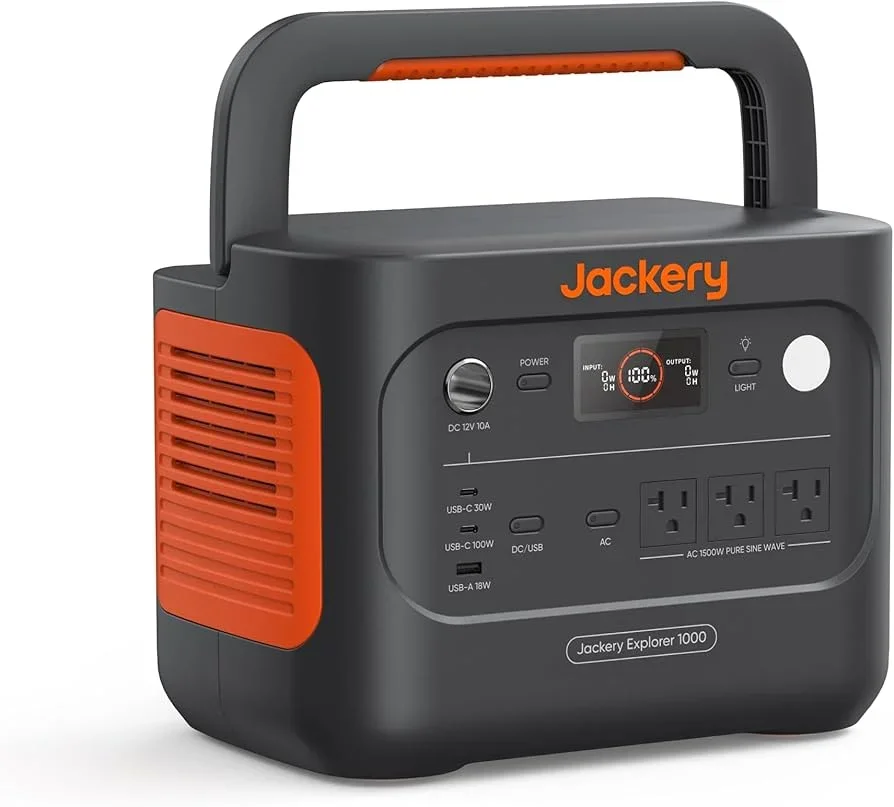
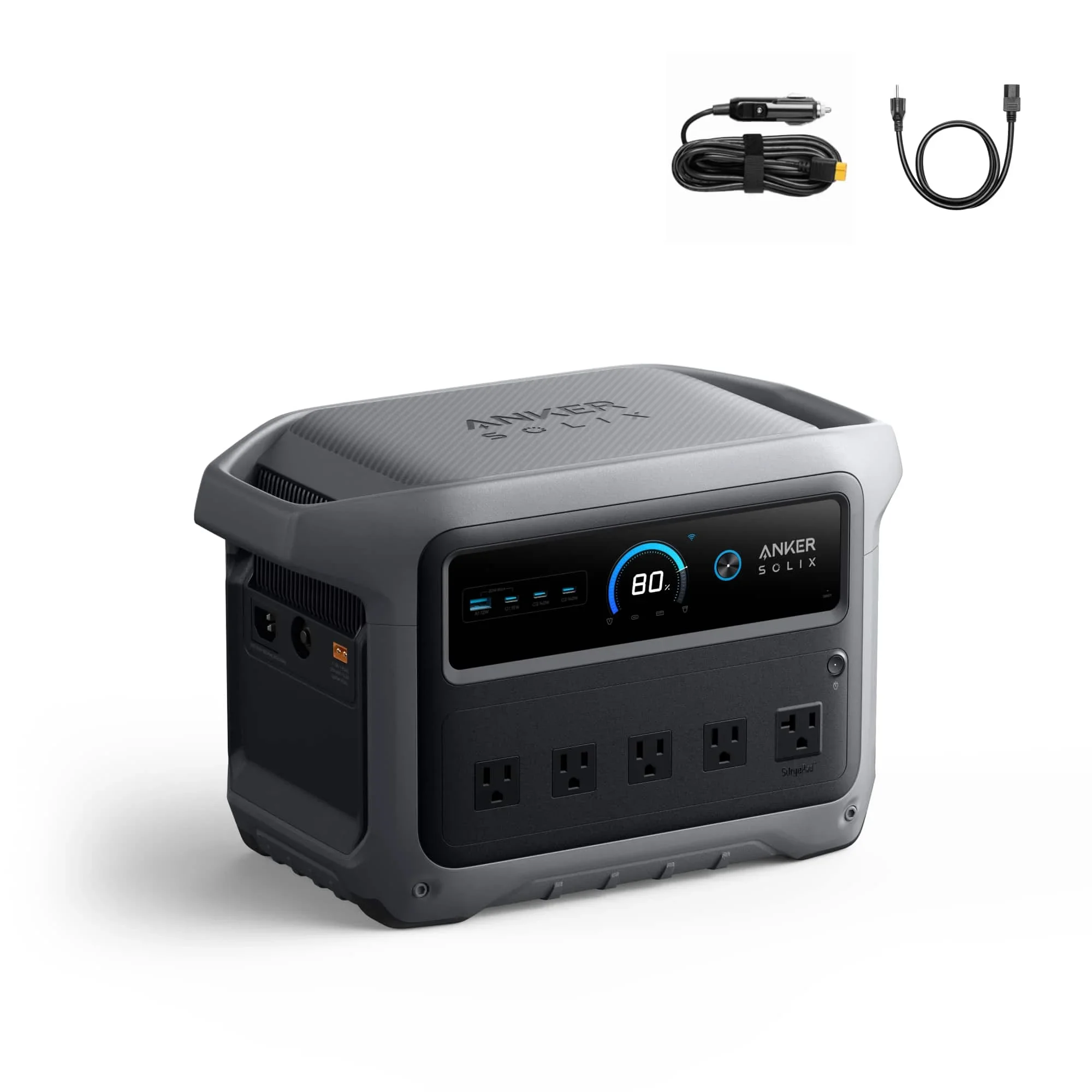
Size it to that 30-to-50-amp-hour daily draw. A Jackery Explorer 1000 v2 at 1070Wh runs a typical fridge for several days on its own, plus your phones and a fan, and refills fast at any wall outlet. If you camp off solar or stay out longer, a larger station like the Anker Solix C1000 takes up to 600 watts of solar, so a fridge and a panel can run indefinitely without ever touching the car battery. Our best portable power stations for car camping guide sizes stations to fridge loads. For most people this is the whole answer.
Fix 2: a dedicated deep-cycle or LiFePO4 auxiliary battery
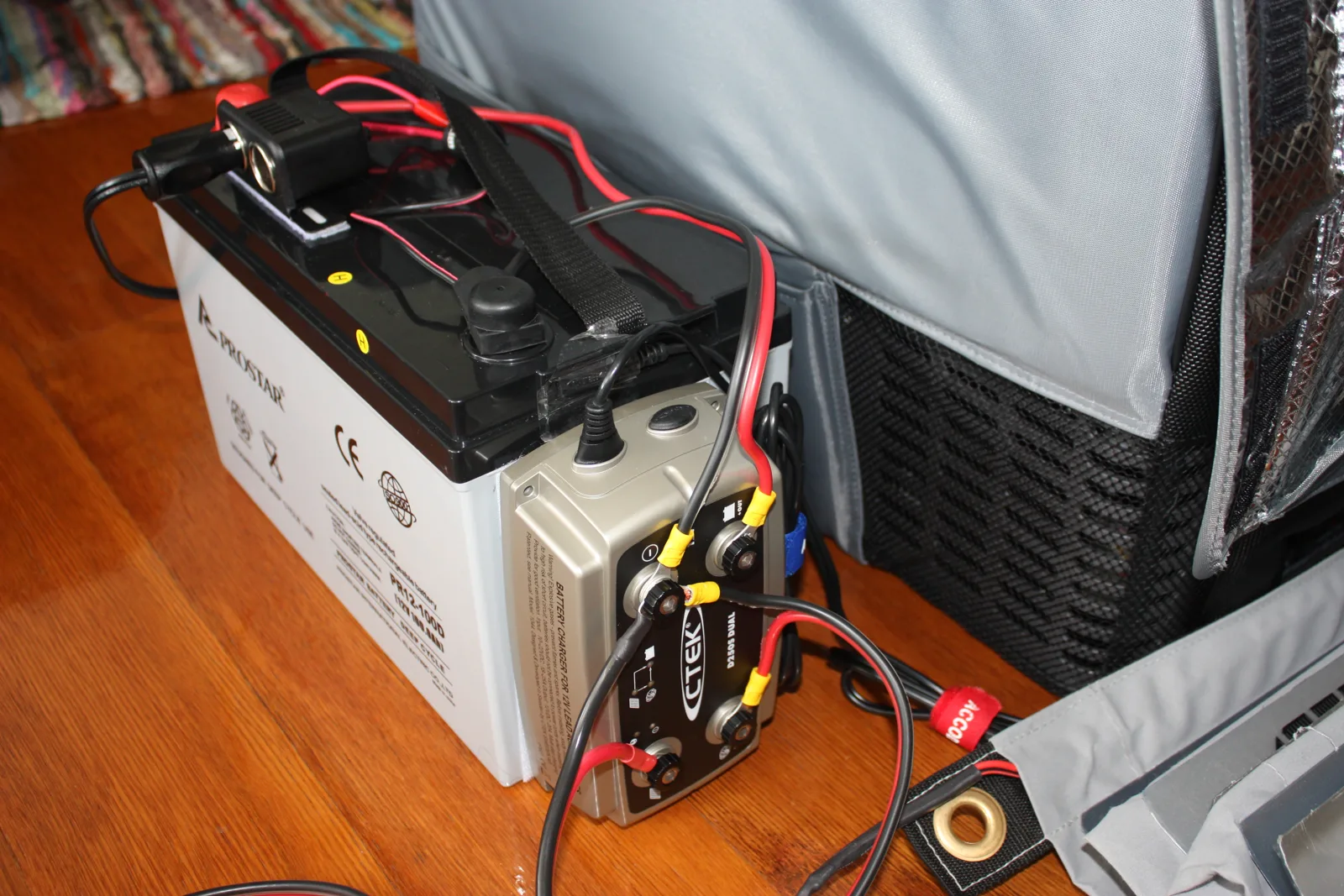
For a permanent build, the classic answer is a second battery made to be drained. A deep-cycle or LiFePO4 auxiliary battery is designed for exactly the repeated discharge that kills a starter battery, and because the fridge runs off it, your cranking battery is never touched. This is the backbone of every serious overland power system.
The chemistry matters here. A lead-acid deep-cycle battery still only gives about 50 percent of its rated capacity, but a LiFePO4 battery can be safely discharged to nearly empty, so a 100-amp-hour LiFePO4 delivers close to 100 usable amp-hours - enough to run a typical fridge for three to four days, per battery makers. That is the same 100-amp-hour lead-acid battery's usable capacity roughly doubled. A LiFePO4 aux battery costs more up front but is lighter, lasts far more cycles, and gives you the runtime a fridge actually needs, which is why it has become the default for camp power.
Sizing the aux battery is the same exercise as sizing a power station: start from the 30-to-50-amp-hour daily draw and multiply by how many days you want between charges. A 100-amp-hour LiFePO4 covers two to four days of a fridge plus lights and charging on its own; pair it with driving or solar and it never runs down. The difference from a power station is really just packaging - an aux battery is wired permanently into the vehicle and charges as you drive, while a power station is portable and charges from a plug. Same job, same math, different install effort.
Fix 3: use the fridge's low-voltage cutoff
This one is free, already built into your fridge, and too many people leave it off. Nearly every 12V compressor fridge - Alpicool, Iceco, BougeRV, Dometic - includes a low-voltage battery-protection setting, usually with low, medium, and high options. It monitors the input voltage and shuts the compressor off before the battery drops too far, preserving enough charge to start the engine.
How to use it correctly:
- Running off a starter battery: set the cutoff to high so the fridge stops early and leaves plenty to crank with.
- Running off a deep-cycle or LiFePO4 aux battery: set it lower so you can use more of the battery you are allowed to drain.
- Never disable it: the cutoff is the safeguard that turns a dead-car risk into a warm-fridge inconvenience.
The cutoff is not a substitute for giving the fridge its own power, but it is the cheap insurance that keeps a planning mistake from stranding you. Set it on the first night and match it to your battery type.
Fix 4: a DC-DC charger or VSR isolator
If you run an auxiliary battery, this is the piece that recharges it safely from the engine without back-feeding your starter battery. A voltage-sensitive relay, or VSR, senses the alternator raising system voltage while the engine runs and only then connects the aux battery for charging - then disconnects it when the engine stops, so the fridge load can never drain the cranking battery, per solar-power references.
A DC-DC charger does the same isolation and adds a proper multi-stage charge profile: it charges the aux battery to a full, correct voltage - important for LiFePO4 and for modern smart alternators that a plain VSR can struggle with. The practical guidance:
- Simple lead-acid aux setup: a VSR isolator is inexpensive and keeps the two batteries separate.
- LiFePO4 aux or a smart-alternator vehicle: a DC-DC charger is worth it for the correct, complete charge.
- Either way: the aux battery charges as you drive and runs the fridge when you stop, and the starter battery stays sacred.
Fix 5: solar top-up for multi-day trips
Driving recharges an aux battery, but what about the days you sit still? That is what solar is for. A portable panel replenishes your auxiliary or power-station battery during daylight - including when the engine is off - offsetting the fridge's daily amp-hours so the bank is not slowly net-drained over a long stay, per off-grid guides.
Match the panel to the draw. Since a fridge uses roughly 30 to 50 amp-hours a day, a 100-to-200-watt panel on a sunny day returns enough to cancel that out and keep you level, effectively letting you camp on sunshine. Solar is a trickle, not a fast refill, so treat it as the thing that stretches a weekend into a week rather than an emergency recharge - lean on the wall or the alternator for speed. Our best solar panels for car camping guide matches panels to fridge and power-station setups. Add solar and a fridge stops being a countdown and becomes something you simply do not think about.
The one caveat with solar is honesty about the weather. A panel that keeps you level on a bright day returns far less under cloud or tree cover, so if your camping is in forests or you hit a run of gray days, size the battery to carry you through the gaps and treat solar as a bonus rather than the whole plan. Paired with a battery big enough for a couple of sunless days, solar turns an indefinite off-grid stay into a realistic goal instead of a gamble on sunshine.
Fix 6: cut the draw with ECO mode and insulation
Every fix so far adds power; this one reduces the demand, and it stacks with all the others for free. The less your compressor has to run, the fewer amp-hours it uses, so a few simple habits meaningfully shrink the problem before you spend a dollar on batteries or panels.
The moves that cut a fridge's draw:
- Run ECO mode and a slightly higher setpoint - a few degrees warmer is still safe for most food and cuts run time.
- Pre-cool on shore power before you leave, and pack it with already-cold or frozen food so the compressor is not fighting a warm start.
- Add an insulated cover and keep the fridge out of direct sun with an air gap around the vents, so it holds cold longer between cycles.
None of these replaces giving the fridge its own power, but together they can trim your daily amp-hours enough to make a smaller battery or panel do the job - and they help every setup, from a bare cooler-replacement to a full dual-battery build.
Putting it together: which fix for which camper
You do not need all six fixes; you need the ones that match how you camp. The good news is they layer neatly from simplest to most involved, so you can start easy and build up only if your trips demand it.
Weekend car camper: a Jackery Explorer 1000 v2 power station plus the fridge's low-voltage cutoff covers almost everyone with zero wiring. Longer or off-grid trips: add solar. Permanent build: a LiFePO4 aux battery with a DC-DC charger, topped by solar.
Whichever path you choose, the principle never changes: keep the fridge off your cranking battery, and use the fridge's cutoff as a backstop. Do that and you get the best of both worlds - cold food for as long as you are out, and a car that starts every single morning. Pick a fridge with a good cutoff to begin with, size your power to the 30-to-50-amp-hour daily draw, and the problem that strands so many campers simply never happens to you. Our best portable fridges for car camping guide flags which models have the strongest battery protection.