
How to Choose the Right Travel Crib for Your Baby
A travel crib, often called a play yard or pack 'n play, is basically a foldable, portable bed for your baby or toddler. These contraptions are designed to give your little one a safe, contained space to sleep or play, whether you're at Grandma's, a hotel, or even just in your own living room as an alternative to a full-sized crib.
A travel crib, often called a play yard or pack 'n play, is basically a foldable, portable bed for your baby or toddler. These contraptions are designed to give your little one a safe, contained space to sleep or play, whether you're at Grandma's, a hotel, or even just in your own living room as an alternative to a full-sized crib.
The goal is to make traveling with a baby easier, which, let's be honest, is a heroic effort on its own. You want something reliable, not another thing to stress about when your sleep-deprived brain is already juggling a diaper bag and a stroller. The American Academy of Pediatrics even recommends room sharing for the first 6 to 12 months, and a travel crib can be part of that safe sleep strategy on the go.
The Core Answer
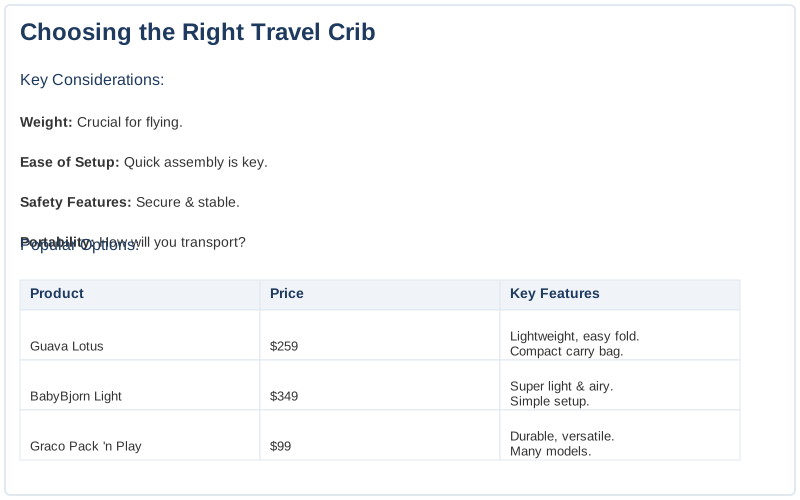
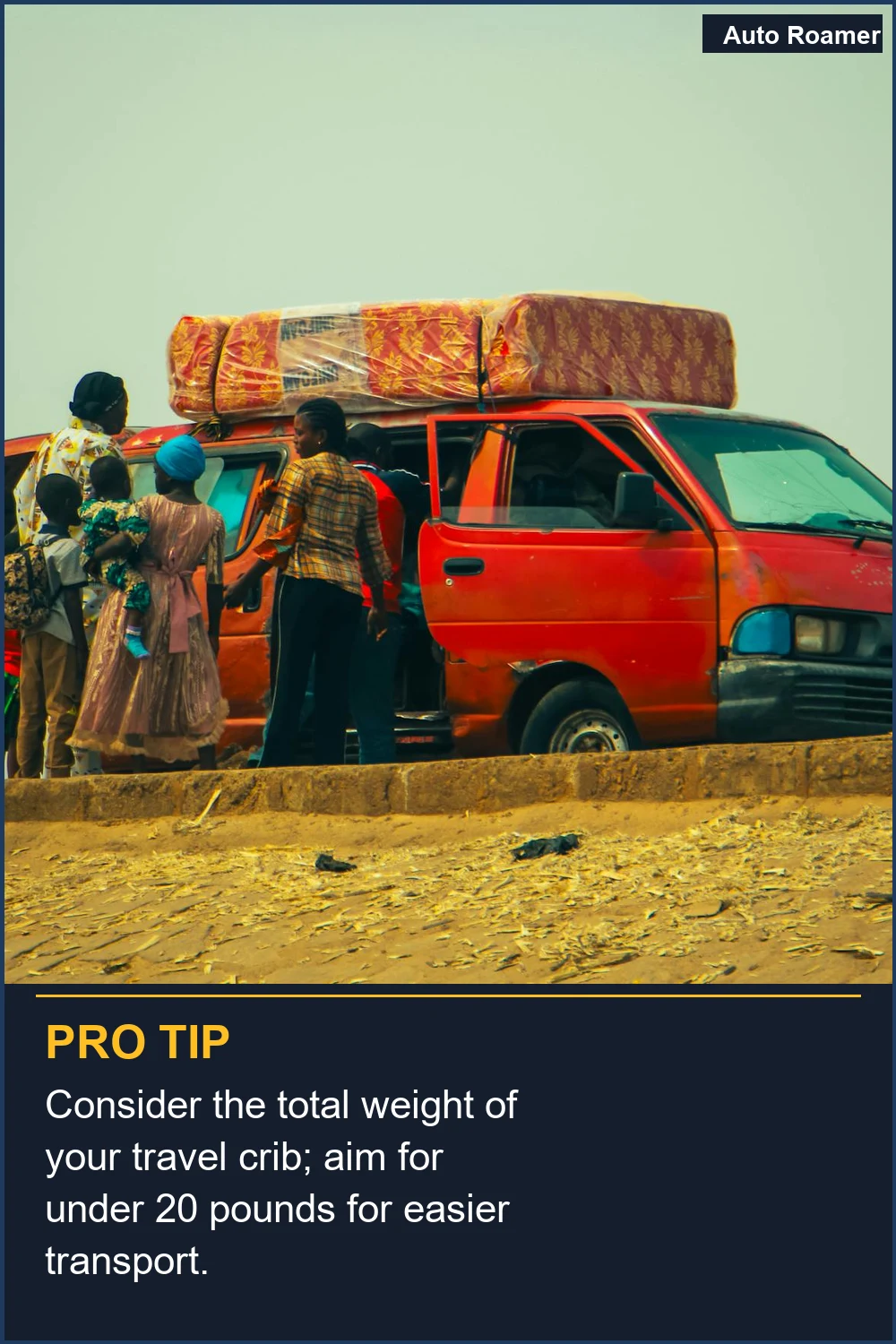
The core answer to choosing a travel crib is to figure out what you're actually going to do with it. My first thought was just 'get the cheapest one,' but that's a rookie mistake. You end up with something that weighs more than your baby and takes 20 minutes to assemble when they're screaming for a nap. The real move is to consider weight, ease of setup, and safety features. Think about how you'll transport it. If you're flying, every ounce counts. If it's just going in your trunk for weekend trips to your parents' house, maybe a slightly heavier but sturdier option works. I learned this the hard way when I tried to schlep a standard pack 'n play on a road trip and my trunk was packed tighter than a sardine can. The mattress is a big deal too. It needs to be firm and fit snugly with no gaps. You don't want your little one getting their fingers stuck. Some even have bassinet attachments for newborns, which is a game-changer if you have a tiny baby. Look for materials that are easy to wipe down, because let's face it, babies are messy. My third trip out, I swore off anything with complicated fabrics. And finally, check the weight limit and dimensions. You don't want to buy one only to realize your toddler is already too big for it in six months. It's about finding that sweet spot between portability, safety, and baby comfort. The honest version: you need a safe place for your baby to sleep. Everything else is gravy until you figure out your specific travel needs. Some are as light as 15 pounds, which is a huge difference from the 20-30 pound monsters of yesteryear. The setup time can be under a minute for some models, which is pure magic when you're exhausted.
Why This Matters for Your Setup
Why this matters for your setup is simple: it prevents a lot of unnecessary frustration. Picture this: you've driven 5 hours, the baby is cranky, and you're trying to wrestle a contraption that looks like it requires an engineering degree to assemble. That was me on trip number two. A crib that sets up in under a minute means you can get your baby down for a nap faster, and you get to sit down for more than 30 seconds. If you're flying, the weight and packed size are critical. You don't want to be that person struggling through the airport with a bulky bag that barely fits in the overhead bin. Some are designed to fit like a backpack, which I've seen and envied. Safety is non-negotiable. You need to know the mattress is firm and won't create a suffocation hazard. The mattress fit is paramount. And for those with newborns, a bassinet level can save your back from bending down constantly. It's about making your life easier, not adding more complications. A good travel crib should feel like a reliable piece of gear, not a puzzle you have to solve after a long day.

Making the Right Choice
Making the right choice for a travel crib comes down to your specific situation. Think about who will use it and how often. If it's for occasional weekend trips, a mid-range option might be perfect. If you're a frequent flyer with a baby, investing in something lighter and more compact, even if it costs a bit more, might be the real move. Consider the age of your child. A newborn needs different features than a mobile toddler. And always, always check the safety certifications and reviews. You want peace of mind knowing your baby is sleeping soundly and safely. It's not about having the fanciest one, it's about having the one that works for *your* family. My second trip had half the gear and was twice as comfortable, and that applies here too.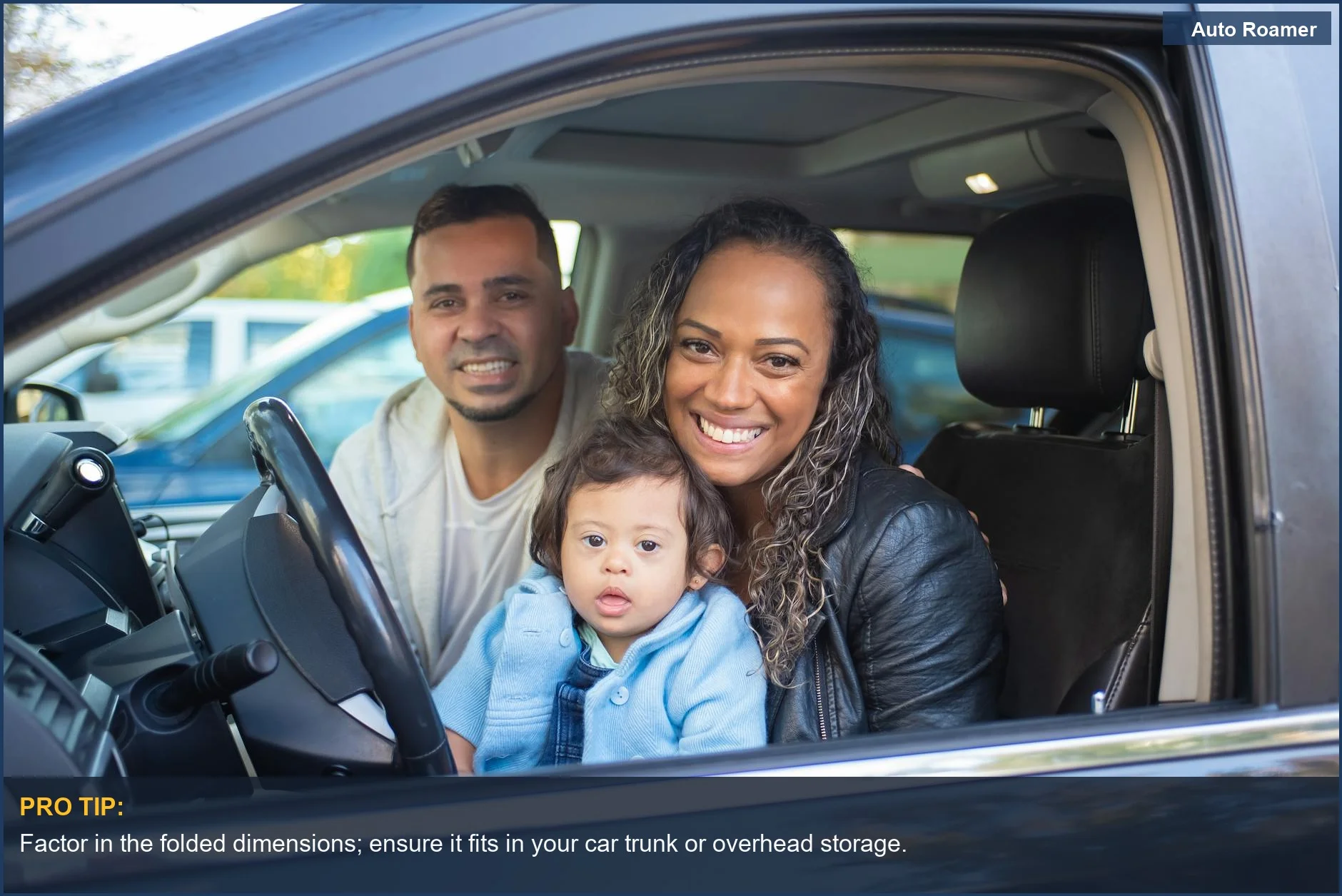
Frequently Asked Questions
If I buy a super lightweight travel crib, is it going to cost me a fortune compared to a regular pack 'n play?
Do I really need to get one of those fancy travel cribs with a specific mattress, or can I just shove a regular crib mattress in there?
What if my baby hates sleeping in the travel crib? I've heard horror stories of babies refusing to sleep anywhere but their own bed.
Can using a travel crib for too long permanently mess up my baby's sleep habits, making them dependent on it?
Isn't a travel crib just a glorified playpen, and aren't playpens bad for babies?
🏅 Looking for Gear Recommendations?
Check out our tested gear guides for products that work with this setup:
Sources
- The Best Compact Travel Cribs for Flying in 2025
- Best Baby Travel Cribs to Take On Your Next Trip
- best travel crib and play yard: an honest review and comparison of ...
- What To Look for When Shopping For Travel Cribs (And Our ...
- What travel crib do you use? : r/sleeptrain - Reddit
- The Best Travel Cribs | Tested & Ranked - BabyGearLab
- The Best Pack-N-Play for Travel with A Baby or Toddler
- The Ultimate Guide to Choosing a Lightweight Portable Crib