First, the Basics
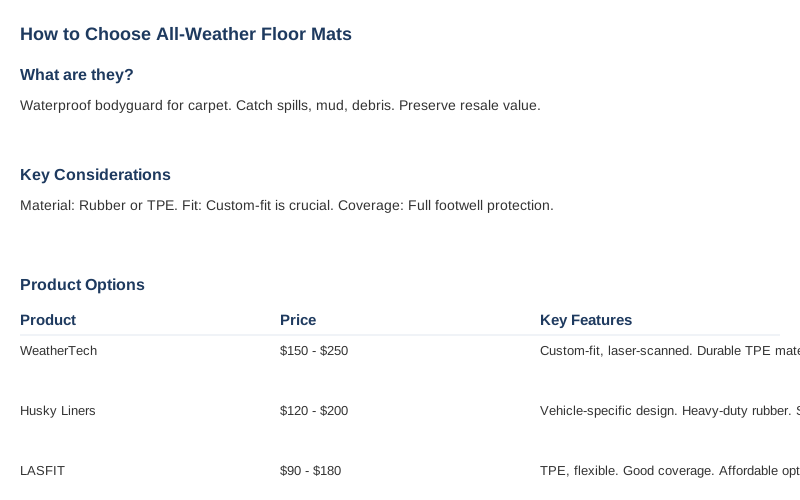
All-weather floor mats are essentially a beefed-up, waterproof bodyguard for your car's carpet. They're designed to catch everything from spilled coffee to the mud you tracked in from that one questionable trail hike. Think of them as a moat for your footwells, keeping the actual floor of your car safe from the apocalypse of daily life. Car and Driver points out that even with careful driving, debris inevitably contaminates your vehicle's floors, leading to stains and smells over time.
These mats aim to prevent that total interior meltdown. They're not just about looks; they're about preserving your ride's sanity and, eventually, its resale value. This is the $50 version of not having to steam clean your entire car every six months.
The Core Answer
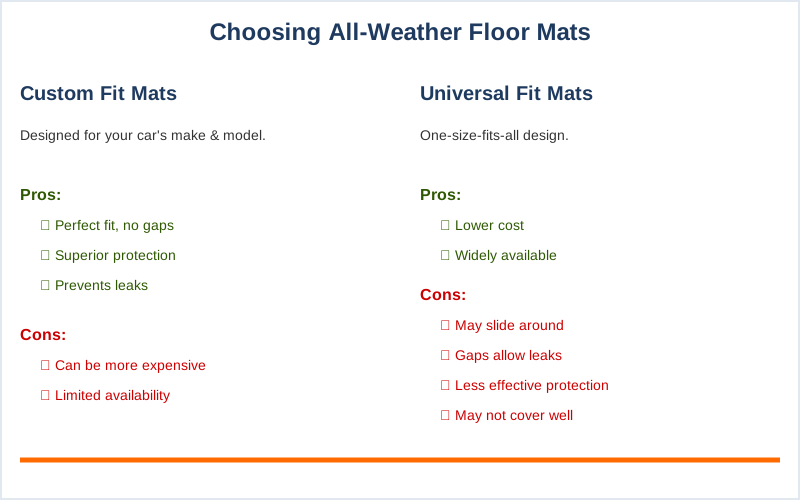
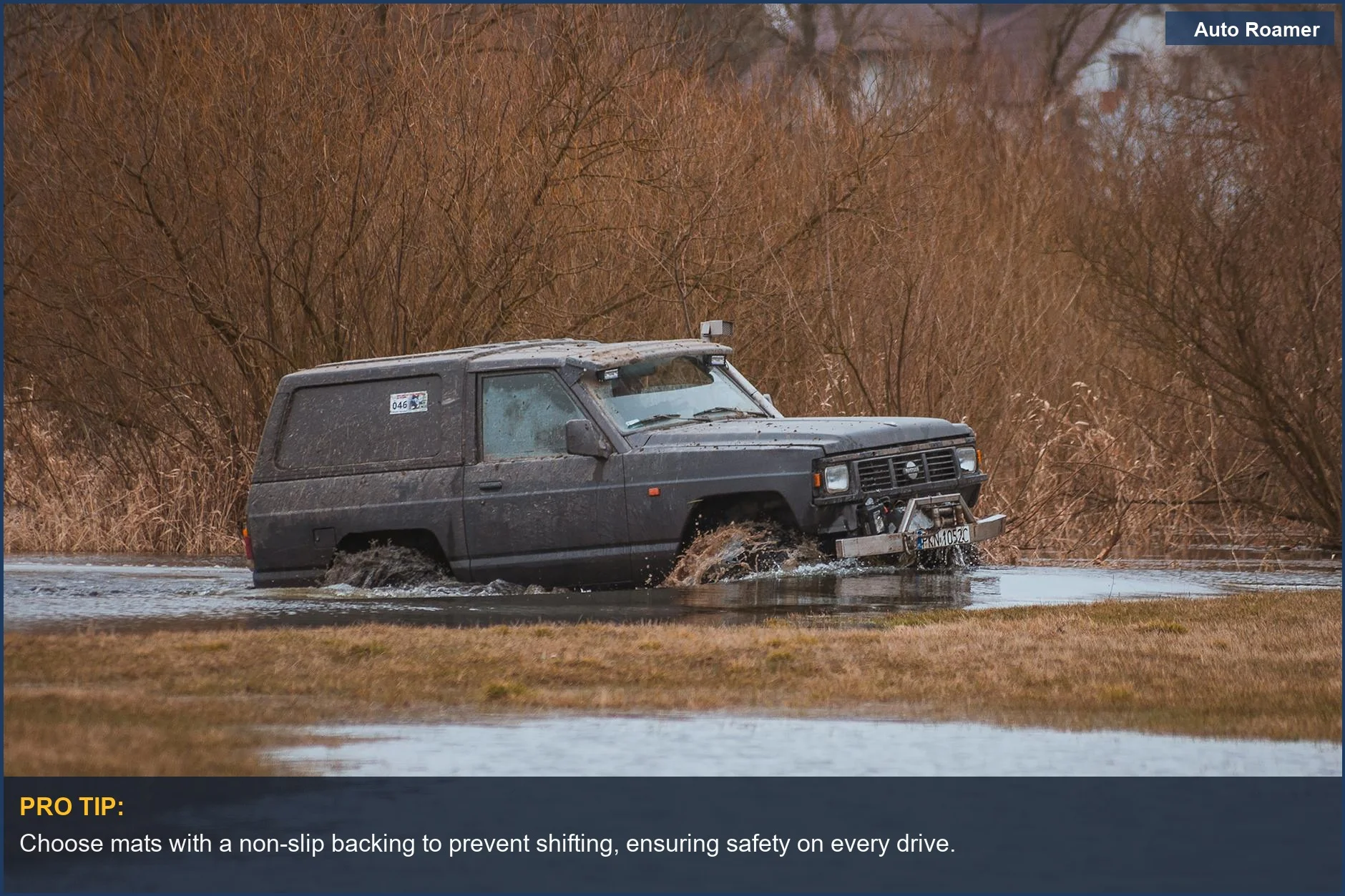
When you're looking at all-weather floor mats, the first thing you need to understand is that they're not all built the same. Some are just thicker rubber, while others are molded to the exact contours of your car's floor. My first set was a universal fit from a discount store, and they slid around like a greased otter on a waterslide. That was a rookie mistake I learned the hard way on a rainy drive in Pennsylvania.
The real move is to get mats that are made specifically for your car's make and model. This is what Car and Driver emphasizes; they tested mats that were designed for specific vehicles and found that fitment was crucial. A custom-fit mat will hug the edges of your footwell, creating a proper barrier. Universal mats often leave gaps where water and dirt can seep through, defeating the whole purpose.
Think about the material. Most all-weather mats are made from rubber or a similar synthetic like TPE (Thermoplastic Elastomer). TPE is often lighter and more flexible, especially in cold weather, according to Lasfit. Rubber mats can be a bit stiffer but are super durable. The key is that they should be waterproof and easy to clean.
I once spilled an entire thermos of lukewarm coffee in my old Civic, and if it hadn't been for those deep-dish mats, my carpet would have been a permanent latte holder.
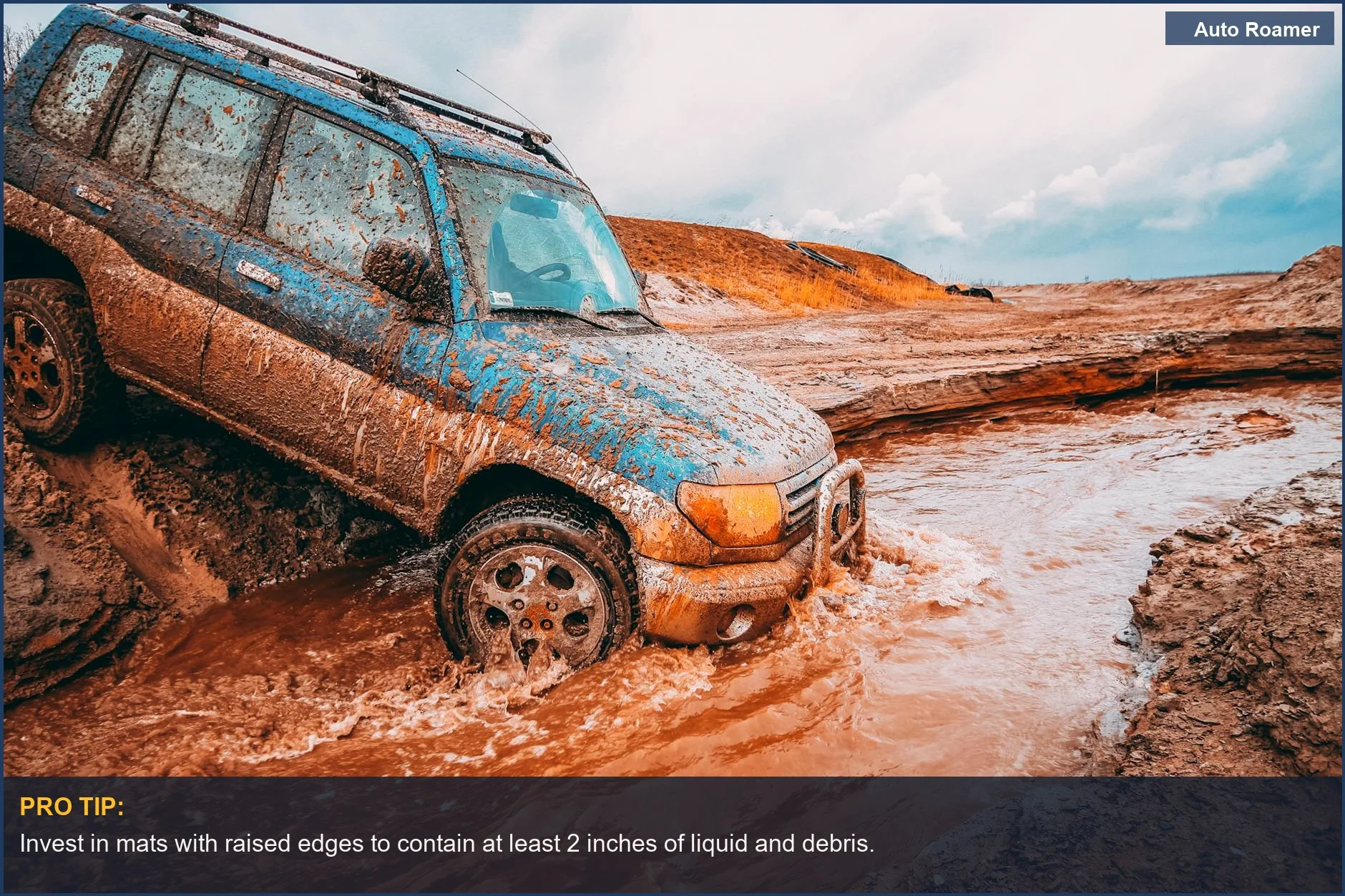
Look for a raised lip around the edges. This is game-time for containing spills and melted snow. Without that lip, any liquid just sloshes over the side and onto your nice carpet. It's the difference between a contained mess and a full-blown interior flood. AutoZone mentions this lip is key for containing moisture.
Cleaning is a major factor. The honest version is that you're going to get them dirty. Can they be hosed off? Do they need a special cleaner? The best ones are usually just a quick rinse and a wipe down. I've spent way too much time scrubbing carpet that was supposed to be protected. The good ones are almost effortless to clean, making them worth the extra cash. Weathertech notes they have a non-stick finish for quick cleanup.
Why This Matters for Your Setup
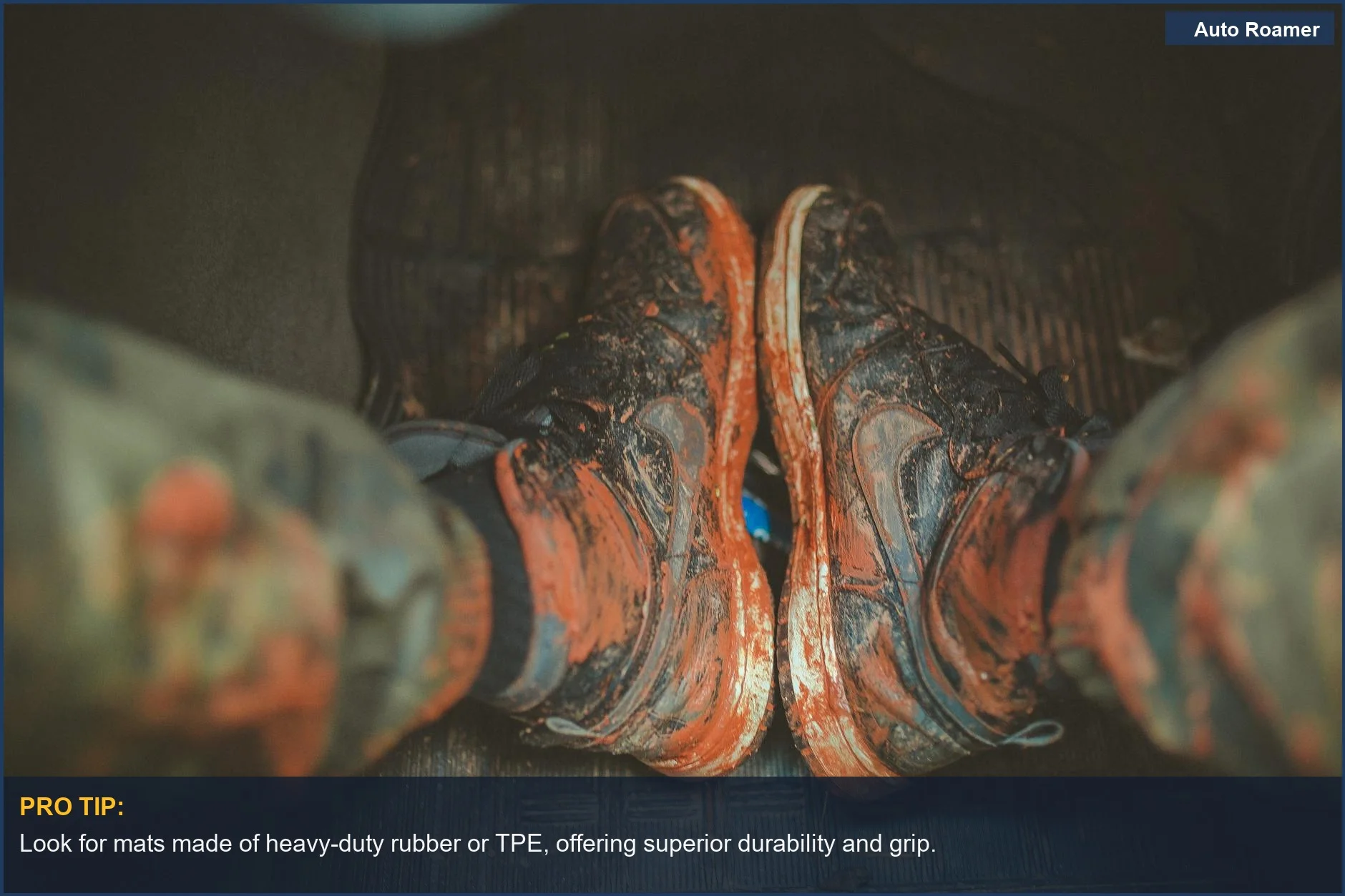
This matters because nobody wants to deal with a swampy car interior. Imagine pulling your muddy hiking boots out after a downpour and just seeing all that grime soaking into your carpet. It's the worst.
- Muddy Boots: If you hike, bike, or just live somewhere with questionable weather, these mats are your best friend. They catch the mud, snow, and general crud that gets tracked in.
- Spilled Drinks: That one time you're trying to juggle your coffee, your phone, and your keys? Yeah, the drink is going to spill. A good all-weather mat will stop it from becoming a permanent stain.
CNN Underscored mentions protecting from spilled coffee.
- Pet Hair and Dander: If you have a furry co-pilot, their shedding can be a nightmare. All-weather mats are usually smoother and easier to vacuum than carpet, making pet cleanup less of a chore. My dog once decided to shed an entire winter coat in my back seat during a 4-hour drive.
It was a furry disaster.
- Resale Value: Keeping your interior clean and protected can actually boost your car's resale value down the line. It shows you've taken care of the vehicle. Car and Driver notes this as a benefit.
- Easier Cleaning: Honestly, it just makes life simpler. Instead of deep cleaning your carpet, you can often just pull the mats out and hose them down.
Lasfit highlights how rubber or TPE mats work best in wet climates due to being easy to clean.
Making the Right Choice
When you're picking out all-weather floor mats, remember a few key things:
- Fitment is King: Don't mess with universal mats unless you enjoy sliding hazards. Get ones made for your specific car. My first attempt at saving money with universal mats cost me more in frustration than they were worth.
- The Lip Matters: A raised edge is non-negotiable for containing spills and dirt. Without it, you're just moving the mess around. AutoZone agrees this is important for protection.
- Material Flexibility: Consider how the mats handle temperature.
You want something that stays flexible in the cold and doesn't crack. Weathertech mentions flexibility in cold temperatures.
- Ease of Cleaning: If it's a pain to clean, you'll eventually stop cleaning it. Look for materials that can be hosed off easily. Kennelson Auto Plaza states all-weather mats are easy to clean and affordable.