
Setting the Scene
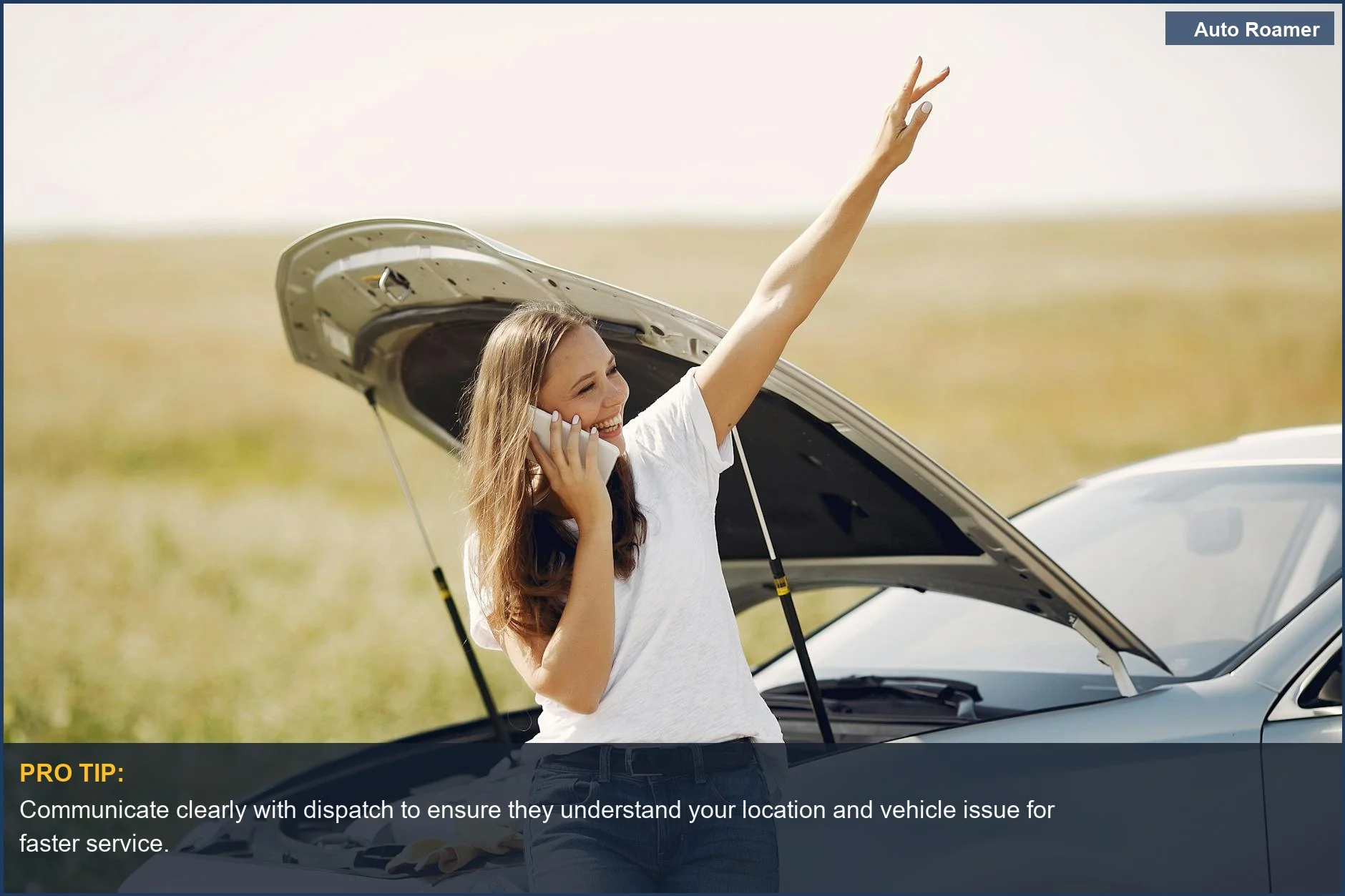
Picture a flat tire at 7:30 PM on a Friday night, 15 miles outside of Flagstaff, Arizona, in 30-degree F weather. A spare is on board, but the lug nuts are torqued on so tight the flimsy wrench that came with a Nissan Rogue won't budge them. After 43 minutes of jumping on the wrench, calling roadside assistance is the only option left. What nobody tells beginners is that 'roadside assistance' isn't a magic wand.
It's a network of independent tow truck drivers. A $50 insurance plan gives a 2-hour estimate. Cold and frustrated, the brutal lesson lands: knowing how long roadside assistance takes is half the battle. The other half is having a plan that actually works for you.
Car camping teaches that preparedness isn't about having all the fancy gear. It's about understanding the real-world variables, like how long you'll actually be sitting on the side of the road. The takeaway that night: a 2-hour estimate is just that - an estimate. The tow truck showed up 2 hours and 15 minutes later, which felt like 5 hours when you're freezing and hungry.
This isn't about engineering specs or theoretical best practices. This is about what happens when you're out there, in the middle of nowhere, and your car decides to take a nap. It's about managing expectations and making smart choices before you're stuck. You need to know the honest version of how this whole system works.
Because when it's game-time, you don't want to be guessing. The best gear is knowledge, especially when it comes to getting yourself out of a bind. Endurance Warranty says most common repairs are quick, but getting there is the variable.
Understanding how long does roadside assistance take
Understanding how long roadside assistance takes means understanding the moving parts. It's not a single entity; it's a dispatch system, local availability, and your specific problem all rolled into one. Metro Motor suggests 30-60 minutes for average traffic, but average is rarely what you get.
Consider a dead battery in a grocery store parking lot on a Tuesday afternoon. A call to AAA gets a 45-minute quote. The tech shows up in 35 minutes, gives a jump, and the car's back on the road. Easy peasy. This is the ideal scenario, the one everyone hopes for.
Consider locking your keys in the car at a remote national-park trailhead. Middle of August, peak season. An insurance-roadside call for a lockout can come back with a 3-hour estimate. It seems absurd for just a lockout, but dispatchers get swamped. Calling a local locksmith instead - $150 out of pocket - gets the car open in 45 minutes.
Insurance may reimburse later, but assuming all calls are equal is a rookie mistake.
The real move here is to consider the context. Are you on a busy highway at rush hour? Expect longer waits. Are you in a remote area with limited service providers? Double those expectations. AAA offers 24/7 help, which is great, but even they can't magically conjure a tow truck out of thin air.
What nobody tells beginners is that the 'average response time' is just that - an average. Some people on Reddit have waited three hours or more. One traveler once waited 4 hours for a tow in rural Montana. He learned that lesson the hard way, sitting in his truck with no cell service.
Variables like traffic, weather, time of day, and the type of service needed all play a role. A jump start is usually quicker than a tow. A tire change can be fast if the lug nuts aren't welded on. It's a spectrum, not a fixed number.
how long does roadside assistance take in Detail
When you call for help, a few things kick off that determine your wait. It's a chain reaction, and any weak link adds minutes, or even hours, to your wait time. Real-world reports show this isn't theoretical; it's what happens.
1. The Call & Dispatch (5-15 minutes):
This is where you explain your problem. The operator logs your location, vehicle info, and what's wrong. Then they find a local provider. If it's a busy weekend, this can take longer. The guy on the phone isn't the one coming to save you; he's just the middleman. A dead-battery call can take 7 minutes just to get a dispatch confirmation.
2. Provider Availability (Variable, 15 minutes to 3+ hours):
This is the biggest wildcard. Are there local tow trucks free? Are they already on other calls? Is it 2 AM on a holiday? All these factor in. Facebook groups show that a 3-hour approximation isn't uncommon, especially if they're trying to avoid late drivers.
3. Travel Time (Variable, 15 minutes to 1+ hour):
Once a provider is assigned, they have to drive to you. This depends on distance, traffic, and road conditions. A flat near Flagstaff can mean a 20-mile drive for the nearest tow truck. That's 20 minutes right there, assuming no traffic or construction.
4. Service Time (5-30 minutes):
This is the actual fix. A jump start? Endurance Warranty says 5-10 minutes. A tire change? 10-15 minutes, if the lug nuts cooperate. Towing is quicker once they arrive, but securing the vehicle takes a few minutes. If it's something complicated, they might just tow you. What nobody tells beginners is that they aren't mobile mechanics.
5. Wait Times Can Vary Wildly. A good roadside plan can be the difference between a 30-minute wait and a 3-hour nightmare. Compare plans here.
Your Options for Roadside Assistance:
- Insurance Add-On ($10-$30/year): This is where many drivers start. Usually cheap, but often uses a wider network of providers, which can mean longer waits if they're not a priority. A $12/year add-on is basic, covering only 10 miles of towing.
- Dedicated Roadside Clubs (e.g., AAA, $60-$120/year): These often have their own trucks or preferred networks, leading to faster response times. AAA is a popular choice for a reason. They tend to prioritize their members. The $66 Forbes Advisor plan offers 5 calls and 10 miles of towing.
- Vehicle Manufacturer Programs (Often Free for New Cars): If your car is new, check if you have this. It's usually excellent service, but expires after a few years or miles. One new Ford had free roadside for 3 years, with response times consistently under 45 minutes.
- Credit Card Benefits (Often Free): Some premium credit cards offer roadside assistance. Read the fine print! It might just be a referral service, meaning they'll find a tow truck for you, but you pay out of pocket. Brilliant engineering, that.
What to Look For:
- Towing Mileage Limits: Basic plans cover 5-10 miles. A basic first plan may cover only 5 miles, meaning extra fees for longer distances. OCHO notes that basic plans cover 5-10 miles, while enhanced plans go further.
- Number of Service Calls: How many times can you call in a year? Some plans limit you to 3-5. If you have an older car, you might burn through those quickly.
- Service Types: Jump starts, tire changes, lockouts, fuel delivery - make sure your common issues are covered.
- Response Time Guarantees: Few offer hard guarantees, but check reviews for average times in your area. This is where word-of-mouth beats marketing copy.
Questions to Ask a Professional (or Yourself Before You Buy):
- What's the actual average response time in your typical driving areas?
- What happens if you exceed the towing mileage? What's the per-mile charge?
- Are there any situations not covered (e.g., off-road recovery)?
- Is there a waiting period before you can use the service? (Some plans have a 24-48 hour wait period after signing up - a rookie mistake to miss this).
Common Questions About how long does roadside assistance take
Is a 30-minute wait typical for roadside assistance?
Honestly, 30 minutes is on the faster side. Quora users often report 15-45 minutes. Jump starts in a city can take 30 minutes, but a tow on a busy highway is closer to an hour, maybe more. It's the $50 version of 'typical.'
What factors cause the longest roadside assistance waits?
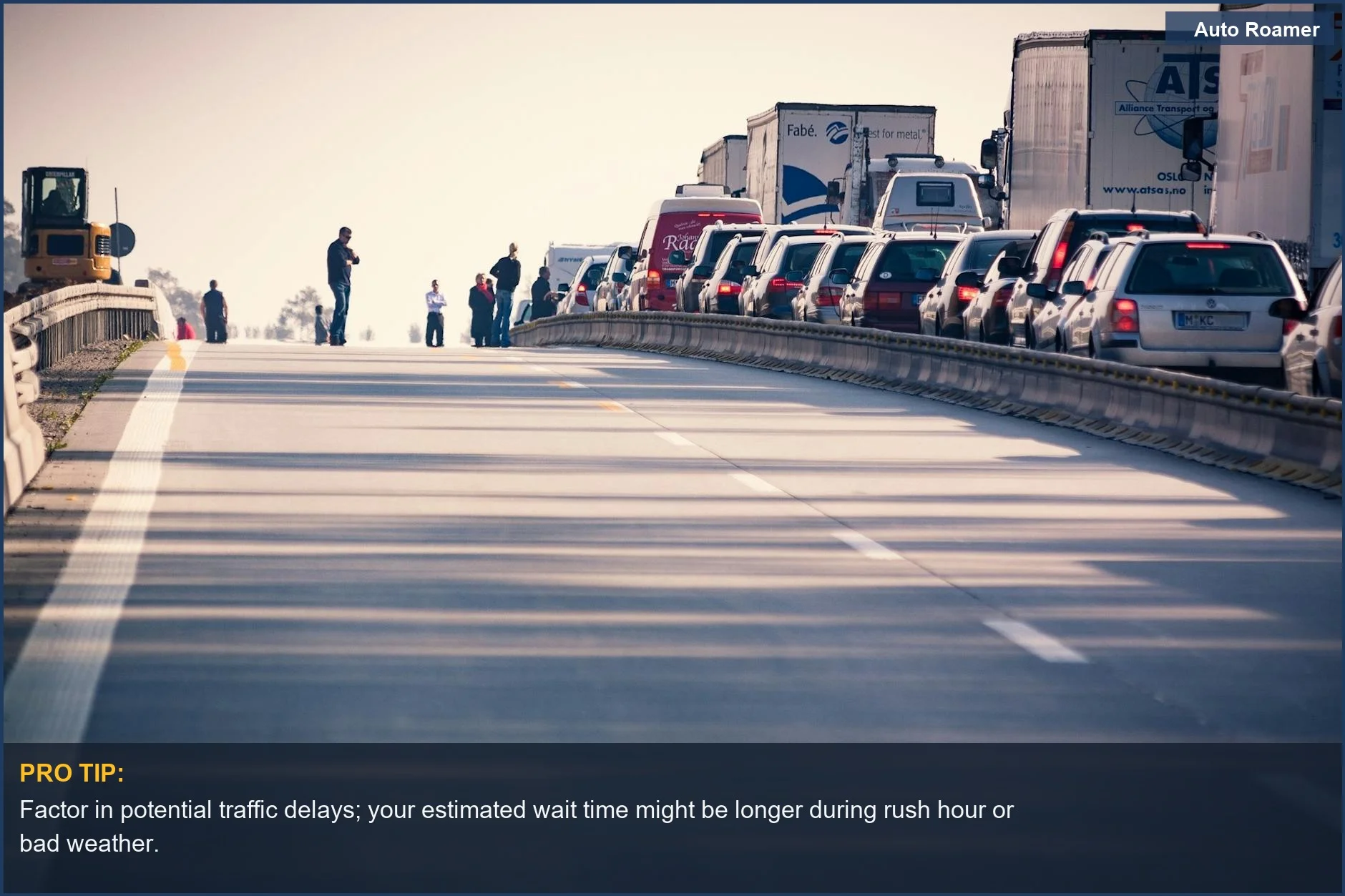
Remoteness and peak times. If you're 50 miles from the nearest town on a Sunday night, you're going to wait. Holidays, rush hour, and major weather events (snowstorms, heavy rain) also tie up every available truck. A 2+ hour wait for a flat near Flagstaff often comes down to being just far enough out of the main service area.
Does the type of service you need affect the wait time?
Absolutely. A simple jump start or a tire change can often be handled quicker because more basic service vehicles can do it. A heavy-duty tow for a larger vehicle or a complex recovery will take longer, as fewer specialized trucks are available. Metro Motor says 30-60 minutes for most needs, which implies simpler ones.
Can calling a local tow company directly be faster than your roadside plan?
Sometimes, yes, but it'll cost you. Your roadside plan acts as a middleman. If you call a local tow company directly, you cut out that step and might get a quicker response if they have availability. The downside? You'll pay their full rate upfront, which could be $100-$300 depending on the service. That $150 lockout was a direct call.
Do premium roadside assistance plans really offer faster response times?
Often, yes. Plans like AAA or manufacturer-sponsored programs typically have dedicated networks or higher priority with their contracted providers. They might not guarantee a specific time, but their track record for getting help there quicker is generally better than a basic insurance add-on. It's the honest version.
Tips and Best Practices
Car camping teaches that being prepared isn't about having a backup tarp for your backup tarp. It's about smart planning for the inevitable snags. This applies directly to roadside assistance.
1. Know Your Plan Inside and Out (5 minutes):
Don't wait until you're stranded to read the fine print. Know your towing mileage, number of calls, and what's actually covered. A basic first plan with a 5-mile tow limit is a rude awakening. State Farm suggests verifying coverage beforehand.
2. Have the Contact Info Handy (1 minute):
Program your roadside assistance number into your phone. Better yet, have it written down somewhere accessible, like your glove box. What nobody tells beginners: your phone might be dead, or you might not have service. A physical card is game-time ready.
3. Stay Safe While You Wait (Crucial):
Pull over as far as possible. Turn on your hazard lights. If it's dark, use flares or reflective triangles if you have them. Stay inside your vehicle if it's safe. The rule: if you can hear traffic whizzing by, stay in the car. Roadcheck emphasizes safety on the roadside for commercial vehicles, and it applies to us too.
4. Keep Your Phone Charged (Always):
A dead phone is a dead end. Carry a portable power bank. A 10,000 mAh power bank that lives in the car is invaluable. It's the $30 version of peace of mind. It's a rookie mistake to rely solely on your car's charger if the battery is dead.
5. Be Specific with the Operator (Be Precise):
Give clear directions, landmarks, and describe your vehicle accurately. Don't just say 'on the highway.' Give the exact location: 'I-81 North, just past Exit 20, by the large red barn.' This shaves minutes off dispatch time. The honest version: the more info you give, the faster they find you.
6. Understand the Estimate is a Guideline (Manage Expectations):
The estimated arrival time is just that - an estimate. Traffic, other emergencies, and driver availability can all shift it. A 2-hour estimate can turn into 2 hours and 15 minutes, which feels like forever. WardsAuto shows manufacturer programs average 48 minutes, but that's an average.
7. Perform Basic Vehicle Checks (15-20 minutes):
Before any long trip, do a quick check. Tire pressure, fluid levels, lights. This isn't just for commercial vehicles doing a DOT pre-trip inspection; it's for everyone. A thorough check takes 15-20 minutes and can prevent many common breakdowns.
Real-World Examples
Here's where the rubber meets the road. These are common screw-ups and wins, so you don't have to repeat them.
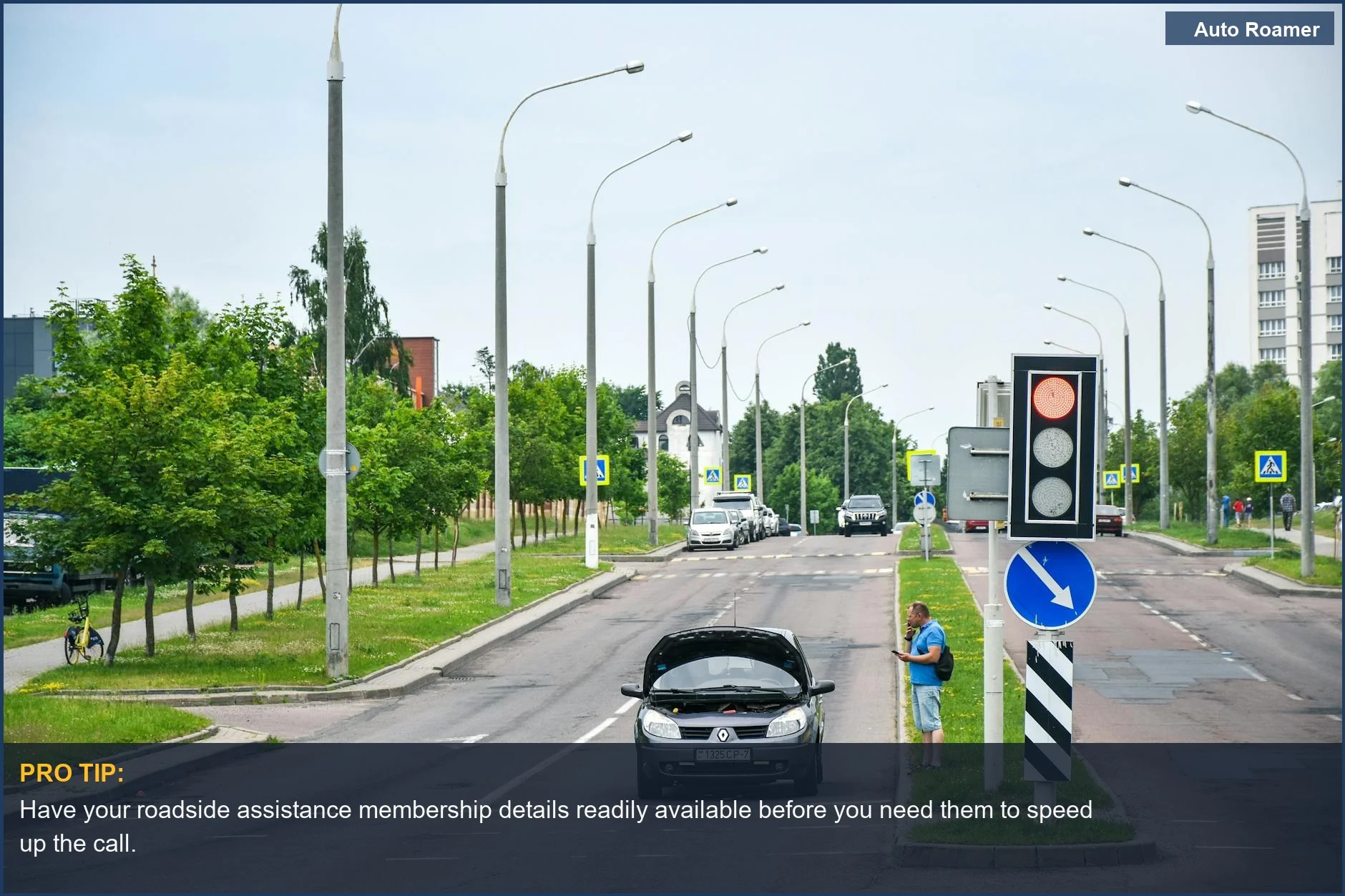
- Flat Tire, Rural Highway: Picture a back road in West Virginia, 10 miles from the nearest town. Called insurance roadside. Estimated wait: 90 minutes. Actual wait: 110 minutes. The service truck arrived, and the tire change took 15 minutes. Total time from call to back on the road: 125 minutes. Cost: $0 (covered by insurance).
- Dead Battery, Urban Parking Lot: A Honda Civic won't start in a busy mall parking lot on a Saturday afternoon. Called AAA. Estimated wait: 45 minutes. Actual wait: 35 minutes. The tech jump-starts the car in 5 minutes. Total time: 40 minutes. Cost: $0 (covered by AAA membership).
- Locked Keys in Car, Remote Trailhead: This was in a relatively remote area of a national park. Insurance roadside quotes 3 hours. A direct call to a local locksmith - $120 cash - gets someone there in 50 minutes. Total time: 50 minutes. Cost: $120 (reimbursed later by insurance, but still a hassle). OCHO mentions that some plans reimburse for these situations.
- Out of Gas, Interstate: Rookie mistake: letting the gauge get too low on I-64. Called insurance. Estimated wait: 60 minutes. Actual wait: 70 minutes. The service brought 2 gallons of gas. Total time: 75 minutes. Cost: $0 (covered, though the gas itself is out of pocket once you reach a station).
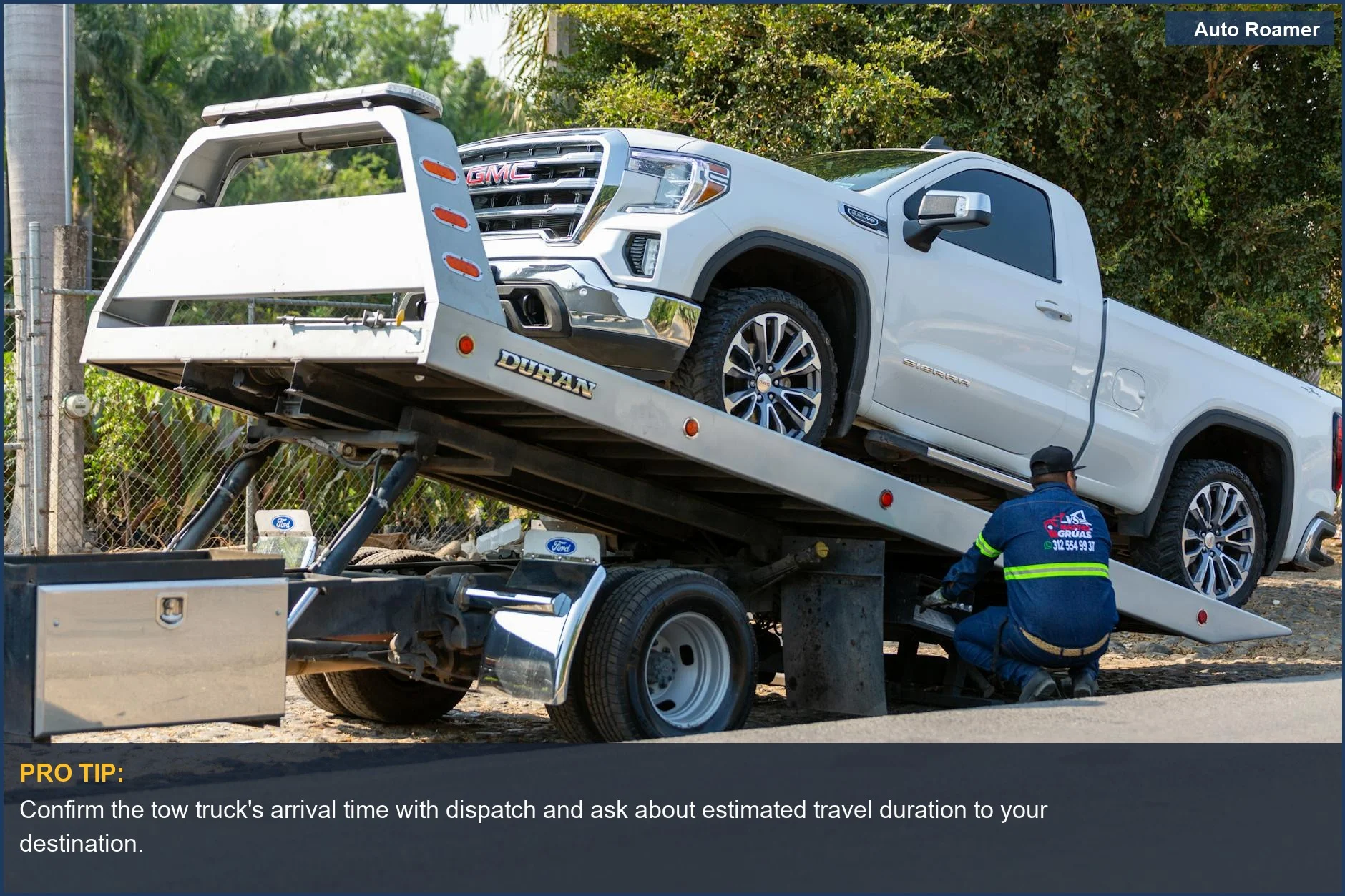
- Overheating Engine, Mountain Pass: This was a scary one in Colorado. Car was smoking. Called AAA. Estimated wait: 2 hours (due to location and complexity). Actual wait: 2 hours, 10 minutes. Required a tow to the nearest mechanic, 40 miles away. Total time from call to mechanic's lot: 3 hours. Cost: $0 (towing covered up to 100 miles by AAA Plus). A $66 Forbes Advisor plan may cover only 10 miles, so an upgrade is necessary here.
Key Takeaways
Getting stranded sucks, but understanding how roadside assistance works can turn a potential nightmare into a manageable inconvenience. Trial and error hammers home a few truths:
- Expect Variables: Response times are never guaranteed. Factors like location, time of day, weather, and service type dramatically influence how long you'll wait. A 2-hour estimate turning into 2 hours and 15 minutes is a classic example.
- Know Your Coverage: Don't assume. Understand your towing limits, number of service calls, and what's covered before you need it. The $50 version of roadside assistance often comes with tighter restrictions. Forbes Advisor highlights the importance of comparing plans.
- Prioritize Safety: Always pull over safely, use your hazards, and stay in your vehicle if you're on a busy road. No repair is worth risking your life.
- Be Prepared: A charged phone, a physical copy of your roadside number, and some basic emergency supplies (water, blanket) are game-time essentials. A $12 fleece liner saves you from shivering, and a power bank is just as critical.
- Patience is Key: Once you've made the call, updates are good, but constant badgering won't make the truck arrive faster. They're doing their best. The honest version: sometimes you just have to wait it out.