
The Truck Is the Power Station
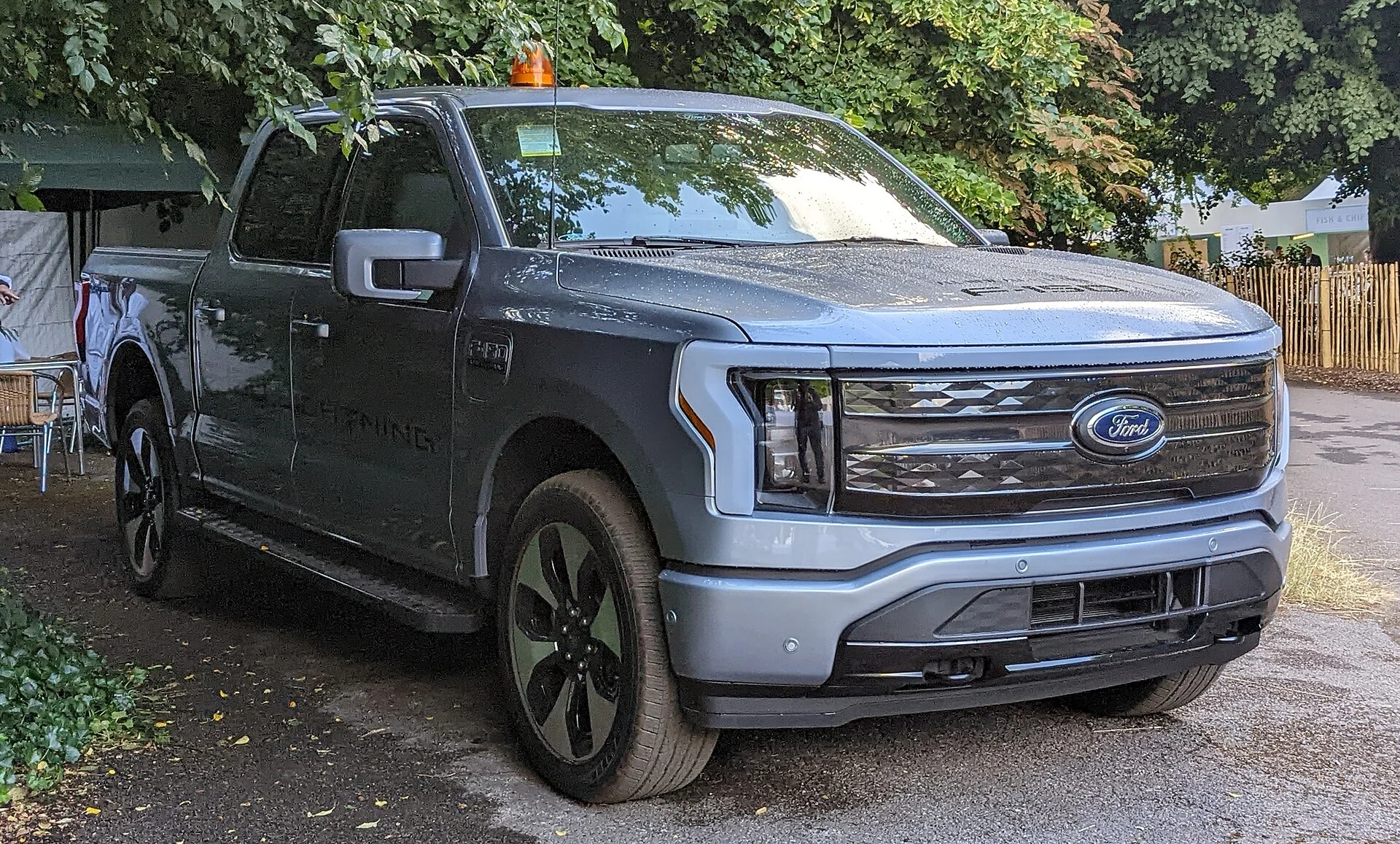
Most campers think about power as a box they carry, a portable station charged before the trip. The F-150 Lightning flips that entirely: the truck is the power station, and a very large one. Its Pro Power Onboard system exports household electricity from the same battery that drives the wheels, which makes the whole conversation about camp power different.
The scale is what stands out when you look at the system honestly. Pro Power Onboard comes standard at 2.4 kW on the XLT trim and above, and is available as a 9.6 kW upgrade, standard on Lariat and Platinum and optional on XLT. Even the base 2.4 kW figure dwarfs a typical portable station; the 9.6 kW version is house-sized output on wheels.
What makes the system genuinely interesting, though, is not the headline wattage but how it is divided. The outlets are grouped onto circuits, each with its own ceiling, and those ceilings, not the total, are what govern whether an appliance runs or trips the system. Open up how the power is distributed and the real capability, and its limits, become clear.
This guide reads the Lightning's power system the way you would trace its wiring: the two power tiers and what separates them, the full outlet inventory and where each lives, the circuit caps that actually matter, what real camp gear it runs, and how the truck's big battery sets the runtime. The outlet count is the marketing number; the circuit ceiling is the engineering one.
Two Tiers: 2.4 kW vs 9.6 kW
The first decision that defines a Lightning's camp-power capability is which Pro Power Onboard tier it has, because the two are meaningfully different systems. The standard 2.4 kW setup and the available 9.6 kW upgrade differ in both raw output and what outlets they include.
The 2.4 kW system provides 120V outlets only: 2 in the cab, 2 in the bed, and 4 in the frunk, for 8 outlets total on some sources' count. That is already a lot of power for camping, enough to run lights, charge everything, and drive small appliances. What it does not have is a 240-volt outlet, which caps the heaviest single-appliance loads.
The 9.6 kW system totals 11 outlets and adds the capability that changes what the truck can do. It keeps the cab and frunk outlets, expands the bed, and crucially adds a 240-volt receptacle in the bed. That 240V outlet is the difference between running camp conveniences and running genuinely heavy equipment, and it is why the upgrade matters for anyone whose power needs go beyond charging and lights.
The 2.4 kW system is 120-volt only. The 9.6 kW system adds a 240-volt bed outlet and reaches 11 outlets total. The tier, not the trim badge, decides what the truck can power.
For a camper, the honest framing is that the base 2.4 kW system covers the vast majority of camp-power needs, while the 9.6 kW upgrade buys headroom and the 240-volt capability for heavy tools, another EV, or high-draw equipment. Knowing which tier a specific truck has is the starting point, because they are not interchangeable in what they can run.
The Full Outlet Inventory
To use the system well you have to know where the outlets actually are, because they are spread across three zones and grouped onto separate circuits. On the 9.6 kW system, the layout is deliberate and worth mapping before a trip.
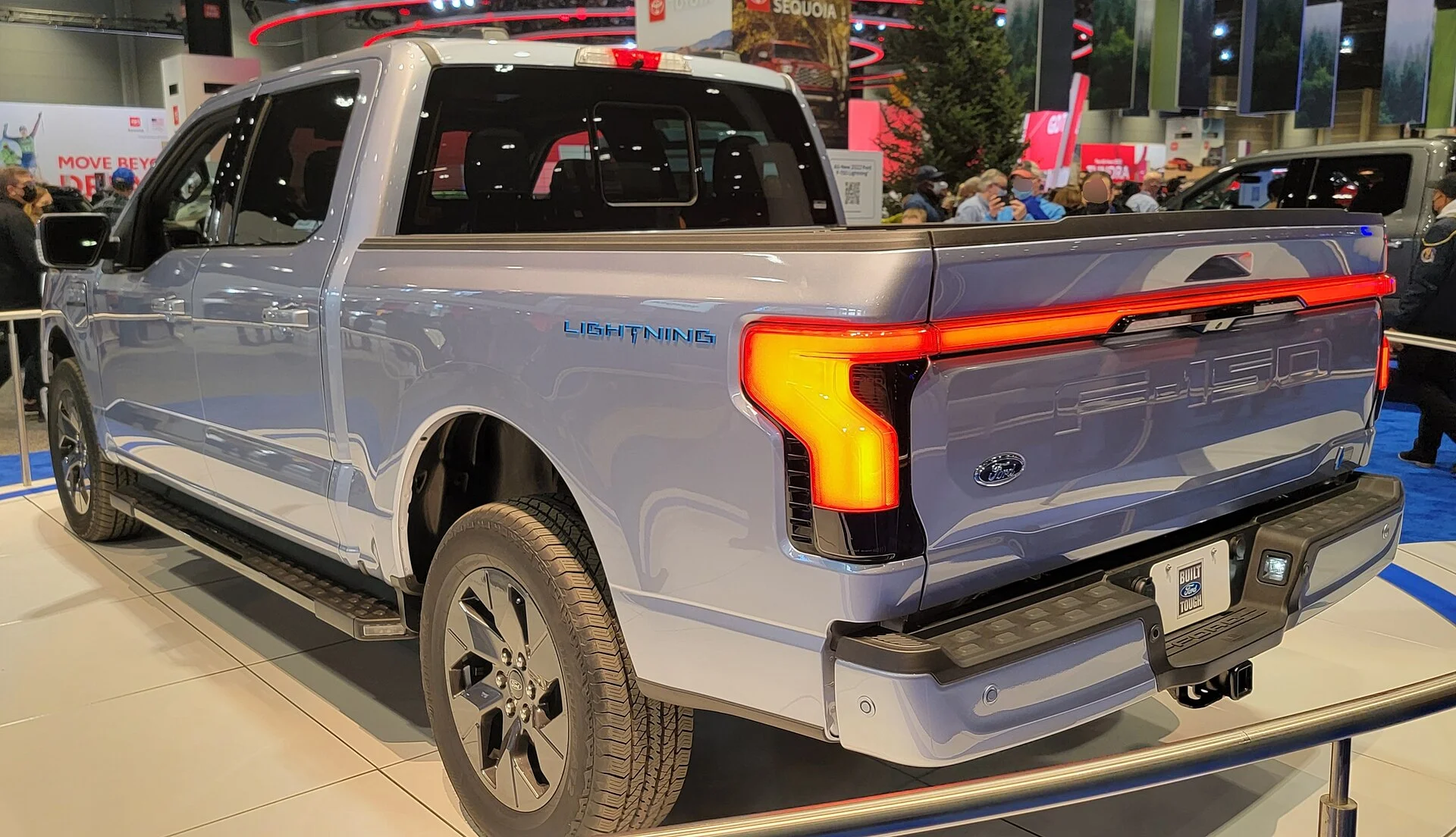
The cab has 2x 120V outlets, handy for charging and running small devices from inside the truck. The bed has 4x 120V outlets plus the 1x 240V outlet, making it the workhorse zone for camp appliances and heavy equipment. The frunk, the front trunk where an engine would be, has 4x 120V outlets plus 1x USB-C port and 1x USB-A port, a genuinely useful powered storage space.
The grouping onto circuits is the part that governs real use. The bed and cab outlets share a circuit capped at up to 7.2 kW combined, while the frunk circuit is capped at up to 2.4 kW on its own. So the outlets are not just a pool of eleven equal sockets; they are three zones with two ceilings, and planning power means knowing which zone an appliance is plugged into.
This zoned design is smarter than a single big outlet would be, because it lets you run loads in parallel across the frunk and bed without them all fighting for one budget. A camper can run a heavy load in the bed and still charge a bank of devices in the frunk, since the frunk has its own 2.4 kW allowance. Reading the inventory as zones, not a count, is how you get the most out of the system without tripping it.
The Frunk Is a Powered Storage Room
Of all the Lightning's power features, the frunk is the one that most rewards a tinkerer's attention, because it combines secure, weatherproof storage with real electrical output in a way no gas truck can. It is not a novelty; it is a genuinely useful camp asset.
Electrically, the frunk carries 4x 120V outlets plus a USB-C and a USB-A port, all on a circuit capped at up to 2.4 kW. That is enough to run a fridge or cooler inside the frunk, charge a stack of batteries and devices, or power camp electronics, all from an enclosed, lockable space that keeps gear dry and out of sight. A powered cooler in the frunk is cold food in a locked box.
The design choice that signals real thought is that the frunk circuit is independent, with its own 2.4 kW ceiling separate from the bed and cab. That means the frunk keeps working at full allowance even when the bed circuit is loaded, so you are not choosing between running a bed appliance and charging your devices. Two independent budgets are more useful than one big shared one.
For camping specifically, the frunk turns into a power hub you can close and walk away from. Devices charge, a cooler runs, and everything stays weather-protected and secure, which is exactly what an open truck bed cannot offer. It is the part of the Lightning's power system that most changes how a camp is set up, and it is easy to overlook if you only read the total wattage.
The 240-Volt Outlet: What It Unlocks
The single most capable outlet on the Lightning is the 240-volt receptacle in the bed of the 9.6 kW system, and it is the feature that separates the upgrade from the base setup. It is also the one with the most fine print, so it is worth understanding precisely.
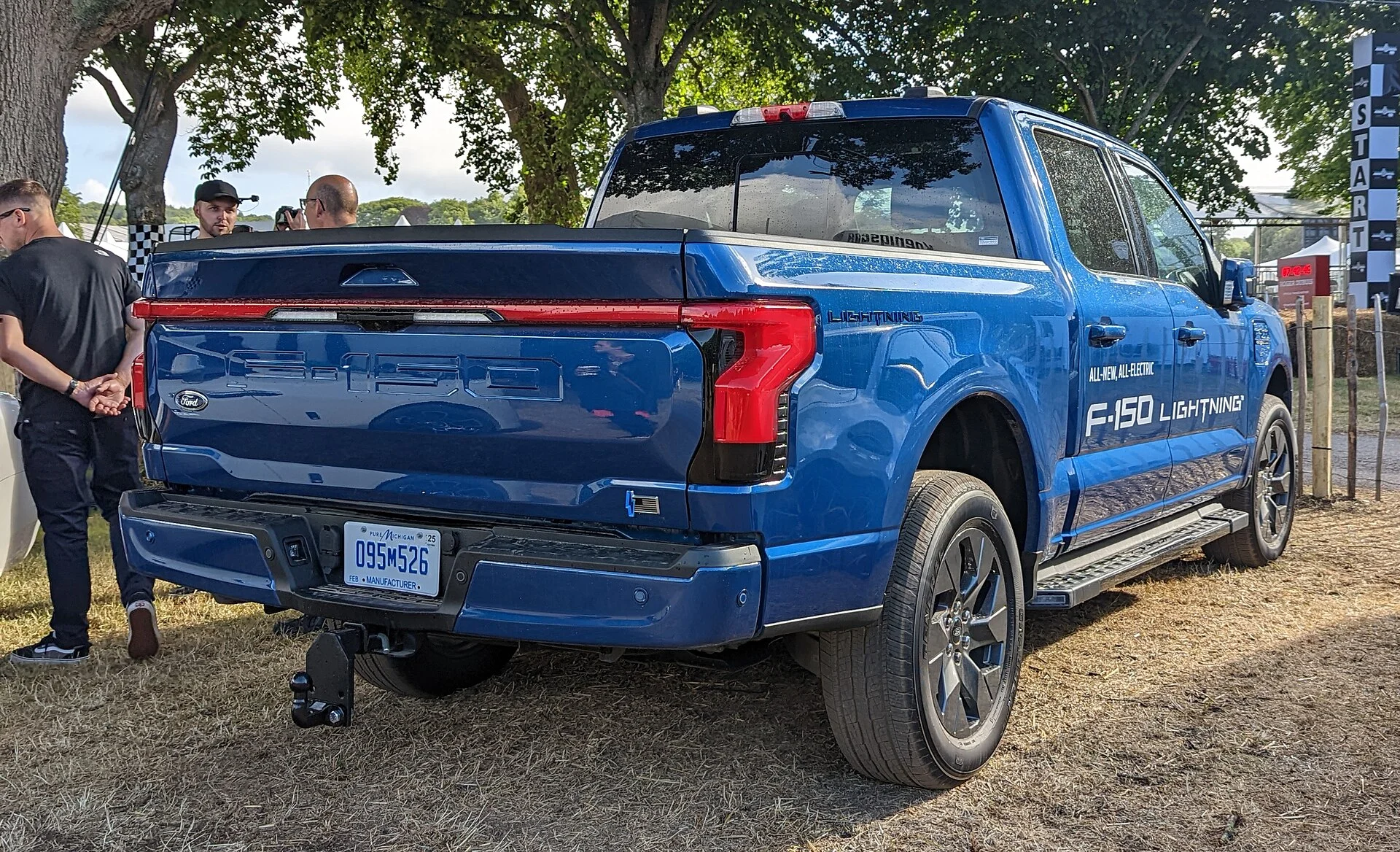
The 240V bed outlet is a NEMA L14-30 receptacle, not the NEMA 14-50 that a lot of heavy equipment and EV chargers expect. That matters practically: a NEMA L14-30P to 14-50R adapter is needed to use standard 14-50 equipment or to enable Level 2 charging of another EV. So the outlet is genuinely 240-volt capable, but plugging into it may require the right adapter, which is a detail easy to miss until you are at camp holding the wrong plug.
The output behind it is substantial. The total rear output is rated at 7,200 watts, deliverable as up to 60 amps of 120V power in combination, or 30 amps at 240V, as long as neither set of household outlets exceeds 30 amps each. That is enough to run heavy tools, a welder, or to charge a second EV, capabilities that reach well beyond typical camping into worksite and emergency territory.
For a camper, the 240-volt outlet is usually more capability than a campsite needs, but it is the reason the Lightning doubles as a jobsite truck and a home backup source. Even if a trip never uses it, its presence is what makes the 9.6 kW system a true whole-house-scale power source rather than just a generous set of 120-volt sockets. The adapter, though, belongs in the truck before it belongs in a plan. A quality L14-30 to 14-50 adapter is the small part that unlocks the big outlet.
What It Actually Runs at Camp
Wattage figures are abstract until you map them to real gear, so it helps to see what the Lightning's tiers actually power. The reassuring news for campers is that even the base system covers almost everything a campsite asks of it.
Ford rates the standard 2.4 kW system to run tools such as an 8.0-inch circular saw, a 0.5-hp air compressor, and a 200-watt battery charger. If the base system handles power tools like that, it handles camp loads easily: lights, a portable fridge, device charging, a coffee maker, fans, and small cooking appliances all sit comfortably within 2.4 kW, especially spread across the outlet zones.
The one caution is high-draw resistive appliances. A large electric kettle, a space heater, or a hair dryer can each pull well over a kilowatt, and running two at once starts to press even a generous budget. This is where the zoned circuits help: putting a heavy appliance on the bed circuit and lighter loads on the frunk's independent 2.4 kW keeps them from stacking onto one ceiling.
For the 9.6 kW system, camp loads barely register against the capacity, and the headroom means you can run heavy appliances without thinking about it, or power a whole group's worth of gear at once. The practical takeaway is that camp power is essentially a solved problem on the Lightning; the interesting limit is not what you can run at any instant but how long the battery keeps it all going, which is the next question.
Runtime: The Battery Is the Fuel Tank
The Lightning's power output is enormous, but power is a rate and energy is a reservoir, and for camping the reservoir is what determines how many days you can run gear. That reservoir is the traction battery, and it is very large by camp-power standards.
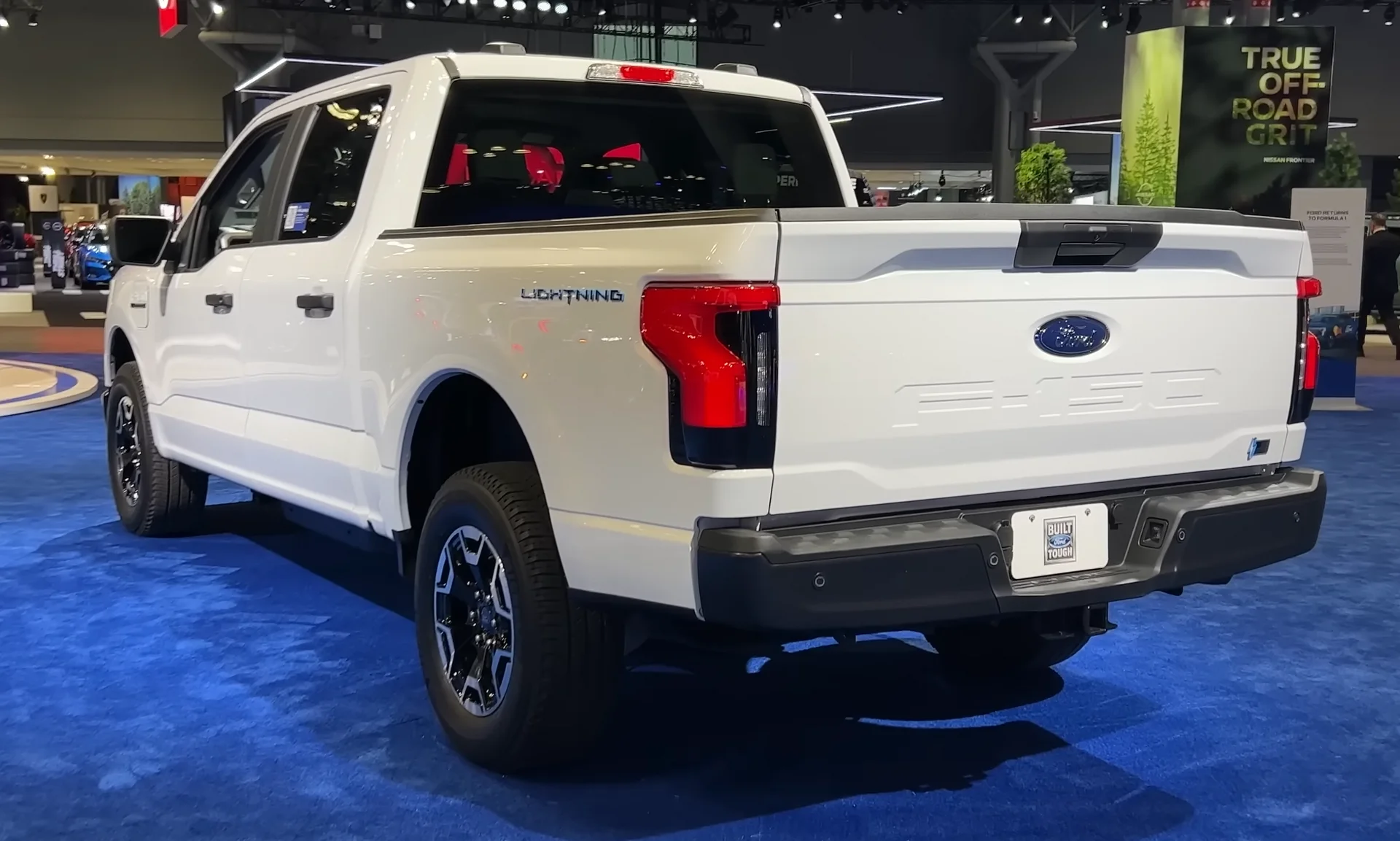
The F-150 Lightning comes with a Standard Range battery of 98 kWh usable capacity or an Extended Range battery of 131 kWh usable, with some model years citing a 123 kWh pack as the extended-range figure. To put that in perspective, a big portable power station holds a couple of kilowatt-hours; the Lightning holds dozens. The truck is carrying the equivalent of an entire bank of portable stations.
The math that matters is draw against reservoir. A modest camp load averaging a few hundred watts draws only a small fraction of a 98 or 131 kWh battery over a night, which means the Lightning can power a campsite for days on a fraction of its charge. The catch, and it is a real one, is that energy spent on camp power is energy not available for driving, so heavy or extended power use eats into range home.
That trade is the honest limit of using an EV as a power station. For a camper who arrives with plenty of charge and modest power needs, the Lightning runs camp effortlessly with range to spare. For one who runs heavy loads for days or arrives low, the battery has to be budgeted between camp use and the drive out. Watching the state of charge, not the wattage, is what keeps the truck from powering a great camp and then not reaching a charger.
Monitoring and Managing the Draw
A system this capable needs a way to watch it, and Ford builds that in, which is the kind of design detail that separates a thought-through system from a bolted-on one. Knowing what you are drawing, and from where, is what keeps camp power predictable.
Power usage for Pro Power Onboard can be monitored via the truck's center touchscreen or the FordPass smartphone app. That visibility matters more than it sounds: it lets a camper see the actual draw in real time, catch a heavy appliance before it stacks a circuit, and track how fast the load is eating into the battery. Managing power blind is guesswork; managing it with a live readout is control.
The outlets themselves are flexible in when they work. Pro Power Onboard outlets can charge battery-operated tools and run devices while the truck is off or driving, so the system is not tied to the engine running the way a gas truck's inverter effectively is. Power flows from the battery whether parked at camp or rolling down the trail, which suits the way camping actually uses power across a day.
Ford also offers Intelligent Backup Power, which can use the truck's battery to back up a home, a capability separate from the outlet-based camping use case but built on the same big battery. For a camper, the relevant point is that the same system that runs a campsite is engineered for serious, sustained power delivery, with the monitoring to use it responsibly. Read the screen, manage the draw, and the Lightning is as controllable as it is powerful.
A Practical Camp Deployment
Theory becomes useful when it maps to an actual campsite, so it is worth walking how a Lightning's power system deploys across a real trip. The zoned design means the smart setup assigns each zone a role rather than treating the outlets as interchangeable.
The frunk becomes the pantry and charging hub. With its 4 120V outlets and USB ports on an independent 2.4 kW circuit, it holds a cooler or fridge and a bank of charging devices, all locked and weatherproof, running continuously without touching the bed circuit. Closing the frunk lid leaves a secure, powered box working through the night, which is a genuinely different capability than an exposed bed outlet offers.
The bed becomes the appliance zone. Its 4 120V outlets plus the 240V receptacle, on the 7.2 kW circuit, handle the higher-draw camp gear, cooking appliances, tools, or a group's worth of equipment, with headroom the frunk circuit alone could not provide. Splitting loads this way, heavy in the bed, steady in the frunk, keeps either circuit from stacking toward its ceiling and lets both run at once.
The cab outlets round it out for interior use, charging or running a device from inside the truck in bad weather. Deployed this way, with each zone doing the job its circuit suits, the Lightning runs a campsite the way a small house runs its rooms, and the live readout on the screen keeps the whole thing honest. It is less about any single outlet than about using the zones as a system, which is exactly how the engineering intends it to be used.
The Verdict: House-Scale Power, Budgeted Against Range
The F-150 Lightning is the rare camping vehicle where power is not a constraint to plan around but a resource to manage. Its Pro Power Onboard system, 2.4 kW standard or 9.6 kW upgraded, exports household electricity at a scale no portable station approaches, turning the truck itself into the campsite's power source.
The number that governs real use is the circuit ceiling, not the outlet count. The 9.6 kW system's 11 outlets are grouped into a 7.2 kW bed-and-cab circuit and an independent 2.4 kW frunk circuit, and planning power means knowing which zone an appliance is on. The 240-volt bed outlet, a NEMA L14-30 needing an adapter for 14-50 gear, unlocks heavy equipment and EV charging most campers will rarely need but occasionally love.
For camp loads, even the base system is effectively unlimited in what it can run at once; the real limit is runtime, set by the 98 or 131 kWh battery. Modest loads run for days on a fraction of the charge, but heavy or extended use spends energy that would otherwise be range, so the state of charge, watchable on the screen or the app, is the number to budget.
Read that way, the Lightning makes camp power a solved problem, with the frunk as a lockable powered storage room and the bed as a jobsite-grade outlet bank. Treat the battery as bottomless and run heavy loads for days without watching the charge, and the great camp power source becomes a truck that struggles to reach the next charger. Manage the draw against the range, and it is the most capable power system a camper can drive.