
What '33.5 Inches' Actually Means
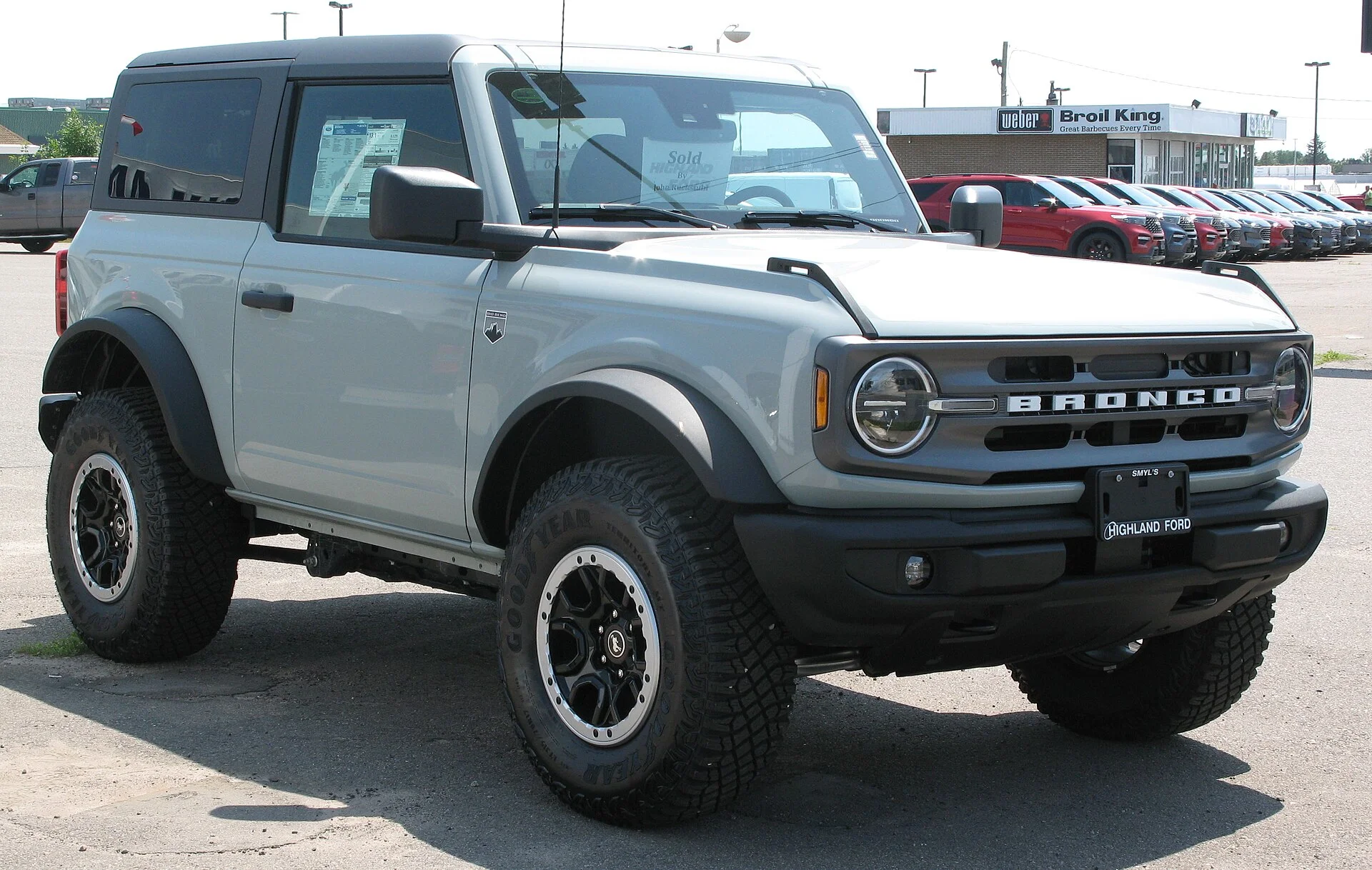
The Bronco's headline water number is real, but like a tow rating, it comes with conditions. The maximum water fording depth with the Sasquatch package is 33.5 inches - about 850 mm - and that is a genuinely strong figure for a factory 4x4. But it is a best case for a specific configuration, not a promise that applies to every Bronco on the lot.
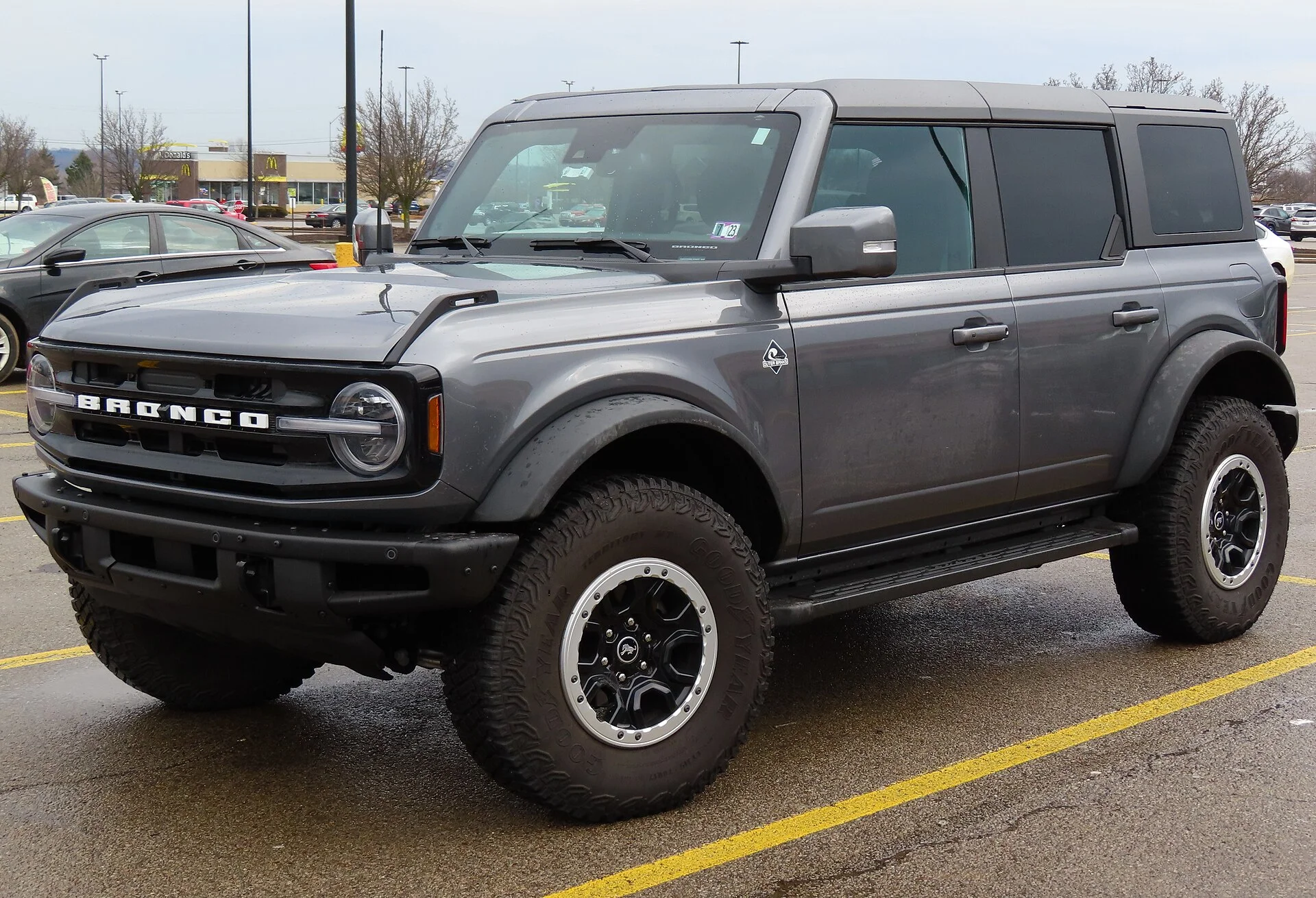
Trim decides the number. Base and non-Sasquatch trims are lower, commonly cited around 31.5 inches, because they sit on smaller tires and less lift. Two Broncos that look nearly identical in a parking lot can carry a two-inch difference in rated wading depth, and the badge on the fender does not tell you which one you are looking at - the equipment does. This is the 6th-generation full-size Bronco, launched for the 2021 model year and built body-on-frame; it is a different vehicle entirely from the smaller unibody Bronco Sport, which cannot ford anything like these depths.
Treat the rated depth the way you would treat a maximum tow rating: as a ceiling reached under ideal conditions, not a target to aim for. A 33.5-inch rating does not mean that much moving river is safe. It means that, in still water, with the right technique and a healthy vehicle, the truck is engineered to survive that depth. Every real-world variable - current, waves, a rising level, an unseen hole - eats into that margin. Know your trim's real number first, then understand why the honest safe depth is usually less.
The Air Intake Is the Real Limit
Here is what the spec sheet won't say plainly: the rated depth is not the number that kills engines - the air intake height is. The air-intake opening is the true practical limit, not the published depth. Entering water even 1 inch below the intake can ingest water depending on speed and water movement, and once water reaches the intake, the engine can draw it in.
That is a catastrophic failure, not a wet-carpet inconvenience. An engine that swallows water hydro-locks - the cylinders cannot compress an incompressible liquid, and the result is bent connecting rods and a destroyed engine in an instant. There is no limping home from it. This is why the intake, not the door sill or the rated wading figure, is the line you actually respect in the water.
The practical rule is to know where your intake sits and treat that as your hard ceiling, with margin below it. The rated fording depth is set with the stock intake location in mind, but water is not flat when a truck is moving through it, and a wave or a bow surge can lift the level right into the intake even when the average depth looks safe. Anyone serious about deep crossings raises the intake with a snorkel precisely to move that limit higher - because until you do, the height of that opening is the real number your engine's life depends on.
Trim by Trim: Where the Depth Comes From
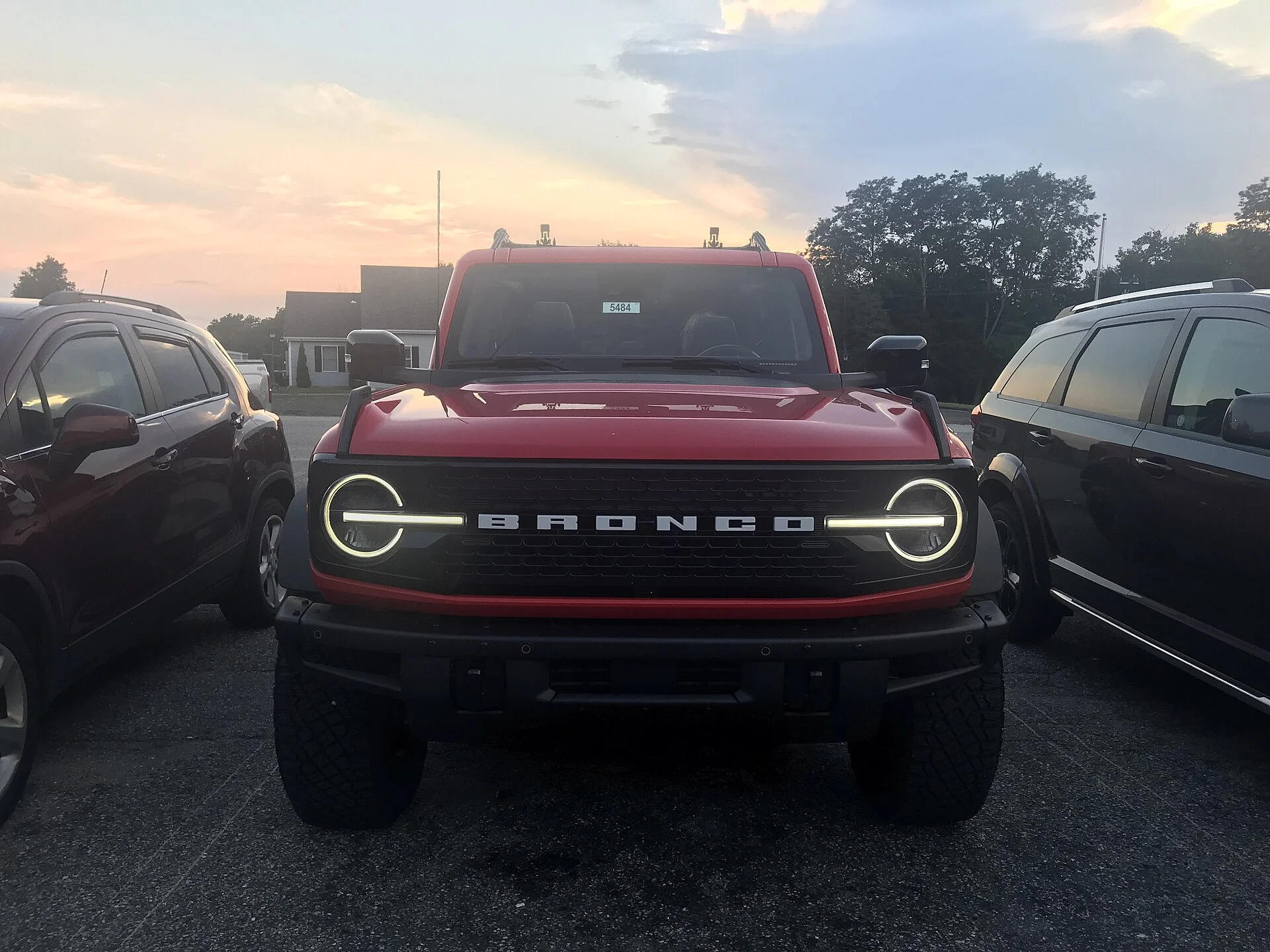
The fording numbers track directly with how high the truck's vulnerable parts sit, and that comes down to clearance and tires. A base Bronco has 8.4 inches of ground clearance; with the Sasquatch package and its 35-inch tires, that rises to 11.6 inches on the 2-door and 11.5 inches on the 4-door. More clearance lifts the axles, the vents, and the body out of the water, which is a big part of why the Sasquatch's rated depth climbs above the base trims'.
The tires do double duty. The Sasquatch package runs 35-inch beadlock-capable tires, and those taller tires literally raise the whole vehicle, lifting the intake, the electrical connectors, and the driveline breathers farther from the waterline. That extra height is not just about crawling over rocks; in the water it is what buys the deeper wading rating. It is the same lift working two jobs.
At the top of the range sits the purpose-built option. The Bronco Everglades raises the axle, transmission, and transfer-case vent tubes and is rated to ford up to 36.4 inches of water - nearly three inches deeper than the Sasquatch. It gets there not with more tire, but by relocating the parts that let water in, which is the clearest illustration of what actually governs safe fording depth. The lesson for any Bronco owner: your depth is set by how high your most vulnerable openings sit, and clearance, tires, and vent routing are the levers that raise them.
Slow Is the Whole Technique
How you drive through water matters as much as how deep it is, and the entire technique reduces to one word: slow. The recommended wading approach is slow and steady - roughly 3-5 mph, a walking pace - to build and hold a stable bow wave in front of the truck. That bow wave is not a hazard; it is the goal, and it is what keeps the engine bay dry.
The physics is worth understanding. Moving slowly pushes a small wave of water ahead of the truck, and behind that wave the water level in the engine bay actually sits lower than the surrounding river. Hold that bow wave steady and you create a pocket that keeps water away from the intake and the electronics. Charge through fast and you destroy it: the bow wave collapses and surges, and the churning water gets forced into the alternator, the fuse panel, and other under-hood components that a steady crossing would have kept dry.
So the mistake that wrecks trucks is speed, not depth. Enter at a walking pace, keep steady throttle to maintain the wave, and do not stop or gun it mid-crossing. If the water is deeper or faster than you planned, the answer is never to hurry - it is to have not entered. Carry recovery gear like traction recovery boards for the times a crossing goes wrong, because a slow, controlled entry with a way out beats a fast gamble every time.
The Breathers You Can't See
There is a failure mode that has nothing to do with the intake and catches people off guard: the driveline breathers. The axle, transmission, and transfer-case breathers use one-way vents, and when a hot drivetrain cools during a water crossing, it creates a vacuum that can draw water past the vent and into the oil. Your engine can be perfectly fine while your differentials quietly fill with water.
The trap is temperature. Drive to a crossing and those components are hot; plunge them into cold water and the air inside contracts sharply, creating suction at the vent. A stock breather is meant to equalize pressure with air, not resist a column of water, so under that vacuum it can pull river water straight into the gear oil. Water in a differential is a slow killer - it wrecks the lubrication and the bearings over the following weeks if it is not caught.
This is exactly what the Everglades addresses by raising the axle, transmission, and transfer-case vent tubes - extending that breather plumbing higher is what lets it ford up to 36.4 inches safely. Owners who do serious water routinely extend their breathers for the same reason: it moves the vent openings above the waterline so the vacuum draws air instead of water. If you ford deep on a stock truck, the breathers are a hidden vulnerability, and checking the gear oil afterward (covered below) is not optional.
Bronco vs Wrangler in the Water
The Bronco's most direct rival is the Jeep Wrangler, and in the water the Bronco holds a measurable edge in stock form. A stock Jeep Wrangler Sport or Willys is rated near 30 inches - about 760 mm - of fording depth, while the Sasquatch Bronco's 33.5 inches exceeds it by roughly 3.5 inches. That is a real advantage for anyone whose trails involve regular crossings.
The comparison tightens at the top trims, though. A Jeep Wrangler Rubicon, with its taller suspension and larger tires, can reach roughly 34 inches - essentially matching the Sasquatch Bronco. So the Bronco's water advantage is clearest when comparing mainstream trims; step up to Jeep's most capable Rubicon and the two are neck and neck. It comes down to the same thing on both trucks: how high the tires and lift carry the vulnerable openings.
The honest read is that both are genuinely capable factory water rigs, and neither number is a license to be reckless. Whether the rating is 30, 33.5, or 34 inches, all of them are still-water ceilings that shrink in current and waves, and all of them still bow to the intake height and breather routing. If deep, frequent fording is central to how you use the truck, the Bronco's stock edge is worth noting - but the Rubicon closes it, and technique matters more than the three-and-a-half inches between them.
Connectors: Submersible vs Water-Resistant
There is a specific reason 30 inches keeps showing up as a threshold, and it comes down to how the vehicle's electrical connectors are sealed. Below about 30 inches, electrical connectors are designed to be submersible; above that depth, they are only water-resistant. That is a meaningful distinction: submersible means built to sit under water, while water-resistant means built to shrug off splashes and spray, not a sustained soaking.
This is why the deeper end of the fording range depends so heavily on technique. Once you are past roughly 30 inches, the connectors and seals in the engine bay and underbody are no longer rated to be fully submerged - they are counting on the bow wave and a steady crossing to keep the actual water contact brief and shallow. Sit still in deep water, or let the bow wave collapse, and those water-resistant connections can start to let water in.
So the rated depth above 30 inches is not a guarantee of dry electronics; it is a rating that assumes you are doing everything else right. It presumes a slow, steady pass that keeps water moving away from the sealed-but-not-submersible parts rather than pooling around them. This is another reason the honest safe depth is usually below the rated maximum, and why a careful driver treats anything past 30 inches as a place to move deliberately and never linger.
The Angles That Get You In and Out
Fording is not just the deep part in the middle - it is getting down the bank and up the far side, and that is where the geometry matters. A base-configuration Bronco has an approach angle of 35.5 degrees, a breakover angle of 21.1 degrees, and a departure angle of 29.8 degrees. Those numbers govern how steep an entry and exit the truck can manage without nosing into the bank or dragging its belly on the crest.
The Sasquatch trims transform those figures. A Sasquatch 2-door gets a 43.2-degree approach, a 29.0-degree breakover, and a 37.2-degree departure; the Sasquatch 4-door matches the 43.2-degree approach with a 26.3-degree breakover and a 37.0-degree departure. The steeper approach and departure let the truck drop into and climb out of a water crossing at sharper bank angles, and the improved breakover keeps a longer wheelbase from high-centering on the lip between bank and water.
Why this matters for fording: a crossing often has a steep muddy entry and an even steeper, slicker exit, and a truck that scrapes its nose going in or beaches its tail coming out is stuck in the water - the worst place to be. The Sasquatch's bigger angles give real margin at the transitions, which is part of why it is the trim people reach for when water is on the route. Depth gets the headlines, but the angles are what get you in and back out without drama.
After the Crossing: Check the Fluids
The job is not done when you reach the far bank - a deep crossing demands a fluids check, because water intrusion often hides where you cannot see it. The key inspection is the gear oil: check the differential and axle oil, and a milky or tan color indicates water intrusion that requires an oil change. That is the breather-vacuum problem showing up, and catching it early is the difference between an oil change and a rebuild.
Extend the check to the whole driveline after any deep water. Inspect the engine oil, the transmission fluid, and the transfer-case fluid for signs of water contamination - the same milky, emulsified look tells you water got in. These fluids can take on water through vents or seals during a crossing, and running the vehicle for weeks on water-contaminated oil is what turns a survivable ford into expensive damage down the road.
Build it into the routine. After a deep or repeated crossing, pull the dipsticks and check the diff fill plugs before the next big drive, and keep an eye out for that telltale discoloration. If any fluid looks milky, change it promptly rather than hoping it settles - water does not evaporate out of gear oil. Checking the fluids is the cheap insurance that makes deep fording sustainable instead of a slow way to destroy a drivetrain, and it is the step that separates people who ford for years from people who ford once expensively.
The Verdict: Rated Depth Is a Ceiling, Not a Target
Put the whole picture together and the Bronco is a seriously capable water rig - within limits you have to respect. The Sasquatch fords 33.5 inches, base trims about 31.5, and the Everglades 36.4, each figure earned by how high the clearance, tires, and vent routing carry the vulnerable openings. But every one of those is a still-water ceiling reached under ideal conditions, not a number to drive at.
The safe depth is set by three things the rating does not capture: your air-intake height, which is the real hard limit and the line between a wet crossing and a hydro-locked engine; your technique, which means a slow 3-5 mph pass holding a steady bow wave; and your breathers, which can draw water into the driveline even when the engine stays dry. Get those right and check the fluids afterward, and the rated depth becomes a comfortable envelope rather than a gamble.
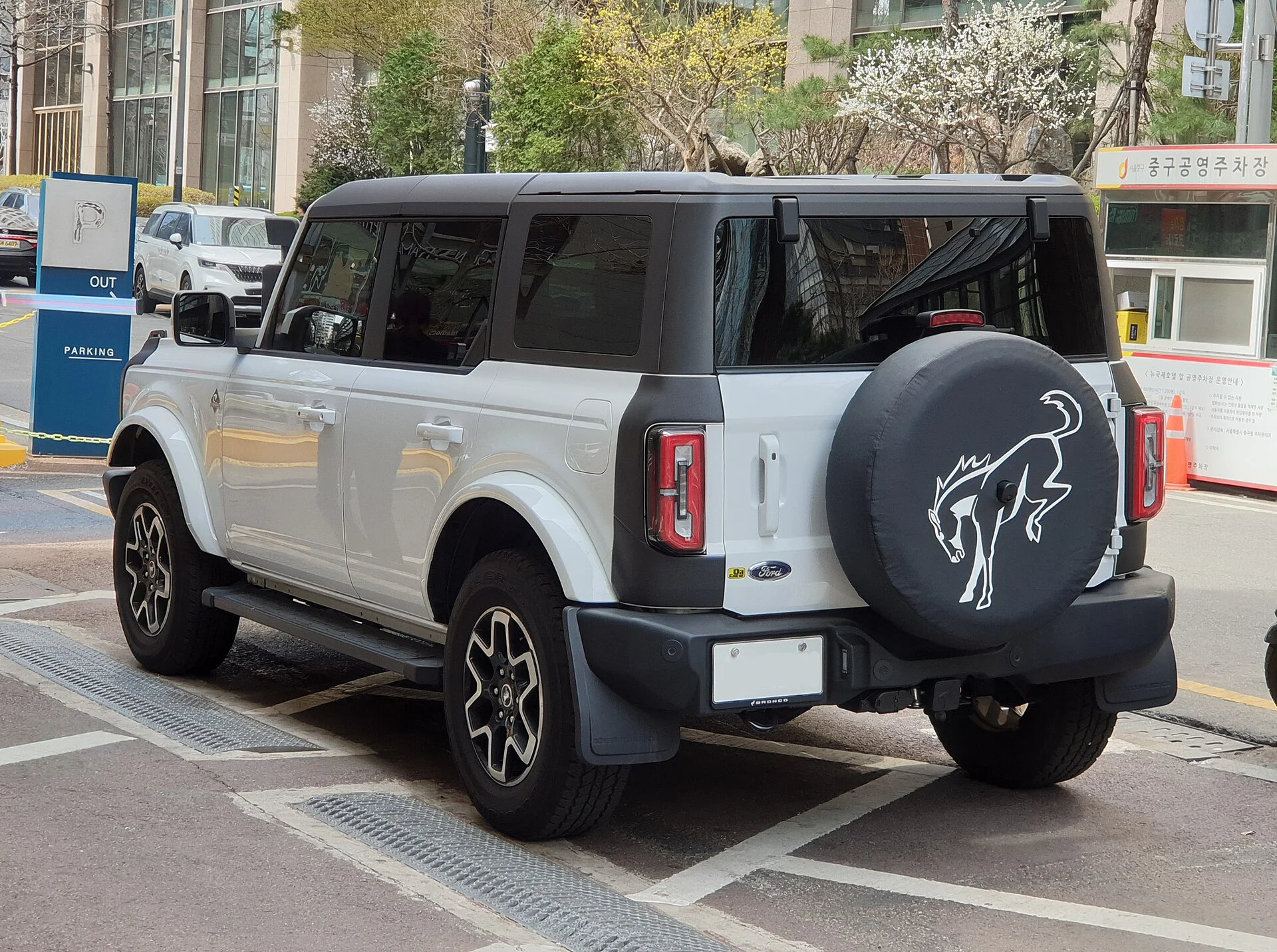
And never forget which Bronco you are in - the full-size body-on-frame truck fords these depths, while the unibody Bronco Sport does not come close and should never be pushed to the same water. Know your trim's real number, treat the intake as your ceiling, cross slow, and inspect the oil on the far bank. Do that, and the Bronco will take you across water that stops most other vehicles cold - the rating is the promise on paper, but the technique out there is what actually keeps it.