
Smart Car Tech

Understanding Dash Cam Resolution: Is 1080p Enough for Uber Drivers?

Casey - The Weekend Warrior
4 min read
Includes Video

Dash cam resolution is how many tiny dots, called pixels, make up the picture. More pixels mean a sharper image. For Uber drivers, this isn't just about bragging rights; it's about having evidence that actually holds up. A blurry mess from a cheap camera won't do you any favors when you need it most.

Dash cam resolution is how many tiny dots, called pixels, make up the picture. More pixels mean a sharper image. For Uber drivers, this isn't just about bragging rights; it's about having evidence that actually holds up. A blurry mess from a cheap camera won't do you any favors when you need it most. understanding video resolution is key to picking the right one. You want to see details, not just shapes.

That's the real move for keeping yourself protected on the road.
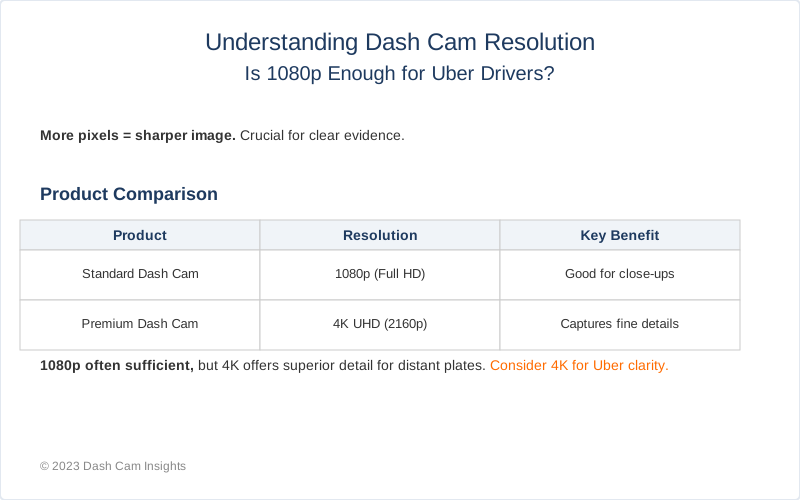
Understanding Dash Cam Resolution: Is 1080p Enough for Uber Drivers? — Key Specifications Compared
Key specifications for Understanding Dash Cam Resolution: Is 1080p Enough for Uber Drivers?

The Core Answer

The honest version is that 1080p is usually enough for most drivers, but for an Uber driver, you might want to push for more. Think of it like this: 1080p has about 2 million pixels. That's enough to see if a car ran a red light or if someone cut you off when they're right in front of you. But accidents rarely happen when everyone is parked, right? Reading distant license plates in 1080p can be a gamble, especially at night or in bad weather. That's where 4K, which has four times the pixels of 1080p, starts to shine. It can capture finer details, like that fleeing car's plate number, where 1080p might just give you a pixelated smudge. For an Uber driver, where you're dealing with countless different cars and situations daily, that extra clarity is your game-time advantage. It means the difference between a clear piece of evidence and a 'wish I had that' moment. My first dash cam was 720p, and I learned that lesson the hard way when I couldn't make out a single detail from a fender bender a block away. It was useless. Don't be me. For Uber and truck drivers, 4K might be preferable because you're dealing with higher stakes and more variables. While 1080p is cheaper and uses less storage, the peace of mind from knowing you can clearly identify critical details like license plates, even in challenging conditions, is worth the extra upfront cost. It's like buying a better flashlight for those dark mountain hikes; it just makes everything safer and clearer. A good resolution for a dash cam is at least 1080p, but the real move for professional drivers is looking at 4K. The debate isn't about what looks pretty on your phone; it's about what provides irrefutable proof when you need it.
To make an informed choice, it's helpful to compare 1080p with higher resolutions in our article on dash cam resolution.
Ensure your dash cam is mounted securely for stable video, even on bumpy roads, to capture crucial details.
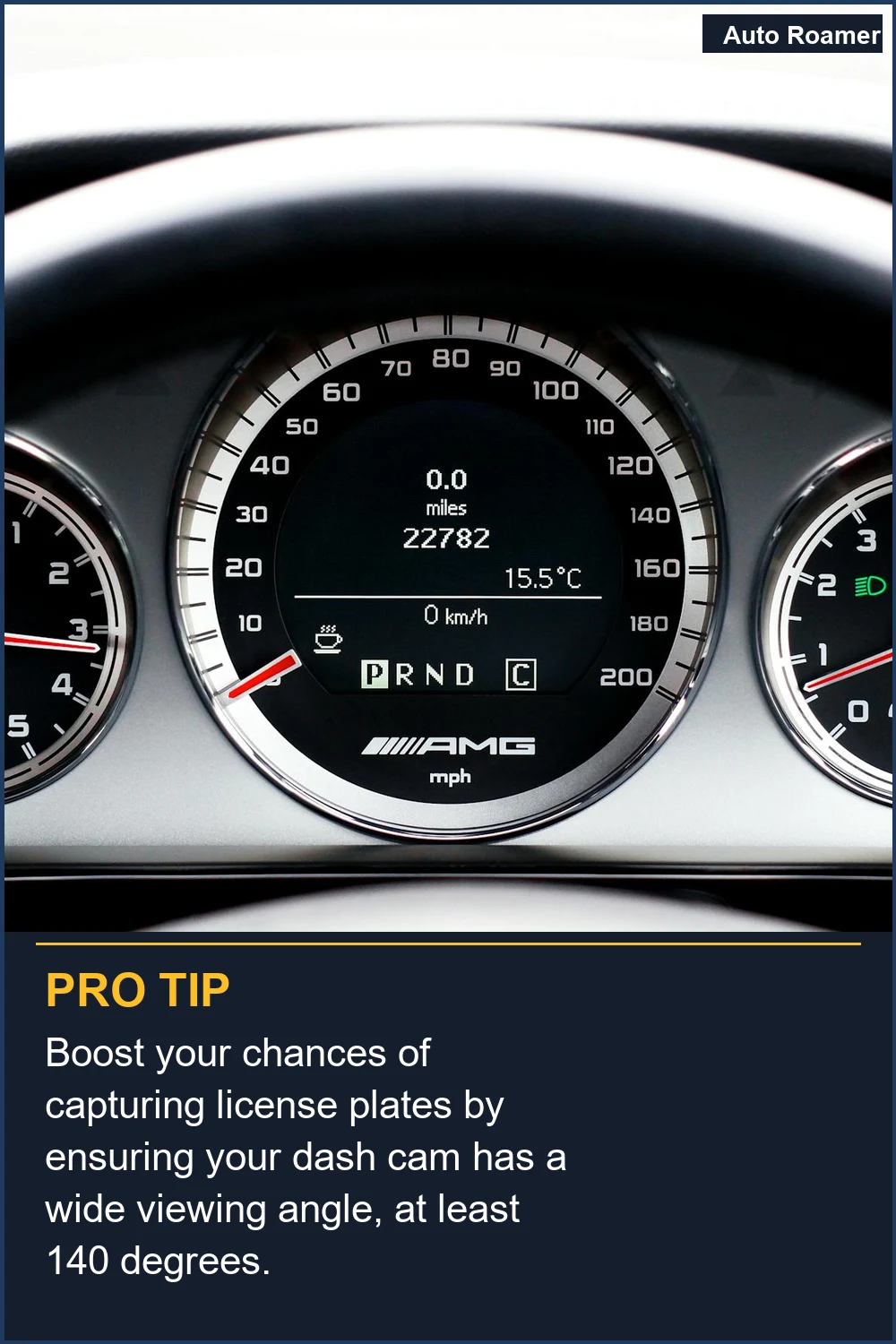
A detailed look at a car's dashboard highlights the importance of good video quality. For Uber drivers, 1080p offers about 2 million pixels, sufficient for many everyday events. | Photo by Alexey Demidov

Why This Matters for Your Setup

Here's why this resolution stuff actually matters for your daily grind:
  • Reading Plates: This is the big one. If you're in an accident and the other driver bails, you need a clear shot of their license plate. 1080p might get it if they're right next to you at a stoplight, but on a busy street with cars moving, it's a gamble. 4K gives you a much better shot at actually reading those tiny characters from a distance especially at night or in bad weather.
  • My friend Kevin tried to use 1080p footage to identify a hit-and-run driver, and all he got was a blurry blob. He ended up paying for the damage himself. Rookie mistake.
  • Night Driving: My first camping trip in the mountains taught me that darkness is way darker than you think. Same with dash cams. While higher resolution doesn't automatically mean better night vision, 4K sensors *can* capture more detail in low light, making it easier to see things like road signs, pedestrian outlines, or even the color of another car, which 1080p might blur into oblivion.
  • Higher resolution sensors can sometimes trade low light performance for daytime quality, so look for models that specifically mention good night performance.
  • Evidence for Disputes: Whether it's a passenger dispute or a traffic incident, clear video is your best friend. 1080p might be enough to show *what* happened, but 4K can show *exactly* who did it and how. It's about having undeniable proof. I once had a passenger claim I hit them when I was sure I hadn't. My 1080p footage showed the incident, but the detail wasn't sharp enough to definitively prove I wasn't at fault.
  • The insurance company ended up splitting the difference, which felt like a total rip-off. Resolution is functional, not just a luxury.
    To truly grasp the importance of resolution, dive deeper into dashcam resolution options for optimal clarity.
    Boost your chances of capturing license plates by ensuring your dash cam has a wide viewing angle, at least 140 degrees.
    Understanding dash cam resolution is vital for reading plates. While 1080p can work at close range, higher resolutions improve clarity for distant or fast-moving vehicles. | Photo by Mike Bird

    Making the Right Choice

    So, is 1080p enough for an Uber driver? For some, maybe. If you drive mostly in well-lit, slow-traffic areas and never expect to need to read a plate from more than a car length away, then sure, go for the budget option. But if you're like me, and you want to be prepared for anything the road throws at you, then stepping up to 4K is the real move. It's about having the best possible evidence when you need it most. Capture every ride perfectly, they say. You can't do that with blurry footage. Think about the cost of a fender bender or a false claim versus the cost of a better dash cam. It's a no-brainer. My $50 720p dash cam was a waste of money; my current 4K setup has already saved me hundreds in potential disputes.
    For those considering dash cams for larger vehicles, understanding RV rear view recording is equally important.
    Invest in a dash cam with excellent low-light performance to maintain clear footage, even during night drives.
    Driving at night presents unique challenges for dash cam resolution. A 1080p dash cam might struggle with details in low light, impacting Uber driver video quality. | Photo by John Joshua Mejia Jose

    Frequently Asked Questions

    If I get a 4K dash cam, how much more storage will I need compared to a 1080p one?
    You're going to need a lot more. 4K footage is way bigger. Expect to use about 2-3 times the storage space for 4K compared to 1080p. So, if a 1080p camera needs a 64GB card, you might want a 128GB or even 256GB card for 4K to store the same amount of driving time. Storage requirements for 4K vs 1080P are significantly different.
    Do I really need a special tool to install a dash cam, or can I just plug it into the cigarette lighter?
    Most basic installations are plug-and-play with the cigarette lighter adapter, which is what I did for my first one. That's the $50 version right there. But for a cleaner look, and to avoid that dangling wire, you can 'hardwire' it to your car's fuse box. You'll need a fuse tap kit, which is like $10-$15, and maybe a trim removal tool set to tuck the wires neatly. It's not rocket science, just a bit more involved than plugging it in.
    What if my dash cam footage isn't clear enough to read the license plate, even if it's 4K?
    That's a bummer, but it happens. Even 4K has its limits, especially in bad lighting or if the car is too far away or moving too fast. If the footage is still too blurry, your best bet is to try and enhance it using video editing software, but don't expect miracles. Sometimes, the best you can do is have footage that shows *a* car was involved, even if you can't get a plate. It's not a perfect system, but better than nothing.
    Can running a dash cam all the time drain my car battery?
    Yes, absolutely. If you're not careful, a dash cam running in parking mode can drain your battery, especially in cold weather when batteries are already weak. That's why many dash cams come with voltage cutoff features, or you can get a dedicated dash cam battery pack. Without one of these, you risk waking up to a dead car, which happened to me once in a Walmart parking lot. Brilliant engineering.
    Is it true that 1080p is just as good as 4K and everyone is wasting money on 4K?
    That's a myth, like thinking a foam pad from Walmart is a good sleeping pad for a mountain trip. While 1080p is perfectly adequate for many situations, higher resolution means more pixels, and more pixels mean more detail. For critical evidence like license plates, especially in less-than-ideal conditions, 4K offers a significant advantage that 1080p just can't match. It's not about wasting money, it's about having better tools for the job.

    🏅 Looking for Gear Recommendations?

    Check out our tested gear guides for products that work with this setup:

    C

    Casey - The Weekend Warrior

    Weekend car camper and road trip enthusiast. Focuses on practical, budget-friendly solutions for families and first-time campers.

    Sources

    Related Articles