
What Are the Most Common Auto Repair Scams to Watch Out For?
Scamming people out of their hard-earned cash is a dirty business, and the auto repair industry is unfortunately a prime spot for it. It's not about fixing your car; it's about lining someone's pockets with your money, often by playing on your lack of knowledge.
Scamming people out of their hard-earned cash is a dirty business, and the auto repair industry is unfortunately a prime spot for it. It's not about fixing your car; it's about lining someone's pockets with your money, often by playing on your lack of knowledge. My first car, a beat-up '05 Honda Civic that sputtered more than it ran, was a magnet for shady mechanics.
I learned early on that a little knowledge goes a long way in avoiding these traps. The goal is to separate the honest mechanics from the ones who see you coming a mile away. We're talking about thousands of dollars that could be going into your own adventures, not someone else's vacation fund. YouTube mechanics have exposed a lot of these tricks, but knowing what to look for is key.
The Core Answer
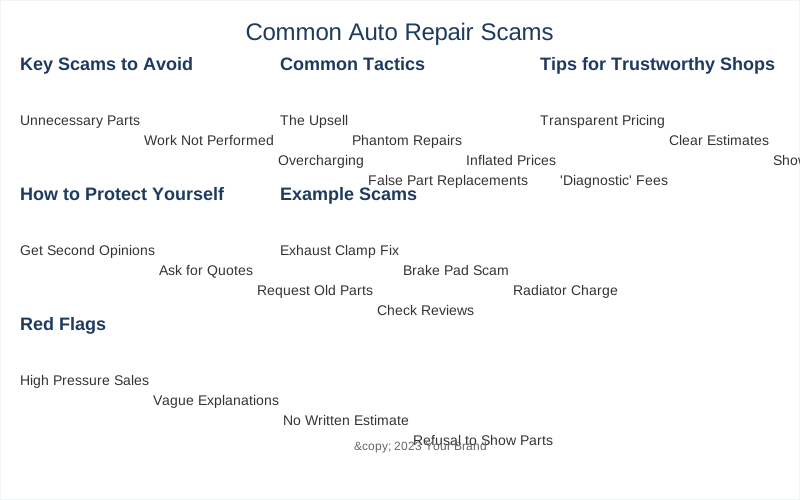
The most common car repair scams boil down to a few core tactics: selling you parts you don't need, charging for work that wasn't done, or simply overcharging for everything. One classic move is the 'upsell' - you go in for an oil change, and suddenly they 'discover' your air filter is practically disintegrated and your brake fluid is 'toxic.' Sometimes, it's just a little extra washer fluid they charge you $15 for. I once had a shop tell me my entire exhaust system needed replacing on my old Ford Ranger. Turns out, it was just a loose clamp that cost me $20 to tighten at a different place. It's a tale as old as time.Another big one is charging for parts that never got replaced. This is particularly nasty. They'll bill you for brand new brake pads and rotors, but they slapped on some worn-out junkyard specials or, even worse, just pocketed the money and did nothing. The honest version? Always ask to see the old parts. If they can't produce them, that's a massive red flag. I learned this the hard way when a shop tried to charge me for a new radiator on my old Toyota Camry. I told them I wanted to see the old one, and suddenly it had 'disappeared' in the trash. Brilliant engineering, that. The real move here is to be skeptical.
Then there's the 'mystery problem' scam. You bring your car in for something simple, and they come back with a laundry list of vague, expensive issues like 'engine contamination' or 'transmission slippage' that require immediate, costly attention. They pressure you to authorize work on the spot. This is where you need to take a breath and get a second opinion. I remember a friend getting quoted $1200 for a 'critical engine component' replacement on his Subaru Outback. A quick call to another shop revealed the part was $150 and took less than an hour to install. Don't let them rush you.
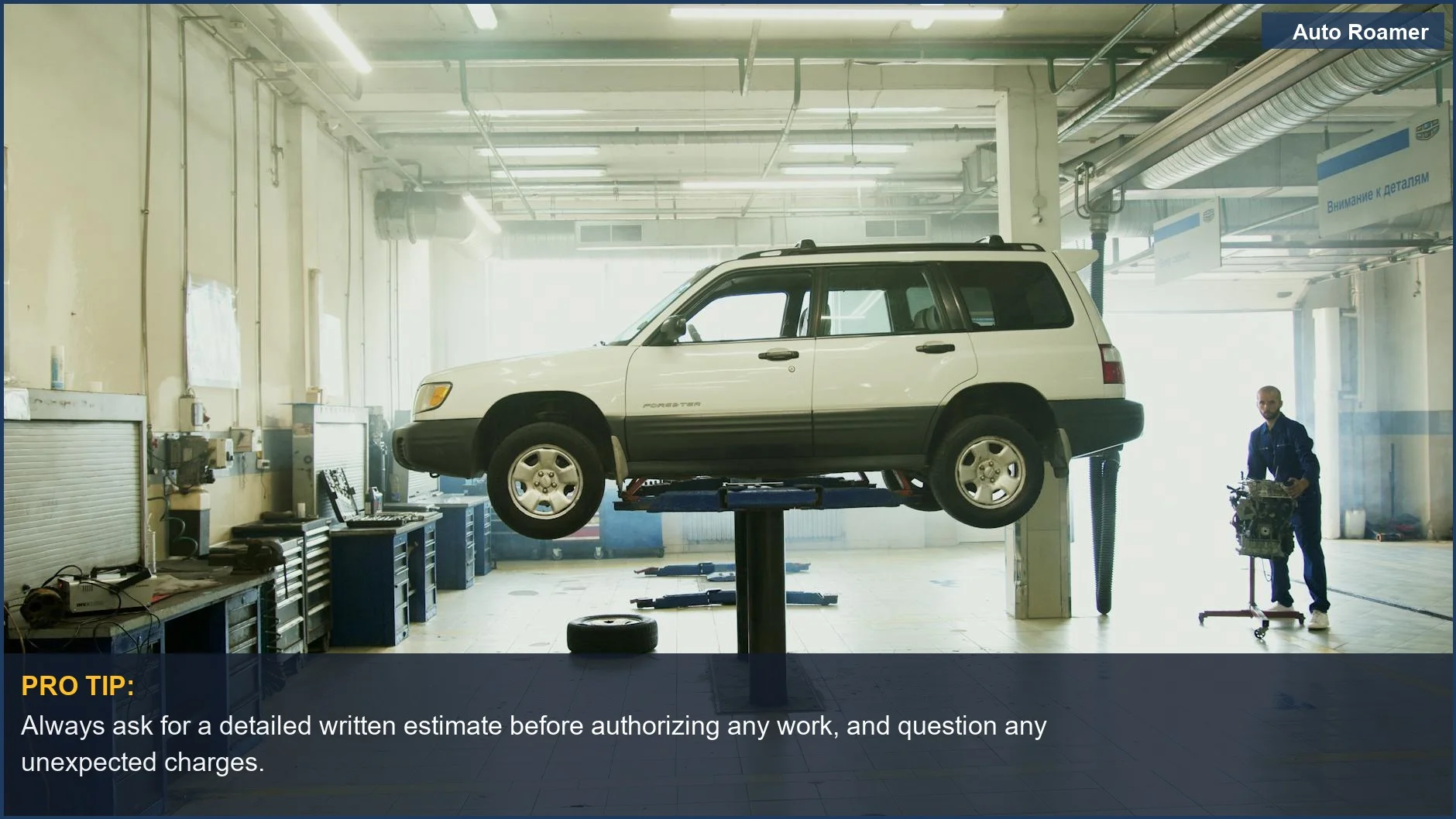
Finally, watch out for inflated labor rates and charging for unnecessary diagnostics. Some shops will charge you $150 just to 'diagnose' what's wrong, then tell you it's something simple they could have figured out in 10 minutes. The real move is to get a written estimate beforehand, detailing parts and labor. If the final bill is significantly higher, ask for a breakdown. They are often using aftermarket parts but charging you for OEM, or just marking up parts astronomically. It's all about transparency, or the lack thereof.
Why This Matters for Your Setup
Why does this matter when you're trying to get your rig road-trip ready? Because a mechanic scam can eat up your entire camping budget before you even leave your driveway. Imagine getting hit with an unexpected $800 repair bill for something you didn't even need. That's money that could have bought you a decent cooler, a better sleeping bag, or even a campsite fee for three nights. It's about protecting your adventure fund.Here's the rundown on why you need to be aware:
- Unnecessary Repairs: They tell you your brakes are shot when they have 50% life left. That's a $400 repair you didn't need.
- Inflated Parts Costs: You pay $200 for a part that costs $80. That extra $120 could buy you a really nice headlamp.
- Labor Gouging: A simple oil change that should take 30 minutes is billed at two hours of labor. That's an extra $100 in their pocket.
- Charging for Non-existent Work: They bill you for replacing your air filter but never actually did it. That's pure theft.
- The 'Diagnostic Fee' Trap: You pay $150 to be told your tire is low on air. That's just insulting.
Making the Right Choice
Bottom line: stay vigilant. Don't be afraid to ask questions, get second opinions, and trust your gut. If something feels off, it probably is. Honest mechanics exist, but you need to find them.Here's how to keep your wallet safe:
- Get Estimates in Writing: Always get a detailed written estimate before any work begins, including parts and labor costs.
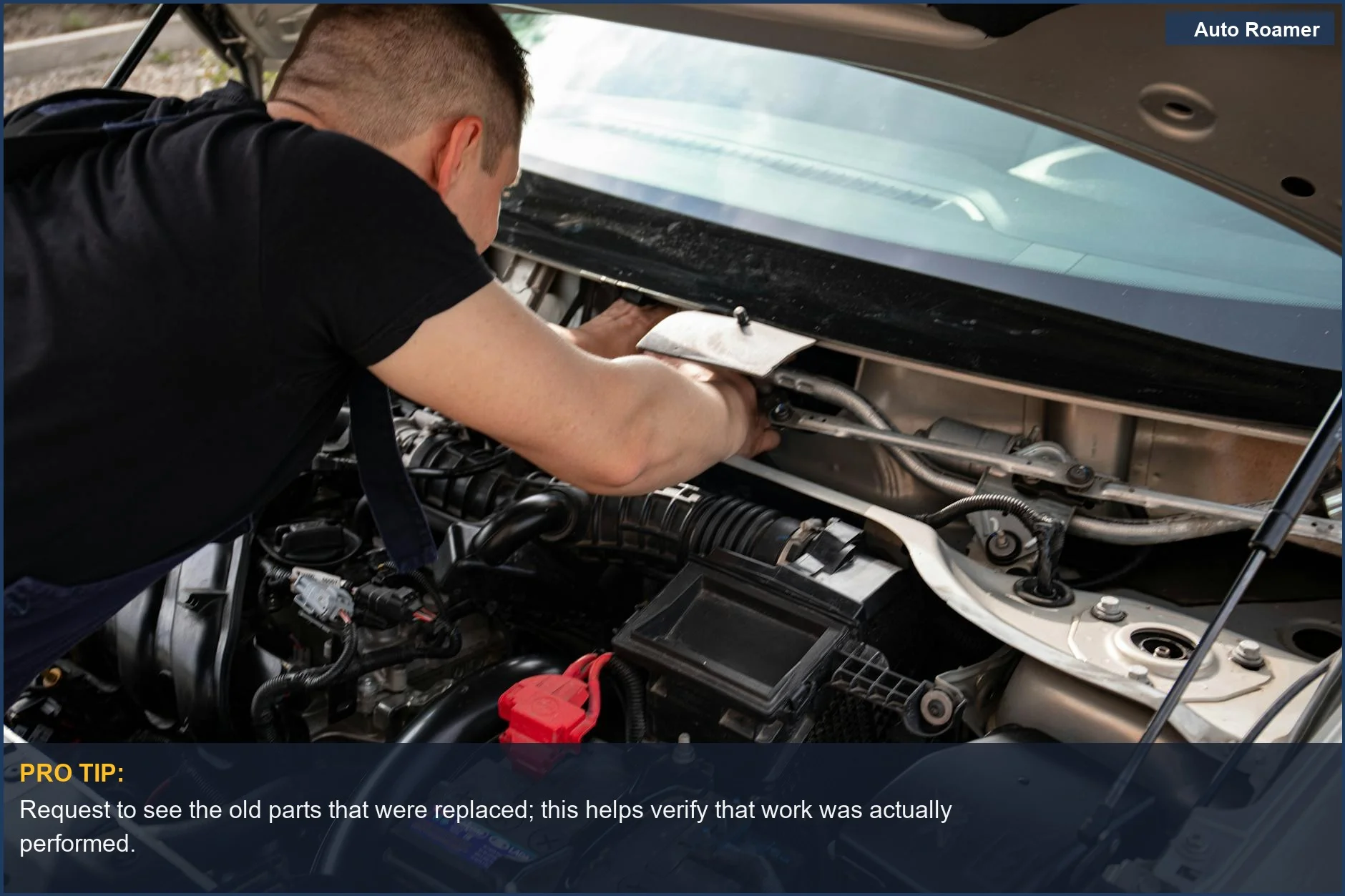
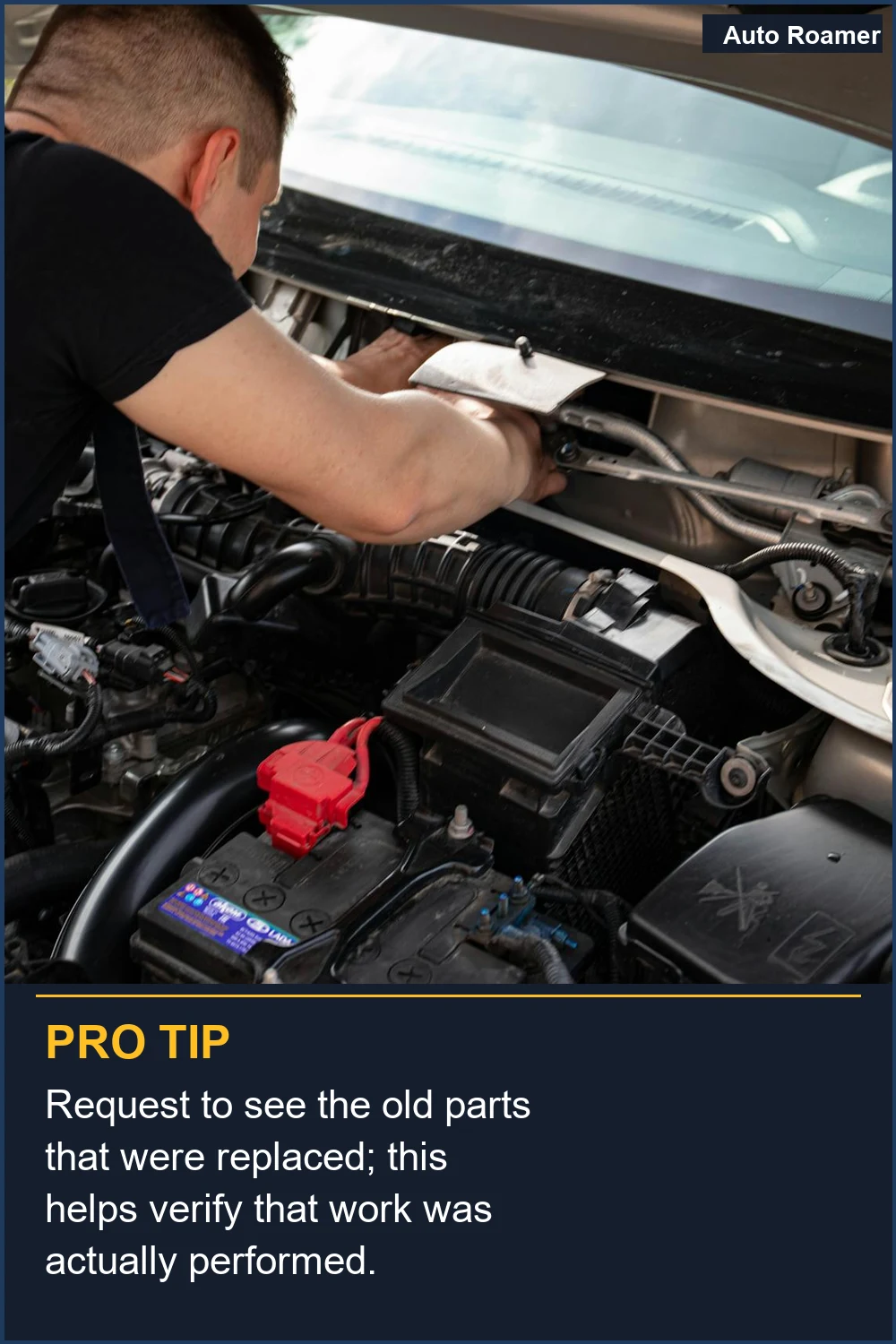
- Ask to See Old Parts: If they say a part is broken, ask to see the old one before they toss it.
- Research Common Repairs: Know roughly what a common repair should cost for your make and model. A quick Google search can save you hundreds.
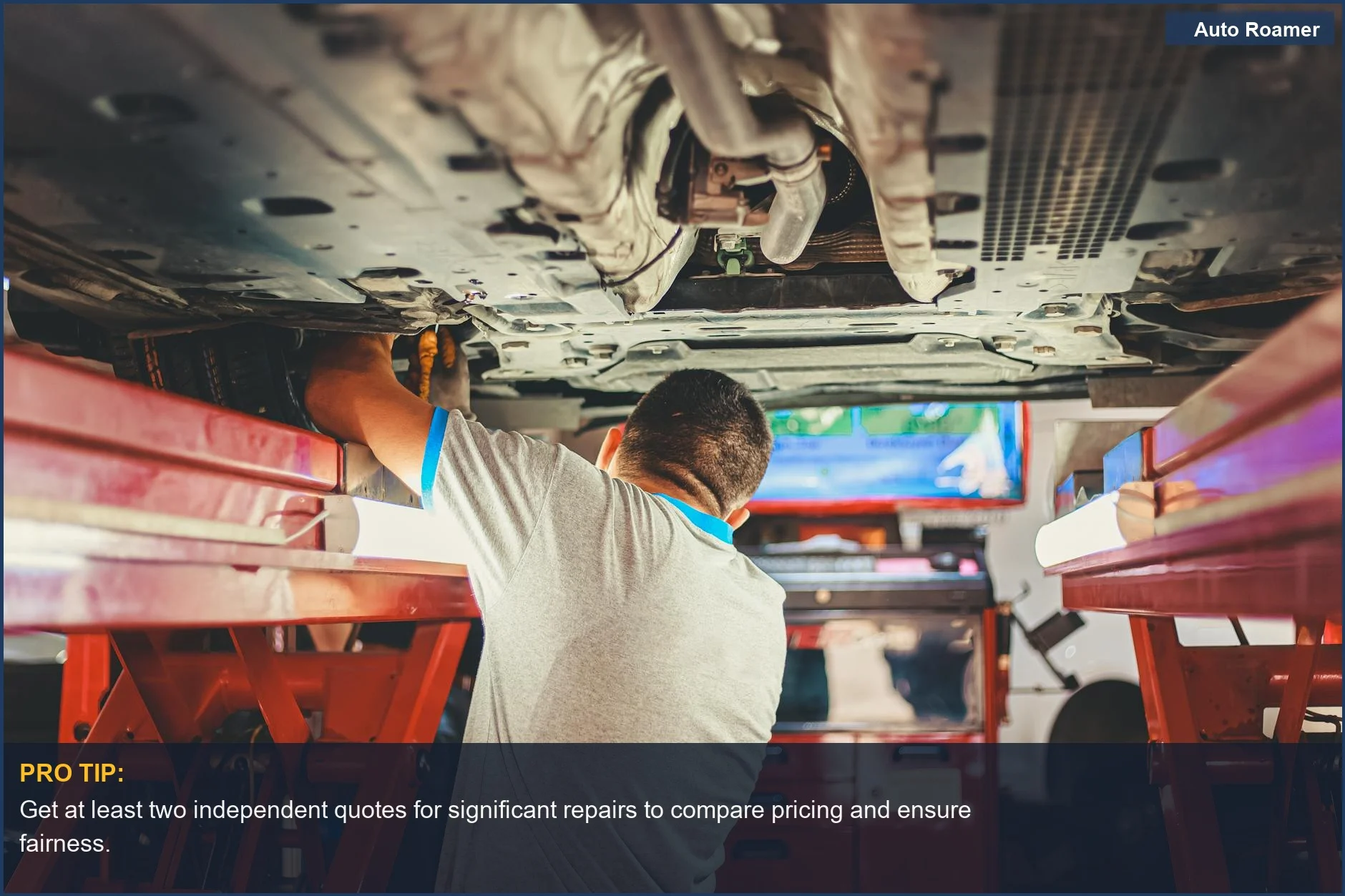
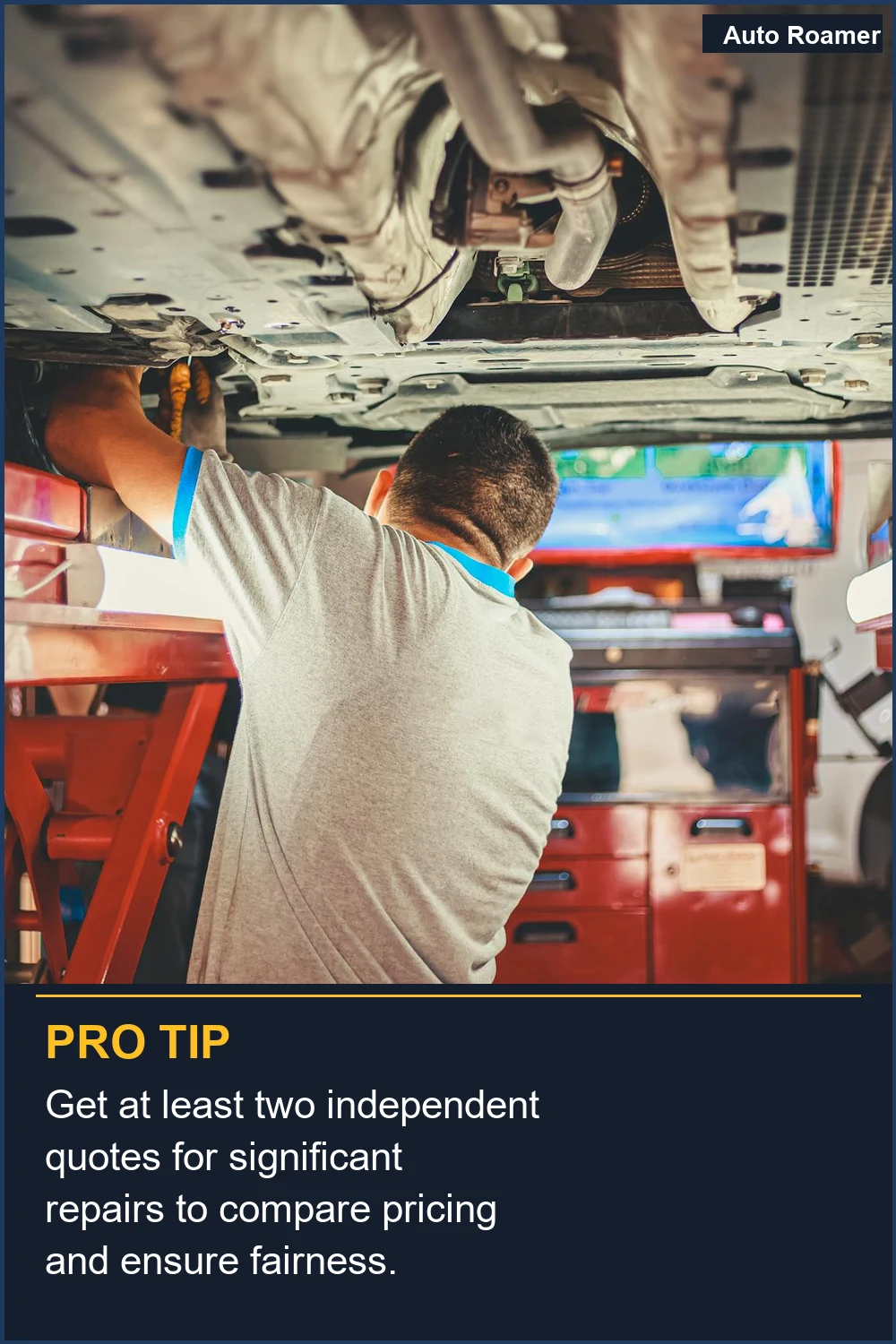
- Seek Second Opinions: For major repairs, get quotes from at least two other reputable shops.
- Trust Your Gut: If a mechanic seems pushy or evasive, walk away.
Frequently Asked Questions
If I need new brake pads, is it cheaper to just go to the dealership or a national chain shop?
Do I really need to buy a fancy OBD-II scanner to check for codes myself?
What if I pay for a repair, and the problem comes back a week later?
Can a mechanic permanently damage my car if they're trying to scam me?
I heard that mechanics always recommend a 'flush' for something. Is that usually a scam?
🏅 Looking for Gear Recommendations?
Check out our tested gear guides for products that work with this setup:
Sources
- Avoid Auto Repair Scams | National Insurance Crime Bureau
- 13 Mechanic SCAMS Everyone Falls For (Don't Be Fooled!) - YouTube
- What are common car maintenance scams that mechanics use to ...
- Common Auto Repair Scams And How To Spot Them
- Typical car repair scams : r/cars - Reddit
- The 3 Biggest Scams We See In The Auto Repair Industry…
- Beware Auto Repair Scams - Forrit Credit Union
- bumper.co
- Common garage repair scams and how to avoid them - Bumper