
Cleaning and Maintaining Your Camping Coffee Maker for Longevity
Cleaning your camping coffee maker isn't just about looking good; it's about tasting good, too. After three years of hauling my trusty drip machine to campsites from the Smokies to the Rockies, I learned this the hard way. My first few pots after a trip tasted like burnt plastic and regret.
Cleaning your camping coffee maker isn't just about looking good; it's about tasting good, too. After three years of hauling my trusty drip machine to campsites from the Smokies to the Rockies, I learned this the hard way. My first few pots after a trip tasted like burnt plastic and regret. Apparently, coffee oils and mineral deposits don't just disappear on their own. They hang around, building up like a bad habit.
The Kitchn calls it residue; I call it the enemy of a good morning buzz. Keeping that water reservoir clean is key, especially in places where the water might be a little... mineral-rich. It's like cleaning your car's engine; you don't want gunk messing with the performance. Sybok Kitchen agrees, and they're probably more concerned with kitchen countertops than campfire mornings, but the principle holds. A clean machine makes better coffee, plain and simple.
The Core Answer
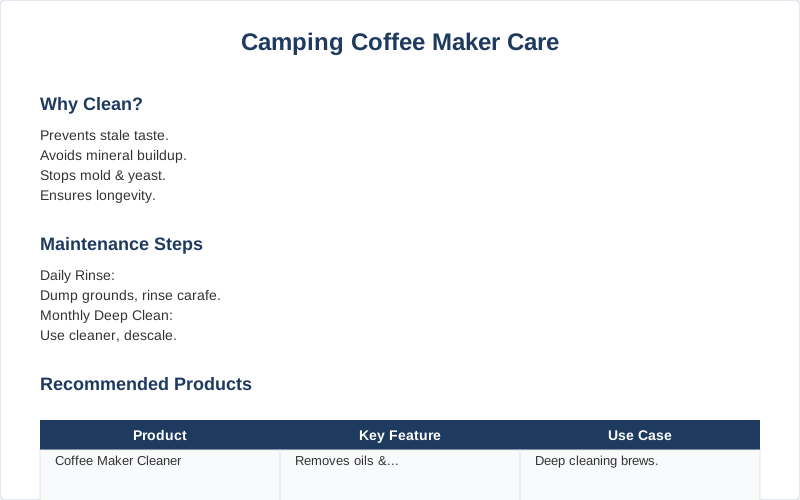
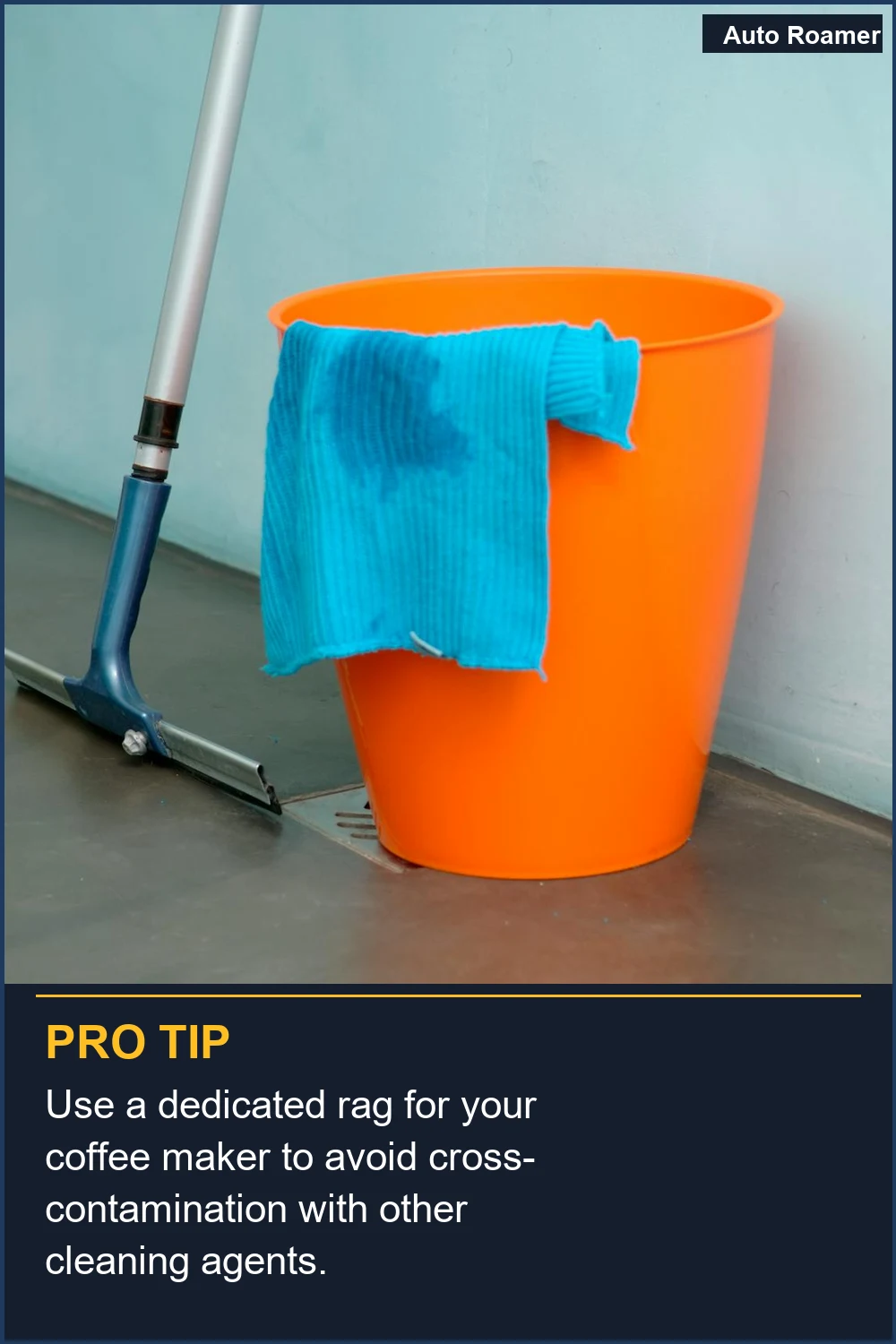
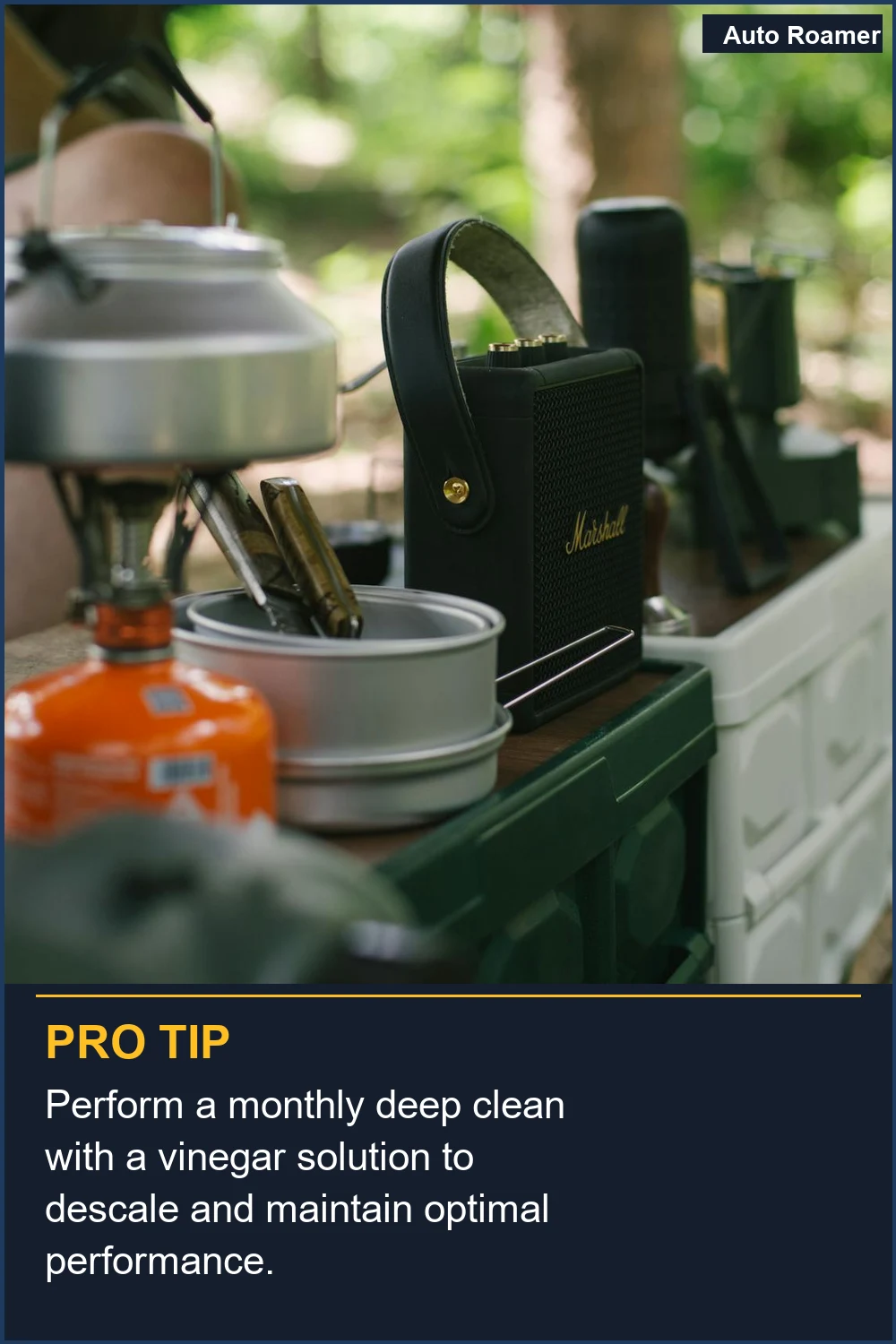
The real move for keeping your camping coffee maker humming is a two-pronged attack: daily rinsing and monthly deep cleaning. Think of it like washing your hands after you eat ribs - you don't want that greasy feeling lingering. After every brew, dump those grounds and give the carafe and filter basket a quick rinse with hot water. I learned this when my coffee started tasting vaguely like dirt after a weekend at Big Bend National Park. Apparently, leaving old grounds in there is a rookie mistake that invites mold. Proctor Silex says this prevents yeast and mold, which sounds about as appealing as sleeping on a pile of wet leaves. Once a month, or after a particularly dusty trip, it's time for the deep clean. This is where vinegar comes in. Mix equal parts white vinegar and water - about two cups of each for my standard drip machine. Pour that into the water reservoir and run a brew cycle, just like you're making coffee, but without the coffee. The Kitchn suggests this as a way to descale. Brilliant engineering, right? It dissolves all the mineral buildup from your questionable campground water. After that vinegar cycle, toss the carafe and filter basket in warm, soapy water. Then, run two or three cycles with just plain water to get rid of any lingering vinegar smell. I once skipped this step at Zion and my morning brew tasted like a salad dressing for two days. The honest version: don't skip the plain water rinses. For some of the fancier camping brewers, like a Moka pot, disassembling and air-drying is the game-time move. Reddit users say it's not much extra trouble and keeps them clean. I haven't personally screwed this up yet, but I can see how forgetting would lead to a metallic taste. If you have a machine with removable parts, like a filter basket or a carafe lid, give them a good scrub with soap and warm water weekly. Sybok Kitchen mentions this for coffee stains and residue. It's basically the same as washing your camping dishes, just more focused.
Why This Matters for Your Setup
This isn't just about having a slightly tastier cup of coffee, though that's a huge win. It's about making your gear last longer, especially when you're not exactly camping next to a hardware store.
Making the Right Choice
Look, nobody wants to spend their precious camping time scrubbing coffee pots. But a quick rinse after brewing and a monthly vinegar bath will make a world of difference. It's the difference between a joyful, caffeine-fueled sunrise and a bitter, lukewarm disappointment. My first few years, I thought cleaning was optional. I was wrong. My coffee tasted bad, and I probably shortened the life of my original machine by at least a year. That's three less trips where I could have had decent coffee. Think about it: you're out there trying to enjoy nature, not fight with a grumpy coffee maker. A little bit of maintenance ensures you get that perfect cup every time, no matter where you've set up camp. Even Reddit users agree that cleaning the pipes is crucial to avoid lime deposits that mess with brewing. It's not rocket science, it's just good sense. So, take 5 minutes after brewing and 30 minutes once a month. Your taste buds, and your wallet, will thank you. Sybok Kitchen says it extends the lifespan. I say it ensures my mornings don't start with bad coffee.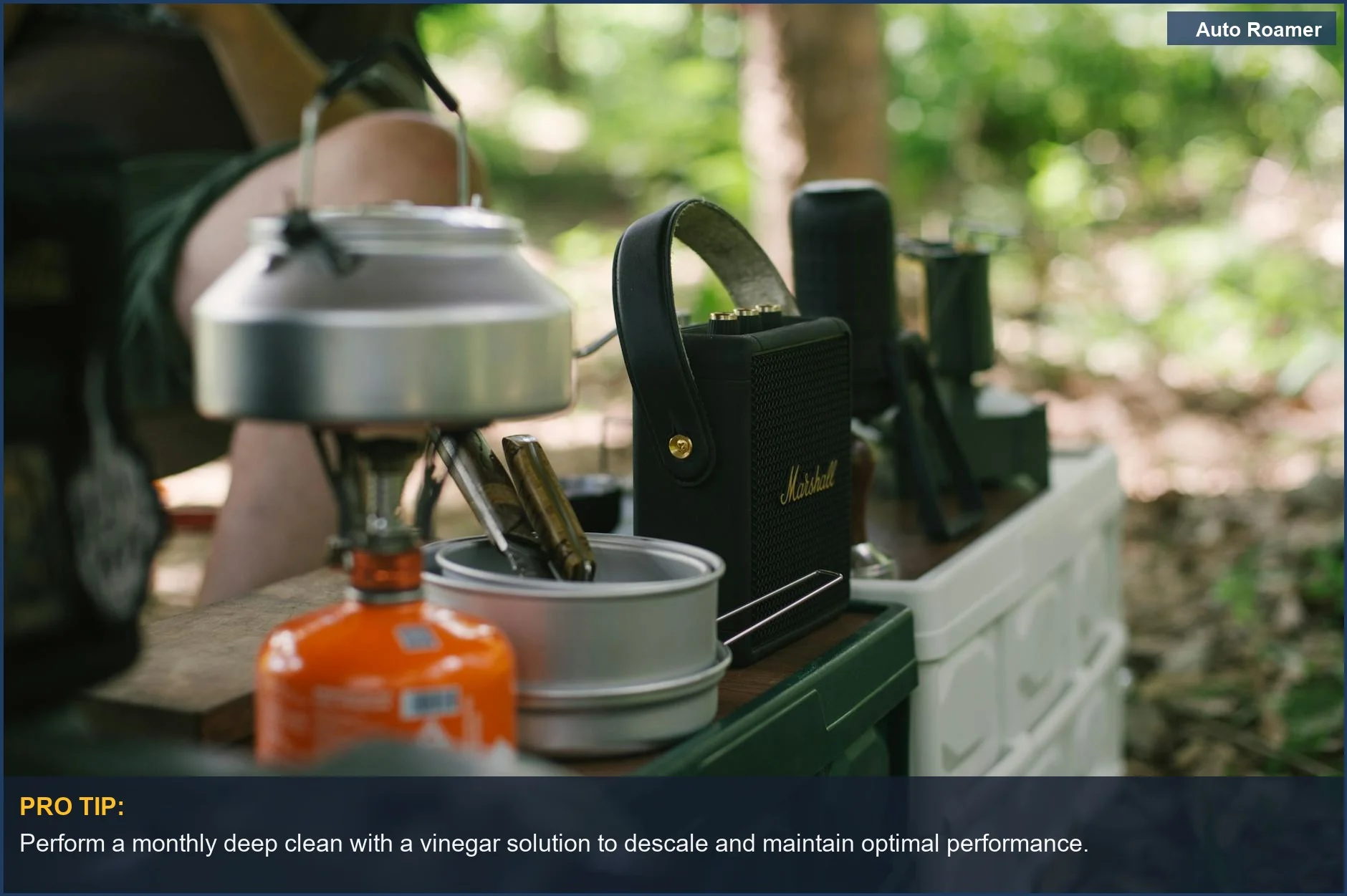
Frequently Asked Questions
Is it cheaper to just buy a new camping coffee maker every year than to clean this one?
Do I really need a special coffee maker cleaner, or can I just use what I have?
What if I run a vinegar cycle and my coffee still tastes weird?
Can neglecting to clean my coffee maker actually damage it permanently?
I heard you're not supposed to use soap on coffee makers. Is that true?
🏅 Looking for Gear Recommendations?
Check out our tested gear guides for products that work with this setup:
Sources
- Extend the life of your coffee maker with this simple cleaning routine
- The Beginner's Guide to Coffee Machine Maintenance - Reddit
- How necessary is cleaning the coffee brewer, really? : r/Moccamaster
- How to Clean Your Coffee Maker with Vinegar (Photos & Instructions)
- Coffee Maker Maintenance 101: Extending the Lifespan of Your ...