
How to Choose the Right Size Bluetooth Speaker for Your Campsite
Picking a Bluetooth speaker for camping isn't just about finding something that plays tunes. It's about making sure that music survives the trip and actually sounds good without annoying everyone within a 5-mile radius. I learned this the hard way at a crowded campground in the Smokies where my tiny speaker got buried under the ambient chatter and the guy next door's booming bass machine.
Picking a Bluetooth speaker for camping isn't just about finding something that plays tunes. It's about making sure that music survives the trip and actually sounds good without annoying everyone within a 5-mile radius.
I learned this the hard way at a crowded campground in the Smokies where my tiny speaker got buried under the ambient chatter and the guy next door's booming bass machine.
The real move is to think about the sheer volume of your campsite and how much noise you're actually trying to overcome. A tiny speaker that's great for your desk at home will disappear like a fart in the wind when you're out in the open.
You need something with a bit more guts, but not so much that you're that guy.
This isn't about having the loudest thing on the block. It's about matching the speaker's output to your environment. A little speaker might work for a solo trip, but for a group around a campfire, you need something more substantial. Consider the space you'll be filling.
The Core Answer
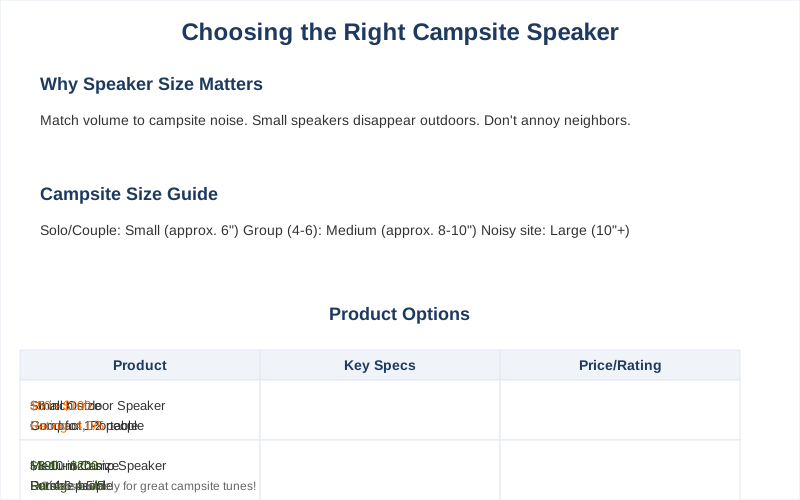
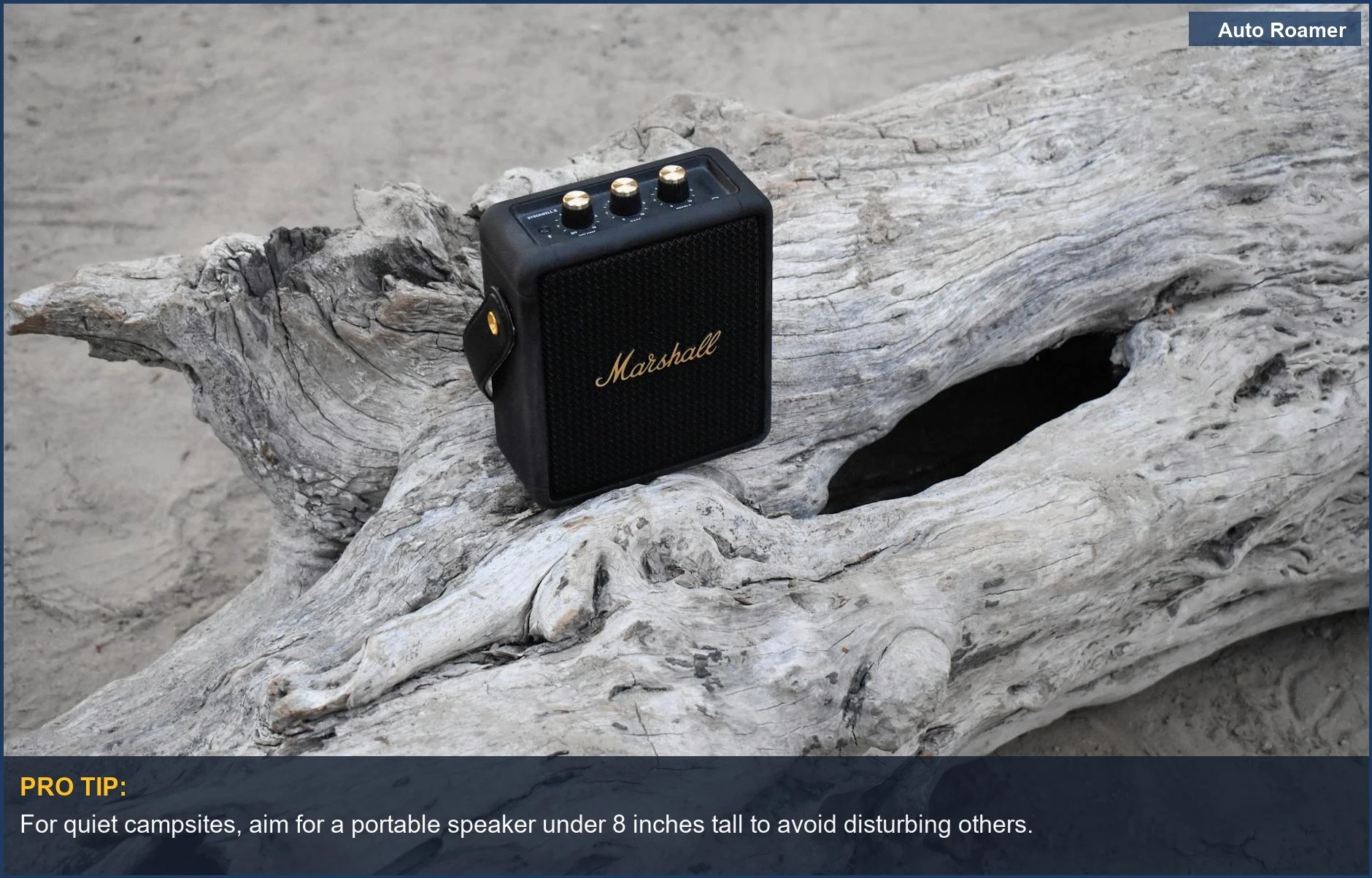
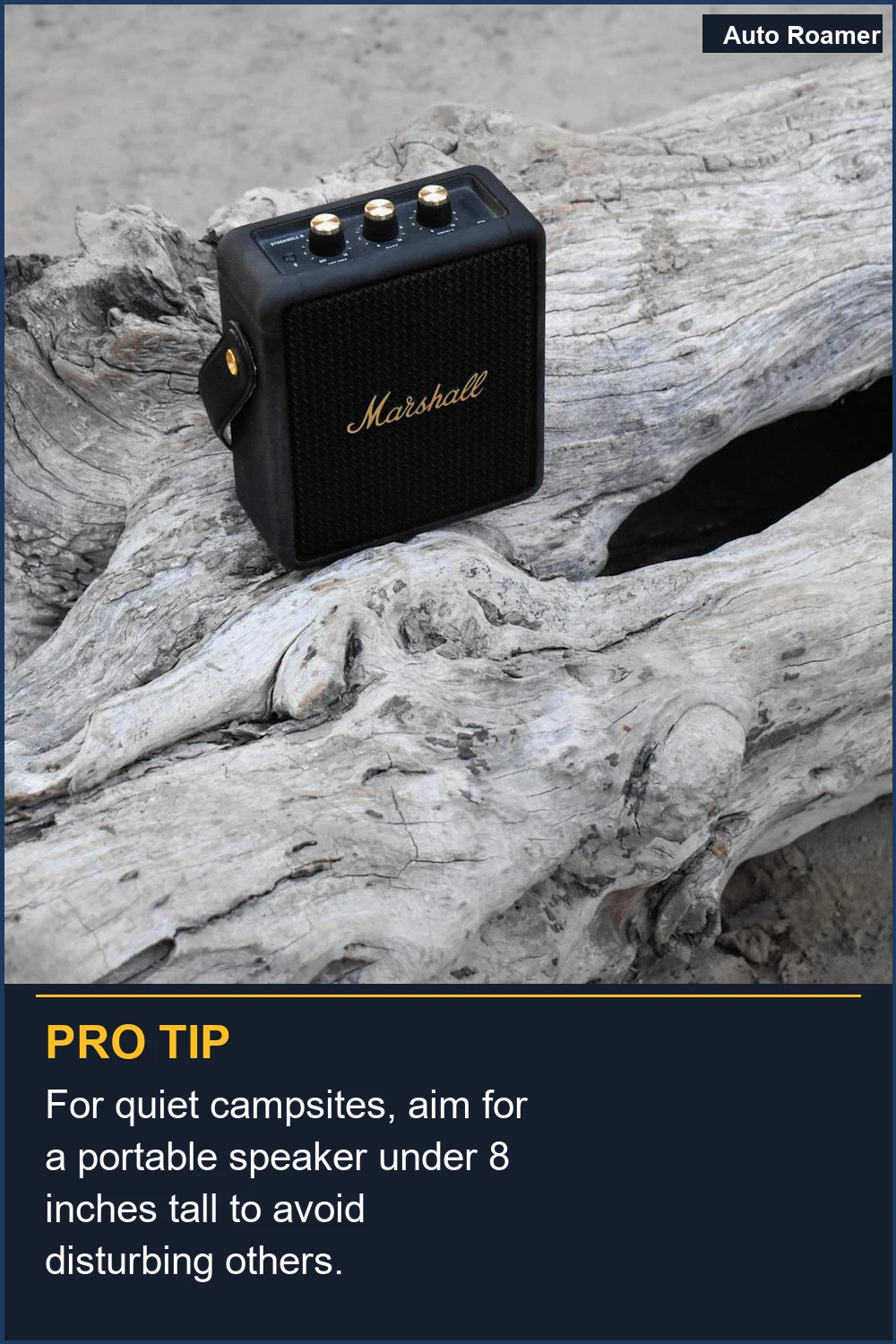
The core answer to choosing the right size Bluetooth speaker for your campsite boils down to the 'sound pressure level' your environment demands. Think of it like this: at a quiet campsite for one or two people, a smaller speaker, maybe around 6 inches tall, is perfectly fine. It won't blast your neighbors out of their tents and it's easy to pack.But if you're rolling with a group of 4-6 people around a campfire, or if your campsite is known for being a bit noisy (think kids running wild or a nearby road), you're going to need something bigger. I'm talking speakers that are closer to 10 inches or more. These usually pack more powerful drivers and can push out more volume without sounding strained. This is where the real difference is made.
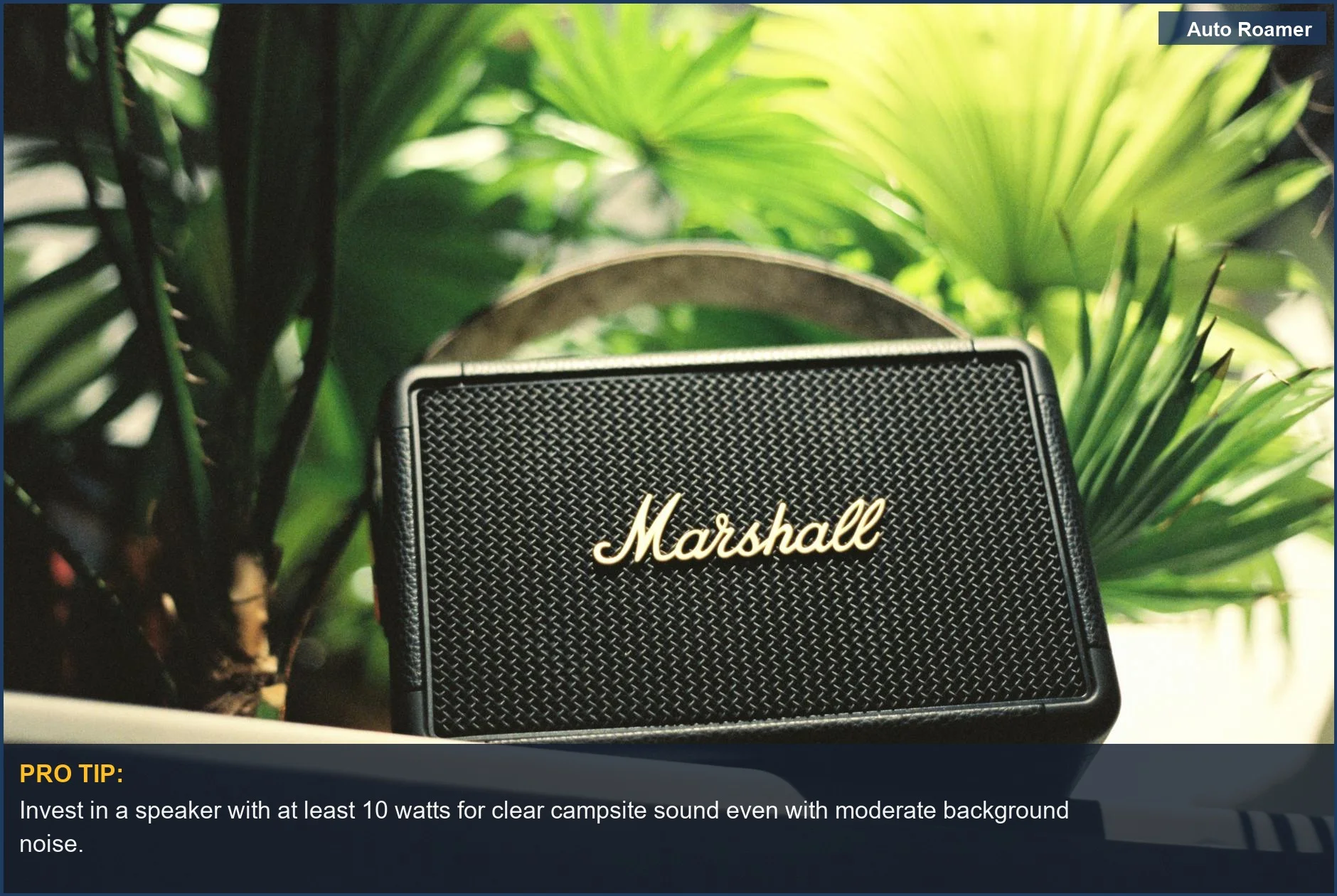
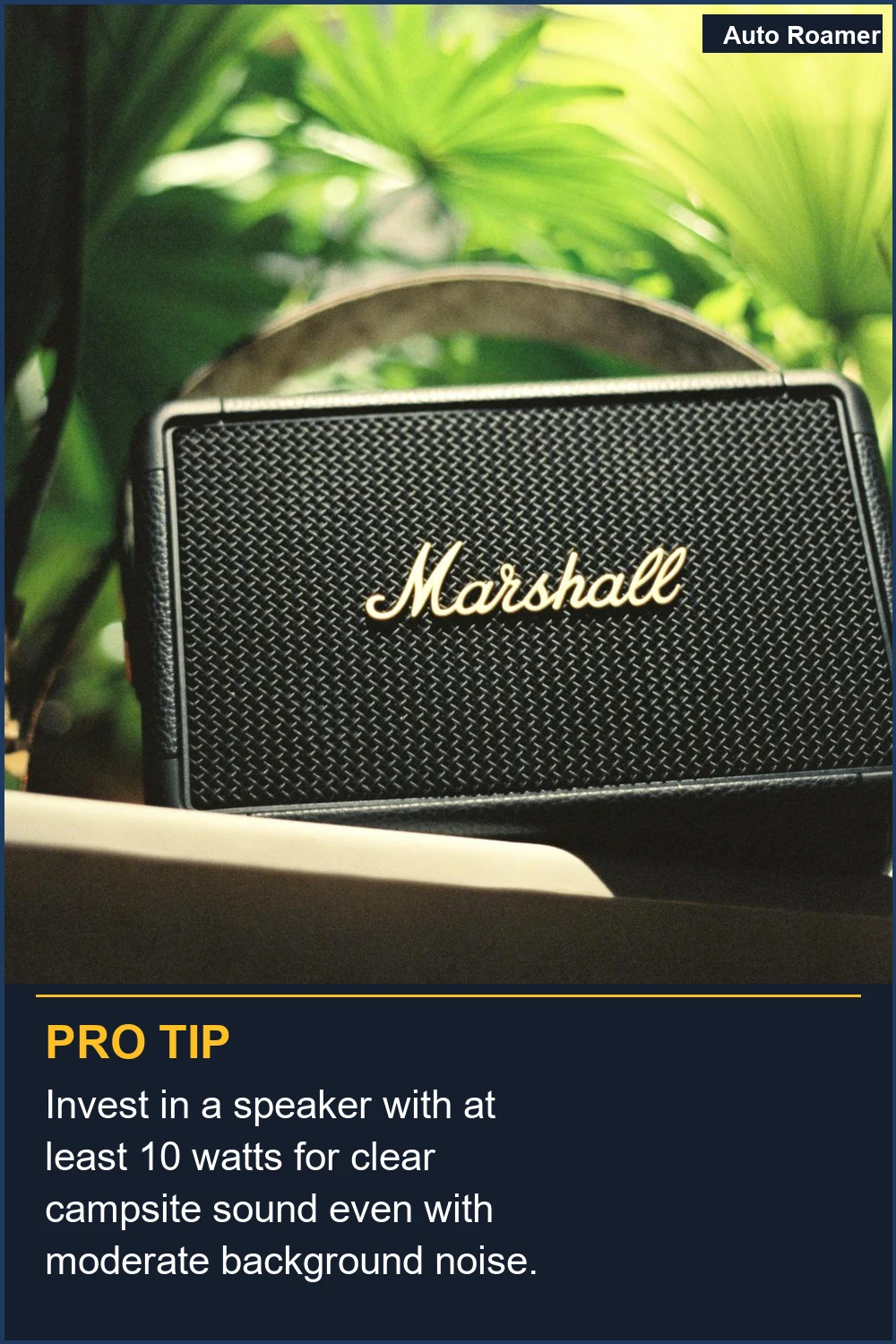
A common rookie mistake is grabbing the smallest, cheapest thing you can find because 'it's just for camping.' That's like bringing a bicycle horn to a motorcycle rally. You need enough wattage to be heard over the rustling leaves and the guy snoring in the next tent. Aim for at least 10 to 20 watts for a small group. For larger areas or more boisterous settings, you might want to look at speakers pushing 30 watts or more.
My first camping speaker was a tiny egg-shaped thing that cost me $25. It was fine for listening to podcasts alone in my tent, but the minute we had friends over and started a fire, it was completely drowned out. Total waste of money. The real move is to consider the intended use. If it's for background ambiance for two, small is fine. If it's for a party vibe for ten, you need to step up.
Think about the drivers, too. More drivers generally mean better sound. A speaker with a couple of full-range drivers and a passive radiator for bass will sound a lot better and fuller than a single small driver. This is why larger speakers often sound more robust. They have more space to pack in better components. Don't just look at the overall size, look at what's inside.
A 5-watt speaker is okay for a solo hike with no wind. A 40-watt speaker can fill a decent-sized campsite with music. The honest version: you're probably going to be happier with something in the 15-30 watt range for most typical car camping scenarios with a few people. It's a good balance between portability and power. You don't need a boombox that shakes the trees, but you also don't want to strain to hear your favorite song.
So, for a small, intimate campsite (1-3 people, quiet area), a speaker around 6-8 inches tall with 5-10 watts is usually sufficient. For a medium campsite (4-6 people, moderate noise) or a larger, open area, aim for 8-10 inches tall with 15-30 watts. If you're going for a big group or a very loud environment, think 10+ inches and 30+ watts. This is the game-time decision.
Why This Matters for Your Setup
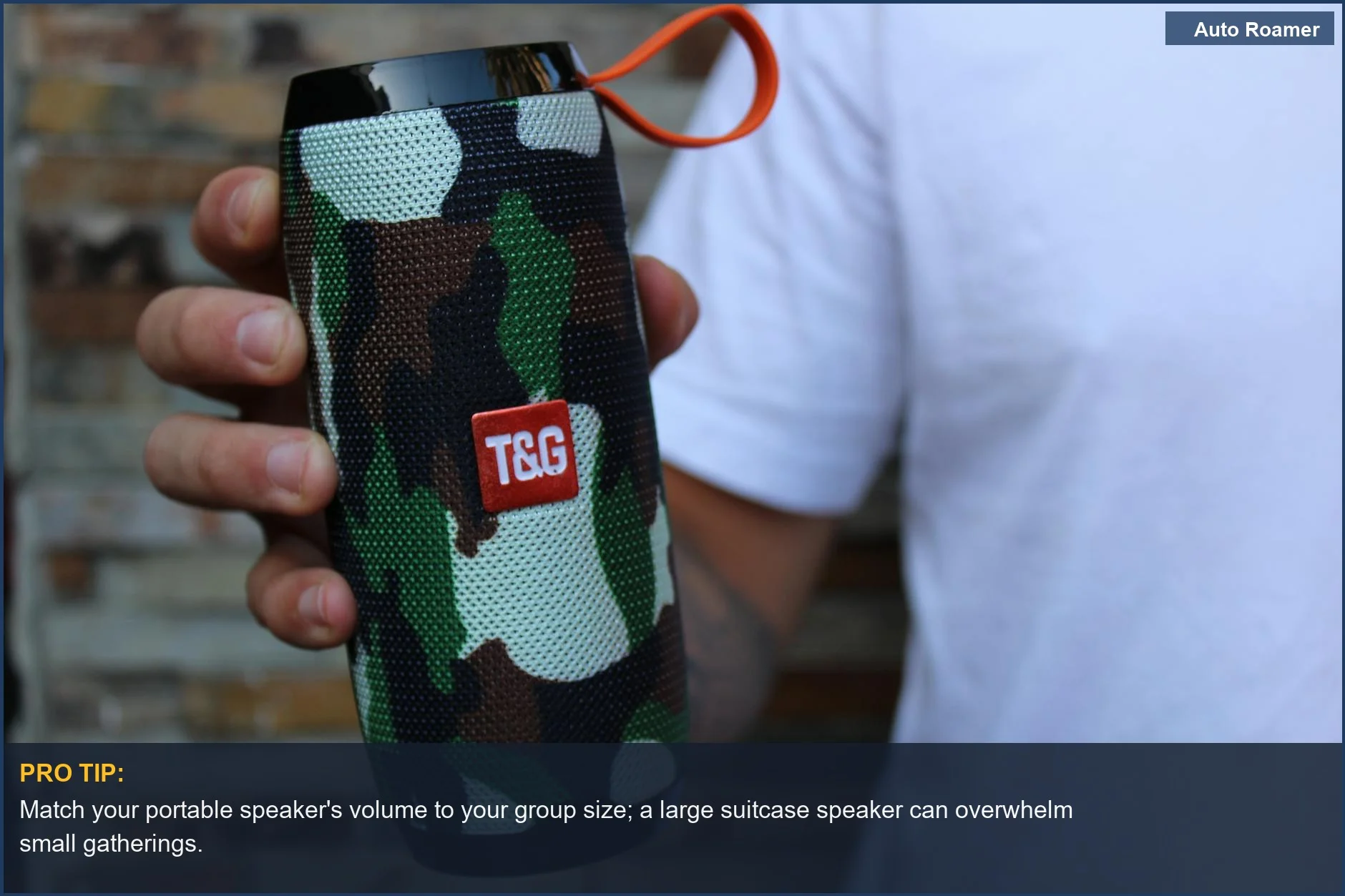
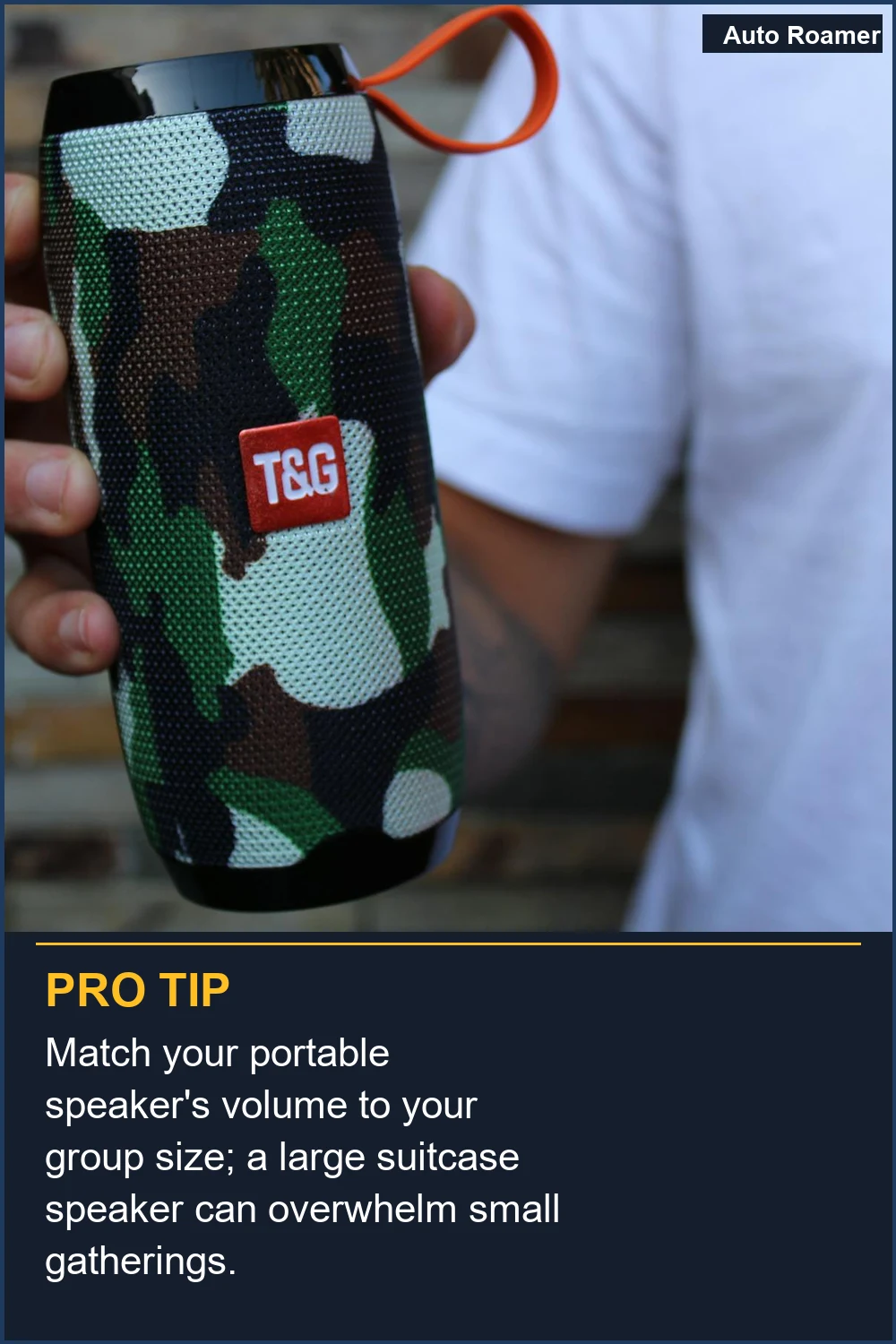
Why does this matter for your setup? Because the wrong size speaker is either a) useless or b) a social pariah. I once camped next to a guy with a speaker the size of a small suitcase that vibrated my entire tent. Not fun. He clearly didn't consider his neighbors.- For solo or two-person trips in quiet spots: A compact speaker, maybe 6 inches tall, that weighs under 2 pounds. This is your 'personal bubble' sound system. Think of it as background music, not the main event. Portability is key here.
- For small groups (3-5 people) or moderately busy campgrounds: You'll want something in the 8-inch range, with about 15-25 watts of power. This is the sweet spot for most car camping trips. It's loud enough to be heard over conversation and ambient noise but not so loud it's obnoxious.
- For larger groups (6+ people) or open spaces: Consider a speaker 10 inches or larger with 30+ watts. This is for when you want the music to be a feature, not just background noise. Just remember to be mindful of your neighbors. Brilliant engineering doesn't excuse being 'that person'. Loudness is a responsibility.
- Waterproof Rating: This isn't about size, but it's critical for camping. Look for at least an IPX6 rating. My first camping speaker got splashed by a rogue wave from a creek and died a sad, silent death. Protect your investment.
Making the Right Choice
Ultimately, choosing the right size speaker is about balancing your needs with common courtesy. The $50 version might seem appealing, but if it can't do the job, it's a waste. My $25 speaker was a perfect example of that.- Assess your typical camping group size and the noise level of your usual spots. This is the biggest factor. Are you usually alone by a quiet lake, or are you at a bustling family campground?
- Consider battery life. A big, powerful speaker is useless if it dies after two hours. Look for at least 10-15 hours of playtime. Don't get caught in silence.
- Don't overbuy. A massive speaker is overkill for a small campsite and will likely annoy people. The goal is good sound, not a personal concert.
- Think about durability. Camping environments are rough. Make sure whatever you choose can handle a few bumps and splashes. This isn't your living room speaker.
Frequently Asked Questions
My friend just showed me this massive speaker for $50, but the one you're hinting at for decent sound is closer to $150. Is it really worth spending that much more for a camping speaker?
Do I really need to worry about the 'wattage' number, or is that just marketing fluff?
What if I buy a decent-sized speaker, but my campsite is right next to a really loud family with their own music blasting?
Can using a speaker that's too small for my campsite permanently damage it trying to push out more sound?
I heard that bigger speakers always have worse battery life. Is that true?
🏅 Looking for Gear Recommendations?
Check out our tested gear guides for products that work with this setup:
Sources
- How to Pick the Ideal Wireless Speaker for Camping, Hiking and ...
- 5 tips for choosing the perfect portable speaker - RadioShack
- Best Bluetooth Speaker for Camping (2026 Guide) – W-KING
- How to Choose the Best Outdoor Bluetooth Speaker - YouTube
- Best Bluetooth Speakers for Camping - Audio Gear Pro
- How To Pick a Portable Speaker for Camping - ECOXGEAR AU