
How to Choose the Right Size Car Emergency Kit for Your Needs
Choosing the right size car emergency kit isn't about buying the biggest box you can find; it's about matching your preparedness to your actual driving habits and the places you go. A kit for a weekend grocery run looks way different than one for a cross-country trek through the desert.
Choosing the right size car emergency kit isn't about buying the biggest box you can find; it's about matching your preparedness to your actual driving habits and the places you go. A kit for a weekend grocery run looks way different than one for a cross-country trek through the desert. The real move is to think about what could realistically go wrong and what you'd actually need to fix it or survive it.
I learned this the hard way after a blizzard stranded me for 12 hours in my Corolla with nothing but a half-eaten bag of chips and a prayer. My first kit was a joke, honestly. I just threw some random stuff in a duffel bag. This is about building a kit that actually works for you, not just checking a box. Car and Driver points out that preparedness is key, and I wholeheartedly agree.
It's about being ready for the unexpected, from a flat tire to something way worse. It's not just about having stuff; it's about having the right stuff, sized for your life.
The Core Answer
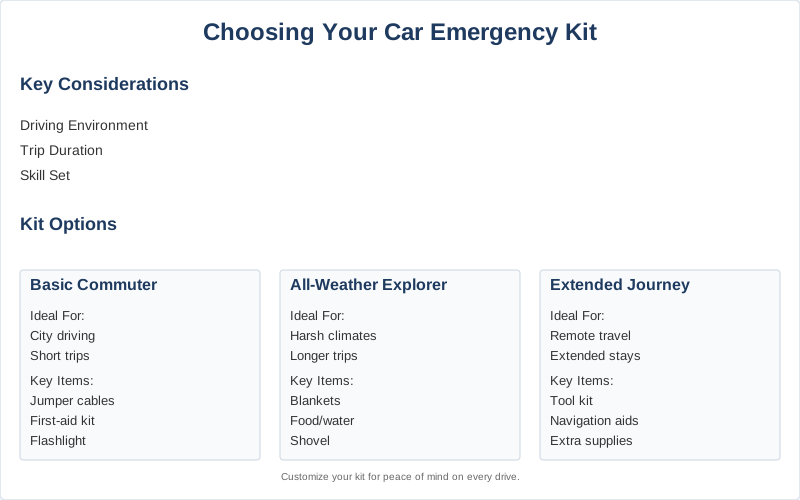
The core answer to sizing your car emergency kit is to consider three main things: your typical driving environment, the duration of your typical trips, and your personal skill set. For city dwellers who mostly stick to paved roads and rarely venture more than 30 miles from home, a smaller, more basic kit is probably sufficient. Think jumper cables, a basic first-aid kit, a flashlight, and maybe a blanket. My first 'kit' for daily driving was basically just a spare phone charger and a crumpled packet of tissues. That was a rookie mistake, especially when I got stuck in a sudden downpour and my wipers died. American Red Cross emphasizes safety and cold-weather supplies, which is spot on. If you live in an area with harsh winters, your kit needs to be beefier. Think hand warmers, extra layers, and even something for traction like sand or cat litter. I once got stuck on a snowy mountain pass with only a flimsy blanket. It was less 'survival' and more 'slowly turning into an ice sculpture.' emergencykits.com talks about personal concerns like hydration and food, which is critical for longer trips. For road trips, especially those that take you into more remote areas or through climates with unpredictable weather, you need to up your game significantly. This means more comprehensive first-aid supplies, water purification tablets or a filter, more substantial food rations (think energy bars that don't freeze solid), and tools for minor repairs. I learned this lesson the hard way on a camping trip in the middle of nowhere when my radiator hose decided to give up the ghost. I had snacks, but no way to fix the car. The honest version is, if you're going to be more than an hour from a town, your kit needs to cover at least 24-48 hours of self-sufficiency. This could include a small shovel, a tow strap, and a more robust tool kit. Consider your own skills, too. If you know how to change a tire, having a good jack and lug wrench is essential. If you don't, a tire repair kit might be more useful, but still, knowing how to use it is game-time. Don't pack things you have no clue how to operate. That's just dead weight. Ultimately, the size of your kit should reflect the potential risks you're willing to accept versus the inconvenience of carrying a few extra items. My trunk used to be a disaster zone of half-used camping gear and random tools. Now, it's a well-organized arsenal for most minor roadside emergencies. Ready.gov suggests items like jumper cables, flares, and a map, all of which are non-negotiable for any serious kit. It's not about having a kit that's big enough to float your car, but one that's big enough to get you back on the road or safely waiting for help.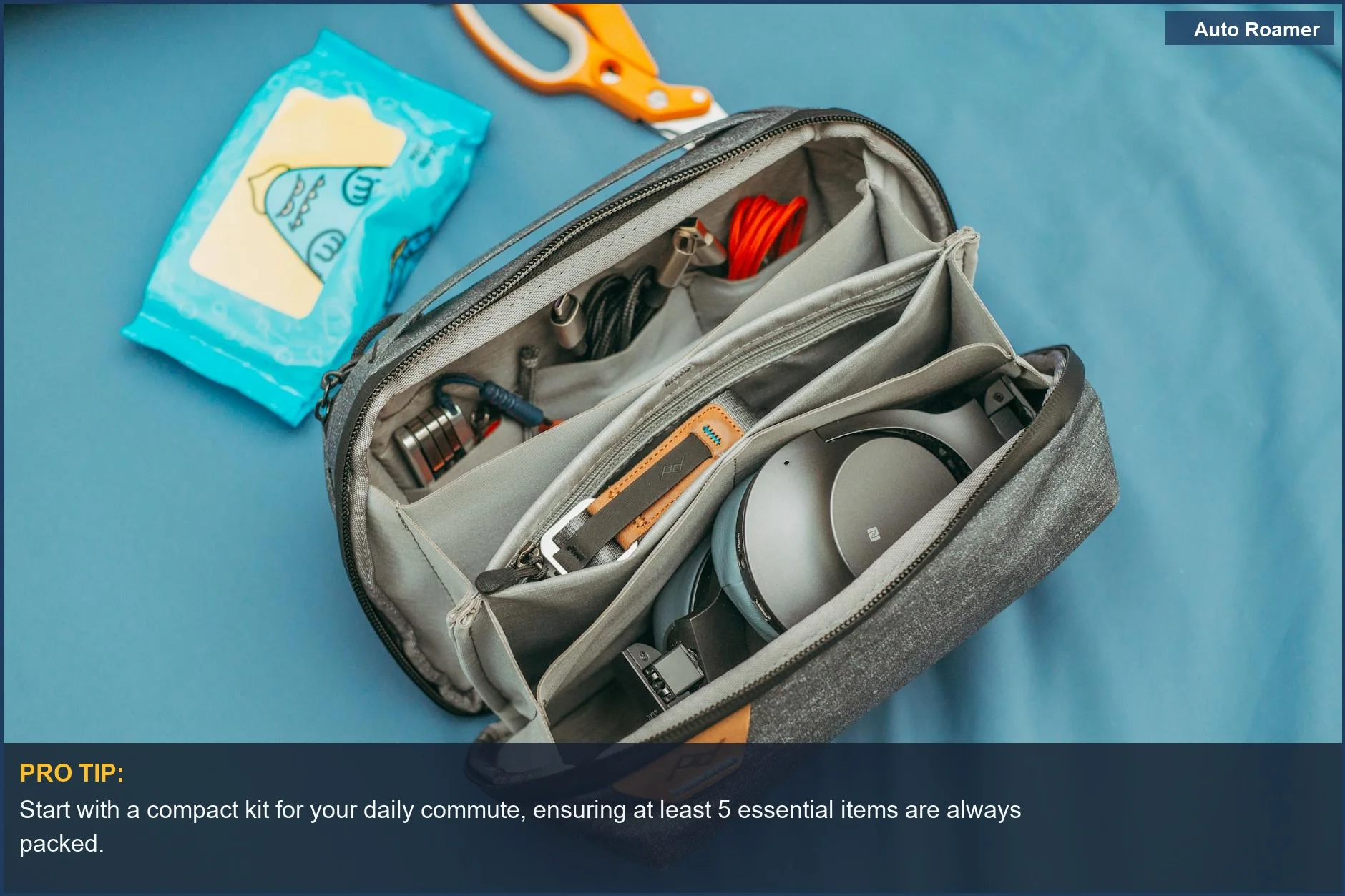
The Bottom Line
The bottom line is that a car emergency kit isn't a one-size-fits-all deal. Think of it like packing for a trip: you wouldn't bring a swimsuit to Antarctica. Your kit needs to be tailored to your specific environment and how you use your vehicle. A small kit for the city commute might just be a few essential tools and a first-aid kit. Ready.gov stresses the importance of having essentials like jumper cables and a blanket. For longer trips or areas with more extreme weather, you'll need to pack more. This means water, food, extra clothing, and potentially tools for more significant repairs. I learned this the hard way when my car died on a lonely highway in freezing temperatures with nothing but a thin jacket. My second kit for longer road trips included a proper sleeping bag and more substantial food. Cal OES News mentions hygiene items, which are often overlooked but crucial for comfort during longer waits. Don't overpack, but definitely don't underpack. The goal is peace of mind, not a mobile storage unit. You want to be prepared, not burdened.
Frequently Asked Questions
I saw a pre-made emergency kit for $200 online. Is it cheaper to just buy all the stuff myself?
Do I really need one of those fancy tire inflator machines, or can I just use my bike pump?
What if I pack a whole bunch of stuff, but then I never use it? Does that mean I wasted my money?
Can keeping a bunch of chemicals like brake fluid or oil in my car for a long time cause damage?
I heard you should always keep a full tank of gas. Is that really necessary, or is it just an old wives' tale?
🏅 Looking for Gear Recommendations?
Check out our tested gear guides for products that work with this setup: