
Safety Considerations When Selecting Travel Gear for Young Children
Navigating travel with young kids can feel like a full-contact sport, and the gear you choose can either be your MVP or your biggest liability. From car seats that feel like wrestling a bear into submission to strollers that refuse to fold when you're in a hurry, the wrong equipment can turn a dream vacation into a logistical nightmare.
Navigating travel with young kids can feel like a full-contact sport, and the gear you choose can either be your MVP or your biggest liability. From car seats that feel like wrestling a bear into submission to strollers that refuse to fold when you're in a hurry, the wrong equipment can turn a dream vacation into a logistical nightmare.
It's not just about having the stuff; it's about having the right stuff that actually works in the real world, not just in a glossy magazine photo. Parent-tested gear is key. My own rookie mistakes have taught me that what looks good on paper often fails spectacularly under pressure, especially when you're juggling meltdowns and luggage. Choosing wisely saves everyone a lot of grief.
The Core Answer
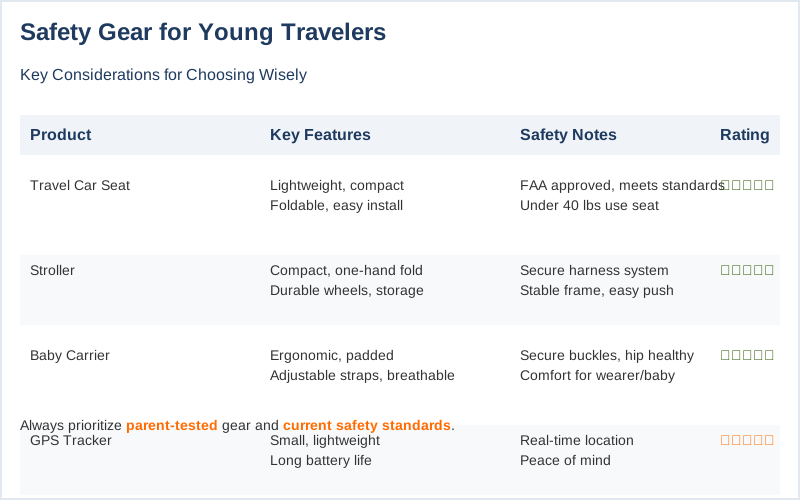
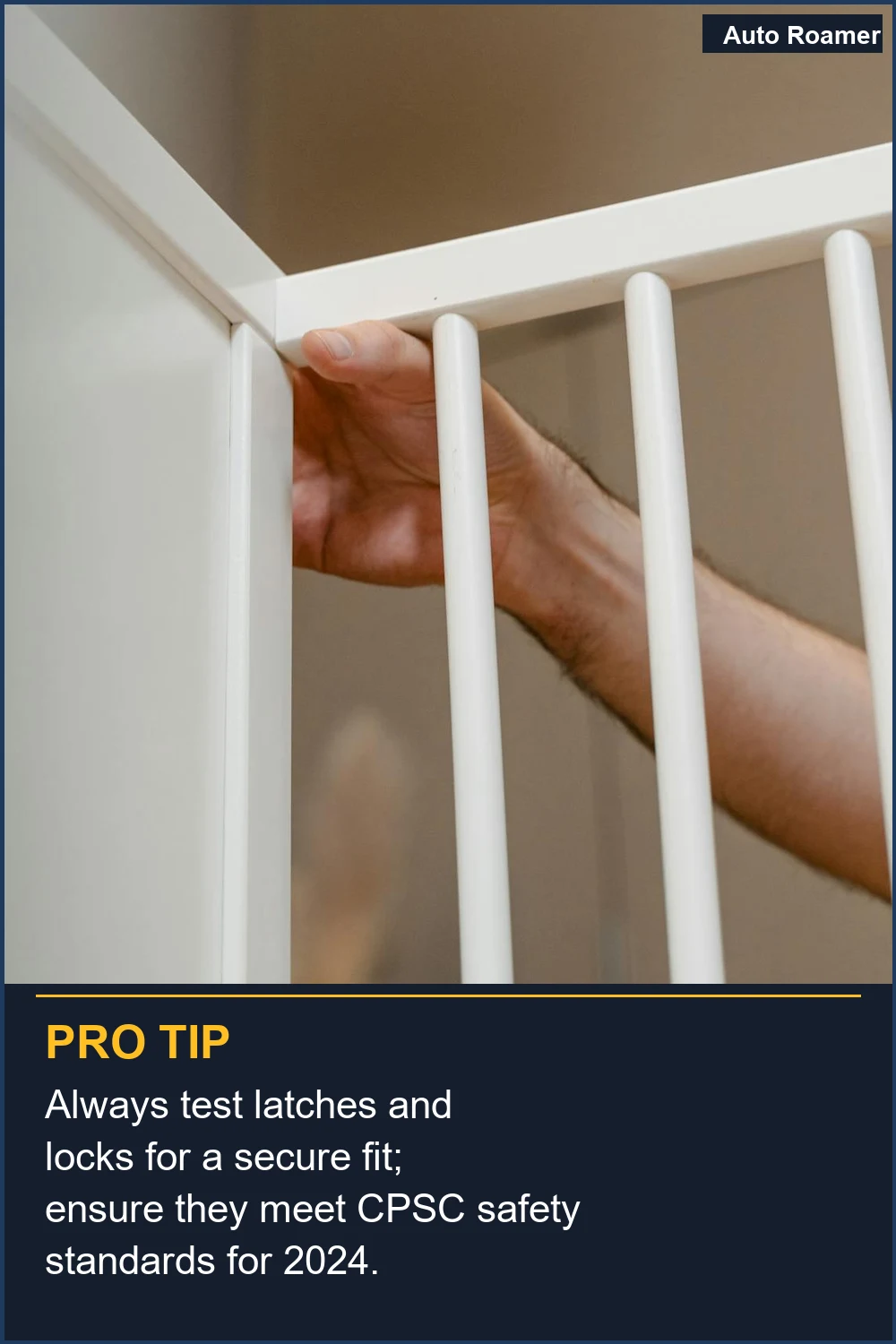
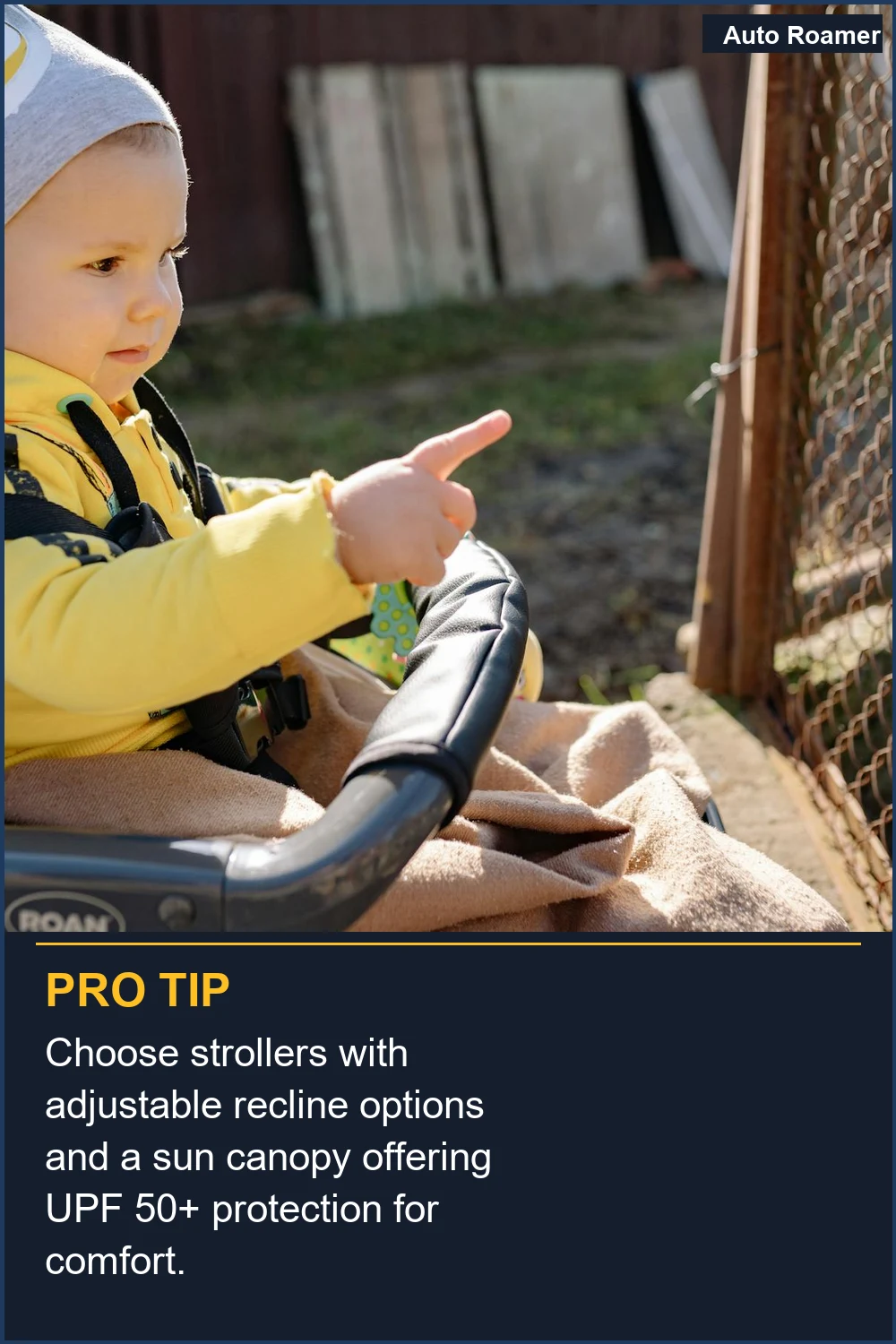
When you're looking at travel gear for little ones, the absolute first thing you need to consider is safety. It sounds obvious, but what nobody tells beginners is how many products *look* safe but have hidden gotchas. Think about car seats, for instance. You can't just grab any old thing. You need one that's specifically designed for travel and meets current safety standards. I once saw a parent trying to strap their kid into a seat that looked like it was from the 90s at a rental car counter. Brilliant engineering, that. FAA approval is a big deal for airline travel, and it's not just a suggestion. If your kid weighs over 40 lbs, they can use the aircraft seatbelt, but before that, a proper seat is non-negotiable. GPS trackers are another sanity-saver. Not for everyday use, but for those moments you're in a sprawling airport or a busy city and your mind races. My buddy swore by one after his toddler made a break for it near the baggage claim. It's the $50 version of peace of mind. Then there are things like travel cribs and toddler beds. The real move here is to check weight restrictions and how securely they actually set up. I remember reading reviews for one travel crib that mentioned it could tip if a kid pulled on the side. Nope. Hard pass. Portability and ease of setup are crucial. You don't want to spend 30 minutes wrestling with poles in a dimly lit hotel room at 10 PM. Look for designs that pack down small, ideally into a backpack-style bag. And always, always check for any obscure warnings about assembly or use. Rookie mistake is assuming all baby gear is created equal.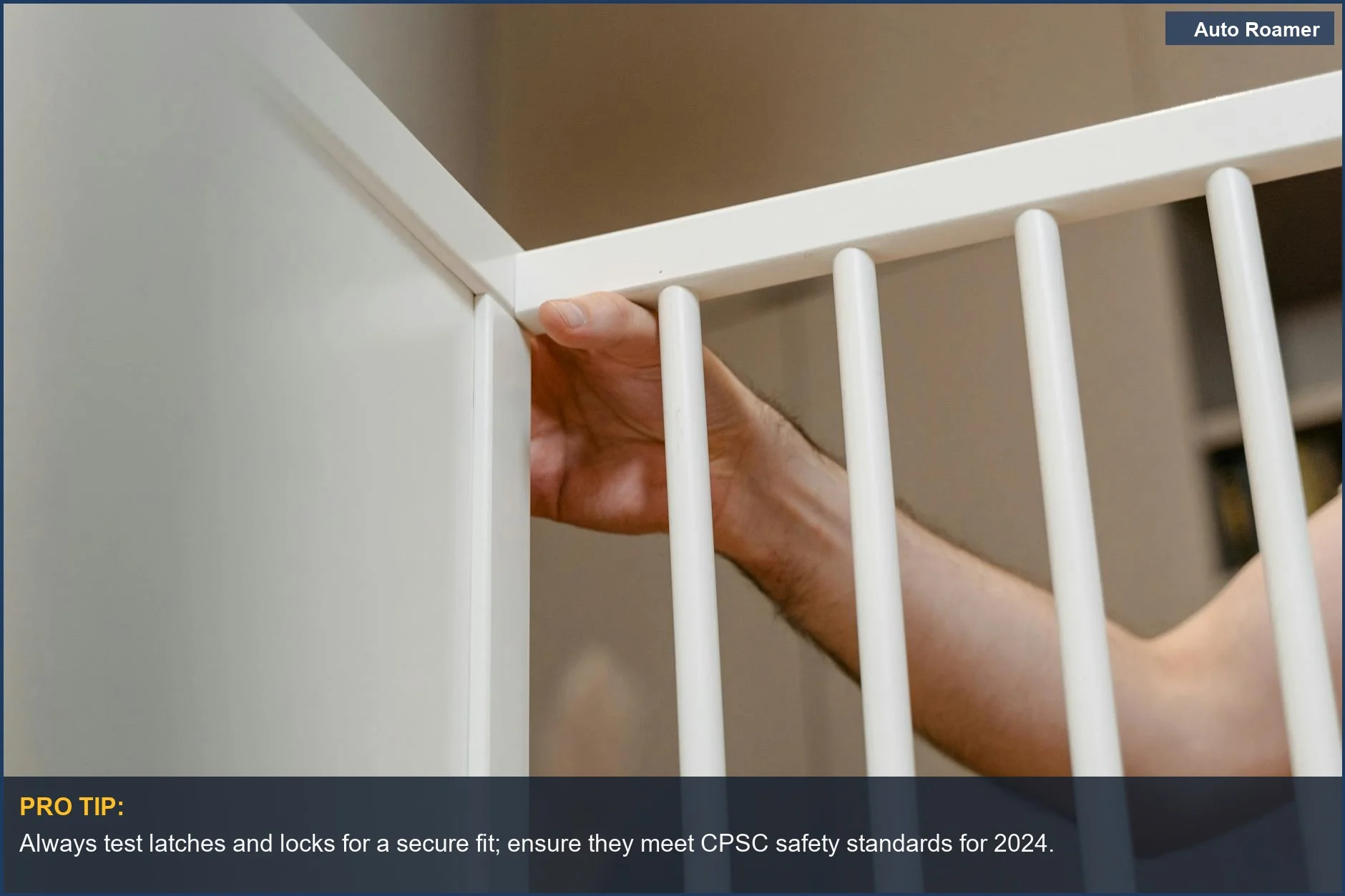
Why This Matters for Your Setup
Why does all this gear selection matter? Because the wrong stuff can cause major headaches, or worse. Imagine trying to get through airport security with a bulky car seat that doesn't fit the designated stroller frame. The TSA has rules about what you can and can't bring, and while they're usually accommodating for families, making it harder on yourself is just... unnecessary. I've seen parents struggling, and it's never a good look. It's about more than just convenience; it's about ensuring your child is secure and comfortable, whether you're on a plane, in a car, or at a hotel. Packing smart means less stress for everyone involved. This includes things like having accessible snacks and entertainment, but it starts with the foundational safety items. If your child's car seat isn't properly installed or their travel bed is unstable, the entertainment won't matter much when things get dicey. It's the difference between a smooth journey and a chaotic one.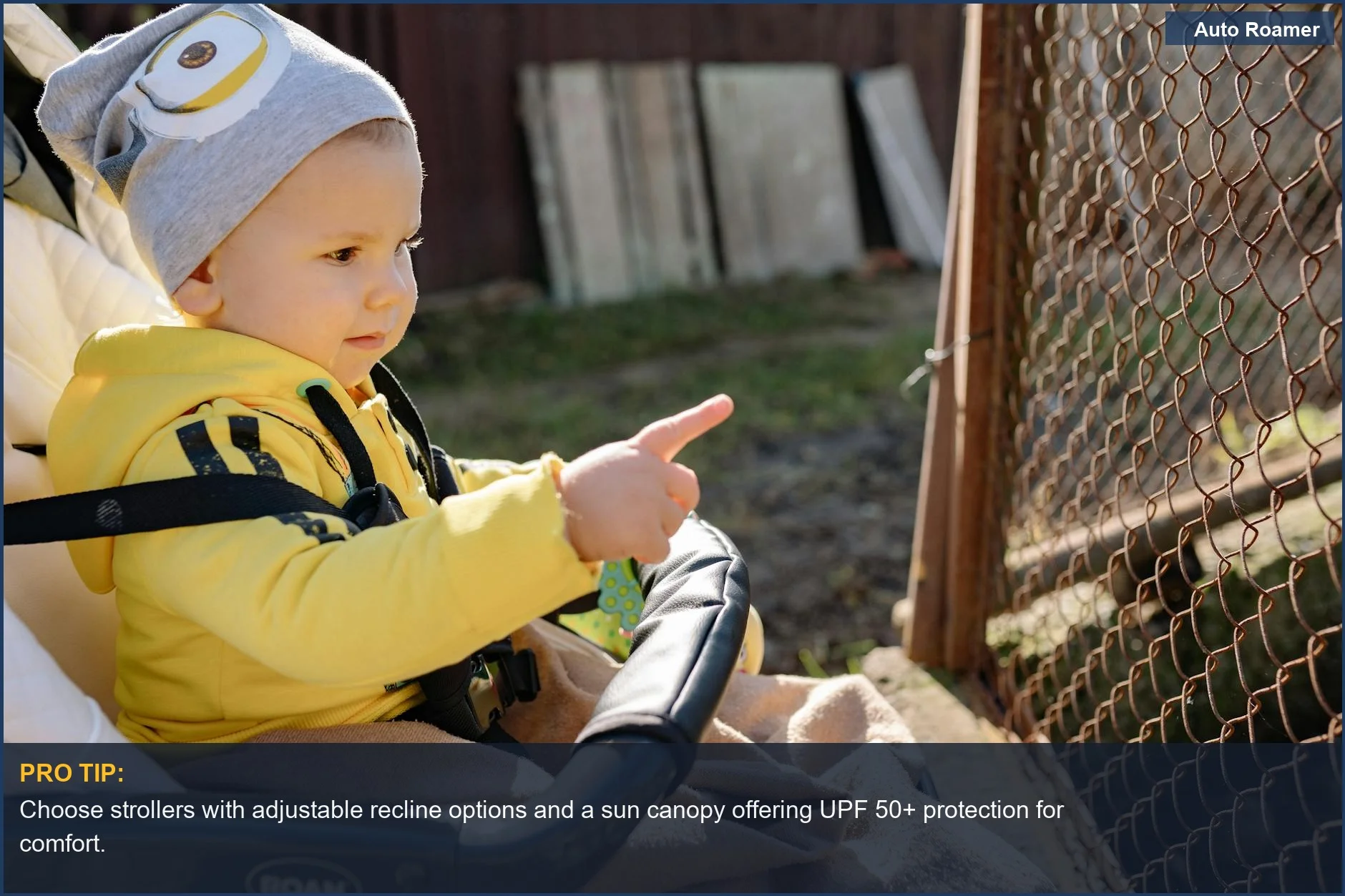
Making the Right Choice
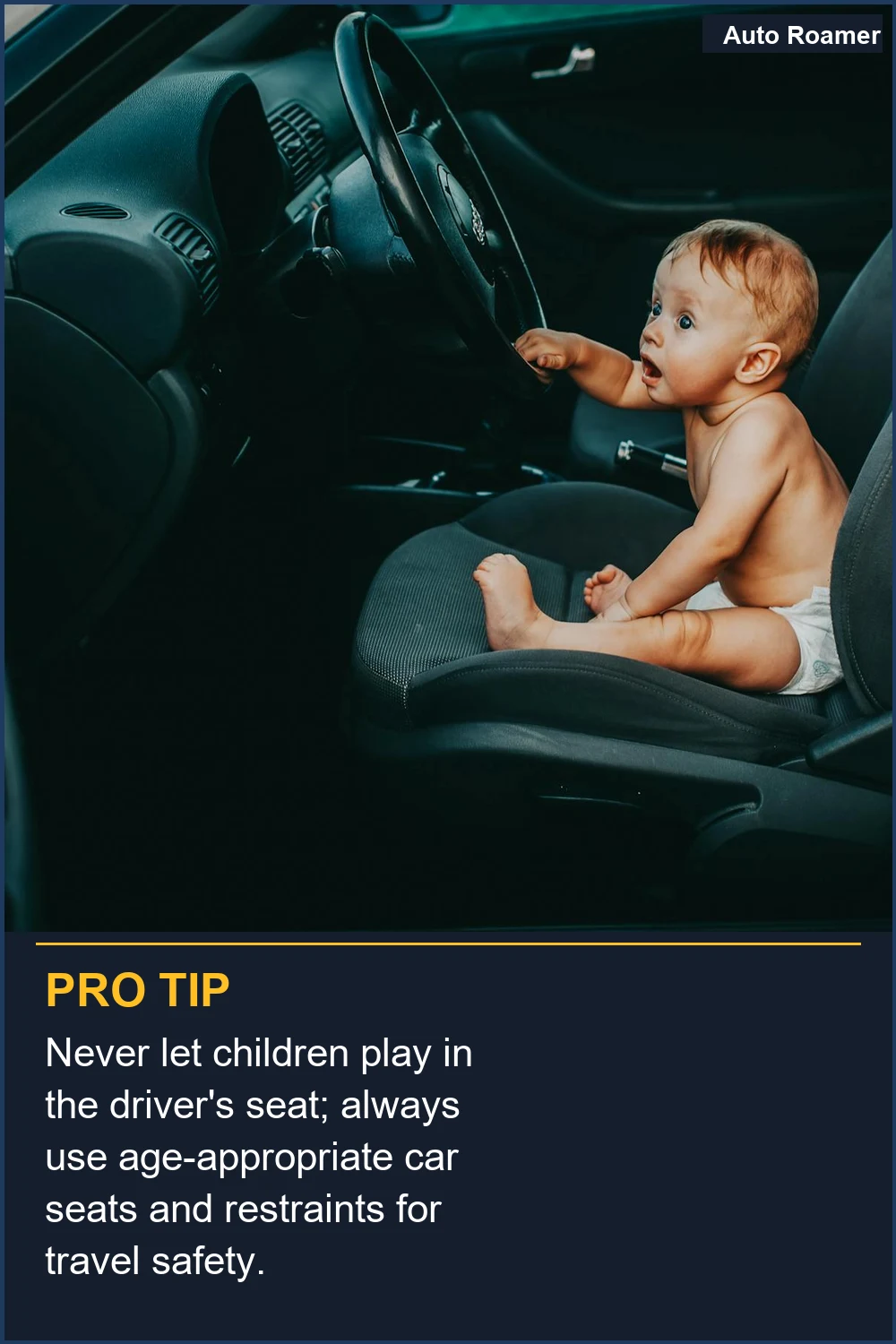
Choosing travel gear for kids isn't just about ticking boxes; it's about making informed decisions that prioritize safety and functionality. My own early trips were a masterclass in learning what *not* to buy. Prioritizing safety features is non-negotiable. Always check for certifications and read reviews specifically mentioning safety. Think about potential hazards in new environments. A childproofing kit might seem excessive until you're in a hotel room with a toddler who has discovered the electrical outlets. A well-stocked first-aid kit is also essential, covering everything from minor scrapes to allergic reactions. It's the $20 version of 'better safe than sorry.' The honest version is that you'll figure out what works best for your family through trial and error, but starting with safety as your absolute top priority will save you a lot of headaches down the road.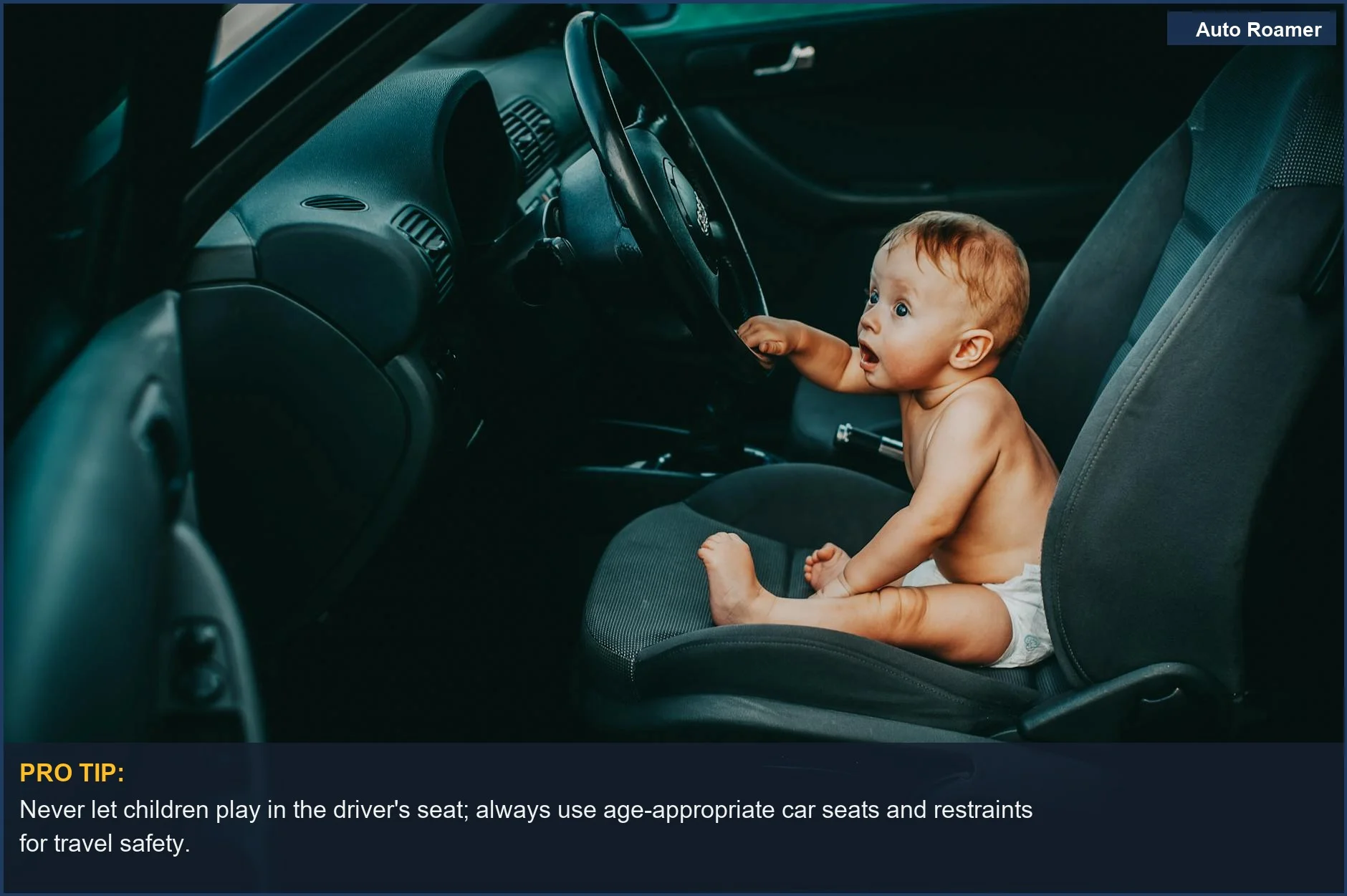
Frequently Asked Questions
Okay, so if I need a travel car seat, is it cheaper to buy one or just rent one from the car rental place?
Do I really need one of those fancy GPS trackers for my kid, or is just keeping a close eye on them enough?
What if I buy a travel crib, and my kid ends up hating it and won't sleep in it?
Could using a cheap, non-certified car seat even for a short trip permanently damage my child's safety or development?
I heard you can just use a regular stroller and strap a travel crib onto it. Is that safe?
🏅 Looking for Gear Recommendations?
Check out our tested gear guides for products that work with this setup:
Sources
- What To Look For When Choosing Luggage for Your Children
- Have Kids, Will Travel | Des Moines University Clinic
- Kid-Safe Travel Gear Must-Haves for Hassle-Free Family Adventures
- What to Pack for Flying With Kids - Travel + Leisure
- Tips for Safe & Stress-Free Family Travel - HealthyChildren.org
- Traveling With Little Kids Can Be Tough. The Right Gear Can Help.
- Essential Safety Gear for Traveling With Kids - Erika.com
- Traveling with Children | Transportation Security Administration