
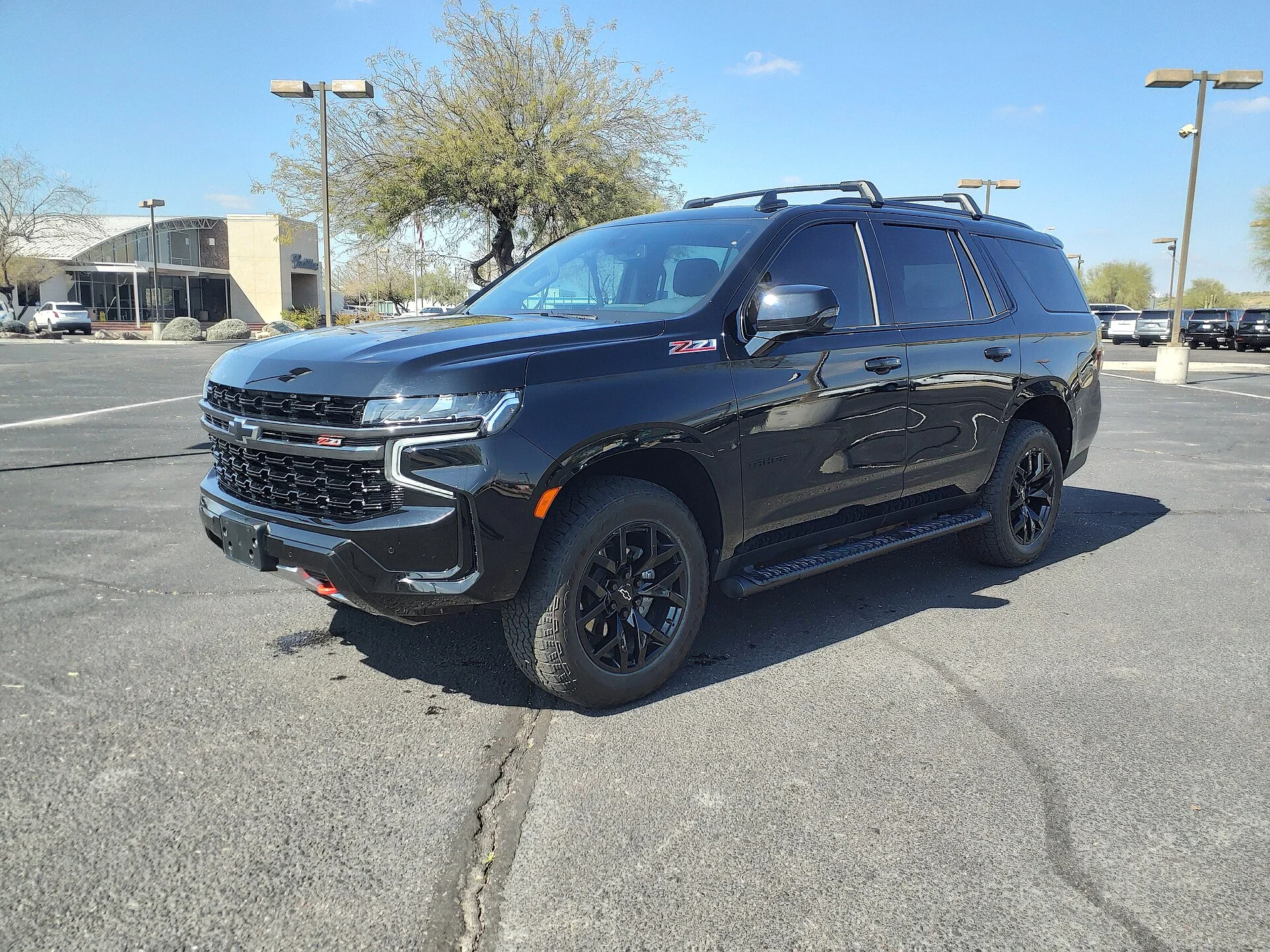
The 8,400-lb Headline Belongs to One Exact Build
Measure before you mount, and read the spec before you buy: the Tahoe's famous 8,400-lb tow figure is real, but it only appears on one specific configuration. You get there with the 5.3L V8, two-wheel drive, the factory trailer hitch, and the Max Trailering Package. Change any one of those and your number moves.
That matters because most shoppers hear 8,400 and picture it applying to whatever Tahoe is on the lot. It does not. The tow rating on a full-size SUV is the output of an engine-and-drivetrain matrix, and the trim you fall in love with may sit a few hundred pounds lower than the headline. Knowing where your build lands is the difference between a travel trailer that fits and one that quietly overloads you.
Here is the installer's way of thinking about it: the rating is a system, not a single part. The engine sets the base, the drivetrain shaves or holds it, and the trailering package supplies the cooling and hardware that let the truck actually sustain the load. Skip a piece of that system and you have a number on paper the truck cannot comfortably deliver on a long grade.
Everything below traces to the published GM capability figures and the trailering-package content, compared impersonally. I have not weighed a specific trailer behind a specific Tahoe; I am reading the capability sheet the way I read an install spec, then flagging the step people skip. Get the configuration right first, and the rest of the setup falls into place.
The Engine and Drivetrain Matrix That Sets Your Number
Start with the engines, because they anchor everything. The Tahoe offers three: the 5.3L V8 (L84) making 355 hp and 383 lb-ft, the larger 6.2L V8 (L87) making 420 hp and 460 lb-ft, and the 3.0L inline-six Duramax turbodiesel (LM2) making 277 hp and 460 lb-ft.
Now watch what the drivetrain does to the rating. The 5.3L in two-wheel drive tows 7,900 lb as-equipped and climbs to the full 8,400 lb with the Max Trailering Package. Add four-wheel drive and the NHT package, and the 5.3L tows up to 8,200 lb — the extra hardware of 4WD trims a little capacity even as it adds traction.
The diesel tells a similar story with its own twist. The 3.0L Duramax tows up to 8,200 lb in 2WD and 8,000 lb in 4WD. What the diesel really sells is that 460 lb-ft of low-end torque, which makes a heavy trailer feel far more controlled on a grade even though its peak tow number sits just under the 5.3L headline.
The counterintuitive takeaway an installer sees all the time: the biggest engine is not automatically the biggest tow number. The 6.2L brings the most horsepower, but the headline 8,400-lb rating is a 5.3L-plus-Max-Trailering achievement. Pick the engine for how you want the truck to feel under load, then confirm the exact tow figure for that engine and drivetrain combination before you sign anything.
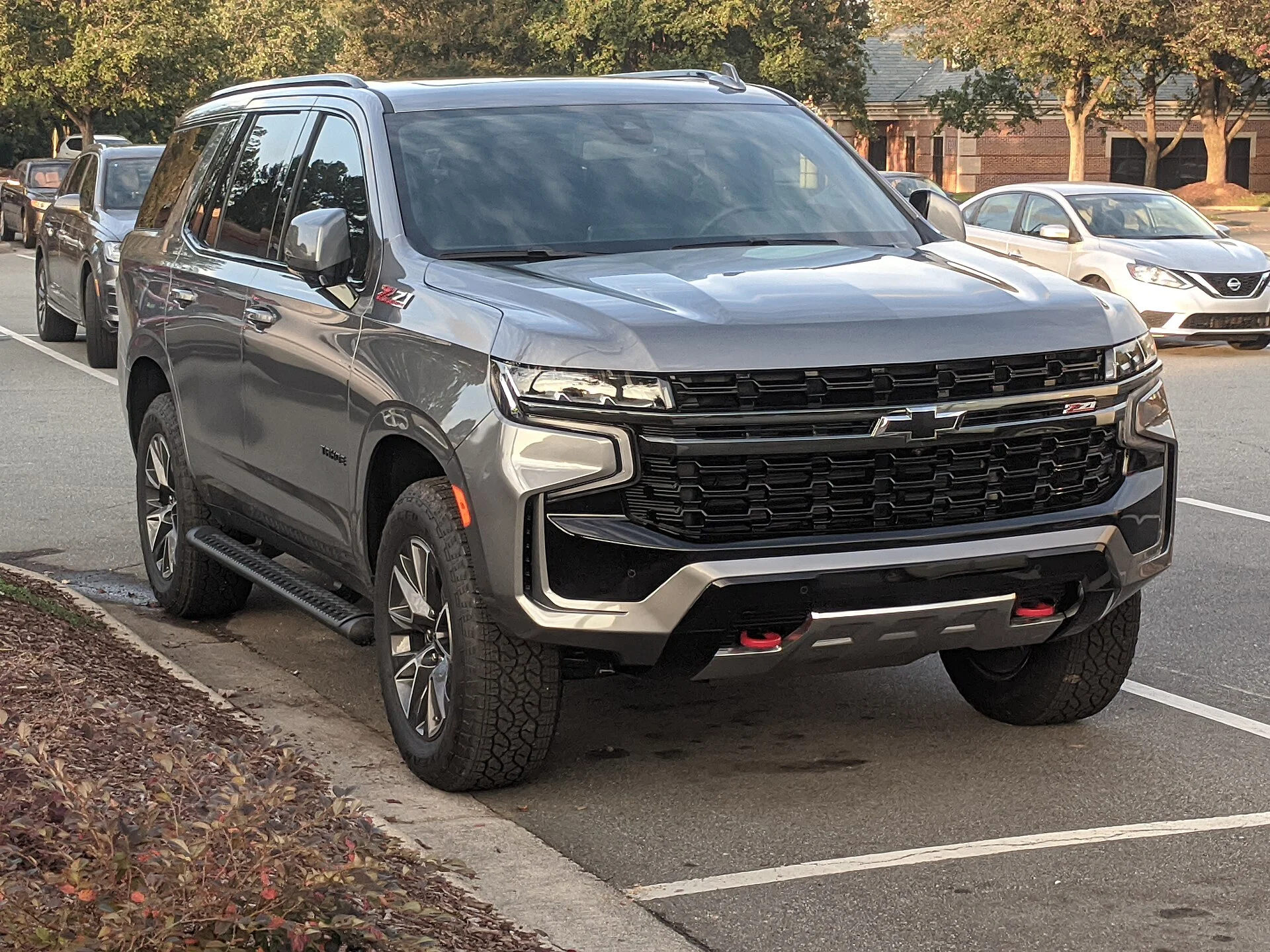
Why the Max Trailering Package Is the Real Unlock
Here's the step everyone skips: they chase the engine and ignore the package that actually earns the rating. The Max Trailering Package, ordered as RPO code NHT, is what takes the 5.3L from 7,900 lb to 8,400 lb. Without it, the higher number simply is not on the table for that truck.
What is in the package tells you why. NHT bundles the Advanced Trailering content and, critically, an enhanced cooling radiator. On some 4WD trims it also adds a two-speed transfer case. That cooling upgrade is not a luxury; towing near the ceiling on a long summer climb dumps enormous heat into the transmission and engine, and the standard radiator is sized for a lighter duty cycle.
An installer cares about this because heat is what quietly kills a maxed-out tow rig. A truck that tows 8,400 lb on the spec sheet but runs the base cooling system will make the number on flat ground and then heat-soak on the grade where you actually need the margin. The package is how GM certifies the truck to sustain, not just achieve, the load.
So when you are configuring a Tahoe for real camper duty, treat NHT as mandatory, not optional. It is the difference between a rating you can lean on and a rating you can only touch. If you are buying used, verify the package is actually present rather than assuming it from the tow number a listing quotes — the RPO code on the build sheet is the honest answer.
Tongue Weight and When a Weight-Distributing Hitch Earns Its Keep
The tow rating is only half the picture; the other half is how the load sits on the truck. Good practice keeps tongue weight — the downward force at the coupler — at about 10 percent to 15 percent of the total trailer weight. Too little and the trailer sways; too much and the Tahoe's nose goes light and the rear squats.
On a full-size SUV pulling near its ceiling, that percentage translates into a lot of pounds pressing straight down on the hitch. This is exactly where a weight-distributing hitch stops being an accessory and becomes part of the install. A weight-distributing setup uses spring bars to shift some of that tongue load forward onto the front axle and back onto the trailer axles, restoring level ride height and steering feel.
The fitment detail buyers miss: a weight-distributing hitch has to be adjusted to the specific trailer and load, not just bolted on. The spring-bar tension, the head angle, and the ball height all get set so the truck sits level with the trailer coupled. A hitch installed and left at its default rarely distributes weight correctly, and a poorly set one can make handling worse than no distribution at all.
My rule from the install bay: as trailer weight climbs toward the heavy end of the Tahoe's range, plan on a properly set weight-distributing hitch and, on the heavier trailers, sway control. It is the single upgrade that most changes how a loaded travel trailer behaves behind a full-size SUV, and it is worth doing carefully rather than fast. A quality weight-distributing hitch with integrated sway control is the part I recommend budgeting for up front rather than adding after a scary first tow, because the difference in stability on a crosswind day is not subtle.
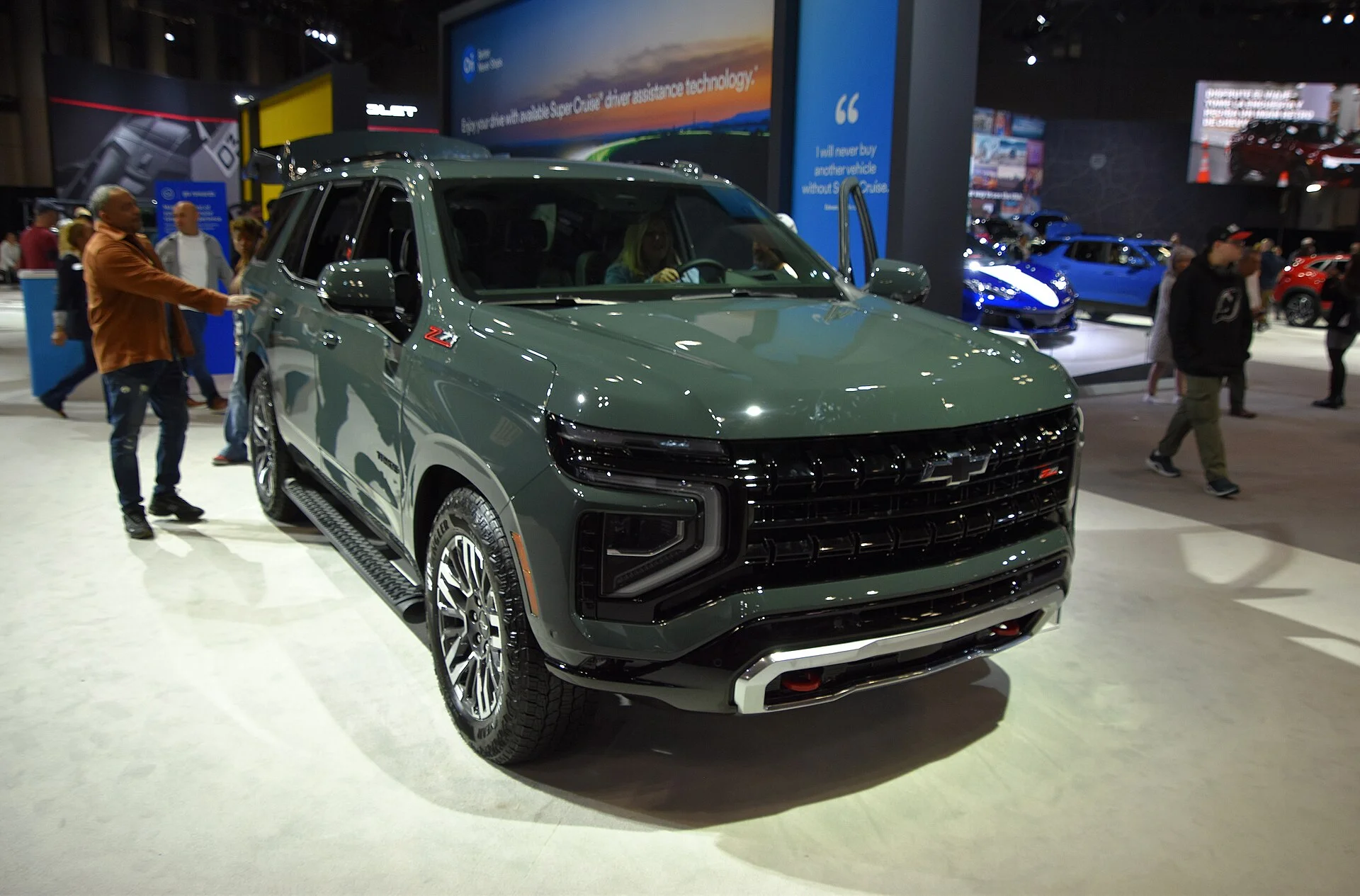
Wiring, Brake Control, and the Connections That Fail Late
Towing a real camper means towing a trailer with its own brakes, and that is a wiring job as much as a hitch job. The Tahoe is built for it — the trailering content includes the provisions for trailer braking — but the connections still have to be made correctly or they fail three weeks and one rainstorm later.
A trailer brake controller modulates the trailer's electric brakes in proportion to the Tahoe's own braking. On a heavy travel trailer this is not optional; letting an 8,000-pound-class trailer push a two-and-a-half-ton SUV down a long descent is how you cook the truck's brakes and lose stopping power exactly when you cannot afford to. The controller lets the trailer help slow itself.
The connector is the quiet failure point. A seven-pin trailer plug carries brakes, lights, and charge lines, and a corroded or loosely seated pin will drop a function intermittently — the kind of fault that passes in the driveway and fails on the highway. The installer's habit is to clean the contacts, apply dielectric grease, and strain-relieve the harness so road vibration is not slowly working a wire loose.
Check the running lights, brake lights, turn signals, and trailer brakes every single time you couple, not just on the first trip. A ninety-second walk-around catches the connection that has started to back out before it becomes a dark trailer at dusk. On a rig this size, the electrical link is a safety system, and it deserves the same respect as the hitch.
One more wiring habit worth building: route and secure the harness so it cannot drag, stretch tight in a sharp turn, or chafe against the hitch. A trailer plug that gets yanked during a tight campground maneuver is the classic late failure, and it always seems to happen at the worst moment. Leave a clean service loop, clip it up out of harm's way, and the connection you set up carefully will still be working a hundred trips later.
What the Tahoe Actually Pulls to Camp
Turn the ratings into campers. With a properly equipped Tahoe in the 8,000-to-8,400-lb range, you are into genuine travel-trailer territory — not just teardrops and pop-ups, but mid-size hard-sided travel trailers with a real bathroom, kitchen, and sleeping for a family. This is the class of SUV that lets you leave the tent behind entirely.
The honest boundary is that the tow number is for the loaded trailer, not its brochure dry weight. A travel trailer advertised comfortably under the Tahoe's ceiling on dry weight can approach it once you add fresh water, propane, batteries, and a season of gear. Size the trailer to its GVWR and leave headroom, the same way you would spec any system with a safety margin rather than to the redline.
Where the Tahoe shines over a shorter SUV is stability. The long wheelbase and full-size platform carry a big trailer with far less drama than a compact rig, and the diesel's torque or the 5.3L's Max Trailering cooling both make sustained grades manageable. This is a tow vehicle you can drive relaxed, which matters more than a headline number on a long trip.
The limitation worth naming: fuel economy and maneuverability. A full-size SUV towing a mid-size travel trailer is thirsty and long, and tight campgrounds and fuel stops take planning. That is the trade for real towing capability, and for most families chasing a proper travel trailer it is a trade well worth making.
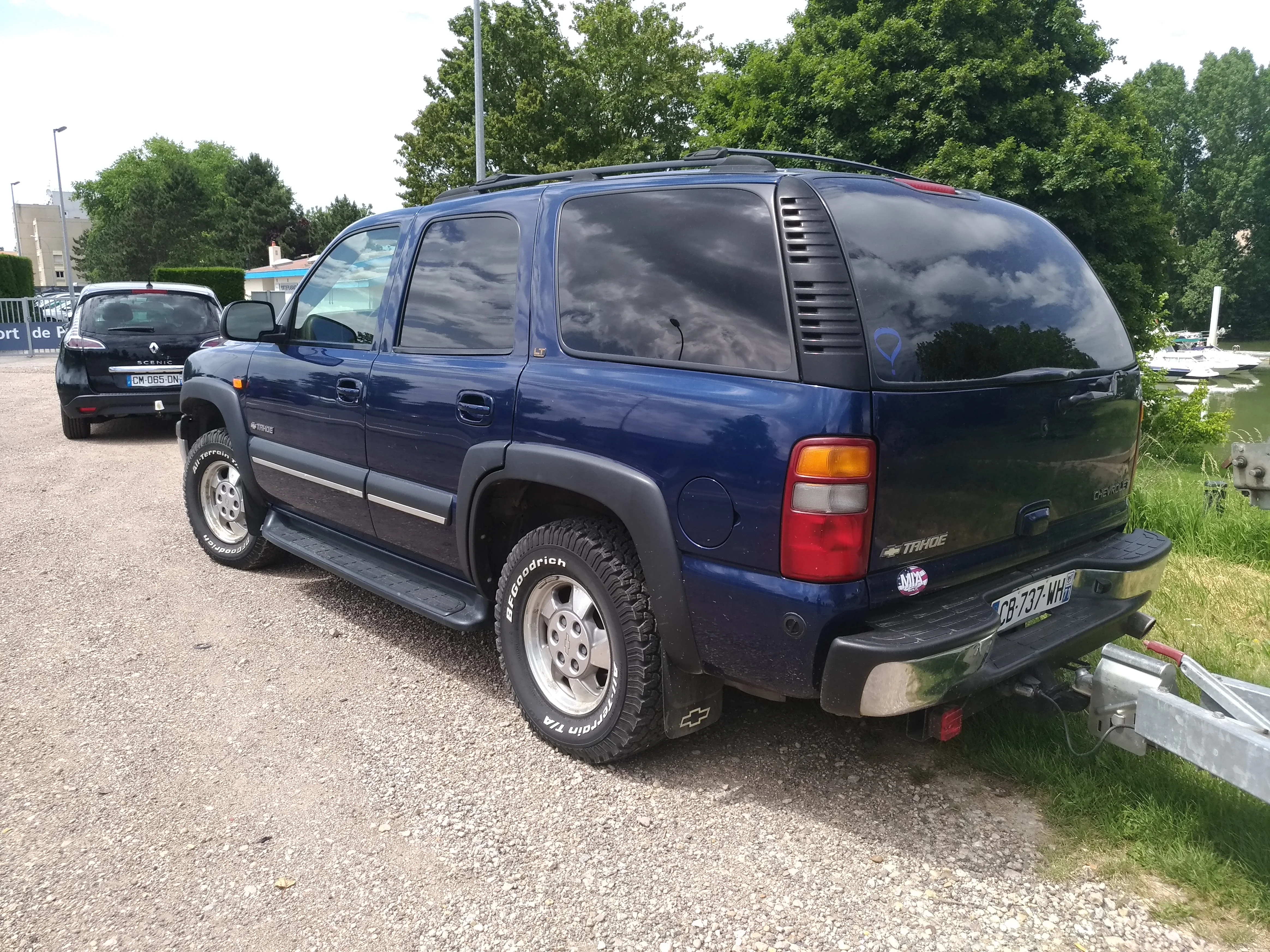
The Ceiling Behind the Ceiling: Payload and Combined Weight
Tow rating gets quoted alone, but it never acts alone. Two other limits sit behind it, and on a loaded family trip they often bind first. The first is payload: everything you put in the Tahoe — passengers, coolers, gear, and the trailer's tongue weight — counts against a fixed cabin-and-cargo budget.
Here is the trap. At 10 percent to 15 percent tongue weight, a heavy travel trailer parks several hundred pounds on the hitch, and every one of those pounds is payload. Add three passengers and a full cargo area, and a Tahoe can run out of payload while still sitting under its tow rating. The tow number says yes while the payload number says no.
The second limit is the combined weight rating, which caps the truck and trailer together. It is why maximum tow figures assume a light truck with just a driver; load the Tahoe with a family and gear, and the trailer you can legally pull shrinks accordingly. The headline number and your real number are rarely the same once the truck is packed for a trip.
The installer's discipline is to weigh the whole rig loaded — truck and trailer, at a scale, the way you will actually travel — rather than trusting the sticker. Balance the trailer so the tongue lands in the target range, keep the cabin load honest, and confirm you are under payload and combined weight, not just under the tow figure. Do that and the Tahoe delivers its rating with margin to spare.
Setup Mistakes That Undo a Good Configuration
Even a perfectly specced Tahoe can tow badly if the setup is sloppy, so here is the short list of what goes wrong. First, an unlevel trailer. If the coupled trailer rides nose-up or nose-down, weight shifts off the axles that need it and the whole rig gets twitchy. Set the ball height so the trailer sits level, then recheck it loaded.
Second, an unadjusted weight-distributing hitch. Bolting the head on without setting spring-bar tension to the actual load is one of the most common mistakes I see. The hardware is only as good as its adjustment, and a default setting on a heavy trailer leaves the front axle light and the steering vague.
Third, ignoring tire pressure. Towing near the ceiling loads the rear tires with cargo and tongue weight together, so set pressures to the door-jamb spec for a loaded vehicle rather than a comfort-oriented low pressure. A soft rear tire under tongue load is a sway source no hitch will fully mask.
Fourth, assuming the package is present. On a used Tahoe, verify the Max Trailering content from the build sheet rather than trusting a listing's tow claim. A clean install on a truck that lacks the cooling and hardware to sustain the load is a rating you can only reach briefly. Fix these four and a well-configured Tahoe tows exactly as GM rates it.
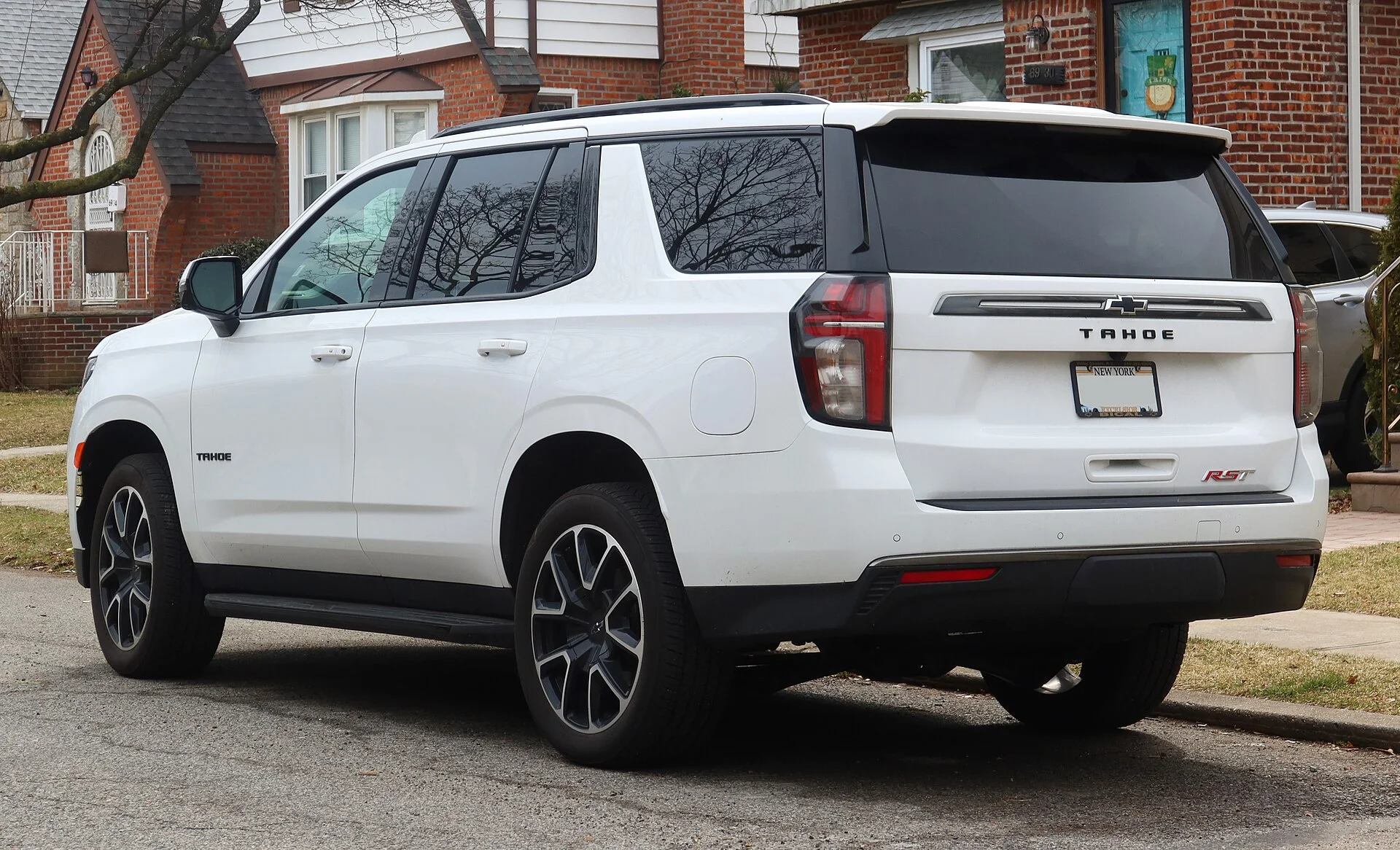
The Verdict: Configure First, Then Tow With Margin
The Tahoe is one of the most capable family tow vehicles you can buy, but the 8,400-lb headline is a configuration, not a promise. Reach it with the 5.3L, two-wheel drive, and the Max Trailering Package; land near 8,000 to 8,200 lb with 4WD or the 3.0L Duramax, which trades a little peak capacity for the composure of 460 lb-ft of diesel torque.
If a mid-size travel trailer is the goal, order the NHT package without hesitation, add a properly adjusted weight-distributing hitch as the trailer weight climbs, and wire the brake controller and connector like the safety systems they are. Then respect the ceilings behind the ceiling — payload and combined weight — by weighing the loaded rig rather than trusting the sticker.
Done in that order, the Tahoe delivers a rare combination: real travel-trailer capability with the stability and calm of a full-size platform. It rewards the buyer who configures deliberately and sets up carefully, and it punishes the one who quotes the headline and skips the package. Build the system right, and the number takes care of itself.