
Car Accessories

What Car Accessories Can Help Prevent or Manage Motion Sickness in Children?

Casey - The Weekend Warrior
4 min read
Includes Video

Car sickness in kids is a real drag, turning what should be a fun road trip into a potential biohazard situation. My first family road trip, before I knew any better, involved a lot of "Are we there yet?" followed swiftly by "Mom, I don't feel so good." It was a $50 disaster waiting to happen, and it happened 30 miles outside of town.

Car sickness in kids is a real drag, turning what should be a fun road trip into a potential biohazard situation. My first family road trip, before I knew any better, involved a lot of "Are we there yet?" followed swiftly by "Mom, I don't feel so good." It was a $50 disaster waiting to happen, and it happened 30 miles outside of town.

The honest version: you need a plan, and some basic supplies, or you're just asking for trouble. This whole car sick kit thing isn't just for show; it's about survival. We're talking about preventing that dreaded moment when your carefully packed car becomes a crime scene. Let's get you prepped so you can actually enjoy the drive.
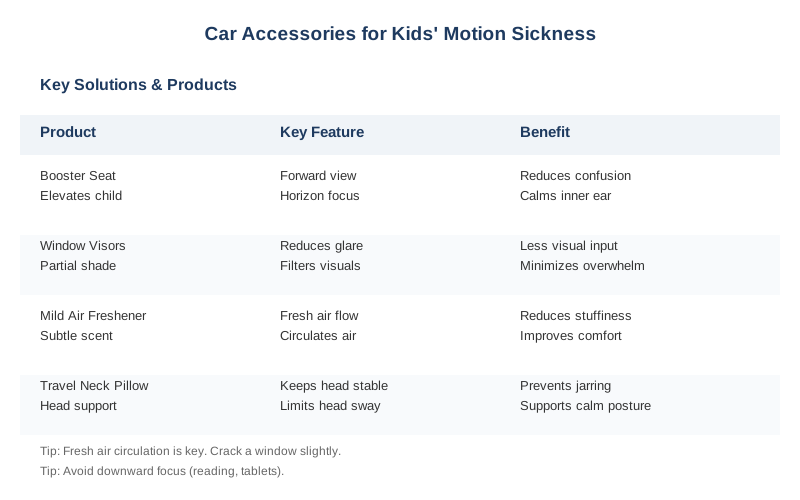
What Car Accessories Can Help Prevent or Manage Motion Sickness in Children? — Key Specifications Co
Key specifications for What Car Accessories Can Help Prevent or Manage Motion Sickness in Children?

The Core Answer

The core answer to managing motion sickness in kids boils down to a multi-pronged attack: prevention, immediate relief, and cleanup. For prevention, think about how the car's environment affects them. Keeping kids looking forward, ideally towards the horizon, helps their brain reconcile what their eyes see with what their inner ear feels. This is why looking out the front window is key, especially in the middle back seat for those under 13 according to experts. Avoid side windows like the plague; they make things look way too fast and confuse the brain. My son learned this the hard way, turning green after a 30-second glance at a passing cow. Fresh air is your friend. Cracking a window, even just a sliver, can make a huge difference. It helps circulate air and reduces that stuffy, enclosed feeling that can make queasiness worse. It's the $0 version of climate control for your car. Distraction is also a powerful tool, but you have to be smart about it. Games that require looking down, like reading or playing on a tablet, are a rookie mistake. Think audiobooks, singalongs, or even simple car games where they focus on the road ahead. I learned this when my daughter got car sick trying to play a handheld game; the screen was just too much conflicting input for her brain. When nausea hits, immediate action is crucial. Having a dedicated bag or container handy is non-negotiable. My first attempt involved a flimsy plastic grocery bag that barely contained the situation - a truly epic fail. A more robust container, like a dedicated vomiting pan or bag, is a much smarter move. And for drinks, stick to small sips of clear fluids once the worst has passed. Nothing heavy or greasy should be on the menu. Beyond the immediate, having a "car sick kit" is game-time. This means a change of clothes (at least two sets, trust me), wet wipes for quick cleanups, paper towels, and something to tackle odors. Fabric cleaner or even a small bottle of Febreze can be a lifesaver. My first kit was just a few paper towels, which was about as effective as bringing a squirt gun to a wildfire.
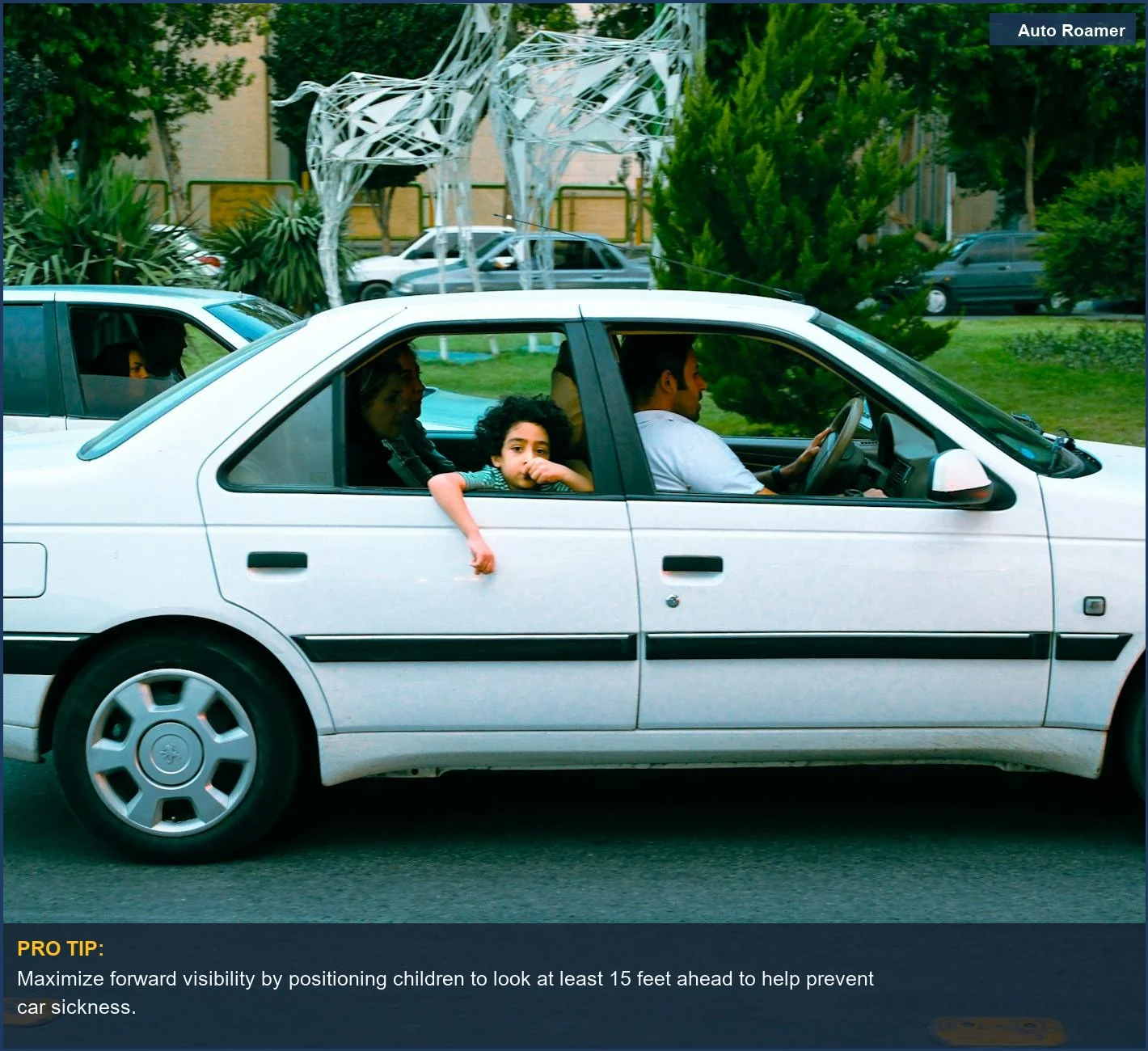
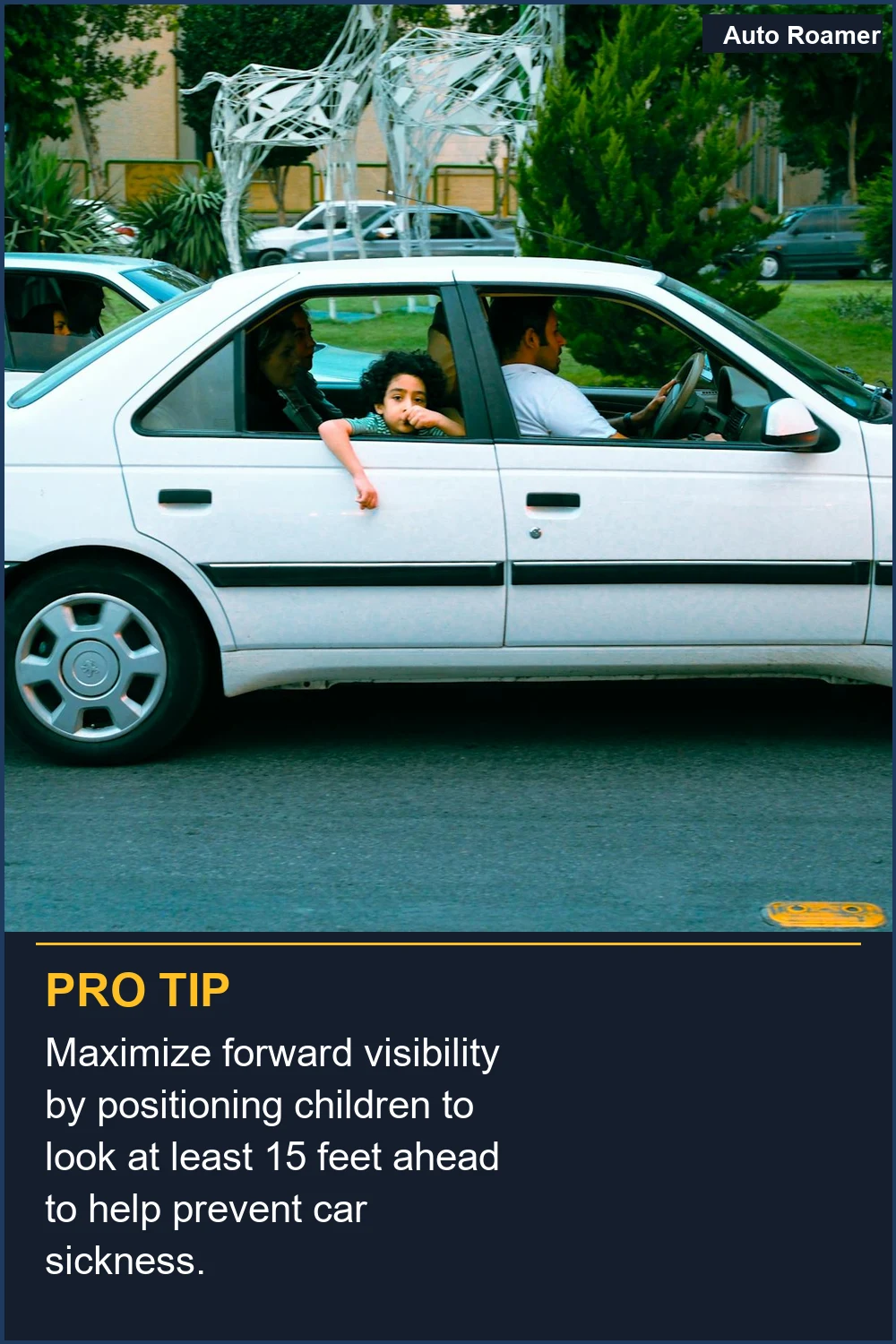
For effective strategies on prevention, you might find helpful insights in our article on preventing car sickness.
Maximize forward visibility by positioning children to look at least 15 feet ahead to help prevent car sickness.
Keeping children engaged and looking forward is crucial for preventing motion sickness. This family's urban drive highlights a simple yet effective strategy for smoother journeys. | Photo by Ilhan Baloglu

Why This Matters for Your Setup

Why this matters for your setup: it's all about minimizing the chaos and maximizing the fun. Here's the breakdown:
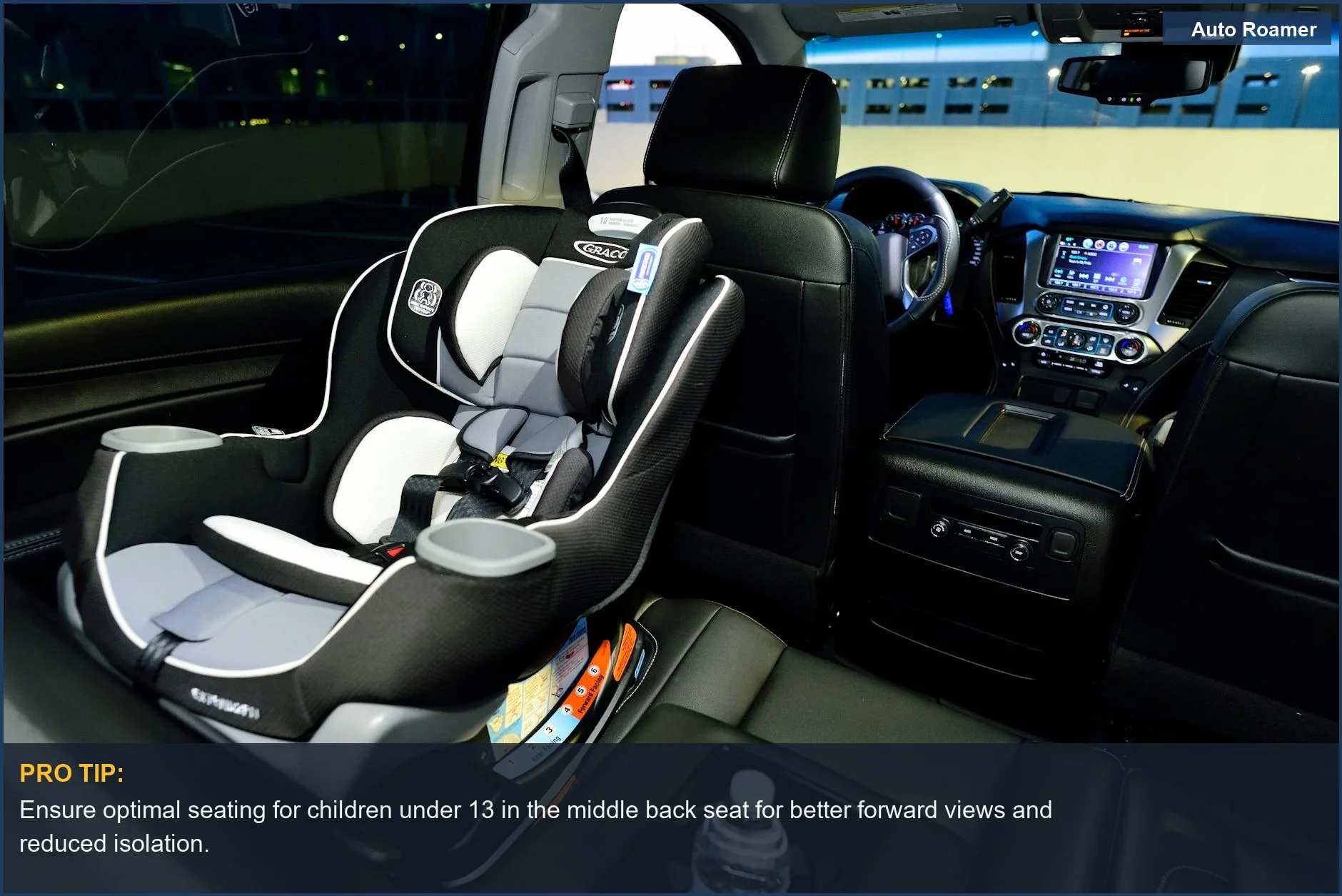
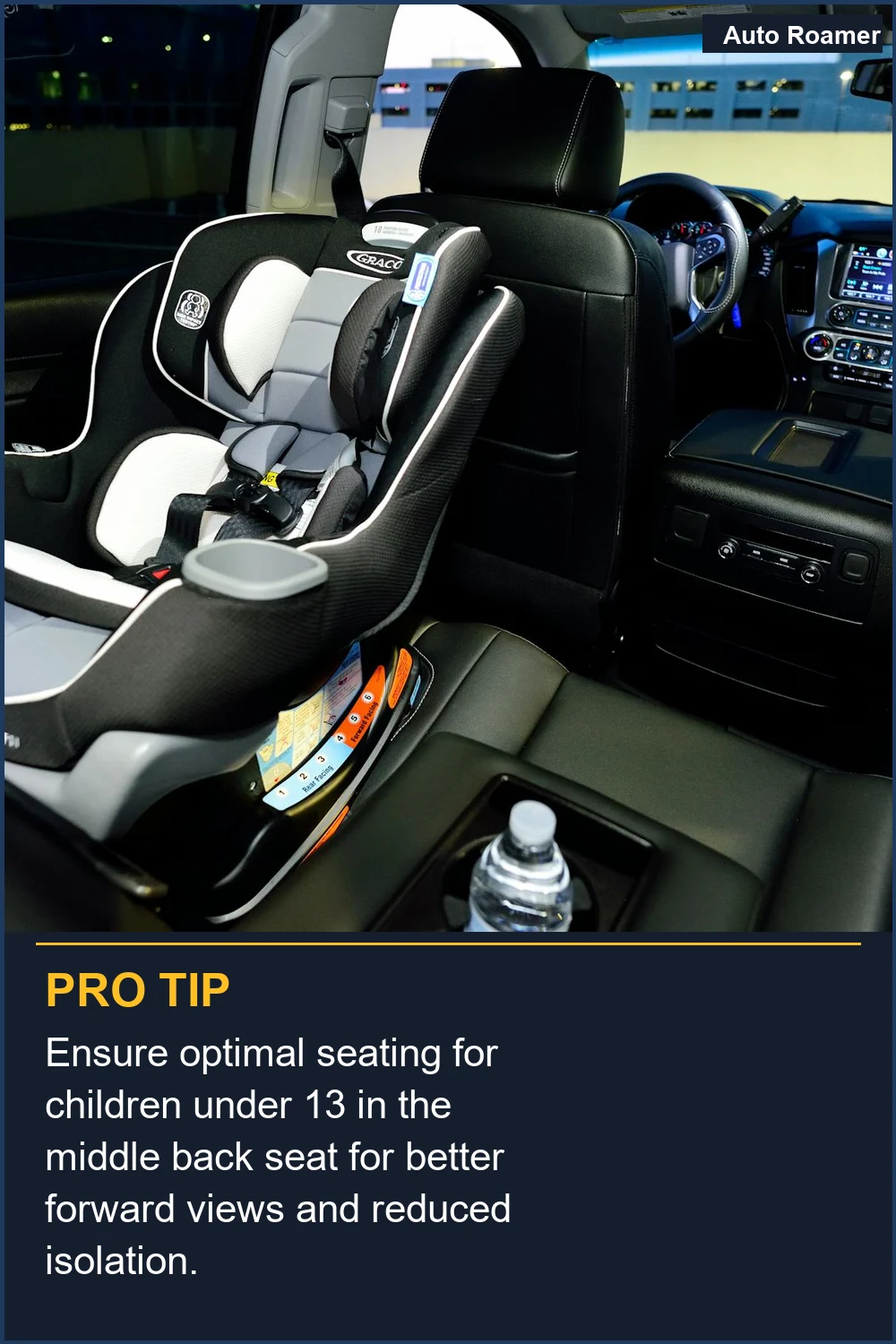
  • Seating Arrangement: For kids under 13, the middle back seat is often the sweet spot. It gives them a better view forward and can help them feel less isolated if they do get sick.
  • Window Views: Encourage looking straight ahead. Side windows are the enemy of a happy tummy. My nephew used to get sick just looking at road signs whizzing by.
  • Airflow: A slightly open window is better than recirculating stale air. It's the simplest way to keep the cabin fresh and less conducive to nausea.
  • Entertainment Choices: Ditch the screens and books. Opt for audio or games that keep eyes on the road. I learned this the hard way when my daughter turned green playing a game on her tablet.
  • Snack Strategy: Light, plain snacks are best. Avoid anything greasy or overly sweet. Think crackers, not chips. My son once ate a whole bag of gummy worms before a trip and paid for it dearly.
  • To further enhance your travel experience, consider exploring strategies for managing motion sickness effectively.
    Ensure optimal seating for children under 13 in the middle back seat for better forward views and reduced isolation.
    A well-arranged car interior, especially at night, can significantly reduce the sensory input that triggers motion sickness. Proper seating is key for managing car sickness remedies. | Photo by Lee Salem

    Making the Right Choice

    Making the right choice here isn't about fancy gadgets; it's about being prepared and understanding how motion sickness works for kids. Think of it as your car's emergency preparedness kit.
  • Prevention is Key: Focus on airflow, seating, and forward-facing views. It's the $0 strategy that pays off big time.
  • The Kit Essentials: Don't skimp on the cleanup supplies. A change of clothes, wet wipes, and a good container are non-negotiable. My first "kit" was a joke, and the car ride proved it.
  • Medication Smartly: If you opt for medication, talk to your doctor first. Some over-the-counter options are available for kids, but they aren't a magic bullet and can have side effects. Consulting professionals is always wise.
  • Listen to Your Kid: If they say they feel sick, take it seriously. Pulling over and letting them rest for a few minutes can prevent a much bigger problem. My daughter's subtle cues were ignored once, and it was a $200 cleanup job thanks to a faulty air freshener.
  • Wristbands: Some parents swear by acupressure bands for kids. They're a low-risk option to try if other methods aren't cutting it. These bands work on pressure points and might offer relief for some children.
  • To further assist your child, consider strategies outlined in our article on managing carsickness effectively.
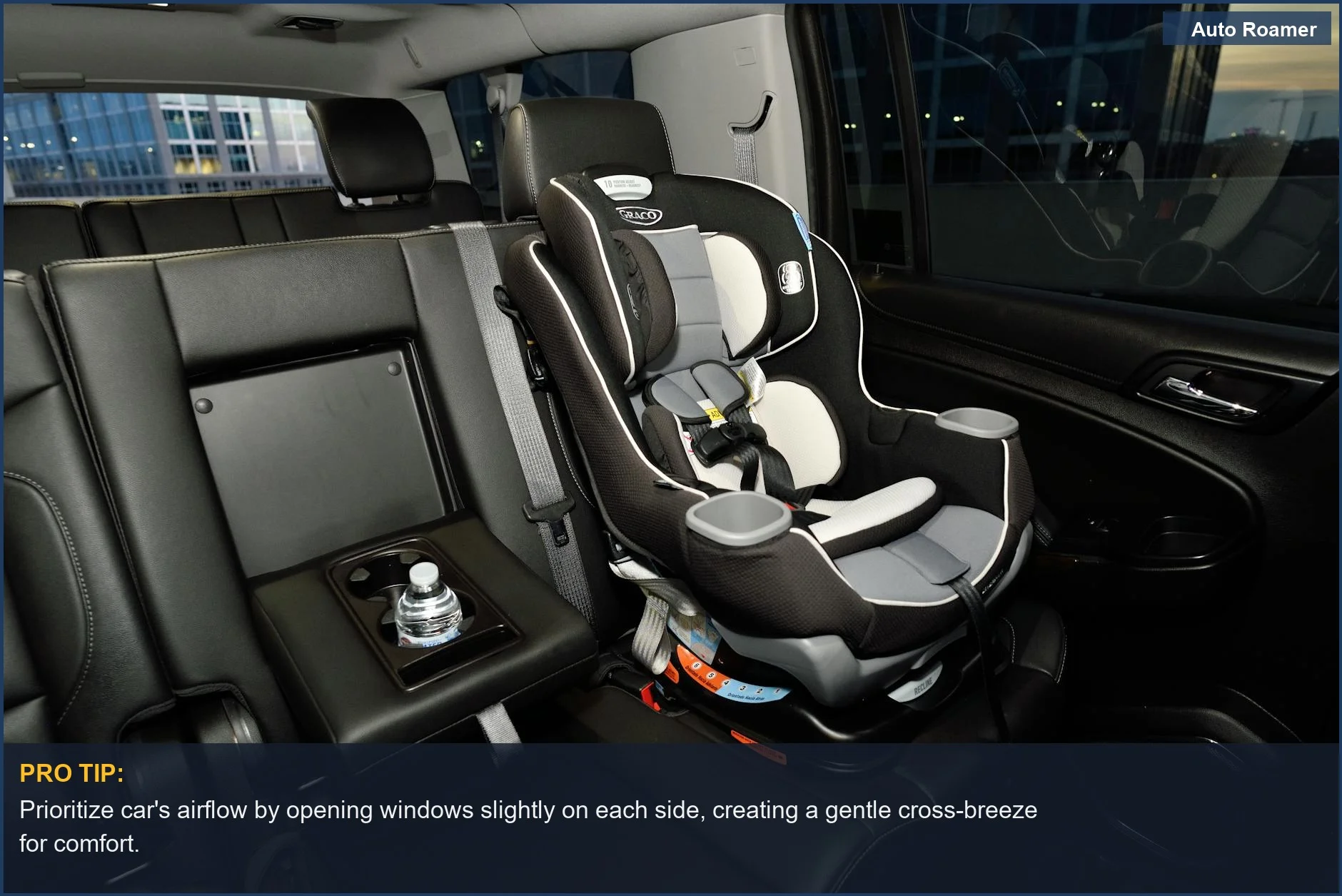
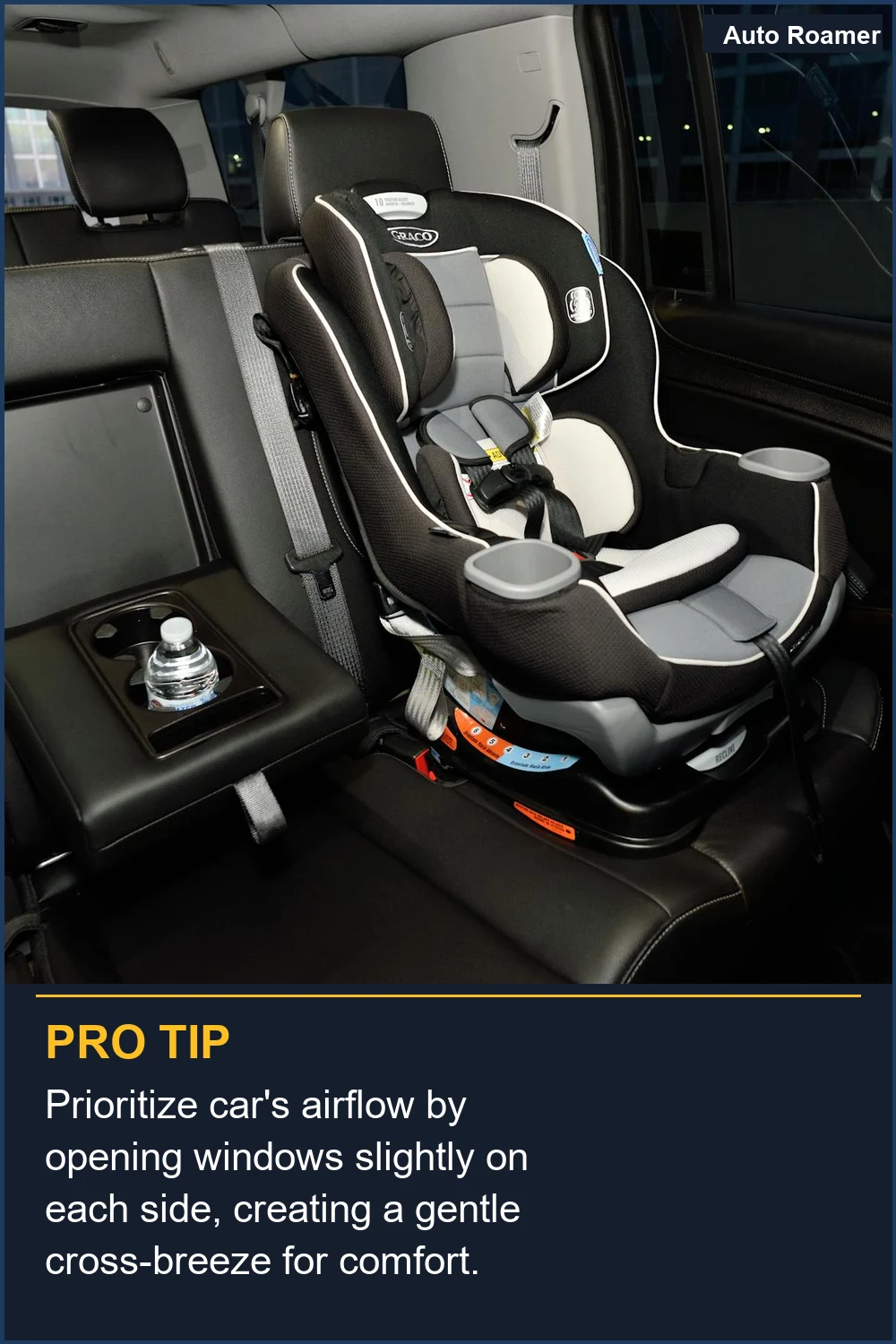
    Prioritize car's airflow by opening windows slightly on each side, creating a gentle cross-breeze for comfort.
    A securely installed car seat is the foundation of a comfortable ride, especially when dealing with motion sickness in children. Prevention is key, starting with the basics. | Photo by Lee Salem

    Frequently Asked Questions

    I saw some fancy car sickness kits online for $75. Can I just throw some stuff in a grocery bag for $10 and call it a day?
    Look, you can definitely assemble a functional kit for around $10-$15 if you hit the dollar store and discount aisles. My initial "kit" was basically that, and it lasted exactly one incident. The $75 kits usually have more robust bags, better quality cleaning supplies, and maybe some extras like disposable sick bags that are tougher than a standard grocery bag. For a long road trip, that extra $60 might save you a lot of grief and car interior damage. It's the $10 version versus the "I don't want to scrub my upholstery for 3 hours" version.
    Do I really need a special "vomiting pan" or can I just use a plastic takeout container?
    Honestly, a sturdy plastic takeout container with a secure lid is often good enough for a single incident, especially if you're only dealing with a few miles left in the trip. However, for longer journeys or if your child is a frequent offender, a dedicated, larger container with a wider opening and a more secure lid is a game-changer. Think about the physics of a sudden heave versus a slow spill; you want something that can contain both. My first "takeout container" incident involved a lid that popped off mid-heave, turning my entire back seat into a Jackson Pollock painting.
    What if I do everything right – fresh air, looking forward, light snacks – and my kid still gets sick? Am I doomed?
    No, you're not doomed, but it does mean you might be dealing with a kid who is particularly sensitive. In that case, you might need to consider over-the-counter motion sickness medication specifically for children, like chewable versions of dimenhydrinate. Always consult your pediatrician before giving any medication, as they can advise on dosage and potential side effects. Sometimes, it's just a matter of finding the right combination of strategies, and medication can be part of that puzzle.
    Could letting my kid get carsick repeatedly permanently damage their stomach or something?
    No, repeated car sickness won't permanently damage a child's stomach or digestive system. The nausea and vomiting are temporary responses to sensory conflict. The main long-term consequence is usually psychological: a child can develop a fear or strong aversion to car rides, which is a much bigger problem for family travel. So, while their stomach is fine, their willingness to get in the car might take a hit if it's not managed.
    Is it true that if you have curly hair, you're more likely to get motion sick?
    That's a funny one, but no, there's no scientific evidence linking hair texture, curly or otherwise, to a higher susceptibility to motion sickness. Motion sickness is primarily related to how your brain processes conflicting sensory information from your eyes, inner ears, and body. Genetics, age, and hormonal factors play a role, but your hairstyle is definitely not one of them. If someone told you that, they were probably just trying to get a laugh.

    🏅 Looking for Gear Recommendations?

    Check out our tested gear guides for products that work with this setup:

    C

    Casey - The Weekend Warrior

    Weekend car camper and road trip enthusiast. Focuses on practical, budget-friendly solutions for families and first-time campers.

    Sources

    Related Articles