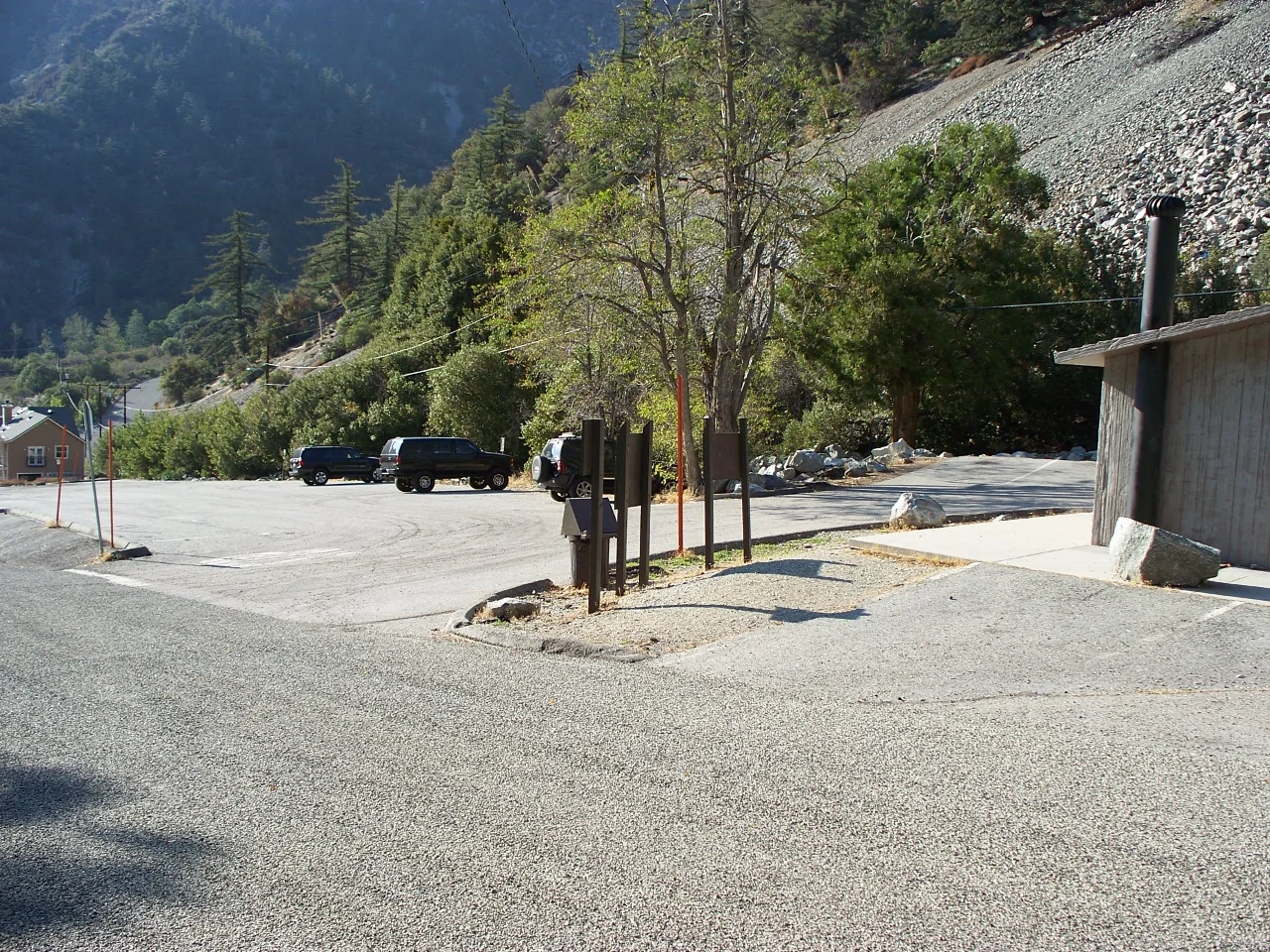
Start with which agency owns the dirt
The single question that decides whether you can legally sleep at a trailhead isn't 'is this public land' - it's 'which agency manages it, and is this spot a developed recreation site.' Get those 2 answers and the rest follows.
Can you sleep in your car at a national forest trailhead? The honest engineer's answer is: it depends on the agency and the specific spot, and the popular assumption - 'it's federal land, so I can crash anywhere' - is the one that gets people ticketed. Public land isn't a single rulebook; it's at least three (Forest Service, BLM, and Park Service), and they don't agree.
The good news is that the system is learnable. On most National Forest and BLM land, sleeping in your vehicle as dispersed camping is genuinely legal and free, with a stay limit. The catch is that a trailhead is frequently classified as a developed recreation area where camping is barred - so 'near the trail' and 'in the trailhead lot' can be two different legal answers a hundred feet apart.
I'll walk the whole system: whether a trailhead is fair game, how National Forest and BLM land works, the 14-day rule, the developed-site trap, how National Parks flip the whole thing, Leave No Trace, and how to actually find a legal spot. Reason it out once and you'll never have to guess at a trailhead again.
Is a trailhead really fair game to sleep at?
Let's hit the counterintuitive part first, because it's the one that trips up careful people. A trailhead often is NOT a legal place to camp, even when the surrounding forest is. The Forest Service's own dispersed-camping guidance states that dispersed camping is not allowed in the vicinity of developed recreation areas - and it names trailheads and picnic areas as examples.
Per the U.S. Forest Service, dispersed camping is not allowed in the vicinity of developed recreation areas, including trailheads and picnic areas. The lot at the trail is frequently off-limits even where the forest a mile back is fine.
Why draw the line there? Because a trailhead is infrastructure - a built lot with a purpose (day-use access), and often a posted day-use-only restriction. What that means for you as a system:
- The lot is presumed day-use unless a sign or the managing forest says otherwise - don't assume overnight is fine.
- Dispersed camping lives away from the trailhead, not in it - the legal spot is usually down a forest road, not at the sign.
- Some trailheads DO allow overnight parking for backpackers, but that's for leaving your car while you hike, which isn't the same as sleeping in it - read the specific sign.
National Forest and BLM land, where sleeping is usually fine
Now the encouraging half, because it's most of the map. Away from developed sites, both National Forest and BLM land broadly permit dispersed camping - which explicitly includes sleeping in your vehicle - for free, with no reservation and no designated site.
- Forest Service: its guidance says you may camp in a dispersed area for a limited period, usually 14 days, outside developed recreation areas.
- BLM: its public-lands camping guidance likewise allows dispersed camping, generally capped around 14 days within a 28-day window before you must move on - and in many field offices that move means relocating at least 25 miles away before you return, not just repositioning to the next pullout.
- Free and first-come: no fee, no booking - you find a spot that's already been used (a bare pad, a fire ring) and use it.
The 25-mile detail matters more than it sounds, because it's the piece that quietly separates a legal long stay from a technical violation. A traveler who parks 14 days, drives a mile down the road, and settles back in has not actually moved on in the way BLM means it - the window resets by distance, not by nudging the rig. It varies by state and field office, so treat 25 miles as the common figure and confirm the number for the specific office if you plan to linger.
This is the backbone of car-camping in the West, and it's a genuine public benefit: millions of acres where a self-sufficient traveler can legally sleep for nothing. The trick is simply to be on the right kind of spot - dispersed, previously used, away from the developed sites - which is the difference between exercising the rule and breaking it. For the broader legal map, the state-by-state legality guide covers the roads and towns between forests.
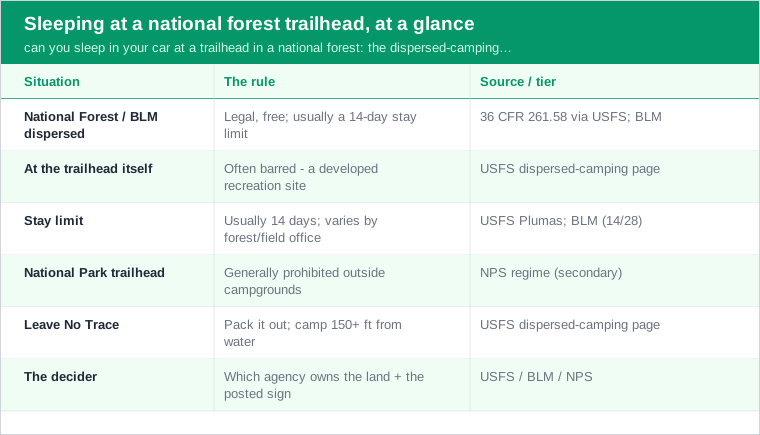
How long can you stay under the 14-day rule?
The stay limit is where engineers want a hard number, and the honest answer is 'usually 14 days, but read the specific unit.' The Forest Service sets stay limits under 36 C.F.R. 261.58(a), and individual forests fill in the exact window.
- Usually 14 days. The common cap is 14 days of camping in a given area, after which you move on.
- It varies by forest. One forest's order (Plumas National Forest, citing 36 CFR 261.58) caps camping at 14 days and no more than 30 days total in a calendar year per ranger district, with occupancy limits too - the same Plumas order caps a single site at no more than 8 persons and 2 vehicles - while other forests use a 14-days-in-a-rolling-window phrasing.
- BLM parallels it, generally 14 days within 28, after which you must relocate - in many field offices a set distance away.
The engineering takeaway: don't treat '14 days' as a nationwide constant you can bank on everywhere. It's the typical value, but the specific forest or field office sets the real number and can be shorter, so check that unit's page or the board at the ranger station. For a single overnight at a trailhead you're nowhere near the cap - but the rule is what makes the whole dispersed system legal, so it's worth knowing.
One more nuance the Plumas order makes explicit: the 14-day clock covers both developed campgrounds and dispersed campsites, and it runs per ranger district. So you can't legally string together back-to-back 14-day stints by hopping from a campground to a dispersed pullout inside the same district - the days accumulate against the same 30-day annual ceiling. Different forest, different district, different clock; same forest, same district, one budget.
The trailhead trap: why developed sites bar camping
Let me put a finer point on the trap, because understanding the 'why' keeps you out of trouble at spots the sign doesn't perfectly explain. Developed recreation sites - trailheads, picnic areas, boat launches, day-use areas - are managed for turnover and access, not for overnight occupancy, which is why the Forest Service walls camping out of their vicinity.
How to apply it without a lawyer:
- If it has infrastructure, assume developed. Toilets, signage kiosks, painted stalls, fee tubes - that's a developed site, and camping there is probably barred.
- A dirt pullout down a forest road is different. That's the dispersed zone where sleeping in the car is fine.
- Day-use-only signs are literal. Where posted, they're enforced, and 'I was just sleeping' isn't a defense.
So the move at a trailhead is rarely 'sleep in the lot.' It's 'drive back out to the dispersed area and sleep there, then return to the trailhead in the morning to hike.' A few minutes of driving is the whole difference between legal and cited. The where-to-park-overnight guide covers the same find-a-legal-spot logic for towns and highways.
There's a subtlety worth naming: some trailheads do post overnight parking for backpackers, and that's real - but it permits leaving an empty car while you're on the trail, not bedding down in it in the lot. The Forest Service's 'not in the vicinity of developed recreation areas' language is about camping, and sleeping in a parked vehicle reads as camping. So an 'overnight parking OK' sign at a trailhead is a green light to hike in and out over two days, not a green light to sleep there - and confusing the two is exactly how a careful person ends up with a citation they thought they'd read their way out of.
What about a National Park trailhead?
Here's where a lot of people get burned, so I'll flag it hard: a National Park is not a National Forest, and the rules are close to opposite. On National Park Service land, camping and overnight sleeping are generally allowed only in designated campgrounds or with a backcountry permit - sleeping in your car at a random park trailhead or pullout is typically prohibited.
National Forest and BLM: dispersed car-sleeping generally allowed, 14-day rule. National Park Service: generally prohibited outside designated campgrounds. Same 'public land,' opposite default - know which one you're on.
The practical fallout:
- In a National Park, book a campground or get a permit - don't count on sleeping at a trailhead or overlook.
- Forests often border parks, so the legal dispersed option is frequently the National Forest land just outside the park boundary.
- When a spot is unsigned, find out the agency before you commit - the boundary can be invisible but the rules aren't.
That NPS characterization is a regime summary, so if a specific park is your destination, verify that park's own overnight rules - but the safe default inside park boundaries is 'designated campground only.'
Leave No Trace: the price of the free night
The free dispersed night comes with an unwritten bill, and paying it is both the ethic and, increasingly, the rule. The Forest Service ties dispersed camping to self-sufficiency and Leave No Trace, and blowing it is how areas get closed to camping entirely.
- Camp on durable, previously used spots and at least 150 feet from water sources.
- Pack out everything. All trash leaves with you - dispersed sites have no services.
- Handle waste right: human waste buried 6 inches deep and 100+ feet from water, or packed out where required.
- Mind fire rules. A campfire permit may be required year-round, and restrictions are common - check before any flame.
Sleeping in a car actually makes most of this easy: you're already self-contained, you leave no tent footprint, and you can carry your trash out in the same vehicle you slept in. Do it clean and you're the reason a dispersed area stays open; do it dirty and you're the reason the next sign says 'Area Closed to Camping.'
The two specs worth memorizing are the water buffers, because they're the ones people fudge: camp and wash at least 150 feet from any water source, and when you bury human waste, put it 6 inches deep and at least 100 feet from water. And take the campfire line seriously - in many forests a campfire permit is required year-round even for a small stove flame, and seasonal fire restrictions can ban open flame entirely. Sleeping in the car sidesteps the temptation: you don't need a fire to be warm if you've packed the right layers and your own power.
Reading the signs and the managing agency
Because the rules hinge on agency and site type, learning to read a spot quickly is the highest-leverage skill here. Two minutes of observation beats an hour of forum-reading.
- Find the agency. A brown Forest Service sign, a BLM marker, or a park entrance station each tells you which rulebook applies - and apps and paper motor-vehicle-use maps confirm boundaries.
- Read every posted notice at the trailhead: day-use hours, no-camping symbols, fee requirements, fire restrictions.
- Look for the tells of a legal dispersed spot: an existing fire ring, a bare compacted pad, other dispersed campers - versus the infrastructure that marks a developed site.
When the signs are ambiguous, default conservative: assume the trailhead lot is day-use and move to a clearly dispersed spot. The cost of being wrong at a developed site (a ticket, a knock at midnight) is higher than the cost of driving another mile to a legal pullout.
Finding a legal dispersed spot near the trail
So how do you actually land a legal, comfortable spot near the trail you want to hike? This is the part that turns the rules into a plan, and it's mostly about scouting the forest roads.
- Follow the forest roads out from the trailhead. The dispersed spots are the used pullouts a short drive back down the access road, outside the developed-site vicinity.
- Use a motor-vehicle-use map (MVUM) for that forest - it shows which roads are open and where camping is allowed alongside them.
- Arrive with daylight. Finding a durable, legal, level pullout is far easier before dark, and it lets you check for the developed-site tells.
- Have a backup. Popular trailheads fill their nearby dispersed spots on weekends - know the next road over.
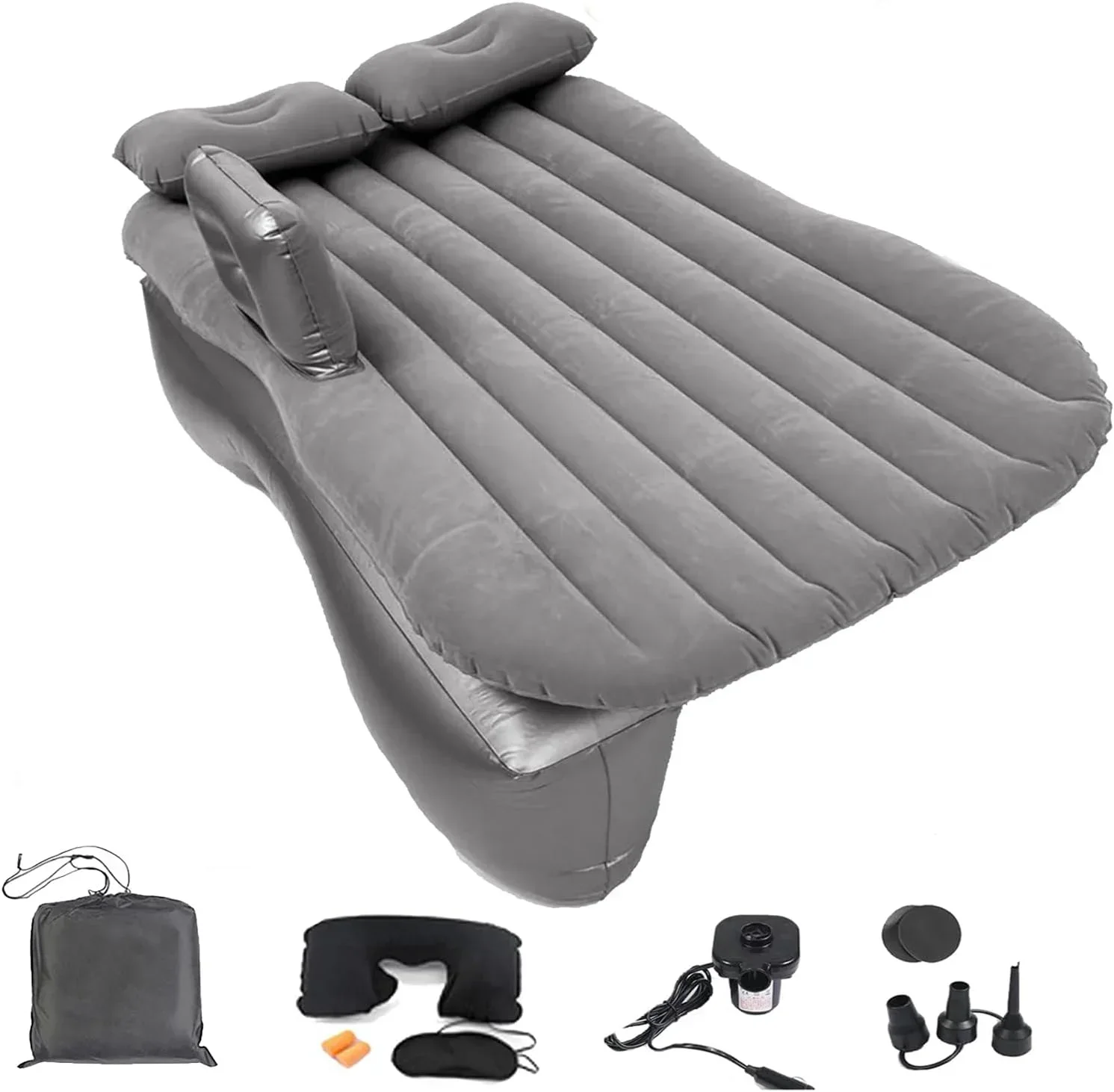
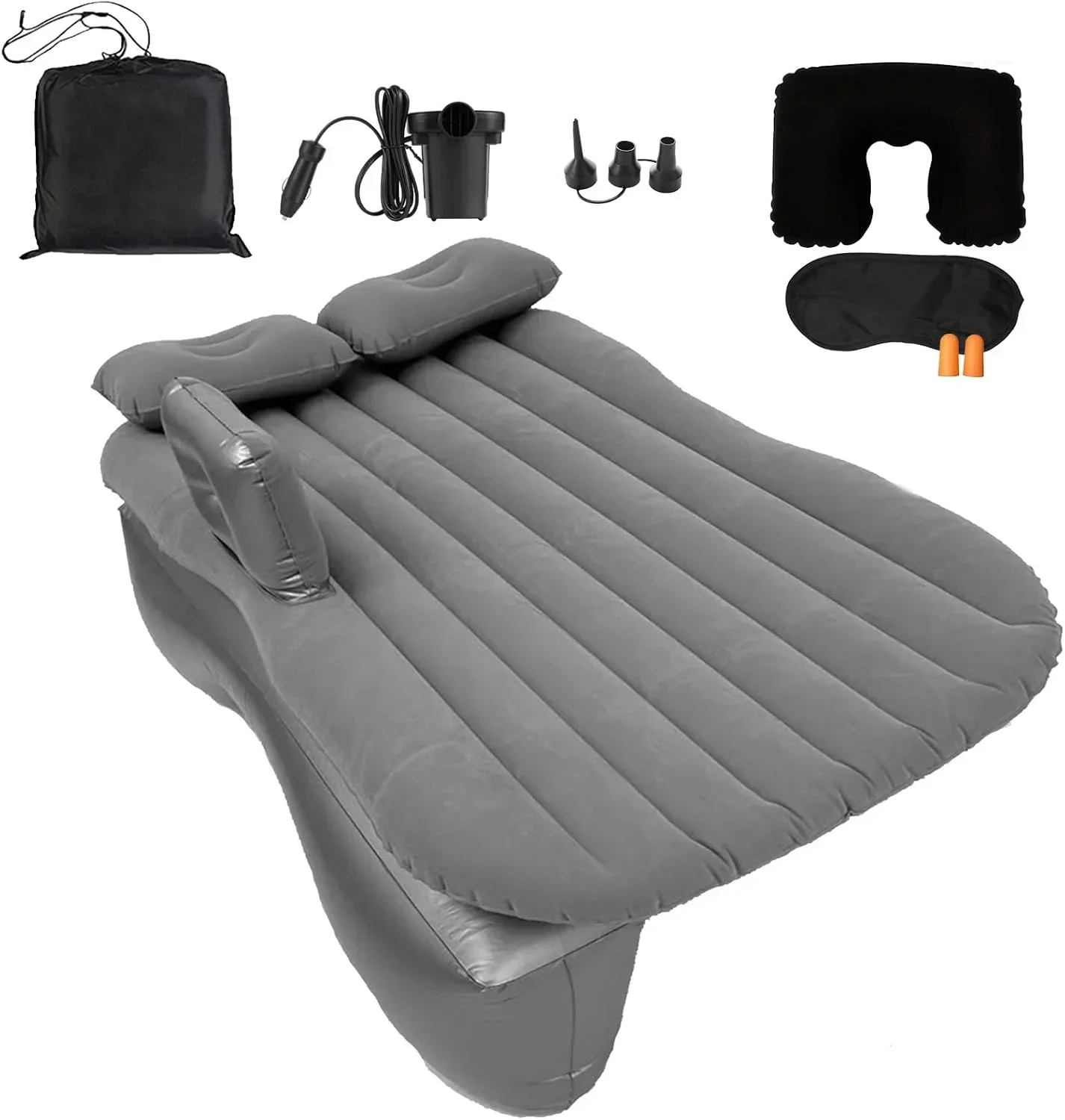
A level, comfortable bed is what makes the early arrival worth it. An Onirii SUV air mattress turns a folded-seat cargo floor into a real bed in one inflate, so a night at 7,000 feet before a dawn hike is genuine rest, not a stiff-backed compromise.
Staying safe and self-sufficient off-grid
Dispersed forest sleeping is safe and wonderful, but it's genuinely off-grid - no services, no cell signal, no idling your way to comfort. The engineer's job is to be self-contained, and that mostly means power and preparation.
- Don't idle for heat or charging. It wastes fuel, it's loud in a quiet forest, and carbon monoxide is a real risk - carry your own power instead.
- Bring more water than you think, plus layers - mountain nights get cold fast even after hot days.
- Tell someone your plan. With no signal, a shared itinerary is your safety net.
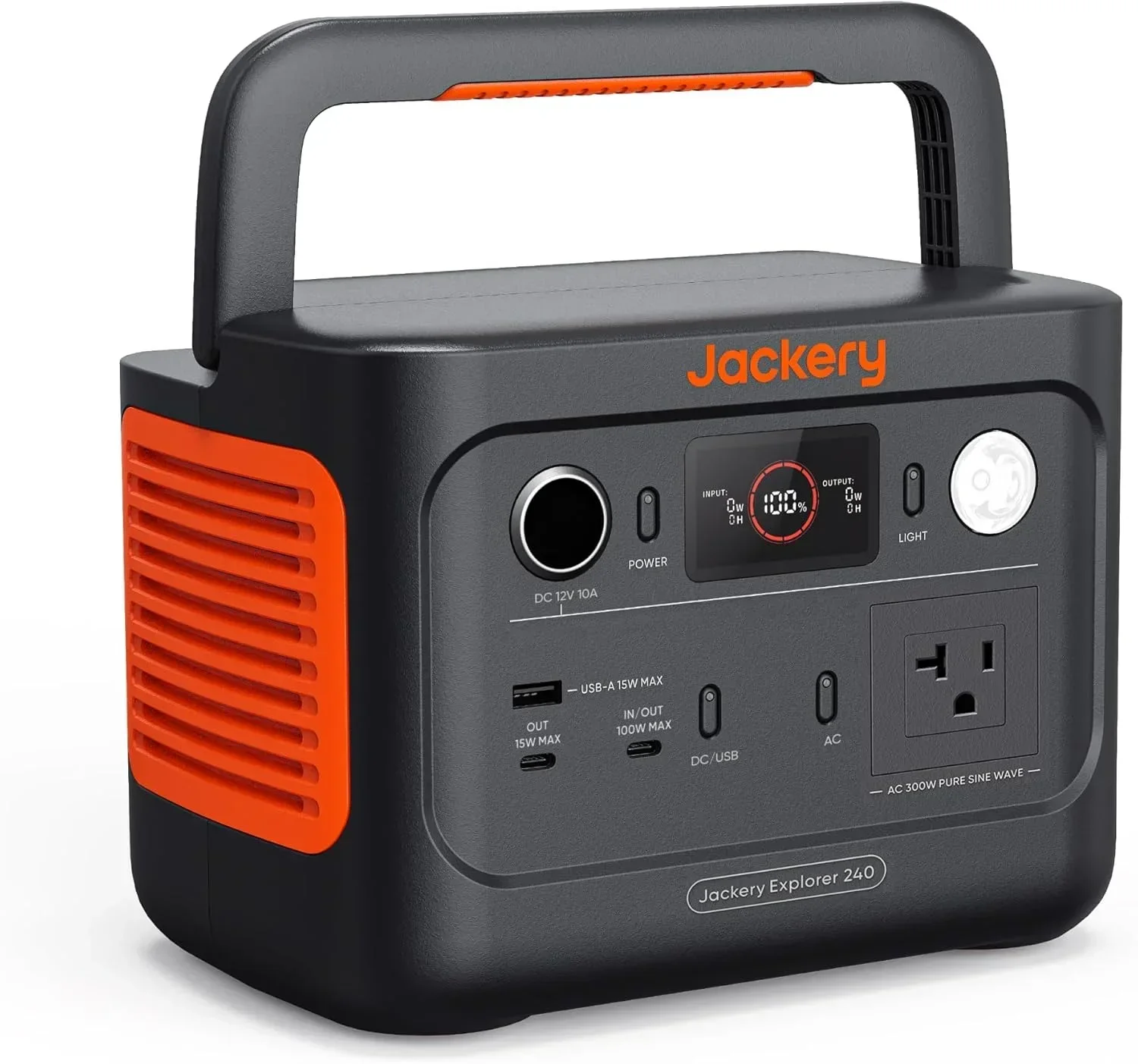
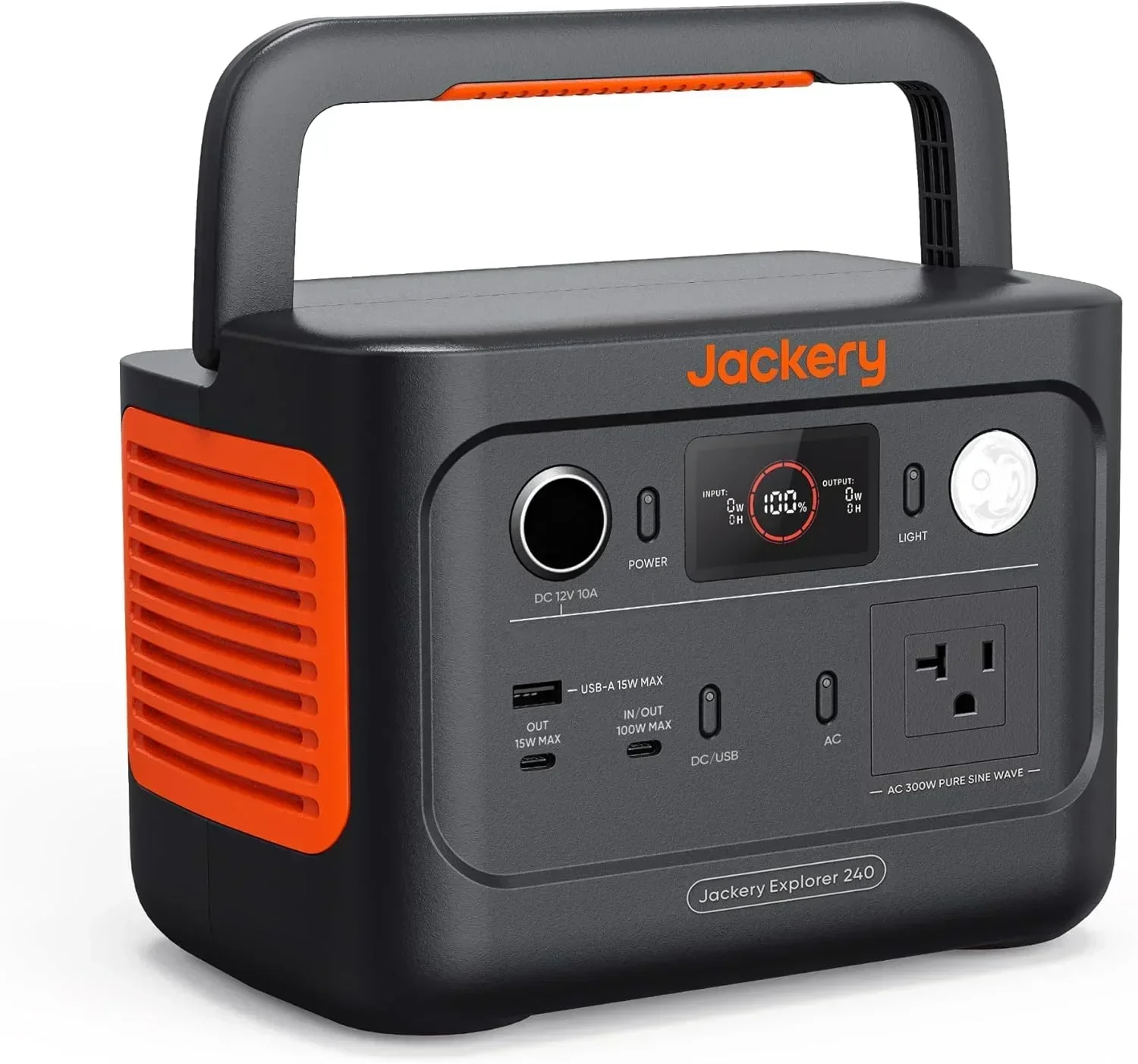
A Jackery Explorer 240 v2 power station covers the power side cleanly: 256 watt-hours runs a fan, lights, and device charging through a forest night, and it tops back up off the 12V socket on the drive to the trailhead - so you stay warm and connected-when-you-can without ever running the engine.
When a ranger rolls up
Sleep on public land long enough and eventually a ranger or a sheriff's deputy checks on you. It's usually routine, and how you handle it is the difference between a friendly wave and a citation.
- Be polite and legal. If you're on a legitimate dispersed spot within the stay limit, you're doing nothing wrong - say so calmly.
- Know your spot. Being able to say 'I'm dispersed camping on forest land, first night, away from the trailhead' shows you know the rules.
- If you're asked to move, move. Maybe you drifted too close to a developed site or a closure - relocating is cheap and argument-free.
Most contacts are a ranger confirming you're not starting fires or trashing the place. Being obviously low-impact and rule-aware makes you the camper they don't worry about, which is exactly where you want to be.
The bottom line on sleeping at a trailhead
Put the system together and the answer is nuanced but workable: you can very often sleep in your car near a national forest trailhead, just usually not in the trailhead lot itself. The forest wants you dispersed, low-impact, and away from its developed sites - and it rewards you with a free, legal, gorgeous night.
The engineer's checklist:
- Identify the agency - Forest Service/BLM (dispersed usually fine) vs National Park (campground only).
- Sleep in the dispersed zone, not the trailhead - drive back down the forest road to a used pullout.
- Respect the stay limit (usually 14 days, varies) and Leave No Trace.
- Read every sign, arrive with daylight, and carry your own power - then return to the trailhead to hike in the morning.
Do that and the national forest becomes the best free bedroom in the country. For the discretion habits that carry over to every overnight spot, town or forest, the safe and legal sleeping guide is the companion to this one.
Related on Auto Roamer: sleeping at a rest area overnight.