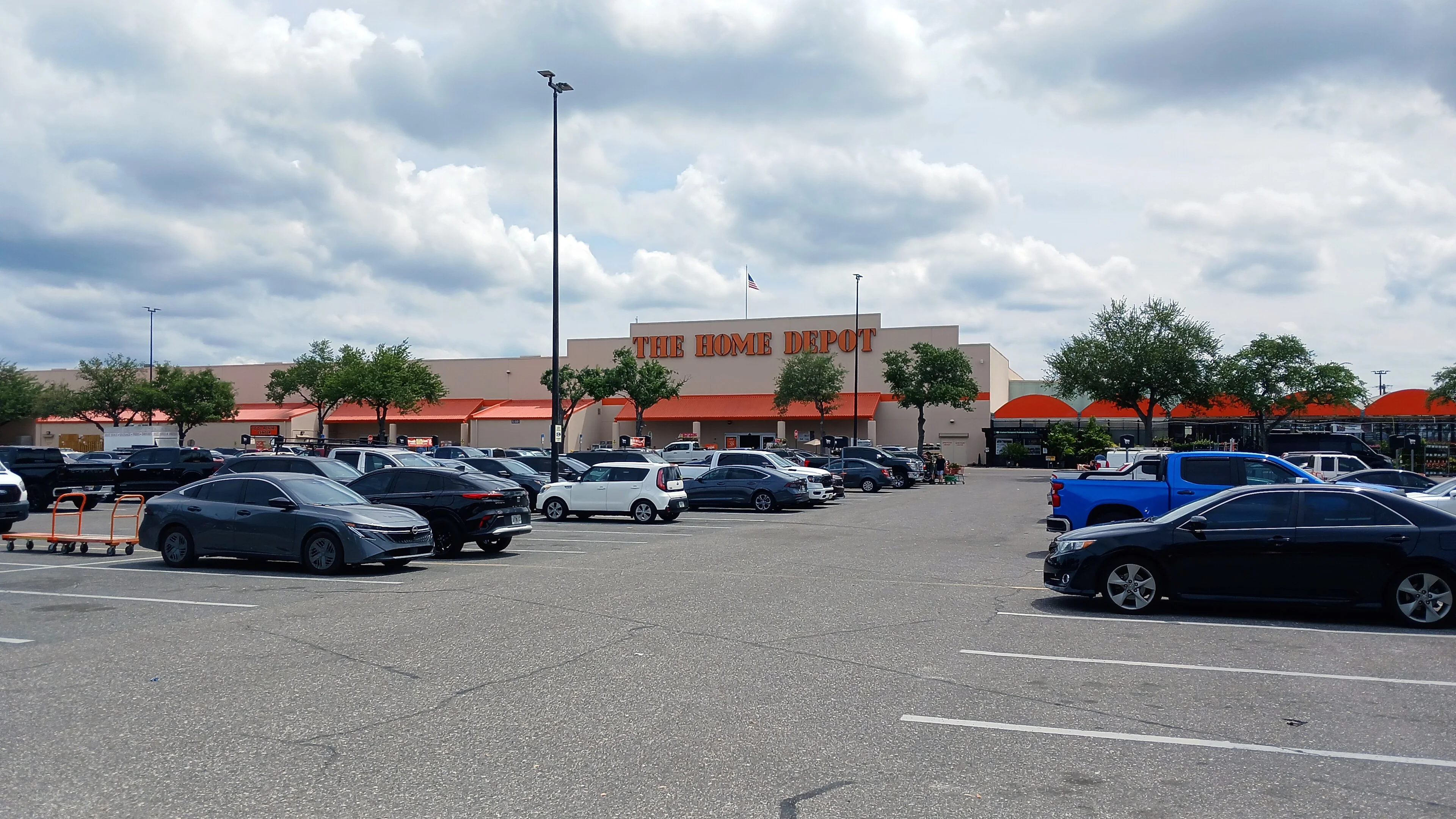
The contractor-lot welcome is a story people tell
Here is the myth, stated the way you have probably heard it: a Home Depot parking lot is a safe overnight bet because contractors roll in before dawn to load lumber and fill trucks, so one more car sitting quietly in the corner just blends into the traffic and nobody blinks. It sounds reasonable. It has the texture of an insider tip. And it is exactly the kind of confident claim I want to pull apart before I trust it with a night's sleep.
Pull it apart and the story falls in on itself fast. The pre-dawn contractor traffic is real enough - Home Depot lots do wake up early. But nowhere in that observation is there a company saying you are welcome to sleep there, a manager on record inviting you, or a policy you could point to if someone knocked on your window. 'Contractors show up early' is a fact about mornings. 'So a car sleeper is welcome' is a leap nobody actually backed up. The blending-in is a vibe, not a rule.
That gap - between a plausible-sounding vibe and an actual policy - is the whole subject of this page. Because when you check the sources, the picture is thinner than the reputation. According to the RV-travel aggregator Roadtrippers, Home Depot has no official nationwide overnight-parking policy at all; every decision is made location by location, entirely under the individual store manager's discretion. Corporate does not prohibit it, and corporate does not welcome it. There is simply no rule to lean on.
So no, I would not treat a Home Depot lot as a reliable place to sleep on the strength of the contractor story. The honest version is that it might be fine and it might get you told to leave, and the only way to know is to ask the specific store. The rest of this page walks through why the myth caught on, what the sources actually say, what the real risk is, and how to turn a maybe into a yes you can count on. Marketing lore says 'you blend right in'; the reality is that nobody promised you anything.
Is there any official Home Depot policy to point to?
Start where most posts never bother to look: is there a written rule anywhere? The answer, per the RV-travel aggregator Roadtrippers, is no. Home Depot has no official nationwide overnight-parking policy. There is no corporate page that permits it, no corporate page that bans it, and no company statement that welcomes travelers. What exists instead is a vacuum that each store fills on its own, with the manager deciding case by case.
It is worth being precise about what 'no policy' means, because it cuts both ways:
- Corporate does not prohibit it. There is no blanket nationwide ban you would be defying by parking overnight - so a store can allow it.
- Corporate does not welcome it either. There is no company 'yes' backing you up, so a store is under zero obligation to host you, and most of the goodwill you have heard about is inferred, not stated.
- The decision is 100% local. Per Roadtrippers, it is store-by-store manager discretion, which means the useful question is never 'does Home Depot allow it' but 'does this manager, at this store, tonight.'
Here is the part that should make a skeptic sit up. Even when the news outlet Jalopnik covered Home Depot overnight parking, its coverage produced no official Home Depot corporate statement and no named-manager quote - it repackaged the same Roadtrippers aggregator advice. In other words, follow the sourcing all the way down and there is no firsthand corporate voice at the bottom of it. The advice is real and reasonable, but it originates with travel writers reading the situation, not with Home Depot describing its own position.
That matters because it tells you how much weight the reputation can bear. When a claim traces back to aggregators rather than the company, you should treat it as informed observation, not guarantee. Anyone who tells you 'Home Depot allows overnight parking' as a flat fact is stating something no Home Depot source ever confirmed. The truthful headline is quieter: no policy exists, so it is always up to the store.
Where does the blend-in myth actually come from?
If no source says car sleeping is welcome, why does the contractor-lot idea feel so believable? Because the raw ingredient is true and the conclusion is smuggled in on top of it. Home Depot lots genuinely do see pre-dawn contractor traffic - trades pulling in early to load up before job sites open is an ordinary sight. From there it is an easy, comfortable jump to 'so a parked car at 3 a.m. won't stand out.' The jump feels logical. It is also completely unverified.
Let me separate the two claims cleanly, because the difference is the whole point:
Observation (defensible): a low-profile car in a lot that already has early-morning activity may draw less attention than an obvious rig. Conclusion (unsupported): therefore overnight sleeping is tolerated or welcome. No source makes that second leap - it is a vibe, not a policy.
Notice what the honest version does and does not claim. It says drawing less attention is possible. It does not say a manager is fine with you, that security won't run your plate, or that you have any standing to be there. 'Less likely to be noticed' is a statement about odds on a given night. It is not permission, and it is not tolerance. Treating the first as if it were the second is precisely the move that gets people woken up by a tow hook.
This is the skeptic's habit worth borrowing: when a tip sounds like inside knowledge, find the exact sentence that supposedly proves it. For the contractor-lot welcome, that sentence does not exist. What exists is a real observation about morning traffic that someone dressed up as a green light. Once you see the seam between the two, you stop planning a night around the part that was never verified.
If you're dealing with (or preparing for) a roadside breakdown, it is worth taking the next step with a trusted service — compare roadside plans.
Manager discretion: the only thing that actually decides
Strip away the reputation and one mechanism is left standing: the store manager decides, and nothing else does. Per Roadtrippers, because every Home Depot lot is private property, management can ask you to leave - or have you towed - even for a single night, without your permission ever having been granted in the first place. The manager's discretion is not one factor among several. On a night with no policy above it, that discretion is the entire system.
Aggregator guidance on how to stay on the right side of that discretion is consistent and, honestly, sensible:
- Call ahead and ask for the manager. Since the decision is theirs, the only firm answer comes from them - not from a forum, not from this page.
- Park at the back. Away from the entrance and the contractor loading area, out of the way of the store's actual business.
- Depart early. Managers cited in the reporting want overnighters gone by roughly 6 to 7 a.m., before the day's trade traffic and deliveries build up.
Now weigh that against the alternative everyone reaches for. A vanlife aggregator, Boondockers Bible, puts Home Depot as reputationally less RV-friendly than Walmart - and even Walmart's tolerance is store-by-store now, not the open door it once was. So Home Depot sits below an option that is itself no longer a sure thing. If your reliability ranking starts at a store-by-store Walmart, a Home Depot lot ranks below that. That is not a reason it can never work; it is a reason not to bank on it. For the chain people actually mean when they picture the classic retail-lot overnight, the guide to overnight parking at Walmart is the more dependable read.
The takeaway a skeptic draws from all this is unglamorous but clear. When the only thing standing between you and a tow is one person's mood and one store's habits, you do not want to meet that person for the first time at 2 a.m. through a windshield. You want to have asked in daylight.
What's the real risk if you just chance it?
Say you ignore all of that and simply park. What is actually on the line? More than an awkward conversation. The ground under every Home Depot lot is private property, and that single fact controls the legal picture. According to the law firm Shouse Law, permission to be on private property can be revoked at any time, and refusing to leave after the owner or their agent asks you to go is criminal trespass.
The numbers make it concrete. Under California Penal Code 602, per Shouse Law, criminal trespass is a misdemeanor that can carry up to six months in jail and a fine of up to one thousand dollars. Other states have their own trespass statutes, but the shape is the same everywhere: once a manager or security tells you to leave, staying is the crime, and 'I didn't think it was a big deal' is not a defense.
On private property your permission can be revoked at any time, and refusing to leave once asked is criminal trespass - in California, per Shouse Law, up to six months in jail or a $1,000 fine under Penal Code 602. The tow risk, per Roadtrippers, applies even to a single night.
And that is the worse-case branch. The everyday branch is the tow. Roadtrippers is blunt that management can tow you even on a single night without prior permission - meaning the realistic downside of chancing it isn't a citation, it's waking to an empty space, a fee, and an impound lot on the far side of town. Weigh that against what you saved: a Home Depot night you weren't sure of versus a place you actually confirmed. The math rarely favors the gamble.
None of this is meant to scare you off legal, offered spots - it is meant to price the unoffered ones honestly. If you want the version of overnight sleeping that keeps you clear of trespass and tow risk entirely, the safe and legal sleeping guide lays out the habits, and the rest-area overnight rules cover the public alternative where you are not depending on anyone's goodwill at all.
How do you turn a maybe into an actual yes?
If you still want to try a Home Depot lot, the skeptic's move is not to hope the vibe holds - it is to convert the maybe into a documented yes from a human being. Corporate has left a vacuum and the manager fills it, so you go straight to the manager. Everything else is guessing.
- Phone the specific store before you drive there. Ask for the manager by role, explain you'd like to park overnight in a car, and get a plain yes or no. A two-minute call beats a two-hour detour to a lot with a posted sign.
- Get the yes from a person, not a reputation. 'People say Home Depot is fine' is worthless at 1 a.m.; 'the closing manager on shift Tuesday said the back row was okay' is something you can actually stand on.
- If no one will commit, treat that as a no. A shrug or 'I can't really say' is not permission, and permission is the only thing that keeps you out of the trespass and tow column.
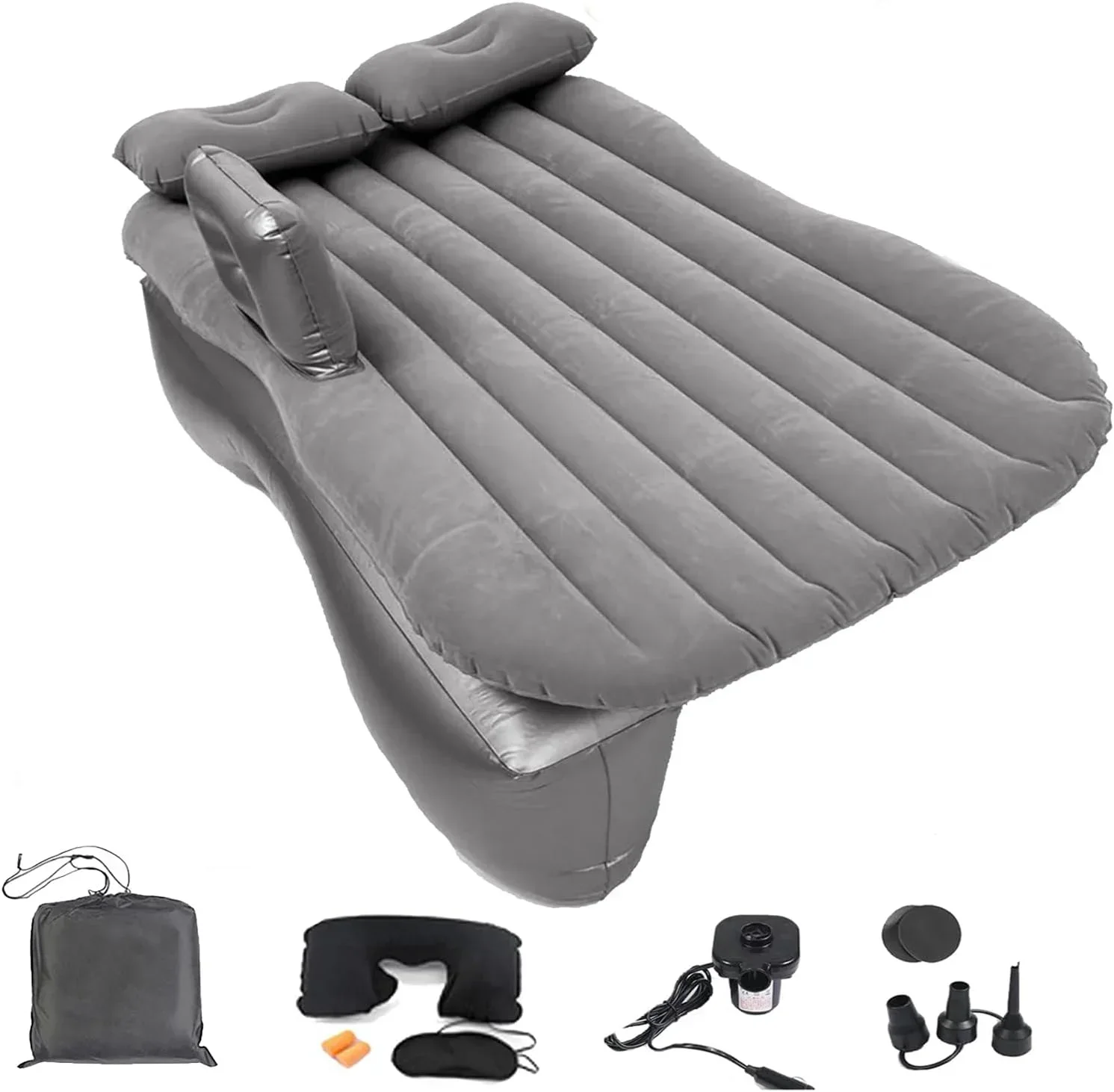
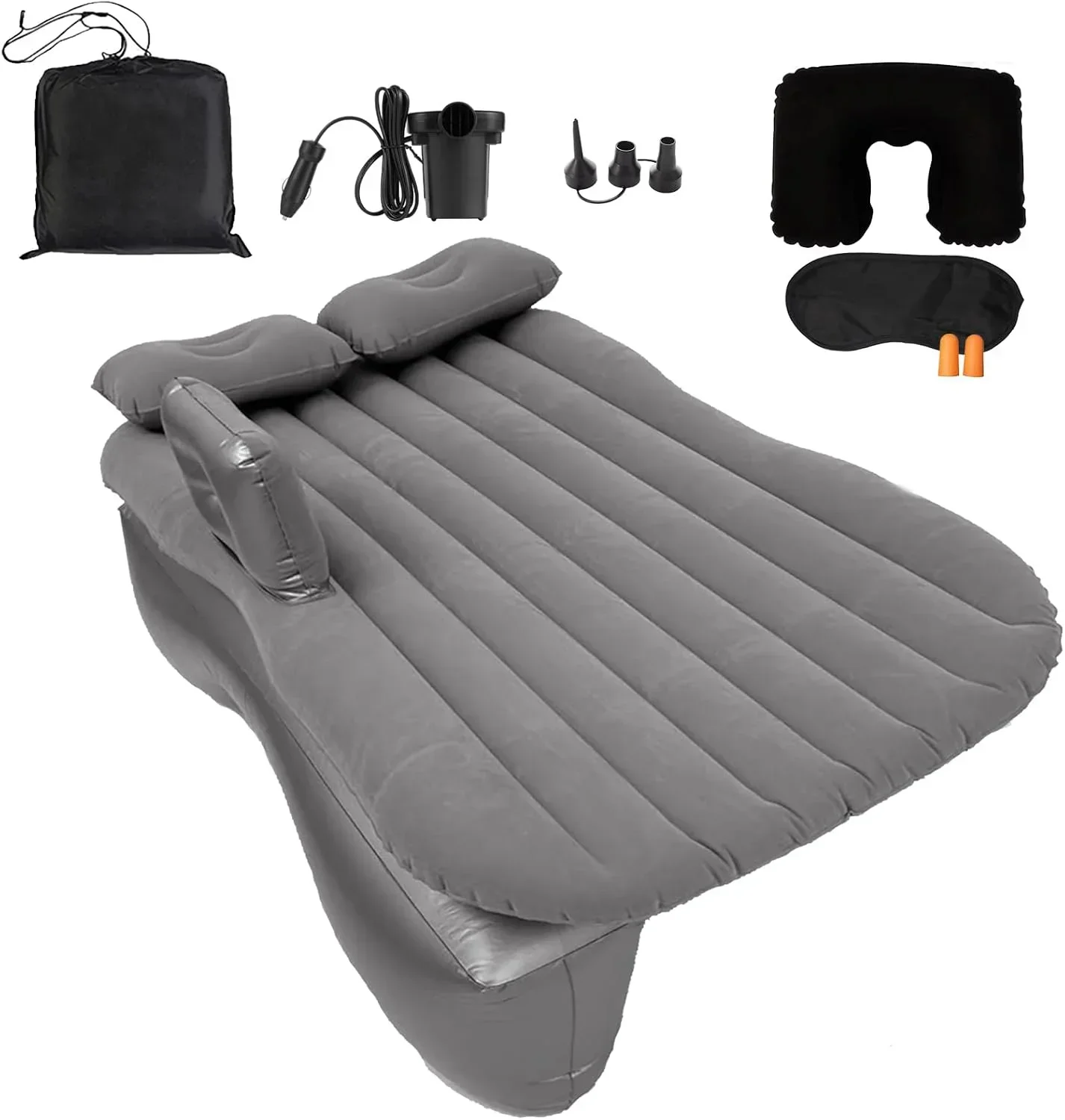
Once you have a yes, use the short window well. The reason to confirm early is partly comfort: a manager who wants you gone by 6 or 7 a.m. is offering a narrow night, and you want every hour of it to count as real rest. A flat, level surface does more for that than any amount of seat-reclining - an Onirii SUV air mattress turns a folded-down back seat into an actual bed in one inflate, so a confirmed, time-boxed stay is genuine sleep rather than a half-night of shifting around.
And if the call comes back no, that is not a failed night - it is a saved one. You still have real options down the road, and they are more dependable than a lot that never promised you anything. The where-to-park-overnight guide is built for exactly this moment: the manager said no, and you need the next spot that will actually have you.
Why a low profile helps but never equals permission
Let me give the myth its fair due, because a fair reading is still a skeptical one. A car is genuinely easier to host than an RV, and in a lot with early activity, being low-profile really can mean fewer eyes on you. That is the honest kernel inside the contractor-lot story. The mistake is only ever the last step - treating 'less noticed' as if it meant 'permitted.' It doesn't, and holding both ideas at once is the whole skill.
What being low-profile actually buys you, kept honest:
- You take one ordinary space. Not a fifty-foot rig's footprint - so a manager who says yes is giving up almost nothing, which makes the yes easier to get once you ask.
- You read as a parked car, not a campsite. Windows cracked and nothing set up is far less likely to trigger a complaint than an awning and leveling blocks - but 'less likely to trigger a complaint' is a statement about attention, not about your right to be there.
- You still need the yes. None of the above substitutes for permission. It only makes the space you're asking for smaller.
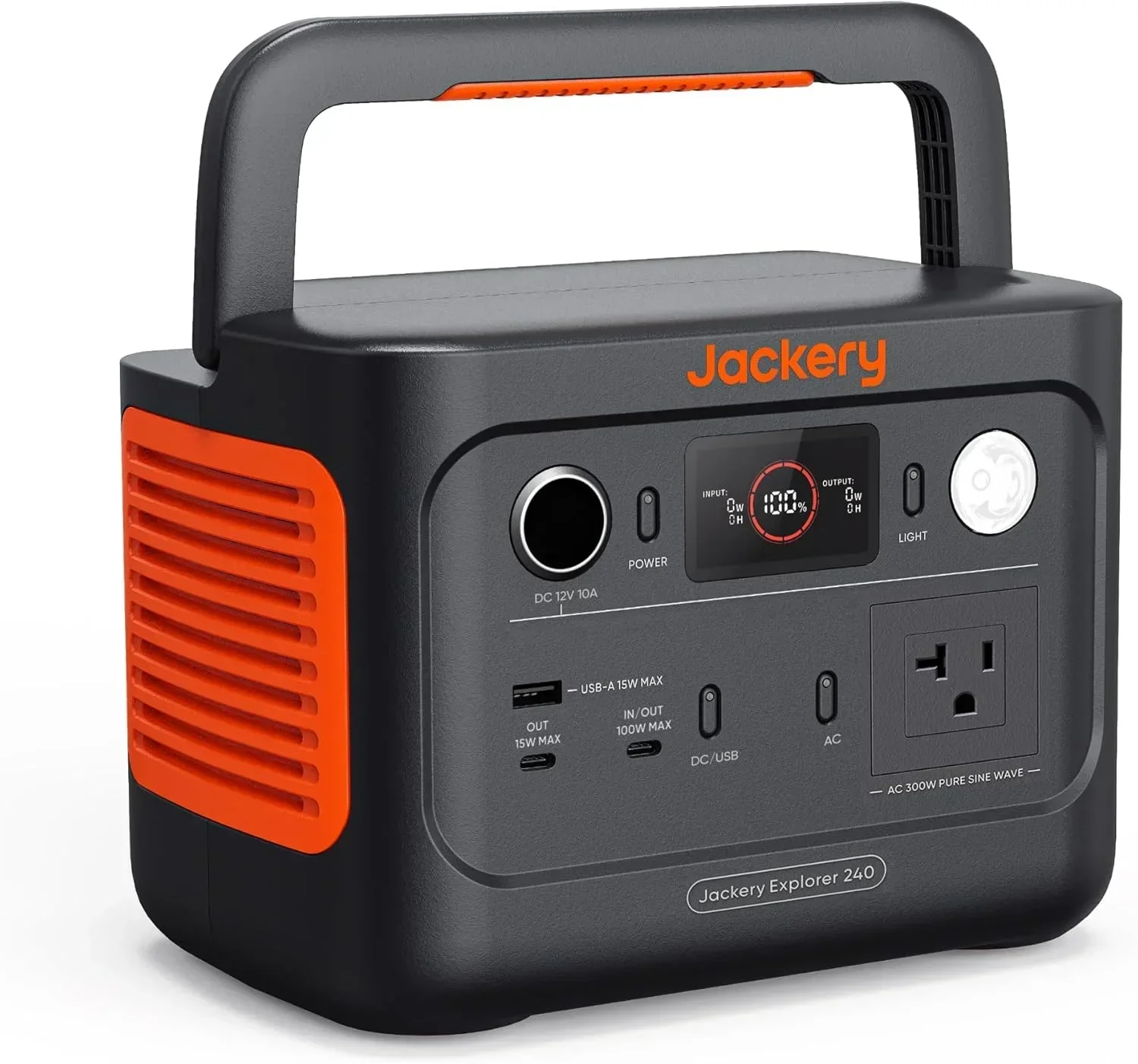
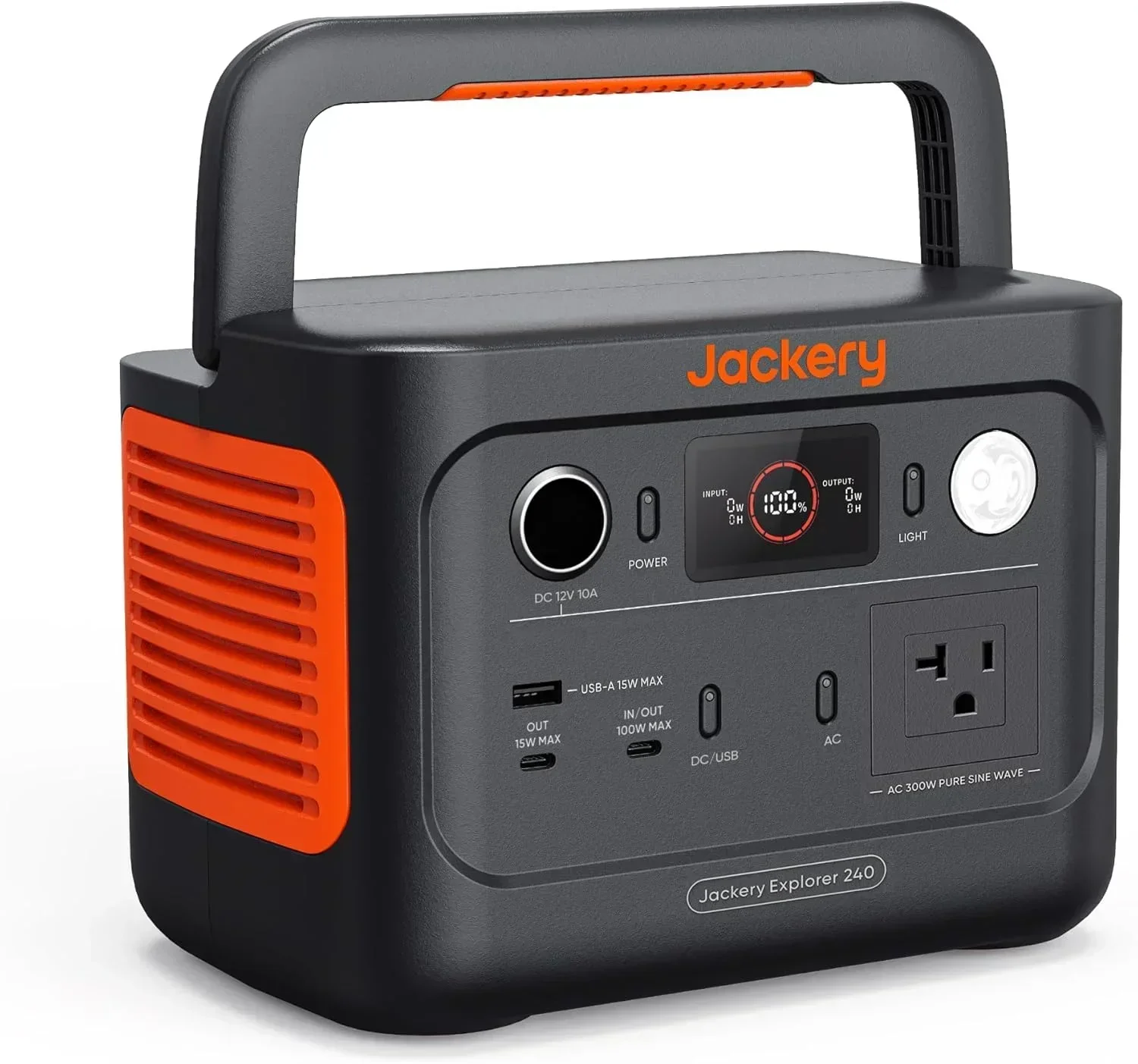
Blending in also has a practical trap: the temptation to idle the engine all night for heat or a phone charge, which is noisy, smells, and reads as exactly the camping a store doesn't want - the fastest way to convert 'barely noticed' into 'someone came to check.' A small battery closes that gap. A Jackery Explorer 240 v2 power station runs a fan, a light, and phone charging through the night and tops back up off your 12V socket as you drive, so you stay comfortable without the engine running and without drawing the wrong kind of attention in a quiet lot.
So keep the low profile - it is good manners and good odds. Just never let it stand in for the one thing it can't replace. The quiet car in the back row is the easiest overnighter to say yes to, but someone still has to say it. For the bigger map of where the law itself is on your side rather than a manager's mood, the state-by-state legality guide shows where you're leaning on rights instead of goodwill.
A skeptic's rule for a Home Depot night
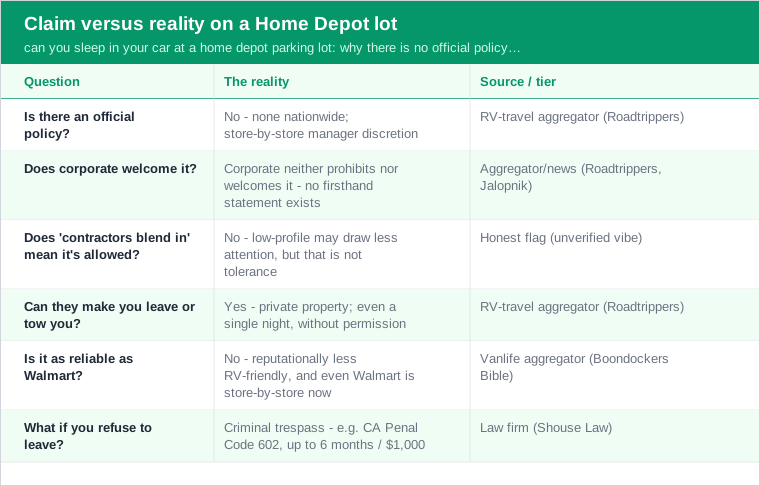
Put every piece together and the verdict is not 'never' - it is 'not on faith.' Home Depot has no official policy anywhere, per Roadtrippers; the contractor-lot welcome is an unverified vibe rather than tolerance; the decision is pure store-by-store manager discretion; the chain is reputationally less reliable than an already store-by-store Walmart, per Boondockers Bible; and the downside of guessing wrong is a tow or, per Shouse Law, a trespass charge. That is a lot to hang on a story nobody sourced.
The skeptic's rule, in one breath:
- Don't trust the vibe. 'Contractors blend in so you're fine' is an observation someone dressed up as permission - no source made that leap.
- Get a person's yes. Call the specific store, ask the manager, and treat anything short of a clear yes as a no.
- If you stay, stay small and leave early. Back of the lot, no setup, gone by 6 to 7 a.m., own your own power.
- Have a better backup. A confirmed spot beats a hoped-for one every single time.
That is the difference between the marketing lore and the reality. The lore says a Home Depot lot is a quiet, easy, blend-right-in win. The reality is a private lot with no policy, one decider, and a real tow hook - workable only when you do the thing the story skips and actually ask. Get a yes and it can be a fine night. Skip the yes and you're sleeping on a rumor.