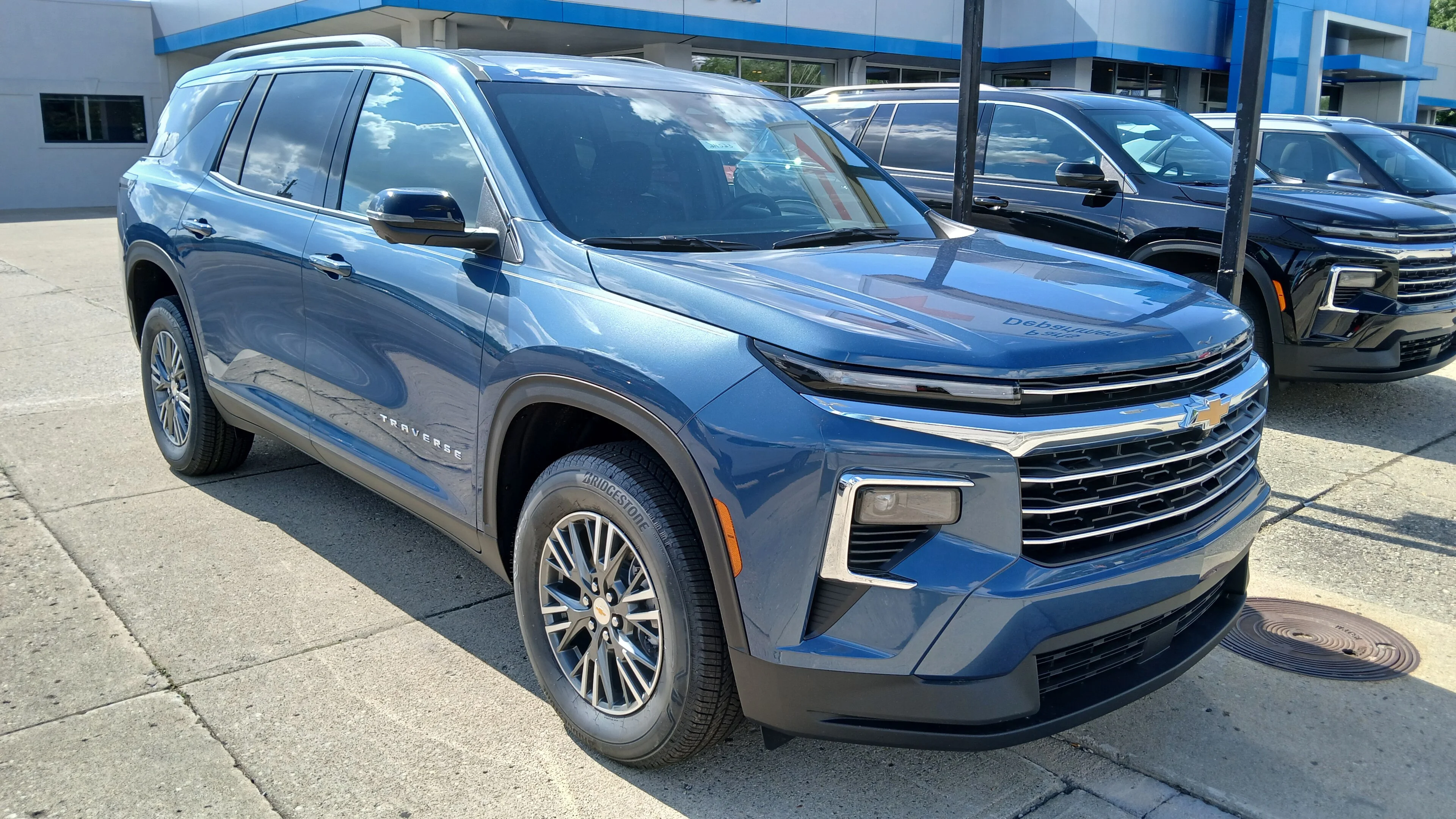
Can you actually sleep in a Chevy Traverse?
Can you sleep in a Chevy Traverse? Yes - and the redesigned one is genuinely one of the better three-row crossovers for it, because a named reviewer confirms the folded floor comes out flat. That's the single thing that separates a crossover you can actually sleep in from one you fight all night, and the 2024-and-newer Traverse gets it right.
I look at a camping crossover the way I look at any project in my garage: where does the money and the effort pay off, and where does a smart choice save you a build? On the Traverse the payoff is that flat floor, and the smart choice is a trim decision - bench versus captain's chairs - that decides whether two people fit without a plywood project. Get that right and you've saved yourself a weekend of cutting boards.
This guide runs the real current-generation numbers (and flags the old-gen figure that keeps getting copied over), tells you whether the floor is truly flat, sorts the bench-versus-captains question, covers the fold-order catch that trips people up, and lays out the power and the build. The goal is that you know exactly what you're working with before you spend a dime.
Who it suits: a family that already has a Traverse or is shopping one and wants to camp a few nights a year without converting the thing. It was built to haul seven or eight people first, but it sleeps one or two genuinely well - and better than most rivals because of that flat fold.
One thing to set straight up front: the 2024 car is a full redesign, not a facelift. Chevy dropped the old 3.6-liter V6 for a 2.5-liter turbo-four making 315 horsepower, boxed up the sheet metal, added a Z71 trim and a 17.7-inch screen. None of that changes where you sleep, but it does mean every number on the old spec sheet is suspect - and I'll flag the ones that matter for a bed as we go.
What are the real cargo numbers on the new Traverse?
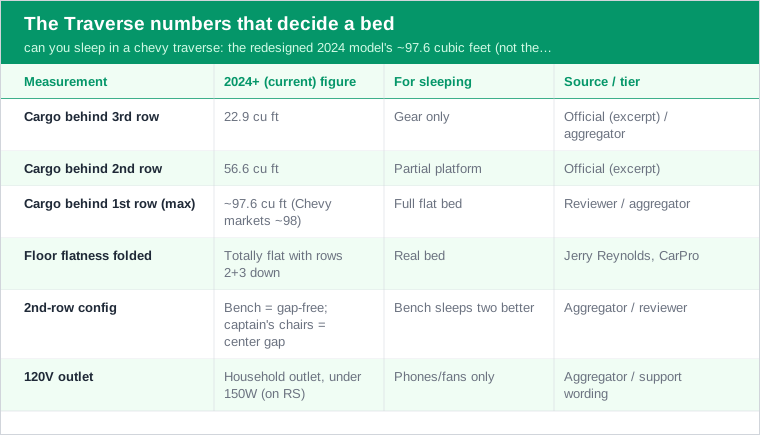
Start with the current car's real figures, because the redesign changed them. The 2024-and-newer third-generation Traverse gives you about 22.9 cubic feet behind the third row, roughly 56.6 cubic feet behind the second with the third folded, and around 97.6 cubic feet behind the first row with both rear rows down - which Chevy markets as 'up to about 98.'
Read them as a build spec:
- 22.9 cubic feet with all seats up is a big trunk, not a bed.
- 56.6 cubic feet behind the second row is a partial platform - fine for a solo diagonal sleeper who keeps the third row up.
- About 97.6 cubic feet with both rows folded is the full-bed number, so a real setup means dropping both rear rows.
Ninety-seven-plus cubic feet is a large, usable hold for a crossover, and paired with the flat fold it's a legitimately good bed. Anchor on that 97.6 figure for the current car - and if you see 57.8 behind the second row, that's the old generation's number that aggregators keep carrying over; the current official figure is 56.6.
The jump between those three numbers tells you how the bed grows as you drop seats. Behind the third row you've got 22.9 cubic feet - enough for a cooler, a couple of duffels, and a water jug, but you're sitting on top of your gear, not lying next to it. Fold the third and you're at 56.6, which is where a solo sleeper can go diagonal and still keep the tailgate area for storage. Only when both rear rows go flat do you reach the full 97.6, and that's the configuration every real sleeping setup uses.
Here's the part that trips up shoppers: the 2024 redesign is actually about 1.4 inches shorter outside and 0.7 inches narrower than the old car, yet it picked up roughly 3.1 inches of second-row legroom. Smaller box, roomier inside - so don't let the tape measure on the outside fool you into thinking the old numbers still apply.
Watch the 98.2 trap - that's the old Traverse
Here's the mistake I see on half the Traverse camping pages, and it'll throw your planning off: the 98.2-cubic-foot max belongs to the 2018-2023 second-generation Traverse, not the redesigned one. The current 2024+ car tops out around 97.6 cubic feet - Chevy rounds it to 'up to 98.'
If a 2024-or-newer Traverse spec sheet shows 98.2 cubic feet, it's old-gen carryover. The current third-gen max is about 97.6. It's a small difference in cubic feet but a sign the whole spec sheet may be mixing generations.
Why it matters even though the numbers are close:
- It's a tell. A page that quotes 98.2 for a new Traverse is probably wrong about the other dimensions too - trust it less.
- The generations differ in shape. The 2024 redesign is slightly shorter outside but roomier inside, so the floor geometry isn't identical to the old car's.
- Build to the right column. Use current-gen figures for a current-gen truck so your mattress and platform actually fit.
For the full fold-by-fold breakdown on the current car, our Traverse cargo dimensions for sleeping page keeps the generations straight.
The way I check any spec page: find its behind-the-second-row figure. If it reads 57.8 instead of the current 56.6, and the max reads 98.2 instead of 97.6, both of those are the 2018-2023 second-gen car. The gaps are small - six-tenths of a cubic foot here, a couple there - but they travel together, and a page carrying both is quoting an old brochure. Cross-check the behind-third-row number too; 22.9 is current, and anything wildly off that means you're reading a different vehicle entirely.
Is the folded floor actually flat?
This is the question that makes or breaks a crossover bed, and the Traverse gets a rare clean answer. A named reviewer - Jerry Reynolds at CarPro - drove the 2024 Traverse and described a totally flat cargo floor with the second and third rows folded. For a three-row crossover, that's about as good as it gets.
- Flat is the headline. A genuinely level floor means you can skip the plywood leveling that lesser folds demand - a real money-and-effort saver.
- A pad still helps. 'Flat' means no step to fight; you still want cushion for comfort, just not for leveling.
- Trim is the asterisk. The flatness assumes the seats fold as intended - which brings up the bench-versus-captains question next.
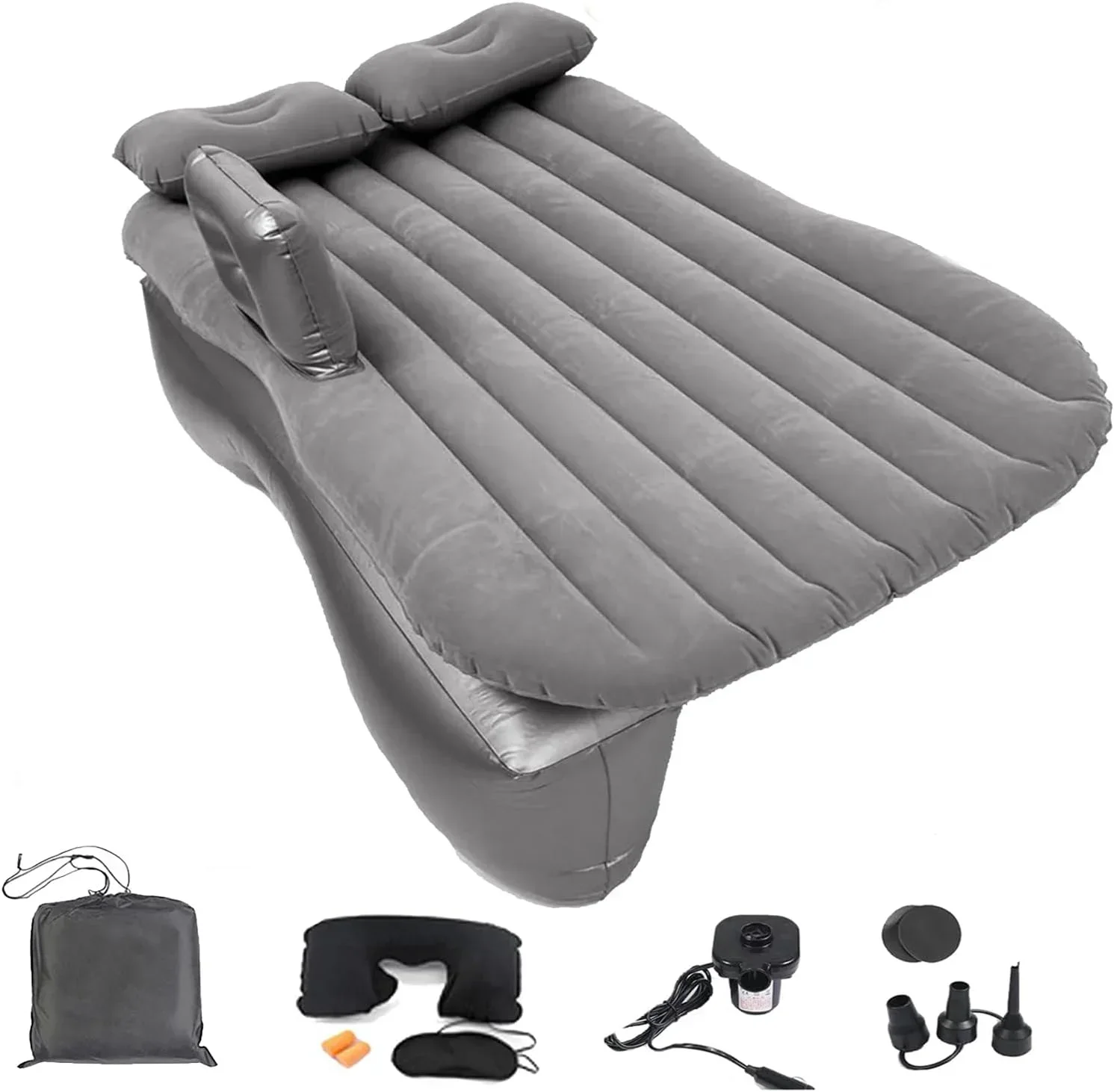
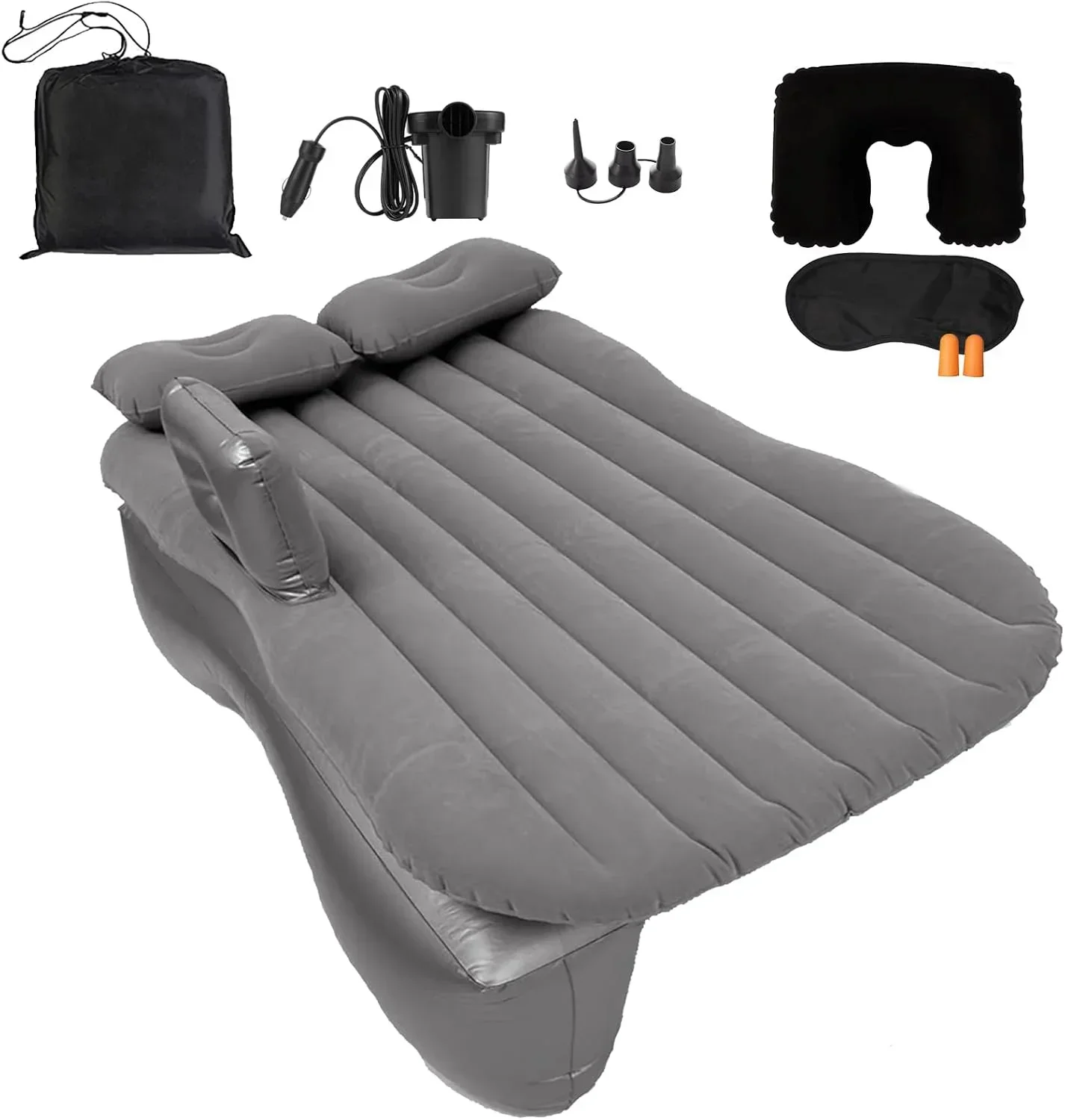
An Onirii SUV air mattress is the easy win on a floor that's already flat: one inflate and you've got a cushioned, full-width bed with no platform to build. On a truck where the reviewer already did the hard part - confirming the floor is level - a shaped mattress is genuinely all most people need.
Why I lean on the reviewer word here instead of just eyeballing the brochure: plenty of three-row crossovers claim a flat fold and then leave you a two-inch step where the seatback meets the cargo floor, or a ramp that has your head lower than your feet all night. Jerry Reynolds drove the 2024 RS and called the floor totally flat with rows two and three down - that's a person who looked at the actual loaded floor, which is more than most spec sheets give you. On the Traverse that means the leveling work is done for you, and the only board you might cut is a small filler for the captain's-chair gap.
Bench or captain's chairs - which sleeps better?
Here's the trim decision that quietly decides whether the Traverse sleeps two, and it's the most useful thing in this guide. The second row comes two ways, and they build very different beds.
- Captain's chairs (standard on LT, RS, Z71): two separate seats that leave a real gap down the center of the folded floor - great for kids' access, but that channel breaks a two-person bed and needs bridging.
- Bench (standard on LS, a no-cost option on LT): folds into a continuous, gap-free floor - the better sleeper, and free if you spec it.
The budget-wrench takeaway: if camping matters and you're ordering a Traverse, choose the bench - it's a no-cost option on the LT and it saves you the plywood-or-filler project the captain's chairs force. If you already own one with captain's chairs, don't panic; a piece of plywood or an inflatable filler bridges the center gap and you're back to a flat bed.
To keep the trims straight: the bench is the eight-passenger setup, standard on the base LS and a no-cost box you can tick on the LT. The captain's chairs are the seven-passenger arrangement, standard on the LT, RS, and Z71. So the LT is the pivot trim - it's the one where you actually get to choose, and choosing the bench costs you nothing but a checkbox. On the RS and Z71 the captain's chairs come with the truck, so plan on bridging that channel from day one.
How wide is the gap? Nobody publishes it, so I won't pretend to a number. Practically, it's a few inches of open air running down the spine of the bed - enough that a hip or a shoulder drops into it and wakes you up. A strip of half-inch plywood cut to the channel, or a small inflatable wedge, fills it flush. That's a ten-dollar fix, not a build, but it's a fix the bench simply doesn't need.
Camping in a Traverse? Get the bench second row. It folds gap-free, it's a no-cost option on the LT, and it saves you bridging the captain's-chairs center channel every single night.
How long and wide is the bed, really?
Length and width are where I have to be straight with you: Chevy doesn't publish a folded flat-load length or a wheel-well width for the Traverse, so the real bed dimensions are ones you measure, not read. What we know is the volume is generous and the floor is flat; the exact inches are on you.
- Measure tailgate to front-seat backs along the folded floor - that's your true bed length. A mid-to-large crossover like this usually fits a shorter adult flat and a six-footer at a slight diagonal.
- Slide the front seats forward to buy length before you measure.
- Check the wheel-well pinch if two of you plan to sleep side by side - it's the real width ceiling, and it's always narrower than the open tailgate looks.
Honestly, for a crossover the Traverse is width-limited more than length-limited: two adults fit lengthwise but get snug at the shoulders, which is exactly why the bench-versus-captains choice matters so much. Measure the pinch before you decide it's a double, and our SUV mattress-size guide helps you match a bed to those numbers.
I'd rather tell you to bring a tape measure than feed you an inch figure Chevy never printed. Every crossover in this class hides a wheel-well intrusion partway up the cargo bay, and the Traverse is no exception - the floor is wide at the tailgate and pinches between the wheel arches. That pinch, not the volume, is what decides whether two people sleep shoulder to shoulder. Lay a tape across the narrowest point and across the diagonal from tailgate corner to opposite front seatback before you call it a double; those two measurements settle the question the 97.6-cubic-foot number can't.
The 120-volt outlet and running power overnight
Power is modest on the Traverse, so plan around it. There's a 120-volt household outlet - called out on the RS - but it's a small inverter, under 150 watts, which covers charging and a fan, not appliances. Don't expect it to run a fridge or a kettle.
- Good for small draws: phone and tablet charging, a 12V-style fan, a light.
- Under 150 watts means no heating elements and no compressor fridge off the factory outlet.
- Trim-dependent: the outlet is confirmed on the RS; don't assume every trim has it - check your specific truck.
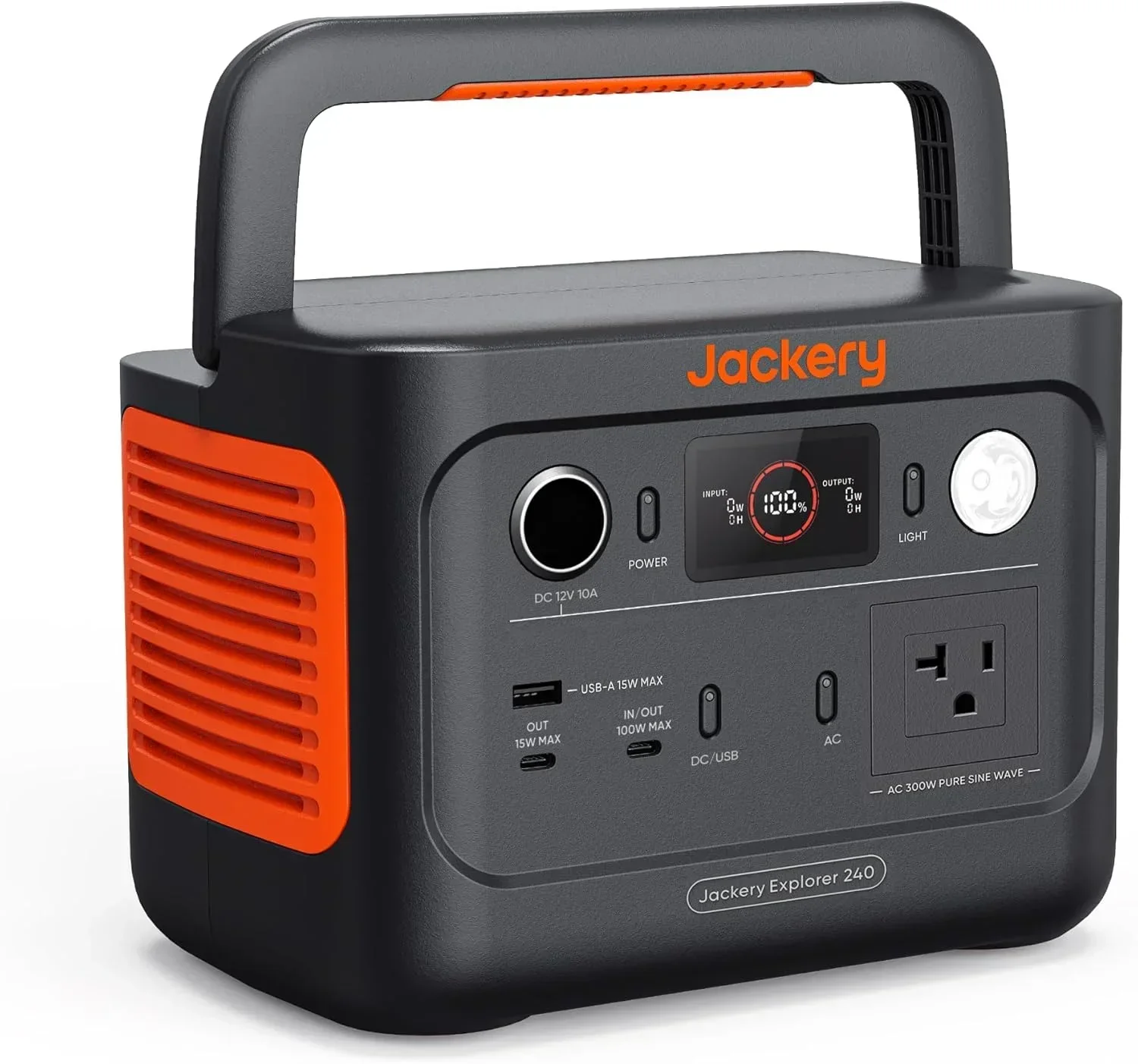
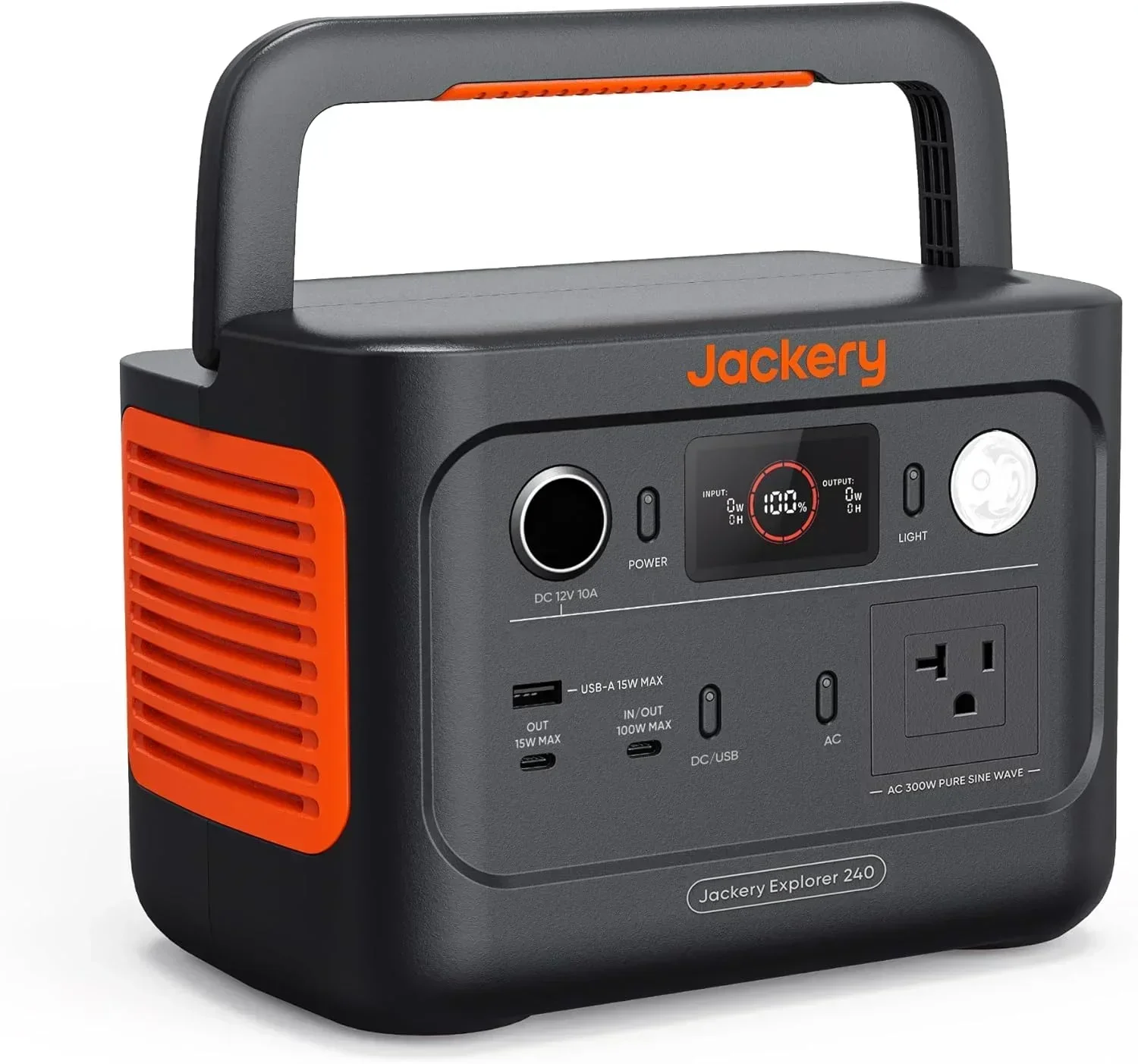
For anything beyond charging, or for power that lasts all night with the engine off, carry your own battery. A Jackery Explorer 240 v2 power station runs a fan, lights, and charging through the night on 256 watt-hours and tops back up off the 12V socket as you drive - which is the cheap, reliable way to power a Traverse camp without idling the engine.
Do the arithmetic before you count on that factory outlet for anything. Under 150 watts is a hard ceiling that rules out a coffee maker, an electric kettle, a space heater, and any compressor fridge - all of those pull several hundred watts to well over a thousand. What fits under 150 watts is a phone brick, a tablet, a string of LED lights, and a low-draw fan. Treat the outlet as a convenience charger and nothing more.
The 256-watt-hour Jackery is sized for exactly this gap. That capacity runs a small fan and a light through a summer night with charge to spare for phones, and because it refills off the 12-volt socket while you drive the next leg, you're never hunting for a wall plug. It also sidesteps the trim lottery - the household outlet is only confirmed on the RS, so if your Traverse is an LS or LT you may not have one at all, and a portable station makes the question moot.
Building the bed and folding the third row right
The build is easy on a flat floor, but there's one fold-order catch that genuinely trips people up, so learn it before you're doing it in the dark. On the Traverse, the third row won't fold if the captain's chairs are slid all the way back - you have to slide the second-row seats forward first.
- Slide the second row forward, then fold the third. Skip that order and the third row jams against the seats - the number-one 'why won't it fold' complaint.
- Then fold the second row for the full flat floor.
- Bridge the gap if you have captain's chairs; a bench needs nothing. Then add your pad or mattress.
Because the floor is already flat, most people can skip a platform entirely and just drop a shaped mattress. If you want storage underneath, a low, light platform works - but on the Traverse it's optional in a way it isn't on a stepped-floor SUV, which is exactly the kind of effort-savings I look for.
Learn the fold order in the daylight of your driveway, not at a campsite with a headlamp. On the Traverse the third row will not fold if the captain's chairs are parked in their rearmost position - they block the seatback's travel. Slide the second row forward first, then drop the third, then bring the second row down onto the flat. Get that sequence backward and the third row jams, which is the single most common 'why won't it fold' gripe on this truck. It's not broken; it's just picky about order.
One adult or two, and who it suits
So how many does it sleep? One adult easily and well; two if you plan the trim and measure the width. The flat floor and generous volume make solo camping in a Traverse genuinely comfortable, with room for gear alongside.
- Solo: easy - flat floor, good length, gear space to spare.
- Two adults: workable lengthwise, snug on shoulder width - get the bench, measure the wheel-well pinch, and it's a fair double.
- Family stopovers: two sleep in back, one or two on the reclined front seats - a common Traverse setup.
The Traverse suits the buyer who wants a flat-floor crossover bed without a build - the reviewer-confirmed floor and the free bench option do most of the work. For a rival cross-shop, our Telluride vs Traverse comparison puts two of the best three-rows head to head.
Where it lands against the field: the Traverse is a flat-floor standout but a width-limited one. Bigger three-row SUVs on truck platforms stretch longer and wider, so if two adults sleeping side by side is the whole point you may want more truck. But those cost more, drink more fuel, and most of them don't fold as cleanly as this Traverse does. For a family that camps a handful of nights a year and hauls kids the rest, 97.6 cubic feet over a genuinely flat floor is a lot of capability for zero build - and that's the trade I'd take.
The verdict on a Traverse bed
Where does the Traverse land? Near the top of the flat-floor crossover class, because a named reviewer confirms what most rivals only claim: the folded floor is genuinely flat. Pair that with about 97.6 cubic feet and the free bench option, and you've got a crossover you can sleep in with almost no build.
The budget-wrench checklist:
- Use current-gen numbers - about 97.6 cubic feet, not the old 98.2.
- Get the bench if you're ordering - gap-free and no-cost on the LT.
- Slide the second row forward before folding the third, and bridge the gap if you have captain's chairs.
- Measure the width, treat the outlet as a charger, and carry your own overnight power.
Do that and the Traverse earns its keep as one of the easiest three-rows to sleep in - flat floor, no plywood, real space. The safe and legal sleeping guide covers the rules for where to park for the night, and our where-to-park-overnight guide covers finding the actual spot.
Bottom line from the garage: this is a truck you can sleep in tonight, as-is, if it already has the bench. If it has captain's chairs, one half-inch board bridges the gap and you're level. Spend the money you saved on skipping a platform build on a good pad and a 256-watt-hour battery, and you've got a comfortable one-adult camp - a workable two-adult one if the wheel-well pinch measures out - for a fraction of what a conversion costs. That's the Traverse doing exactly what a flat-folding crossover should.