
What Material is Best for a Cold Weather Camping Blanket?
My first cold weather camping trip involved a $15 fleece blanket from Target and a rude awakening at 3 AM. I was car camping near Asheville, North Carolina, in early November, and the temperature dropped to about 20 degrees F.
My first cold weather camping trip involved a $15 fleece blanket from Target and a rude awakening at 3 AM. I was car camping near Asheville, North Carolina, in early November, and the temperature dropped to about 20 degrees F. That thin fleece did absolutely nothing against the mountain chill. I spent the rest of the night trying to breathe warm air into my sleeping bag, which felt like trying to fill a leaky balloon.
The honest version: you need more than just a "blanket" for cold camping; you need actual insulation. My rookie mistake cost me sleep and a lot of shivering. The fix I found later was a synthetic insulated blanket that's basically a sleeping bag you can wear, and it cost me $75.
The Core Answer
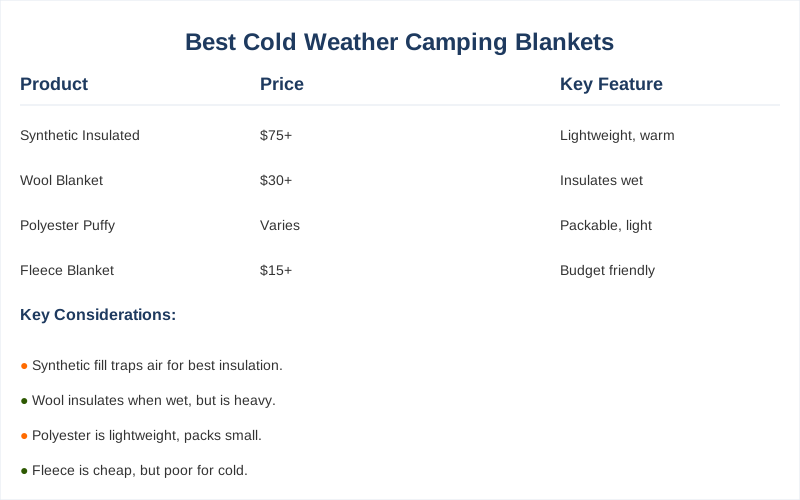
When you're looking for a blanket to keep you warm when camping, especially when it gets cold, you're really looking for insulation. Forget those fluffy decorative throws you have on your couch. The best bang for your buck, and what I swear by now, is a synthetic insulated blanket. Think of it like a sleeping bag that's less restrictive. I learned this the hard way on a trip to the Adirondacks. It was around 30 degrees F, and my old cotton quilt was doing zilch. I was so cold I could barely move. The real move is something with synthetic fill, like what's inside a puffy jacket. This stuff traps air, and air is your best friend when it's cold. It's like wearing a cloud that doesn't let the cold in. Wool is the old-school champion, and for good reason. It insulates even when wet, which is a huge deal if you're dealing with dew or, heaven forbid, rain. I picked up a surplus military wool blanket for $30 a few years back, and it's been a reliable backup. It's heavy, though, and takes forever to dry. Not ideal if you're trying to pack light or if you're in a damp climate. Polyester is what most of those fancy camping blankets are made of, like the popular puffy ones. They're lightweight and pack down small, which is great. But sometimes, they feel a bit slippery, and they don't always offer the same serious warmth as wool or good synthetic fill unless you get a really thick one. I tried a $90 synthetic puffy blanket once, and while it was warm, it felt like I was sleeping inside a giant grocery bag. Cotton is generally a no-go for cold weather camping. It soaks up moisture like a sponge and then does absolutely nothing to keep you warm. Imagine wearing a wet towel in 30-degree weather. Yeah, don't do that. I made this rookie mistake on a camping trip in the Smokies and regretted every second of it. It was miserable. The $50 version for a decent synthetic insulated blanket is totally achievable. You don't need the $200 name brands. Look for brands that make puffy jackets; they often have blankets with similar insulation. The key is that trapped air. That's what keeps you from turning into an ice cube. My go-to is a synthetic blanket that cost me $75 and has seen me through some seriously cold nights, even when I forgot my sleeping bag was rated for warmer temps. So, the honest version: synthetic insulated blankets are your best bet for warmth, packability, and reasonable cost. Wool is a solid, albeit heavier, backup. Cotton is for summer campfires, not freezing nights. Your fleece throw from home is probably just decorative.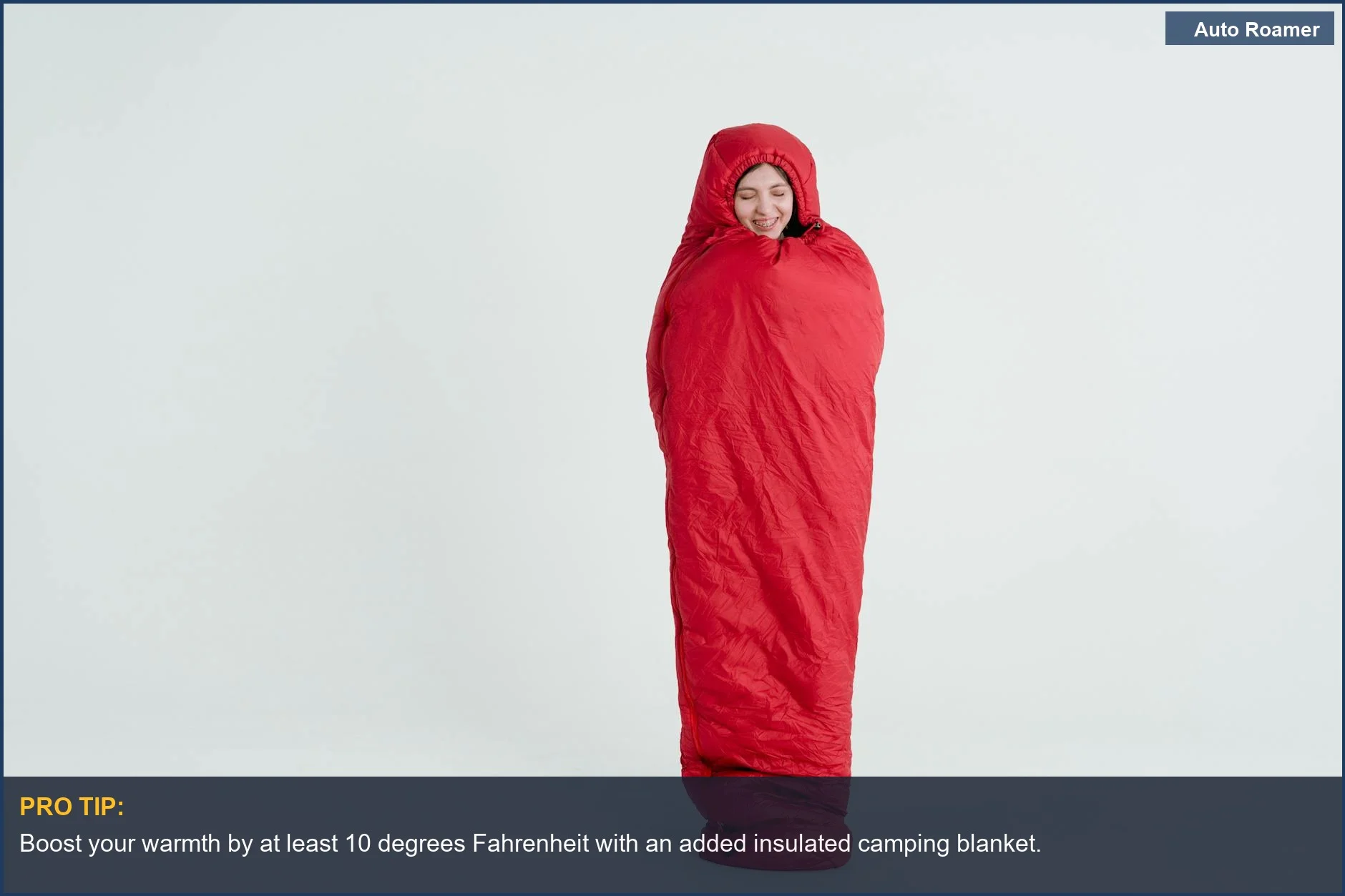
Why This Matters for Your Setup
Here's why this matters for your setup:
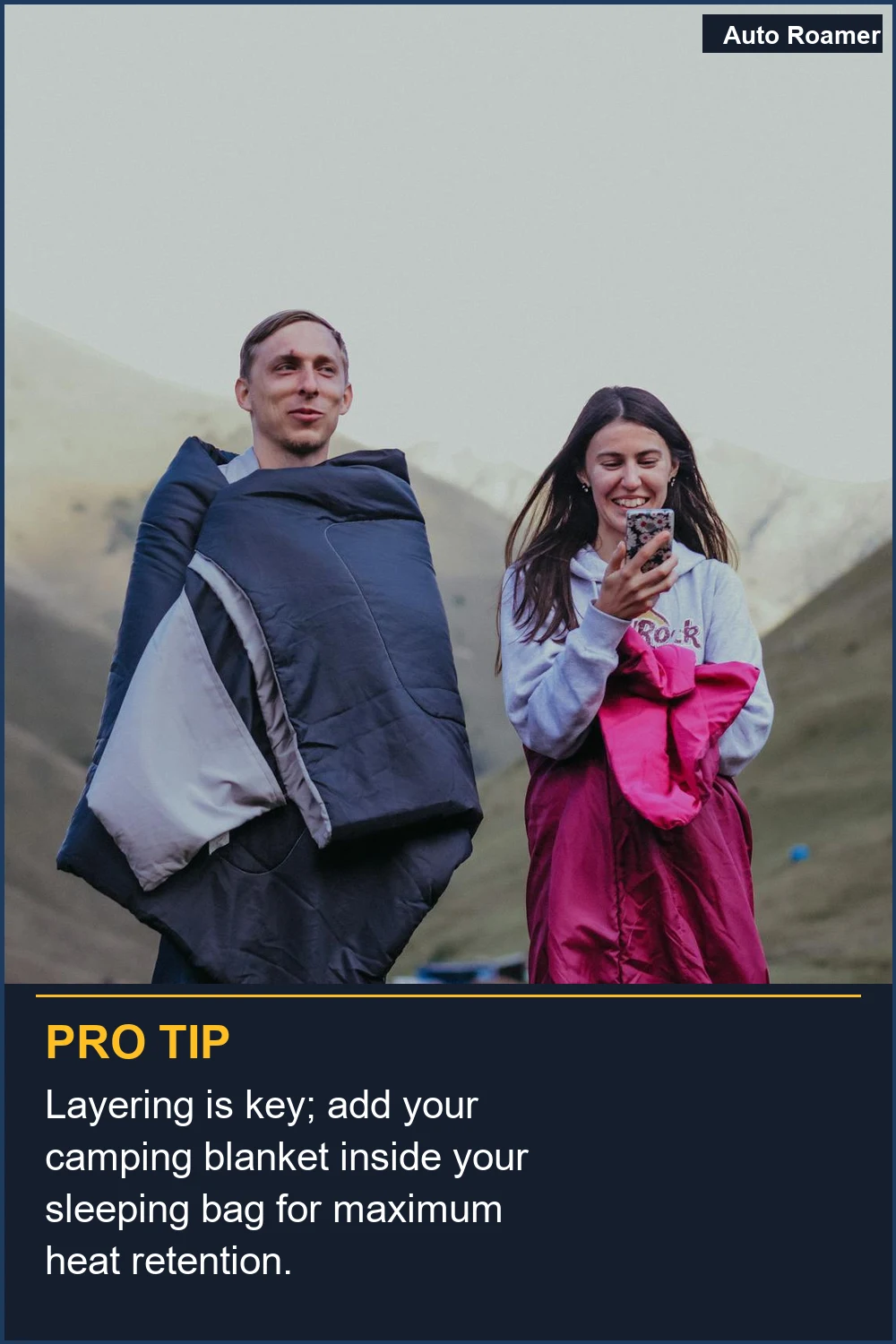
Making the Right Choice
When choosing a cold-weather camping blanket, ditch the notion of just grabbing any cozy throw.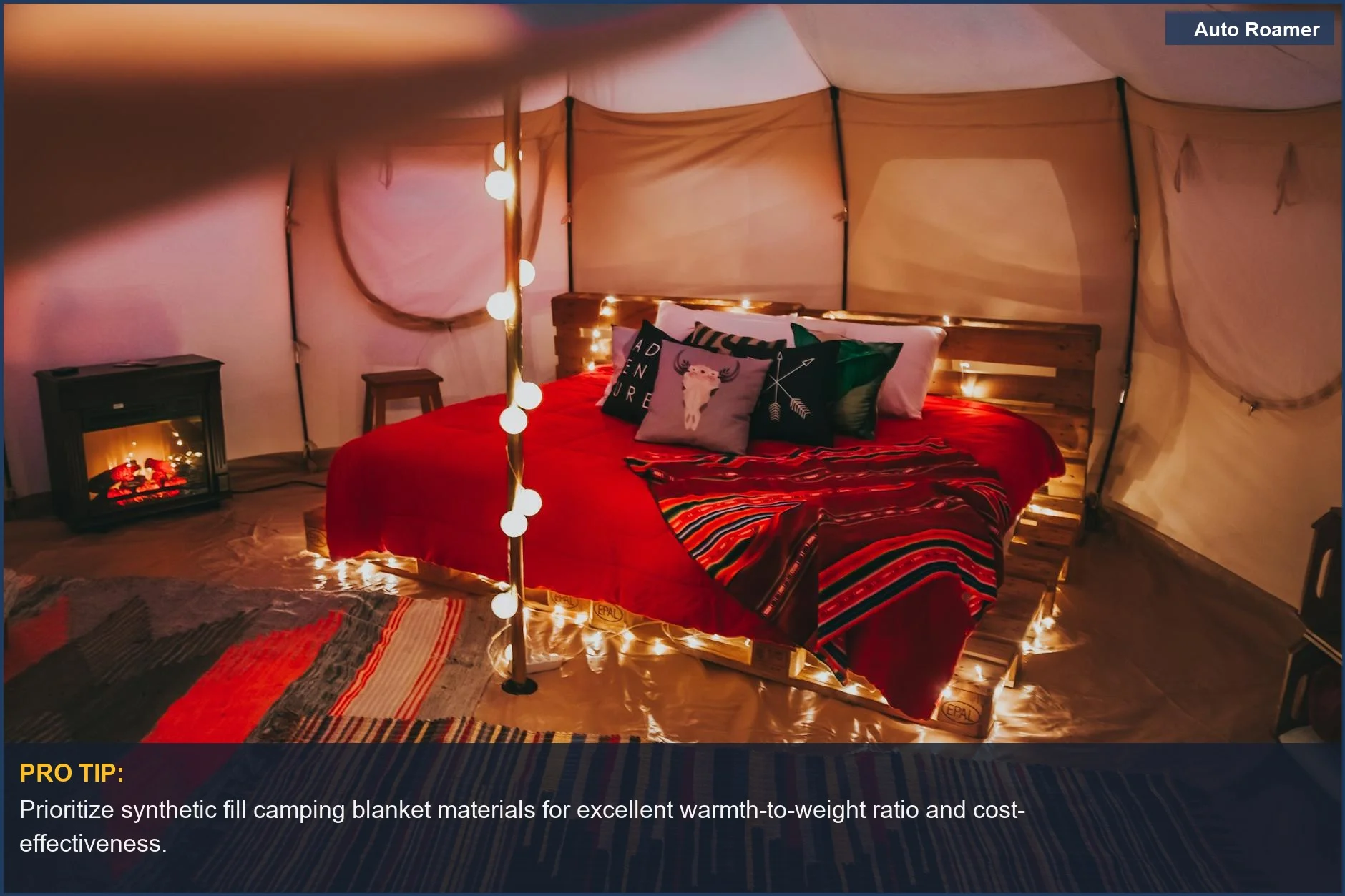
Frequently Asked Questions
I saw a really nice wool blanket online for $200. Is that worth it, or should I just get a $75 synthetic one like you recommended?
Do I really need a special 'camping' blanket, or can I just use my thickest comforter from home?
What if I buy a synthetic insulated blanket and it's still not warm enough on my next trip?
Can using a cheap, thin blanket constantly in the cold damage my sleeping bag over time?
Is it true that wool blankets are naturally fire-resistant and safer than synthetics around a campfire?
🏅 Looking for Gear Recommendations?
Check out our tested gear guides for products that work with this setup: