The Complaint That Arrives Three Days After the Ride
A Friday night airport run — one of maybe twenty on a 10 hour shift — ends the way most of them do. The passenger gets out, the app closes the trip, the next ping arrives before the boot is shut. Nothing memorable happens.
Three days later the notification lands. A cleaning fee is disputed. Or the rider says the route was padded. Or there is a complaint about conduct, phrased vaguely, with no detail you could argue against even if you remembered the ride — and you do not, because there were nineteen more after it.
That is the actual risk profile of rideshare work, and it is not the one dash cam marketing is built around. Marketing is built around the collision: the four-second clip of someone running a light, the licence plate read at night. Collisions are rare. Disputes about what happened inside the car are routine, and a forward-facing camera has nothing to say about any of them.
A driver running 30,000 to 50,000 miles a year is exposed to that second category on a weekly cadence. Which is why, for this job specifically, the ranking of features inverts — and why the advice on a general dash cam comparison is the wrong advice here.
Why a Forward-Only Camera Loses the Argument
Put the two cameras against the two problems.
| What actually happens | Forward camera | Interior camera |
|---|---|---|
| Collision with another vehicle | Settles it | Adds context, rarely decisive |
| Cleaning-fee dispute | Nothing | Shows the seat, before and after |
| Route or fare complaint | Road only | Shows the conversation and who asked for what |
| Accusation about conduct | Nothing | The only record that exists |
| Passenger damages the interior | Nothing | Shows it happening |
| Rider claims you were not there | GPS log | GPS log plus the cabin |
Five of those six rows are cabin events. The forward camera wins one, and it is the one that may never happen to you. That is the whole argument for the third channel, and it is why a 4K front sensor on a two-channel camera is the wrong thing to pay extra for on this job.
There is a secondary effect worth naming. A visible interior camera changes behaviour before anything is recorded — the deterrent is real and it costs nothing. A camera nobody can see only helps after the fact.
How an Interior Camera Sees at 2 a.m.
The cabin at night is genuinely dark. The dome light is off, the dash glow is behind the camera, and streetlights come through the windows in stripes. An ordinary lens gets nothing usable. This is why interior channels are built differently from forward ones.
- Infrared LEDs around the lens. The interior module carries its own illumination in the near-infrared band, invisible to the passenger and bright to a sensor with the IR-cut filter removed. This is the single component that makes a night cabin recordable.
- A sensor tuned for low light, not resolution. Interior channels are commonly 1080p rather than 4K, and that is a deliberate trade: larger pixels gather more light. You need a recognisable face and a legible seat, not a licence plate.
- A wide, short lens. The camera sits 2 to 3 inches from the windscreen and has to cover a rear bench, so it is a wide angle, which flattens faces and stretches the edges. Mount position matters more here than on any other channel.
- Fixed exposure behaviour. A cabin lit by IR is uniformly lit; a cabin passing under sodium lamps is not. Cameras that hunt for exposure produce a pumping image, which is the most common complaint about cheap three-channel units.
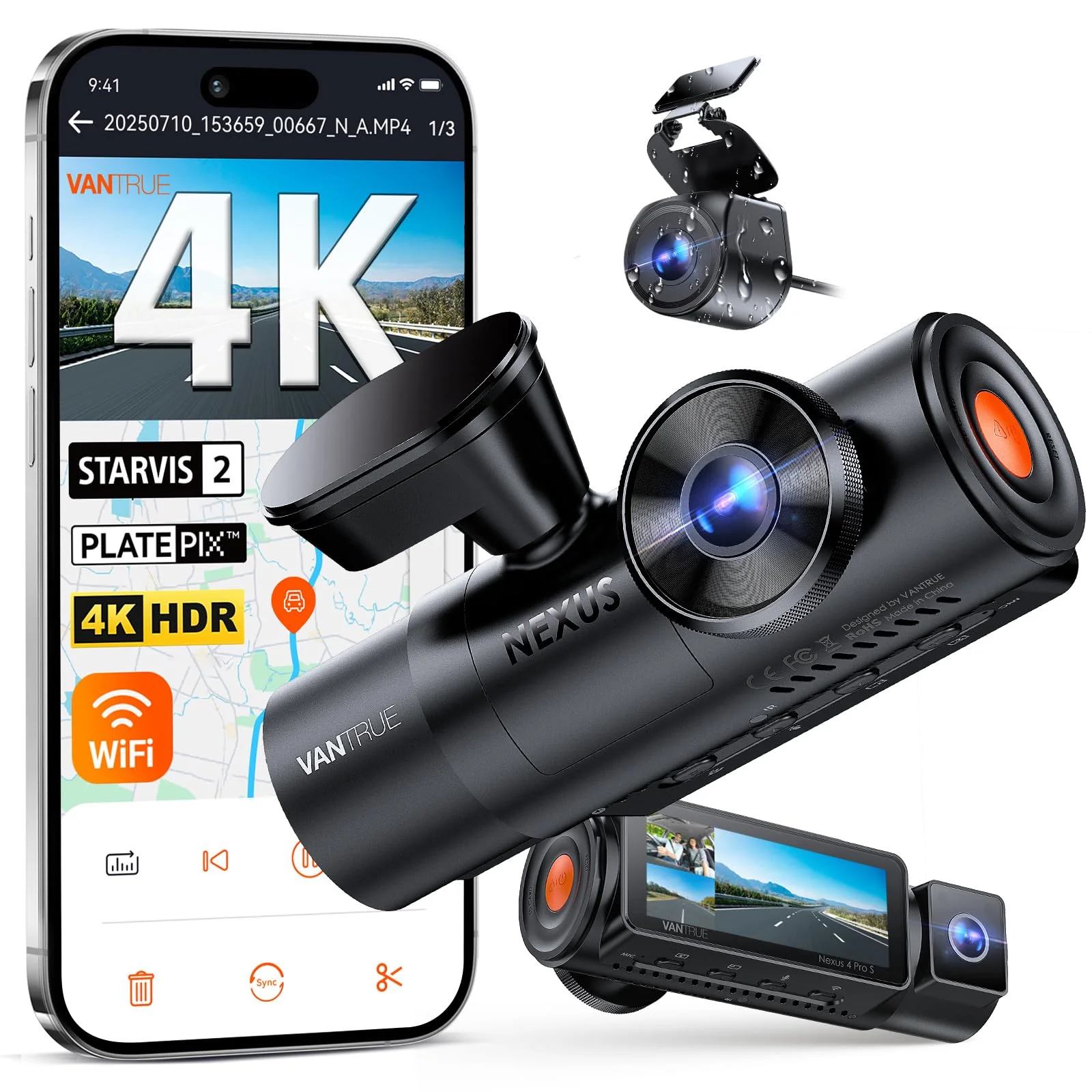
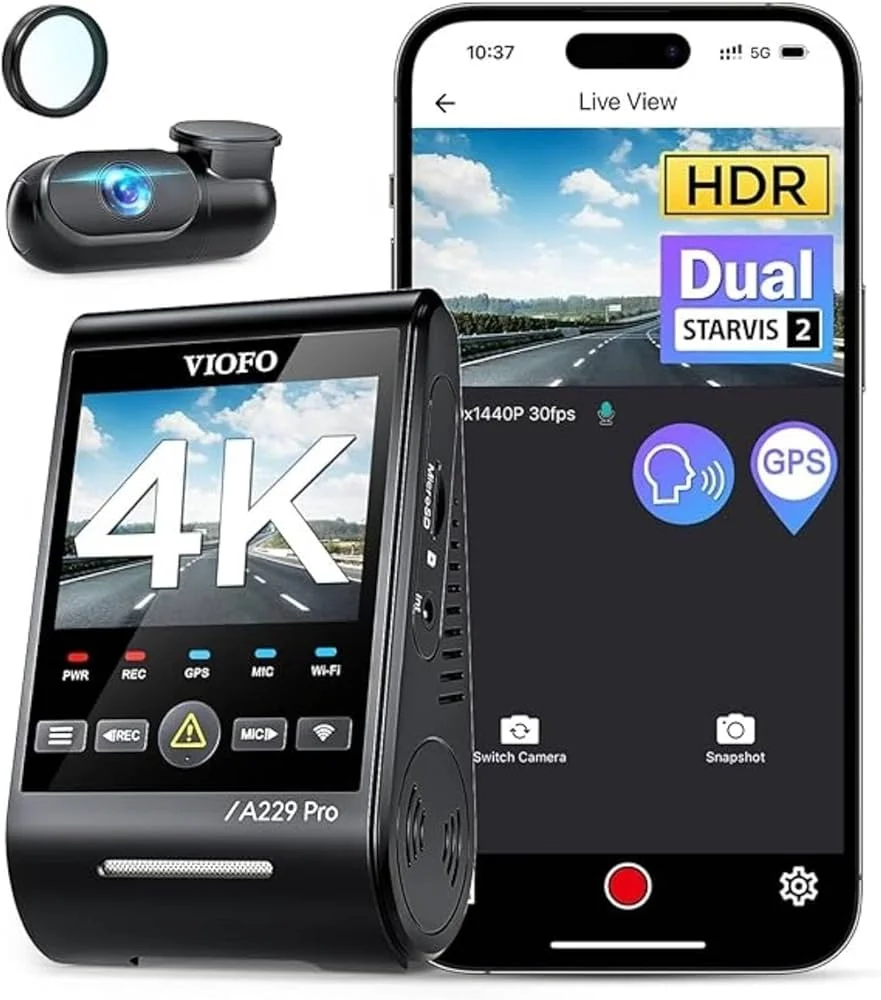
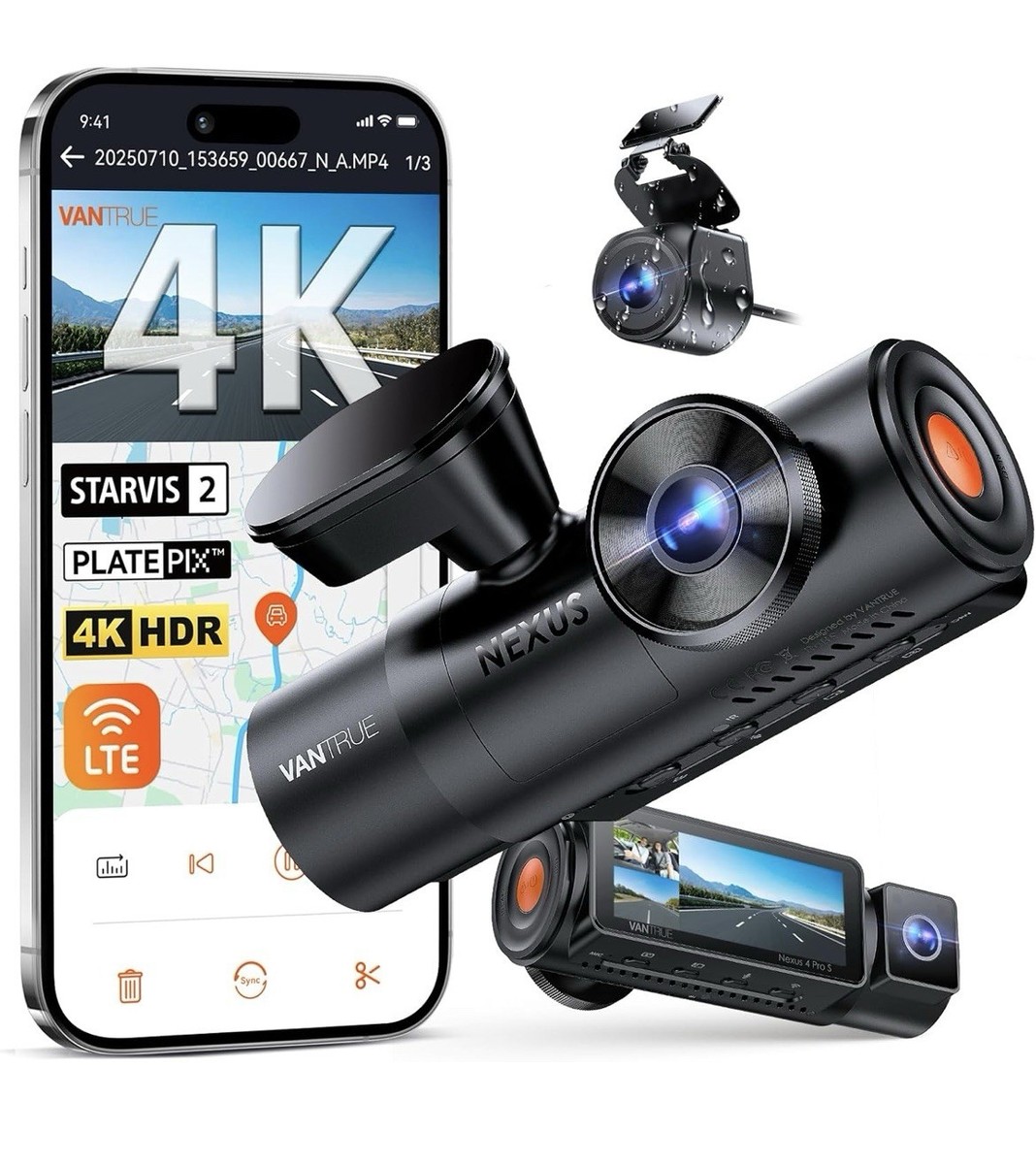
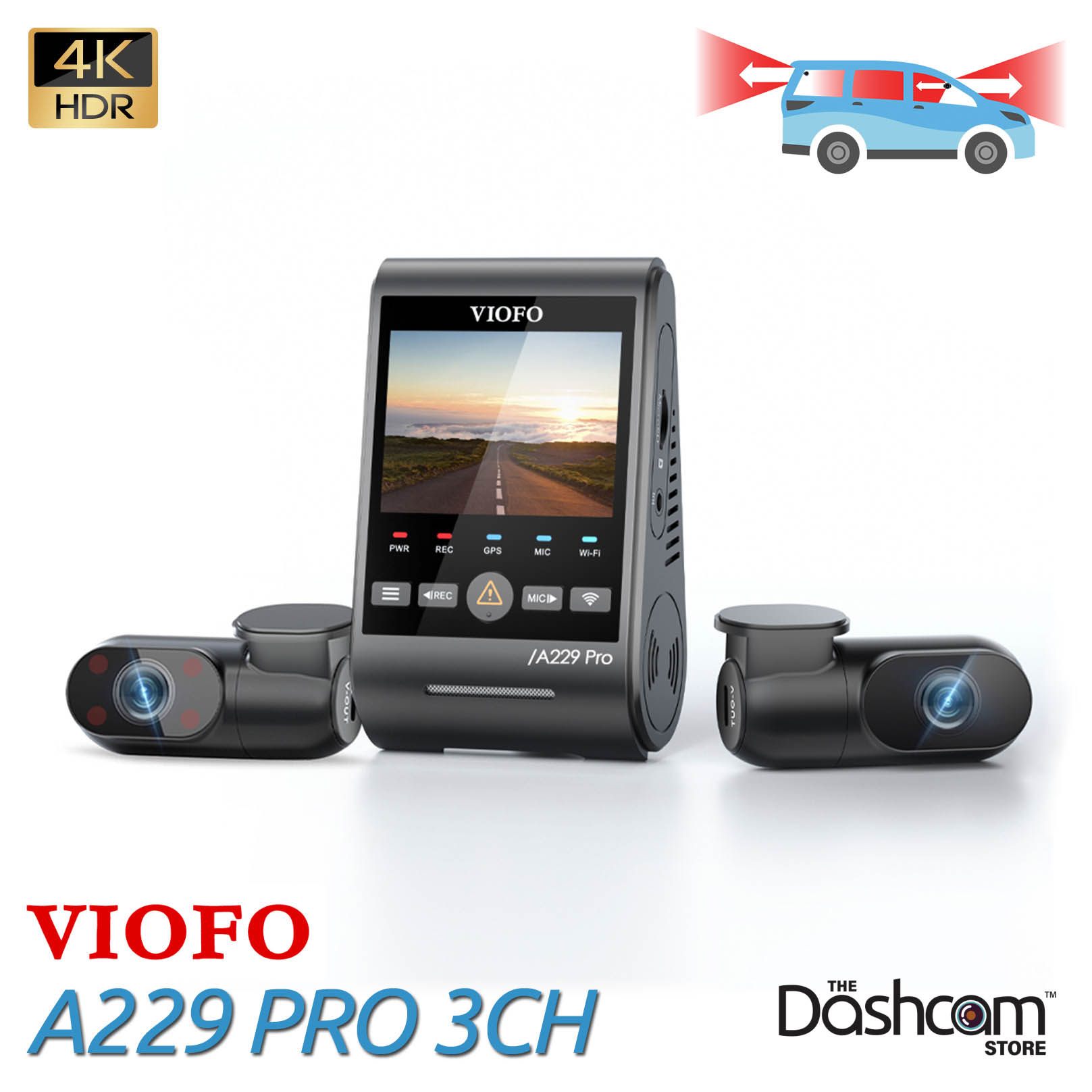
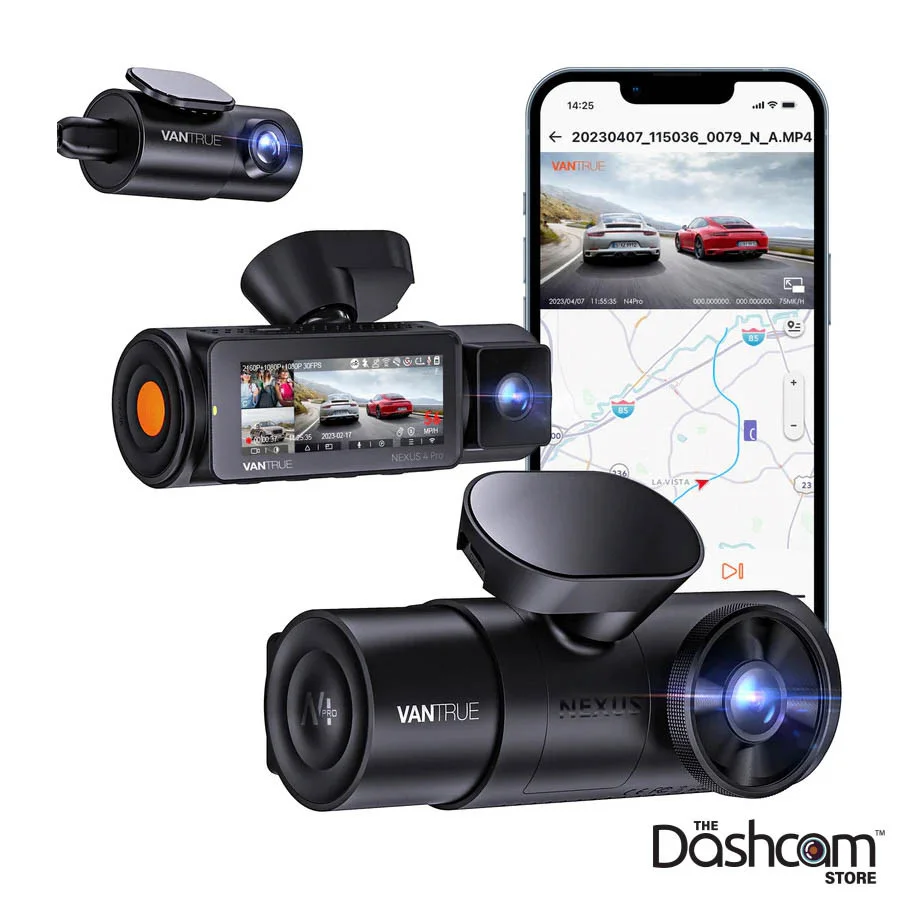
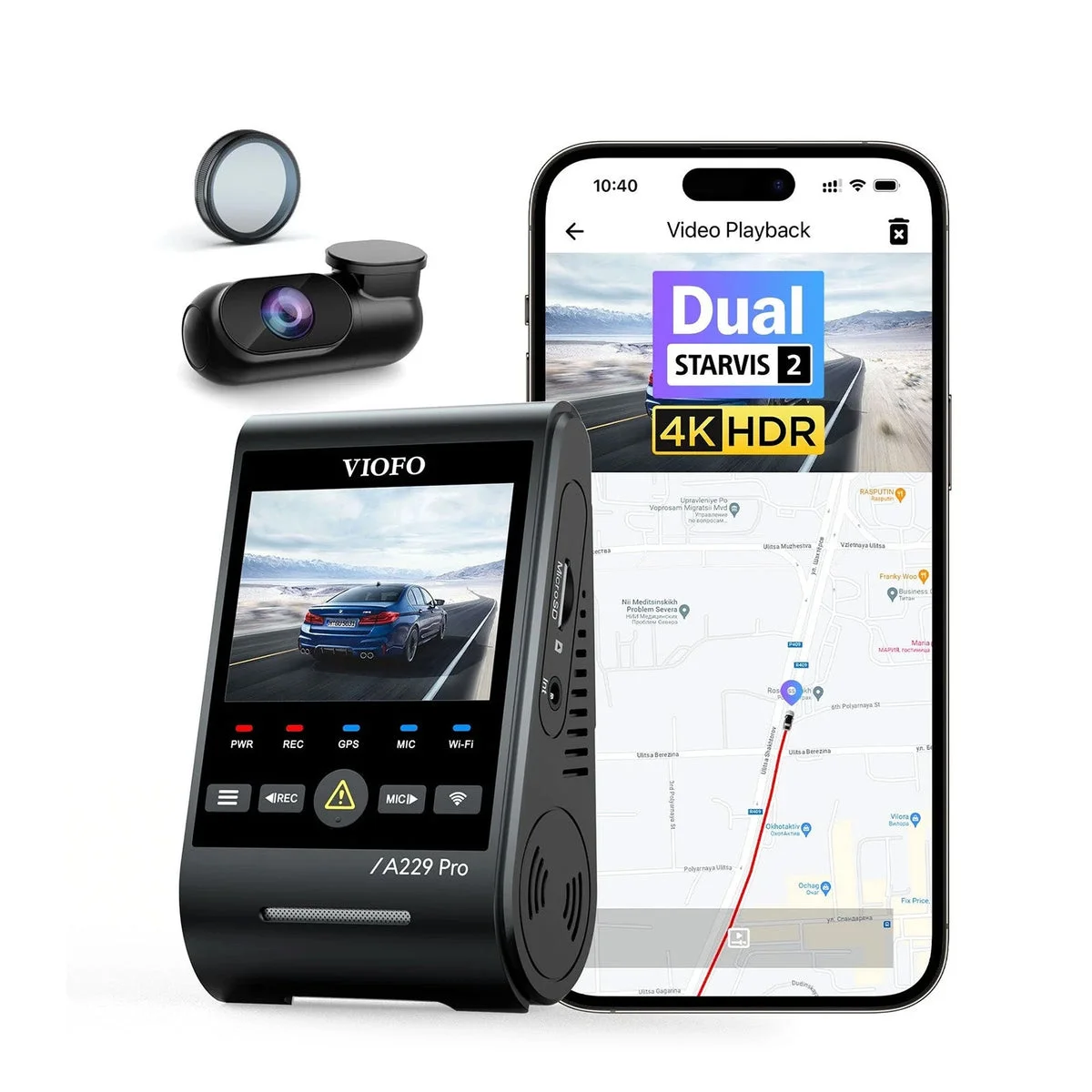
Both verified cameras on this page state their sensor stack in their own listing titles. The Vantrue N4 Pro S 4K 3 Channel Dash Cam lists 4K front, 1080p inside and 2.5K rear with triple STARVIS 2 sensors and HDR infrared night vision. The VIOFO A229 Pro 4K HDR Dash Cam Front and Rear is a two-channel camera: 4K front and 2K rear on IMX678 and IMX675 sensors, no cabin channel at all.
Consent, Audio, and the Sign in Your Window
Video and audio are governed differently, and the difference is the part drivers get wrong.
Video of a public-facing space that people enter voluntarily is broadly permissible in the United States. Audio is the exposed edge: recording a conversation is regulated by wiretap law, and while most states allow it with one party's consent — yours — a substantial minority require every party to consent. A camera whose microphone is on by default can put a driver on the wrong side of that line without a single deliberate act.
The practical setup, in order:
Look up your own state's rule before the first shift. If it is an all-party state, either disable the microphone in the camera menu or post a clear, readable notice that audio and video recording is in progress, so that entering the car is itself the consent. Then check the rideshare platform's own policy, which requires compliance with local law and may add its own conditions.
Two further points that are easy to miss. A notice sticker only works if a passenger can actually read it before they get in, which means the window or the door, not the dashboard. And if you cross a state line on a regular airport run, the stricter of the two rules is the safe one to operate under.
None of this is legal advice, and the rules do change. It is the reason a camera with a one-touch microphone toggle is worth more to a rideshare driver than one where audio is buried three menus deep.
Matching the Camera to the Shift You Actually Drive
Not every rideshare shift has the same exposure. Match the hardware to the work.
- Nights and bar close. The cabin channel and its infrared array are doing all the work, and the passenger you most need a record of is the one you can least see. A three-channel camera with IR is not optional on this shift.
- Airport queues and long waits. The car sits parked and occupied for hours. Buffered parking mode — recording that keeps the seconds before a trigger — matters more than peak resolution, and so does a power source that will not flatten the starter battery.
- School-run and daytime commuter work. Lower cabin risk, higher traffic density. A strong forward channel earns its place here, and a two-channel camera is a defensible choice.
- Deliveries rather than passengers. Nobody is in the back. The interior channel stops paying for itself and the front and rear cameras carry the whole case.
- Mixed, full-time driving. Buy for the worst shift you take, because that is the one that generates the complaint.
Two specifications cut across all of them. Storage: continuous recording writes constantly, so a high-endurance card rated for that duty is the difference between footage and a corrupted file at the moment you need it, and three channels consume roughly three times the card. Power: a windscreen-mounted camera can sit above 70 degrees C in summer sun, and a supercapacitor tolerates that far better than a lithium cell, which is why the serious units use them.
The Mistakes That Cost Drivers the Footage
The footage that does not exist is worth nothing, and the reasons it does not exist are boringly repetitive.
- The card was never formatted in the camera. Cards ship with a file system the camera tolerates rather than prefers, and the failures show up weeks later as unreadable clips. Format in the device, and reformat on a schedule.
- Loop recording overwrote it. Every dash cam overwrites the oldest file once the card is full. A complaint that arrives three days later is competing with three days of driving, and on three channels that window is short. Lock or export the clip the day you hear about the ride.
- The suction mount let go in the heat. A windscreen in summer sun defeats suction cups, and a camera on the floor records the footwell. Adhesive mounts survive heat that suction does not.
- Parking mode flattened the battery. A camera wired to constant 12 V power with no low-voltage cut-out will keep recording until the car will not start. Any hardwire kit worth buying cuts off at a set voltage, commonly 11.8 V or 12 V.
- The microphone was on in an all-party state. Covered above, and the only item on this list that can turn your evidence into your problem.
None of these are exotic. All of them are the reason a driver who owns a dash cam still ends up with nothing to submit.
Final Call: The Two Listings We Could Verify
This page used to carry six product cards. Four of them are gone, and it is worth saying plainly why, because the reason is the same reason you should not trust an unverified recommendation.
For the driver carrying passengers: the Vantrue N4 Pro S 4K 3 Channel Dash Cam. Its own listing title states 4K front, 1080p inside and 2.5K rear on triple STARVIS 2 sensors, with HDR infrared night vision, an IP67 rear camera, GPS, Wi-Fi and support for cards up to 1TB. That third channel is the one this whole page is about, and the 1TB ceiling matters when three streams are writing at once.
For the driver who does not carry passengers: the VIOFO A229 Pro 4K HDR Dash Cam Front and Rear. Its listing title states 4K front and 2K rear on IMX678 and IMX675 sensors, dual STARVIS 2, 5GHz Wi-Fi, GPS, voice control and a buffered 24-hour parking mode. It has no cabin channel, which is exactly right for delivery work and exactly wrong for rideshare.
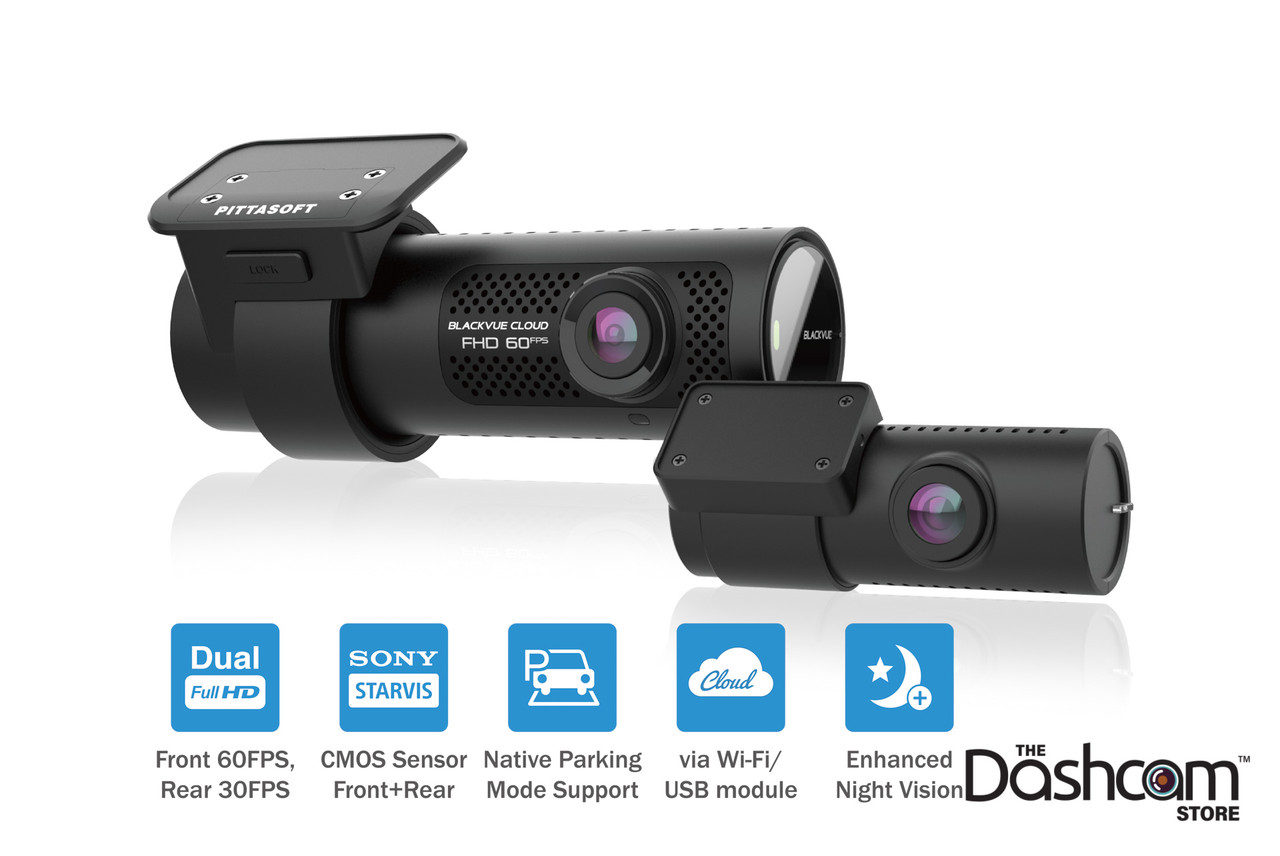
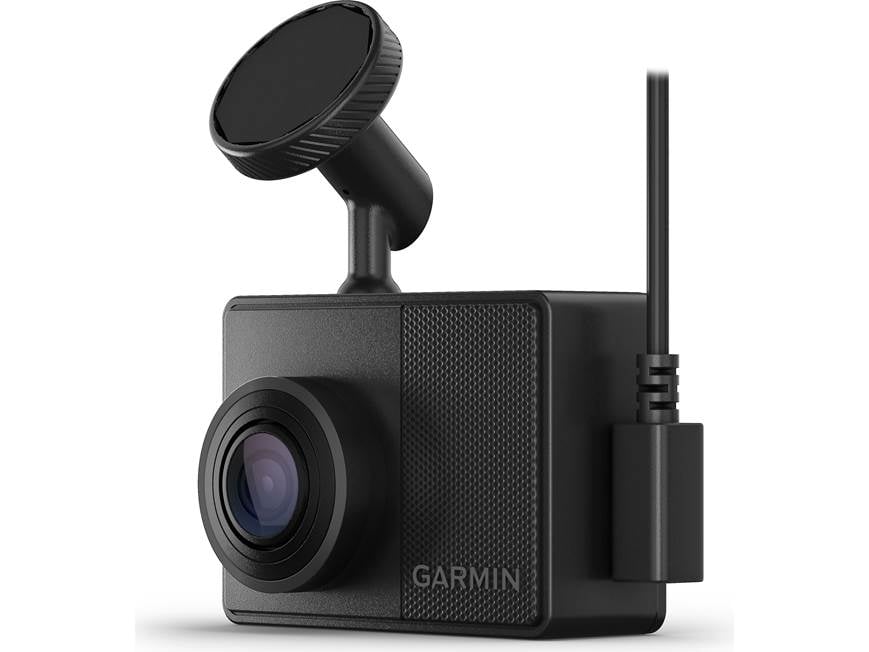
Why the other four are gone: two of them had drifted — the Amazon listing had quietly changed to a different product than the card claimed, in one case with not a single word of the claimed model name left in the listing title. One had been read as discontinued. One we could never verify at all, because Amazon blocks automated checks from this server. Sending you to a listing nothing has looked at is worse than sending you nowhere, so the cards came off rather than getting a new coat of paint.