
Best Camping Gear for Kia Sportage Setup
Trying to turn your Kia Sportage into a dirtbag palace for under $500? Good luck. The Kia Sportage, especially the newer models, offers about 74.1 cubic feet of cargo volume with the seats down. That's enough for a sleeping platform, but you're not going to be stretching out like it's a living room.
Trying to turn your Kia Sportage into a dirtbag palace for under $500? Good luck. The Kia Sportage, especially the newer models, offers about 74.1 cubic feet of cargo volume with the seats down. That's enough for a sleeping platform, but you're not going to be stretching out like it's a living room. You'll be making compromises, primarily on interior height and length. Outfitting your Sportage for camping means understanding those limits, not pretending they don't exist.
You're not buying a Sprinter van, so manage your expectations. I've seen too many people try to cram a full kitchen into a compact SUV and end up with a mobile junk pile.
The real challenge isn't just fitting gear; it's ensuring the gear works reliably under thermal cycling and mechanical stress. That cheap rooftop tent might save you $200 initially, but watch the zipper pull tabs fail after three rain cycles, or the mounting brackets deform under wind load. Then you're stuck patching it with duct tape at 2 AM. Been there. It's a waste of time and money.
This isn't about Instagram-perfect setups. This is about making sure your portable fridge doesn't drain your 12V battery in 8 hours and leave you with warm beer and a dead engine. Or that your sleeping setup doesn't turn into a condensation nightmare. We're talking about physics and practical limitations, not marketing fluff. You want a setup that survives, not just looks good in a parking lot.
⭐ Quick Picks
Quick Verdict
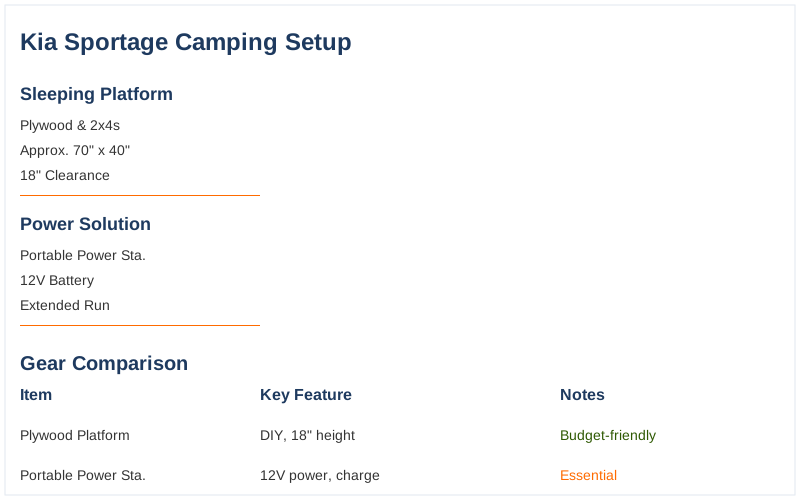
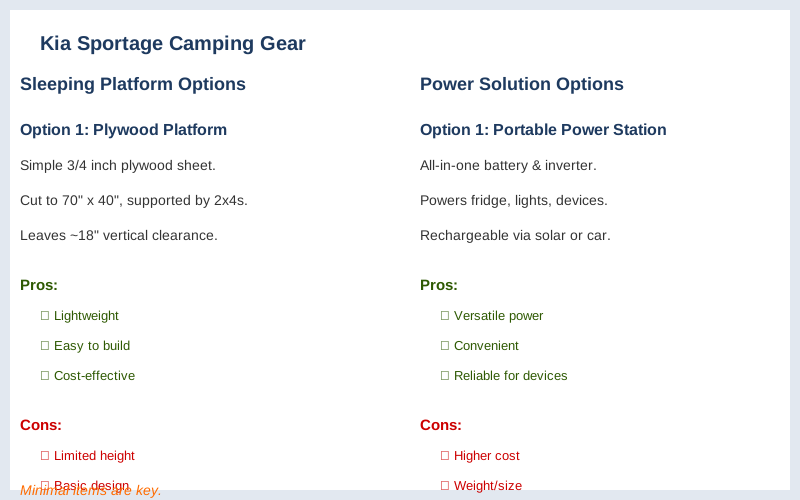
- Sleeping Platform: Forget fancy custom builds. A simple 3/4 inch plywood sheet, cut to 70 inches long by 40 inches wide, supported by 2x4s, will work. This leaves 18 inches of vertical clearance from the floor to the roof liner. Anything more complex adds unnecessary weight and reduces usable space. Minimal items are key for keeping the setup manageable.
- Power Solution: A 500Wh portable power station is the minimum. Anything less won't run a small fridge overnight and charge devices. You'll be pulling 50-70W for a fridge, plus another 10-20W for lights and charging. You need 12V output; 120V AC is inefficient for DC appliances due to conversion losses.
- Cooking: A single-burner propane stove, like the classic Coleman, is all you need. It's compact, reliable, and uses readily available 1lb propane canisters. Don't bother with elaborate two-burner setups unless you're cooking for a small army. Extra weight, extra bulk.
- Storage: Collapsible crates or duffel bags are superior to hard cases. They conform to irregular spaces better, reducing dead volume. Hard cases might look rugged, but they create awkward gaps when you're trying to pack efficiently. Your SUV does the heavy lifting, but you still need smart packing.
- Ventilation: Rain guards on your front windows are non-negotiable. Crack the windows 1.5 inches for airflow to prevent condensation buildup. Otherwise, you'll wake up to a damp sleeping bag and a mold problem. Airflow prevents thermal shock on your gear and reduces outgassing from plastics.
- Awning/Shelter: A simple tarp with poles and guy lines is more versatile than a dedicated SUV awning. It can be pitched off the rear hatch or side, offering adaptable shade and rain protection without adding a permanent fixture to your roof rack.

What to Look For
When you're rigging a Kia Sportage for camping, you're not just buying gear; you're engineering a portable habitat. Every component needs to handle vibration, thermal cycling, and occasional impact. This isn't your living room furniture. Cold weather camping demands specific considerations, for example.
| Component | Key Engineering Consideration | Why it Matters (Failure Mode) |
|---|---|---|
| Sleeping Pad/Mattress | R-Value (thermal resistance) | Low R-value means cold ground conducts heat away from your body at 0.025 BTU/hr-ft^2-F per inch of air. You'll get hypothermia faster than you can say 'luxury camping'. |
| Portable Power Station | Battery Chemistry (LiFePO4 preferred), Output Ports (12V DC, USB-PD) | Lead-acid has a shallow depth of discharge, meaning shorter cycle life. LiFePO4 offers 2000+ cycles. Insufficient 12V DC output means inefficient 120V AC conversion, wasting 15-20% of your stored energy. |
| Cooler/Fridge | Insulation (R-value), Compressor Type (if powered) | Poor insulation leads to rapid thermal gain and increased compressor run time, draining your battery faster. Thermoelectric coolers are useless below 50 degrees F ambient; they just move heat inefficiently. |
| Roof Rack/Crossbars | Static Load Rating, Dynamic Load Rating, Clamp Load | Exceeding dynamic load (e.g., 165 lbs for many Sportage racks) during driving can lead to fatigue failure of mounting points. Improper clamp load on crossbars causes slippage and abrasion of roof rails, or catastrophic detachment. |
| Tent Material | Denier (fabric strength), Hydrostatic Head (water resistance) | Low denier (e.g., 75D) tears easily under wind shear. Low hydrostatic head (e.g., 1000mm) means water penetration under light rain, leading to saturation and thermal loss. |
| Lighting | Lumen Output, Battery Runtime, IP Rating (ingress protection) | Insufficient lumens (below 200lm for area lighting) means fumbling in the dark. Poor IP rating (below IPX4) allows moisture ingress, causing circuit corrosion and premature LED failure. |
See? It's not about 'comfort.' It's about preventing failure modes.

Our Top Picks for Reliable Performance
I've seen enough flimsy gear fail under mild stress to know that 'cheap' often means 'twice the work.' These picks focus on reliability over flash. Remember, you can't just slap anything on a Kia Sportage; cargo capacity is about 1,500 pounds, but your roof rack has its own limits. Setting up your Sportage for SUV camping requires careful choices.
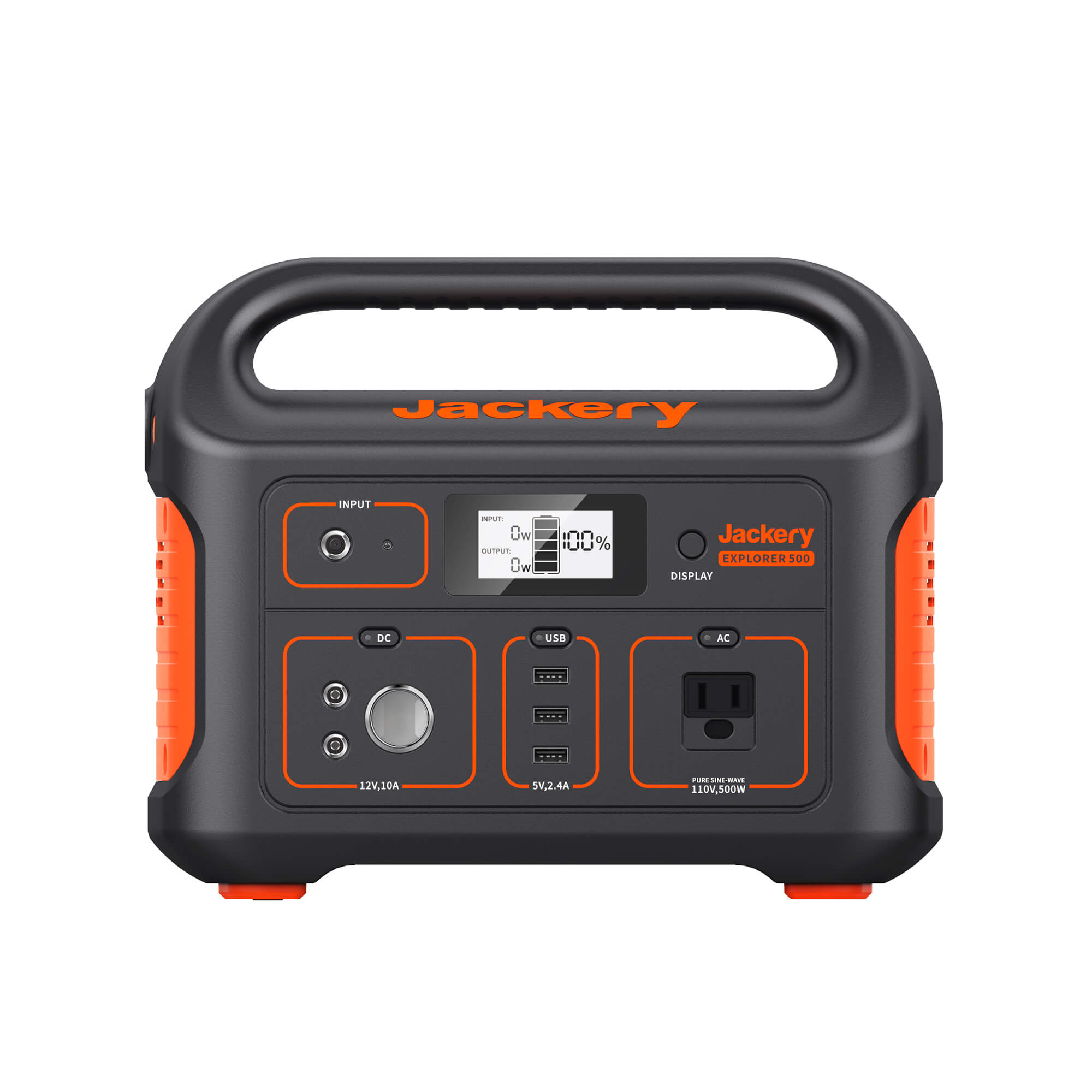
Jackery Explorer 500 Portable Power Station (~$500)
- Capacity: 518Wh Li-ion battery, 500W AC output (1000W surge)
- Pros: Solid build, multiple DC and USB outputs, pure sine wave inverter (critical for sensitive electronics). Li-ion chemistry offers a decent power-to-weight ratio.
- Cons: Not LiFePO4, so fewer charge cycles (around 500-800 to 80% capacity). AC inverter adds conversion losses.
- Best-for: Running a small 12V fridge (pulling 50W) for 8-10 hours, charging phones/laptops.
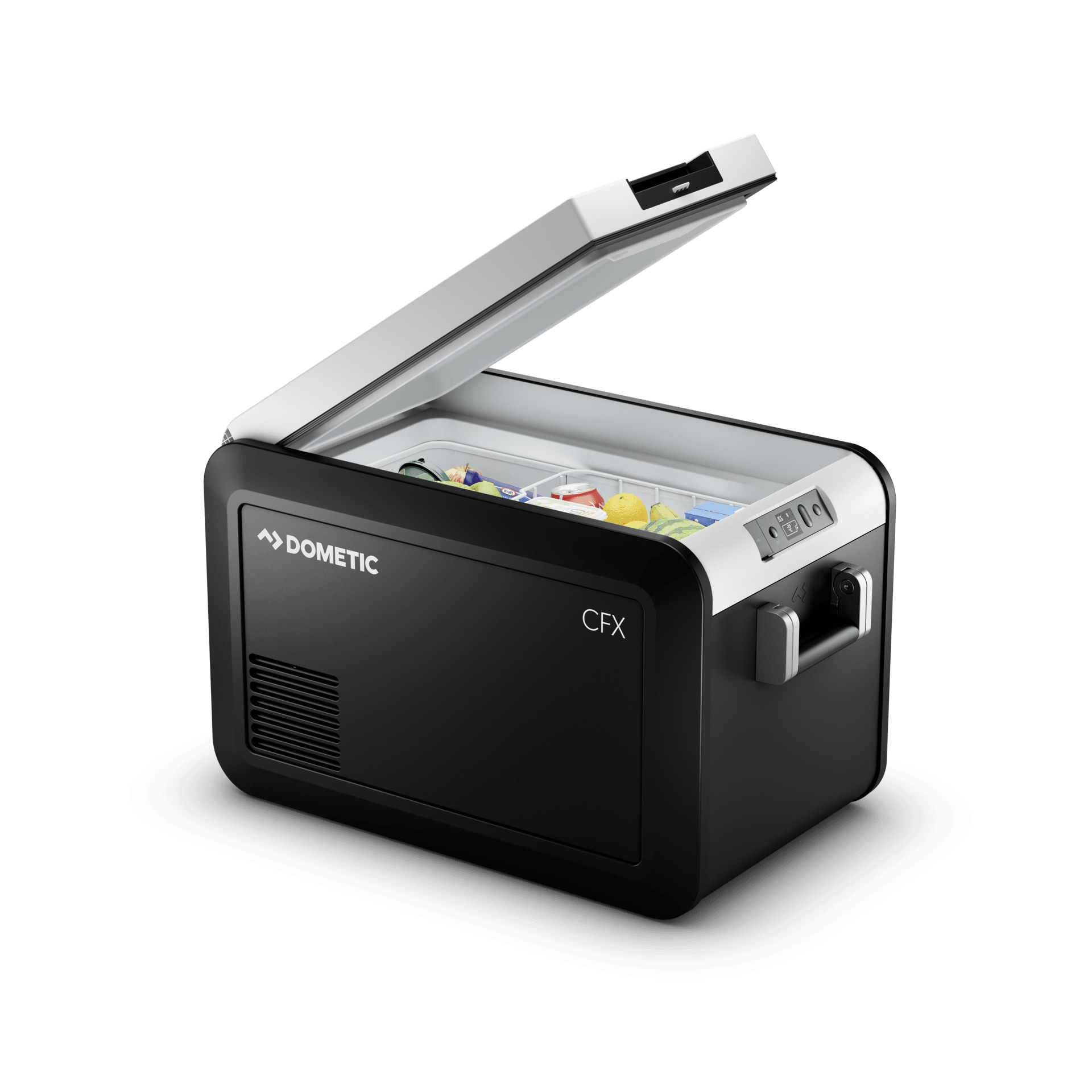
Dometic CFX3 35 Powered Cooler (~$900)
- Capacity: 36 liters (approx. 50 cans), draws 0.7-1.5A DC on average
- Pros: Genuine compressor fridge, not a thermoelectric joke. Maintains temperature in 90 degrees F ambient. Low current draw due to efficient compressor. Robust construction for road vibrations.
- Cons: High initial cost. Requires consistent 12V power input.
- Best-for: Keeping perishables genuinely cold, not just 'cool.' Reliable over multi-day trips.
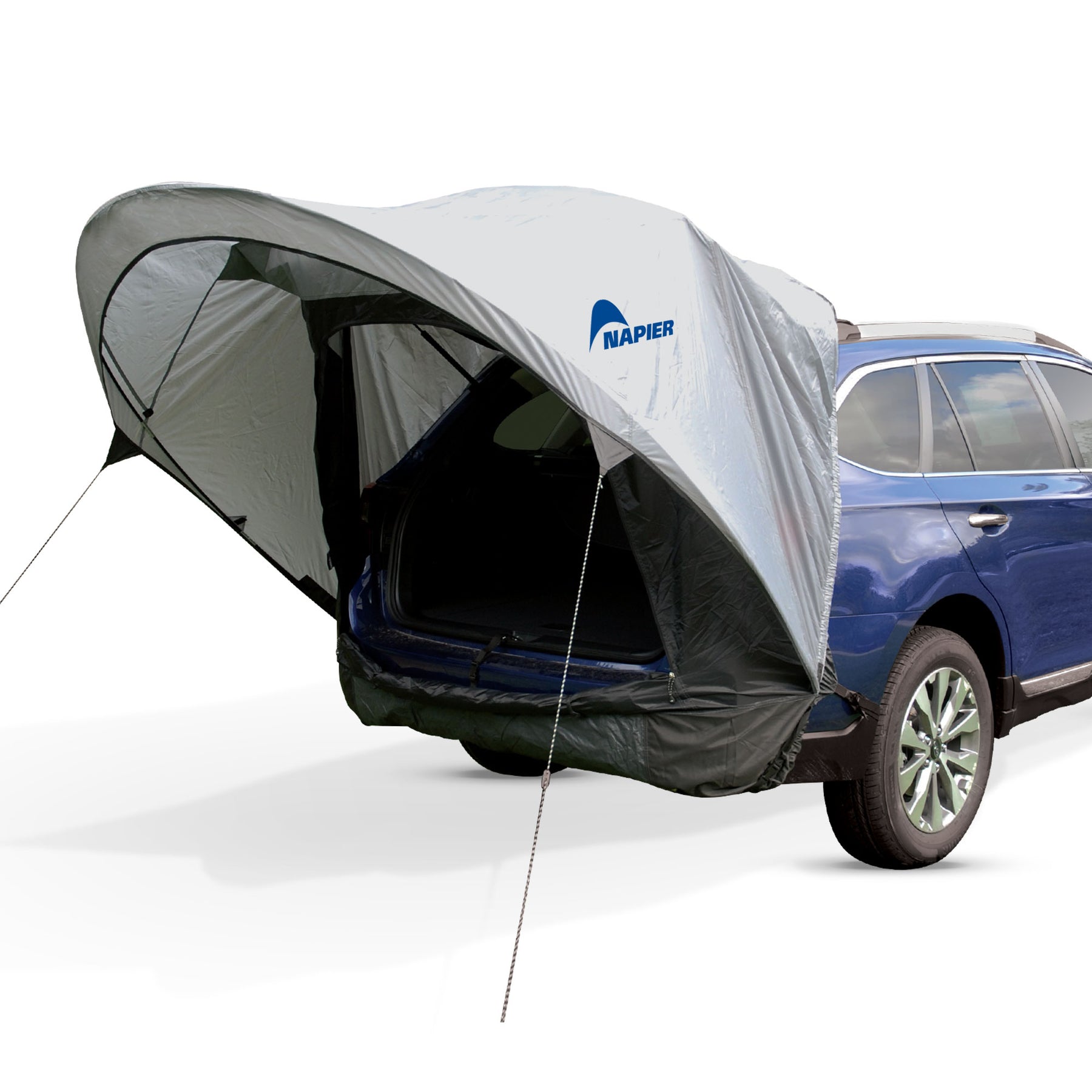
Napier Sportz Cove 61000 SUV Tent (~$180)
- Capacity: Adds 2 feet of covered space off the rear hatch.
- Pros: Simple setup, attaches to the rear hatch with elasticized fabric. Provides shade and bug protection. Securely attaches to the Sportage for a weatherproof sleep space.
- Cons: Not freestanding. Fabric denier is on the lower side; expect some abrasion if not careful. Not designed for heavy wind loads.
- Best-for: Quick overnight stops, bug-free cooking area, light rain protection.
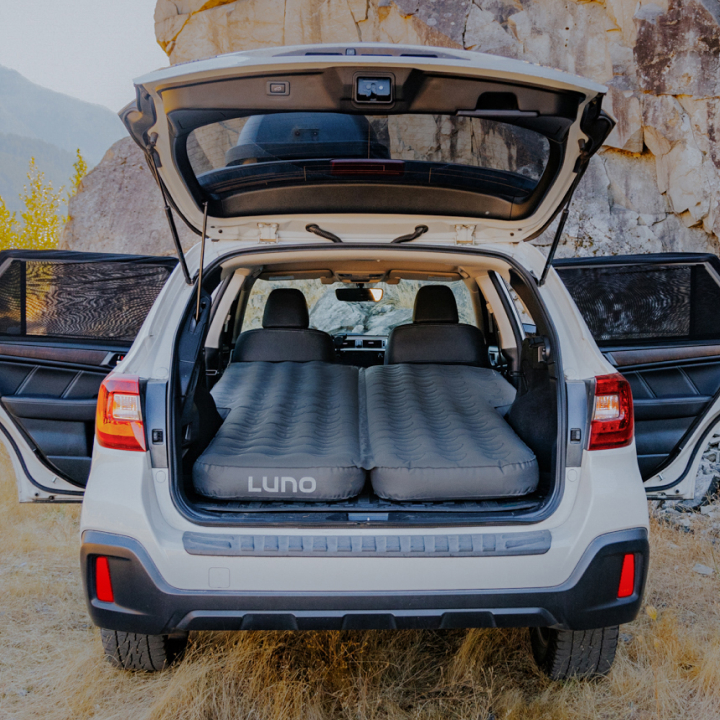
Luno Life Air Mattress 2.0 (~$350)
- Capacity: Custom fit for SUV cargo areas, R-value over 11 (with AIR+FOAM Pro version)
- Pros: Tailored fit minimizes wasted space and prevents shifting. High R-value provides critical thermal insulation from the cold floor. Two separate air chambers allow for different firmness.
- Cons: Expensive for an air mattress. Punctures are always a risk, even with durable PVC.
- Best-for: Maximizing sleep comfort and thermal isolation inside the Sportage cargo area.
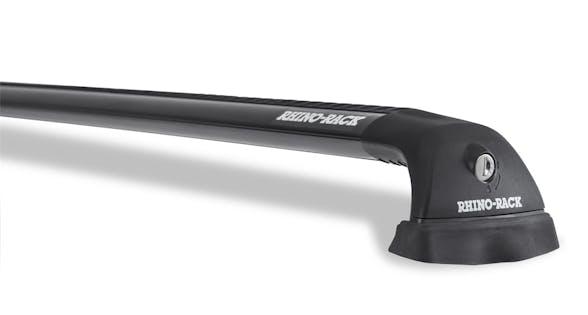
Rhino-Rack Vortex RVP Roof Rack System (~$450)
- Capacity: 165 lbs dynamic load, 330 lbs static load
- Pros: Robust aluminum construction, T-slot channels for versatile accessory mounting. Engineered to fit factory flush rails with specific clamp designs, reducing mechanical play.
- Cons: Higher cost than generic clamp-on bars. Installation requires precise torque settings to avoid over-stressing roof rails.
- Best-for: Securely mounting a rooftop tent or cargo box without risking roof rail deformation or component shear.
View on Amazon — Jackery Explorer 500 Portable Power Station
View on Amazon — Dometic CFX3 35 Powered Cooler
View on Amazon — Napier Sportz Cove 61000 SUV Tent
Head-to-Head Comparison
Choosing between gear often comes down to understanding the mechanical and thermal trade-offs. It's not about which one is 'better' in some vague sense, but which one fails less under your specific use case. SUV tents can turn your Sportage into a portable motel, but not all are created equal.
| Feature | Rooftop Tent (e.g., Thule Tepui Explorer Ayer 2, ~$1800) | SUV Tent (e.g., Napier Sportz Cove 61000, ~$180) |
|---|---|---|
| Deployment Time | 5-10 minutes (unfold, deploy ladder) | 2-3 minutes (attach to hatch, stake out) |
| Thermal Isolation | Excellent; elevated from ground, thicker mattress, 4-season fabric | Poor; direct ground contact, thin fabric, relies on vehicle for some insulation |
| Wind Resistance | High; rigid frame, aerodynamic profile, heavier fabric. Designed for 40+ MPH gusts. | Low; flexible fabric, relies on vehicle as one anchor. Susceptible to deformation above 15-20 MPH. |
| Vehicle Impact | Significant; adds 100-150 lbs to roof, increases drag coefficient, affects center of gravity and fuel economy by 1-2 MPG. Stress on roof rack mounting points. | Minimal; lightweight, attaches to hatch, minimal impact on vehicle dynamics. |
| Cost-per-use (approx. over 5 years) | $0.50-$1.00/night (assuming 300 nights) | $0.10-$0.20/night (assuming 300 nights) |
| Failure Mode | Ladder hinge fatigue, zipper pull-tab failure, cover UV degradation. | Fabric tear at stress points, elastic cord degradation, zipper failure, pole fracture under wind load. |
Your choice depends on how much mechanical stress you're willing to put on your vehicle and your wallet. A rooftop tent is a commitment, both financially and structurally. A simple SUV tent is a glorified tarp.

Budget vs Premium: Where Your Money Actually Goes
The idea that 'premium' always means 'better engineering' is a joke. Often, it just means a fancier label on the same grade of aluminum or a slightly thicker denier fabric. But sometimes, that extra cash buys you a critical improvement in material science or a tighter tolerance in manufacturing. Durable, weather-resistant materials are crucial, but what does that really mean?
| Component | Budget Option (e.g., Amazon Basics) | Premium Option (e.g., Dometic, Goal Zero) | Where the Money Goes (Engineering/Physics) |
|---|---|---|---|
| Portable Fridge | Thermoelectric Cooler (~$100) | Compressor Fridge (~$600-900) | Thermodynamics: Thermoelectric coolers have a COP (Coefficient of Performance) of ~0.5. Compressor fridges have a COP of 2.0-3.0. The premium unit is 4-6x more efficient at moving heat, meaning less battery drain and actual refrigeration, not just 'cooling'. |
| Roof Rack | Universal Clamp-On Bars (~$150) | Vehicle-Specific System (~$400-600) | Mechanical Stress: Universal clamps often use soft rubber pads, leading to creep and loss of clamp load. This results in abrasion on your roof rails and potential detachment under dynamic loads. Vehicle-specific systems use precision-molded feet and optimized clamp geometry for even load distribution and consistent torque. |
| Sleeping Pad | Closed-Cell Foam Pad (~$30) | Self-Inflating Air/Foam Mattress (~$150-350) | Thermal Resistance & Pressure Distribution: Foam pads offer R-values of 2-3. Premium air/foam mattresses often hit R-values of 5-11, providing significantly better thermal isolation. The hybrid design also distributes body weight over a larger contact area, reducing localized pressure points and improving comfort, which impacts sleep quality. |
| Power Station Battery | Lead-Acid Jump Starter (~$80) | LiFePO4 Portable Power Station (~$700-1200) | Cycle Life & Energy Density: Lead-acid batteries suffer from sulfation if discharged below 50%, limiting cycle life to 200-300 cycles. LiFePO4 chemistry allows 80% discharge for 2000-3000 cycles. It also has higher energy density, meaning more power per unit volume and weight. |
Sometimes the extra cost is for a sticker. Sometimes it's for a fundamental improvement in how the product resists failure.
The Bottom Line
- Prioritize Power & Sleep: Your portable power station and sleeping setup are the absolute foundation. A dead battery or a miserable night's sleep ruins everything else. Don't skimp here. A 500Wh power station will set you back at least $500, and a decent sleeping pad another $150.
- Understand Your Vehicle's Limits: The Sportage isn't a full-size SUV. Know its cargo volume (74.1 cu ft), roof load limits (typically 165 lbs dynamic), and 12V power output capabilities. Overloading the roof rack will lead to structural fatigue on the vehicle body over time.
- Embrace Simplicity: Every extra gadget adds weight, complexity, and another potential failure point. A simple propane stove is more reliable than a complex induction cooktop that demands high wattage. Keep it minimal to reduce mechanical stress on your setup.
- Ventilation is Non-Negotiable: Condensation is a silent killer of comfort and gear. Airflow prevents mold and mitigates the thermal shock that can degrade fabrics and electronics. Crack those windows.
- Don't Trust Marketing Hype: 'All-weather' often means 'light rain.' 'Heavy duty' might just mean thicker paint. Look for specific metrics: R-value, Denier, IP ratings, Wh capacity. If a company won't publish the specs, they're hiding something.
- DIY Where Possible: Building a simple plywood sleeping platform can save you $300 over a pre-fabricated solution. Your car camping kitchen recommendations can be simple. This isn't about saving money for the sake of it, but about understanding the underlying mechanics of your setup.
Frequently Asked Questions
Can I just use my Sportage's 12V cigarette lighter socket to power a fridge overnight?
Do I really need a fancy R-value sleeping pad, or will a cheap air mattress from Walmart work?
What if I install a roof rack and it starts making a whistling noise above 30 MPH?
Can leaving a rooftop tent on my Kia Sportage permanently damage the roof or suspension?
Is it true that adding a solar panel to my power station means I'll never run out of juice?
🏅 Looking for Gear Recommendations?
Check out our tested gear guides for products that work with this setup:
Sources
- What are some suggestions for setting up a Kia Sportage for SUV camping?
- Kia Sportage Camping Gear (2026 Complete Guide) - Auto Roamer
- A Beginners Guide To Car Camping In Cold Weather - Luno
- Our Favorite Car Camping Gear
- unleash-your-adventurous-spirit-solo-camping-in-a-kia-sportage-suv?srsltid=AfmBOoqXUj920nZ4lRZlw298F5rFofpqB74IL0joh1syaBIxchc9HMK
- ?srsltid=AfmBOopP5tJkXsxgUJp9KofUCZXcfvfVQpxjtmFeote8s-R2VnbdE_b
- The Complete Guide to Car Camping: Essentials You Can't Leave Behind
- Camping in my SUV: Gear I Use | Kia Sportage - YouTube
- Kia Sportage Tents & Awnings for Camping - Auto Accessories Garage