The Short Version
Leaving your vehicle parked for 12 days without a maintainer can drop a healthy 12.6V battery down to 11.8V, which is 50% state of charge for a lead-acid. This isn't just an inconvenience; it's a slow death for the battery's internal chemistry. Sulfation starts forming on the plates, reducing capacity and cranking amps. CAR magazine gets it: you need a charger. Especially for car camping, where you're drawing power for lights, fridge, and charging devices, a maintainer becomes critical.
Your battery isn't just starting the engine; it's now a portable power station. The thermal cycling of discharge and recharge puts a lot of stress on the internal plate structure. Without proper charging, you risk reduced lifespan and unexpected failure. I've seen too many weekend warriors stranded because they thought a fully charged battery would last a week of camping. It won't. Not if you're running anything. The average car battery provides 60-70 Ah. A typical fridge pulls 3-5 amps.
That's 12-16 hours of fridge use before you hit 50% charge. Add phone charging and lights, and you're dead in 24 hours. A good battery maintainer keeps the voltage up, preventing irreversible damage and ensuring you can actually start the damn car when it's time to pack up.
Quick Verdict
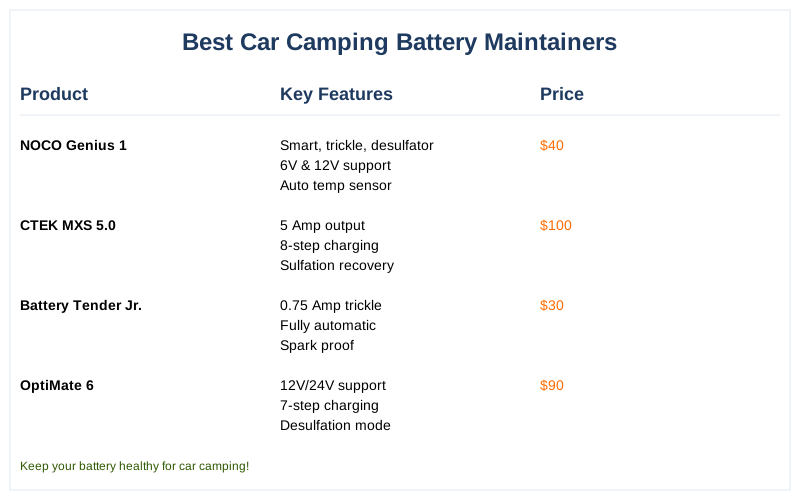
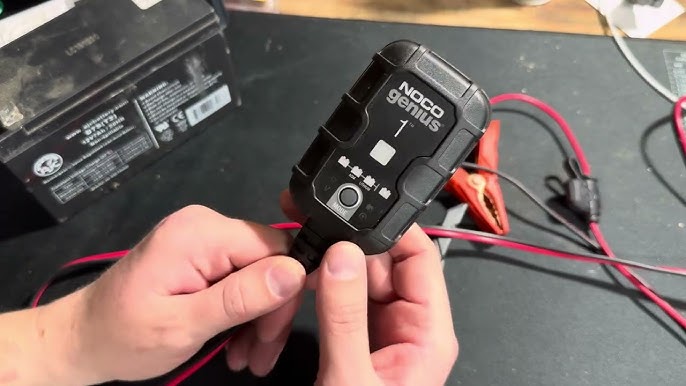
- NOCO Genius 1 (~$40): This little bastard is a smart charger, trickle charger, and desulfator all in one. It handles 6V and 12V batteries. The thermal sensor automatically adjusts charging based on ambient temperatures, which is critical for preventing overcharging in summer or undercharging in winter. GearJunkie calls it an 'all-in-one solution.' Hard to argue with that for the price.
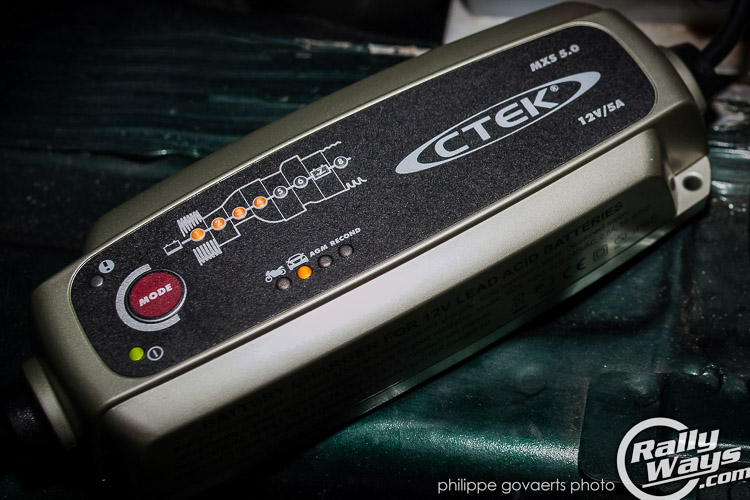
- CTEK MXS 5.0 (~$100): This thing pushes 5 amps, which is plenty for most car batteries. It's got an 8-step charging process, which sounds like marketing fluff, but it actually works to recondition sulfated batteries and optimize charge cycles. It's a solid choice for those who want a bit more intelligence than a basic trickle charger.
- Battery Tender Junior 800 (~$40): Simple, reliable, and compact. It's an 0.8 amp trickle charger, perfect for long-term maintenance on a battery that's just sitting there. The Drive likes it for keeping a battery topped off. Don't expect it to revive a dead battery, but it'll keep a good one healthy.
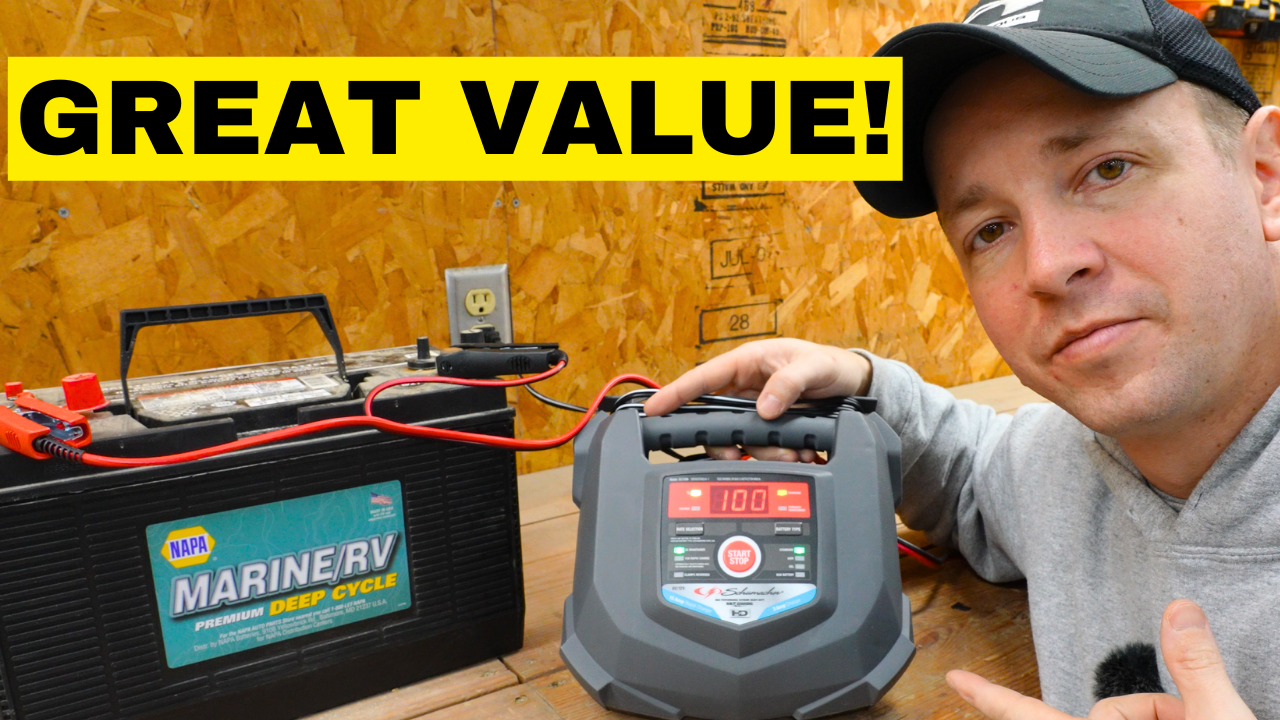
- Schumacher SC1280 (~$130): This one's a beast if you need faster charging. It can push up to 30 amps for a quick boost. It's got engine start assistance too, which can be a lifesaver if you've really drained your battery in the wilderness. Not just a maintainer, it's a full-on charger.
- Powoxi 7.5W Solar Battery Trickle Charger (~$30): For pure off-grid maintenance, this 7.5W solar panel is a minimalist solution. It won't charge a dead battery, but it'll offset parasitic draws and keep a healthy battery topped off when parked. Road & Track notes it's 'no-frills.' Ideal for remote camping where you have sun exposure and minimal power demands.
What to Look For
Don't get sucked into marketing jargon. Here's what you actually need to care about when picking a battery charger maintainer for car camping. It's all about matching the tool to the stress you're putting on your electrical system. This guy bought a bunch and tested them, and the physics don't lie.
| Feature | Why It Matters (Physics/Engineering) | Dirtbag Take |
|---|---|---|
| Output Current (Amps) | Determines charging speed. Lower amps (0.75-2A) for maintenance, higher (5A+) for charging a drained battery. Too low for a large battery means insufficient charge current, leading to sulfation. | If you're only maintaining, 1A is fine. If you're running a fridge and drawing power, you'll need 5A or more to actually put charge back in. Don't cheap out if you're actually using power. |
| Voltage Compatibility | Most car batteries are 12V. Some RVs or older vehicles might use 6V. Incorrect voltage will damage the battery's internal chemistry. | 99% of you need 12V. If you're rocking a classic or a golf cart, check. Otherwise, move on. |
| Multi-Stage Charging | Optimizes charge cycle (desulfation, bulk, absorption, float) to maximize battery life and prevent overcharging. Prevents electrolyte gassing and plate corrosion. | This is crucial for battery longevity. A dumb charger just shoves current in; a smart one actually cares about your battery's health. Prevents thermal runaway. |
| Battery Chemistry Support | Different battery types (lead-acid, AGM, gel, lithium) require different charging algorithms. AGM batteries need lower voltage during absorption phase to prevent gassing. | Don't try to charge an AGM with a charger set for flooded lead-acid. You'll cook it. Read your battery label. |
| Safety Features | Reverse polarity protection prevents damage from incorrect hook-up. Spark-proof connections prevent ignition of hydrogen gas near the battery. | You're tired, it's dark, you hook it up backward. Boom. Or worse, a fire. These features are cheap insurance against expensive mistakes. |
| Weather Resistance | For car camping, it'll see rain, dust, and temperature swings. IP ratings indicate protection against ingress. | If it's going to live outside your vehicle, it needs to handle the elements. Otherwise, you're looking at corrosion and circuit failure. |
- Best Battery Charger Maintainer for Car Camping (2026 Complete Guide)
- Best Car Camping Lanterns: Brightness, Battery Life, and Features
- Best Car Camping Battery Powered Fan Heater (2026 Complete Guide)
Our Top Picks for Reliable Performance
I've seen enough dead batteries to know that 'cheap' usually means 'stranded.' These are the units that actually deliver on their promises, built to handle the mechanical and thermal stresses of real-world use. Don't trust your weekend to some no-name plastic box. Road & Track agrees: you need a good one.
- NOCO Genius 10 (~$100)
Capacity/Key Specs: 10A, 6V/12V, lead-acid, AGM, lithium
Pros: Powerful desulfation, thermal compensation, can force charge dead batteries down to 1V. Robust IP68 casing.
Cons: Higher price point than smaller maintainers.
Best-for Use Case: Serious car campers who drain their battery hard with accessories and need quick recovery and long-term health. A true workhorse. - CTEK MXS 5.0 (~$100)
Capacity/Key Specs: 5A, 12V, lead-acid, AGM, gel
Pros: 8-step charging process, temperature compensation, reconditioning mode for deeply discharged batteries. CAR magazine praises its 5 amp rate.
Cons: Only 12V, not as fast as a 10A charger.
Best-for Use Case: Those who want intelligent maintenance for a single 12V battery, prioritizing longevity over raw charging speed. Excellent for classic cars in storage. - Battery Tender Plus (~$70)
Capacity/Key Specs: 1.25A, 12V, lead-acid, AGM, gel
Pros: Very simple, reliable 'set it and forget it' operation. Lightweight, compact. Autoweek likes their chargers.
Cons: Low amperage means slow charging for deeply discharged batteries.
Best-for Use Case: Minimalist car campers or those with a dedicated auxiliary battery that just needs a trickle charge to offset parasitic draws. - Schumacher SC1280 (~$130)
Capacity/Key Specs: 30A, 12V, engine start
Pros: Fast charging, built-in jump starter functionality, heavy-duty clamps. Can push serious current if you need to quickly top off a large battery.
Cons: Bulkier, more expensive, overkill if you only need maintenance.
Best-for Use Case: Campers who run a lot of high-draw accessories and might need to jump-start their vehicle after a long weekend. This is a full charger, not just a maintainer. - NOCO Genius 1 (~$40)
Capacity/Key Specs: 1A, 6V/12V, lead-acid, AGM, lithium
Pros: Extremely compact, affordable, capable of desulfation. Thermal sensor is a nice touch for a small unit. GearJunkie lists it as a top pick.
Cons: Only 1 amp, so it's strictly a maintainer, not a charger for drained batteries.
Best-for Use Case: Budget-conscious campers who only need to keep a moderately used battery topped off, or for maintaining powersports batteries. - Renogy 10A Smart Battery Charger (~$80)
Capacity/Key Specs: 10A, 12V, lead-acid, AGM, gel, lithium (LiFePO4)
Pros: Specific LiFePO4 charging profile, which is critical for lithium longevity. Temperature compensation. This video highlights its AGM capabilities.
Cons: Slightly less common brand, but solid specs.
Best-for Use Case: Campers running modern LiFePO4 auxiliary batteries, where precise charging algorithms are non-negotiable for safety and lifespan.
Head-to-Head Comparison
When you're out there, you need reliability. This isn't about shiny features; it's about whether the damn thing works when your battery is sagging to 10.5V. I've seen too many cheap units fail when the thermal cycling gets intense. Car and Driver tested a bunch, and the differences are stark.
| Feature | NOCO Genius 10 | CTEK MXS 5.0 | Battery Tender Plus |
|---|---|---|---|
| Max Output (Amps) | 10A | 5A | 1.25A |
| Battery Types | Lead-Acid, AGM, Gel, Lithium | Lead-Acid, AGM, Gel | Lead-Acid, AGM, Gel |
| Key Feature | Advanced desulfation, ultra-low voltage recovery | 8-step charging, reconditioning mode | Simple, reliable float charge |
| Thermal Compensation | Yes | Yes | No |
| IP Rating | IP68 (fully waterproof) | IP65 (splashproof) | IP20 (not rated) |
| Price (~$) | 100 | 100 | 70 |
| Dirtbag Verdict | If you're serious about camping and off-grid power, this is your hammer. It'll recover batteries others can't. Handles the thermal stress. | Solid all-rounder for maintenance, especially for classic cars. The 8-step charge is legit. Good for preventing sulfation. | Barebones maintenance. Don't expect miracles, but it'll keep a good battery topped. No thermal compensation means less optimal charging in extreme temps. |
The NOCO Genius 10's IP68 rating is a big deal for car camping. It means you can leave it out in the rain without worrying about water ingress shorting your circuits. The Battery Tender Plus, while reliable, isn't designed for that kind of environmental exposure. Car Talk forum users often recommend Schumacher for solid performance, but these three are the go-to for different use cases.
Budget vs Premium: Where Your Money Actually Goes
You can buy a $20 charger or a $150 one. The difference isn't just a fancy label; it's fundamental engineering. It's the difference between a cheap plastic housing that cracks in the sun and a fully potted, IP68 rated unit that laughs at water intrusion. This video breaks down why some are better.
| Feature | Budget Charger (~$20-50) | Premium Charger (~$70-150) |
|---|---|---|
| Output Current (Amps) | 0.75A - 2A (maintainer only) | 5A - 10A+ (maintainer & charger) |
| Charging Stages | 1-3 stages (basic float) | 4-8 stages (desulfation, reconditioning, float) |
| Battery Chemistry Support | Often only lead-acid | Lead-acid, AGM, Gel, Lithium (selectable) |
| Thermal Compensation | Rarely, fixed voltage output | Yes, internal or external sensor |
| Enclosure/IP Rating | Basic plastic, low IP rating (e.g., IP20) | Robust, often potted, high IP rating (e.g., IP65, IP68) |
| Cable Gauge/Length | Thin, short cables (18-20 AWG) | Thicker, longer cables (12-16 AWG), better crimps |
| Safety Features | Basic reverse polarity, maybe spark proof | Comprehensive, including short-circuit, over-voltage, thermal runaway protection |
| Dirtbag Take | Fine for a garage queen that sees zero environmental stress. Don't trust it for anything more. The internal components are often undersized for sustained use. | Built for actual use. Handles temperature swings, multiple battery types, and won't fry your system if you screw up. The higher current output means it's actually useful for car camping. |
That $20 unit? Its internal voltage regulator might drift by 0.2V under thermal cycling, slowly cooking your battery. The premium units hold tighter tolerances, ensuring optimal charging voltage regardless of ambient temperature. It's about preventing long-term damage, not just getting a charge light. The mechanical stress on cheap plastic connectors is also a failure point. They'll crack and expose circuits. You get what you pay for when it comes to circuit integrity.
The Bottom Line
- Don't cheap out on amps if you're actually using power. A 1A maintainer is for a garage queen, not a camping rig running a fridge. You need 5A or more to actually put current back into the battery faster than you're drawing it out. Otherwise, you're slowly draining it regardless.
- Multi-stage charging is non-negotiable for battery longevity. It prevents sulfation and overcharging, which are the two biggest killers of lead-acid batteries. Your $150 car battery will thank you.
Classic Car Maintenance stresses this for long-term health.
- Match the charger to your battery chemistry. AGM, Gel, and Lithium batteries have specific charging requirements. Using the wrong algorithm will shorten their lifespan, or worse, create a thermal event. Read your battery's spec sheet.
- Consider the environment. If it's going to see dust, rain, or extreme temperatures, get a unit with a decent IP rating. Exposed electronics corrode and fail.
Corrosion means increased resistance, which means heat, and eventually circuit failure.
- Parasitic draw is still your enemy. Even with a maintainer, address any excessive parasitic draws (anything over 50mA is suspicious). A maintainer can only do so much if your vehicle is constantly trying to power something it shouldn't be. Find the culprit with a multimeter.