
The quick answer: yours are probably static lines, by design
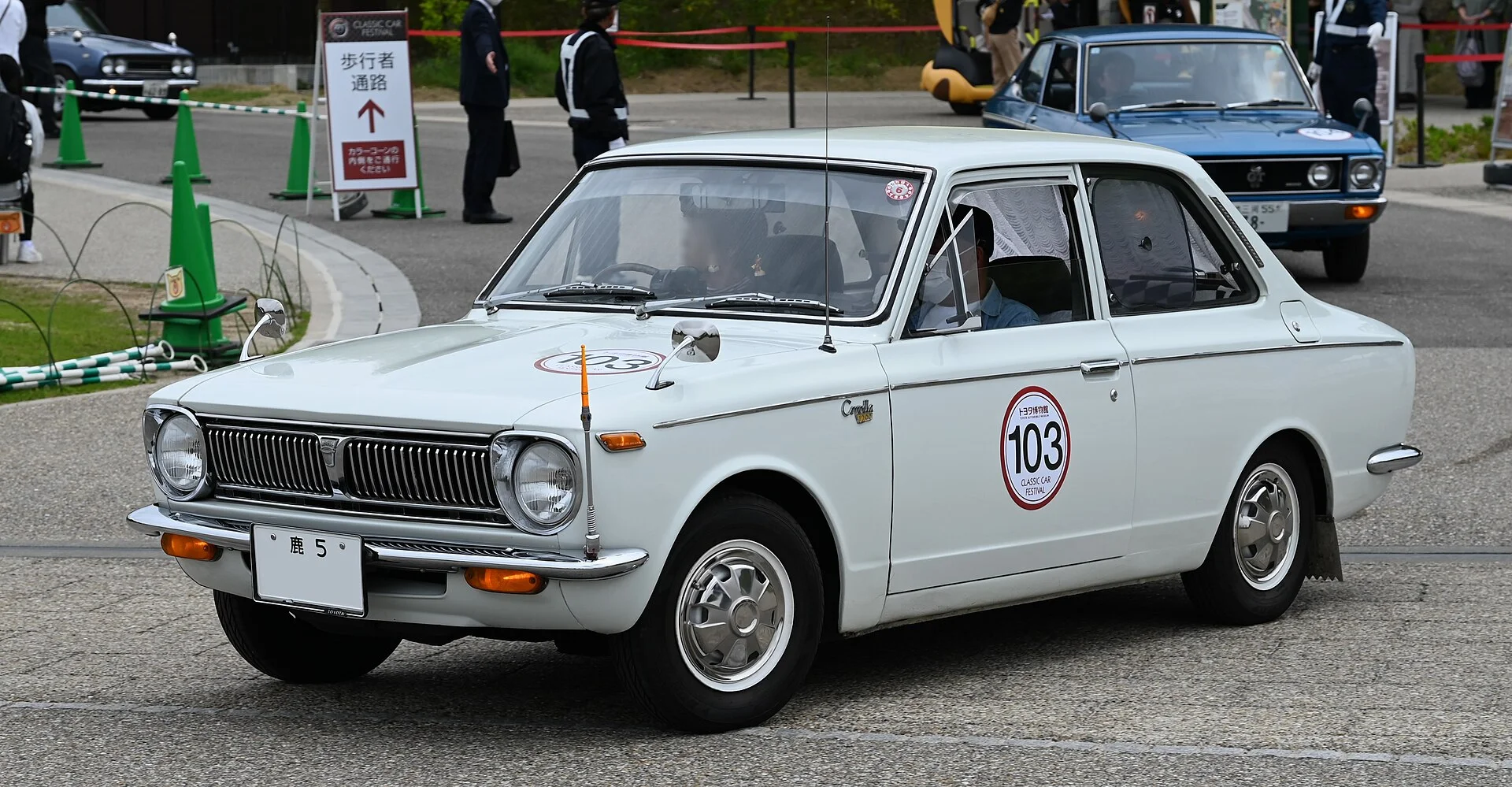
If your reversing guide lines stay perfectly straight no matter how hard you crank the wheel, take a breath: in the large majority of cars this is completely normal and not a fault. There are two entirely different kinds of overlay a reversing display can draw, and only one of them is supposed to move.
- Static guide lines are painted at fixed positions and never change. They show roughly where the car would go if the wheel were dead straight.
- Dynamic guide lines bend left and right in real time as you steer, predicting the curved path the car will actually follow.
The factory systems on most mainstream trim levels draw static lines only. So if you have never seen the overlay curve, the honest first conclusion is that your vehicle was simply built with static lines and there is nothing to repair. Manufacturers reserve dynamic, steering-linked overlays for higher trims, option packages, or later model years, because the feature needs extra signal wiring and software that the base camera does not carry. Before you chase a phantom defect, this guide will help you confirm which type you have, understand what a dynamic system actually needs to work, and decide whether adding curved lines is worth it. If your lines also vanish entirely, that is a separate issue covered under guide lines not showing, not the steering link discussed here.
Static versus dynamic: the distinction that explains everything
Almost every confused owner is really tripping over one missing fact: static and dynamic guidelines are two separate features that happen to look similar. A static overlay is a fixed graphic. The head unit draws the same colored lines in the same place every single time you select reverse, and it has no idea where the front wheels are pointed. It is a parking aid in the loosest sense, a fixed ruler laid over the picture so you can judge distance to the bumper behind you.
A dynamic overlay is a live prediction. The display reads how far the steering wheel is turned, calculates the arc the car will sweep through, and redraws the lines on every frame so they curve toward your actual path. That is genuinely useful when you are reversing into a tight bay on lock, because the lines show whether you will clear the obstacle or clip it. The catch is that a dynamic overlay depends on a continuous stream of steering data, while a static overlay depends on nothing at all. This is why a static system can never be coaxed into bending: there is no fault to fix because the moving behavior was never part of the design. Knowing which camp your car sits in is the whole game, and the rest of this article is about telling them apart and, if you want, upgrading from one to the other.
How dynamic lines actually get their steering information
A dynamic overlay is only as good as the steering signal feeding it. Cut that signal and the curved lines either disappear, freeze straight, or never appear in the first place.
To bend the lines, the system has to know the steering-wheel angle continuously, and it gets that in one of a few ways depending on how the car is built. On a fully integrated factory system, the head unit reads the steering angle sensor over the vehicle's data network, the same CAN bus that shares wheel-speed and other chassis data. On many aftermarket installs, the dynamic feature instead relies on a single steering-input wire tapped into the relevant circuit, or it is simply not wired at all. According to most aftermarket camera manuals, the dynamic-line function is listed as an optional connection precisely because so many installers skip it.
Three things therefore have to be true for curved lines to work: the camera or head unit must support the feature in software, the steering-angle data must physically reach the unit, and the calibration that maps wheel angle to on-screen arc must be intact. Break any one of those links and the overlay defaults to behaving like a static one. That single dependency chain explains the overwhelming majority of lines that refuse to move, and it is why the fix, when a fix exists at all, almost always comes down to restoring the steering signal rather than replacing the camera itself.
Reason one: your car only ever had static lines
This is the most common explanation by a wide margin, and it is worth sitting with before you spend a cent. A huge share of vehicles ship with static guidelines and no dynamic option whatsoever. The overlay was designed to be fixed, the wiring to read steering angle was never installed, and the head-unit software has no dynamic mode to enable. Nothing has failed. The car is doing exactly what it was built to do.
You are especially likely to be in this group if any of the following describe your situation:
- Your vehicle is a base or mid trim, where dynamic guidance is often a higher-trim or option-package feature.
- The car is a few model years old, from an era when static lines were the mainstream default.
- The lines have never once moved since you bought the car, rather than working before and stopping.
- The owner's manual describes the parking lines as fixed reference marks and makes no mention of a steering-linked path.
If that sounds like you, the realistic options are to live with the static lines, learn to read them well, or move up to hardware that supports curved lines. There is no setting buried in a menu that will make a genuinely static system start predicting your turns, and any forum post promising one is almost certainly describing a different vehicle. Honesty here saves you a frustrating afternoon hunting for a toggle that does not exist.
Reason two: a dynamic system lost its steering signal
If your lines used to curve and now sit stubbornly straight, that change over time is the strongest clue that a working dynamic system has lost the data it needs.
When a car that genuinely had moving lines stops moving them, the overlay did not change its mind: the steering-angle signal stopped arriving. On a factory system this usually traces to the steering angle sensor itself, a fault on the data network, or a related calibration that was wiped during battery disconnection or service work. Owners report that steering-angle calibration can drop out after a wheel alignment, a battery replacement, or certain electrical repairs, because the sensor's zero point has to be relearned before the module trusts it again.
A few telltale signs point at a lost signal rather than a static design. The lines worked when the car was new and only later went rigid. A steering or stability-control warning light may have appeared around the same time, since those systems share the steering-angle data. Or the curved function behaves erratically, snapping straight intermittently. In these cases the camera is fine; the problem lives upstream in the sensor or network. The realistic path forward is a diagnostic scan to read steering-angle data and any stored fault codes, followed by a sensor calibration. This is firmly dealer or competent-independent territory, not a driveway fix, but at least you are chasing a real fault instead of a feature your car never had.
Reason three: an aftermarket camera was wired without steering input
If you added a camera yourself or bought a used car with an obvious aftermarket setup, there is a very ordinary explanation: the dynamic-line wire was never connected. Plenty of aftermarket reversing cameras and head units do support curved guidelines in software, but the feature only comes alive when the steering-input lead is tapped into a circuit that carries steering-angle information. Installers frequently leave that lead disconnected because it is fiddly, because the donor signal is hard to find, or because the customer only asked for a basic reverse picture.
The result is a capable system stuck in static mode. The menu may even show a dynamic-line option that does nothing, because the unit is waiting for a signal that never comes. This is genuinely fixable if you are handy, but it is not trivial: you need to confirm the unit's dynamic capability in its manual, locate a suitable steering signal in your specific car, make a clean and correct connection, and then run the on-screen calibration. Get the donor wire wrong and you can confuse the unit or trip other electronics. For most people the sensible route is a competent installer who has wired the dynamic function on similar vehicles before. If you would rather sidestep the whole problem, stepping up to a camera with true dynamic guide lines that is designed for an easy steering tap can be cleaner than retrofitting signal into a basic unit.
Reason four: a setting or calibration was reset
Occasionally the hardware and wiring are all present and correct, yet the lines still will not move because the function is switched off or its calibration was lost. Some systems hide a guideline-display toggle in the camera or parking-assist menu, and a software update, a flat battery, or a previous owner could have left it disabled. Others keep the dynamic mode active but lose the steering-angle zero point, which on many cars must be relearned with a scan tool before the curved overlay will trust the sensor again.
Run through the cheap checks before you assume the worst:
- Open the camera or parking settings menu and look for any option that controls guideline display or a dynamic-versus-static choice.
- Check whether a recent battery disconnect or software update lined up with the lines going rigid.
- Look for an accompanying steering or stability warning that hints at a calibration the car wants relearned.
- Confirm the picture is otherwise healthy; if the overlay is also frozen or smeared, see guidelines stuck on screen, which is a display fault rather than a steering one.
If a menu toggle or a documented relearn brings the curve back, you got off lightly. If everything looks enabled and the lines still will not bend, you are back to a missing signal, and the realistic next step is a proper diagnostic rather than more menu spelunking. The point is simply to rule out the five-minute fixes before paying for shop time.
How to tell which type of system you actually have
Before deciding anything, settle the one question that determines everything: are your lines static by design or dynamic but broken? A short, safe test in an open space answers it without tools. Find an empty lot, put the car in reverse, and watch the overlay while you slowly turn the wheel from lock to lock with the car barely creeping or stopped.
- If the lines stay dead straight through the full sweep and always have, you almost certainly have a static system. That points at reason one, and the realistic conclusion is no fault.
- If the lines used to curve and now do not, you have a dynamic system that lost its signal. That points at reasons two or four, and a diagnostic scan is the honest next step.
- If you installed the camera or inherited an aftermarket unit that has a dynamic menu option doing nothing, suspect reason three, an unconnected steering wire.
Cross-check the result against your owner's manual, which will describe the parking lines as either fixed reference marks or a steering-linked predicted path. The manual is the single most reliable source here because it documents what your exact trim was built with. Pair that reading with the empty-lot test and you will know, with real confidence, whether you are looking at normal behavior or a genuine fault, and that single conclusion decides which of the fixes below, if any, is worth your time and money.
What you can actually do about it, by cause
Once you know which bucket you are in, the realistic action is short and specific. There is no universal fix because there is no universal cause, so match the response to what your test revealed rather than throwing parts at it.
| What you found | Realistic action |
| Static by design, never moved | No repair exists; learn the fixed lines or upgrade hardware |
| Used to curve, now straight | Diagnostic scan plus steering-angle sensor calibration |
| Aftermarket, dynamic menu does nothing | Connect and calibrate the steering-input wire, ideally professionally |
| Function toggled off or calibration lost | Re-enable in menu, or have the steering zero point relearned |
If you genuinely want curved lines and your car cannot provide them, the cleanest path is usually new hardware rather than hacking signal into a basic system. A modern aftermarket head unit that supports dynamic guidelines, paired with a proper steering tap, gives you the feature reliably and adds other conveniences. Whatever route you choose, resist the temptation to chase a software toggle on a static system; that hunt ends in frustration every time. And remember the safety reality underneath all of it: guide lines of either type are an aid, not a substitute for turning your head and checking your mirrors. Treat them as a helpful reference and the question of whether they bend becomes a convenience, not a safety problem. You can always learn to calibrate the guide lines you do have so they read accurately.
Common myths that send owners down the wrong path
Plenty of well-meaning advice online sends owners chasing fixes that cannot work, so it helps to clear out the myths before you waste an afternoon. The thread running through all of them is the same confusion between a fixed graphic and a live prediction.
- Myth: there is a hidden menu that turns on moving lines. On a genuinely static system there is no dynamic mode to enable, so no toggle exists. A setting can only re-enable a feature the hardware already supports.
- Myth: a software update will add the feature. Updates can fix bugs or relearn calibration, but they cannot install the steering wiring or sensor a base model never had.
- Myth: a new camera alone will make the lines curve. The overlay is usually drawn by the head unit, not the camera, so swapping only the camera changes the picture quality, not the guidance logic.
- Myth: straight lines mean the camera is broken. Image faults and overlay behavior are unrelated; a crisp picture with fixed lines is a healthy static system, not a defect.
The reason these myths spread is that forum posts rarely specify the exact trim and model year, so advice that is true for one car gets repeated for another where the hardware is completely different. Anchor your expectations to your own owner's manual and your empty-lot test rather than a stranger's screenshot, and you sidestep the entire detour. The single most useful habit is to confirm what your car was actually built with before believing any fix is possible, because the right answer for a static system is acceptance, not repair.
When upgrading is worth it, and when to leave it alone
If your test confirms a static system and you have decided the fixed lines bother you, the honest question is whether a moving overlay is worth the cost and effort, because the answer is not automatically yes. Dynamic lines earn their keep in narrow, repetitive parking, the kind of tight-bay or trailer maneuvering you do daily, where seeing your predicted curve genuinely speeds things up. For occasional reversing in open spaces, well-read static lines do almost the same job, and the upgrade can be hard to justify.
Weigh a few practical realities before committing. A proper upgrade usually means new hardware plus a correct steering tap and calibration, which is installer-grade work on most cars. Done badly, a wrong donor wire can confuse other electronics, so this is not a corner to cut. Against that, a modern aftermarket head unit brings other conveniences alongside the curved lines, so the cost may buy more than one feature. And for many drivers the cheapest, most reliable improvement is not new hardware at all: it is learning to read the static lines accurately and pairing them with disciplined mirror and shoulder checks. There is no shame in deciding the static overlay is good enough, because the guidance is a convenience layered on top of habits that should never be skipped. Spend the money only if the daily parking pain is real; otherwise pocket it and keep your eyes moving.
The verdict: usually normal, occasionally fixable
Pulling it together, the honest verdict is reassuring. In most cars, lines that refuse to follow the wheel are static guidelines doing exactly what they were designed to do, and no fix exists because nothing is broken. The feature you are looking for was simply never part of your trim. That is the single most common answer, and recognizing it early saves you from hunting for a setting that does not exist.
The exceptions are real but narrower. If your lines genuinely used to curve and now sit straight, a dynamic system has lost its steering-angle signal, and a diagnostic scan with a sensor calibration is the legitimate path back. If you are looking at an aftermarket install with a dead dynamic option, an unconnected steering wire is the likely culprit and a competent installer can usually wake the feature up. And if you simply want curved prediction your car never offered, upgrading the camera or head unit is the clean answer rather than forcing signal into basic hardware. Across every one of these cases, the foundational truth stays the same: any overlay is a parking aid, not a replacement for a shoulder check. Decide which bucket you are in, take the matching action, and let the guide lines be the convenience they were meant to be. If you are weighing your whole rear-view setup, it is also worth understanding how a dash cam and a backup camera serve different jobs entirely.