
Durability and Safety Features to Look for in Baby Travel Luggage
When you're wrangling a tiny human, the last thing you need is luggage that falls apart before you even hit baggage claim. Baby travel gear needs to be built tougher than a toddler's tantrum. It's not just about looking cute; it's about surviving the airport gauntlet without a zipper exploding or a wheel snapping off.
When you're wrangling a tiny human, the last thing you need is luggage that falls apart before you even hit baggage claim. Baby travel gear needs to be built tougher than a toddler's tantrum. It's not just about looking cute; it's about surviving the airport gauntlet without a zipper exploding or a wheel snapping off. I learned this the hard way when a flimsy weekend bag for my nephew split open, scattering pacifiers and onesies across the TSA line.
It was a rookie mistake, but one that taught me the importance of what's actually inside the bag - and what holds it all together. The ultimate baby travel gear is about functionality and resilience, not just aesthetics. You need stuff that can take a beating and keep on trucking, just like you. This isn't about designer labels; it's about survival.
The Core Answer
The core of durable and safe baby travel luggage comes down to two main things: the materials it's made from and how it's put together. Think of it like building a fort for your kid - you wouldn't use soggy cardboard, right? For luggage, you want materials that can handle being tossed around, dragged, and generally abused by the travel industry. I'm talking about tough stuff like high-quality polyester or nylon. These materials are often water-resistant, which is clutch when a sippy cup decides to stage a rebellion inside the bag. Durable materials are the foundation. My first 'baby bag' was some cheap nylon thing that ripped on the first trip. What a joke. It was like bringing a paper bag to a wrestling match. Beyond the fabric, check for reinforced seams and sturdy zippers. These are the weak points where most luggage gives up the ghost. I once had a zipper on a kid's backpack snag and completely unravel mid-trip, leaving a gaping hole. Total nightmare. The honest version is that a bag with good zippers and strong stitching will just last longer. You don't need to be an engineer to see if the seams look like they're about to split. Sturdy construction means fewer surprises. Some luggage even boasts an aluminum frame and a polycarbonate shell, which feels way more robust than flimsy plastic. That's the kind of build that can take a beating and still look decent. It's the difference between a bag that lasts three trips and one that sees your kid through elementary school. Safety features are also key, even if they don't scream 'durability' at first glance. Think about how the bag is designed to be carried or rolled. Spinner wheels are great for maneuverability, but are they attached securely? Can a kid actually pull it without the handle snapping off? I saw a kid at the airport once whose suitcase handle just detached. His parents looked like they wanted to cry. Ease of use and secure attachments prevent these disasters. And while it's not strictly 'durability,' features like interior compression straps and multiple compartments help keep things organized. When your baby's gear is neatly packed, it's less likely to get crushed or damaged. It's all part of the package that makes travel less of a headache. My second trip with my nephew, I packed his gear in a bag with decent compartments, and it was night and day compared to the first time.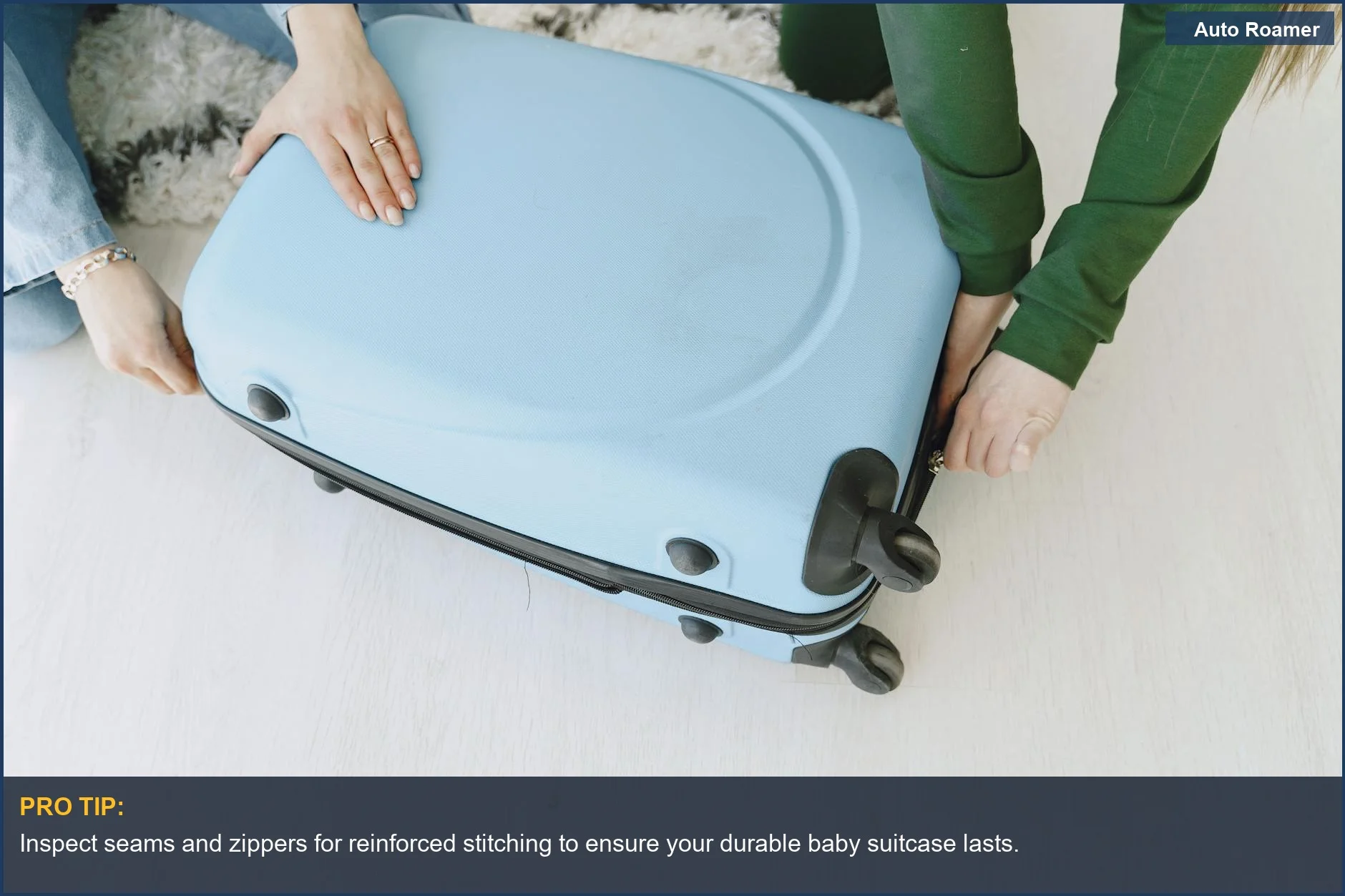
Why This Matters for Your Setup
Why does all this even matter when you're just trying to get to Grandma's house? Because a bag that falls apart is more than just annoying; it's a logistical nightmare. Imagine your baby's entire wardrobe spilling out onto a crowded subway platform. Been there, almost. It's not just about aesthetics; it's about functionality under pressure. The right gear saves you stress.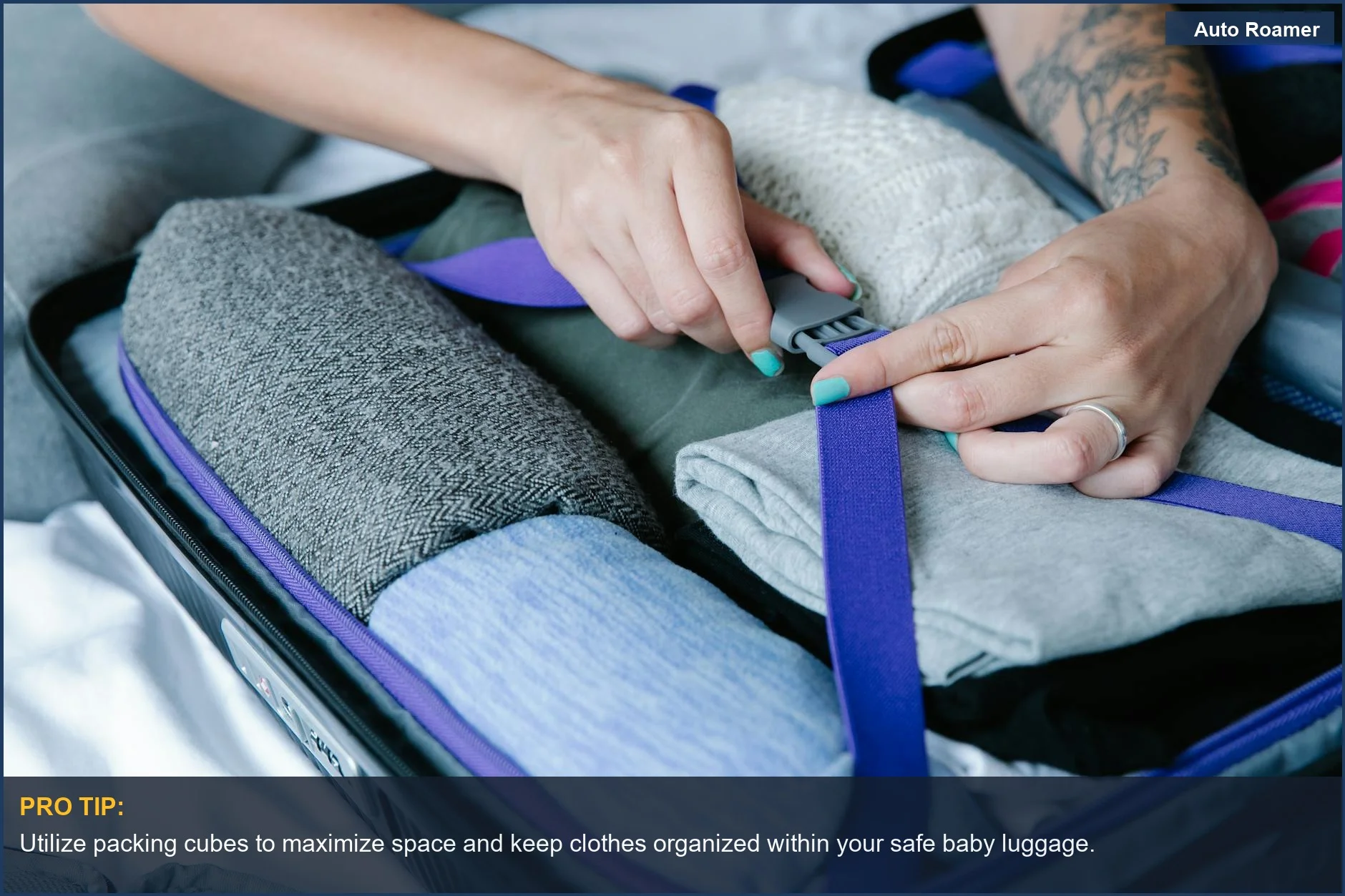
Making the Right Choice
Choosing baby travel luggage isn't rocket science, but it does require a bit of common sense and a focus on what actually works. You're not buying a piece of art; you're buying a workhorse that needs to survive the travel gauntlet. Durability and safety features aren't just buzzwords; they're the difference between a smooth trip and a chaotic mess. Invest wisely.
Frequently Asked Questions
If I buy a super-tough, name-brand kid's suitcase for $150, am I really getting that much more durability than a $40 one from the department store?
Do I really need to worry about TSA-approved locks on a baby's bag? Can't they just cut it open if they need to?
What if I buy a really durable bag, but my kid still manages to rip the lining or break a wheel on the first trip?
Can dragging a cheap, flimsy suitcase around for years actually damage my baby's back or posture in the long run?
I heard that some 'water-resistant' bags aren't actually waterproof and will soak through if it rains. Is that true?
🏅 Looking for Gear Recommendations?
Check out our tested gear guides for products that work with this setup:
Sources
- traveling with baby for holidays: bags : r/TravelHacks - Reddit
- Kids Luggage Buying Guide - Beis Travel Canada
- The Best Kids Luggage, Tested and Approved by Young Travelers
- The 6 Best Luggage for Kids of 2026 | Reviews by Wirecutter - ny times
- The 7 Best Luggage for Kids Is as Cute as It Is Durable - Parents
- The Ultimate Guide to the Best Baby Travel Gear for Stress-Free Trips
- What Features Should I Look for in a Travel Bag for Babies?
- Best Kids Luggage 2026 - Forbes Vetted