
The Short Answer: Yes — Any Car With a Working FM Radio
Marketing says 'universal compatibility,' and for once the claim mostly survives contact with reality. An FM transmitter doesn't plug into your car's electronics, doesn't negotiate with the head unit's software, and doesn't care what badge is on the hood.
It's a tiny, deliberately weak radio station. It takes audio from your phone over Bluetooth, broadcasts it on an open FM frequency, and your car stereo receives it the same way it receives any drive-time station. If the radio tunes FM, the transmitter is compatible. That's the whole handshake.
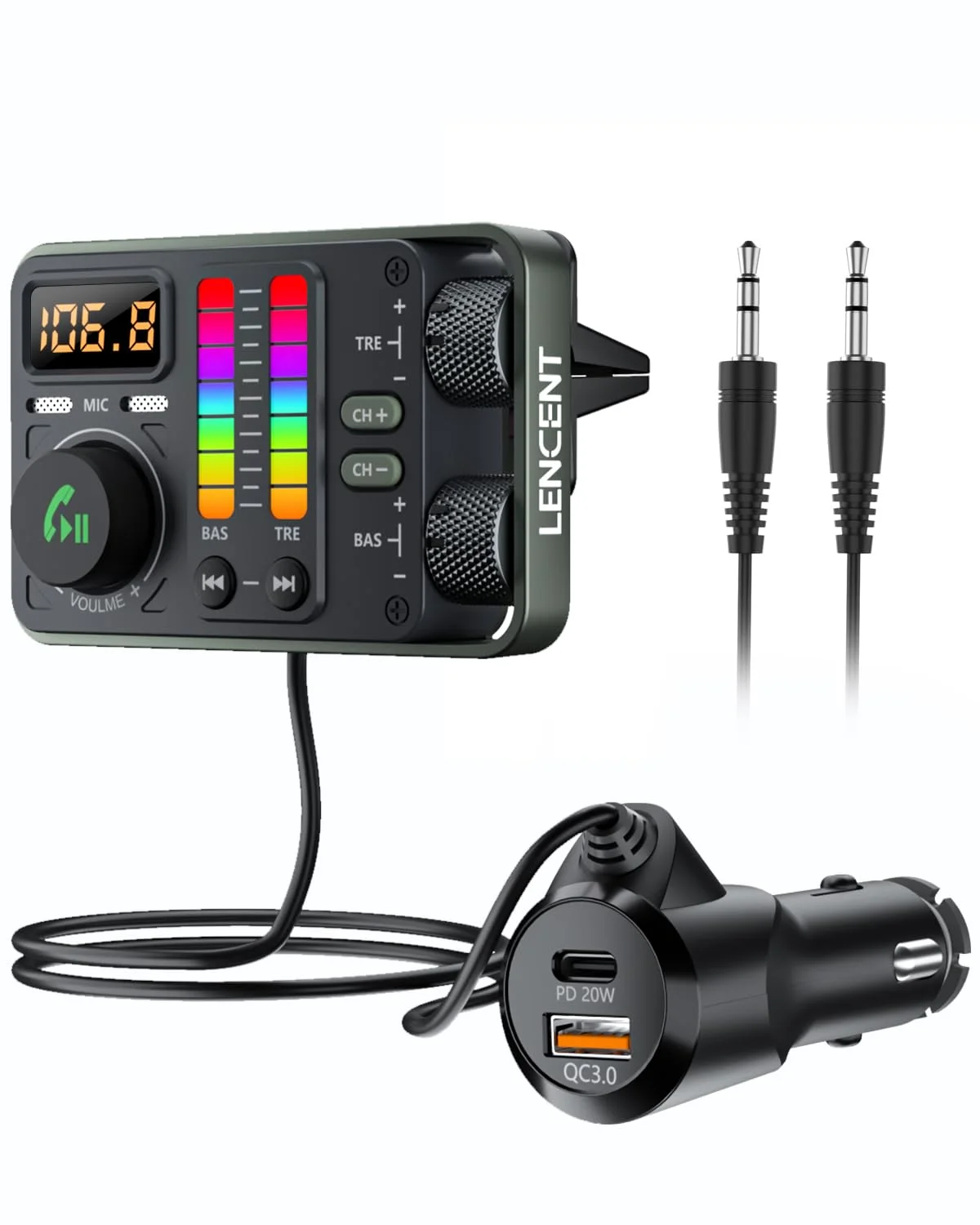
And that covers nearly everything on the road. A 1992 Civic with a tape deck, a 2008 F-150, a rental with a locked-down infotainment screen — every one of them has an FM tuner, so every one of them can receive a unit like the LENCENT FM transmitter without a single wire touched.
So why does this question fill the search bar? Because 'compatible' and 'works well in your specific car' are two different claims. The first is physics, and physics doesn't check your VIN. The second depends on your power socket, your antenna location, and how crowded your city's FM dial is.
Quick rule of thumb by year:
- Pre-2004: usually no AUX jack and no Bluetooth — FM is the only wireless way in.
- Roughly 2004-2012: an AUX port is likely hiding somewhere on the dash.
- 2013 and later: Bluetooth is almost certainly built in — a transmitter may be solving a problem you don't have.
The short list of cars where a transmitter genuinely struggles is real but small, and the fix is usually a different $15 gadget rather than a more expensive transmitter. That list is coming, complete with the fix for each entry.
Run the three-point check below before you spend anything. It takes two minutes from the driver's seat, and it sorts your car into the right camp with near certainty.
How an FM Transmitter Works — and Why Make and Model Barely Matter
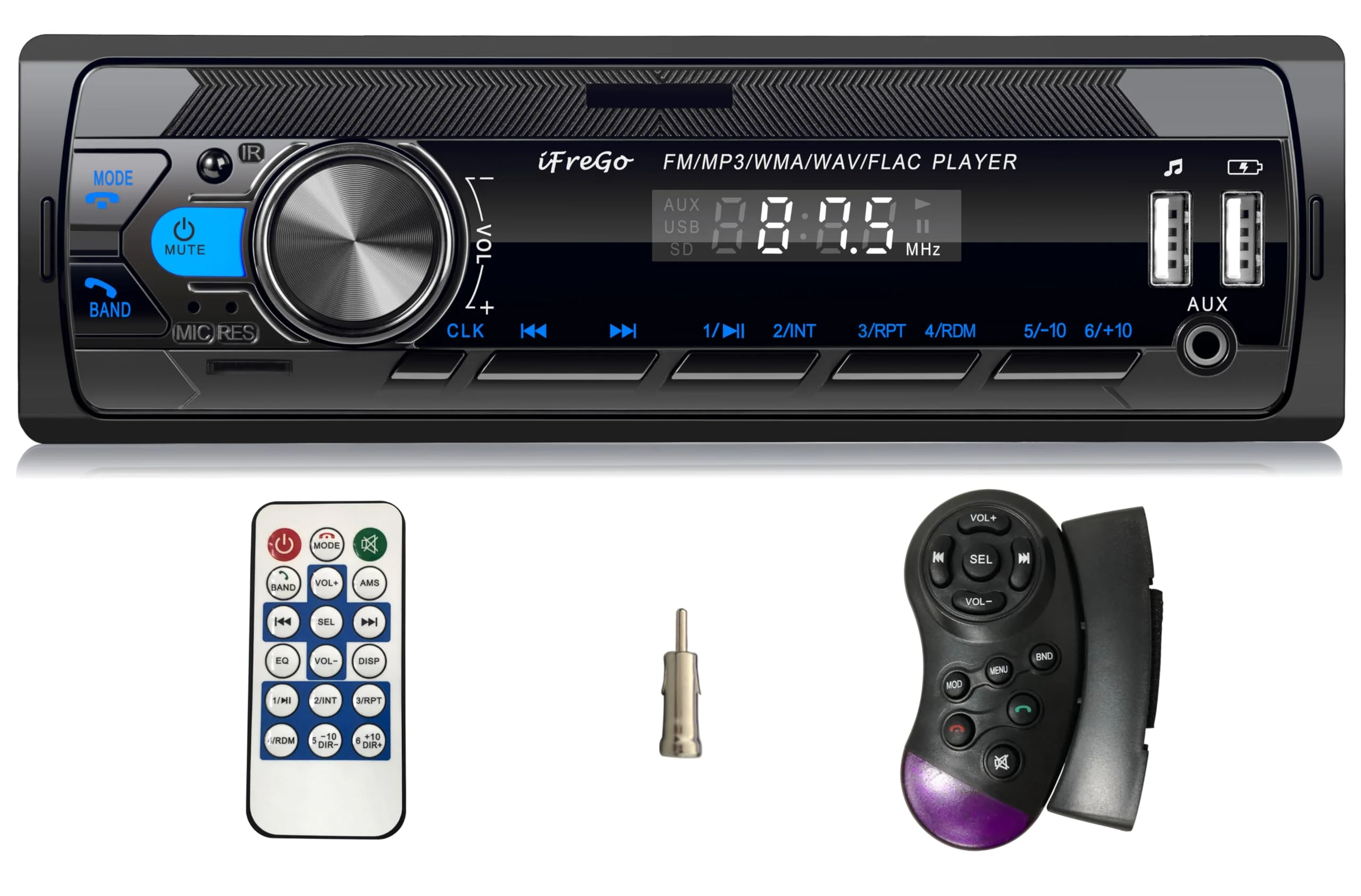
The listing says 'works with all vehicles.' The engineering reason is duller and far more trustworthy: FM radio is one of the few standards the entire auto industry actually agreed on. North America assigns the band from 87.5 to 108 MHz, and every factory tuner sold here receives it.
Your transmitter is a broadcaster with training wheels. The FCC's Part 15 rules cap unlicensed FM devices at a signal strength that carries about a car length or two — which is why your music doesn't reach the next lane, and why no license, pairing code, or app is involved on the car side.
No handshake is the detail that matters. Bluetooth adapters have to negotiate with your head unit's firmware, and wireless CarPlay dongles have to convince the car's software they belong. An FM transmitter negotiates with nothing. It throws a signal into the air; your radio either tunes it or it doesn't.
Check the fine print on any transmitter box and you'll notice the compatibility list names phone requirements — Bluetooth versions, app support — not car requirements. The car-side requirement is a tuner that's been standard equipment since before your parents had licenses.
Does the radio's age actually matter? Barely. A 1980s analog dial pulls in 107.9 the same way a 2026 touchscreen does. Classic-car owners lean on these devices for exactly that reason: nothing else modern will talk to a forty-year-old dash without rewiring it.
The honest fine print is environmental, not mechanical. The radio has to work, the transmitter has to get power, and the frequency has to be reasonably clear where you drive. Each of those can fail in specific, predictable situations — which is precisely the checklist that comes next.
In other words: the car is the easy half of this equation. The hard half is the radio environment around it. Keep that frame and the rest of this article reads in half the time.
The Three-Point Compatibility Check
Skip the spec-sheet theater. Three things decide whether an FM transmitter works in your car, and you can verify all three from the driver's seat tonight, for free:
- A working FM radio
- Live power where the transmitter sits
- An open frequency where you actually drive
No tools, no OBD scanner, no dealership visit.
None of them involve your make or model — which is the point. When a transmitter fails in a given car, it fails for one of these reasons, not because you bought the 'wrong' brand of vehicle.
1. A working FM radio
It sounds insulting, but check it. If the antenna is snapped, the tuner is dead, or a previous owner installed an aftermarket head unit and left the antenna lead dangling behind the dash, the strongest transmitter on the market is broadcasting to nobody. Tune a local station first — clear reception means a clear baseline.
2. Live power where the transmitter sits
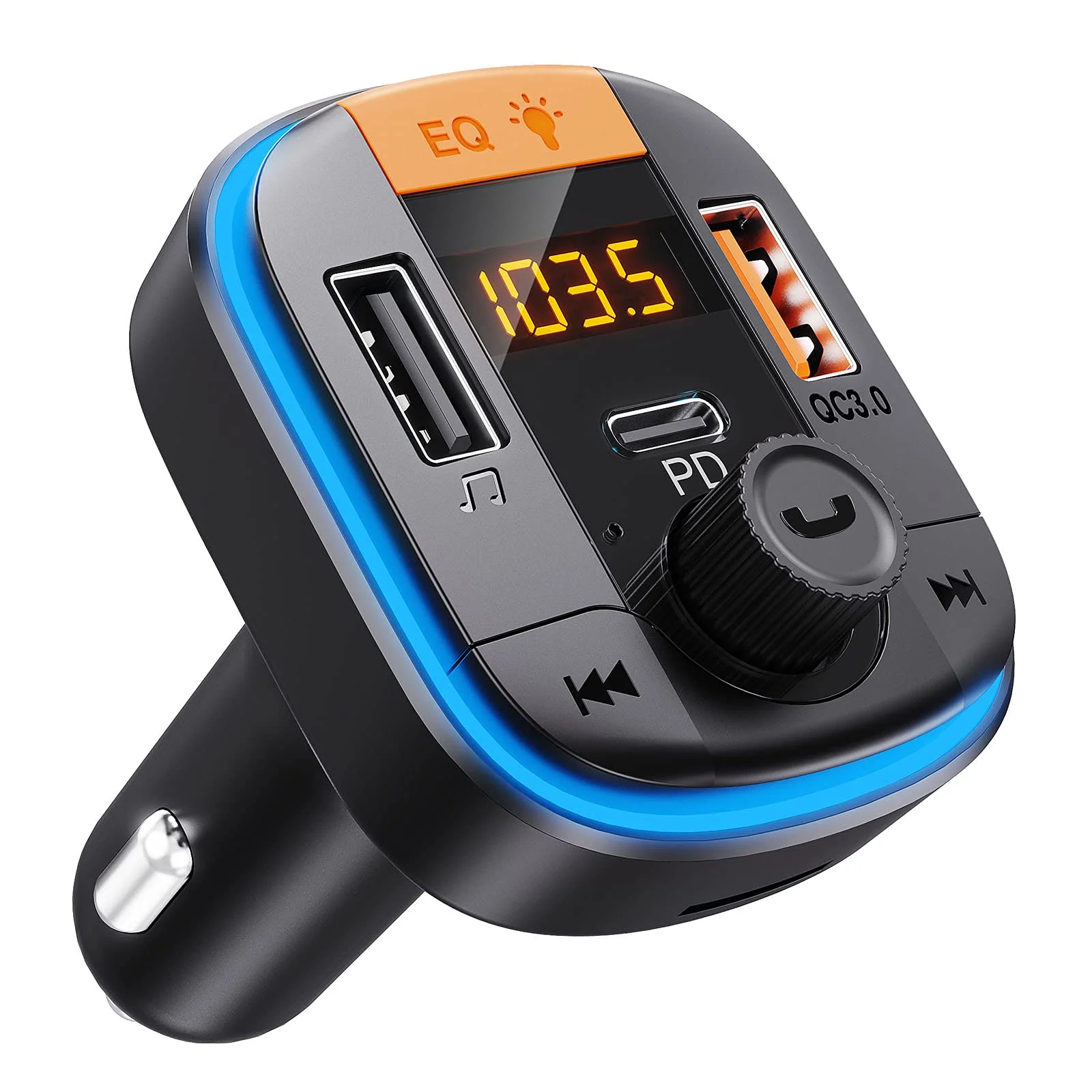
Most units plug into the 12V accessory socket. Nearly every car built since the 1960s has one, but confirm yours actually delivers power: some sockets only wake with the ignition, some hide a blown fuse, and a few minimalist new EV trims dropped the socket entirely in favor of USB-C ports.
If all you have is USB, buy a USB-powered transmitter or a cheap 12V adapter. Driving something bigger? Heavy trucks and some RVs run 24V systems, and most name-brand transmitters are rated 12-24V — but that rating lives in the small spec table, and it's worth thirty seconds of your time.
3. An open frequency where you actually drive
The transmitter needs an empty slice of the dial. In a small town, finding one is trivial. In a major metro where licensed stations occupy nearly every slot, your low-power signal loses to a 50,000-watt broadcaster every single time. Scan the dial along your normal commute and count the gaps of pure static.
Pass all three checks and your car is compatible in every sense that matters. Fail one, and you now know exactly which fix to buy — and it's almost always cheaper than upgrading the transmitter.
Where 'Works With Every Car' Falls Apart
Now the part the product pages mumble. There are real situations where an FM transmitter is technically compatible and practically useless, and they cluster in predictable places — none of which show up in the star rating until after someone has bought the wrong tool.
HD Radio head units
Plenty of late-model cars decode HD Radio — digital broadcasts riding alongside analog FM. When the head unit locks onto a station's digital signal, your transmitter's weak analog one doesn't stand a chance on that frequency or the ones beside it.
The fix costs nothing: pick a slot with no HD broadcaster nearby, and check whether your radio lets you disable HD seek. Owners report the 'incompatible with my car' verdict usually dissolves the moment they move two frequencies down the dial.
Rear-glass and shark-fin antennas
Older sedans put the antenna on a front fender, a few feet from the 12V socket. Many modern cars moved it into the rear glass or a roof fin — sometimes twelve feet from where the transmitter sits. More distance, weaker received signal, more hiss. Owners report exactly this pattern in long SUVs and vans.
You can't move the antenna, but you can move the transmitter. A 12V socket extender that lets the unit sit higher or further back cleans up the signal in these layouts for a few dollars. Owners in wagon and van forums swap this tip constantly because it works.
No socket, wrong voltage, wrong band
- A handful of new EV trims ship without any 12V socket — a USB-powered unit solves that.
- Commercial trucks running 24V can damage a 12V-only device, so match the input rating.
- An imported car's radio may tune a different regional band, like Japan's 76-95 MHz, which only partially overlaps the 88.1-107.9 range most US transmitters cover.
Notice what's missing from this list: brand, model, trim. Compatibility failures are about the radio environment in and around the car, not the nameplate. That's also why the same $20 unit can be flawless in your driveway and unusable downtown.
When a Different $15 Gadget Beats Any Transmitter
Here's the question the transmitter listings hope you never ask: does your car already have a better way in? FM is the fallback for cars with no other input. Using it in a car that has one is paying a sound-quality tax for nothing.
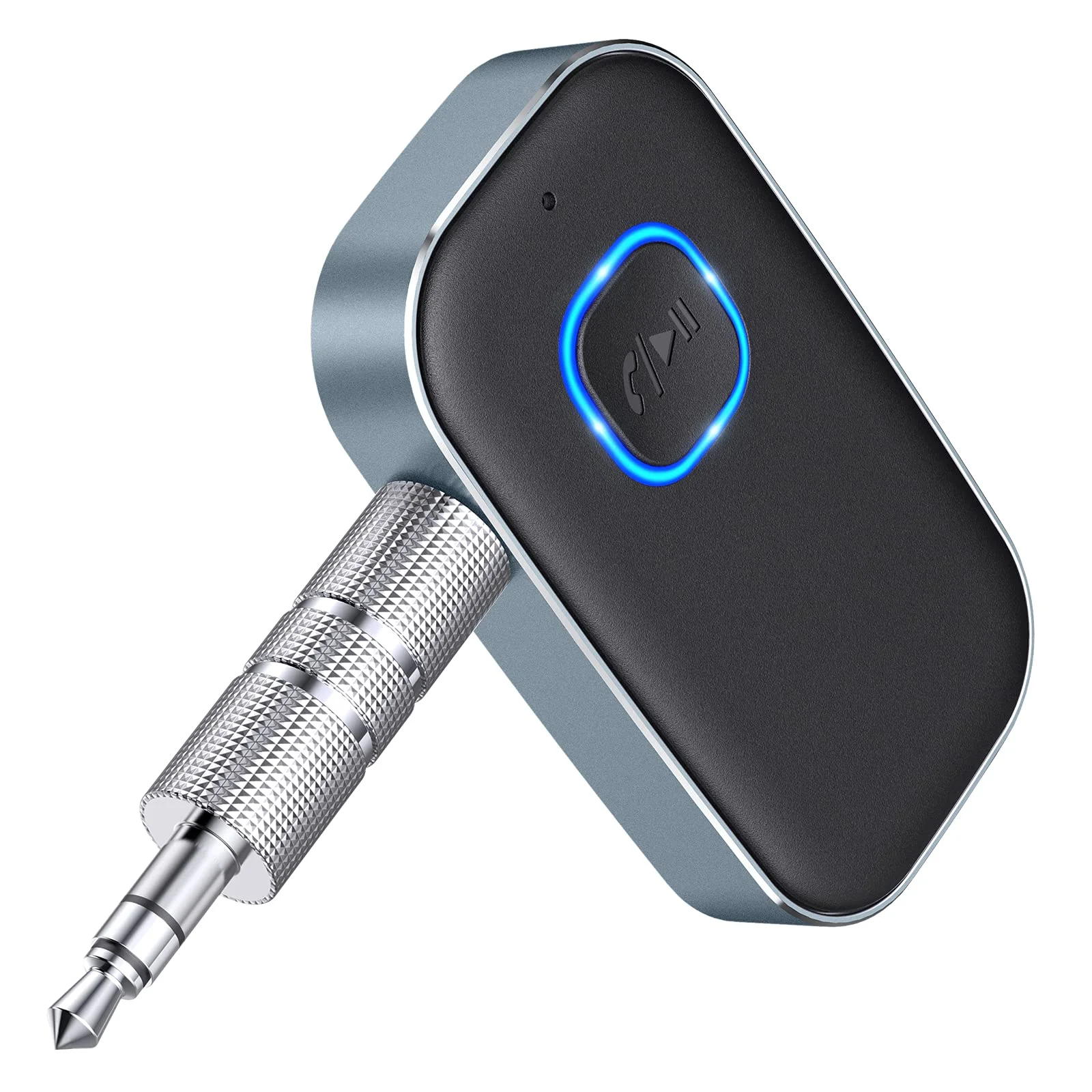
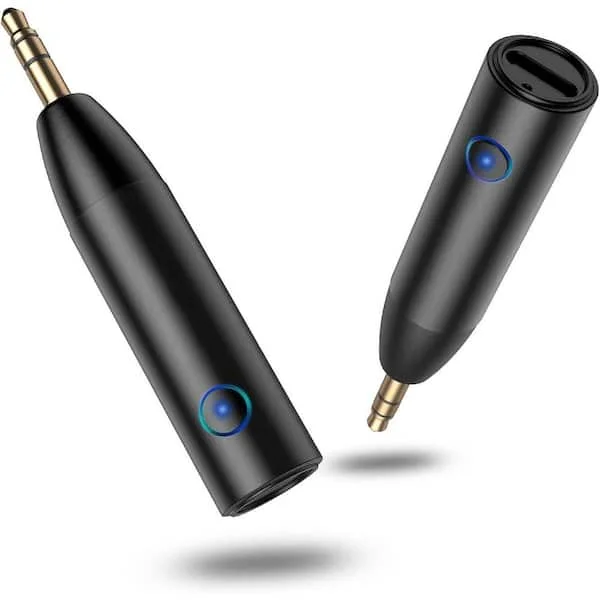
If your dash has a 3.5mm AUX port — most 2004-2012 cars do — a Bluetooth receiver like the COMSOON Bluetooth car adapter plugs straight into it and skips the radio entirely. Wired beats broadcast: no static, no frequency hunting, no losing your podcast to a gospel station at the county line.
If your car has a cassette deck and no AUX, the $15 cassette adapter is the unglamorous champion. It's a direct mechanical connection, it sounds cleaner than FM in most cars, and it never asks you to find an empty frequency.
If your car was built in the last decade, check the obvious before spending a dime: factory Bluetooth. A surprising number of buyers grab a transmitter for a car that already streams natively — a solution in search of a problem, and the review sections are full of them.
The decision tree is short:
| Your car has | The right tool |
|---|---|
| Factory Bluetooth | Use it — skip the purchase |
| AUX port | Bluetooth receiver |
| Cassette deck | Cassette adapter |
| None of the above | FM transmitter — genuinely the right tool for the job |
The full head-to-head lives in our Bluetooth adapter vs FM transmitter breakdown.
Run that tree honestly and the compatibility question mostly answers itself. The cars where FM is the only option — older, AUX-less, pre-Bluetooth — are exactly the cars where a transmitter earns its keep. That's not a coincidence; it's how the product category survived.
One more honesty check: price does not change the physics. A $60 transmitter obeys the same FCC power cap as an $18 one. Past the mid-tier, you're paying for charging ports and RGB lighting, not better broadcast strength.
Getting a Clean Signal in Your Specific Car
Compatible doesn't mean plug-and-forget. Five minutes of setup separates 'sounds like a real input' from 'sounds like a distant AM station,' and most one-star transmitter reviews trace back to skipping those five minutes. The car was never the variable; the setup is.
Find dead air first. Scan for a frequency that's pure static — ideally with static on both neighboring slots too. The ends of the band, 87.9-88.5 and 106.9-107.9, are usually the least crowded because licensed broadcasters cluster toward the middle.
City drivers should bank two or three backup frequencies. The slot that's empty in your suburb may carry a full-power station downtown, and presets turn the mid-commute fix into a two-button move instead of a frequency hunt at 70 mph.
Stage your volumes deliberately:
- Set the phone to roughly 80 percent.
- Use the car's volume knob as the master control.
A maxed-out phone overdrives the transmitter's input and distorts; too low, and you crank the stereo into a bath of hiss.
Mind the placement detail from earlier: if your antenna lives in the rear glass, a socket extender that moves the transmitter off the front outlet can do more for clarity than any settings menu.
Some units also let you broadcast in mono — and mono with a strong signal beats stereo with hiss every time. Our guide to FM transmitter frequencies and interference walks through the dial-by-dial details.
If you've done all of this and the audio still crackles, the problem is your radio environment, not your car — and that's your cue to revisit the alternatives above before buying a 'stronger' transmitter that obeys the same power cap.
Does any of this make the transmitter less 'compatible' with your car? No. It makes it exactly as compatible as the airwaves allow — which has been the honest answer all along.
My Verdict: Compatible With Nearly Everything — Just Not Always the Right Tool
Are FM transmitters compatible with all car models? With any car that has a working FM radio and live accessory power — which is very nearly all of them — yes. The box claim holds. The catch was never the car; it's the airwaves around the car.
The sharper buyer question is different: is FM the right input for your car? If you have factory Bluetooth or an AUX jack, no — better options cost the same or less. If you drive something older with neither, yes, and nothing else delivers wireless audio to an untouched dash that cheaply.
Spend in the $15-25 range on a unit with the full 88.1-107.9 tuning range and a 12-24V input rating, and you've covered every edge case worth covering. Paying more doesn't buy better physics — the FCC caps broadcast power at the same level for every unit sold.
What about the 'designed for newer vehicles' labels on some listings? Marketing says it matters; the spec sheet says otherwise. The car-facing half of every one of these devices is the same FM broadcast it has been since the beginning.
City commuter staring down an HD-heavy dial: temper expectations or take the AUX route. Small-town and highway drivers: a well-set-up transmitter lands surprisingly close to a wired connection. If you've confirmed you're in transmitter territory, our best car FM transmitter picks sort the field.
And the two-minute test before you spend anything: tune the radio to static at 107.9, then confirm the 12V socket powers a phone charger. Pass both and any decent transmitter will work in your car — 1992 or 2026, badge irrelevant. The numbers don't lie. If a listing promises more than that, you already know how to read it.