The night I learned the cold comes from below
My first winter attempt at car camping, I had what I thought was a warm setup: a thick sleeping bag, the back seats folded, and a parking spot at a trailhead with a view I couldn't wait to wake up to. I woke up at 3 a.m. instead, shivering, and could not figure out why — the bag was rated warm enough, I was wearing layers. It took me an embarrassingly long time to realize the cold wasn't coming from the air. It was coming straight up through the floor, through the single thin pad, and crushing the down on the bottom of the bag flat until it had no insulation left.
I spent the rest of that night with the engine running every hour for heat, condensation freezing on the inside of the windows, feeling like an idiot. But it taught me the single most important lesson of winter car camping, and a few others besides. This is the honest story of what went wrong and the gear that fixed it — not a sterile gear test, but what I actually learned the cold, hard way.
What the cold taught me
The headline lesson: insulation under you matters more than insulation around you. A sleeping bag works by trapping loft, and your body weight crushes all the loft on the bottom — so without a real pad beneath you, the cold floor wins no matter how good the bag is. Everyone who winter camps learns this; I just learned it at 3 a.m.
The second lesson was that heat sources and sleep don't mix. Idling the engine for heat is dangerous, wasteful and noisy, and a combustion heater left running while you sleep is a genuine carbon-monoxide and condensation risk. The warmth that gets you through the night has to be passive — your bag, your pads, insulated glass — with any heater reserved for warming the space before bed and in the morning, window cracked, awake.
And the third: winter doubles your ventilation problem. Warm breath against freezing glass means dripping, even icing, windows. You have to vent in the cold, trading a little warmth for a dry interior — counterintuitive until you've woken up under a frozen ceiling.
The fourth lesson was about layering my clothing the same way I layered the bed. I'd pile on every warm thing I owned and then sweat, and damp clothes in the cold are dangerous, not just uncomfortable. The fix was a thin base layer to sleep in and a separate warm layer for stepping outside, never sweating into either. Managing moisture — in my clothes, my breath and my boots — turned out to be as central to staying warm as any single piece of gear, because wet is what makes cold genuinely miserable.
- Insulate below you — two pads beat any heater.
- Heat and sleep don't mix — overnight warmth must be passive.
- Vent even in the cold — a dry car beats a warmer soaked one.
The mornings were the hardest part
Here's what the warm-bag advice leaves out: in winter, the night is solvable but the morning is brutal until you have a routine. Crawling out of a cozy bag into a car that's dropped to freezing, with frost on the inside of the glass and your boots stiff with cold, is the moment most people decide winter camping isn't for them. It nearly got me.
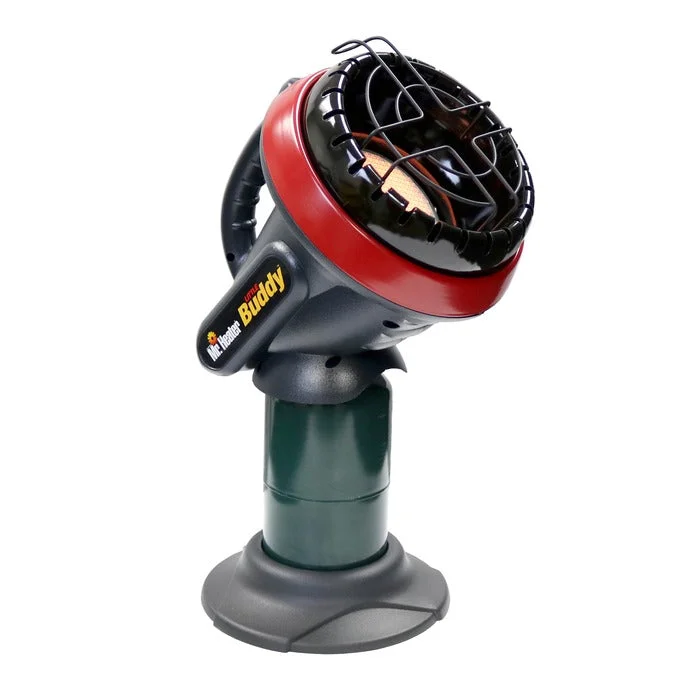
What fixed it was sequencing, not willpower. I learned to keep the next day's base layers inside the sleeping bag overnight so they were warm to put on, to keep a wide-mouth bottle of water from freezing by tucking it down by my feet, and to run the propane heater for ten minutes first thing — window cracked, fully awake — to take the bite off the air before I got dressed. A small thermos of hot water prepped the night before meant coffee in two minutes instead of twenty with frozen fingers.
The other surprise was battery drain. Cold murders battery capacity — my phone died fast, and a car left to sit in deep cold cranks reluctantly. I kept devices in the bag with me at night and made sure the camp loads never touched the starter battery, because a no-start at a frozen trailhead is a genuine emergency, not an inconvenience. None of this is in the glossy gear guides, but it's the difference between dreading the morning and actually enjoying a frosted-window sunrise with a hot drink in hand.
The gear that turned it cozy
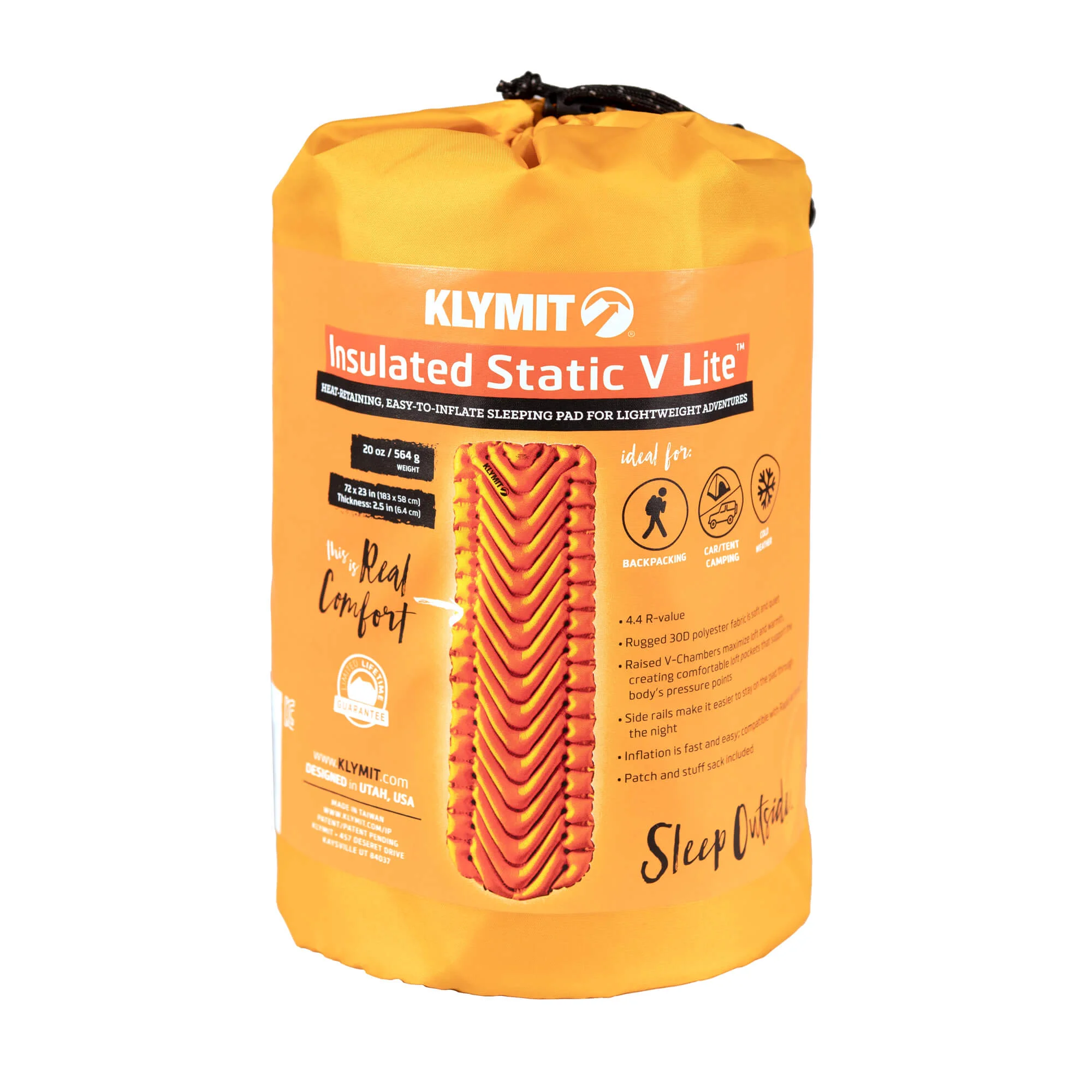
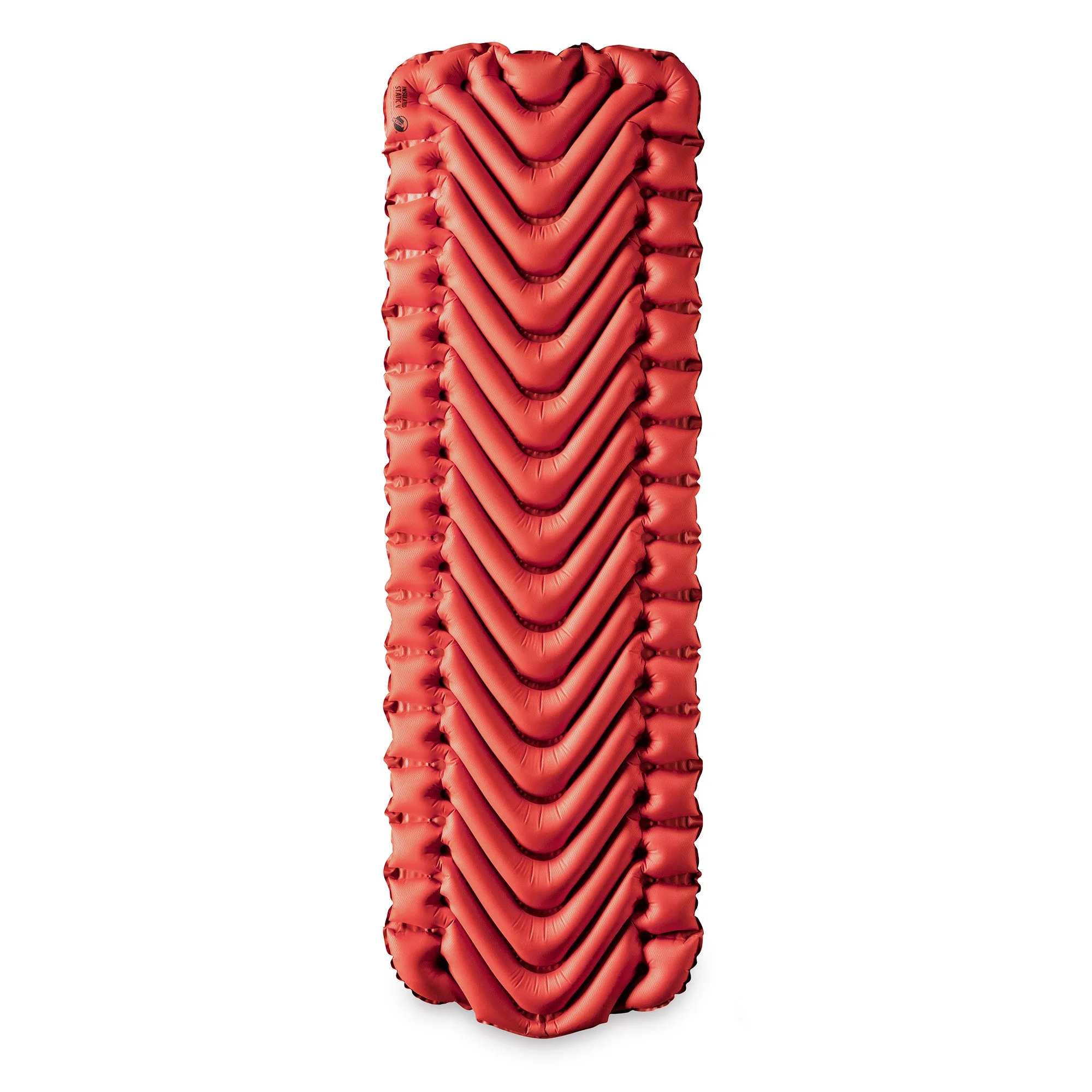
The fix started underneath me. A closed-cell foam pad under an insulated air pad (I used a Klymit insulated pad over cheap foam) finally put real R-value between my body and the frozen floor — the change was night and day, literally. That two-layer approach is what every winter resource recommends, and now I understand why.
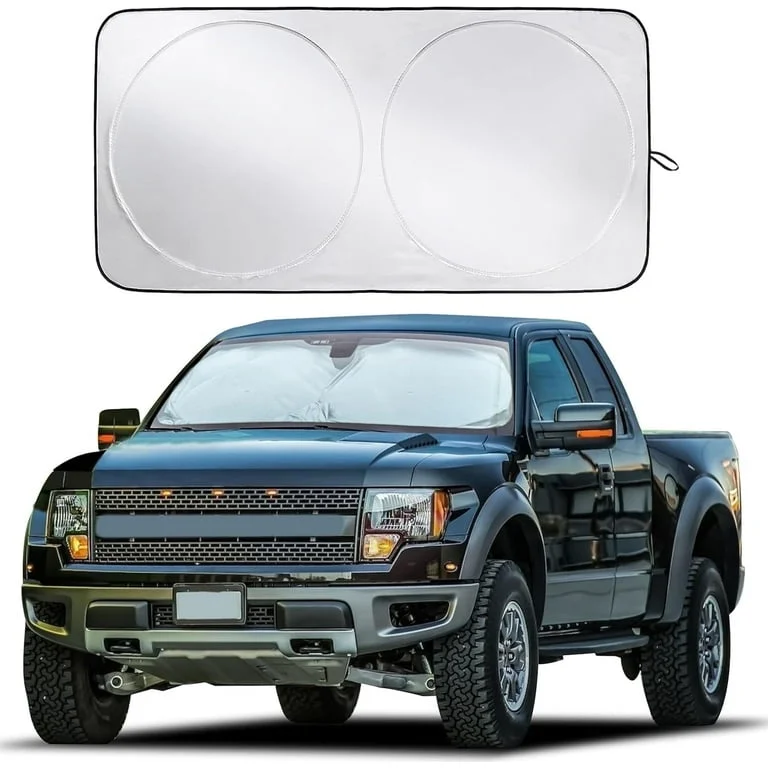
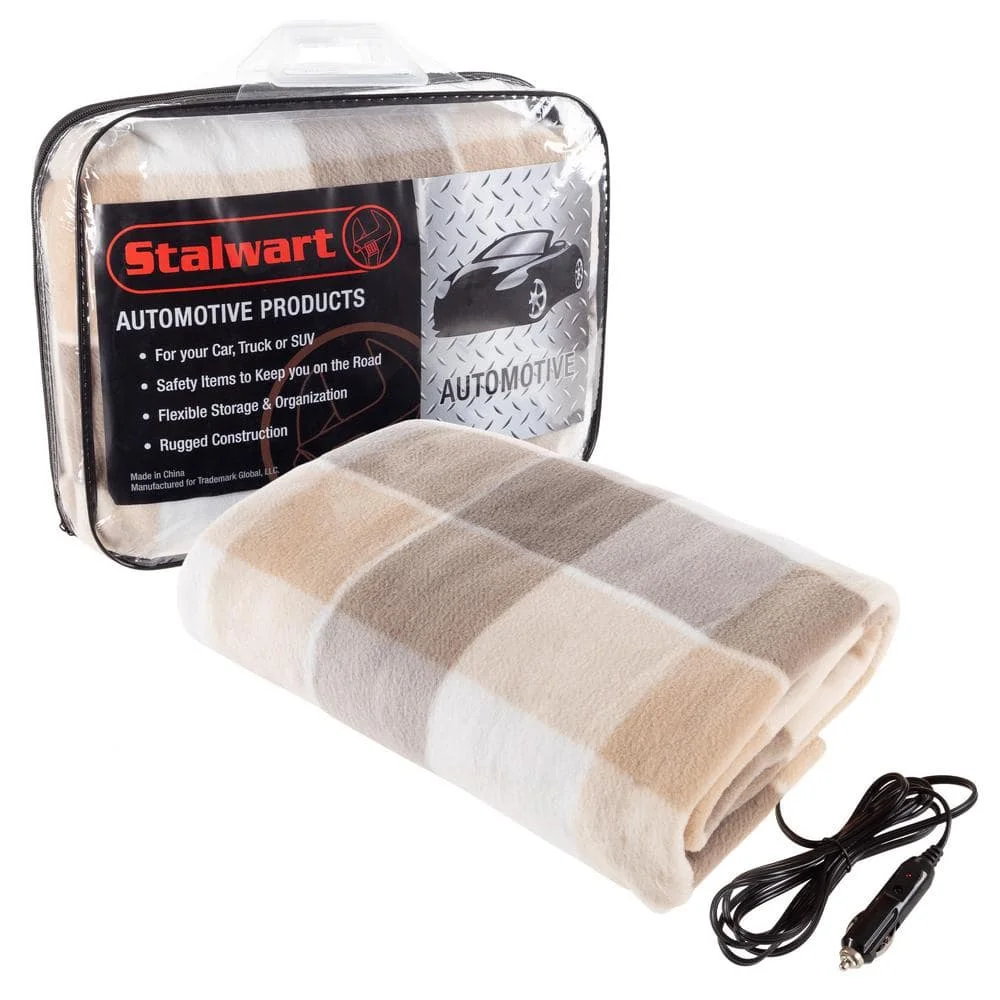
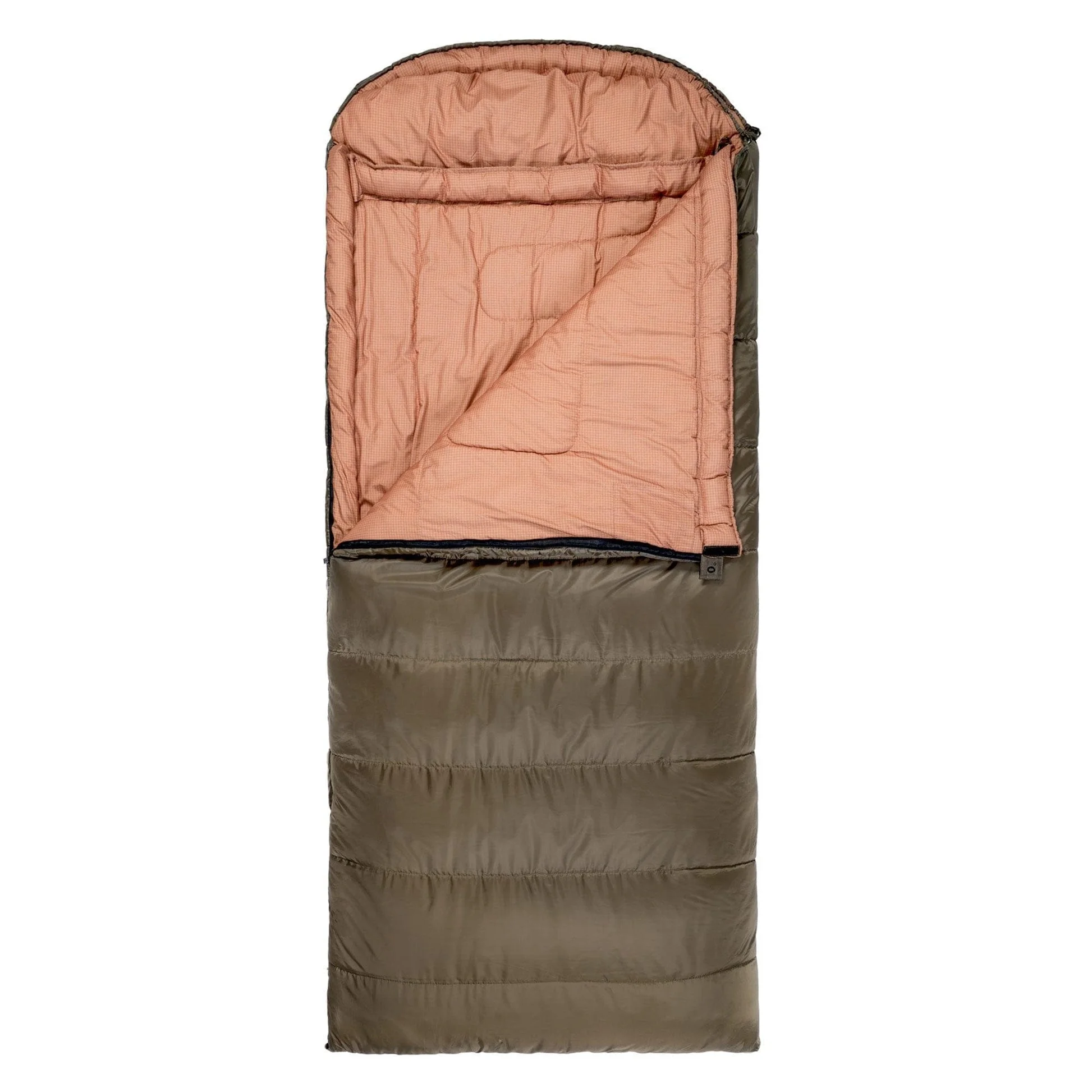
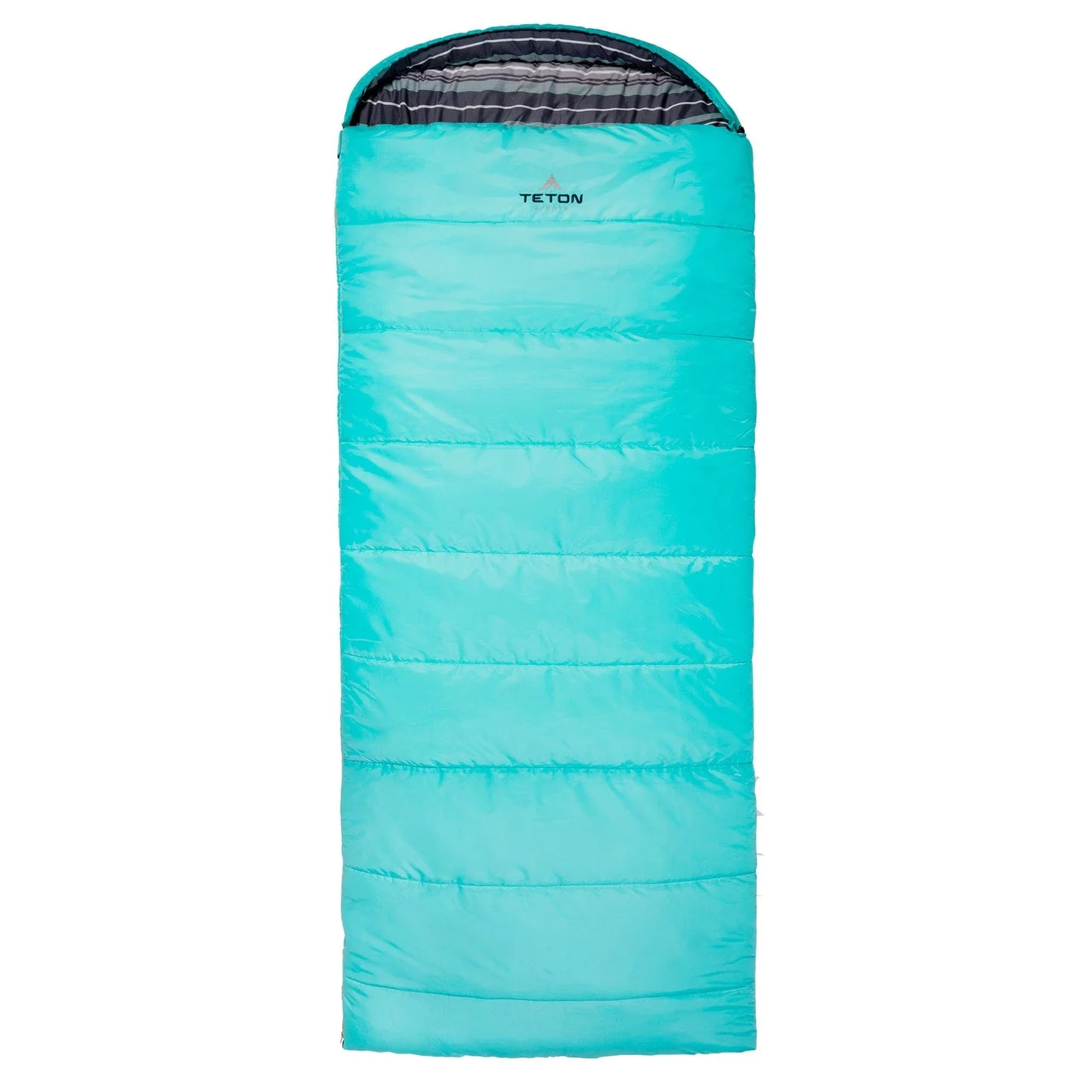
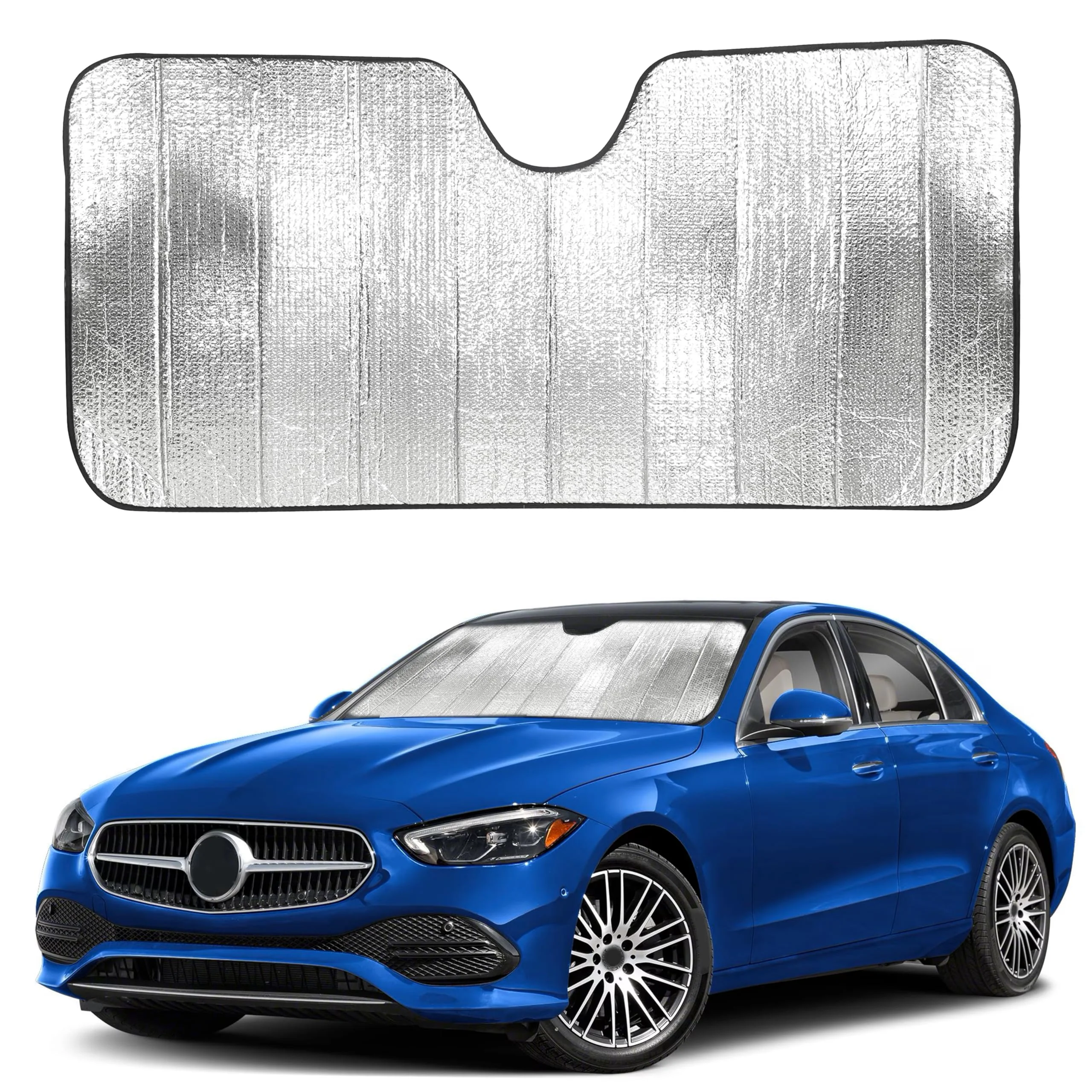
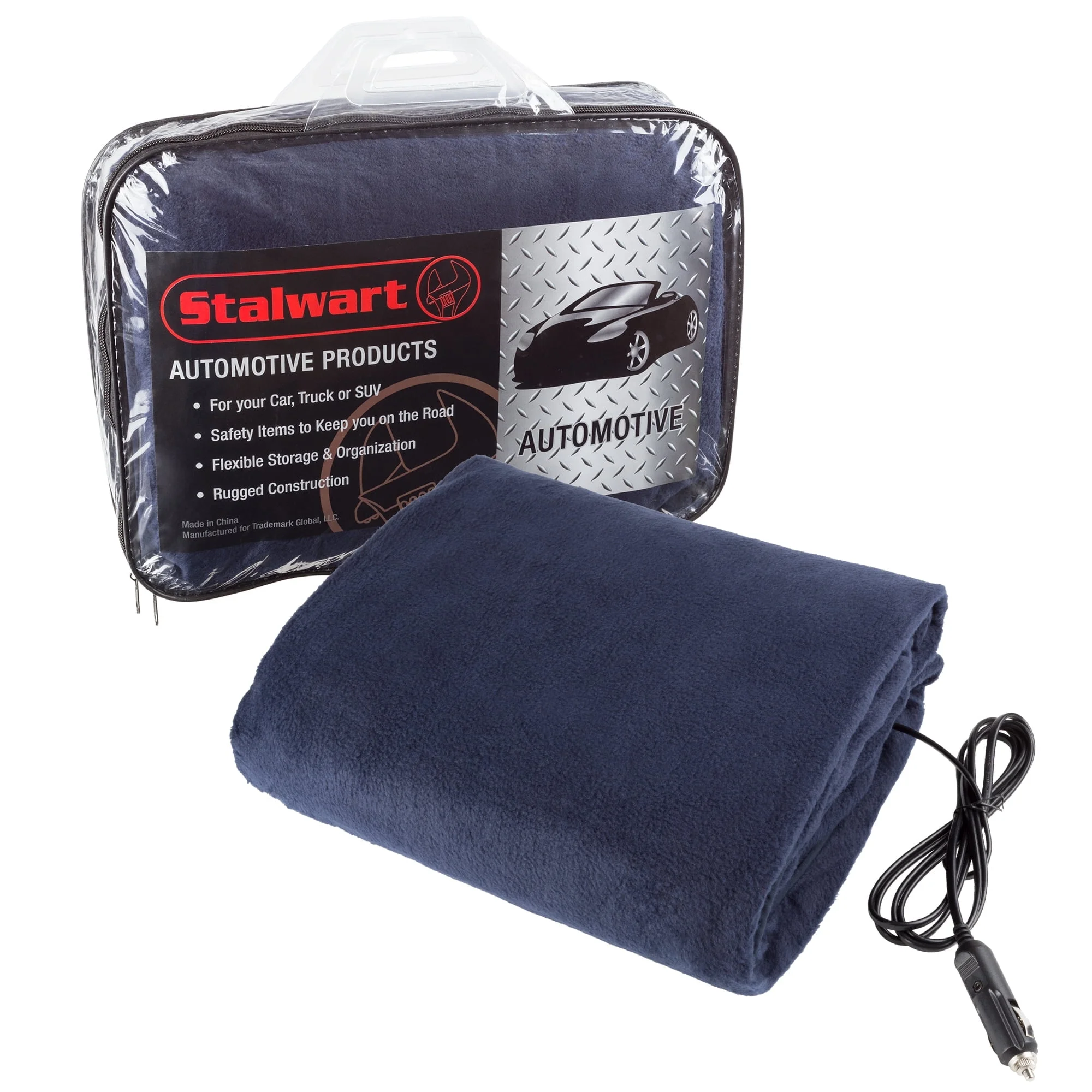
On top, a proper 0°F mummy bag (mine's a TETON) replaced the optimistic three-season bag, and a liner inside stretched its warmth further on the coldest nights. The EcoNour reflective window covers insulated the single biggest heat leak — the glass — and as a bonus cut the condensation by keeping the surface warmer. A 12V electric blanket run briefly off my power station pre-warmed the bed so I climbed into warmth instead of a cold bag, a small luxury that mattered more than its price.
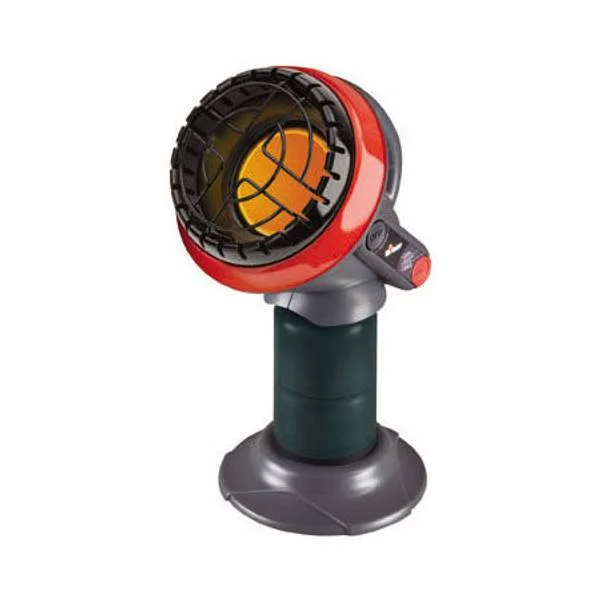
For the air, I kept a Mr. Heater Little Buddy with its low-oxygen shutoff strictly for warming the car before bed and first thing in the morning, window cracked, never while sleeping. That combination — warm from below, warm in the bag, insulated glass, a pre-warmed bed, and a heater only when awake — is what turned a miserable freeze into genuinely cozy winter nights.
A note on each, because the order I bought them in was wrong and yours doesn't have to be. The pads came last and should have come first — they're the cheapest item and the one that fixed the actual problem, so if your budget is tight, buy the under-body insulation before anything else. The bag is the one place not to economize: a bag's rating is optimistic, so I buy one rated ten or fifteen degrees colder than the night I expect, and a cheap liner stretches it further still. The reflective covers do double duty I didn't anticipate — privacy and darkness for better sleep on top of the insulation — so they'd be worth it even in summer.
The electric blanket was the luxury I almost skipped and now wouldn't camp without; run for twenty minutes off the power station before bed, it means climbing into warmth instead of a cold bag, which is half the psychological battle on a bitter night. And the propane heater earns its place strictly as a morning and pre-bed tool — the low-oxygen shutoff is a real safety feature, but it is not a sleep-through device, and treating it like one is how people get hurt. Buy in that order — pads, bag, covers, blanket, heater — and you skip the expensive trial-and-error I paid for in shivering nights.
The whole formula: insulate below you, a cold-rated bag, insulated glass, a pre-warmed bed — and combustion heat only when you're awake with a window cracked.
What I'd tell a friend before their first cold trip
If a friend was heading out for their first winter night in the car, here's the order I'd give them. First, insulate below: two pads, foam under an insulated air pad — this is the lesson I paid for at 3 a.m., so learn it free. Second, a real cold-rated bag, rated colder than you expect since ratings are optimistic, with a liner for the worst nights. Third, insulate the glass with reflective covers, which also fights condensation.
Then the comfort layer: a 12V blanket to pre-warm the bed, and a low-oxygen-shutoff propane heater used only before bed and in the morning with a window cracked — never asleep. And vent two windows through the night even though it feels wrong in the cold; a dry car beats a slightly warmer soaked one. Do it in that order and you skip the shivering-at-3-a.m. initiation entirely.
Cozy in the cold: the verdict
Winter car camping went from the worst night I'd spent outdoors to some of the best, on the strength of understanding one thing — the cold comes from below — and building a sleep system around it. Insulation under you, a genuinely cold-rated bag, insulated glass, a pre-warmed bed, and a heater used only when you're awake: that's the whole formula, and none of it is expensive or complicated once you know the order.
If you take one thing from my frozen education, let it be this: don't spend your money on a bigger heater, spend it on the pads under your body and the bag around it. Stay safe with combustion heat, keep the windows cracked, and a car in winter becomes a warm, dry, quiet little cabin with a frosted-window view you'll actually want to wake up to — instead of the engine-idling misery I started with.
And there's a reward winter campers don't talk up enough: the off-season has the places to itself. The crowded summer trailhead is empty, the campground is silent, the lake is glass, and the air is so clear the stars look fake. Once you've solved the warmth problem — and it really is a solvable problem, not an endurance test — winter becomes the best time to camp out of a car, not the worst. Insulate below you, respect the heater rules, vent the windows, and go claim the quiet.
Start mild and build up: pick a night that's cold but not brutal for your first try, test the setup close to home, and learn what your system actually does before you trust it somewhere remote. Winter rewards the prepared and punishes the casual, but the preparation is cheap and the reward — empty places and clear skies — is the whole reason to bother.
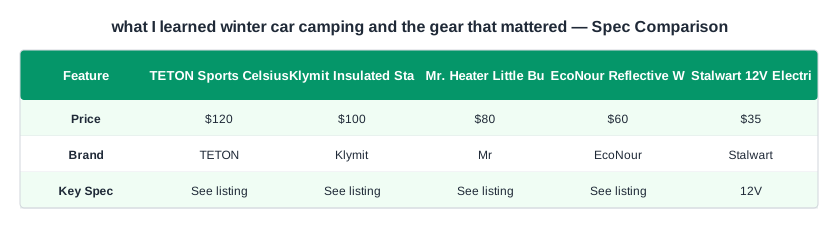
The complete lineup also includes TETON Sports Celsius 0°F Mummy Bag ($120), Stalwart 12V Electric Blanket ($35) — each compared on the same specs and reviewer consensus.