
The Short Answer: Yes, But the Dynamic Limit Picks Your Tent
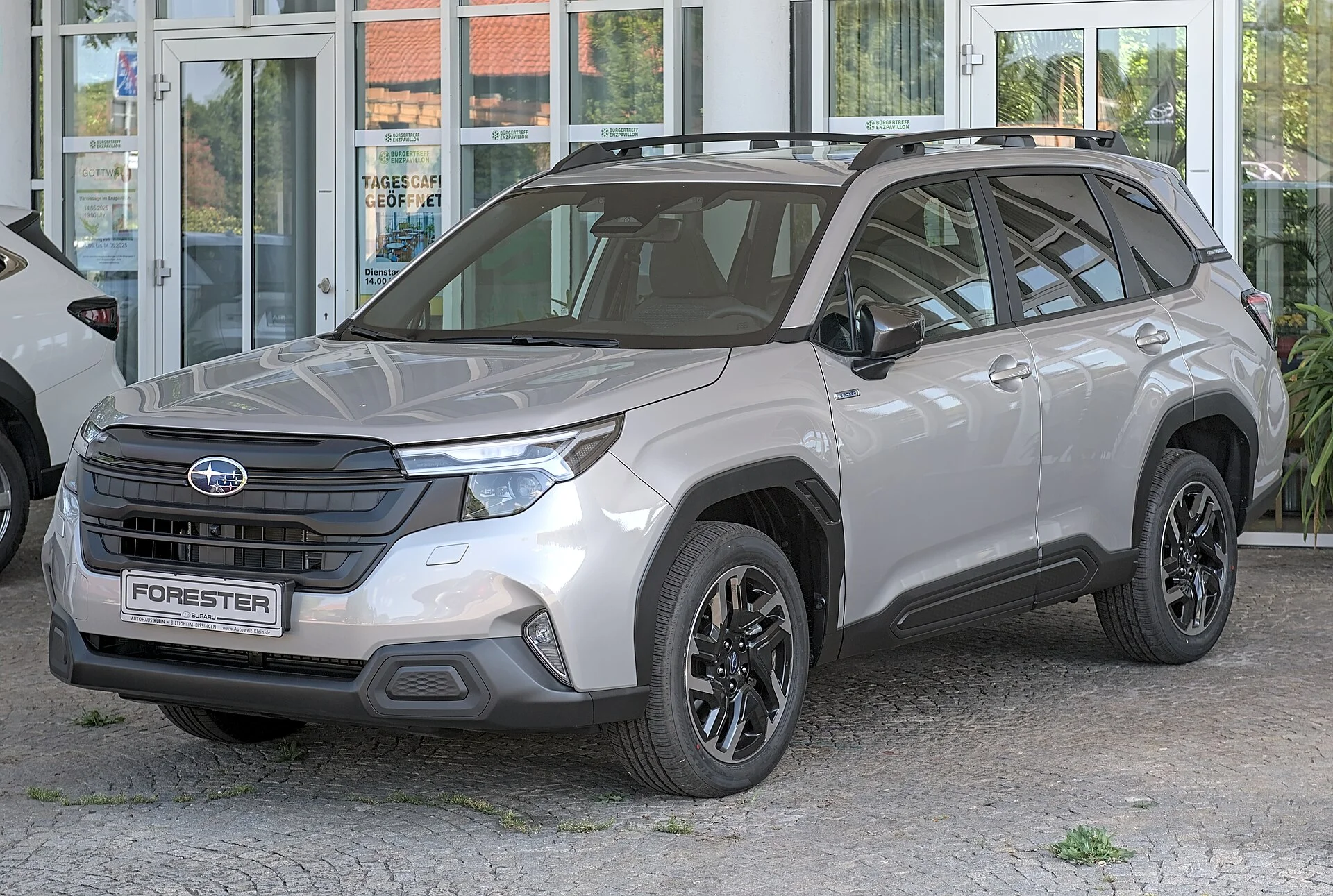
A Subaru Forester carries a rooftop tent, and it does it well - but the number that decides which tent is not the one most buyers look at. The parked roof is rated far higher than the moving roof, and a rooftop tent lives most of its life parked. That is why the answer is yes for almost any two-person tent.
The constraint that actually shapes the build is the 176 lb dynamic load rating - the maximum the roof is rated to hold while the vehicle is moving. That figure has to cover the crossbars, the folded tent, and anything left inside it on the highway. It is a modest ceiling, and it is the reason a Forester setup starts with the tent weight, not the tent features.
Off Road Tents reports the Forester's static (parked) rating at 650 lb, with some guides citing as high as 700 lb. A 130 lb tent plus two adults sits well inside that. So the install is not about whether the roof can hold you at night; it is about keeping the driving load honest. Get the tent weight and the crossbars right and the rest of the fitment is straightforward.
Two Numbers That Decide Everything: Dynamic vs Static
Every rooftop-tent decision on a Forester comes down to two ratings that sound similar and are not. The dynamic rating is the weight the roof holds while driving, when braking, cornering, and bumps multiply the effective load. On the Forester that number is 176 lb. The static rating is the weight the parked roof holds when the vehicle is stationary and those forces are gone.
Rooftop tents rely on the static rating, because occupants only climb in once the vehicle is parked. That is the single most misunderstood point in the whole category. People see the 176 lb dynamic figure, subtract two adults, and conclude the roof cannot hold them - but two adults are never up there while the Forester is rolling.
Off Road Tents notes a vehicle's static capacity typically runs three to five times its dynamic capacity, which is exactly why the Forester's parked rating lands near 650 lb against a 176 lb driving limit. Keep the two numbers in separate mental columns: the dynamic column governs the tent-plus-rack you drive with, and the static column governs the tent-plus-people you sleep in.
The practical consequence is that a Forester almost never fails on the sleeping side and occasionally fails on the driving side. A buyer who fixates on the 176 lb figure and walks away has misread which column the two sleepers belong in. Once the two ratings are separated, the shopping list writes itself: a tent chosen against 176 lb for the road, and the confidence that 650 lb of static rating carries the night.
The Factory Rails Are Not a Mounting System
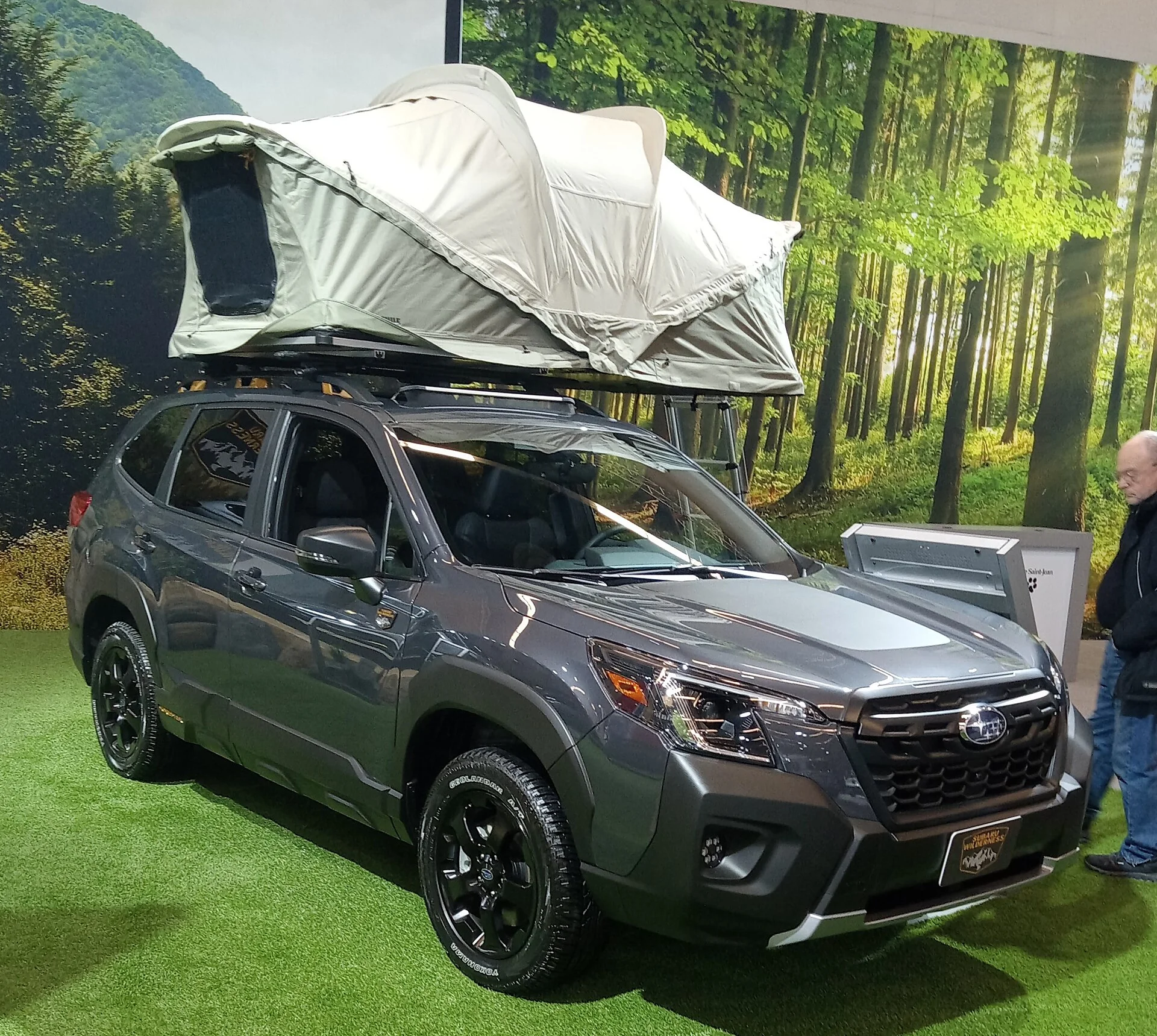
Here is the step buyers skip. The Forester comes with raised factory side rails, and it is tempting to read those as tent-ready. They are not. Side rails run front-to-back; a rooftop tent mounts across two crossbars that span left to right. Without crossbars, there is nothing to bolt a tent to.
So the first real purchase is not the tent - it is a crossbar set matched to the Forester's rails. That order matters because the crossbars, not the roof, usually become the weakest link in the system, and the weakest link sets the ceiling for the whole setup. A methodical install prices the bars before the tent so the budget reflects the real parts list.
Subaru's own OEM crossbars typically carry only about a 150 lb dynamic rating. Mount a 130 lb tent on 150 lb bars and there is almost no margin left for the crossbars' own weight, let alone gear. That is not a reason to panic; it is a reason to choose the bars deliberately, which is the next step.
Crossbars Are the Weakest Link, and the Fix
Because the crossbars often cap the system, they are worth spending on. Stronger aftermarket bars raise the usable dynamic capacity: common ratings land around 165 lb, and Thule WingBar Evo bars are rated up to 220 lb evenly distributed. A 220 lb bar rating comfortably clears the Forester's own 176 lb roof limit, which means the roof - not the bars - becomes the governing number, exactly where you want the ceiling to sit.
Tent makers also care about crossbar spread. Most recommend at least 30 inches of spacing between the two bars, and the Forester comfortably allows that spread across its roof. James Baroud advises at least 53.15 inches - about 135 centimeters - of usable bar length for a 55 inch wide tent, so bar length matters as much as strength for the wider models.
If you plan to buy bars, this is the one place not to cheap out. A set of properly rated aftermarket crossbars is what lets the roof's own rating be the limit instead of a set of undersized bars. Match the bars to the rails, confirm the dynamic rating printed on them, and the mounting system stops being the bottleneck.
Doing the Load Math for the Drive
The driving load is where a Forester setup can quietly go over. Run the arithmetic before buying, because it is unforgiving. A 130 lb Roofnest Falcon 3 EVO Air plus a roughly 45 lb platform-style rack already totals about 175 lb - right at the Forester's 176 lb dynamic ceiling, with no margin for anything stowed in the tent while driving.
That single sum reframes the whole purchase. On a plain crossbar set rather than a full 45 lb platform, a 130 lb tent leaves real headroom under 176 lb. Add a heavy platform rack and a heavy tent, and the drive is over the line before a single duffel goes up top. The rack's weight is not a footnote; it is a line item in the dynamic budget.
Forester rooftop-tent guides call roughly 140 lb or below the sweet spot for tent weight, precisely so the tent plus its mounting hardware clears the dynamic limit with margin. For serious off-road travel, Off Road Tents suggests cutting the stated dynamic capacity by about 30 percent to account for jolting loads on rough terrain, which pushes the smart tent weight even lower for backcountry use.
Doing the Load Math for the Night
The overnight math is the reassuring half. Once the Forester is parked, the static rating takes over, and it is generous. A 130 lb tent plus two adult occupants at roughly 350 to 500 lb totals about 480 to 630 lb - which stays within the Forester's 650 to 700 lb static rating.
That is the answer to the fear that stops most people: the roof will not fail with two sleepers in the tent, because the parked roof is rated for the job. The ladder on a rooftop tent also transfers a share of the occupant weight straight to the ground, which is part of why static capacity sits so far above the dynamic figure.
The takeaway is that the night is not the constraint - the drive is. If the tent and rack clear 176 lb on the highway, the same setup is well inside the static rating the moment you stop and climb in. Build to the dynamic limit and the static limit takes care of itself.
Choosing a Tent That Respects 176 Pounds
With the numbers settled, the tent choice narrows cleanly. Hardshell rooftop tents generally run from about 100 lb to 160 lb, while softshell tents typically fall in the 100 lb to 130 lb range. On a Forester, the target is the lighter half of both bands.
The Roofnest Falcon 3 EVO Air is a representative fit: a hardshell that weighs 130 lb, sleeps two, and measures 83 inches long by 50 inches wide when closed. Its larger sibling, the Falcon 3 EVO XL Air, weighs about 160 lb and adds a third sleeping position - workable on upgraded bars, but it eats the entire dynamic budget once a rack is added.
The rule of thumb that keeps a Forester honest: pick a tent at or below roughly 140 lb, then confirm the tent-plus-rack total against 176 lb rather than trusting the tent weight alone. A light softshell on plain crossbars is the lowest-stress path; a mid-weight hardshell works if the bars and rack weight are chosen to leave margin.
The Platform-Rack Alternative for Heavier Setups
Some owners want more than a bare crossbar pair - a full platform for the tent plus traction boards, a shovel, and other kit. The Front Runner Slimline II platform rack for the 2013-and-newer Forester carries a 660 lb static weight capacity and mounts to the OEM roof rails without drilling, which makes it a clean install for a gear-heavy build.
The trade-off is weight. The Slimline II rack itself weighs about 45 lb, and that 45 lb comes straight out of the roof's usable dynamic budget before the tent is added. On a Forester, a platform plus a mid-weight tent is right at the edge of 176 lb, so a platform build pairs best with a genuinely light tent.
For drivers who go far off pavement, some run four crossbars instead of two to spread the tent load and reduce the risk of a rail failure on rough terrain. That is an endurance-and-margin decision, not a capacity one - the roof rating does not change, but spreading the load is cheap insurance a long way from a rail shop.
Fitment Details Installers Check Before Buying
Beyond the load numbers, a few fitment details decide whether the setup is a joy or a headache. Closed height is the first. The Falcon 3 EVO Air sits only about 8 inches tall when closed and mounted, which keeps the profile low on the Forester's roofline and limits the hit to fuel economy and garage clearance. A tall box up top changes how the whole vehicle drives.
Crossbar length is the second, especially for wide tents. If a tent is 55 inches wide, the usable bar needs to be at least about 53.15 inches so the mounting channels have somewhere to clamp. Measure the bar's usable span, not its overall length, before ordering a wide tent.
Rail compatibility is the third. Not every crossbar clamps to the Forester's raised rails the same way, so a clean install starts by matching the bar's fit kit to the exact rail profile before ordering the tent. Skipping that check is the fastest way to end up with bars that sit but do not seat, and a mount that buzzes at highway speed within a few weeks.
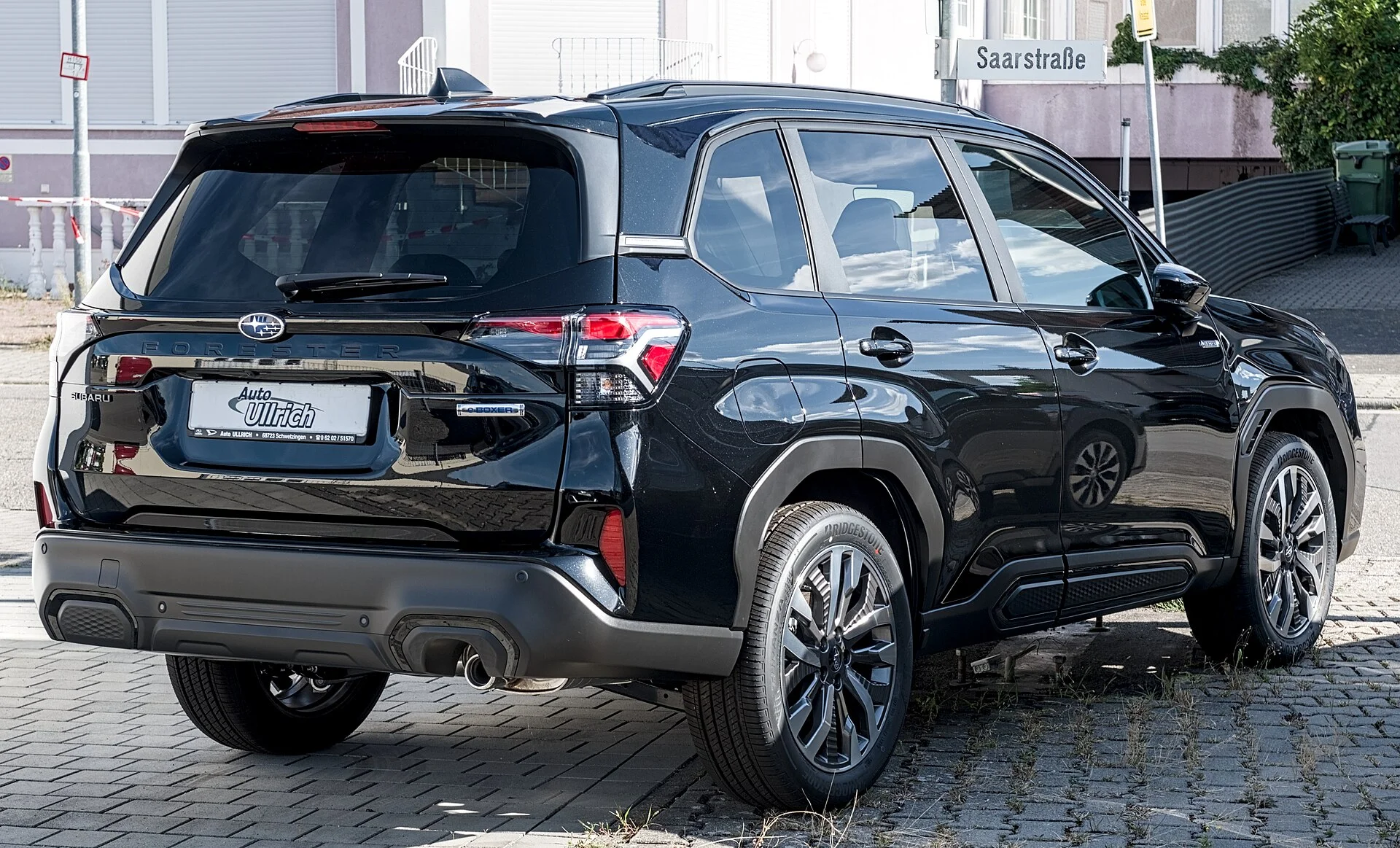
Curb weight puts the tent in perspective. The 2023 Forester ranges from about 3,454 lb on the base trim to 3,620 lb on the Wilderness, so a loaded tent adds only a small fraction to overall vehicle weight - the concern is never total mass, it is where that mass sits and the roof rating it presses on.
The Verdict: A Clean Rooftop-Tent Platform Within Its Limits
A Subaru Forester is a genuinely good rooftop-tent vehicle, provided the build respects one number. The parked roof, rated near 650 lb static, holds a tent plus two sleepers without drama - roughly 480 to 630 lb for a 130 lb tent and two adults, comfortably inside the limit.
The discipline is all on the driving side. The 176 lb dynamic rating governs the tent, the crossbars, and any gear left up top on the highway, and it is easy to exceed with a heavy platform-and-hardshell combination. Choose a tent around 130 to 140 lb, mount it on crossbars rated to clear the roof's own limit, and confirm the tent-plus-rack total against 176 lb before the first drive.
Do that and the Forester becomes a quiet, capable base: low closed profile, generous static capacity, and a mounting system where the roof - not an undersized set of bars - is the honest ceiling. The tent will not pick itself, but on a Forester the load math does most of the choosing for you.
One last install note worth repeating: confirm the printed dynamic rating on the crossbars you actually buy, spread them at least 30 inches apart, and check the tent-plus-rack sum against 176 lb one more time before the first highway drive. Those three checks take five minutes and are the difference between a setup that lasts and one you revisit in a parking lot.