
The Short Answer: Height Is the Real Gate
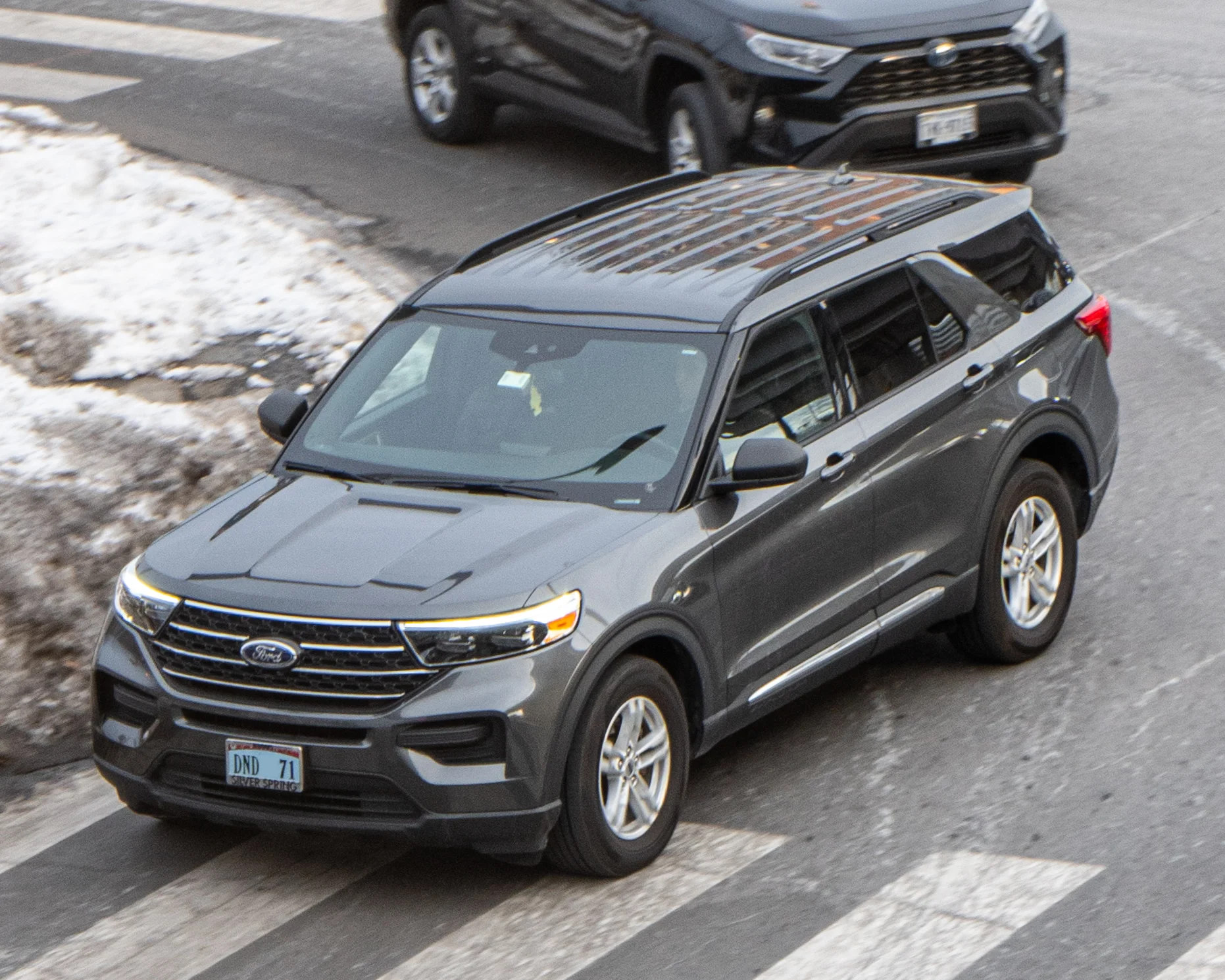
A dog crate fits a Ford Explorer in most configurations, but the fit is decided by cargo height far more than by length. An installer checks three things: the crate's footprint against the cargo floor, its height against the cargo-area clearance, and which seats have to fold to make room.
Length is the easy part once seats fold. With the third row folded, the Explorer opens a load floor about 83.9 inches long, so even the longest common crate fits front to back with room to spare, and length is rarely what stops a crate here.
Height is what actually limits the crate. The cargo area behind the folded seats offers only about 30 inches of clearance, so a tall crate that measures more than roughly 30 inches high cannot stand upright, which rules out the largest sizes regardless of floor length.
So the honest answer is that a mid-size crate fits easily and the biggest crate does not stand up, which this guide works through. The Ford Explorer camping guide covers the SUV as a base; here the focus is fitting a dog crate around the seats and the roughly 30-inch height.
The Gates a Dog Crate Must Clear
A crate is a rigid box, so its fit is a matter of three measurements rather than a single volume figure. Whether a crate fits is governed by its length and width against the cargo floor, its height against the cargo-area clearance, and which rows you fold to open the space.
Length is generous once the third row is down. The Explorer's roughly 83.9-inch folded floor easily takes a crate 24 to 48 inches long, so length only becomes tight when the third row is up and the space behind it is shallow.
Width is workable but worth checking. The cargo floor measures about 48.1 inches between the rear wheel wells, so a crate up to about 30 inches wide fits with room, and even the widest 48-inch crate at 30 inches wide slides between the wheel wells when loaded straight.
Height is the gate that decides the biggest sizes. The roughly 30-inch cargo clearance means a crate taller than about 30 inches cannot stand upright, so the installer measures crate height first, because that is the number most likely to stop a fit the floor length would otherwise allow.
The Explorer's Cargo Space by the Numbers
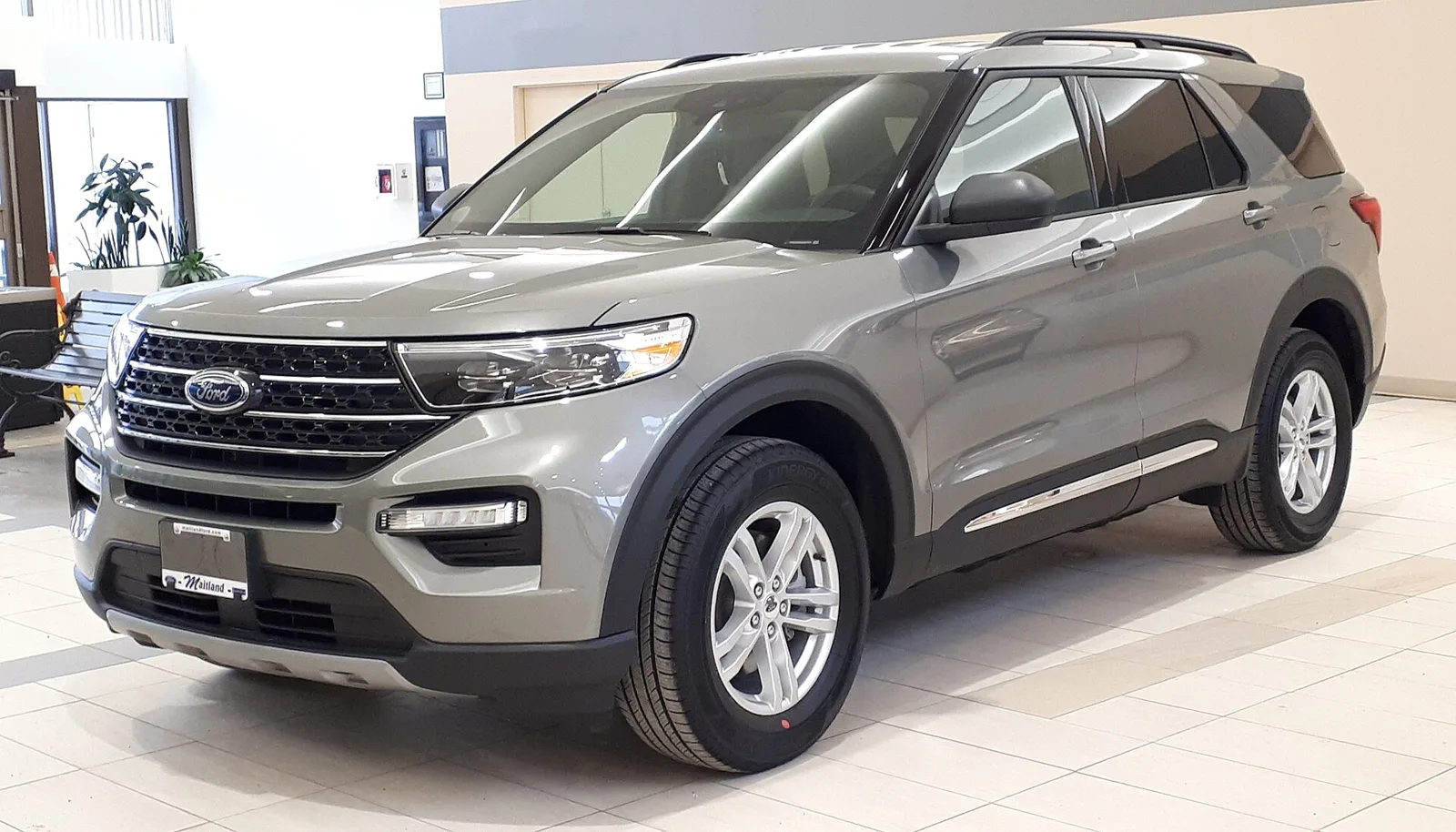
Start with the volumes to frame the configurations. The Explorer provides about 18.2 cubic feet behind the third row, about 47.9 cubic feet behind the second row with the third folded, and about 87.8 cubic feet with all rear seats folded, each opening a different amount of floor for a crate.
Behind the third row, the space is shallow. The cargo area behind the upright third row measures roughly 41.3 inches wide by about 41.9 inches deep by 29.9 inches tall, so a crate there has to sit within a shallow, roughly 30-inch-tall opening rather than a long floor.
Folding the third row transforms the length. With the third row down, the load floor stretches to about 83.9 inches long, which is where a full-size crate finally has room to sit lengthwise rather than crosswise.
The width and height stay roughly constant. The floor is about 48.1 inches between the wheel wells and the cargo clearance about 30 inches tall throughout, so folding seats buys length, not height, which is why the tallest crates remain limited no matter how many rows you drop.
One honesty note: the volumes and the behind-third-row dimensions are published figures, but the Explorer's exact liftgate opening is not confirmed in common sources, so measure the opening on your own vehicle before assuming a tall crate will pass through it.
Standard Dog Crate Sizes: The Reference
Fitting a crate to the Explorer means knowing the standard wire-crate sizes exactly. A 24-inch small crate measures about 24 inches long by 18 wide by 19 tall, and a 30-inch medium measures about 30 by 19 by 21, both short enough to clear the roughly 30-inch cargo height easily.
The mid sizes are where height starts to matter. A 36-inch intermediate crate measures about 36 by 23 by 25, still under the roughly 30-inch clearance, while a 42-inch large crate measures about 42 by 28 by 30, which sits right at the height limit.
The 48-inch crate is the one that does not stand up. A 48-inch giant crate measures about 48 by 30 by 33, and its 33-inch height exceeds the Explorer's roughly 30-inch cargo clearance, so it cannot stand upright in the cargo area even with all rows folded.
Laid against the Explorer, height sorts the sizes cleanly. The 24-, 30-, and 36-inch crates clear the roughly 30-inch height, the 42-inch is marginal at exactly 30 inches, and the 48-inch is blocked by height, which is the pattern to remember before buying.
Knowing the exact crate height avoids a wasted purchase. A crate is sold by its length, but in the Explorer it is the height that decides the fit, so matching the crate's stated height to the roughly 30-inch clearance before buying is the step that separates a crate that stands up from one that does not.
Why Height, Not Length, Is the Limit
The Explorer inverts what owners expect, and naming it plainly helps. With the third row folded the floor is about 83.9 inches long, far longer than any crate, so length is almost never the problem, and the crate that fails to fit fails on height instead.
The roughly 30-inch clearance is a hard ceiling. Because the cargo area offers only about 30 inches from floor to headliner, a crate taller than that simply cannot stand upright, and there is no folding or sliding that recovers vertical space the way folding a seat recovers length.
That is why the 48-inch crate is the clear exclusion. Its 33-inch height puts it about 3 inches over the clearance, so even though its 48-inch length fits the 83.9-inch floor easily and its 30-inch width clears the wheel wells, it cannot stand up in the Explorer.
The 42-inch crate is the judgment call. At exactly 30 inches tall it sits right at the clearance, so it may fit snugly or rub the headliner depending on the exact trim and load-floor height, which is precisely the case an installer measures in the specific vehicle rather than trusting a chart.
Fitting a Crate Behind the Third Row
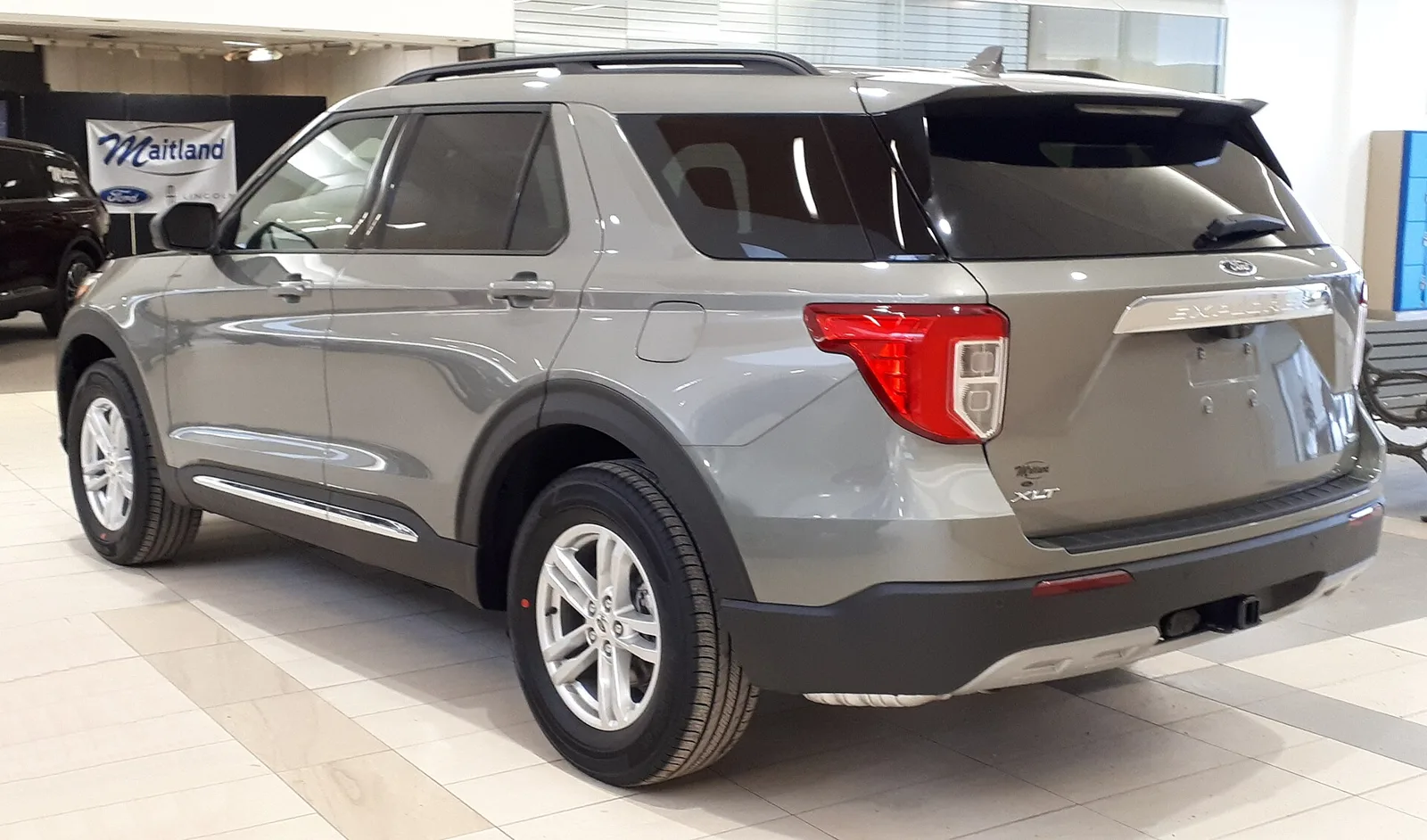
With the third row up, the Explorer still takes a smaller crate, and the trick is orientation. The behind-third-row space is about 41.9 inches deep and 41.3 inches wide, so a 24- or 30-inch crate fits comfortably, loaded either straight or turned to suit the shallow, near-square opening.
A 36-inch crate fits but uses the space fully. At 36 inches long it fits within the roughly 41.9-inch depth, leaving little room to spare, so it works behind the third row for a single medium dog but crowds out much other cargo in the 18.2-cubic-foot space.
The larger crates do not belong behind the third row. A 42-inch crate is too long and tall for the shallow behind-third-row area, and a 48-inch crate is out on both counts, so keeping the third row up limits you to the 24-to-36-inch sizes.
This configuration suits a smaller dog and full seating. If the Explorer needs all three rows for passengers, a 24- or 30-inch crate rides behind the third row for a small-to-medium dog, which is the realistic setup when seats and a crate compete for the same vehicle.
Fitting a Crate With the Third Row Folded
Folding the third row is what unlocks the full-size crates on length. The roughly 83.9-inch floor easily takes a 42-inch or even a 48-inch crate front to back, and the 47.9 cubic feet gives room for the crate plus some gear alongside for a road trip.
Height still governs which of those actually stands up. The 42-inch crate at 30 inches tall fits the folded space if the clearance allows, but the 48-inch crate at 33 inches tall still cannot stand upright, so folding the third row solves length without solving the height limit.
Loading a large crate is easier through the wide opening with seats down. A a folding wire dog crate sized to the roughly 30-inch height and slid onto the folded floor is the practical fit, and a folding model loads flat and expands in place rather than being wrestled in assembled.
Folding both rear rows is for the biggest usable crate plus gear. With all seats down and 87.8 cubic feet open, a 42-inch crate rides with room for bedding and supplies, which is the setup for a larger dog on a longer trip where the Explorer carries no rear passengers.
Loading and Securing the Crate
A clean Explorer crate setup starts by measuring the crate's height against the clearance. Confirm the crate stands under the roughly 30-inch cargo height, fold the third row for length, and load a folding crate flat through the liftgate before expanding it in place on the floor.
Position the crate for door access and stability. Face the crate door toward the liftgate or the side so the dog can enter easily, and set the crate against the folded seatbacks or the wheel-well line so it cannot slide forward under braking on the roughly 83.9-inch floor.
Secure it so it does not shift. Use the cargo tie-down anchors to strap the crate down, since even a well-fitted crate can slide on a smooth load floor, and a secured crate protects both the dog and the other cargo. The Explorer cargo space behind the second row covers the measurements to plan around.
Reviewed as a system, the Explorer is a capable crate hauler with one hard number: it takes a 24-to-42-inch crate depending on which rows you fold, but the roughly 30-inch height blocks a 48-inch crate from standing upright. The Explorer payload-capacity specs cover how the dog and crate fit the vehicle's overall limits.
Matching the Crate to Dog and Configuration
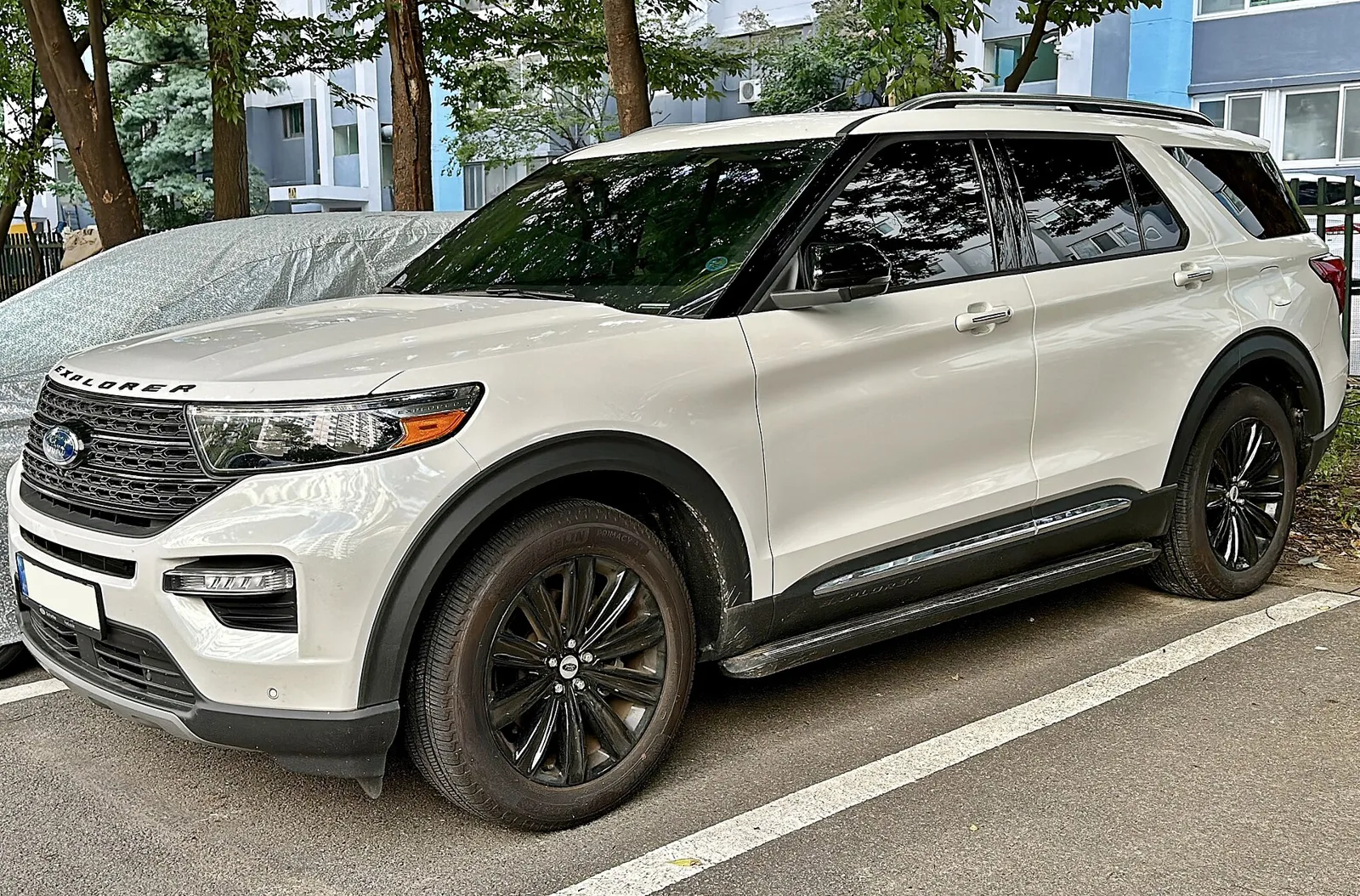
Choosing the crate means matching the dog to the size the Explorer can actually stand up. A small dog suited to a 24- or 30-inch crate rides in nearly any configuration, including behind an upright third row, which keeps full seating available.
A medium dog on a 36-inch crate needs the third row folded for comfort. The 36-inch crate clears the roughly 30-inch height and fits the folded floor, so a medium dog travels well as long as the third row is down and the cargo space is dedicated to the crate.
A large dog is where the Explorer's height limit bites. A dog that needs a 48-inch crate cannot use one upright in the Explorer, so the practical options are a lower-profile travel crate under 30 inches tall or a well-secured crate sized to what stands up rather than to the dog's ideal.
The configuration and the dog together set the answer. Decide first which rows you can spare for a crate, then choose the largest crate that both fits that floor and stands under the roughly 30-inch height, and the Explorer carries the dog safely within its real limits.
Common Explorer Dog Crate Mistakes
The first mistake is buying a crate on length and ignoring height. The roughly 83.9-inch folded floor takes a 48-inch crate on length, but its 33-inch height exceeds the roughly 30-inch clearance, so it cannot stand upright. Measure the crate's height against the cargo clearance first.
The second is assuming a big crate fits behind the third row. The behind-third-row space is only about 41.9 inches deep and 30 inches tall, so it takes a 24-to-36-inch crate at most; the larger sizes need the third row folded, and even then height still limits them.
The third is not measuring the liftgate opening. The Explorer's exact liftgate opening is not well documented, so a tall crate that stands under the roughly 30-inch clearance might still be awkward to pass through the opening; measure it on your own vehicle before buying.
The last is leaving the crate unsecured. Even a well-fitted crate slides on a smooth load floor, so strapping it to the cargo tie-downs protects the dog and the other gear; a crate that shifts under braking is a hazard regardless of how well it fits.
The through-line for the Explorer is that height, not length, decides the crate. Fold the third row for length, measure the crate's height against the roughly 30-inch clearance, keep to 24-to-42-inch sizes that stand up, secure the crate to the tie-downs, and the Explorer carries a dog crate cleanly within its real limits.