The Short Answer: Yes, But Add Crossbars First
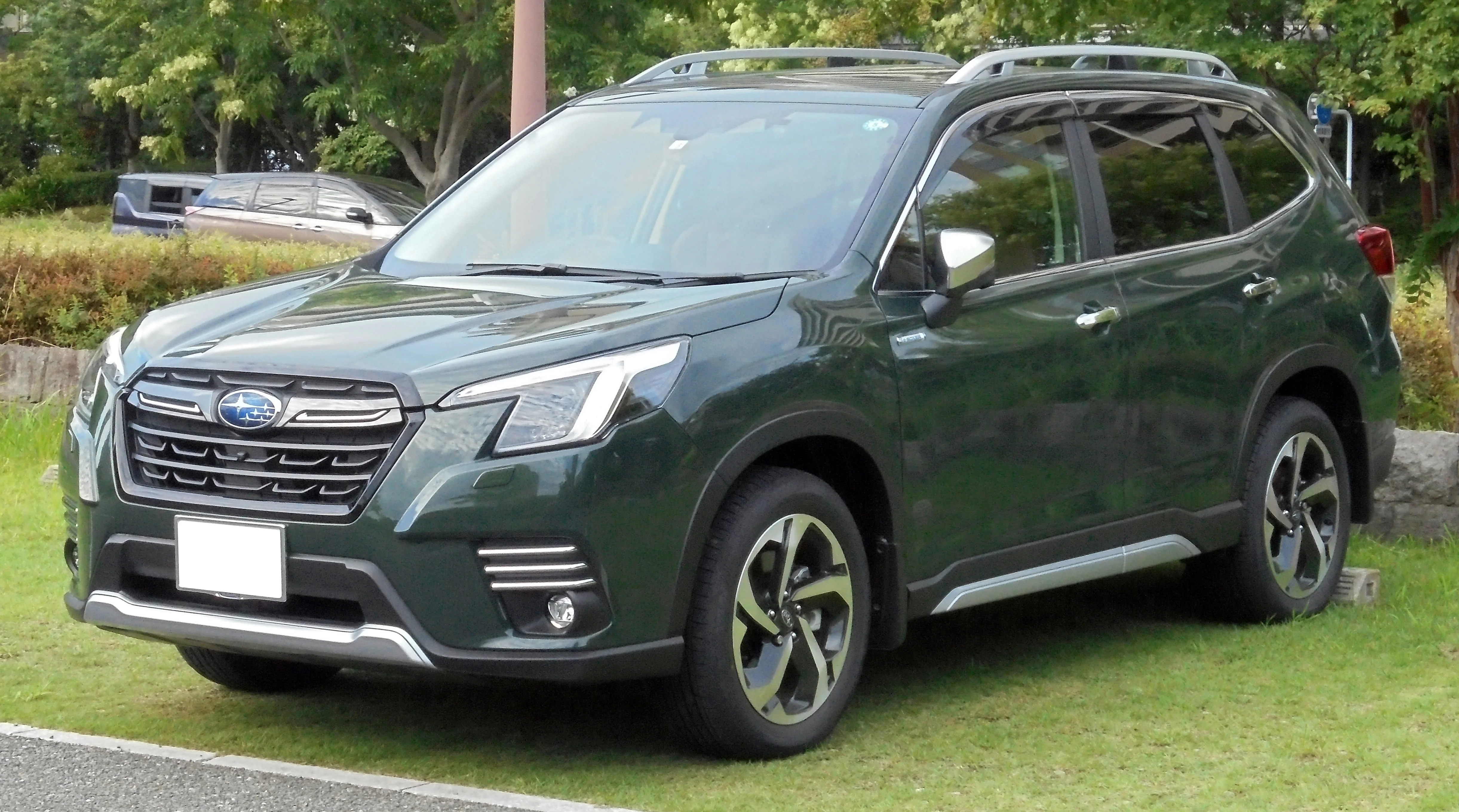
Yes, a canoe fits on a Subaru Forester, but there is a system to build before it does. The factory flush or low-profile rails need crossbars first, because the bare rails are not a load surface for a canoe. Add crossbars, and a 16-foot canoe far overhangs the short bar spread, so gunwale brackets or foam blocks plus bow and stern lines are mandatory.
The reassuring part is the capacity. A canoe's weight is never the constraint on a Forester. The rails are rated for far more than a canoe weighs, so the engineering problem is not whether the roof holds the boat; it is how you manage a long hull levered on a short base. That is a length-and-leverage problem, solved with the right brackets and two end lines.
Reasoned like a system, the Forester canoe carry has two parts: a load path from the boat to crossbars to rails, and a stability solution for the overhang. Get the load path right by adding crossbars, get the stability right with bow and stern lines, and the Forester carries a tandem canoe as well as any small SUV. The Subaru Forester Roof Rack Weight Capacity details the rack ratings this build depends on.
This guide takes the budget-engineer's route through both parts. It covers why the rails alone will not do, why weight is a non-issue, the cheap foam-block option, the crossbar option for frequent carries, and the tie-down that keeps a 16-foot boat stable at speed. The goal is a carry that works without overspending on hardware the job does not need.
The Rails Are Not a Load Surface
Start with the reality-grounding point that trips people up. The Forester's rails alone will not carry a canoe; they exist to mount crossbars. The actual load path is canoe to crossbars, so the fit question is really whether you have crossbars, not whether the rails hold a boat. Bare rails are an attachment point, not a rack.
Rail types matter to how you add those crossbars. Base Foresters historically ship with low-profile or flush-style rails, while higher trims like the Sport or Wilderness get raised rails. Either way you must add crossbars, because neither rail type is a surface a canoe rides on directly. The trim just changes which crossbar kit fits.
This is worth stressing because a canoe laid straight onto the roof rails, with no crossbars, is a common and unsafe improvisation. The rails are shaped and rated to hold crossbars, not to bear a boat's weight on their tops, and a hull balanced on the bare rails has nothing to strap to properly. The crossbars are what make the roof a rack.
So the first line item in the build is crossbars, full stop. Whether you go with Subaru's own, or a Thule or Yakima set, or a SportRack budget bar, the point is the same: the boat rides on the crossbars, the crossbars ride on the rails, and only then do you have a load path a canoe can safely use. Everything else in this guide assumes that path exists.
Weight vs Length: The Real Constraint
Now the engineering reframe. The Forester's factory roof rails are rated 176 pounds dynamic, the total moving load including crossbars, attachments, and cargo. A 16-foot canoe weighs about 50 to 80 pounds, well under that 176-pound dynamic rating even with a carrier. Weight, in other words, is not the problem you are solving.
Length is. A typical tandem canoe is 14 to 16 feet long, and a 16-foot canoe is 192 inches, roughly two and a half times the Forester's roof length, so most of the hull overhangs front and rear. That overhang is the real constraint, because a long boat cantilevered off a short crossbar spread is a leverage problem, not a load problem.
The distinction changes how you set up. If weight were the limit, you would worry about the boat being too heavy for the roof. It is not. What you actually manage is a long lever that wind and braking act on, pivoting on the two crossbars. That is why the fit answer is dominated by strapping and end lines rather than by capacity math.
The reality-grounding surprise here is that the generous 176-pound rating fools people into thinking a canoe is a simple carry. It is simple in weight and tricky in length. A canoe of 50 to 80 pounds plus a foam kit or crossbars at roughly 10 to 30 pounds stays well under the 176-pound limit, so the whole job is about controlling the overhang, not the mass.
The Foam-Block Budget Route
For a budget-minded owner, foam blocks are the route that gets a canoe on a Forester for the least money. Closed-cell foam gunwale blocks, each about 6 inches long and slotted to grip the gunwales, let you carry a canoe with or without crossbars. Most foam canoe carriers are rated to boats up to 100 pounds, which covers any tandem canoe with margin.
The kit is refreshingly simple. A foam-block canoe kit typically includes the blocks, one roughly 15-foot cam-buckle strap over the hull, and two long bow and stern ropes with hooks. That is the entire budget setup, and a foam-block canoe carrier kit in that configuration carries a canoe for a fraction of the cost of a dedicated rack. For a few trips a year, it is the smart engineering call.
The blocks are also flexible about where they mount. Foam blocks fit factory, SportRack, Thule, or Yakima crossbars, or mount directly on the bare roof for occasional carries. That versatility is why they are the classic first-canoe solution: no permanent hardware, low cost, and real-world proven on 16-foot square-back family canoes carried on car roofs.
The trade-off is speed and repeatability. Foam blocks take longer to set up than a fixed cradle and want re-checking more often, so they suit occasional carries better than daily hauling. But for the owner who canoes a handful of weekends a season, the foam-block kit is the honest value pick: it does the job the 176-pound roof can easily handle, without buying capacity you will not use.
The Crossbar Route for Repeated Carries
If you carry a canoe often, the better system is crossbars plus a dedicated carrier. The preferred setup for repeated carries is crossbars with gunwale brackets holding the canoe upright, or the canoe inverted directly on the bars, plus two cam straps and bow and stern lines. It is quicker to load and more secure trip after trip than foam blocks.
The engineering advantage is a fixed, repeatable load path. Crossbars give you a known spread and solid anchor points, so the boat sits the same way every time and the straps pull against real structure. Gunwale brackets cradle the hull's edges and stop it sliding sideways, which foam blocks resist less firmly. For frequent use, that repeatability is worth the hardware cost.
Capacity is not the reason to upgrade, since the 176-pound rating already covers the boat. The reason is convenience and security over many carries. A canoe plus crossbars at roughly 10 to 30 pounds still lands far under the dynamic limit, so you are buying speed and confidence, not headroom. Spend here if you canoe often; stick with foam if you do not.
Either carrier route ends at the same tie-down. Whether the canoe rides on gunwale brackets or inverted on the bars, it needs two cam straps over the hull and bow and stern lines to the ends. The carrier holds the boat to the crossbars; the end lines control the overhang. That combination is what makes a repeated carry as safe as an occasional one.
Bow and Stern Lines Are Non-Negotiable
Because a 16-foot hull dwarfs the crossbar spread, bow and stern lines are non-negotiable, and the reasoning is pure leverage. The two crossbars are a short fulcrum, and the long overhanging ends of the canoe are levers that wind and braking act on. The end lines stop fore-and-aft slide under braking and resist highway lift on those long ends.
Think about what happens without them. A gust catches the overhanging bow, and with nothing tying it down, the boat can twist and lift against the cam straps, working them loose over miles. Under hard braking, the hull can slide forward on the crossbars. Both failure modes come from the overhang, and both are exactly what the bow and stern lines close off.
The lines do a different job than the cam straps, which is why you need both. The cam straps hold the canoe down to the crossbars; the bow and stern lines hold the ends against lift and slide. Neither replaces the other. On a boat this long relative to the roof, leaving the end lines off is the single most common and most dangerous shortcut.
Run the bow line to the front tow points or hood loops and the stern line to the rear tow point, each snug enough to remove slack. It costs two ropes and two minutes, and it is the step that turns a long, overhanging canoe from a highway hazard into a stable load. On a Forester, with its short spread under a long hull, treat the end lines as mandatory every time.
The 176-Pound Dynamic Limit, Explained
It is worth understanding exactly what the 176-pound figure includes, because it is easy to misread. The dynamic limit is the total moving load: crossbars, attachments, and cargo all count against it. So the usable cargo is less than 176 pounds, because the crossbars and carrier eat into it before the boat does. For a canoe, that still leaves ample margin.
Do the arithmetic once and you never worry about it again. Crossbars and a carrier run roughly 10 to 30 pounds, and a canoe is 50 to 80 pounds, so the total sits comfortably under 176 pounds even at the heavy end. The static parked capacity is far higher, quoted around 650 pounds, but that number is irrelevant to a boat you drive with; only the dynamic figure applies at speed.
The reason to know the difference is the same reason a canoe carry feels deceptively easy: the roof can clearly hold the weight, so people assume the whole job is easy. The weight is easy; the leverage is not. Keeping the dynamic-limit math straight is what stops you from over-buying a heavy-duty rack you do not need for a lightweight boat.
So the number to remember is 176 pounds dynamic, minus your hardware, versus a 50-to-80-pound canoe. You clear it every time with one boat. The engineering attention belongs on the overhang and the end lines, not on the capacity, and understanding that the rating already covers the weight is what lets you spend your effort where it actually matters.
Budget vs Premium: Where to Spend
The value question for a Forester canoe carry is where the money genuinely pays off, and the answer is not capacity. Both the foam-block kit and the crossbar-and-bracket setup carry the boat safely, because both stay well under the 176-pound limit. So the choice is about how often you carry, not about how much roof you need.
For a few trips a year, foam blocks are the smart spend: low cost, no permanent hardware, and proven on real 16-foot canoes. The money you would put toward a premium rack stays in your pocket, and the setup does the job the roof can easily handle. This is the classic case where the budget option is the correct engineering call, not a compromise.
For frequent carries, crossbars and gunwale brackets earn their higher cost through speed and repeatability, not capacity. If you are loading a canoe most weekends, the minutes saved and the security gained across a season justify the hardware. The premium is buying convenience and confidence, and for a heavy user that is a fair trade.
What neither user should buy is capacity they will not use. A heavy-duty roof system rated far beyond 176 pounds does nothing for a 50-to-80-pound canoe, and the Forester's own dynamic limit caps the load regardless. The Will a Rooftop Tent Fit on a Subaru Forester and the Rooftop Tent Size Subaru Forester cover the Forester's other roof loads, from rooftop tents to their sizing, where the capacity question genuinely does start to matter.
Loading a 16-Foot Canoe on a Forester
Loading a long boat solo is its own small skill, so here is the practical sequence. Rest the stern on the ground behind the Forester, lift the bow onto the rear crossbar, then walk the canoe forward and up until it slides onto both bars. A towel or a load-assist roller on the rear bar saves the paint and your back on a heavier hull.
Center the boat fore and aft so the overhang is balanced, then set it in the gunwale brackets or invert it on the bars. Run the two cam straps over the hull to the crossbars and snug them until the canoe is firmly held, not crushed. A canoe is stiffer than a kayak, so you can tension confidently, but there is no need to over-crank.
Then tie the bow and stern lines, which on a 16-foot boat are doing serious work. Bow to the front tow points, stern to the rear, each removing slack without bowing the hull. This is the step that controls the long overhang, and on a Forester's short spread it is what makes the difference between a stable ride and a nervous one.
Finally, drive a few miles and re-check everything, because straps settle and a long boat shifts as it seats. The Safely Mount Rooftop Tent Subaru Forester covers mounting heavier roof loads like tents safely, which shares the same crossbar logic. Do the load, the straps, the end lines, and the re-check in that order, and a 16-foot canoe rides the Forester securely to the water and home.


The Verdict: An Easy Weight, a Managed Length
A canoe fits on a Subaru Forester, and the honest summary is that the weight is easy and the length is the work. The rails need crossbars first, because bare rails are not a load surface, but once the crossbars are on, a 50-to-80-pound canoe is far under the 176-pound dynamic rating. Capacity is never the constraint on this carry.
The constraint is the overhang. A 16-foot, 192-inch hull is roughly two and a half times the Forester's roof length, so most of the boat hangs off a short crossbar spread. That leverage is why bow and stern lines are non-negotiable, controlling the fore-aft slide and highway lift the cam straps alone cannot. On a Forester, the end lines are mandatory every time.
On spend, match the setup to your frequency, not to a capacity you will not use. Foam blocks, with their 100-pound rating, roughly 15-foot strap, and 6-inch blocks, are the budget route for occasional carries; crossbars with gunwale brackets are the faster, more secure choice for frequent use. Both stay well under the 176-pound limit, so neither is about headroom.
So build the load path, control the length, and skip the capacity you do not need. Crossbars first, then a carrier sized to how often you paddle, then two cam straps and two end lines, then a highway re-check. Reasoned as a system, the Forester carries a tandem canoe reliably, and the only number that ever mattered was the length, not the weight.