Setting the Scene
A $150 big-box cargo basket can look solid but feel flimsy. Loaded with camping chairs and a cooler, a flimsy basket can visibly bow. The honest version: not all cargo baskets are built the same, and the weight limit isn't just a suggestion, it's physics.
You've got your vehicle's roof, your crossbars (if you have them), and then the basket itself. Each has a limit, and overloading any one of them is a rookie mistake that can end badly. Think of it like stacking too many books on a wobbly shelf - eventually, something's gotta give.
So, what's the real deal with cargo basket weight limits? It's not a mystery, it's about understanding what your setup can actually handle. Let's break it down, because nobody wants their gear flying off on I-95.
The Core Answer
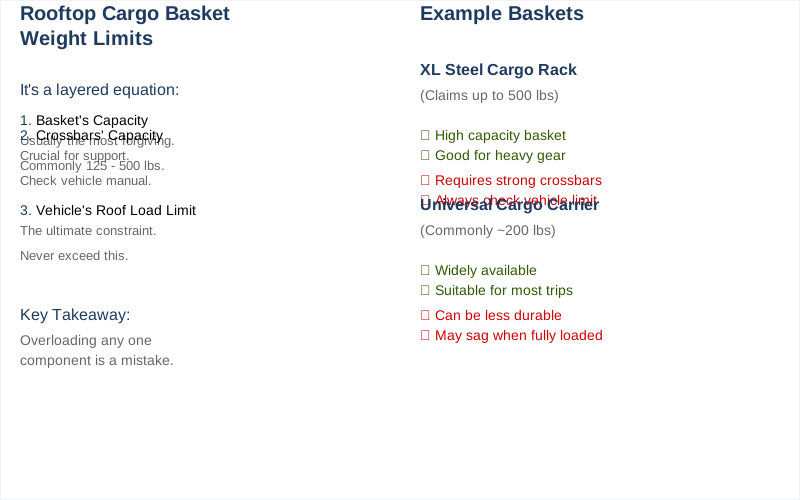
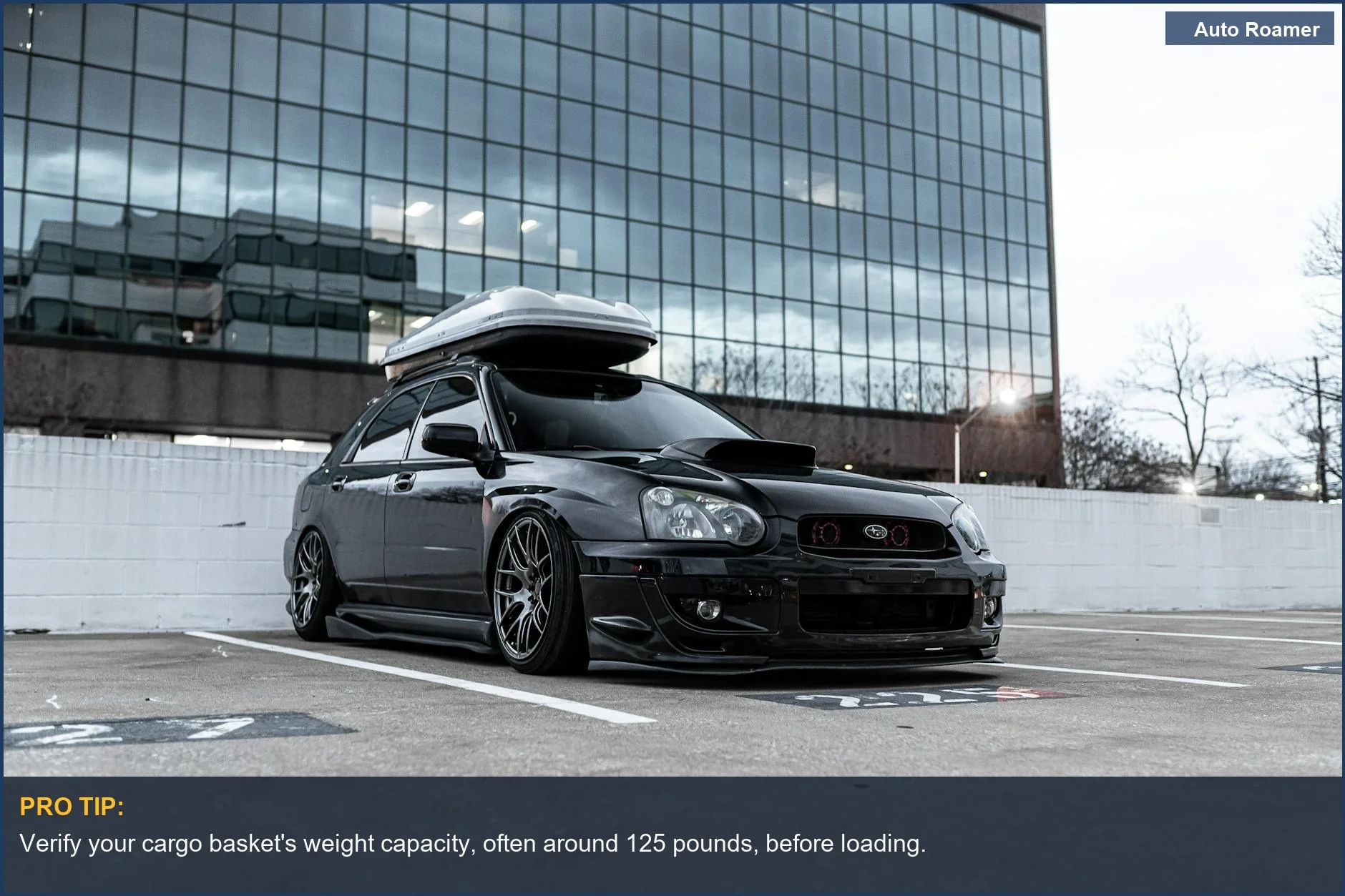
The weight limit for a rooftop cargo basket isn't a single number; it's a layered equation. You've got the basket's capacity, the crossbars' capacity, and your vehicle's roof load limit. Usually, the basket itself is the most forgiving part. I've seen baskets advertised with capacities from 125 pounds up to a hefty 500 pounds, like this XL Steel Car Roof Top Luggage Cargo Rack Basket that claims 500 lbs. That's a lot of sleeping bags.
However, most common baskets, like the Garvee 51"x36" Universal Rooftop Cargo Carrier Basket or the VEVOR Roof Rack Cargo Basket, hover around the 200-pound mark. That's more than enough for most camping gear. A cheap $80 basket may claim 200 lbs, but the flex suggests trusting it with no more than 100 lbs.
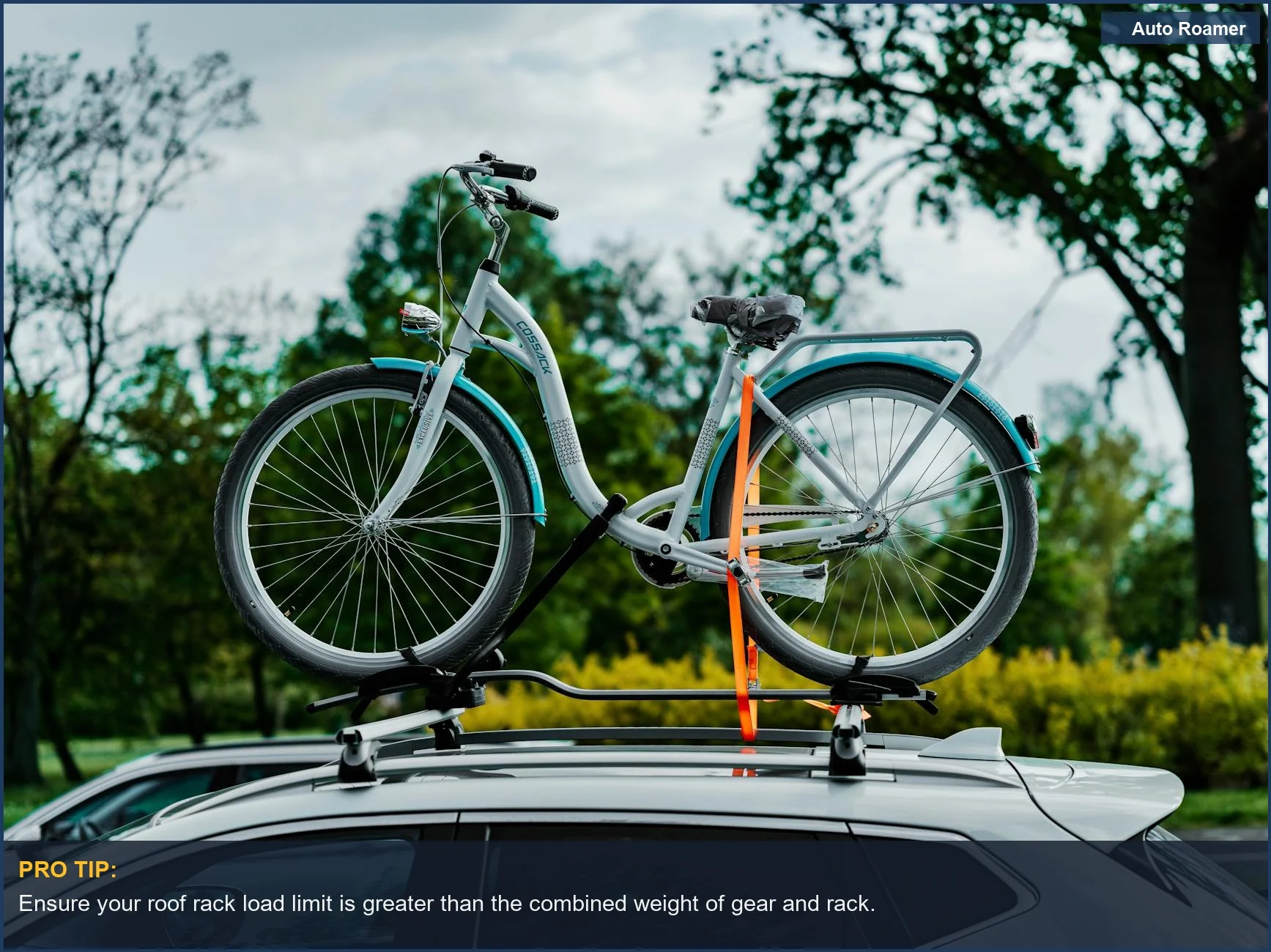
The real bottleneck is usually your crossbars and your car's roof. Your vehicle's owner's manual is the gospel here. It will tell you the maximum dynamic load capacity - that's while you're driving. For many SUVs and cars, this is often around 165 pounds, as noted in a Reddit thread on roadtrip. This 165 lbs includes the weight of the basket itself, the crossbars, and all your gear.
So, if you buy a basket rated for 200 lbs, but your car's roof limit is 165 lbs, you're capped at 165 lbs total. And don't forget the basket weighs something! A typical steel basket can weigh 40-60 lbs. That means your actual gear weight is even less than the vehicle's limit.
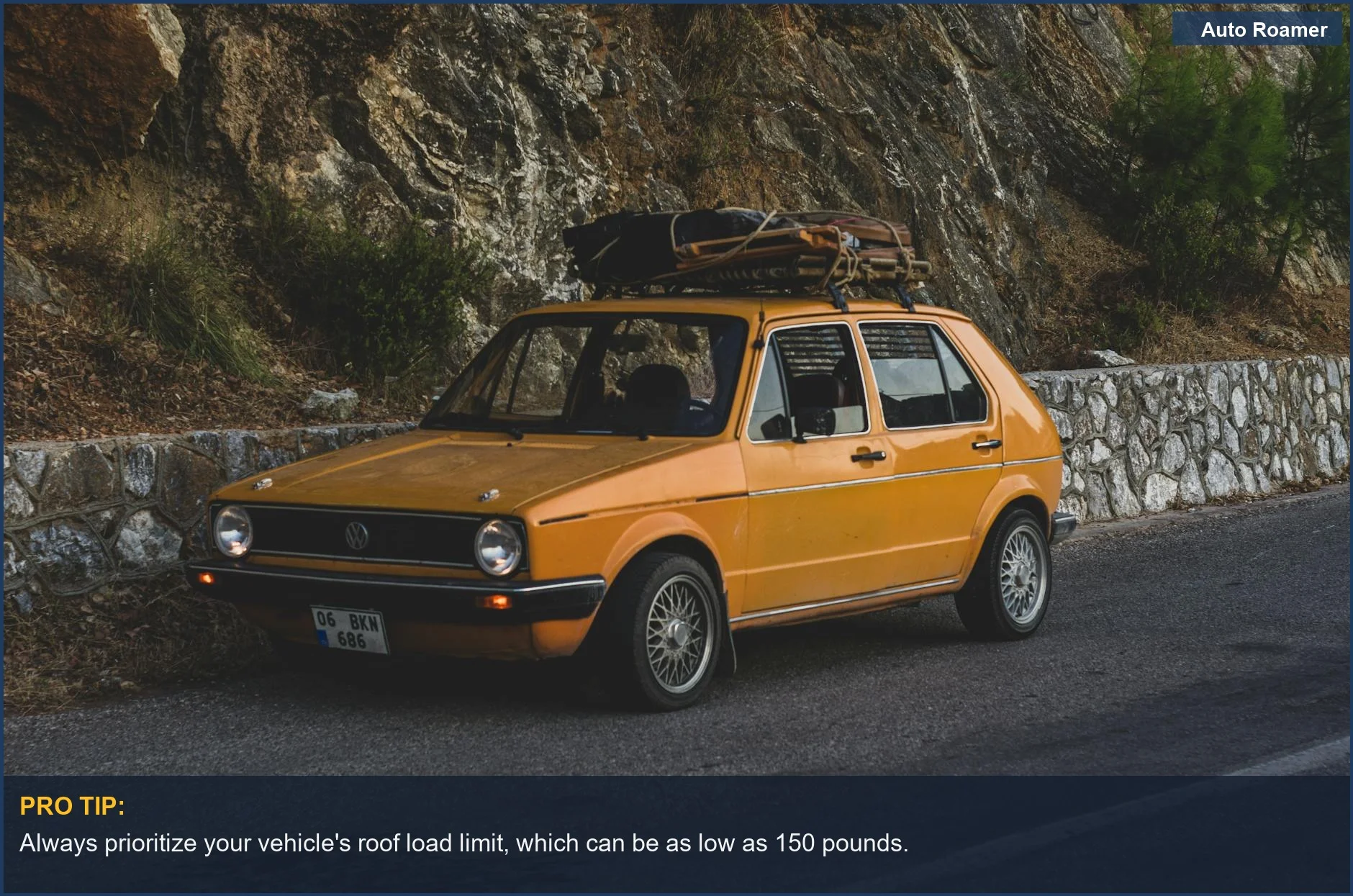
This matters most on a long highway trip. A typical SUV manual lists a 150 lb dynamic roof load. Say you have a basket rated for 200 lbs, loaded with about 140 lbs of gear. Add the basket's own weight (around 40 lbs) and you're actually pushing close to 180 lbs total. The wind noise was insane, and I felt every bump.
Thankfully, nothing fell off, but it was a scary reminder that the car's limit is the real game-time decision maker.
For static loads, like when you're parked at a campsite, the limit is often much higher. Some forums mention static loads of 700 lbs or more, which is why rooftop tents work. But while you're moving, that number drops significantly. Always check your owner's manual for the dynamic load rating.
Why This Matters for Your Setup
- Don't Be That Guy: Nobody wants to see your camping chairs bouncing down the highway. Respecting the weight limits means your gear stays put, and you don't become a road hazard.
- Basket vs. Crossbars vs. Vehicle: The weakest link in the chain is your limit. If your basket holds 200 lbs, but your crossbars are only rated for 100 lbs, you're stuck at 100 lbs. And if your car's roof is only rated for 150 lbs, that's your absolute ceiling, dynamic load included.
- Weight Distribution is Key: Even if you're under the limit, piling all the weight to one side of the basket is a recipe for disaster. Try to keep the load balanced, front to back and side to side. An overloaded basket tends to lean on windy days.
- Check Your Specs: Seriously, your car's owner's manual is your best friend here. It'll have the exact dynamic load rating for your roof and crossbars. For instance, a Reddit user mentioned their owner's manual stating a 165 lbs limit for their setup.
- Basket Weight Matters: Remember, the advertised weight capacity of the basket is for the cargo, not the total weight including the basket itself. A basket weighing 40 lbs means you have 160 lbs of cargo capacity left if the basket is rated for 200 lbs.
Making the Right Choice
- Know Your Limits: Always, always check your vehicle's owner's manual for the dynamic roof load capacity. This is the most critical number.
- Basket Specs are Just a Starting Point: A basket rated for 300 lbs is useless if your car can only handle 150 lbs total.
- The $50 Version is Risky: While you can find cheaper baskets, like some 220 lb capacity options on Walmart, their actual build quality and the crossbars they attach to might be questionable. Don't assume the full capacity is for your stuff.
- When in Doubt, Leave it Out: If you're on the fence about whether something will overload your rack, it probably will. Better to make an extra trip or pack lighter than risk a dangerous situation.