
How to Wash Clothes While Car Camping Without a Portable Washing Machine
My first 3-day car camping trip involved stuffing every possible item into my beat-up Corolla, including three extra blankets I never touched. The trunk was so full I couldn't see out the rear window. The honest version: you need a sleeping setup, water, food that doesn't need cooking, and a headlamp.
My first 3-day car camping trip involved stuffing every possible item into my beat-up Corolla, including three extra blankets I never touched. The trunk was so full I couldn't see out the rear window. The honest version: you need a sleeping setup, water, food that doesn't need cooking, and a headlamp. Everything else is optional until you figure out what you actually use. My second trip had half the gear and was twice as comfortable. This applies to laundry too.
You don't need a fancy portable washing machine to stay clean.Roofnest
The Core Answer
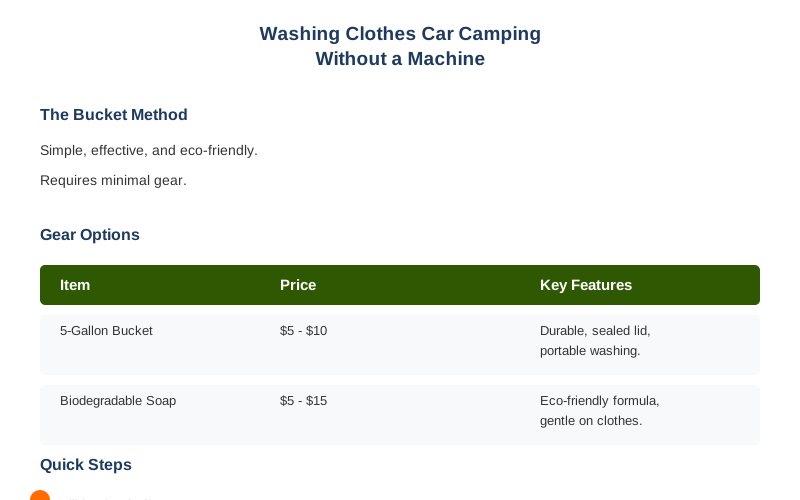
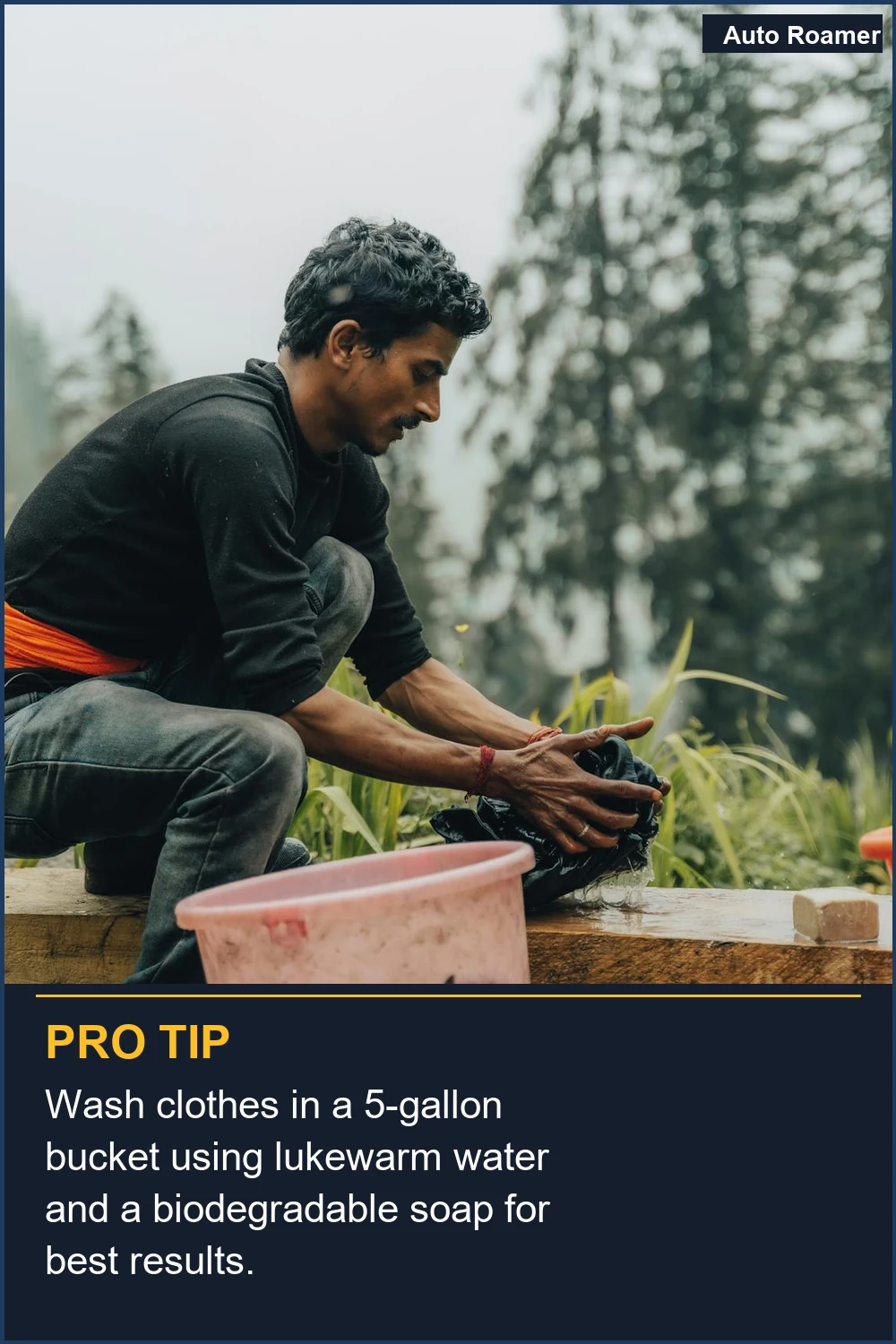
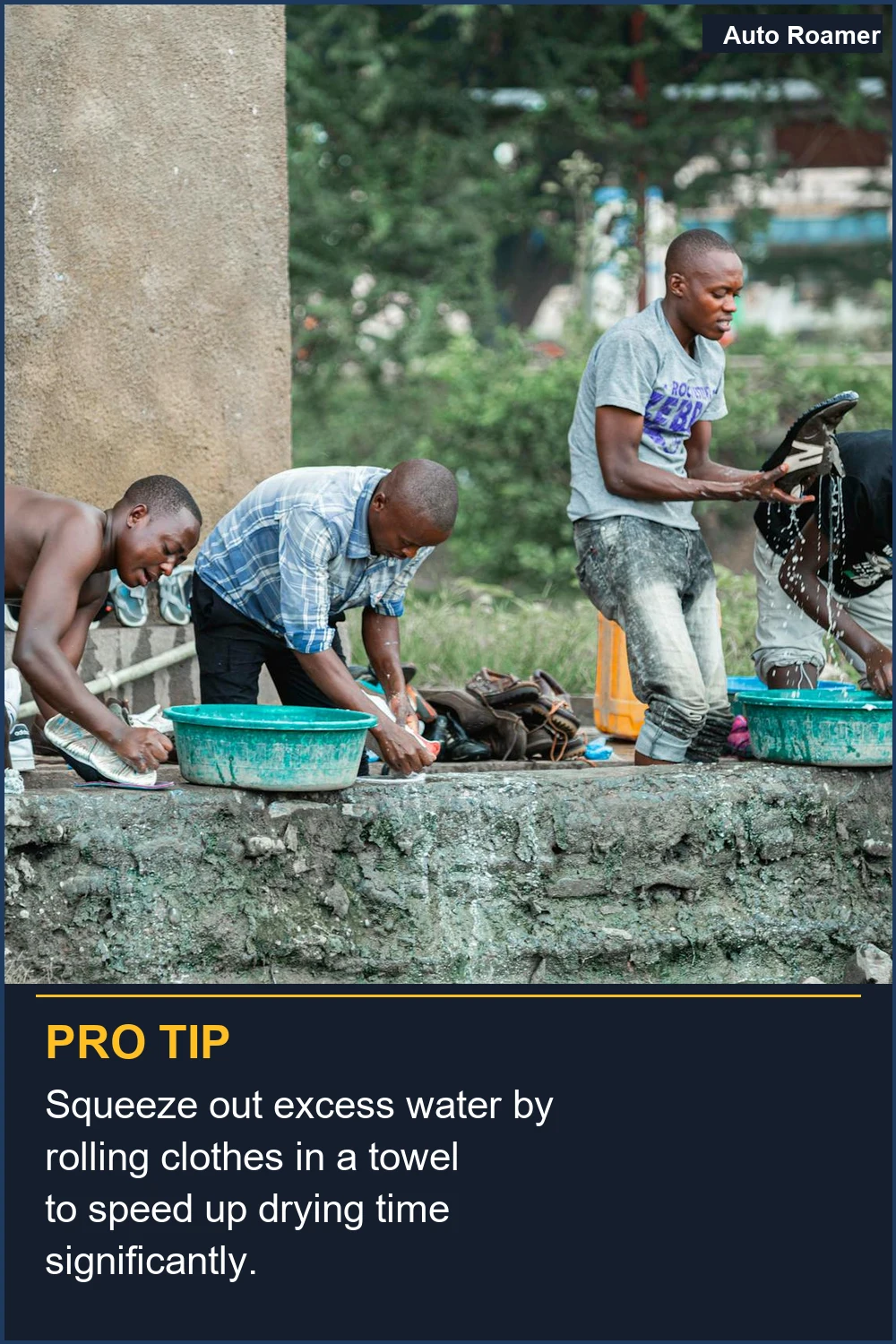
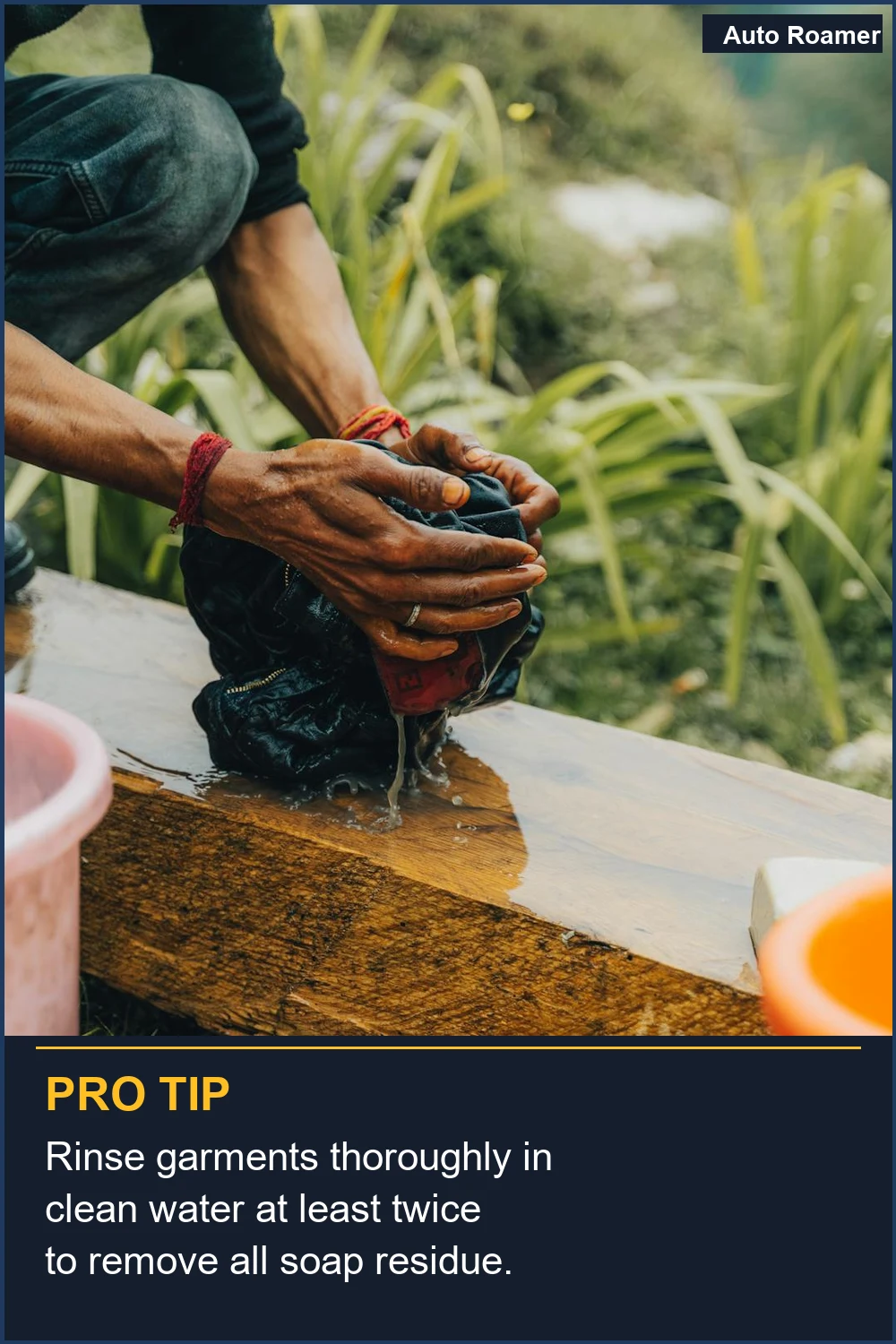
The real move for washing clothes car camping without a machine is pretty simple: a bucket and some elbow grease. I learned this the hard way after a particularly sweaty hike in the Smokies. My entire outfit felt like a damp, used napkin. The $50 version of a portable washing machine is just a 5-gallon bucket with a lid.Facebook Group Seriously. Grab a bucket, a little bit of biodegradable soap (don't be that person polluting the campsite), and your dirtiest clothes. Fill the bucket about halfway with water. Add a capful of soap. Toss in your clothes and put the lid on tight. This is where the magic happens: drive around. If you're at a campsite, just strap that bucket into your car and go for a scenic drive. The sloshing action is surprisingly effective at agitating the clothes, much like a washing machine on a gentle cycle.Facebook Group If driving isn't an option, just shake the bucket vigorously yourself. It's a great workout, honestly. Let them soak for about 20 minutes, then agitate them some more. For really stubborn stains, you might need to do a little hand scrubbing. Think of it as a mini spa treatment for your socks.Reddit After the wash cycle, dump the dirty water in a designated spot (away from water sources, obviously). Then, refill the bucket with clean water for rinsing. Repeat the agitation process until all the soap is out. This is crucial, or you'll end up smelling like a freshly washed dish RAG.SmarterTravel For drying, a portable clothesline is your best friend. You can get a decent one for around $15. String it up between two trees or your tent poles. Quick-dry fabrics, like polyester or merino wool, will dry in a few hours in decent weather. Cotton, on the other hand, is a rookie mistake for camping laundry - it takes forever to dry and gets heavy when wet.Roofnest Alternatively, you can use a large ziplock bag if space is tight. It's not as effective as a bucket for driving, but it works for hand scrubbing. It's the $2 version of a portable wash bag.SmarterTravel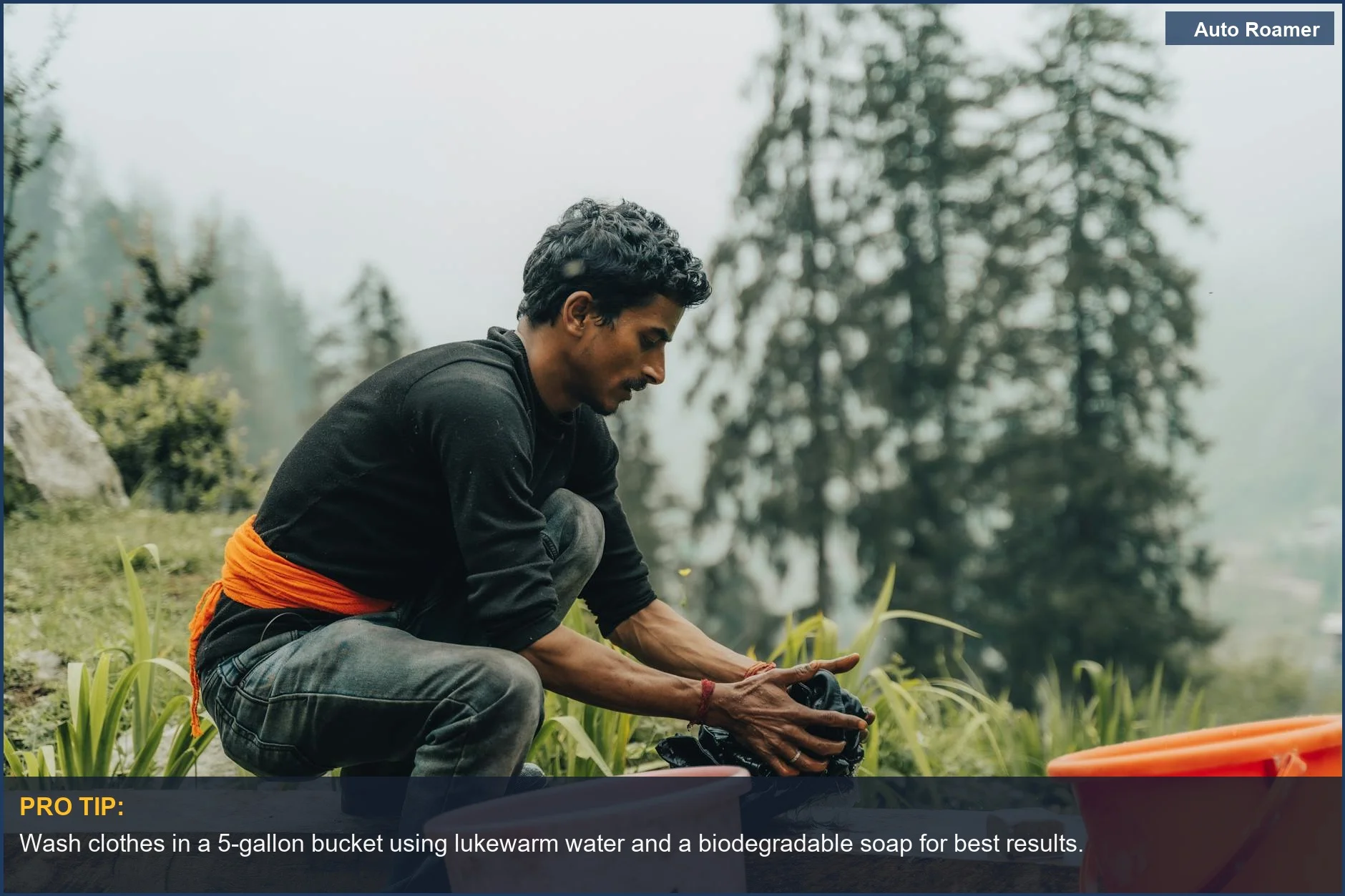
Why This Matters for Your Setup
Making the Right Choice
When you're starting out, the goal is to get outside and have fun, not to overthink every single piece of gear. You don't need a $70 Scrubba wash bag to keep your clothes reasonably clean. A simple 5-gallon bucket will do the job.SmarterTravel My advice is always to start with the basics and add things as you figure out what you actually use. For laundry, that means a bucket, some soap, and a way to dry your clothes. Everything else is just extra weight and complexity.SmarterTravel Think about your trips. If you're mostly doing weekend warriors, you might only need to wash one or two items. If you're going for longer, the bucket method is a lifesaver. It's accessible, cheap, and it actually works.Facebook Group Don't let gear lists intimidate you. The best camping gear is the stuff that gets you outside and makes your trip better, not the stuff that costs a fortune. The bucket method is proof of that. It's the $10 version of clean clothes on the go.SmarterTravel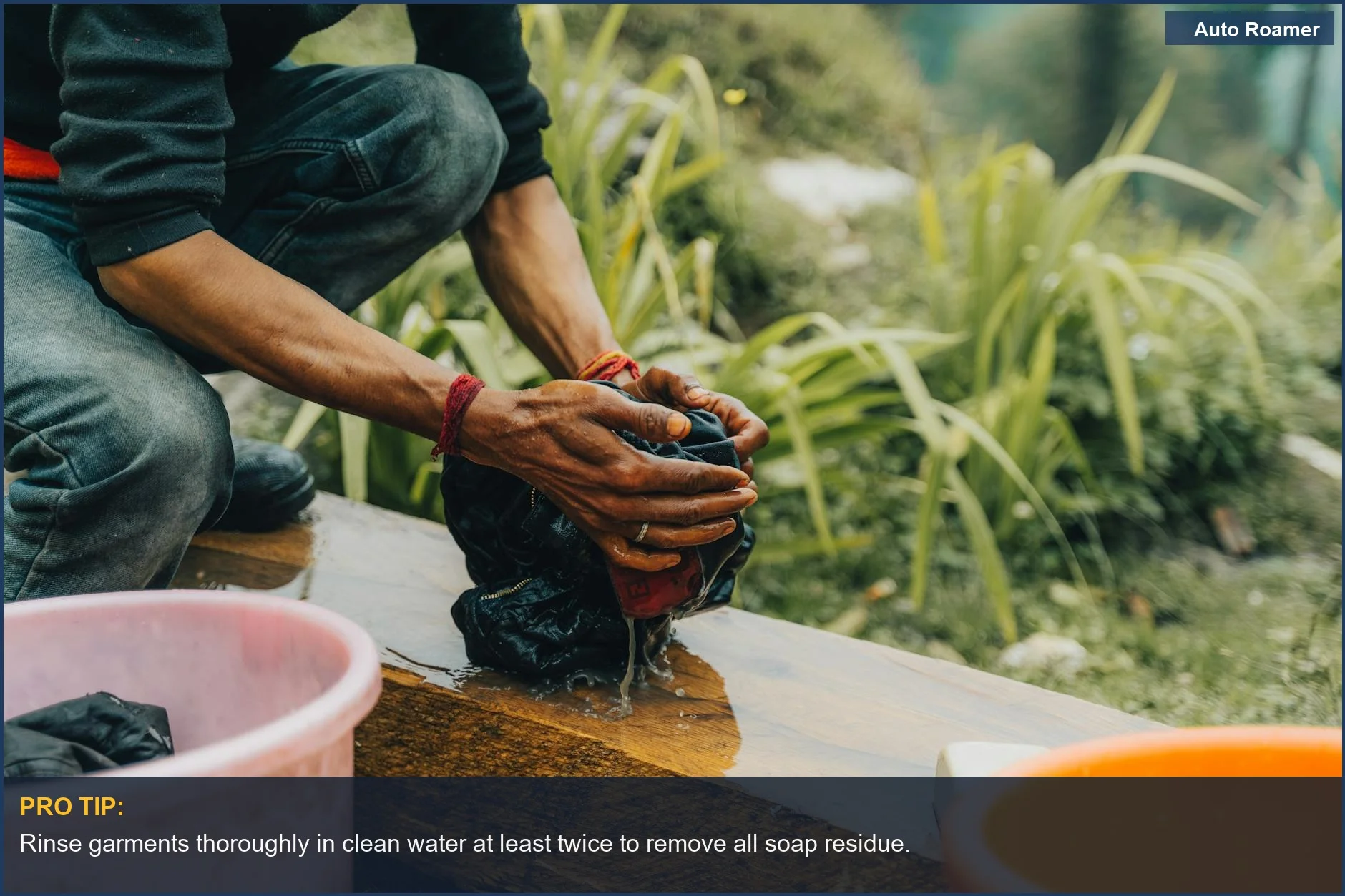
Frequently Asked Questions
How much does a portable washing machine like the Scrubba bag cost compared to just using a bucket?
Do I really need a special 'biodegradable' camp soap, or can I just use whatever laundry detergent I have at home?
What if I drive around with my bucket and my clothes still come out dingy?
Can washing clothes in a bucket repeatedly damage my synthetic camping gear over time?
Is it true that I can just wash my clothes in the shower while I'm rinsing myself off?
🏅 Looking for Gear Recommendations?
Check out our tested gear guides for products that work with this setup:
Sources
- What methods do you use to wash clothes while off-grid camping?
- The Best Ways to Clean Your Clothes While Camping – Roofnest
- How to Do Laundry on Vacation (No Laundromat Required)
- How to Do Laundry While Traveling (No Washer or Dryer Needed!)
- Tips for washing clothes at home without washer/suggestions for a ...