Where to Start
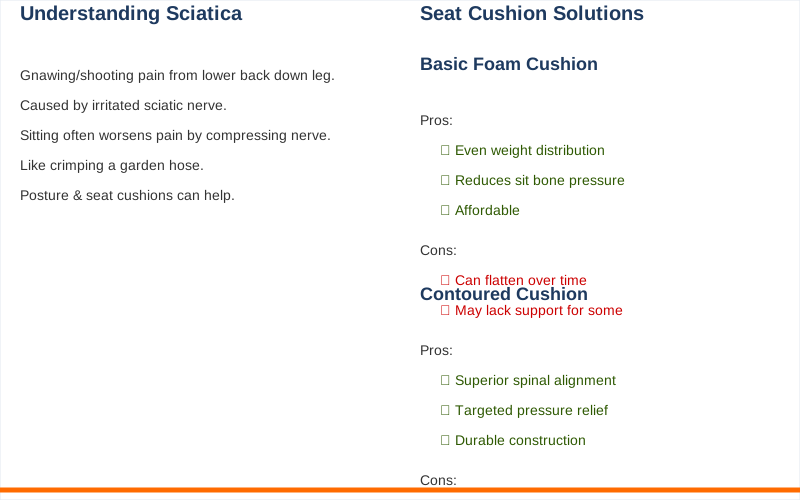
Sciatica pain can turn a simple car ride into a brutal test of endurance, especially when you're stuck sitting for hours. It's that gnawing, sometimes shooting pain that starts in your lower back and can run all the way down your leg. The sciatic nerve, a big highway of nerves, gets irritated, and sitting is often the worst culprit because it compresses things. Physical therapists explain that it's like crimping a garden hose; everything gets backed up and angry.
So, while you can't always avoid sitting, you can definitely make it a whole lot less miserable with some smart adjustments. Getting your posture right is the first step, and that's where a good seat cushion can really come into play. It's not about magic, it's about physics and giving that nerve some breathing room.
My first long drive with sciatica felt like I was being stabbed with a hot poker every mile, and I quickly learned that the stock seat in my old Civic was not my friend.
The Core Answer
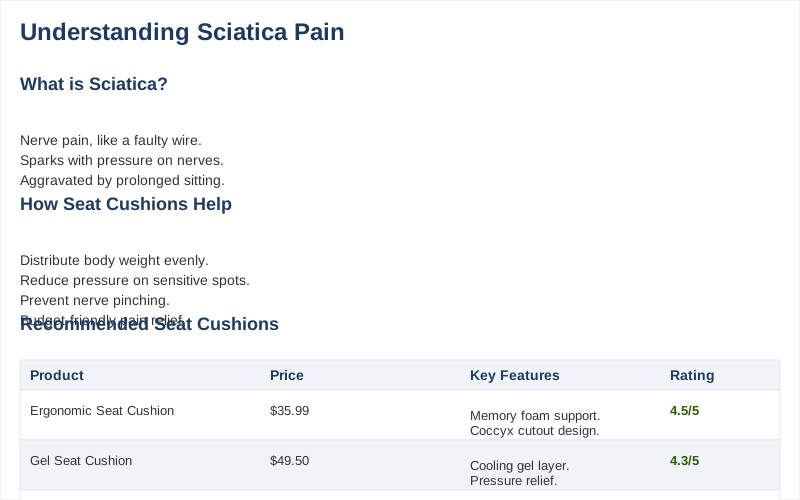
The honest version is that a good seat cushion can be a total game-changer for sciatica pain, and it's not some fancy, expensive gadget. Think of your sciatic nerve like a delicate wire that runs from your lower back down your leg. When you sit, especially for extended periods, that wire can get pinched or stretched, causing all sorts of misery.
A well-designed cushion helps by redistributing your weight more evenly across your backside, taking the direct pressure off those sensitive spots like your sit bones. This even pressure distribution means less stress on your spine and less irritation for the sciatic nerve. It's like putting a soft buffer between you and a hard, unforgiving surface. It gives the nerve space to heal.
Some cushions are shaped with a cutout in the back to relieve pressure on your tailbone and the very end of your spine, which can also be a source of sciatic pain. This is the real move to avoid that dreaded numbness or sharp shooting pain that makes you want to bail out of the car at 70 mph. It's not about fixing the underlying issue, but about making the sitting part bearable while you work on recovery.
My first attempt involved stuffing a beach towel under me, which was about as effective as using a napkin as a shield. The $50 version, however, made a noticeable difference within minutes. It's about creating a better environment for your body to exist in while stationary. This isn't about fancy materials; it's about smart design that supports your natural posture and reduces nerve compression.
The goal is to allow for better blood flow and less mechanical stress on the nerve pathway. So, while it won't magically cure sciatica, it can provide significant relief during those unavoidable sitting periods, like long commutes or road trips. It's about making the journey less painful, one sit at a time.

Why This Matters for Your Setup
Why does this matter for your setup? Because if you spend any amount of time in a car, truck, or even just a stiff office chair, you're a prime candidate for this kind of discomfort. My first 3-day camping trip involved driving 6 hours each way, and by the last hour of the return trip, I was seriously considering just walking home.
The stock seats in most vehicles are built for average bodies and average sitting times, not for someone with a grumpy sciatic nerve. cushion can help restore your spine's natural curve, which is often the first thing to go when you're uncomfortable. It's the $50 version of getting your car's suspension upgraded, but for your butt. You're essentially adding a layer of personalized support that the manufacturer clearly forgot.
Think about it: you've got your tires, your shocks, your engine - but what about the part that connects you to the machine? Poor sitting mechanics are a big contributor to low back pain and sciatica, and a cushion directly addresses that. It's about preventing that awkward hunch or slouch that puts extra pressure on your lower back and hips.
It's a simple fix that can prevent hours of pain and make those longer drives, or even just your daily commute, infinitely more tolerable. I learned this the hard way after a particularly agonizing drive through the Smokies where every pothole felt like a direct hit to my spine.
Making the Right Choice
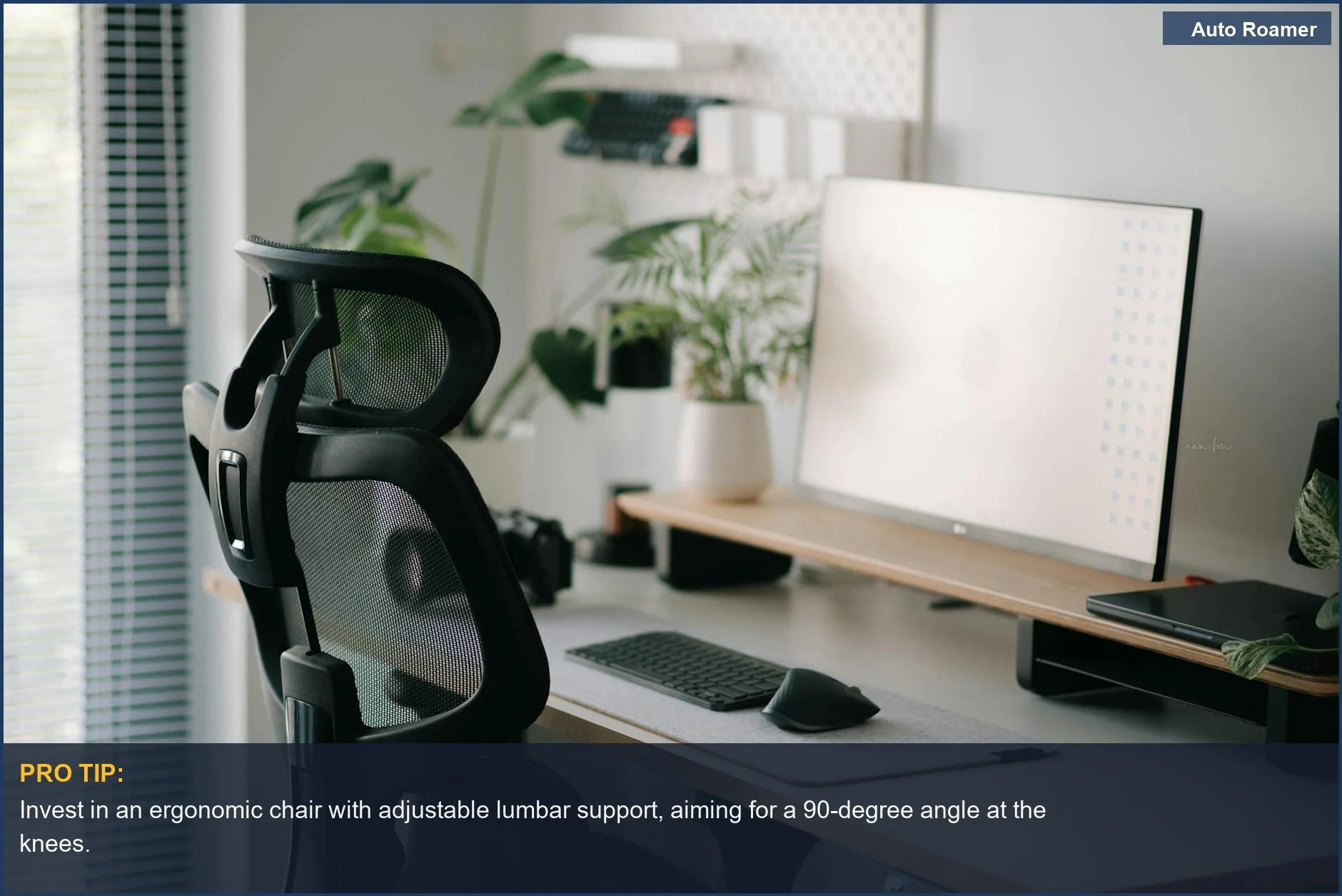
Choosing the right cushion isn't rocket science, but it does require a little thought. You want something that provides support without being rock hard. The key is minimizing pressure and stretching on the nerve. Don't just grab the first squishy pillow you see; look for designs that offer contoured support. Some are shaped like wedges, others have cutouts, and the material can range from firm foam to memory foam. Improving posture and comfort is the main goal.
My rookie mistake was thinking 'more padding equals more comfort,' which just made me sink into my seat even more. It's about finding that sweet spot of support and cushioning. So, do your homework, read some reviews, and consider what kind of sitting you do most often - driving, office work, or both. The right cushion can make a world of difference, turning a painful ordeal into a manageable journey.