
The Importance of Tire Pressure Monitoring Systems for Fuel Efficiency and Safety
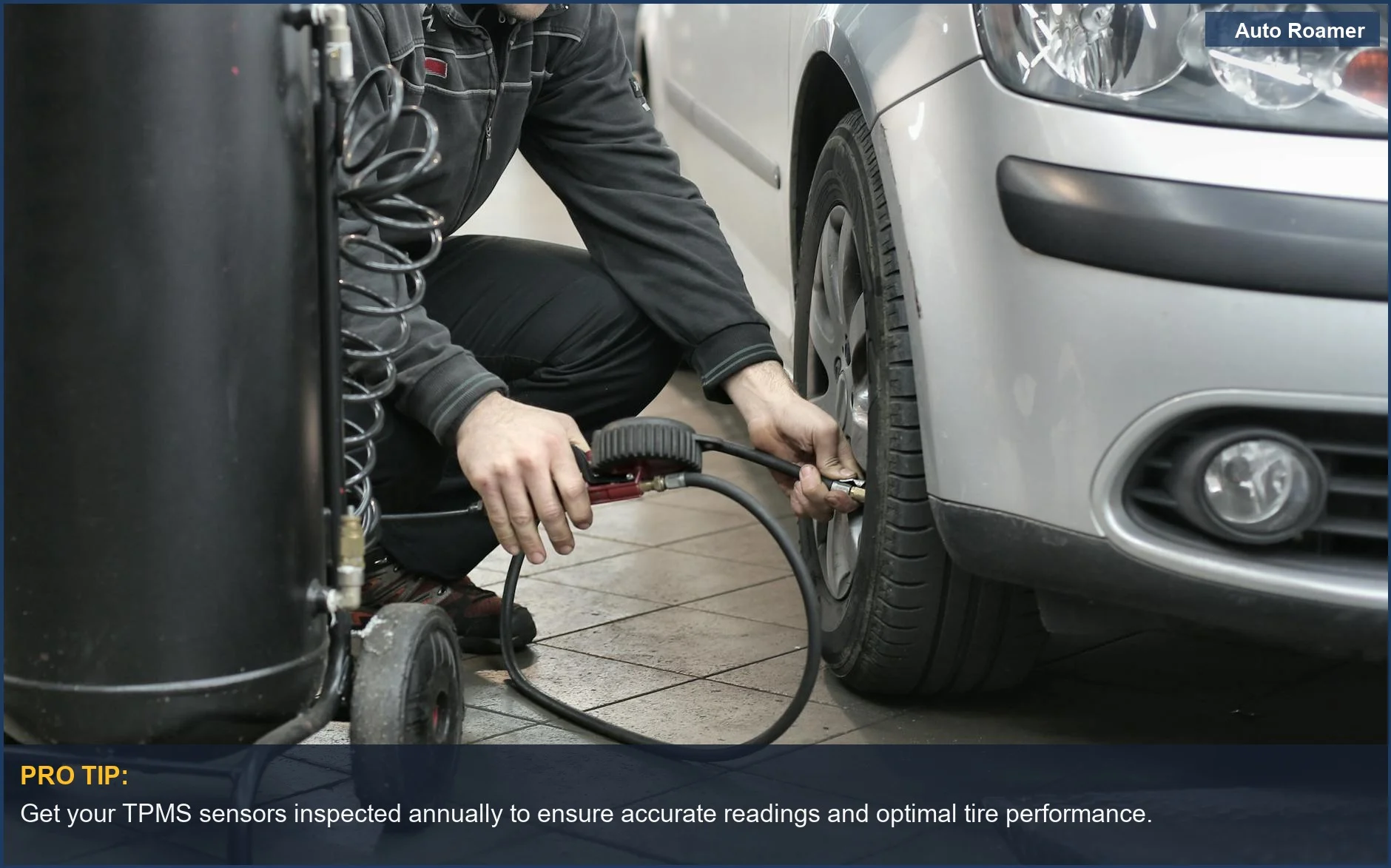
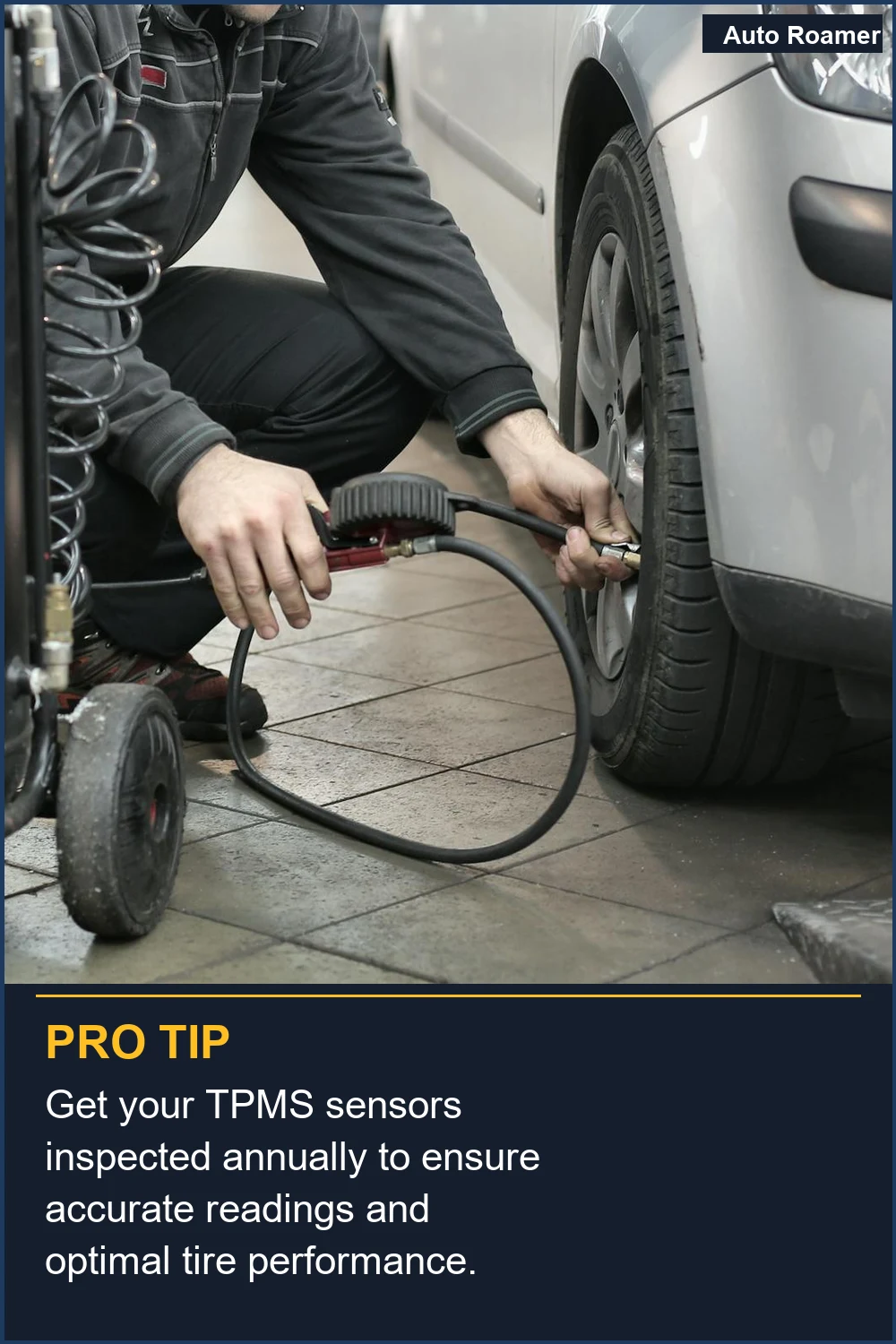
Tire Pressure Monitoring Systems, or TPMS, are electronic gizmos that keep an eye on the air squished inside your tires. They're designed to yell at you if the pressure drops too low, or sometimes too high. Think of it as your car's way of saying, 'Hey, something's up with those rubber donuts holding you to the road.' It's a pretty straightforward concept, really.
Tire Pressure Monitoring Systems, or TPMS, are electronic gizmos that keep an eye on the air squished inside your tires. They're designed to yell at you if the pressure drops too low, or sometimes too high. Think of it as your car's way of saying, 'Hey, something's up with those rubber donuts holding you to the road.' It's a pretty straightforward concept, really.
Continental Tires explains that these systems are designed to alert drivers when pressure falls below a safe level, which is pretty critical for, you know, not crashing. The Weber Tire Company folks also chime in, saying they significantly enhance vehicle safety. It's not rocket science, but it definitely makes a difference when you're out there navigating the world.
The Core Answer
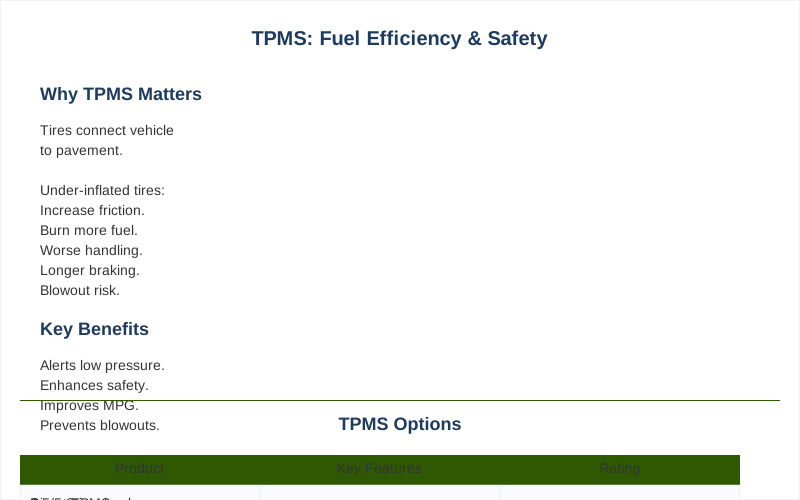
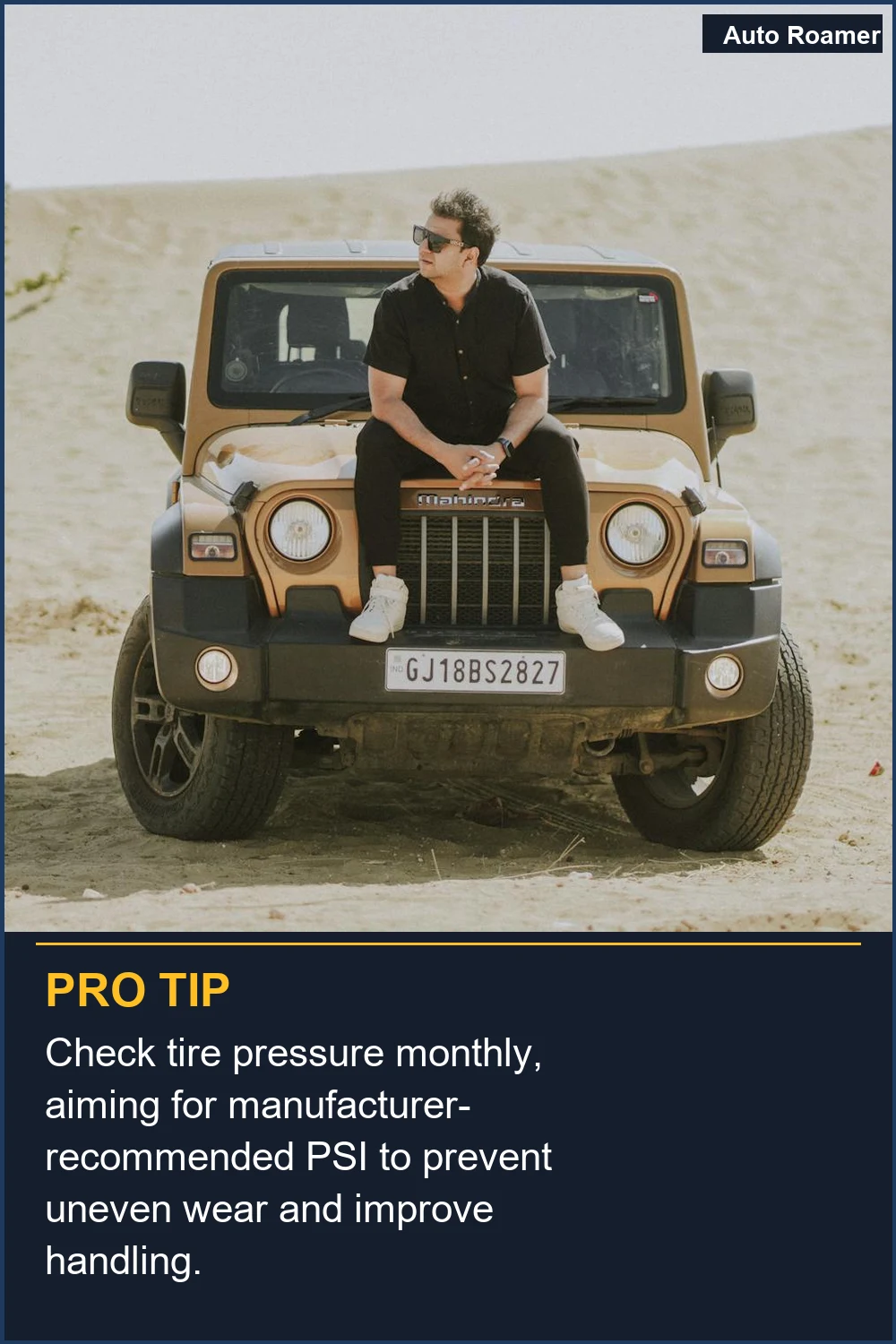
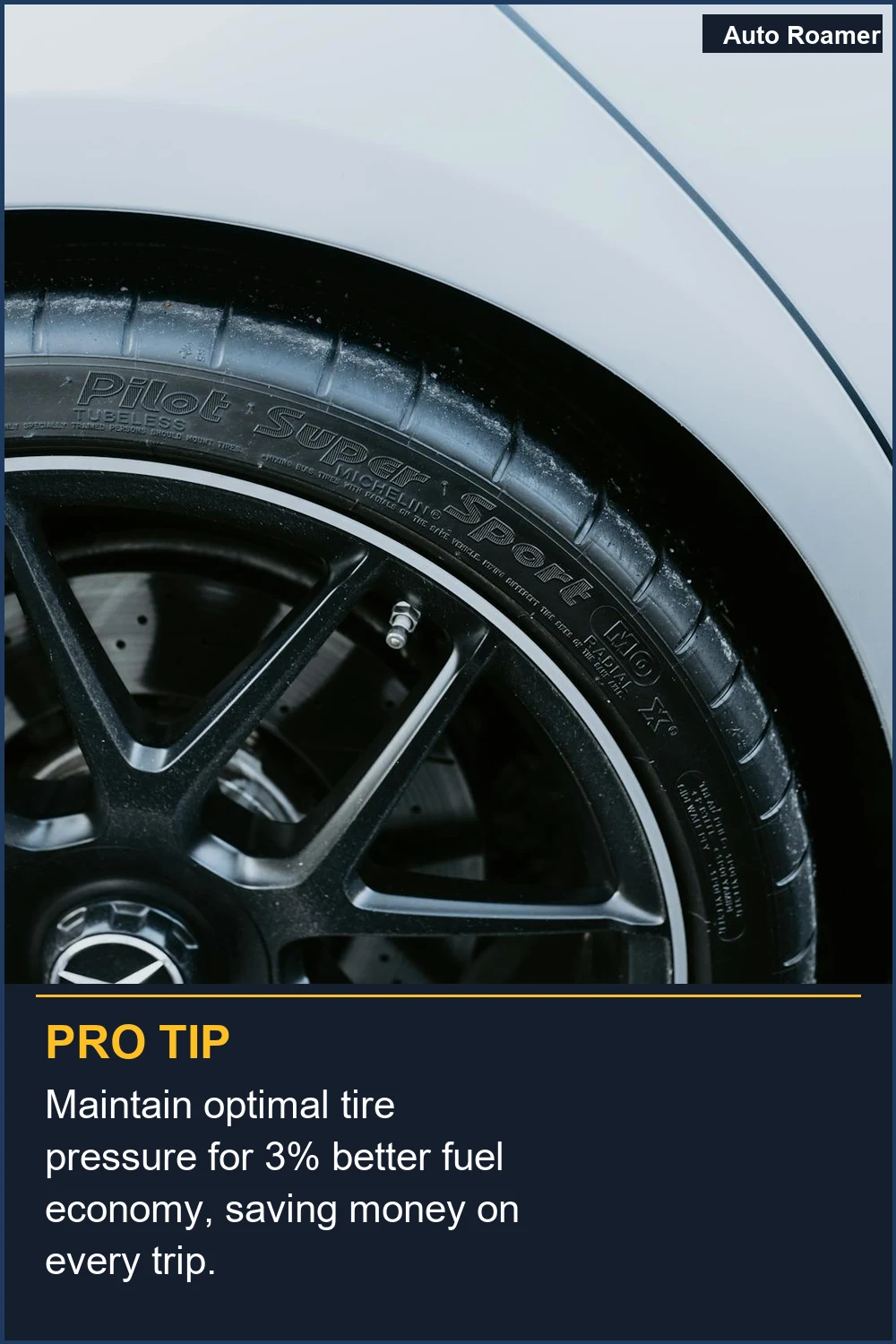
Here's the honest version: your tires are basically the only thing connecting your entire vehicle to the pavement. If that connection is wonky because your tires are flatter than a pancake after a steamroller convention, bad things happen. Under-inflated tires mean more friction, which is like trying to push your car through peanut butter. That means your engine has to work harder, burning more gas. Firestone Complete Auto Care points out that when tire pressure is too low, rolling resistance goes up, and your car guzzles more fuel. It's not just about saving a few bucks at the pump, either. Those squishy tires also handle worse. Braking distances get longer, steering feels sluggish, and the risk of a blowout skyrockets. I learned this the hard way on a windy mountain road near Asheville, NC, in my old beater sedan. A slow leak I ignored turned into a full-blown blowout at 60 mph. Nearly ended up in a ditch. A TPMS would have probably given me a heads-up hours earlier. NHTSA agrees, stating proper tire pressure is the most important part of maintaining your tires for safety and durability. The system itself usually involves sensors in each wheel that talk to a light on your dashboard. Some systems are smarter than others, telling you exactly which tire is low, while older ones just flash a generic warning. Either way, it's a game-time decision-maker for your tires. Gilbert Baugh Ford mentions that some systems can even detect over-inflation, which isn't great either. It's all about that sweet spot. If your car didn't come with one, you can often find aftermarket kits, though they're not always as slick as the factory-installed ones. The real move is to pay attention when that little light blinks. Transport & Environment even notes that TPMS has been shown to improve safety. Who knew a little electronic monitor could be so crucial? My buddy Dave, who drives a diesel truck, swears his TPMS saved him from a nasty accident on I-80 last winter. He said the light came on, he pulled over, and found a nail the size of my thumb. Game changer, he called it.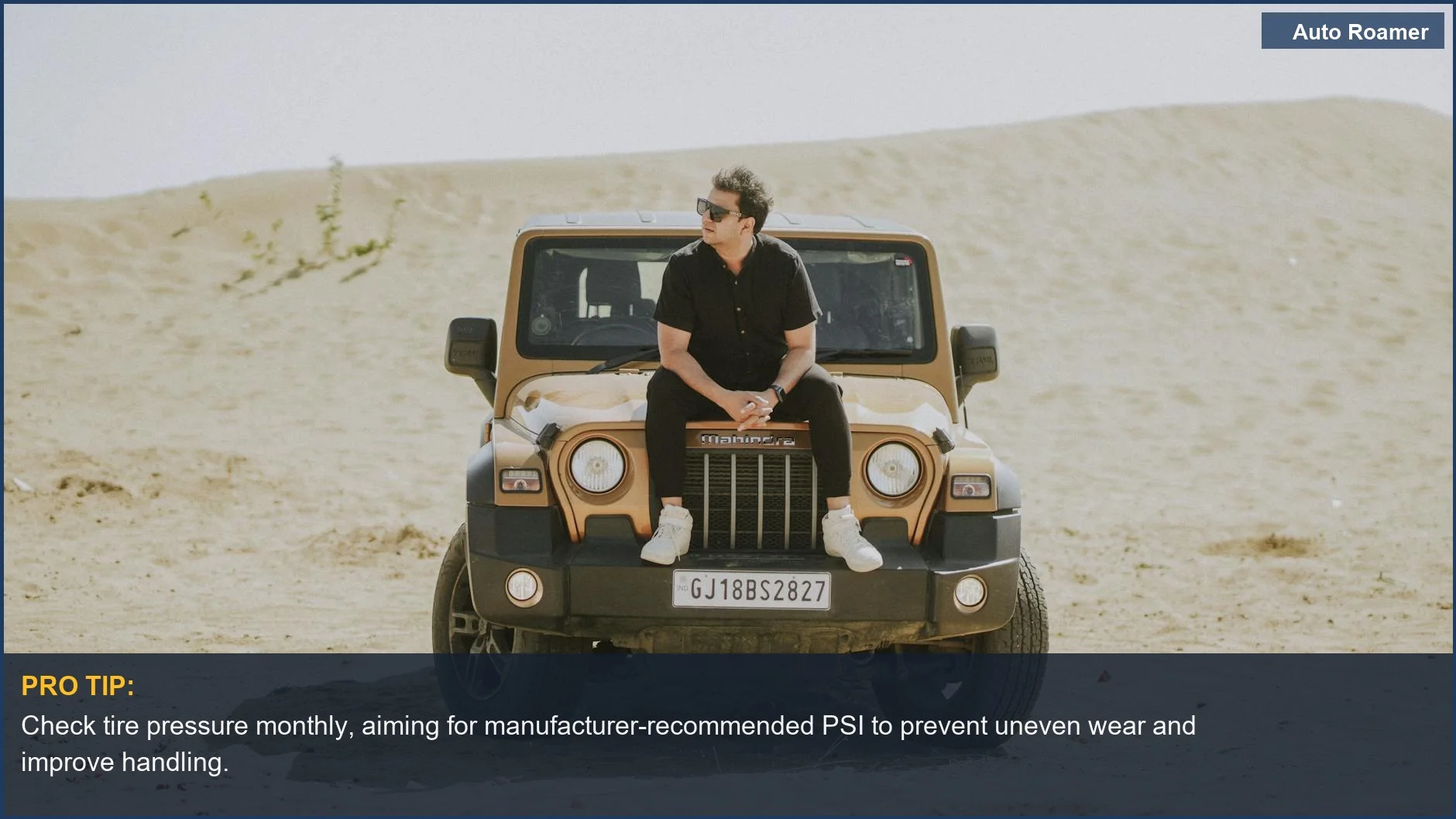
Why This Matters for Your Setup
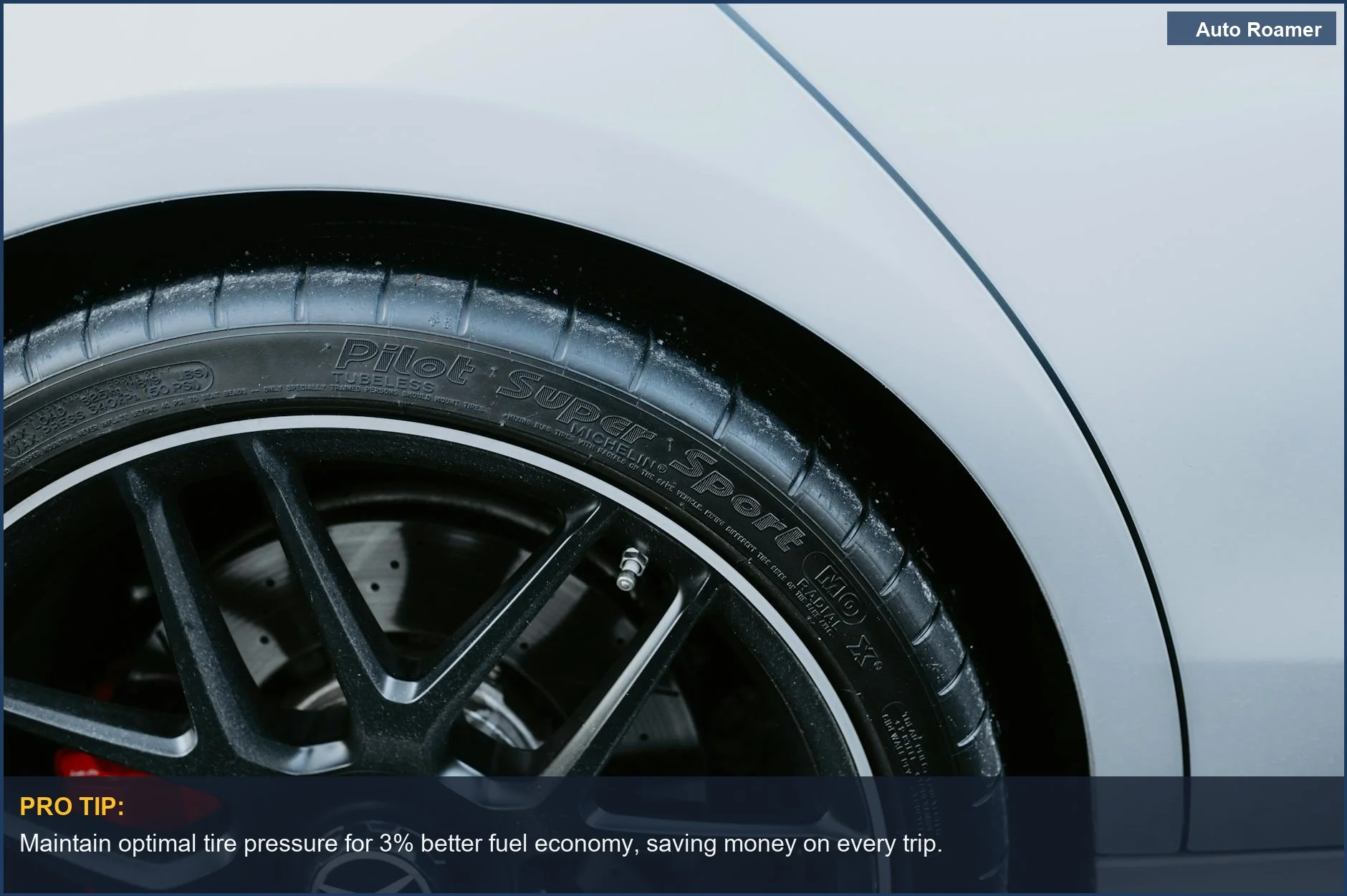
Why does this matter for your weekend adventures? Simple: your car is your mobile base camp. If it's not running right, your whole trip can go sideways faster than a greased watermelon.- Fuel Efficiency: When your tires are properly inflated, they roll easier. This means your engine doesn't have to scream bloody murder just to get you down the highway. Less screaming, more miles per gallon. Continental Tires notes this reduces fuel consumption and CO2 emissions. My old Subaru Outback used to chug gas like a frat boy at a kegger until I got serious about tire pressure. Now, it sips it.
- Tire Longevity: Uneven tire pressure wears out your tires faster and unevenly. Think of it like walking on one leg - you're going to get messed up quicker. Proper inflation means your tires last longer, saving you cash for more important things, like better camp coffee. Weber Tire Company says this extends tire life.
- Safety on the Road: This is the big one. A blowout on a remote forest service road, miles from anywhere, is not my idea of fun. Low tire pressure is a leading cause of blowouts. A TPMS is your early warning system. My Car Does What says it can potentially prevent a blowout. My first camping trip involved a flat at 10 PM in a state park in Ohio. Pitch black, no cell service, and I was fumbling with a spare in the rain. Never again.
- Vehicle Handling: When your tires are at the right pressure, your car handles better. It feels more stable, especially when you're loaded down with camping gear. This means a more comfortable and predictable ride, which is always a win. Gilbert Baugh Ford also points out it improves braking and steering.
Making the Right Choice
So, what's the takeaway for us weekend warriors? Keeping an eye on your tire pressure isn't just some bureaucratic requirement; it's a core part of keeping your vehicle safe and efficient, especially when you're heading off the beaten path.- A functioning TPMS is your first line of defense against unexpected tire issues. It's like having a little mechanic buddy living in your dashboard.
- Under-inflated tires are a drain on your wallet and a risk to your safety. The Firestone Complete Auto Care folks are right, it's a big deal for fuel economy.
- Don't just ignore that little warning light. It's there for a reason. Pull over when it's safe and check your tires. It could save you a major headache, or worse.
- Consider aftermarket TPMS if your vehicle doesn't have one. They're not always the $50 version, but they're a darn sight cheaper than a tow truck. Weber Tire Company reminds us that TPMS is a legal requirement in many places for good reason.
Frequently Asked Questions
If my TPMS light comes on, do I really need to buy a whole new system, or can I just get the leaky tire fixed?
Do I need a fancy air pressure gauge, or can I just eyeball it?
What if my TPMS light comes on in the middle of nowhere, and I can't find a gas station with an air pump?
Can driving around with a low tire pressure warning light on permanently damage my TPMS sensors?
I heard that TPMS is only for show and doesn't actually do anything useful. Is that true?
🏅 Looking for Gear Recommendations?
Check out our tested gear guides for products that work with this setup:
Sources
- Tyre pressure monitoring improves safety – when it works on the road!
- The Importance of the Tire Pressure Monitoring System
- Tire Pressure Monitoring System (TPMS) - Continental Tires
- The Importance of TPMS for Safety - Auto Industry News in Fairfax, VA
- What Are the Benefits of Maintaining Your Vehicle's TPMS?
- Tire Pressure Monitoring System - My Car Does What
- Tire Safety Ratings and Awareness | TireWise - NHTSA