
The honest verdict: two camping philosophies, not one winner
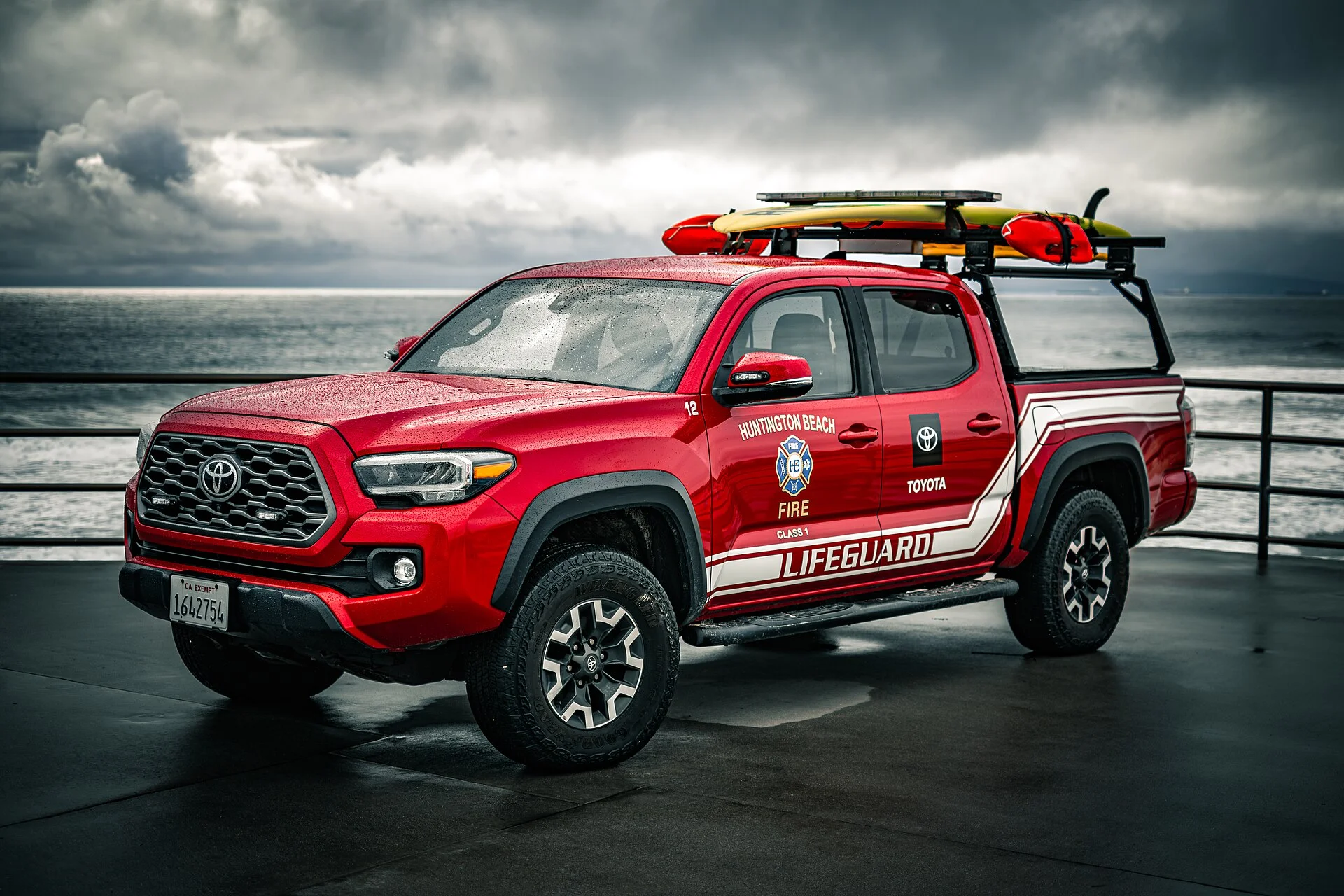
Put the Toyota Tacoma and the Ford Maverick side by side for camping and you are choosing between two philosophies, not two trucks. The Tacoma is the classic midsize overlander: a longer bed, real four-wheel-drive hardware, and the single deepest accessory ecosystem in the class, from bed racks to wedge campers. The Maverick is the value play: a unibody compact that sips fuel, rides like a car, undercuts the Tacoma by thousands, and still hauls your gear to the campsite.
The short version: buy the Tacoma for the longer bed, the trail capability, and the biggest catalog of camping hardware to build on. Buy the Maverick for fuel economy, an easy ride, a bed 110-volt outlet, and the lowest price in the class. Neither bed sleeps a six-footer flat on its own.
That last point levels the field before you spend a dollar. The Tacoma's beds run about 60.5 inches (5-foot box) or 73.7 inches (6-foot box), and the Maverick's single bed is 54.4 inches. A six-foot adult clears none of those lying straight, so both trucks need a bed tent, a topper with a sleeping platform, or a rooftop tent to become a real bed. Once you accept that, the decision gets simpler: it is about how and where you like to sleep, not which spec sheet wins.
The rest of this guide walks through the bed numbers, how each truck actually sleeps, what it costs to get to camp, the power and weather realities of an overnight, and a clear buy recommendation by use case — all grounded in published manufacturer figures rather than a single test drive.
Bed dimensions: the numbers your sleeping setup is built on
Everything about truck camping starts at the tape measure, so here are the figures that decide your bed:
- Tacoma 5-foot bed: about 60.5 in long (~60.3 in at the floor), ~41.5 in between the wheel wells. Usually paired with the Double Cab.
- Tacoma 6-foot bed: about 73.7 in long, same width. Paired with the XtraCab — and the meaningful number for tall sleepers.
- Ford Maverick bed: 54.4 in long, 42.6 in between the wheel wells (53.3 in max width), 20.3 in deep, 33.3 cu ft — the shortest here.
The 6-foot Tacoma bed is the standout: with the tailgate down and a bed extender or topper, a six-footer can finally stretch out. The 5-foot Tacoma and the Maverick both lean on the tailgate-down trick or a bed tent for length. The Maverick's bed is the shortest by a wide margin, which is its one real camping compromise — you will almost always sleep with the tailgate open and a pad that overhangs it.
How you fill the box differs too. The Tacoma's longer bed leaves room for a low platform with storage underneath and a flat sleeping surface on top. In the Maverick you are working a compact footprint, so a shaped pad that clears the wheel wells is the usual move. Before buying any pad, it is worth running the numbers on how to choose a car camping mattress size so you don't end up with one that folds up the sides of the box.
Computed fit: every dimension this page states, run against the page's own ceiling on the same axis. Nothing here is a spec-sheet import — it is arithmetic on figures this page already states (60.5 in, 73.7 in, 54.4 in). The formula is the plain one: margin = the page’s stated ceiling on that axis − the figure. Each row subtracts on ONE axis only, and a figure the page never labels by axis is left out rather than guessed at.
| What the page states | Figure | Axis | Ceiling this page states | Margin |
|---|---|---|---|---|
| …about 73.7 in long… | 73.7 in | long | 60.5 in | over by 13.2 in |
| …54.4 in long… | 54.4 in | long | 60.5 in | 6.1 in spare |
Read the last column first, because it settles the question before anything else does: 1 clear the ceiling this page states (most room to spare: 6.1 in) and 1 go over it (worst overage 13.2 in). Each row is measured only against the ceiling on its own axis (60.5 in long).
Sleeping in the Tacoma: the overlander's platform
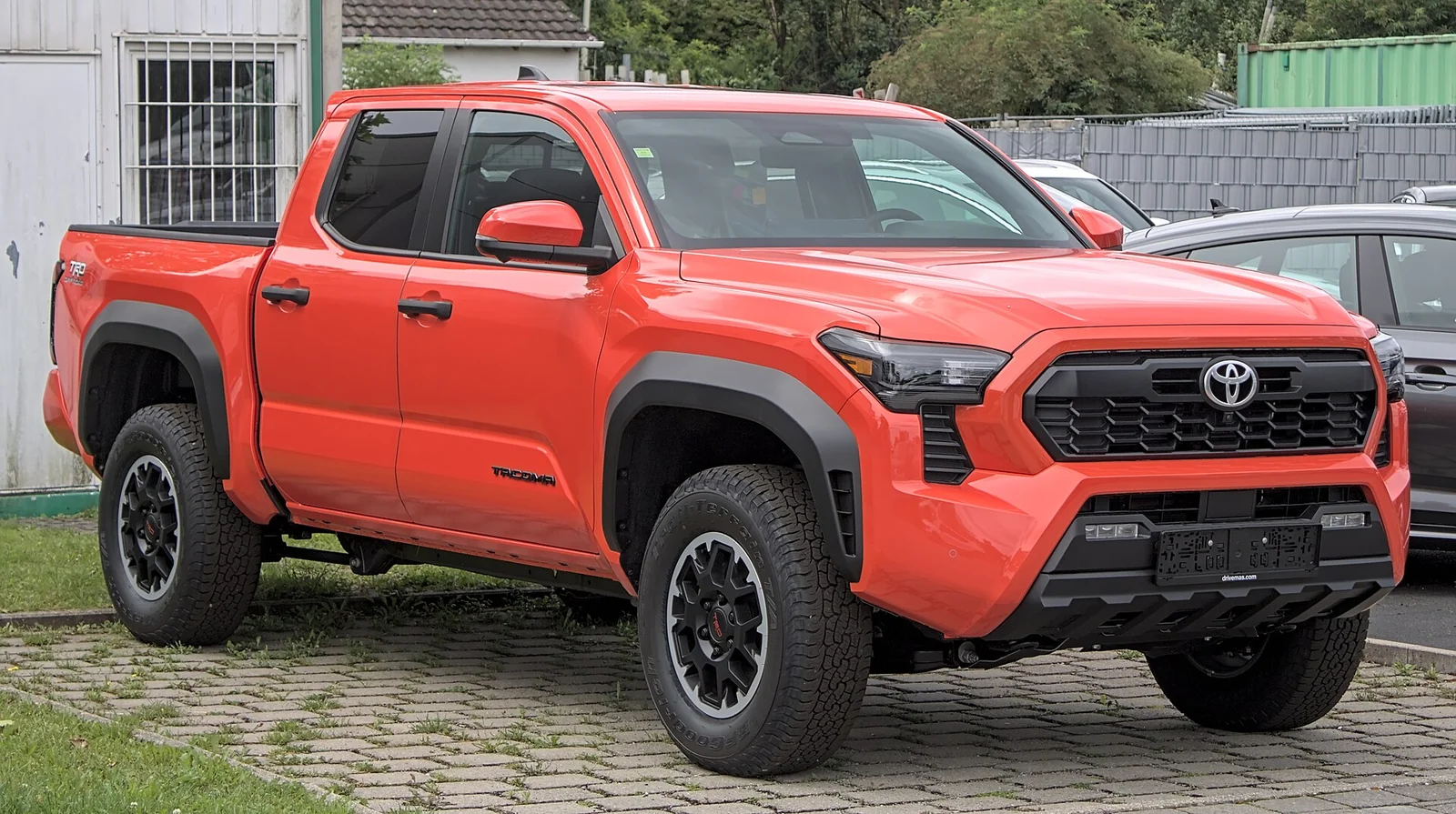
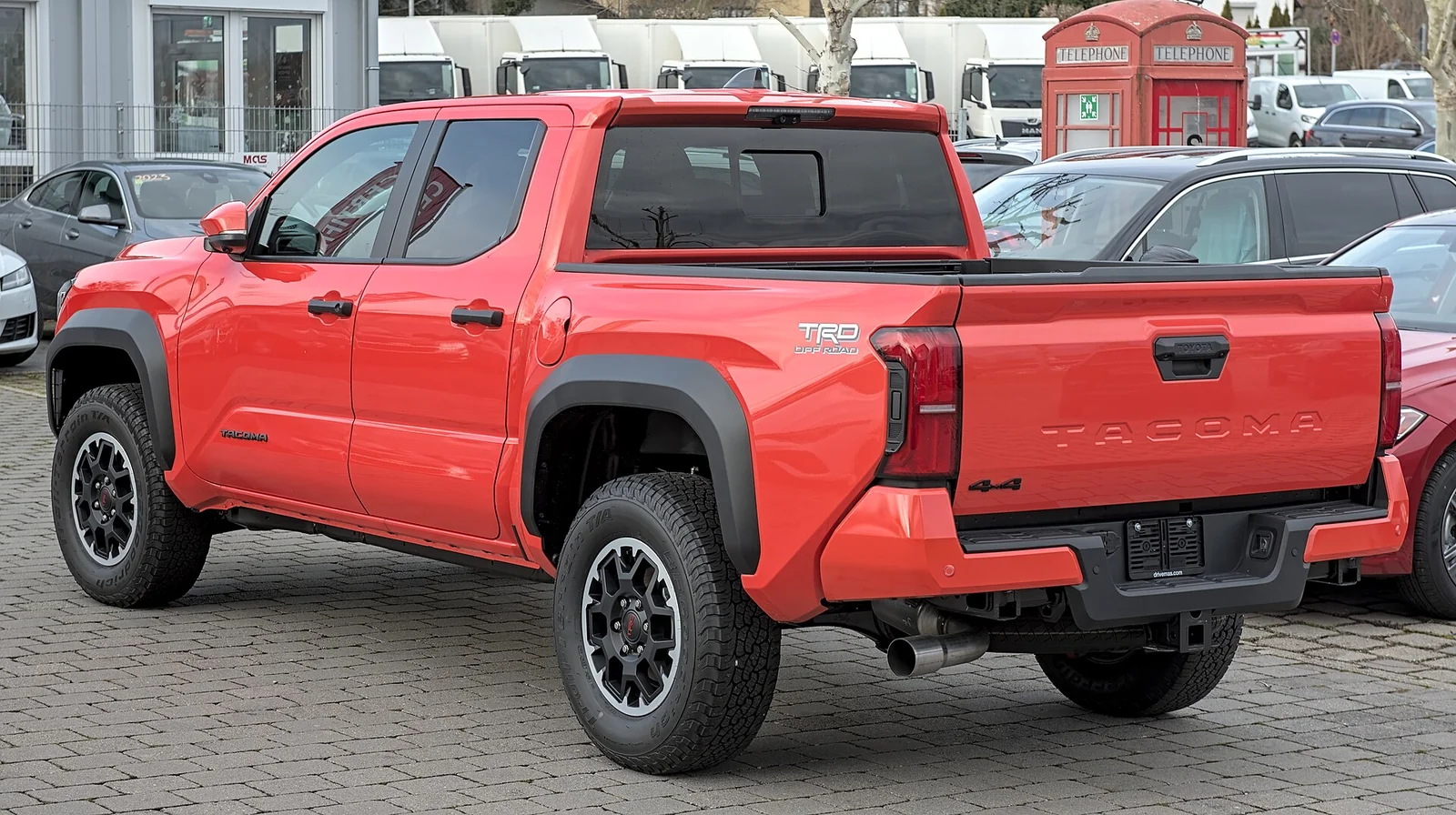
The Tacoma earns its reputation because it is a blank canvas. Its body-on-frame chassis, available four-wheel drive, and generous ground clearance let you reach dispersed campsites the Maverick would scrape trying to follow, and once you are there the accessory market does the rest. A bed rack, a canopy or topper, a wedge-style pop-up camper, or a simple sleeping platform all bolt on with off-the-shelf parts, because more Tacomas have been built out for camping than almost any other truck on the road.
With the 6-foot bed, the Tacoma is close to a true in-bed bedroom. Drop the tailgate, lay a platform or a thick pad, and the 73.7-inch length plus the tailgate gap gives a tall adult room to lie flat. The 5-foot bed still works but leans harder on the tailgate-down trick or a truck bed tent that extends the sleeping area. Either way you are up off the ground, away from runoff and critters, and can lock gear inside a topper for security.
The honest costs are fuel and money. The Tacoma's roughly 20-to-23-mpg thirst and higher purchase price are the price of admission for the capability and the ecosystem. If your camping means rough roads, cold nights up high, and a rig you will keep modifying for a decade, the Tacoma is engineered for exactly that life — and it holds its resale value while you build it.
Sleeping in the Maverick: the efficient, do-it-for-less camper
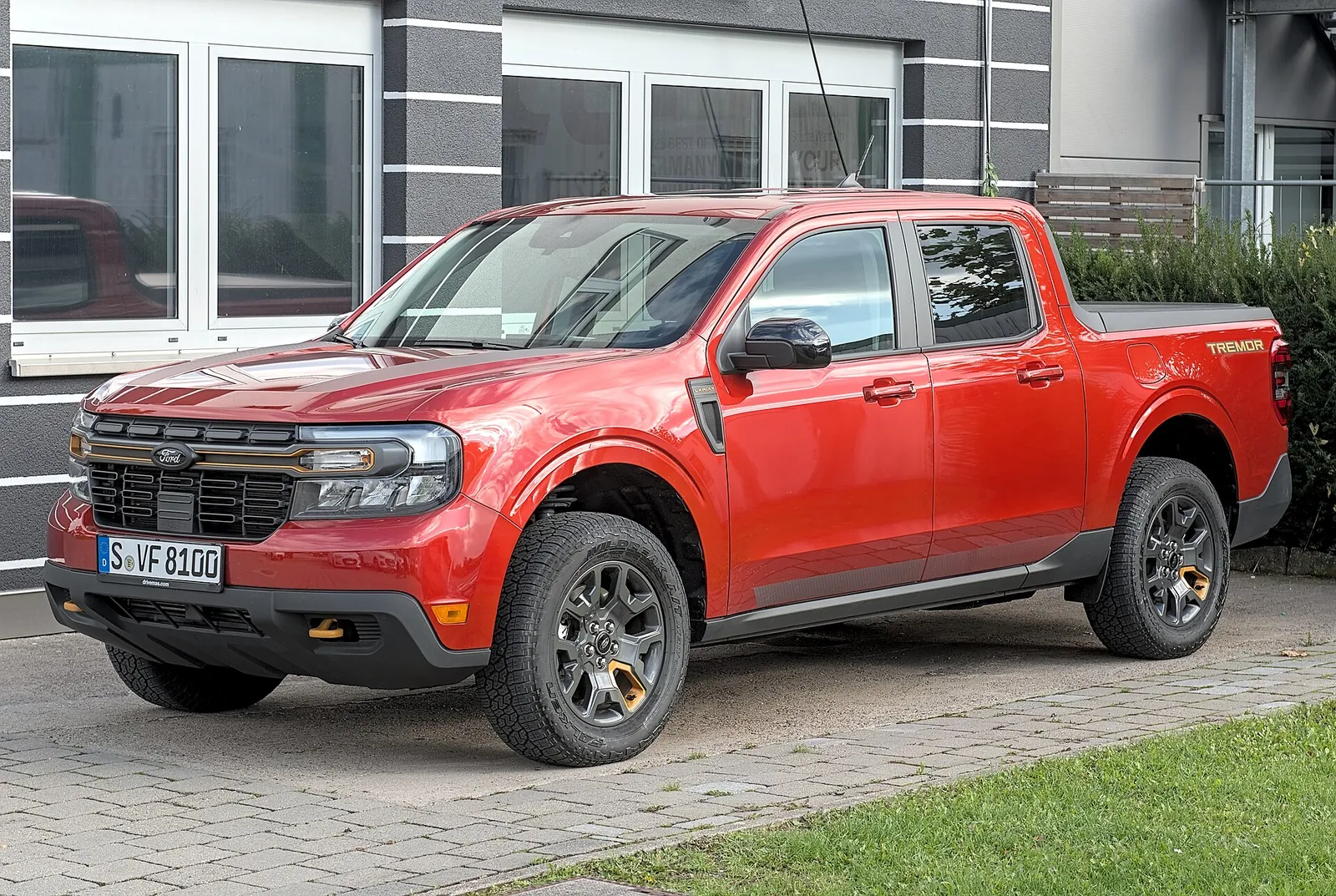
The Maverick approaches camping from the opposite direction: keep it cheap, keep it easy, and get there on a tank of gas you barely notice. The hybrid's roughly 37-to-38-mpg combined rating means the drive to the trailhead costs a fraction of the Tacoma's, and the car-like unibody ride makes the highway miles genuinely pleasant. For campers whose 'off-road' is a gravel forest road or a state-park loop, that efficiency and comfort are worth more than a locking differential they would never engage.
The 54.4-inch bed is the constraint you plan around. With the tailgate down you gain enough length for most adults on a pad that overhangs, and the aftermarket now sells bed tents and simple platforms sized specifically for the Maverick. The available 110-volt bed outlet is a quiet camping ace: it runs a fan, charges a battery bank, or powers a small cooler without you carrying a separate inverter, and for anything bigger a dedicated portable power station for car camping adds capacity.
The trade-offs are clearance and capability. The Maverick sits lower, tows and hauls less than a Tacoma, and is not meant for technical trails. But as a weekend camping truck that doubles as an efficient daily driver, it delivers most of the truck-camping experience for meaningfully less money — which is exactly why it keeps winning first-truck shoppers.
Getting to camp: capability, ride, and running cost
The drive is often the longest part of a camping trip, and here the two trucks diverge sharply. The Tacoma is built to keep going where the pavement ends: available four-wheel drive, real ground clearance, skid protection on off-road trims, and a body-on-frame structure that shrugs off washboard roads. If your favorite sites sit at the end of a rutted forest-service road, the Tacoma reaches them without drama.
The Maverick trades that capability for on-road ease and efficiency. Its unibody rides more like a compact crossover, it is quieter at highway speed, and the hybrid's fuel economy roughly doubles the Tacoma's — a real difference over a season of trailhead runs. Available all-wheel drive handles gravel and light dirt, but the lower clearance and pavement tuning mean you respect the limits rather than pushing past them.
Weigh it honestly against where you actually camp. If most nights are reached by maintained roads and the occasional gravel spur, the Maverick's comfort and low running cost are the smarter buy. If you routinely leave the pavement for miles at a time or camp high and remote, the Tacoma's hardware stops being a luxury and becomes the reason you get there at all.
Power and electrical: keeping camp running
Neither of these trucks lets you run climate control all night — that is true of essentially every vehicle, and idling the engine to heat or cool you while you sleep is unsafe and impractical. So the electrical comparison is about keeping gear alive: lights, a fan, a phone, maybe a small fridge. Both offer 12-volt sources throughout, and both offer an available 110/120-volt outlet.
The Maverick's advantage is accessibility. Its available bed 110-volt outlet is easy to reach right where you sleep and cook, and on the hybrid it draws from a system built for efficiency. The Tacoma's 120-volt outlets are trim-dependent but present on the camping-oriented trims, and its larger platform makes it easy to add a dual-battery or house-battery setup that serious campers eventually want.
For anything beyond charging and a fan — a 12-volt fridge, a CPAP, a heated blanket for several nights — the right answer in either truck is a dedicated portable power station rather than the vehicle's outlet. Size it to your actual overnight draw, keep it topped up on the drive, and you decouple your camp power from the truck entirely, which is the setup that scales as your trips get longer.
Weather and overnight comfort: cold, heat, and condensation
Because you usually sleep in the open bed under a tent or topper rather than a sealed cabin, weather behaves differently than in an SUV. The good news is airflow: a bed tent breathes far better than a closed cabin, so daytime heat vents and morning condensation is less severe. The bad news is exposure — you are closer to the outside temperature, so your sleep system has to carry the load.
For cold nights, the answer in both trucks is the same and it is not the engine: a season-rated bag, an insulated pad with real R-value under you, and a 12V heated blanket for car camping do far more than any truck feature. Cold from below is what wakes people up, so prioritize the pad. On a humid night a bed tent can still fog, and the venting habits in our guide on how to reduce condensation when sleeping in a car — crack a vent, never cook inside — apply to both.
Summer is where the open bed shines. A breathable tent plus a battery fan beats a sealed SUV cabin for heat, and the shade-and-airflow tactics for staying cool sleeping in a car carry over directly. Between the two trucks there is no meaningful climate advantage — spend your money on bedding and a fan and both sleep comfortably across the seasons you actually camp in.
Two people and gear: how each truck packs a trip
Camping is rarely a solo, gear-free affair, so consider how each truck packs two people plus a weekend of equipment. The Tacoma's longer bed — especially the 6-foot box — gives two adults a fighting chance of lying flat side by side under a bed tent, and a topper lets you store gear vertically along the sides while keeping the center clear for sleeping. The larger cab and higher payload also mean you are not choosing between passengers and kit.
The Maverick asks for more discipline. The 54.4-inch bed comfortably sleeps one adult on a shaped pad with the tailgate down; two is possible but snug, and you will lean on the cab and a rooftop or bed tent to make it work. Gear goes in the cab's clever cubbies, the FLEXBED slots, and bins that ride up front. Here is the practical split most campers land on:
- Solo or one-plus-dog: either truck is easy; the Maverick's efficiency makes it the value winner.
- Two adults sleeping in the bed: the Tacoma's longer box (and 6-foot option) is far more livable.
- Two adults plus lots of gear: the Tacoma's payload and cab space stop you from choosing between people and equipment.
Match the truck to your usual crew size and you avoid the classic mistake of buying for a trip you rarely take.
Which truck should you buy?
Buy the Tacoma if camping is the reason you want a truck. The longer available bed, the four-wheel-drive hardware, the clearance to reach remote sites, and the unmatched accessory ecosystem make it the platform that grows with you. If you plan to add a rooftop tent, a wedge camper, or a full bed build, the Tacoma has more proven parts than anything else in the class, and it holds its value while you do it.
Buy the Maverick if camping is one of several things you want a vehicle to do well and you would rather not pay — in dollars or in fuel — for capability you will rarely use. Its efficiency, easy ride, bed outlet, and low price make it the smartest value in the class for campers who stick to maintained roads and mild adventures. Add a bed tent or a topper and it sleeps you nearly as well for thousands less.
Cross-shopping the whole class first? Whether you go with a bed setup or a rooftop tent versus a ground tent often matters more than which of these two trucks you pick, because it defines how — and how high off the ground — you actually sleep. Settle that question alongside the badge.
Spec snapshot: the camping numbers at a glance
Keep these figures handy when you size a pad, a tent, or a topper. Both are attributed to manufacturer and dealer spec pages, not a single test:
- Tacoma bed length: ~60.5 in (5-foot) or ~73.7 in (6-foot), ~41.5 in between the wheel wells.
- Maverick bed length: 54.4 in, 42.6 in between the wheel wells, 20.3 in deep, 33.3 cu ft.
- Fuel economy: Maverick hybrid ~37-38 mpg combined vs. Tacoma ~20-23 mpg.
- Camp power: Maverick available 110V bed outlet + 12V; Tacoma available 120V on higher trims + 12V.
- Drivetrain: Tacoma body-on-frame with available 4WD and high clearance; Maverick unibody, FWD or available AWD.
The two numbers that decide your bed are the Tacoma's optional 73.7-inch length — the only figure here that lets a tall adult lie flat with the tailgate down — and the Maverick's 54.4 inches, which commits you to a bed tent or an overhanging pad. Everything else is a preference: efficiency and price lean hard toward the Maverick, capability and bed length toward the Tacoma. Match those specs to how you actually camp and the choice makes itself.
Five setup mistakes that ruin the first night
Most rough first nights in either truck come down to the same avoidable errors. Solve these and the hardware does the rest:
- Skipping the tent or topper. Neither bed sleeps a six-footer flat; plan the bed tent, topper, or rooftop tent before the trip, not at the campsite.
- A too-thin pad. Truck beds are hard, ribbed, and cold from below — use a thick, insulated pad with real R-value, not a foam yoga mat.
- Parking on a slope. Even a couple of degrees sends you sliding; find level ground or carry leveling blocks.
- Sealing the tent tight. Crack a vent so breath can escape, or you wake up in a damp fog.
- Counting on the engine for climate. It won't and shouldn't run all night — bring a season-rated bag and a fan instead.
None of these depend on which truck you buy, which is the point: a Tacoma or a Maverick with a good pad, a vented tent, level ground, and the right bag both deliver a genuinely comfortable night. Get the fundamentals right and the difference between the two trucks comes down to capability, efficiency, and price — exactly where it should.
The bottom line
The Tacoma and the Maverick both make good camping trucks, but they are not competing for the same buyer. The Tacoma is the capable, endlessly buildable overlander with the longer bed and the deepest parts catalog — the right truck if you camp hard, camp remote, and plan to keep modifying. The Maverick is the efficient, comfortable, affordable camper that does most of the job for far less money and fuel, as long as your adventures stay on reasonable roads.
Match the truck to how you actually camp and you cannot go wrong. Reach for the Tacoma when capability and the ecosystem lead your list; reach for the Maverick when value, efficiency, and daily livability do. Either way, budget for the one thing both require — a bed tent, topper, or rooftop tent — because that, not the badge, is what turns a pickup into a bed.