The Big Picture
My first car camping trip involved a $47 tarp and a trunk full of questionable decisions. I learned fast that what you throw in your SUV's cargo area matters, especially when it's covered in mud, dog hair, or spilled trail mix. That's why I started looking at cargo liners. They aren't just fancy floor mats for your trunk; they're your first line of defense against a messy car and a ruined trip.
The real move here is picking a material that can handle the abuse without costing you an arm and a leg. I've seen too many pristine car interiors turn into disaster zones because someone skipped this step. Let's talk about what actually works, based on my field notes from the trenches of car camping.
The Core Answer
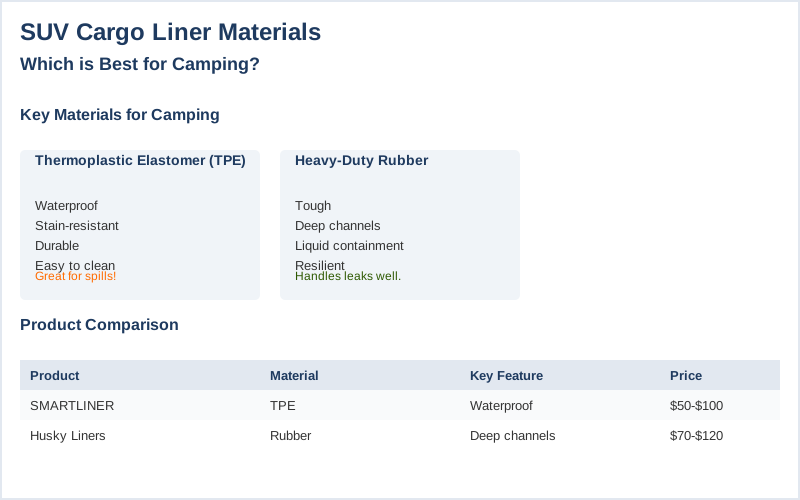
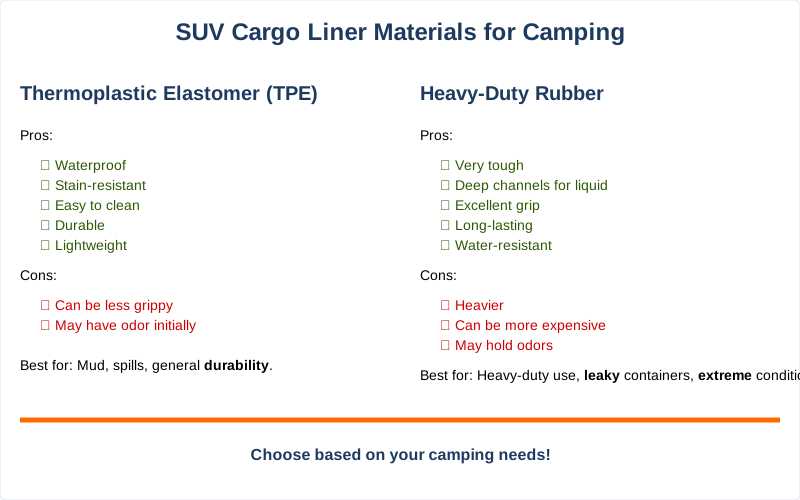
Look, the honest version is you need something that can take a beating and still clean up easy. Forget those flimsy carpet ones that soak up everything. The game-time players for your SUV's cargo area are made from thermoplastic elastomer (TPE) or heavy-duty rubber.
I learned this the hard way hauling camping gear for a weekend in the Poconos. My cheap, generic liner turned into a soggy mess after a rainstorm, and that water seeped right onto my car's carpet. The fix? A TPE liner. These things are practically indestructible. They're waterproof, stain-resistant, and can handle whatever you throw at them, from muddy boots to leaky coolers.
Brands like SMARTLINER use thermoplastic, which is great because it's completely waterproof and won't let spills seep through SMARTLINER's thermoplastic liners. Mine cleaned up with just a wet RAG after I accidentally knocked over a full water bottle. Brilliant engineering.
Then you have the rubber compounds. These are also tough as nails and often have deep channels to catch liquid. I saw a buddy's Husky Liners Weatherbeater™ liner handle a leaky gas can without batting an eye Husky Liners Weatherbeater™ Cargo Liner. That's the kind of real-world protection you need.
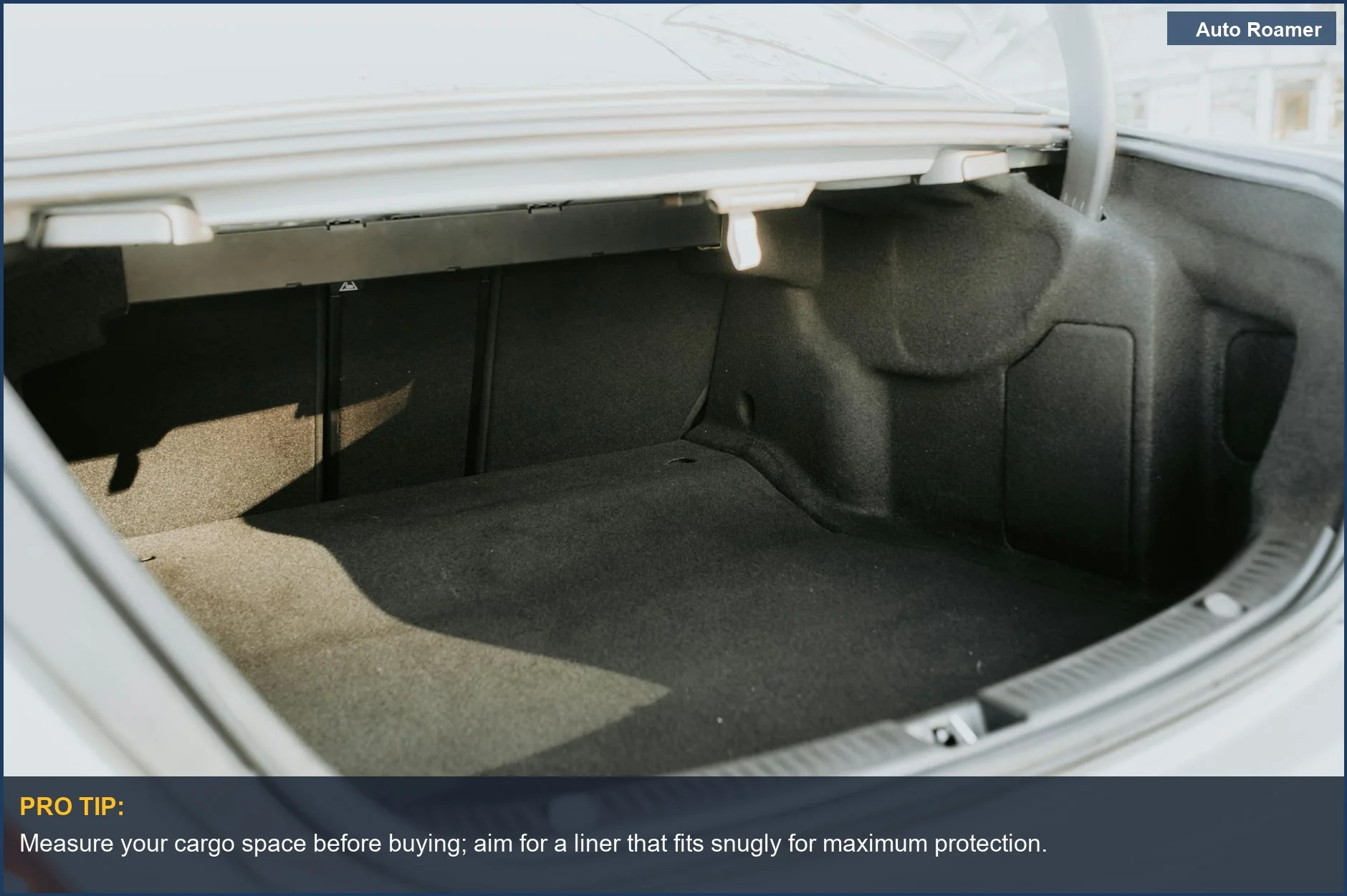
What nobody tells beginners is that 'custom-fit' is worth the extra few bucks. A universal liner might seem like a $50 version of a good idea, but it'll leave gaps. I tried a universal one once, and it bunched up, letting dirt get under it. A custom-fit liner hugs your cargo space like a glove, preventing anything from sneaking underneath. It's the difference between a clean trunk and a constant battle with grime.
So, the real move is to look for TPE or heavy-duty rubber, and make sure it's a custom fit for your specific SUV. It's not rocket science, but it is the difference between a car that smells like a gym locker and one that stays relatively clean, trip after trip. You can find decent ones for around $70-$150 depending on your vehicle Amazon Best Sellers: Best Cargo Liners.
Why This Matters for Your Setup
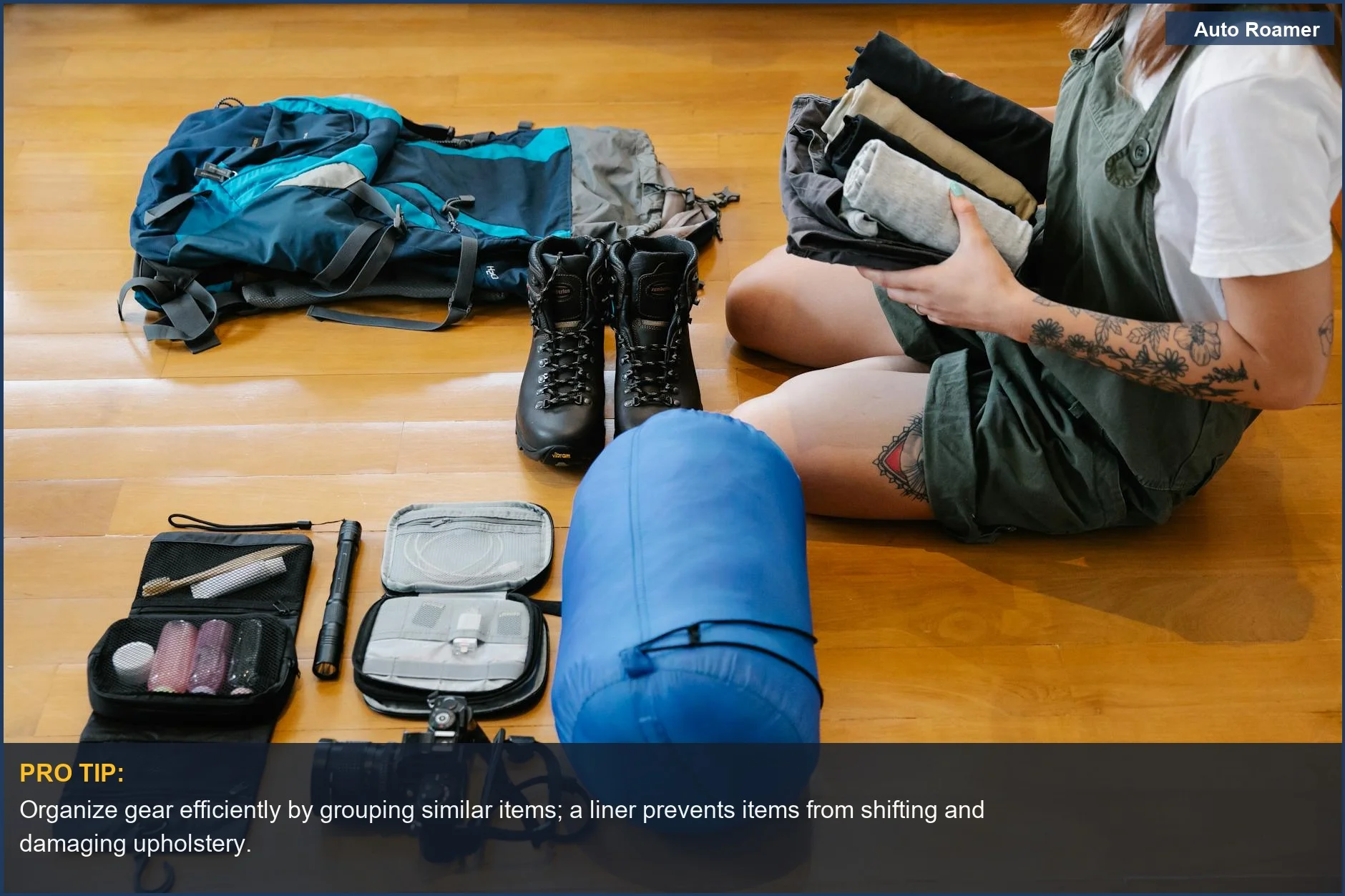
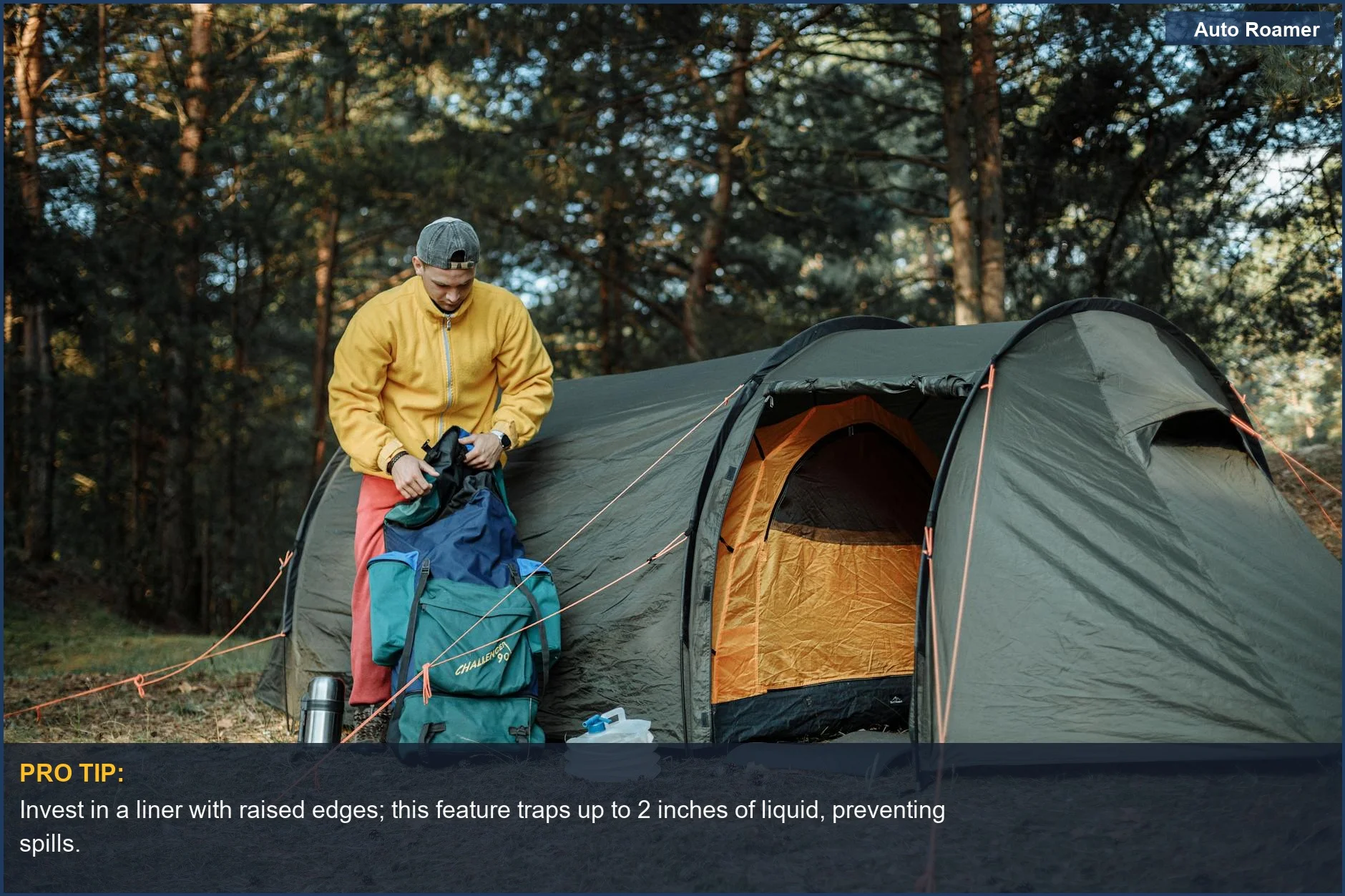
When you're packing for a weekend camping trip, your cargo area becomes the holding zone for everything. Think sleeping bags, coolers, tents, and maybe even a dog that just rolled in something questionable. Without a good liner, all that dirt, moisture, and potential spills are going directly onto your car's carpet.
- Muddy Boots: After a hike in the rain, your boots are going to be caked. A waterproof TPE or rubber liner means that mud stays contained. You can just pull the liner out and hose it off. My first trip, I just threw my muddy boots on the bare carpet. Rookie mistake. Took hours to scrub out.
- Spilled Drinks/Food: coolers can leak, and drinks can spill. I once had a whole gallon of water slosh out of my cooler onto my trunk floor. The liner caught it all. It was a $12 fix to avoid a $100 detail job. Hatchbag mentions preventing water damage, and they aren't kidding.
- Pet Hair: If you have a furry co-pilot, their fur is going to go everywhere. A smooth, non-porous liner makes vacuuming up pet hair a breeze. Trying to get dog hair out of car carpet is a special kind of torture.
- Gear Scratches: Sharp edges on gear, like tent poles or recovery tools, can scratch your car's interior. A durable liner provides a protective barrier. It's like giving your trunk a suit of armor.
- Resale Value: Keeping your cargo area pristine with a liner can seriously boost your car's resale value down the line. Nobody wants to buy a car that looks like it's been used to haul lumber all its life Beyond the Trunk: Finding the Perfect Cargo Liner for Your SUV.
Making the Right Choice
So, what's the verdict for your weekend warrior setup? Stick with the materials that are built to last. TPE and heavy-duty rubber are your best friends for keeping your SUV's cargo area clean and protected.
- Prioritize Waterproof: This is non-negotiable. Spills happen, and you don't want them turning into permanent stains or mold 100% Waterproof Material.
- Custom Fit is Key: Don't mess around with universal liners. Get one made for your specific vehicle. It makes a huge difference in containment and overall protection.
- Easy Cleaning: You want to be able to hose it off or wipe it down quickly. The last thing you need after a muddy trip is a complicated cleaning process.
- Consider the Price: While you can find cheap liners, they often don't perform. Investing around $70-$150 for a good TPE or rubber liner is a small price to pay for the peace of mind and protection it offers. Think of it as an investment in your car's longevity and your camping sanity.
This isn't just about keeping your car looking nice; it's about making your camping trips smoother. A clean, protected cargo area means less stress when you're loading and unloading gear Cargo Mat: What Makes a Good One? 7 Must-Have Qualities.