
First, the Basics
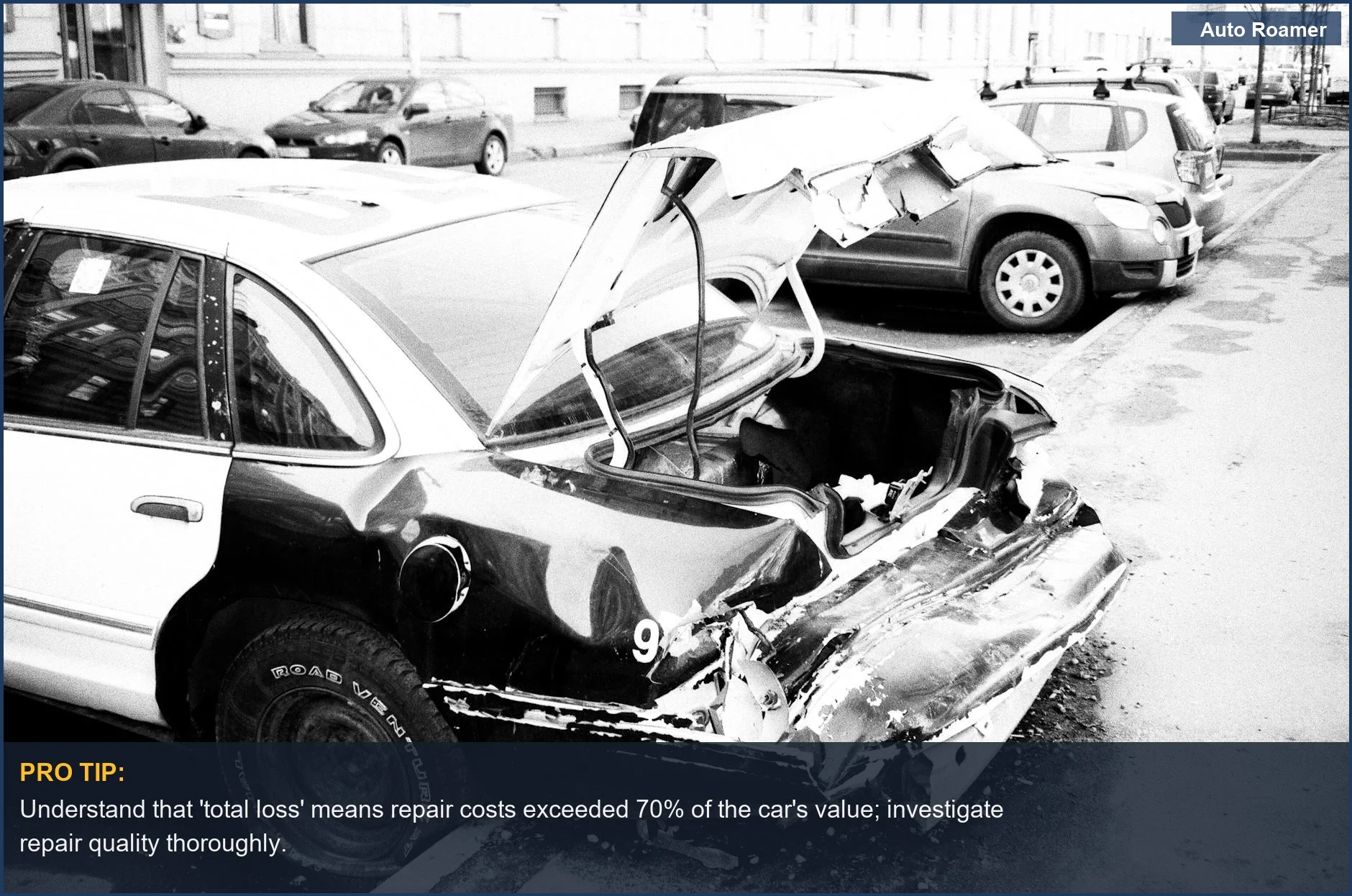
The dealer wanted $7,000 for a used camper van, but a salvage title version of the same model was listed for $3,500. Half price. Sounds great until you realize that 3,500 bucks is just the down payment on a mechanical nightmare. A salvage title means the insurance company wrote it off as a total loss. Source: Dirt Legal.
This isn't just cosmetic damage; it's a vehicle with underlying structural or electrical integrity issues that will cost you more than you saved.
The Short Answer
That 'bargain' salvage title often hides deferred maintenance and shoddy fixes. When a vehicle gets branded salvage, it's because the repair cost exceeded a certain percentage of its market value - typically 75% or more. This isn't just a scratch; it's significant structural deformation, widespread thermal damage, or pervasive fluid intrusion. Source: Dirt Legal.
Flood damage, for instance, introduces electrolytic corrosion to every electrical connector and sensor. Water ingress into wiring harnesses causes impedance changes and short circuits that manifest years later as intermittent power losses or sensor failures. You'll chase phantom electrical gremlins for months. That's a 10mm wrench and a multimeter in your future.
Collision damage can introduce permanent deformation to the unibody or frame. Even if 'repaired,' the material's yield strength might be compromised, leading to reduced torsional rigidity. This means accelerated fatigue crack propagation under dynamic loading, especially on rough roads. Your suspension geometry will never be quite right.
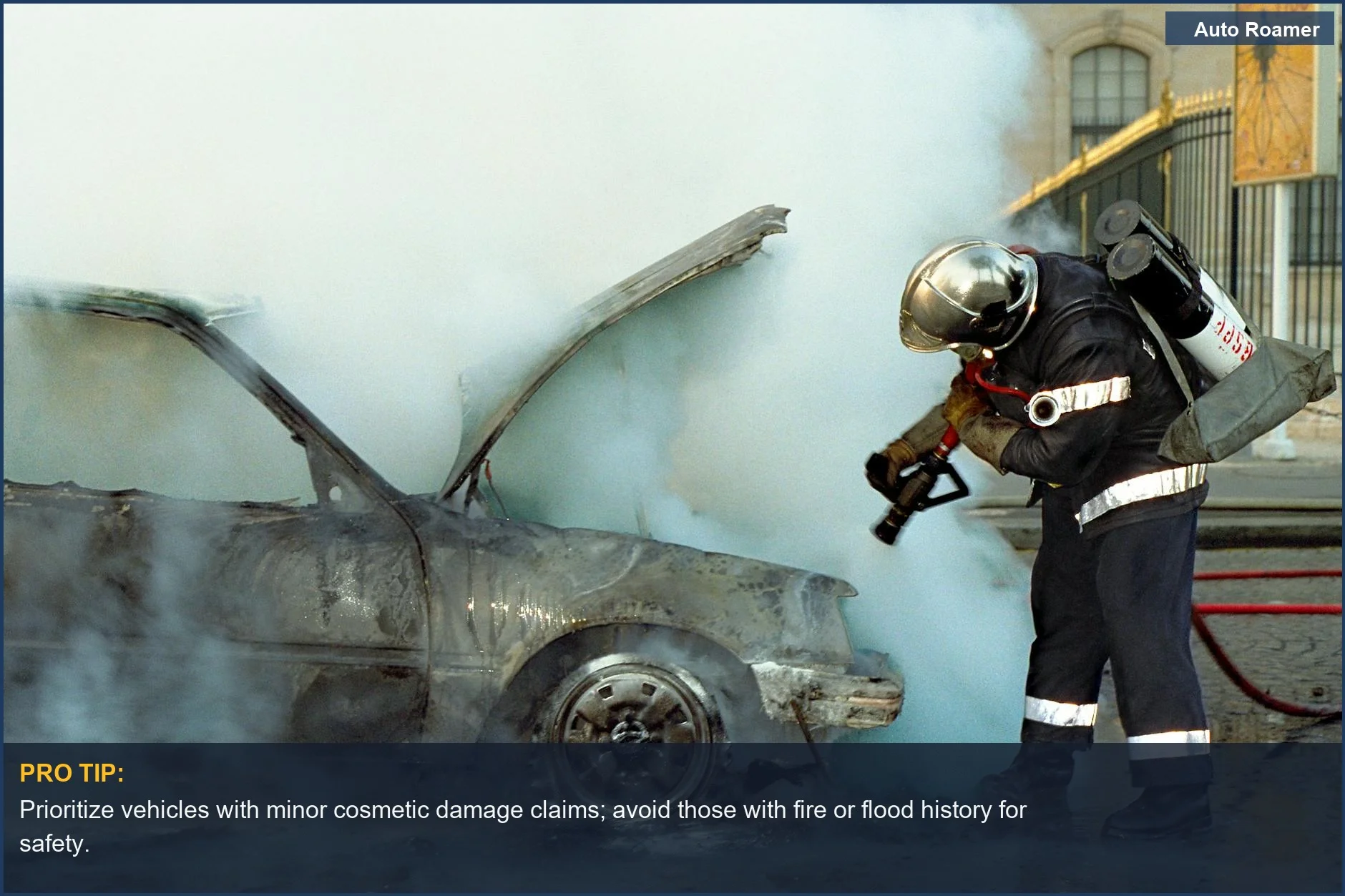
Fire damage? That's thermal cycling on every component. Wiring insulation becomes brittle, plastic components outgas and lose tensile strength, and metal parts can experience localized annealing or embrittlement. You'll see increased electrical resistance, leading to heat buildup and increased failure-rate on sensitive electronics. It's a ticking time bomb.
Vandalism often means broken glass, ripped interior, and sometimes drilled fuel tanks or slashed tires. While seemingly cosmetic, a lot of vandalism vehicles sit outside, exposed to the elements, for months before repair. That's extended UV degradation on rubber seals and interior fabrics, leading to premature dry rot and leaks. Source: Roadtreking Facebook Group. Just brilliant.
The Reality Check
When you're looking at a salvage title, you're not just buying a vehicle; you're buying a history of failure. The specific failure mode determines your future pain. Hail damage might seem minor, but if it's severe enough to total a vehicle, it means thousands of micro-fractures in the exterior coatings and seals. Source: Reddit r/traveltrailers.
That leads to accelerated UV degradation and water intrusion through compromised sealant lines. Rust. Mold. The whole shebang. A 'repaired' hail damage vehicle might look fine, but the long-term structural integrity of the roof and body panels could be compromised. You'll be chasing leaks for years.
Source: Oreate AI Blog. Some states demand extensive inspections before re-titling a salvage vehicle. This is because they know the game. They want to ensure the primary safety systems haven't been zip-tied back together.
| Component | How It Fails | Symptoms | Fix Cost |
|---|---|---|---|
| Electrical System | Electrolytic corrosion, impedance changes from water intrusion. | Intermittent sensor faults, parasitic draw, non-functional accessories. | $800 - $3,000+ (diagnosis included) |
| Frame/Unibody | Yield strength exceeded, permanent deformation, fatigue crack initiation. | Poor alignment, uneven tire wear, compromised crash safety, door gaps. | $2,500 - $10,000+ (frame jig labor) |
| HVAC System | Mold growth, corrosion of evaporator fins, failed blower motor bearings. | Foul odor (wet socks), reduced airflow, noisy operation. | $300 - $1,500 (evaporator core replacement) |
| Suspension Mounts | Shear failure, bolt clamp load loss, bushing degradation from impact. | Clunking noises, unstable handling, accelerated tire wear. | $400 - $1,200 (per axle, includes alignment) |
Consider a salvage title 2017 Ford Explorer sold as 'hail damage' only. The rear suspension toe links fractured two months later. common-car-camping-vehicle-recalls-to-check. That's a fatigue failure mode, not hail. The dealer wanted $800 to replace a $50 part. Brilliant engineering.
Financing is also a nightmare. Most lenders shy away from salvage titles because the collateral value is uncertain. Good luck getting a loan for a vehicle that's already been written off as a financial liability. You'll be paying cash, or not at all. Source: CBAC. Apparently 'premium' means the same garbage with a nicer label.
How to Handle This
Don't be a hero. Before you even think about handing over cash for a salvage title vehicle, do your homework. This isn't a 30-second fix with needle-nose pliers.
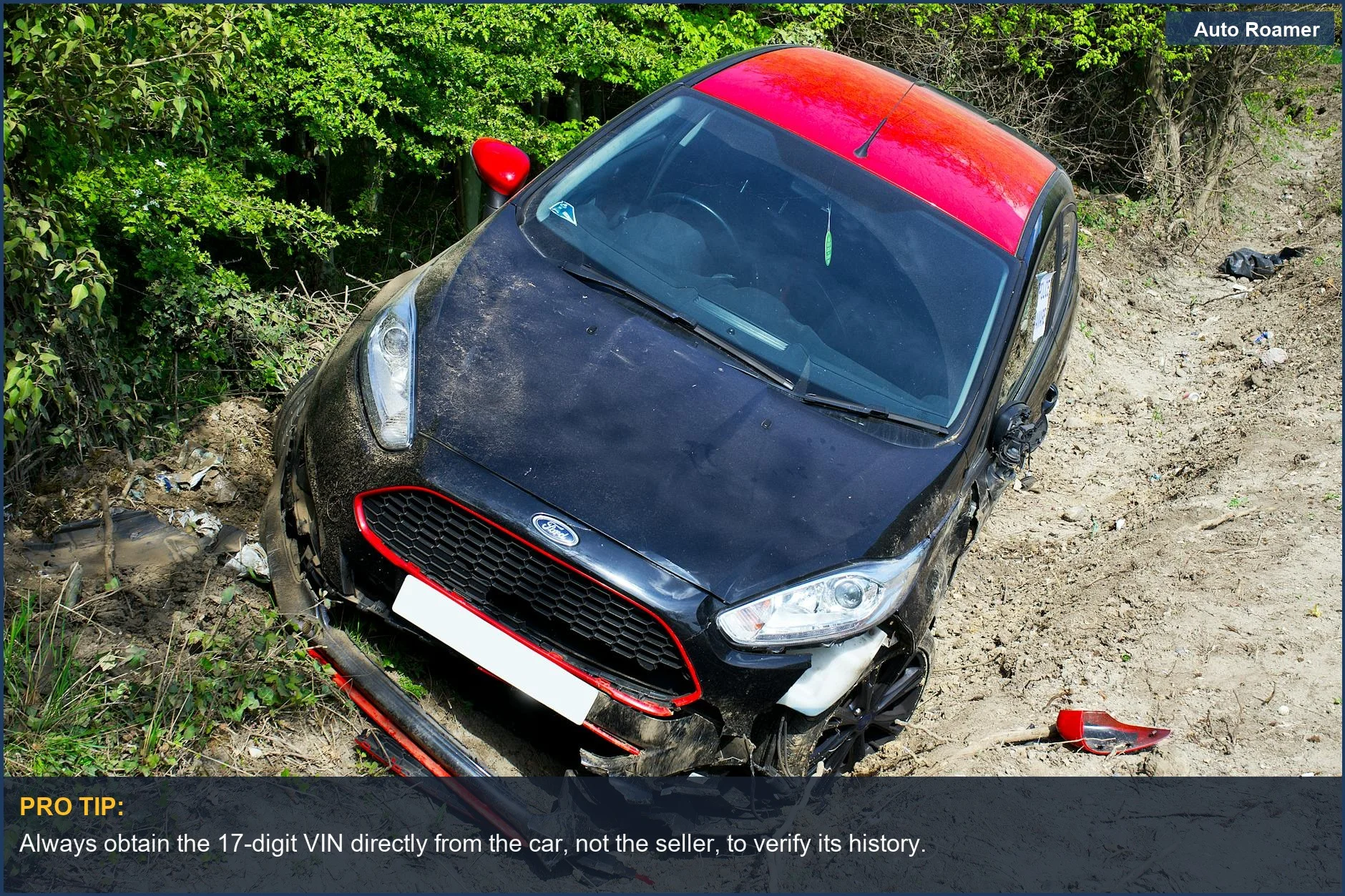
- Locate the 17-digit VIN. It's on the dash, driver's side door jamb, or registration. Don't rely on the seller's word. Precision matters here. Write it down. Double-check it. common-car-camping-vehicle-recalls-to-check.
- Run a comprehensive VIN check. Use services like Carfax or AutoCheck. These reports detail the vehicle's history, including accident records, flood damage, and mileage discrepancies. If the odometer has been rolled back, a good VIN check will expose it. Source: Facebook Group.
- Inspect the vehicle in person, thoroughly. This means crawling underneath with a flashlight. Look for obvious signs of structural repair: uneven welds, fresh undercoating applied over rust, or mismatched paint on frame components. Check door and panel gaps for consistency. Inconsistent gaps indicate frame deformation.
- Bring a magnet. Body filler is non-magnetic. Run a strong magnet over all body panels. If it doesn't stick, there's a thick layer of filler hiding damage. This could mean extensive collision repair that was never fully disclosed.
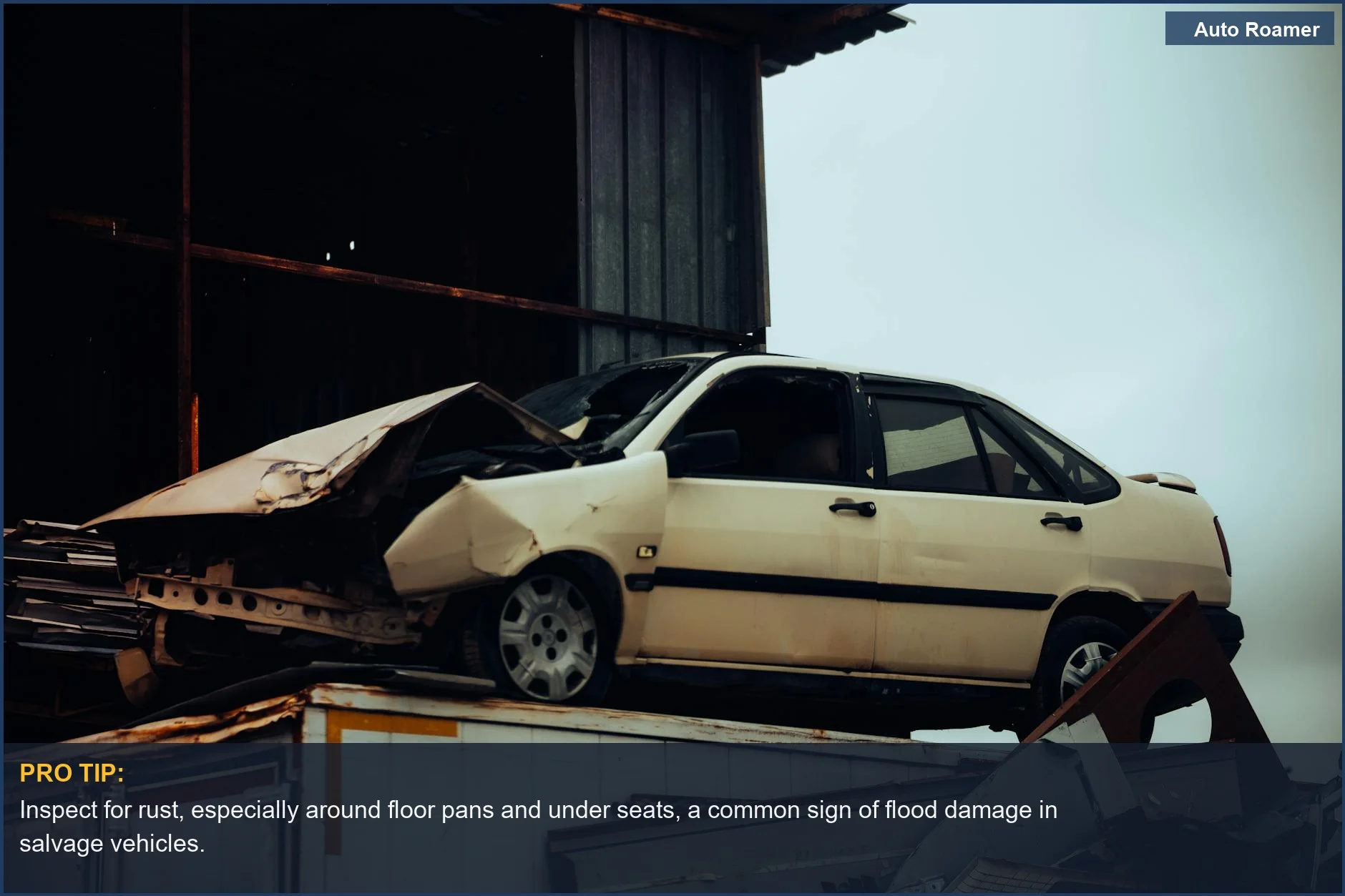
- Look for signs of water damage. Check under carpets for mold, rust on seat mounting bolts, or water lines on interior trim. Pull out the spare tire and check the well for standing water or rust. Water damage is insidious; it never truly goes away. Source: Roadtreking Facebook Group.
- Get a pre-purchase inspection (PPI) from an independent mechanic. Not the seller's buddy. Pay the $150-$250 for a professional to inspect it. They'll put it on a lift and check for frame damage, suspension issues, and fluid leaks that you might miss. This is non-negotiable for a salvage title vehicle. Ask them to focus on the area of reported damage, if known.
- Verify the repair documentation. If the seller claims it was professionally repaired, ask for receipts, photos, and any inspection certificates. Cross-reference part numbers and labor hours. Sketchy documentation means sketchy repairs. If they can't provide it, walk away. There's no point in guessing at the repair quality.
What This Looks Like in Practice
A 2015 Sprinter van with a salvage title might be advertised for $18,000 - about $10,000 less than market. The VIN check showed it was flood-damaged. The seller claimed 'minor water intrusion.' Pulling the passenger seat can reveal rust on the floor pan bolts and a faint mildew smell from the HVAC ducts. That's not minor; that's electrolytic corrosion waiting to happen in the CAN bus system. A cheap adapter will wobble, arc, and pop a fuse.
Another guy bought a salvage title travel trailer, 'hail damage' only. He saved $4,000 upfront. Six months later, during a heavy rain, the roof leaked in three places. The 'repair' was just Bondo and paint over cracked sealant. The interior paneling was delaminating. That's a structural integrity issue from repeated thermal cycling, not just cosmetic.
One buyer found a Honda Element, salvage title, due to 'vandalism.' The entire side was keyed, and the interior was trashed. He spent $1,500 on paint and interior parts. Then, a year later, the engine developed a misfire. Turns out, the fuel lines had been cut and poorly patched, leading to fuel pressure loss and injector issues. Cost him $1,200 for proper fuel line replacement and injector cleaning.
Take a 2018 Accord, salvage title, supposedly from a 'fender bender.' The front bumper and fender were new, but the headlight housing was aftermarket and poorly aimed. A quick check revealed the radiator support was bent 5mm off-center. That's frame damage. The cooling system was stressed, leading to higher operating temperatures. You don't want a radiator failing on a long trip. Source: Car and Driver.
Mistakes That Cost People
| Mistake | Why It Costs You | Diagnostic Tip |
|---|---|---|
| Ignoring the original damage cause. | Assumes 'repaired' means 'fixed.' Flood damage always leaves electrical gremlins. Collision impacts structural integrity. | Always get a detailed VIN report. What caused the salvage title matters more than the current appearance. |
| Skipping a pre-purchase inspection (PPI). | A professional mechanic identifies hidden structural damage, fluid leaks, and compromised components. You're not an expert. | Pay the $150-$250 for an independent mechanic. It's cheap insurance against a $5,000 headache. |
| Believing 'it's just cosmetic.' | 'Cosmetic' damage severe enough to total a vehicle often means underlying structural deformation or widespread component stress. | Look for uneven panel gaps, mismatched paint, or signs of body filler. Use a magnet. |
| Not checking for recalls. | Salvage vehicles might have outstanding recalls that were never addressed during repair, leading to safety hazards. | Use the NHTSA recall lookup tool with the VIN. Don't skip this. common-car-camping-vehicle-recalls-to-check. |
| Failing to account for insurance difficulties. | Many insurers won't provide full coverage for salvage title vehicles, leaving you exposed if there's another incident. | Call your insurance provider *before* buying. Get a quote. Understand your coverage limitations. |
| Underestimating re-registration requirements. | Some states demand extensive inspections to re-title a salvage vehicle, adding time, cost, and hassle. | Check your state's DMV regulations for re-titling salvage vehicles. Don't assume it's simple. |
| Ignoring signs of odometer rollback. | Mileage fraud is common on salvage vehicles to inflate value. You're buying more wear and tear than advertised. | Cross-reference odometer readings on service records and VIN reports. If they don't match, walk away. Source: Facebook Group. |
People cheap out on the upfront cost, thinking they're savvy. They end up paying double in repairs and lost time. Absolute scam.
Key Takeaways
Salvage title car camping vehicles are a gamble, plain and simple. You're looking for a bargain, but you're often buying someone else's headache, compounded by shoddy repairs and hidden damage. The risks far outweigh the initial savings.
- Understand the 'Total Loss' designation: A salvage title means the vehicle was deemed uneconomical to repair by an insurance company. This is a financial decision, not a statement on safety. Source: Dirt Legal.
- Hidden damage is the biggest threat: Flood, fire, and severe collision damage lead to long-term electrical, structural, and thermal degradation that is hard to diagnose and expensive to fix.
- Always verify with a VIN check and PPI: Spend the $200 for a detailed history report and an independent mechanic's inspection. This is your only defense against undisclosed issues. common-car-camping-vehicle-recalls-to-check.
- Insurance and financing will be difficult: Expect limited coverage options and difficulty securing loans for salvage title vehicles. Factor this into your true cost of ownership.
- Resale value is almost non-existent: You'll have a hard time selling it when you're done. The 'salvage' brand is permanent.
The bottom line? Unless you're a certified mechanic with a fully equipped shop and a lot of free time, walk away. Your peace of mind is worth more than a few thousand bucks.