
Safety Features to Look For in a Dual USB Car Charger
If your phone battery is constantly flashing red and you're not near a wall outlet, a dual USB car charger has become as essential as a working turn signal Auto USB Charger Guide 2025 . The wrong one can leave you stranded with a dead phone, or worse, fry your electronics.
If your phone battery is constantly flashing red and you're not near a wall outlet, a dual USB car charger has become as essential as a working turn signal Auto USB Charger Guide 2025. The wrong one can leave you stranded with a dead phone, or worse, fry your electronics. I learned this the hard way on a road trip to the Outer Banks when my cheap charger made my phone overheat and shut down.
I had to pull over every hour to let it cool off. That was a rookie mistake I don't plan on repeating. The real move is to understand what makes a charger safe before you plug it in.
The Core Answer
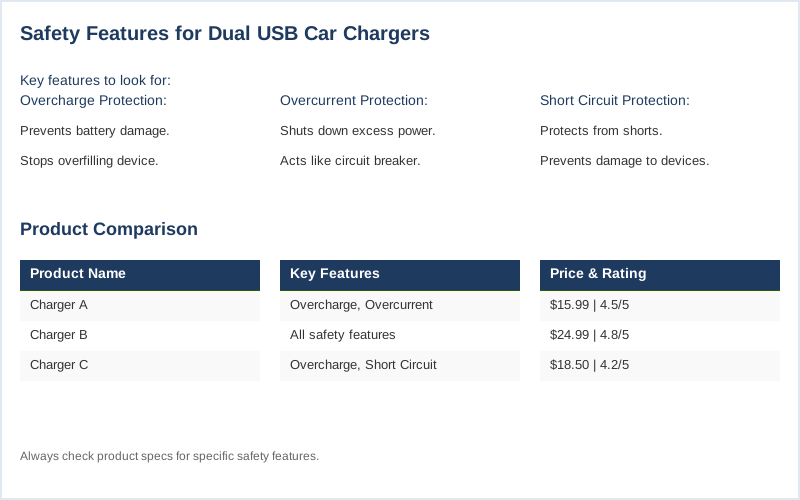
Look, nobody wants to buy a charger and have it blow up their car's cigarette lighter socket. I've seen forum posts about that, and it's not a fun time. The honest version is that most chargers are pretty safe these days, but there are a few safety features that separate the decent ones from the ones that might turn your phone into a paperweight Car Charging Safety. You want something with overcharge protection. This stops the charger from pumping too much juice into your device once it's full, preventing battery damage. It's like trying to fill a glass of water with a fire hose - messy and not effective. My first charger didn't have this, and my phone's battery life tanked in about six months. The real move is to get one that communicates with your device. Overcurrent protection is another big one. If your device tries to draw more power than the charger can safely provide, this feature shuts things down before any damage happens. Think of it as a circuit breaker for your phone. I once plugged in a tablet that demanded way more power than my old charger could handle. The charger got hot, but it didn't fry itself or the tablet, thanks to that protection. Short circuit protection is also critical. If something goes wrong internally, or if you accidentally short the pins on the charger, this prevents a massive surge of power that could damage your car's electrical system or your device Car Charger Ultimate Guide. I haven't personally screwed this up, but I've read enough horror stories to know it's not worth the risk. Temperature monitoring is less common on the cheap ones, but it's a good indicator of a higher-quality charger. If the charger gets too hot, it'll throttle back or shut off. This is especially important in the summer when your car's interior can feel like a pizza oven. My phone has shut down from heat before, and I don't want my charger adding to that problem. What nobody tells beginners is that certifications matter. Look for stamps like UL or CE Quora. These mean the product has been tested to meet certain safety standards. It's like getting a stamp of approval from the grown-ups. The $50 version usually has these, while the $5 ones are basically a gamble.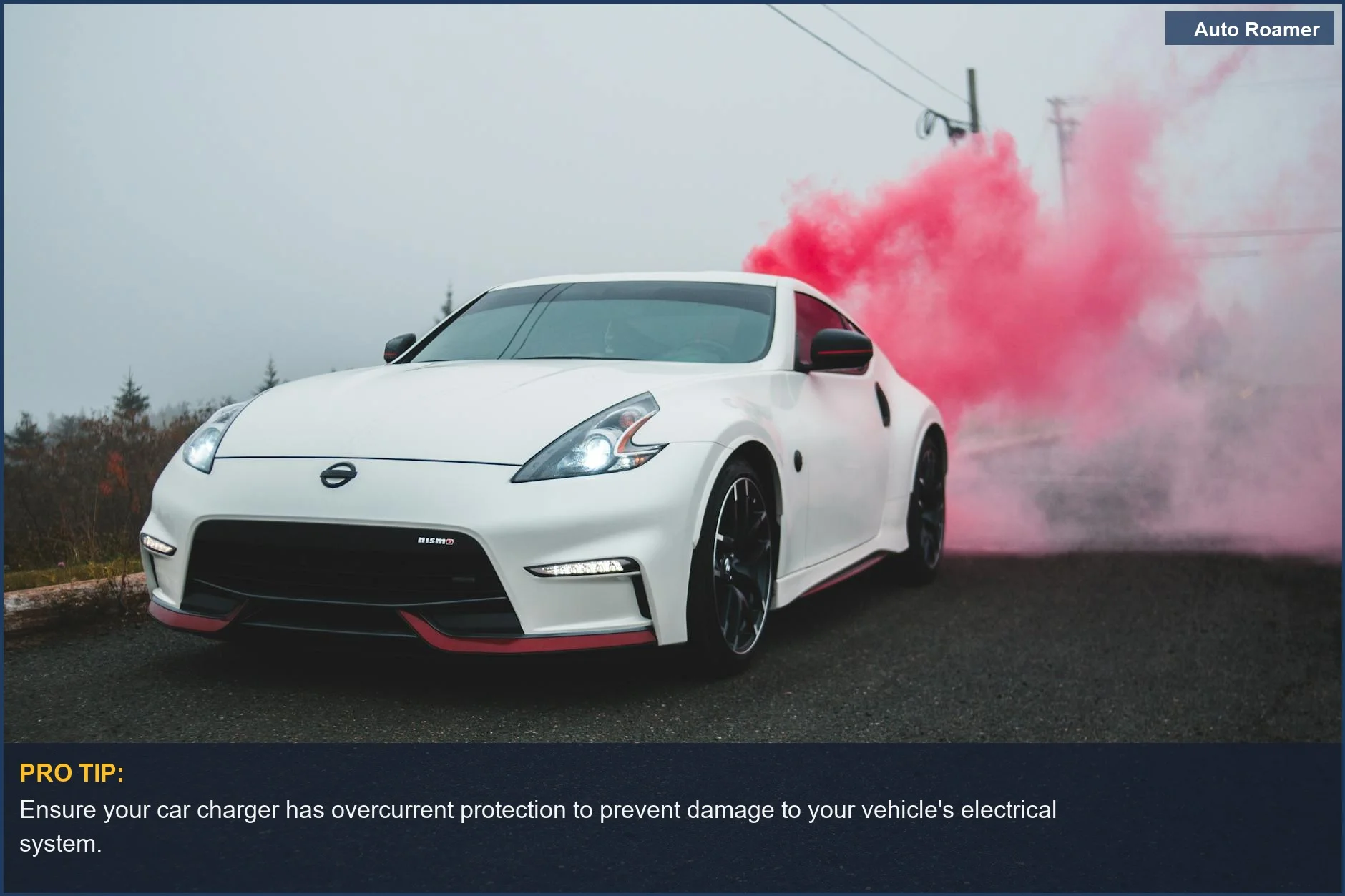
The Bottom Line
The bottom line is you don't need to be an electrical engineer to pick a decent car charger. Just look for the safety features I mentioned: overcharge, overcurrent, and short circuit protection. These aren't fancy bells and whistles; they're the basic building blocks of a charger that won't try to set your car on fire USB Chargers | Electrical Safety First. My first charger cost me $7, and it lasted about six months before my phone started acting weird. My current one, which has all the safety bits, cost me $25 and has been working flawlessly for two years. You can spend $10 or $100, but make sure those core safety features are there. It's the difference between a tool and a potential hazard. Game-time decisions for your electronics depend on it.
Frequently Asked Questions
Okay, so I see some chargers are like $5 and others are $30. Is it really worth spending an extra $25 on a 'safe' charger, or am I just paying for a fancy brand name?
Do I need one of those fancy testers to check if my car's cigarette lighter socket is even wired correctly before I plug in a charger?
What if I buy a charger with all those safety features, and my phone still gets really hot while charging?
Can using a cheap, unprotected car charger permanently damage my car's battery or electrical system?
I heard that newer cars have USB ports built-in, so I don't need a separate charger. Is that true?
🏅 Looking for Gear Recommendations?
Check out our tested gear guides for products that work with this setup: