The thesis: most people are buying the wrong tent
Rooftop tents are the most Instagrammed, most aspirational purchase in car camping — and for the vast majority of people who buy one, they're the wrong call. That's the honest, against-the-grain take, and I'll defend it: unless you specifically need to be off the ground, a quality ground tent plus a great sleeping pad gives you more space, more comfort, and more money in your pocket than a $3,000 rooftop tent — by a wide margin.
This isn't a hot take for the sake of one. It's what the trade-offs actually say once you strip away the marketing. Rooftop tents solve real problems for a real but small subset of campers. For everyone else they're a heavy, expensive solution to a problem a $200 setup already solved. Let me show you the math and then tell you exactly when the rooftop tent IS the right buy — because sometimes it genuinely is.
Why the conventional rooftop-tent advice is usually wrong
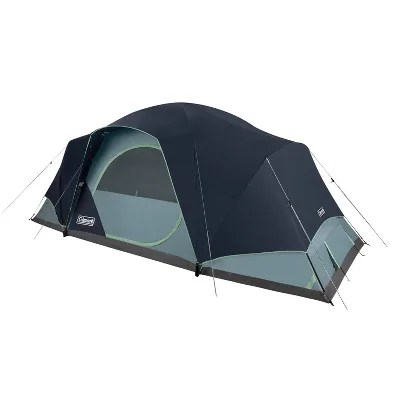
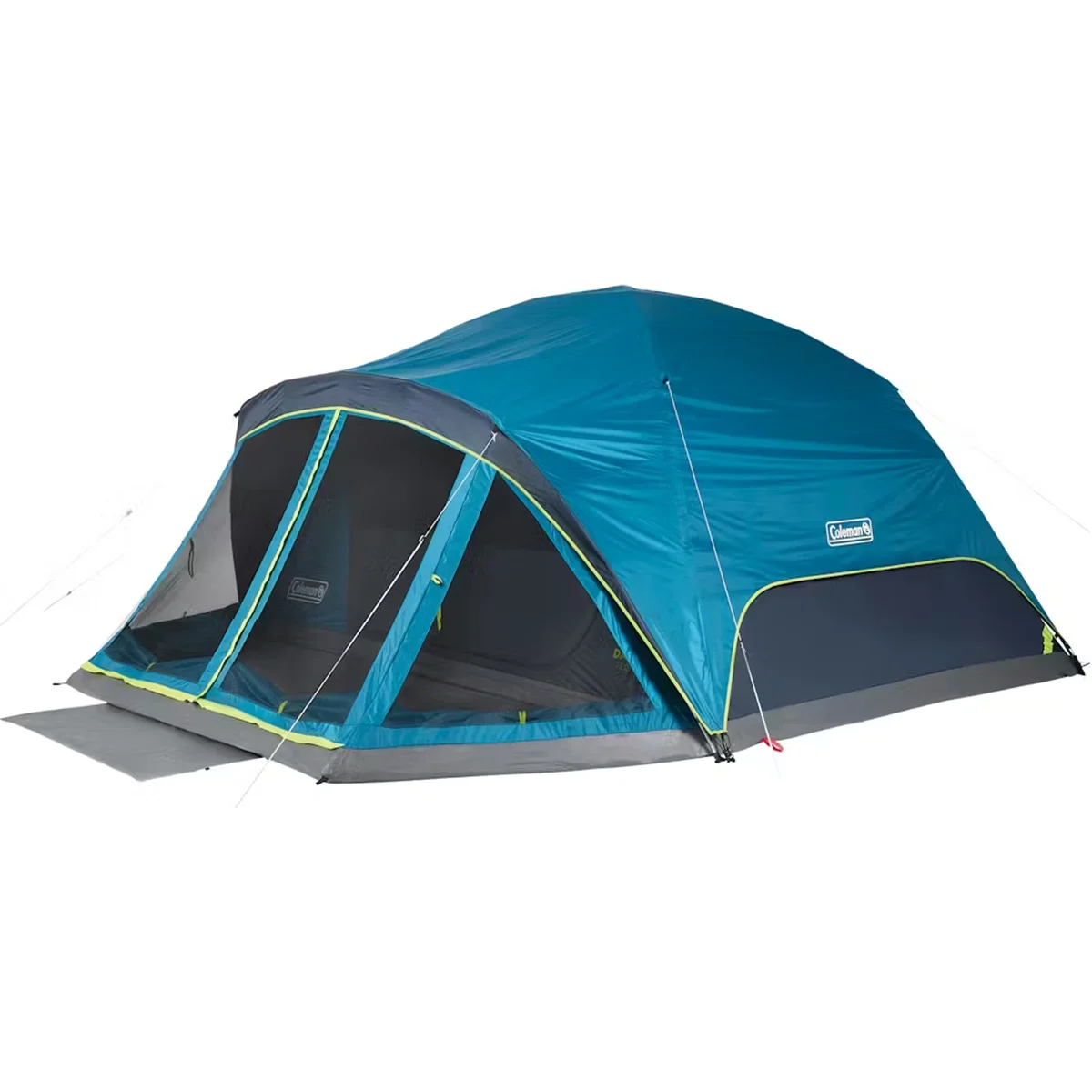
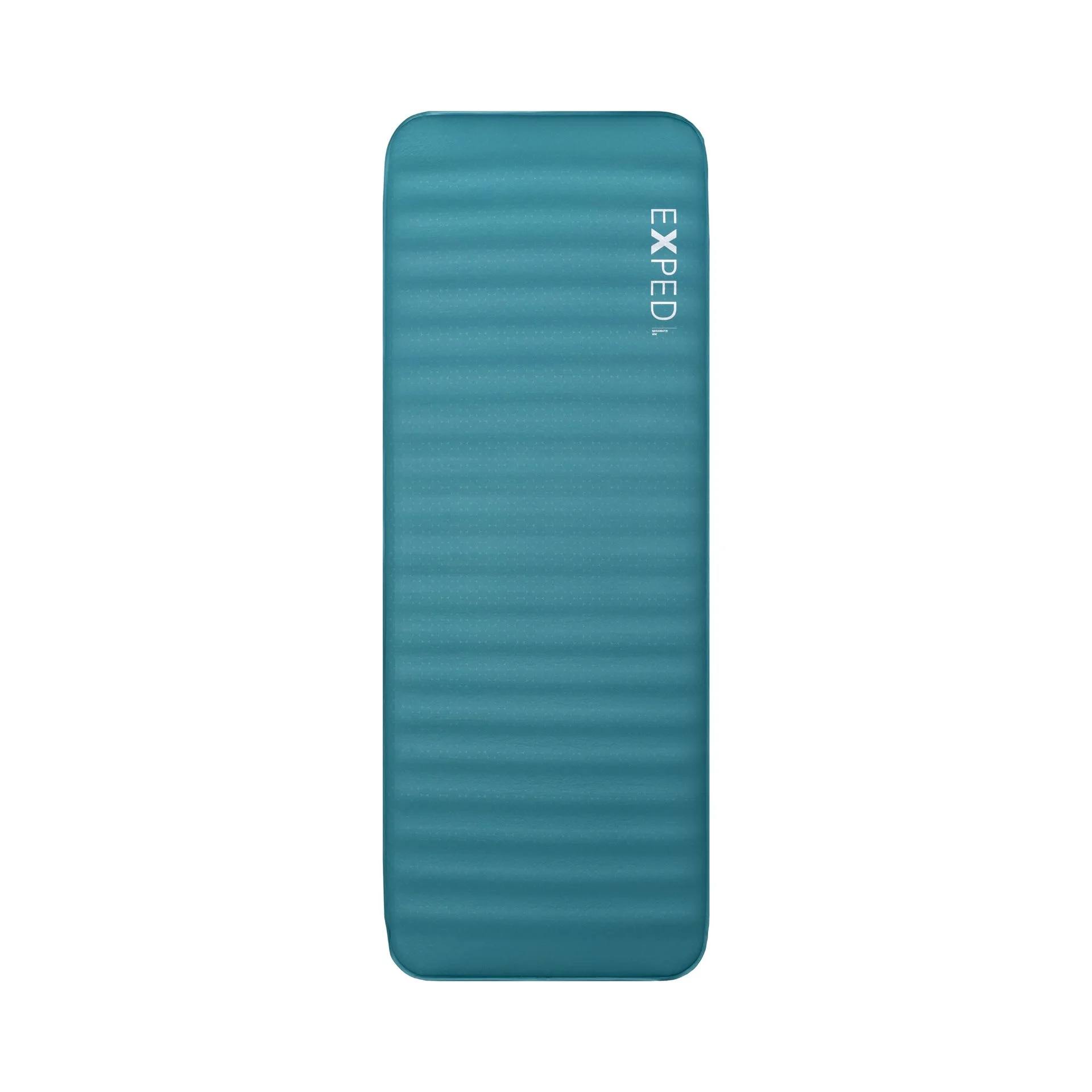
The standard pitch for a rooftop tent is comfort, setup speed, and camping on rough ground. Examine each honestly. Comfort: the supposed edge is sleeping on a built-in foam mattress instead of the hard ground — but a $230 Exped MegaMat in a ground tent is as comfortable as any rooftop tent's thin foam, for a tenth the price. Setup speed: a hardshell pops up in a minute, true — but a modern fast-pitch ground tent like the Coleman Skydome is up in two, and you don't have to break camp every time you want to drive to a trailhead.
That last point is the rooftop tent's dirty secret: your bedroom is attached to your car. Want to drive to dinner, a viewpoint, or the trailhead after you've set up? You're packing the whole tent first. A ground tent lets you leave camp standing and take the car. Add the real costs nobody mentions — the fuel economy hit, the wind noise, the awkward ladder climb at 2 a.m. to pee, the weight that may exceed a small SUV's roof rating, and the $2,000-$4,000 price — and the 'obvious upgrade' looks a lot more like a lateral move you paid a fortune for.
There's a subtler cost too: the rooftop tent quietly shrinks your range of campable places. You need a spot you can pull the whole vehicle into and level (you sleep on whatever angle the car sits at, since you can't level the tent independently), and you can't tuck the sleeping setup into a small flat clearing the way a ground tent lets you while the car parks elsewhere. On uneven or tight sites that's a real constraint. In wind, a tall tent on the roof catches every gust and transmits the rocking straight into your sleep — ground tents don't move like that. None of it is fatal, but it's the unglamorous reality behind the catalog photos.
The math, honestly
Let's put real numbers on it, because the price gap is the whole argument. A quality hardshell rooftop tent runs $2,000 to $4,000, and that's before the crossbars rated to carry it, which a lot of SUVs need to add. Call it $2,500 all-in for a sensible setup. The alternative — a roomy, weatherproof ground tent at $300-$500 plus a genuinely excellent self-inflating pad at around $230 — lands near $700, and you can stand up in the tent, leave it pitched while you drive, and pitch it where the car can't go.
That's roughly $1,800 of difference. Framed another way, the rooftop-tent premium would buy a season's worth of campground fees, a power station and a 12V fridge, or simply stay in your pocket. The comfort people imagine they're buying — a flat, cushioned, off-the-ground bed — is delivered almost entirely by that $230 pad, not by the $2,500 platform it sits on. Once you separate 'comfortable sleep' (a pad problem, cheaply solved) from 'off the ground' (the rooftop tent's actual unique benefit, useful only sometimes), the spending decision gets a lot clearer, and for most people it points firmly at the ground.
What to actually buy for most people
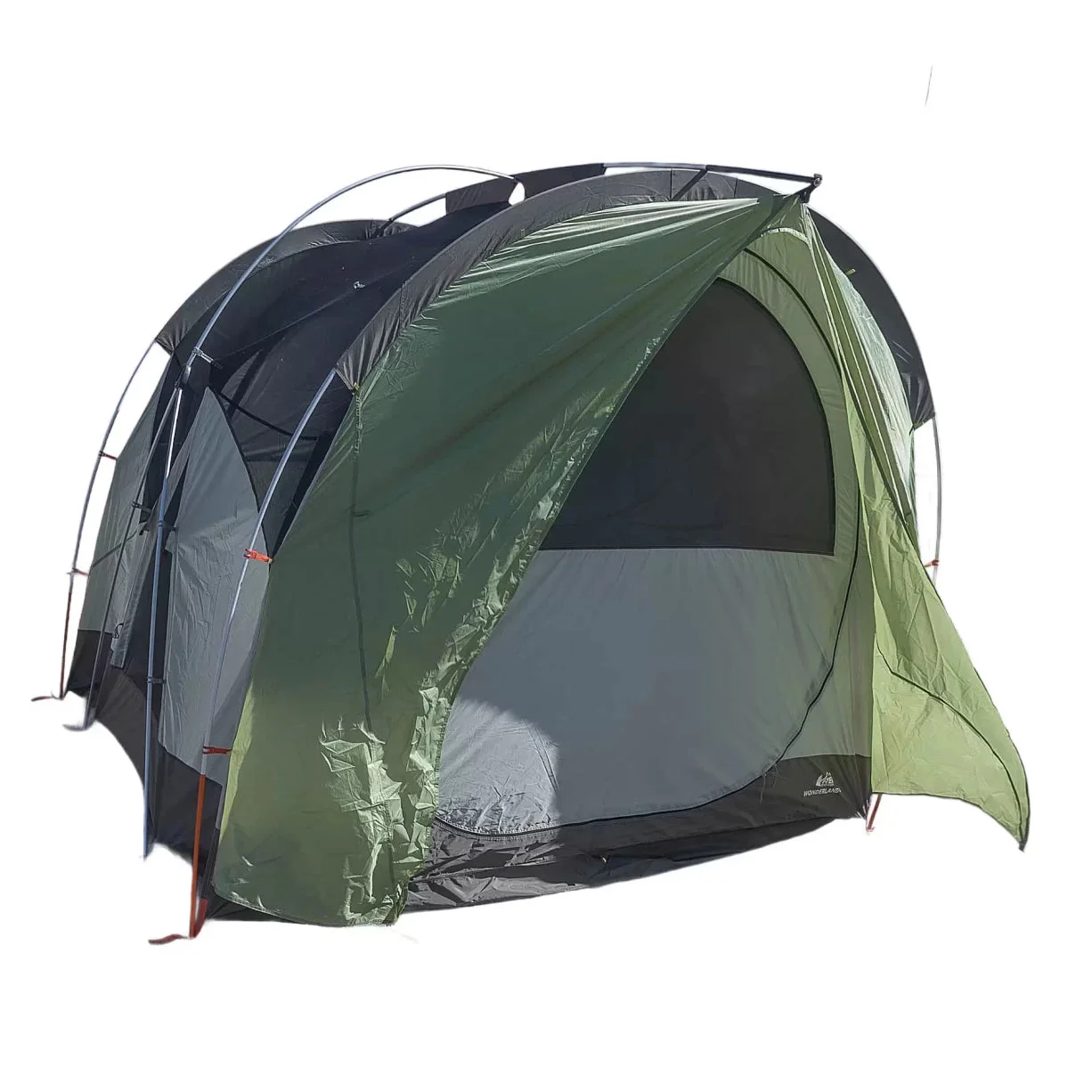
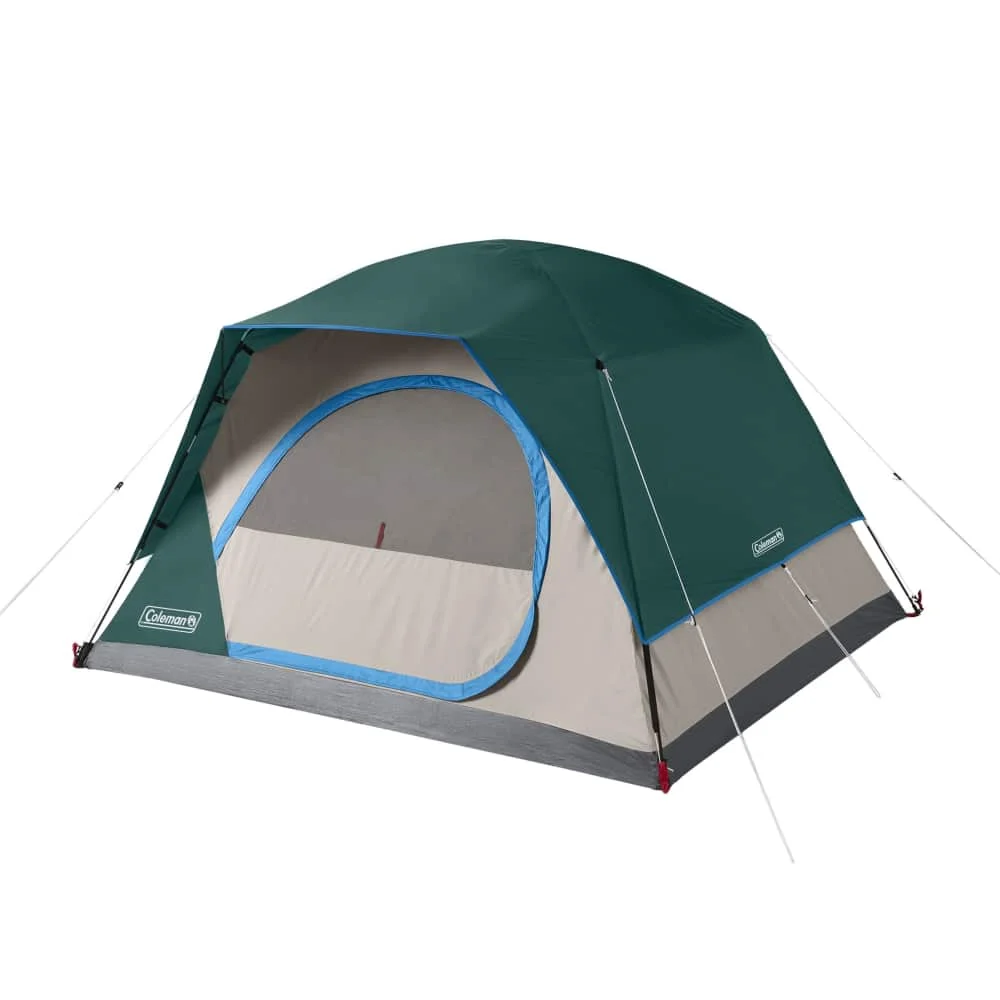
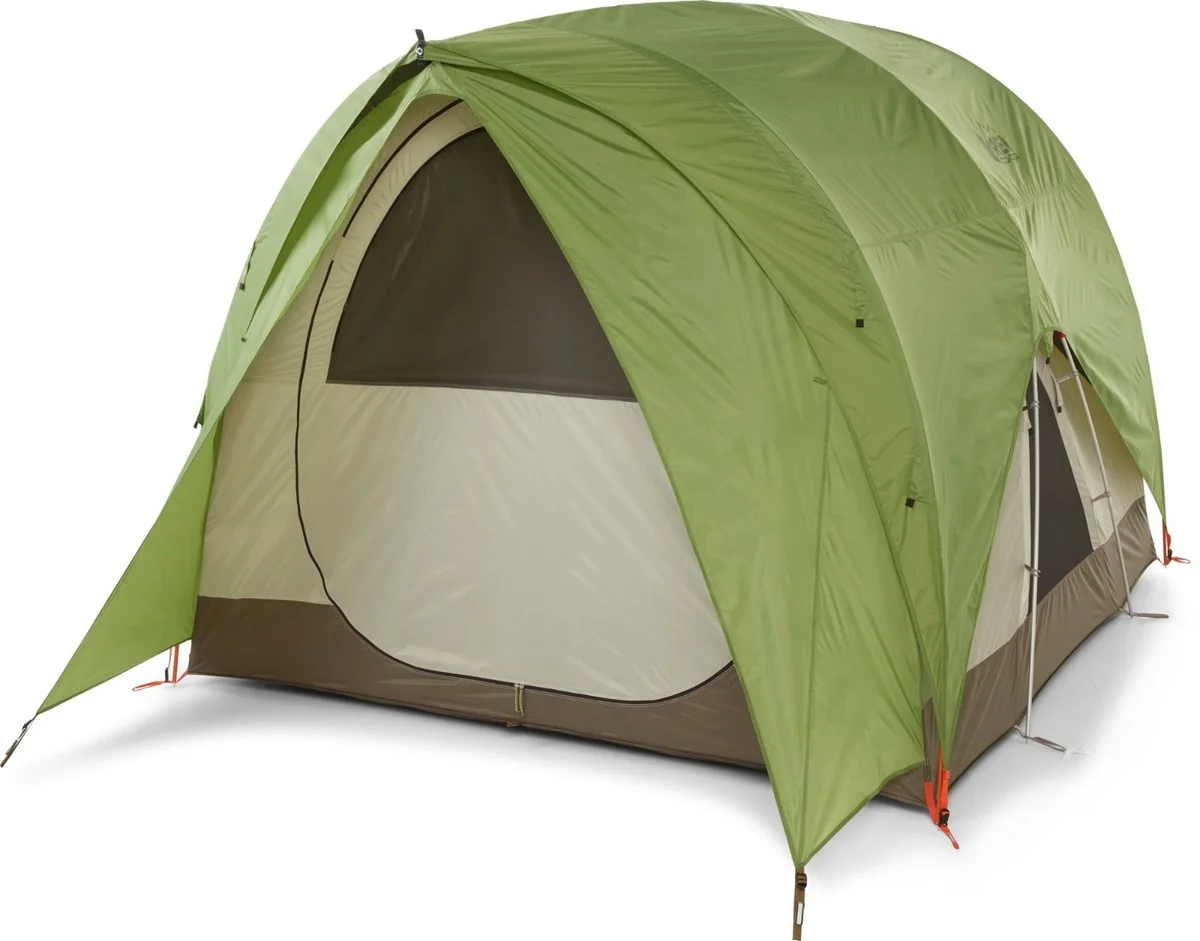
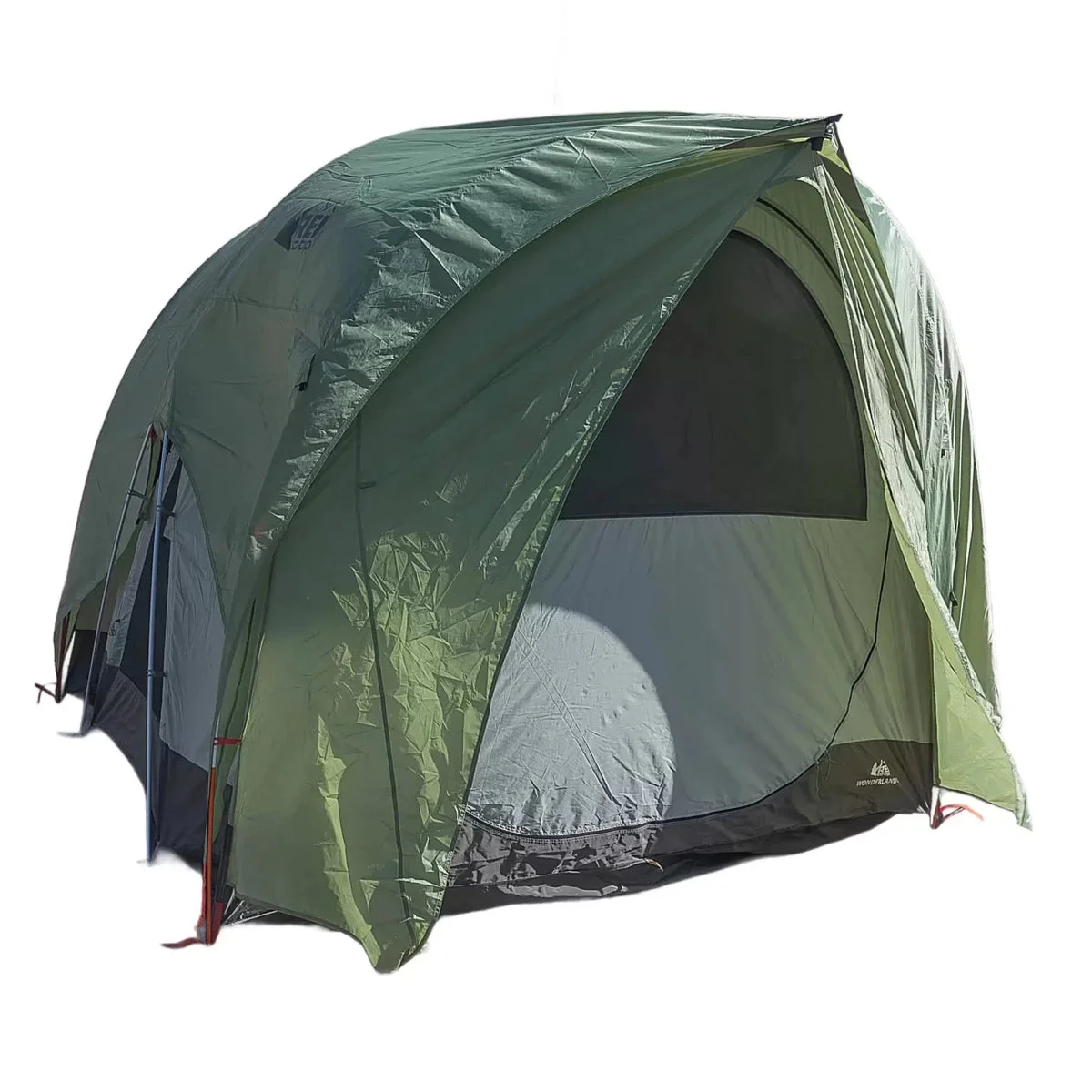
Given all that, here's where most car campers' money should go. A roomy, weatherproof ground tent like the REI Co-op Wonderland 4 gives two people palatial space and genuine weather protection for around $530 — and you can stand up in it, which no rooftop tent lets you do. On a budget, the Coleman Skydome sleeps a family, pitches fast, and costs less than a rooftop tent's mounting hardware. Both pitch in two to five minutes once you've done it twice — not the instant pop of a hardshell, but close enough that the difference rarely matters at a basecamp, and you keep the freedom to leave the tent standing and take the car.
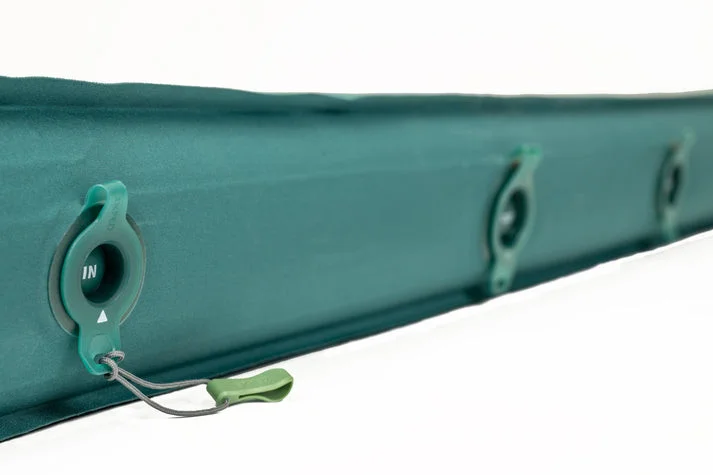
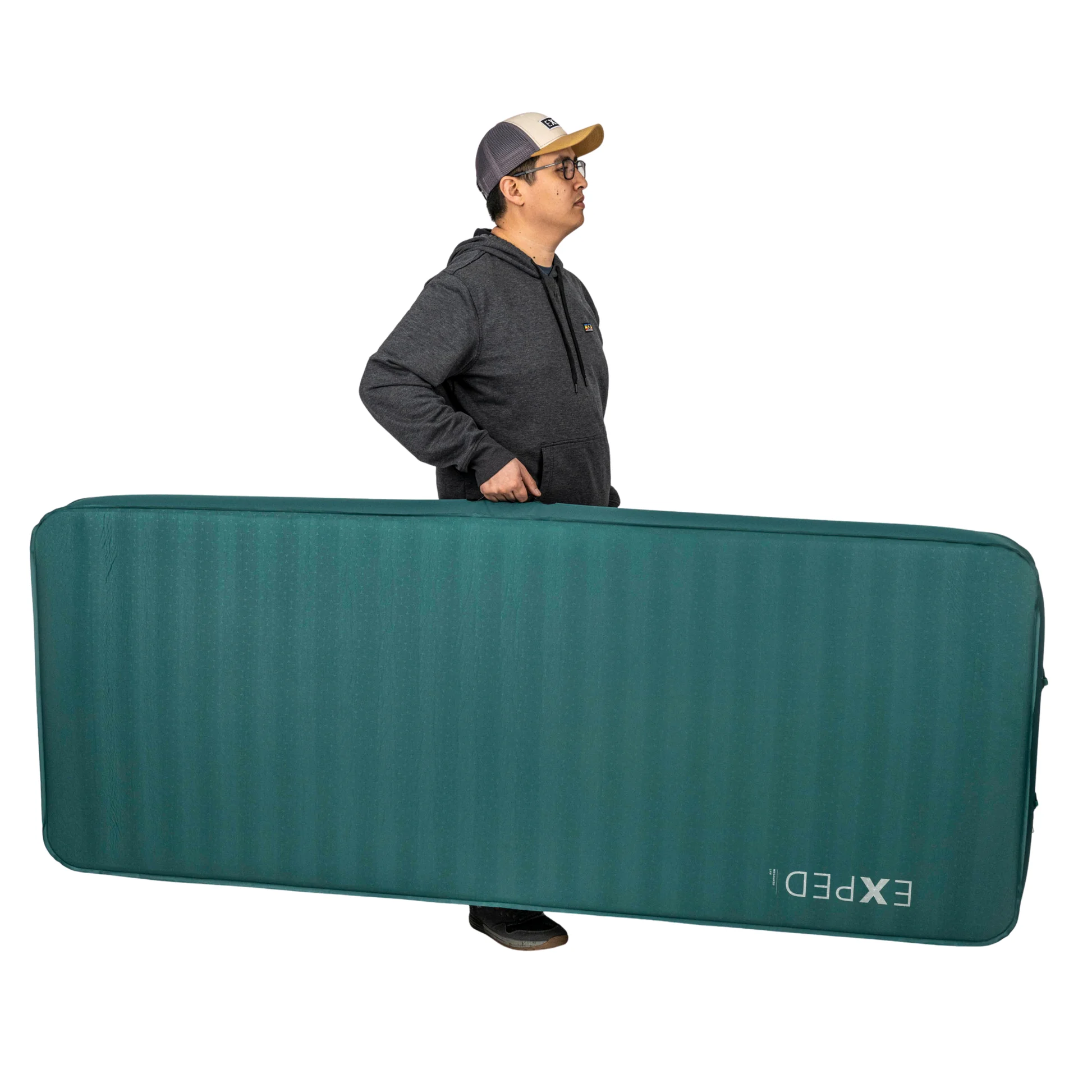
Then spend the comfort money where it counts: a Exped MegaMat self-inflating pad. This is the actual secret — the reason people think they need a rooftop tent is usually that they tried to sleep on a cheap thin pad and woke up sore. Fix the pad, not the tent. For well under $800 all-in you get more room, more comfort, the freedom to leave camp set up and drive away, and roughly $2,500 you didn't spend. That's the buy for most people, full stop.
If you want to close even more of the imagined gap, two cheap additions do it. A footprint and a quality rainfly turn a mid-price ground tent into a genuinely weatherproof shelter, and a cot or a second pad lifts you off any ground-cold or dampness that worried you. Now you've got an off-the-cold-ground, palatial, stand-up, leave-it-pitched shelter for well under a third of the rooftop tent's price — and it fits in a stuff sack instead of permanently living on your roof, taxing your fuel economy and your garage clearance every day of the year you're not camping.
- Roomy ground tent (REI Wonderland 4): stand-up space, ~$530.
- Budget family tent (Coleman Skydome): fast pitch, low cost.
- The real comfort fix (Exped MegaMat): a thick pad, ~$230.
When the rooftop tent IS the right call
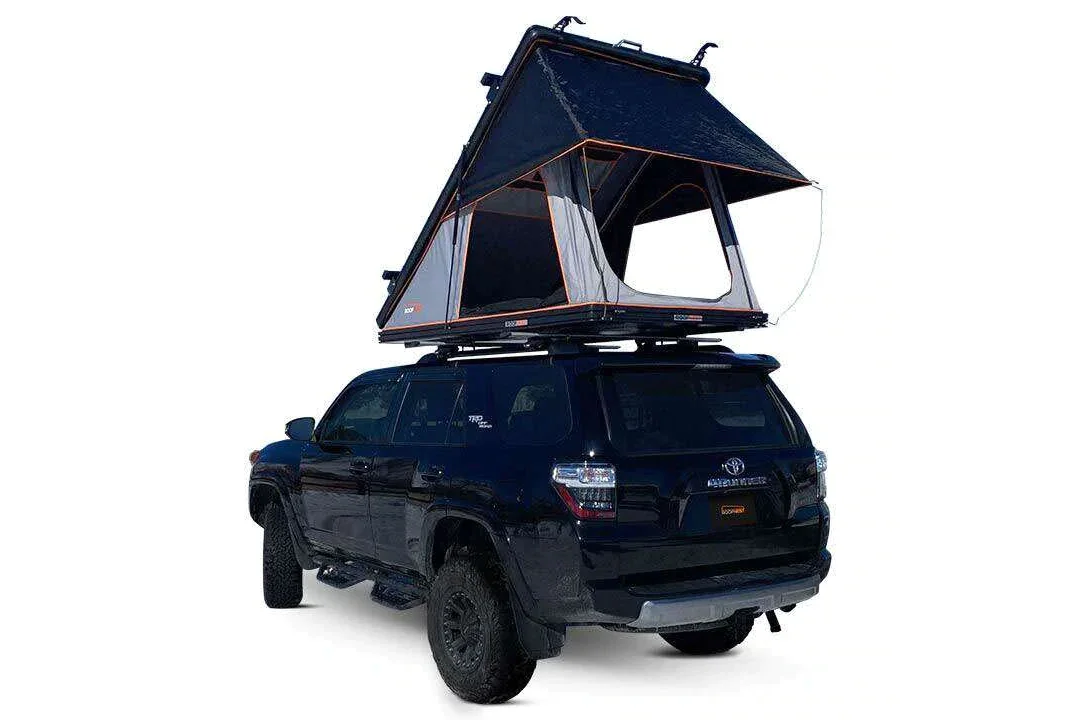
Now the honest other side, because the contrarian case isn't 'never.' A rooftop tent genuinely wins in specific situations. If you camp where the ground is the problem — sharp rock, deep mud, flood-prone sand, scorpion-and-snake country, or ground so uneven nothing pitches flat — being up top is a real, tangible benefit, not a luxury. If you change camp almost every night on a long overland route, a hardshell's one-minute setup-and-teardown genuinely saves time you'd otherwise spend wrestling a ground tent daily.
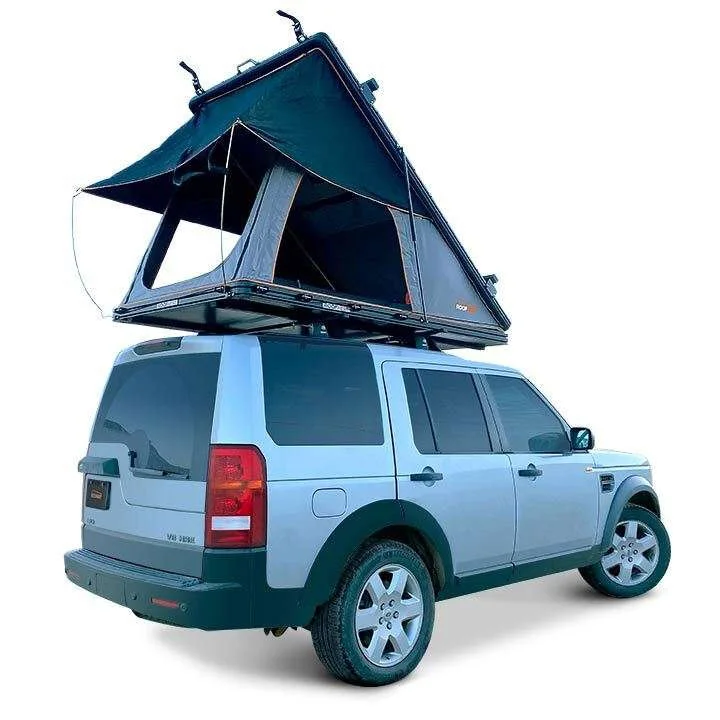
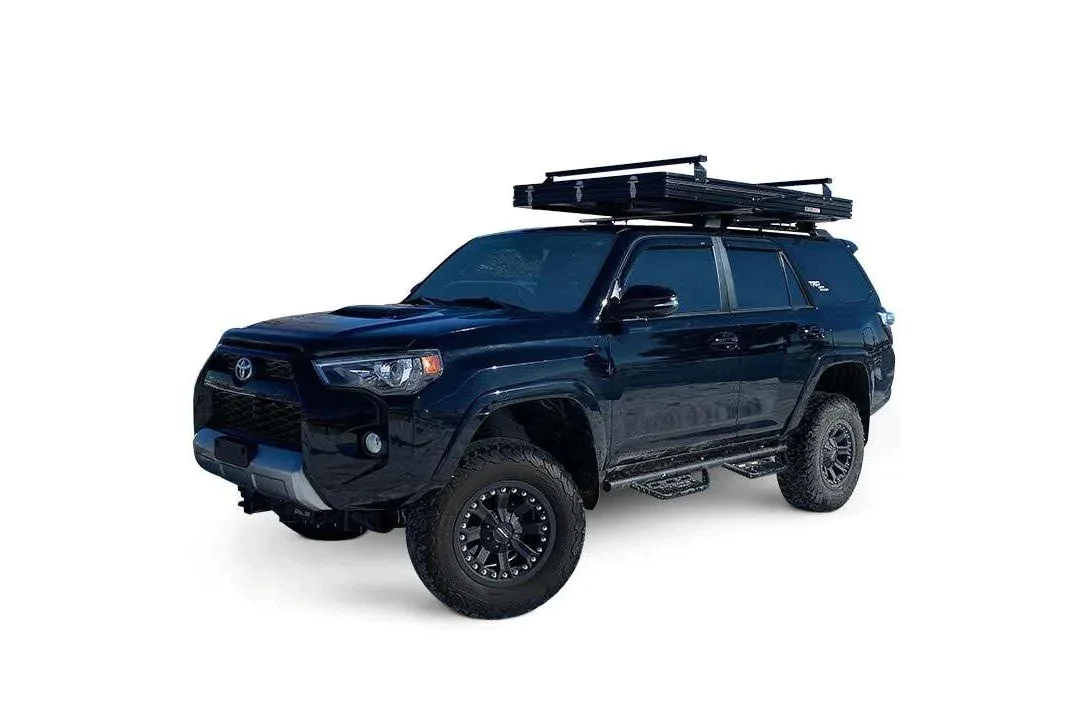
If your vehicle is the basecamp and rarely moves once parked, the 'bedroom attached to the car' downside evaporates. And if you have the money and simply love the experience — the view, the off-the-ground feel, the ritual — that's a legitimate reason too; not every purchase has to be the rational optimum. The Roofnest Falcon 2 is the one to get if you're in one of these camps. Just buy it because you're actually in one of them, not because the algorithm told you it's what real campers own.
It's worth being concrete about who those people are, because 'sometimes' is doing a lot of work. The desert overlander crossing washes and camping on sharp rock or scorpion-prone sand; the person doing a two-week trans-state route who tears down and rebuilds camp every single morning; the rainforest or wet-PNW camper tired of waking up in a puddle; the buyer whose vehicle is a dedicated weekend basecamp that parks Friday and doesn't move until Sunday.
For each of them the rooftop tent's specific advantages — off the wet, sharp, uneven ground and up in a one-minute setup — are worth real money, and I'd tell them to buy one without hesitation. The point of this article isn't that rooftop tents are bad; it's that the marketing has convinced people who are none of the above that they need one, and they don't.
Verdict
For most car campers, the honest answer is: skip the rooftop tent. Buy a roomy ground tent and a genuinely good sleeping pad, pocket the $2,000-plus difference, and keep the freedom to leave camp standing while you drive away. The comfort gap people imagine is almost entirely a sleeping-pad problem, and the pad costs a tenth of the tent.
Buy the rooftop tent only if you genuinely camp on bad ground, move camp nightly on long routes, basecamp without moving the car, or you've done the math and just want it for the joy of it — all legitimate, all specific. What's not legitimate is letting the marketing convince you it's the default upgrade. It isn't. For the average camper it's a beautiful, expensive answer to a question a $230 pad already answered.
If you want a simple gut-check before you spend, ask yourself three questions. Do I regularly camp where the ground is genuinely bad — rock, mud, flooding, no flat spot? Do I move camp most nights rather than basecamp? And can I comfortably afford the premium without it displacing other gear that would improve my trips more? If you answer yes to the first or second and the third, buy the rooftop tent and enjoy it. If you're answering no, your money buys more camping happiness in a great ground tent, a superb pad, and the eighteen-hundred dollars you keep.
And there's no shame in wanting one purely because it's cool — just be honest that that's the reason, budget for it like any other want, and don't let a salesperson or an algorithm reframe a luxury as a necessity. The most contrarian thing you can do in a category built on aspiration is to buy exactly what your actual camping needs and not a dollar more. For most people, that's a tent that touches the ground.
The complete lineup also includes Exped MegaMat self-inflating pad ($230) — each compared on the same specs and reviewer consensus.