
How to Protect Your Car's Interior from Sun Exposure
The sun is basically a giant laser pointer aimed directly at your car's interior, and over time, it fries everything. Those shiny dashboards, the soft upholstery, even the plastic bits around your windows can turn brittle and faded faster than you can say 'rotisserie chicken'.
The sun is basically a giant laser pointer aimed directly at your car's interior, and over time, it fries everything. Those shiny dashboards, the soft upholstery, even the plastic bits around your windows can turn brittle and faded faster than you can say 'rotisserie chicken'. It's not just about looks; extreme heat and UV rays cook your car's insides, leading to cracks and a general sad, worn-out vibe.
Protecting your car's interior from sun exposure is about more than just keeping it looking nice; it's about saving yourself money down the road on repairs and replacements. Think of it as preventative maintenance, but for your car's personality. My first beat-up sedan looked like it had aged 10 years in 3 summers because I did zero. Zero. It was a rookie mistake that cost me later.
The Core Answer
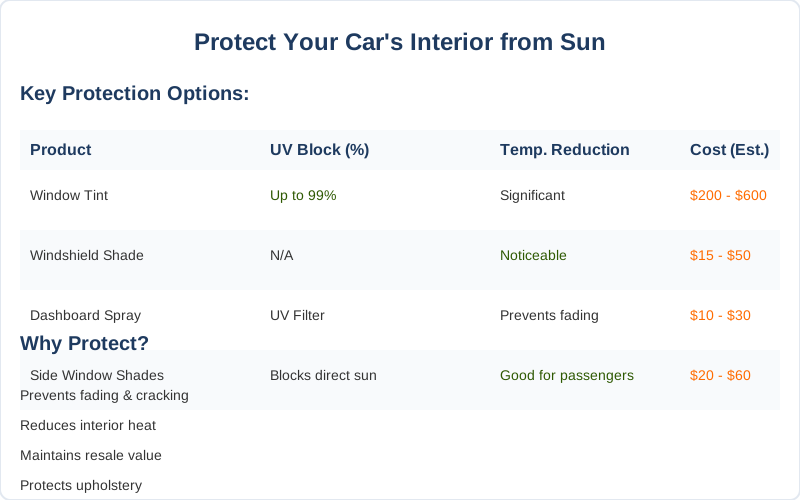
Alright, let's talk about actually stopping the sun from turning your car into a crispy critter. The real move here is a multi-pronged attack. First, you've got your window treatments. This is where tinting comes in. A good tint can block up to 99% of UV rays Source Name. That's huge. It's like putting sunglasses on your whole car. I remember one summer in Arizona, my old Civic without tint felt like a convection oven. The steering wheel was literally too hot to touch for 10 minutes after I got out. Tint would have changed that whole game. Then there are the physical blockers: sunshades. You know those reflective things that fold up? They work. A decent windshield shade can make a noticeable difference in cabin temperature, especially if you park outside a lot. I've seen some folks use them religiously, and their dashboards look significantly less cracked and faded than their neighbors'. It's not rocket science, it's just blocking the light. You can also get shades for side windows, which is great if you have kids or pets who bake in the back. For the dashboard itself, there are specific protectant sprays. These things are designed to hydrate vinyl and plastic, keeping them from drying out and cracking Source Name. Think of it like lotion for your car's skin. Regular application is key. I learned this the hard way on a car I bought used; the dash was already showing spiderweb cracks, and no amount of product was going to fix that. Start early. And for the truly dedicated, or those who park outside for weeks on end, a full car cover is the ultimate defense. It's a bit more work to put on and take off, but it shields everything from paint to interior plastics. I haven't personally gone full cover yet, but I've seen cars under them that look like they rolled off the lot yesterday, even after years of exposure. It's the $50 version of a garage, basically. Don't forget the paint, either; a good wax job helps protect the exterior clear coat from UV oxidation Source Name. Keeping your car's paint protected from the sun's rays also helps prevent fading and chalking over time.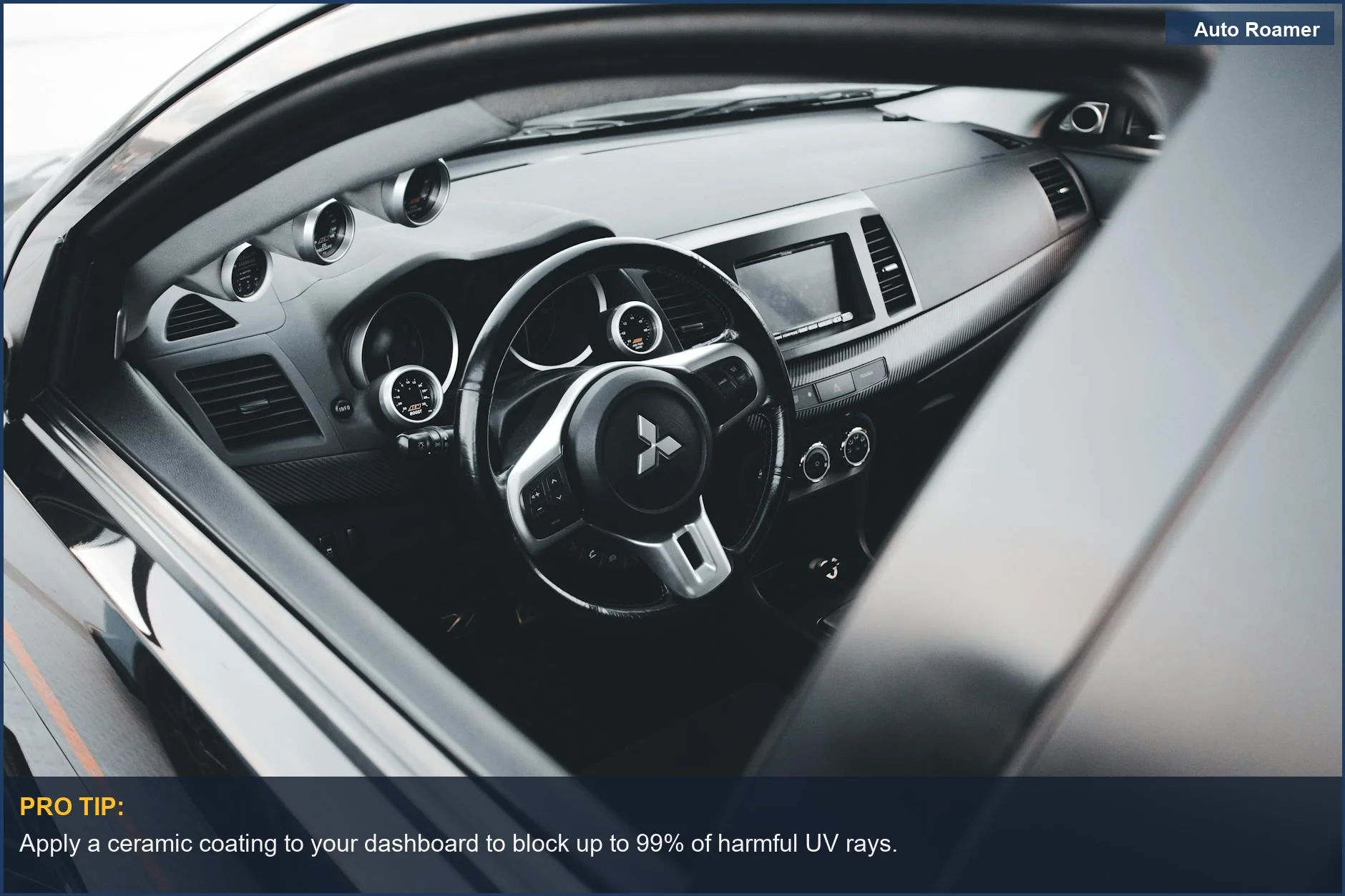
Why This Matters for Your Setup
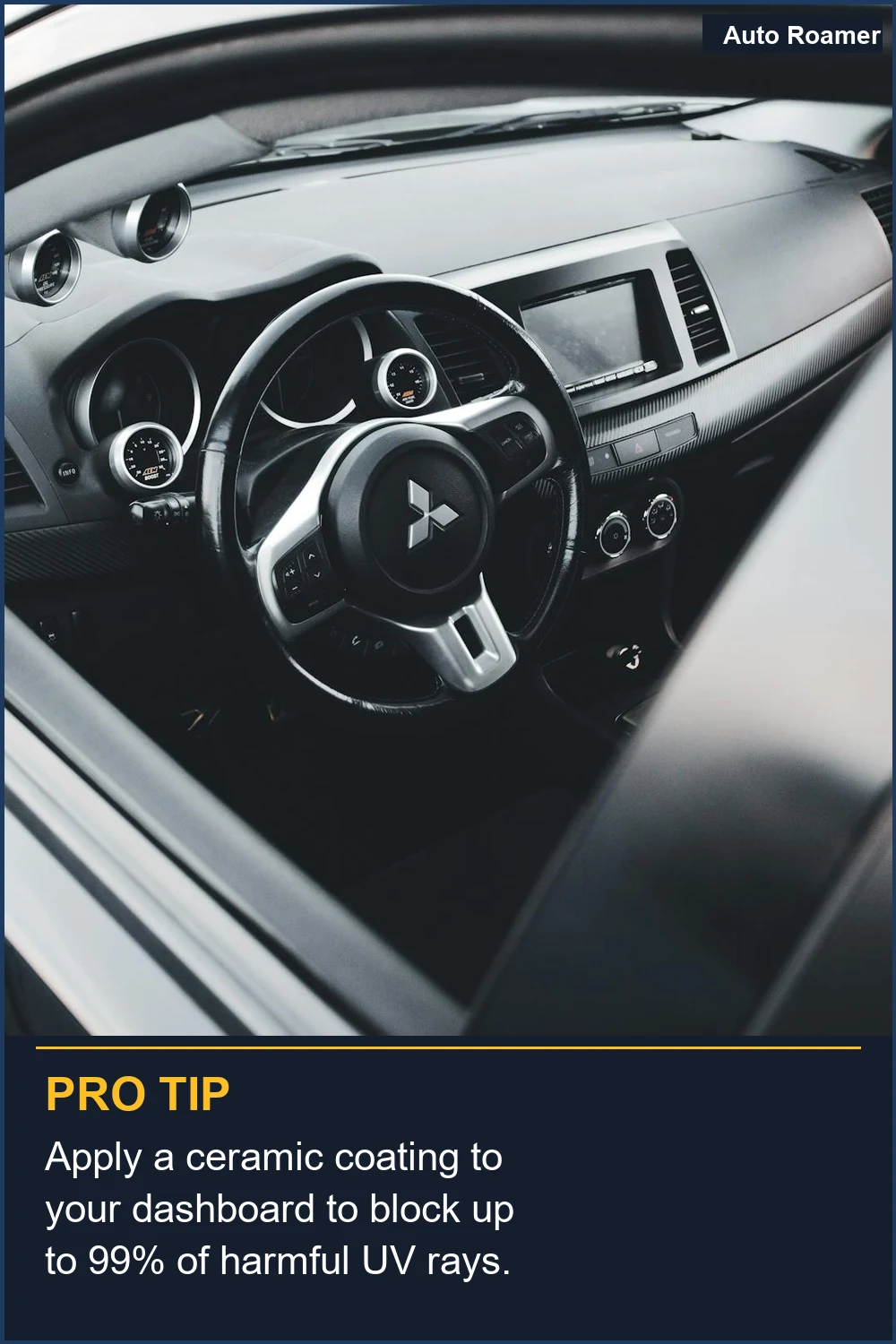
This isn't just about aesthetics; it directly impacts your camping setup. Imagine this: you drive to a campsite in the desert, park your car, and leave it in the sun all day while you hike. When you get back, your car's interior is a sauna. Your water bottles are warm, your snacks are gooey, and sitting on that leather seat feels like a bad joke. The heat isn't just uncomfortable; it accelerates the breakdown of materials. Cracked dashboards, faded upholstery, and brittle plastic trim are the common casualties. I've seen it happen. My old camping cooler bag, which I used to leave on the passenger seat, got warped and faded from constant sun exposure on trips. It was a $40 cooler that looked like it had survived a nuclear winter after just two seasons. Protecting your car's interior means your gear stays in better condition, your car lasts longer, and your drive back home isn't a sweaty, sticky nightmare. It's about preserving the value of your vehicle and ensuring your comfort, especially on those long hauls to get to that perfect spot.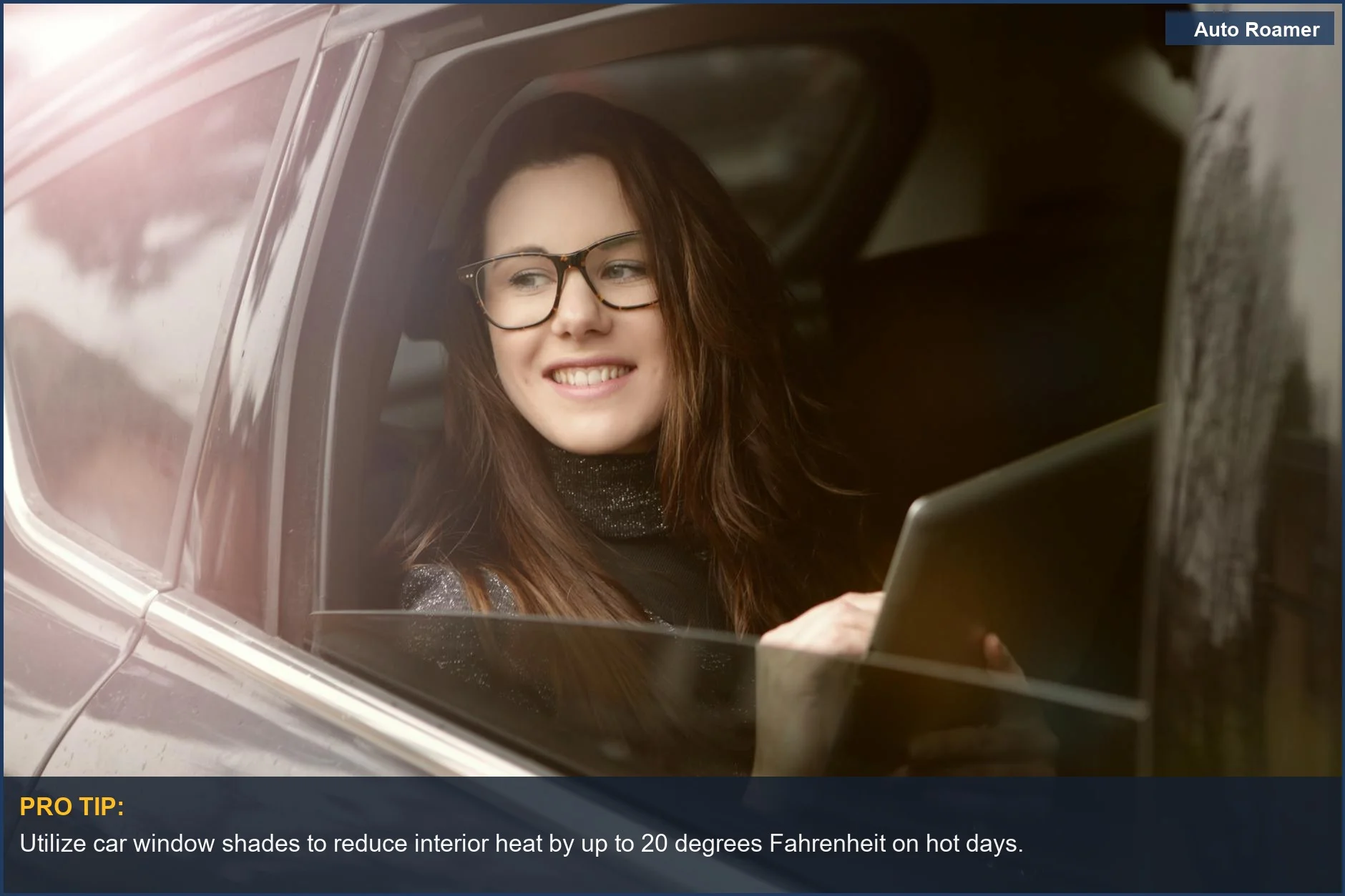
Making the Right Choice
So, how do you make sure your car doesn't become a sun-baked relic? It's a combination of smart habits and the right tools. Think of it as building your car's personal sunscreen.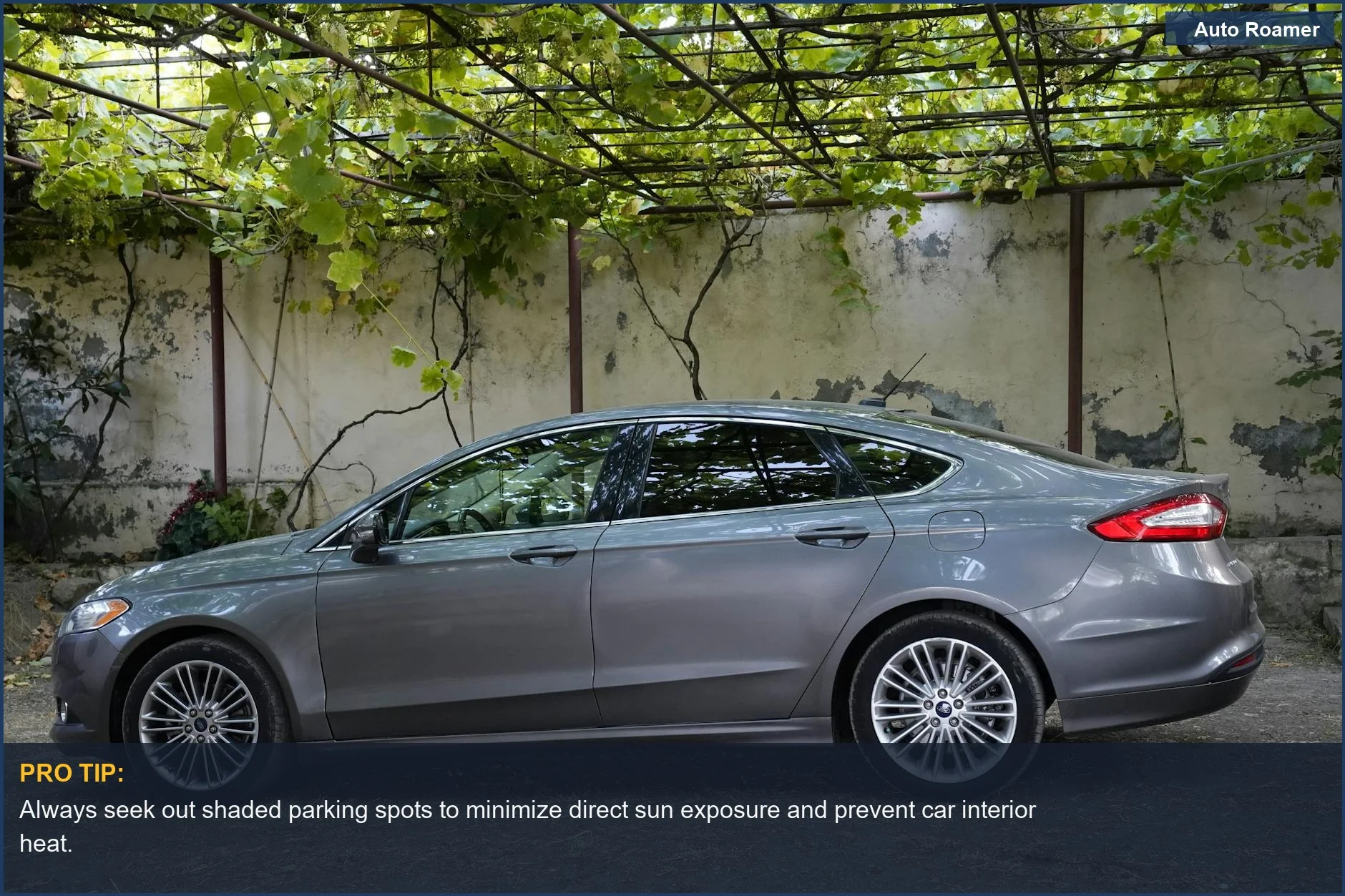
Frequently Asked Questions
If I get a professional tint job done for $300, how much would it cost me to try and do it myself with a DIY kit?
Do I really need a special 'UV protectant' spray, or can I just use furniture polish?
What if I park in the shade religiously and use a sunshade, but my dashboard still looks like it's cracking?
Can leaving my car in the sun for a few days permanently damage my car's electronics?
I heard that tinted windows can actually make your car hotter because they trap heat. Is that true?
🏅 Looking for Gear Recommendations?
Check out our tested gear guides for products that work with this setup: