
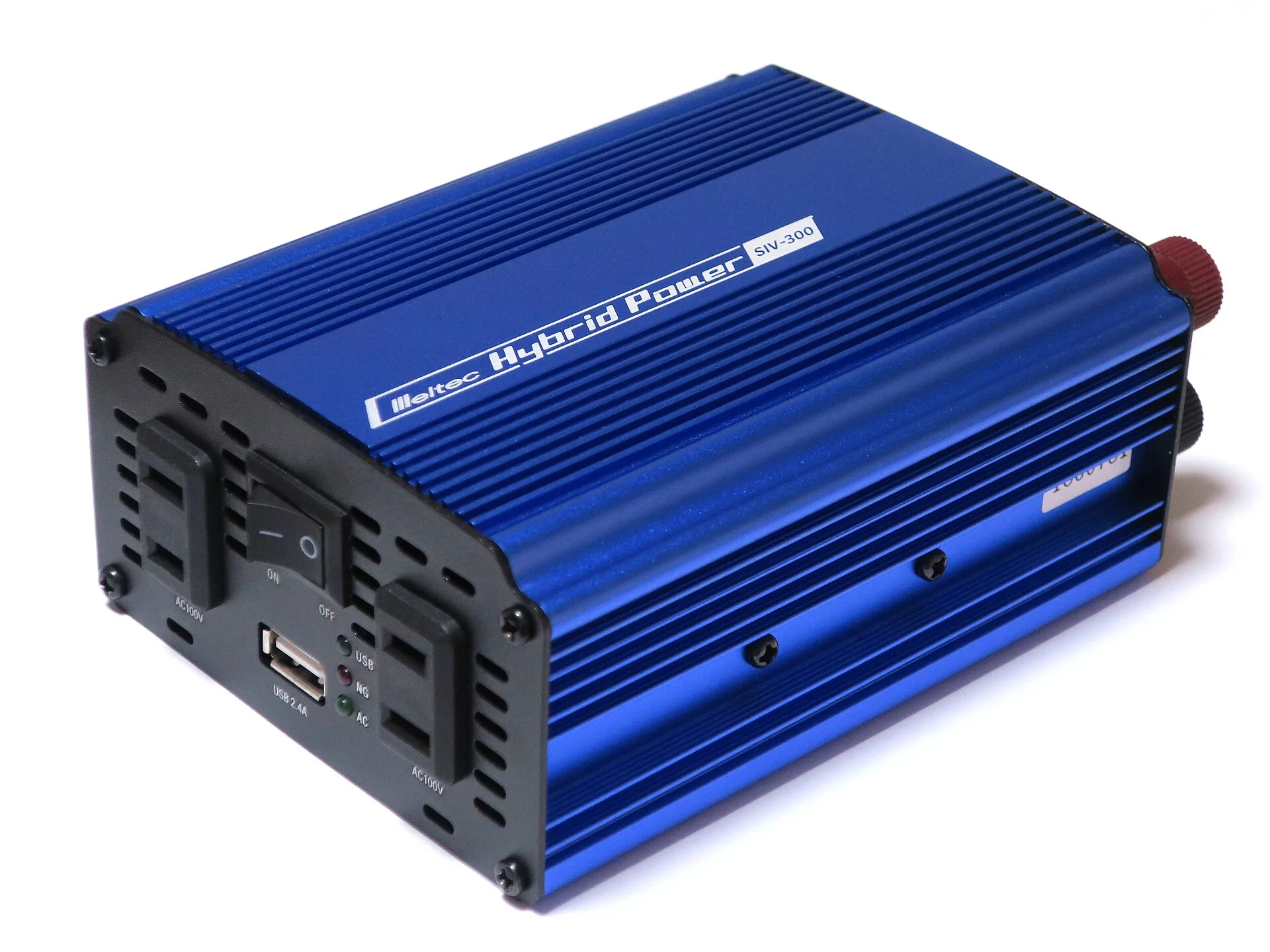
First: It's Usually the Inverter's Neutral, Not the Outlet
A GFCI outlet that clicks off and refuses to reset when powered by an inverter looks like a failed outlet, but the cause is almost always the inverter's grounding, not the GFCI. Many inverters use a floating neutral - the neutral is not bonded to ground - so an outlet tester reads open ground and the GFCI test button will not trip, meaning GFCI-protected outlets cannot function correctly until a ground reference exists. The outlet is fine; it just has nothing to reference.
This trips up anyone plugging a GFCI power strip, an RV shore cord, or a portable GFCI into a standalone inverter. The GFCI is designed to compare current on the hot and neutral and trip if some leaks to ground - but on a floating-neutral inverter there is no defined ground for it to work against, so it either will not reset or trips immediately. It is a grounding mismatch, not a broken device.
So the fix lives in how the inverter's neutral relates to ground, not in the GFCI itself. Understanding the floating neutral, confirming it with a tester, and - where appropriate - establishing a single neutral-ground bond is what makes the GFCI work. A safety caution up front: neutral-ground bonding is electrical work, so if any of this is beyond your comfort, have a qualified RV or electrical tech do the bonding.
What a Floating Neutral Is
To fix this you need to know what a GFCI expects. In a house, the neutral and ground are bonded together at exactly one point in the main panel, which gives every GFCI a stable ground reference to measure leakage against. A GFCI works by detecting even a tiny imbalance between the hot and neutral currents - current escaping to ground - and cutting power in an instant.
A portable inverter with a floating neutral does not have that bond. Its two output conductors float relative to ground, with no defined connection between neutral and the ground pin. That is a deliberate design choice for a portable device that may not be earthed, but it means a downstream GFCI has no reference: there is no established ground for leakage to flow to, so the GFCI cannot sense a fault the normal way, and it will not behave normally.
This is why the same GFCI works perfectly at home and fails on the inverter. Nothing changed about the GFCI - what changed is the source. At home it has the panel's neutral-ground bond to work against; on a floating-neutral inverter it has nothing, so it reads an open ground and refuses to protect an outlet it cannot reference. Recognizing that shifts the whole diagnosis to the inverter's neutral.

The Tell-Tale Signs
You can confirm a floating neutral in a minute with a cheap tester. Plug a plug-in outlet tester into the inverter's outlet: on a floating-neutral inverter it reads open ground, and its GFCI test button will not trip the outlet, because there is no ground path for the test to use. Those two readings together are the signature of a floating neutral, not a wiring mistake in the outlet.
A voltmeter tells the same story more precisely. A floating-neutral inverter can measure a substantial neutral-to-ground voltage - for example, a Samlex 3000W reads about 66V between neutral and ground - which is the neutral floating halfway between the two output legs instead of sitting near ground. That standing neutral-to-ground voltage is exactly why a GFCI, expecting neutral near ground, cannot make sense of the source and refuses to reset.
So before assuming anything is broken, test. An open-ground reading, a GFCI test button that does nothing, and a neutral-to-ground voltage well above zero all point to the same thing: a floating neutral. That is a known, expected characteristic of many portable inverters, and it is the diagnosis that tells you the outlet is healthy and the grounding is the puzzle to solve.
The Fix: Bonding Neutral to Ground
The standard cure is to give the inverter the ground reference it lacks. The fix for a GFCI that won't reset on a floating-neutral inverter is to add a neutral-ground bond at the inverter, configuring it as a separately derived source so GFCIs get the ground reference they need. Once neutral is tied to the inverter's ground, a GFCI can once again compare currents against a real ground and protect the outlet.
In practice this bond can be made a few ways: some inverters have an internal setting or a jumper to bond neutral to ground, and RV setups often use a bonding plug or a properly wired transfer switch that establishes the single bond. The goal in every case is the same - to move from a floating neutral to a neutral that is referenced to ground at one defined point, which is what restores normal GFCI behavior.
Because this is real electrical work with a shock-safety purpose, do it correctly or have it done. A bond that is made wrong, or made in the wrong place, can create new hazards rather than fix them. The concept is simple - one neutral-ground bond gives the GFCI its reference - but the execution should follow the inverter maker's guidance or a qualified tech's hands, not guesswork.
Exactly One Bond: The Double-Bond Trap
Here is the rule that catches people who add a bond: there must be exactly one. A system must have exactly one neutral-ground bond; a double bond - for example, both the inverter and a generator or panel bonded - sends return current through both the neutral and the ground, which a GFCI reads as a current imbalance and trips immediately. Add a second bond and you trade a GFCI that will not reset for one that trips the instant you reset it.
This is common in RVs and complex setups where multiple sources each want to establish their own bond. If the inverter is bonded and the shore-power path or a generator is also bonded, the two bonds create a parallel path for neutral current to flow through the ground wire. The GFCI sees current on the ground where none should be, interprets it as leakage, and cuts power - exactly the fault it exists to catch.
A double neutral-ground bond is a common cause of a GFCI that trips or refuses to reset, and removing the redundant bond typically resolves it. So if a GFCI trips right after you reset it once bonding is in place, suspect a second bond somewhere in the system and remove it. The target is one bond, no more and no less - a floating neutral has zero and needs one; a tripping system often has two and needs to lose one.
A Genuine Ground Fault
Sometimes the GFCI is doing exactly its job: catching a real fault. A GFCI won't reset if there is a genuine ground fault or a neutral-to-ground connection on its load side - a downstream appliance or cord leaking current to ground, or a neutral touching ground somewhere past the GFCI. In that case the GFCI is correctly refusing to restore power to a circuit that is actually unsafe, and forcing it would defeat the protection.
Tell this apart from the floating-neutral and double-bond cases by isolating the load. Unplug everything downstream of the GFCI and try to reset it with nothing connected. If it resets clean with no load, then something you plugged in was the fault - reconnect items one at a time to find the leaking appliance or cord. If it still will not reset with nothing connected, the problem is upstream in the grounding, not a load fault.
This step is important precisely because a GFCI that will not reset is sometimes right. The goal is never to bypass or defeat it, but to find and remove the real ground fault so the GFCI can protect a genuinely safe circuit. A cracked cord, a wet appliance, or a miswired connection on the load side is a fault to fix, not a nuisance to override.

Moisture and Nuisance Trips
Water is a frequent and easily-missed cause of a GFCI that trips or will not reset. Nuisance trips arise from moisture in outlets or plugs - a damp receptacle, a wet plug, condensation inside an outdoor outlet - because moisture provides a small leakage path to ground that the GFCI faithfully detects. In a camper or an outdoor setup, dew and rain make this common.
The signature is a GFCI that will not reset in wet or humid conditions but behaves once things dry out. A plug left in the rain, an outlet that caught spray, or a cord end sitting in a puddle can all leak just enough current to trip the device. It is not a fault in the inverter or the outlet - it is the GFCI catching real, if harmless-seeming, leakage through water.
The fix is to dry and protect. Disconnect the damp plug or outlet, let it dry fully, and keep connections out of standing water and weather with covers or elevated, sheltered placement. If a GFCI that would not reset comes back to life once everything is dry, moisture was the culprit - and keeping the connections dry keeps it reset.
The Inverter's Own GFCI vs a Downstream One
It helps to know which GFCI you are fighting, because the picture differs. Some inverters have a GFCI built into their own output outlet; in other setups the GFCI is a separate device - a power strip, an RV outlet, or a portable GFCI - plugged into a plain inverter outlet downstream. The floating-neutral problem affects both, but where you apply the fix depends on which one is refusing to reset.
For a downstream GFCI fed by a floating-neutral inverter, the issue is the missing ground reference from the source, so establishing the single neutral-ground bond at the inverter is what lets that downstream device work. For an inverter's own GFCI outlet that will not reset, the same grounding logic applies internally, and the maker's documentation usually explains how that model expects to be grounded.
Either way, the diagnostic order is the same: confirm the floating neutral with a tester, establish exactly one neutral-ground bond if the setup calls for it, rule out a double bond, and isolate the load to check for a real fault or moisture. Knowing which GFCI is in play just tells you where to look and which instructions to follow, not which principle applies.

When to Call in Help
Grounding on an inverter or an RV is genuinely a safety system, so some of this belongs with a professional. If confirming the neutral behavior, establishing a single bond, or untangling a suspected double bond in a multi-source RV is beyond your comfort or knowledge, a qualified RV technician or electrician is the right call. There is no shame in it - a mis-made bond can create a shock hazard rather than remove one.
Likewise, a GFCI that will not reset with nothing plugged in, and no obvious floating-neutral or double-bond explanation, may indicate a wiring fault in the inverter, the outlet, or the circuit that needs proper diagnosis. A persistent, unexplained trip is the GFCI insisting something is wrong, and the safe response is to find out what, not to defeat the device.
The reassuring part is that the most common cause - a floating neutral with no ground reference - is a known, expected trait of portable inverters, not a failure. Once you understand that a GFCI simply needs a single neutral-ground bond to work on such an inverter, the mysterious won't-reset outlet becomes a solvable grounding question, handled either by you within your comfort or by a tech for the parts that should not be guessed.
The Verdict: Give the GFCI a Ground Reference
A GFCI that will not reset on an inverter is almost never a broken outlet. Most portable inverters use a floating neutral - confirmed by an open-ground reading, a dead GFCI test button, and a neutral-to-ground voltage like the 66V a Samlex 3000W shows - and a GFCI simply cannot work without a ground reference. Establishing a single neutral-ground bond at the inverter, so it acts as a separately derived source, is what restores normal GFCI function.
But keep it to exactly one bond: a double neutral-ground bond, from the inverter plus a generator or panel, sends current down the ground and trips the GFCI immediately, so a device that trips right after reset usually has a redundant bond to remove. And do not override a GFCI that is catching a real problem - isolate the load to find a genuine ground fault or a leaking appliance, and dry out any moisture in plugs or outlets that is causing nuisance trips.
Because this is a shock-safety system, do the bonding correctly or hand it to a qualified tech. The core idea is simple: a floating-neutral inverter leaves a GFCI with nothing to reference, and giving it one clean neutral-ground bond lets it protect the outlet as intended - turning a baffling won't-reset outlet back into a working, safe one.