
First: A Thermal Shutdown Is Protection, Not Failure
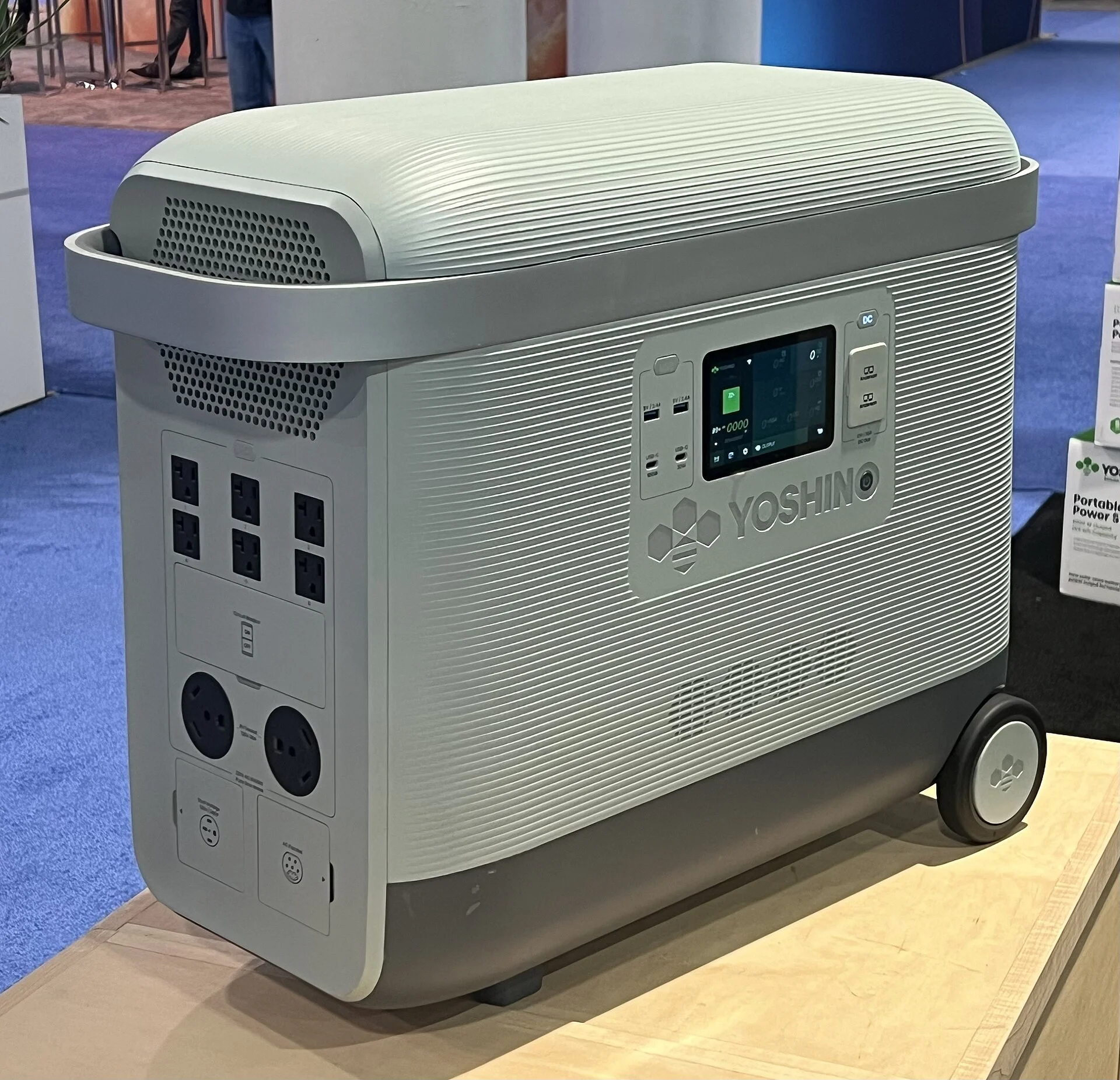
When a power station gets hot and switches itself off, the instinct is to think it broke. It did the opposite. When internal temperature exceeds safe limits, the BMS triggers an automatic thermal-protection shutdown, and these shutdowns are usually reversible once the unit cools, resuming automatically or after a manual restart. The unit chose to stop rather than let heat damage its cells.
That distinction changes how you diagnose the problem. A shutdown that clears once the unit cools down is not a fault to repair - it is a symptom telling you the unit was running too hot for its environment. The real question is not what broke, but why it got hot enough to trip, because almost every answer is about placement, airflow, and load rather than a failed part.
So the goal of this guide is to find and remove the heat source. Get the temperature back inside the safe band and the unit runs normally again. Only when a unit trips on heat it should easily handle - cool ambient, clear vents, light load - is a genuine cooling or sensor fault the honest conclusion, and that is the last thing to consider, not the first.
The Operating Window: Know the Numbers
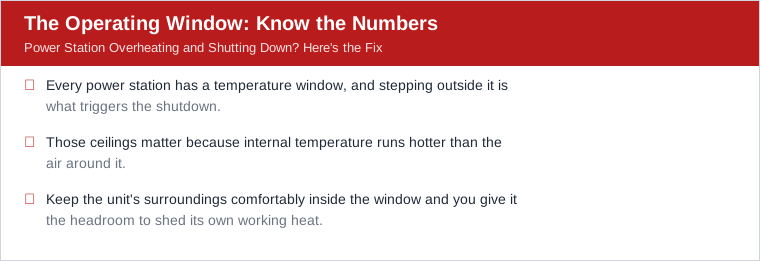
Every power station has a temperature window, and stepping outside it is what triggers the shutdown. Most portable power stations are designed for an operating range of 0-40C (32-104F) for peak performance and safe operation. Discharge is typically possible from around -10C to -20C up to about 45C but at significantly reduced capacity, while the unit is happiest in the middle of that band.
Those ceilings matter because internal temperature runs hotter than the air around it. The electronics and the cells generate their own heat under load and while charging, so a unit sitting in 35C air can be well past 40C inside. By the time the ambient is near the 40-45C ceiling, the internals are already in shutdown territory, which is why a station can trip on a day that does not feel that extreme to you.
Keep the unit's surroundings comfortably inside the window and you give it the headroom to shed its own working heat. An infrared thermometer pointed at the case tells you how hot the unit actually is, which turns a vague overheating complaint into a number you can act on - and confirms when the box has cooled enough to restart.
The Hot-Car Trap
The single most common cause of a thermal shutdown is a parked vehicle. A hot car is a real hazard because cabin temperatures can far exceed the 40-45C charge and operate ceilings, accelerating aging and risking thermal shutdown or damage, so units should not be left charging or operating in parked-car heat. A closed car in the sun becomes an oven long before the outside air feels dangerous.
The trap is that the car looks like a safe, shaded spot. But cabin temperature on a warm day can climb far above ambient, and a power station left working or charging in that space starts from a baseline already near its ceiling, then adds its own heat on top. It trips almost immediately, and if it is charging, the heat plus the charge current is the worst-case combination for the cells.
The fix is to never run or charge a station in a hot parked car. Move it into the shade, a cooler or coolbox-adjacent spot, or the cabin only while the vehicle is running with climate control on. If a unit that shuts down in a parked car runs fine the moment you bring it into cooler air, the cabin heat was the whole cause - and leaving it there also quietly shortens the battery's life.
Heavy Loads Make Their Own Heat
A power station generates heat in proportion to how hard it works, so a big load is a heat source in its own right. A unit running a load near its rated capacity - for example a 600W station powering a 500W appliance - runs its cooling flat out because the inverter and cells are shedding real heat, and in a warm environment that self-generated heat can be enough to push the internals over the line.
The pattern to watch for is a shutdown that only happens under heavy draw. If the unit is fine powering a phone but trips within minutes of running a kettle, a heater, or power tools, the load is generating more heat than the cooling can remove in that environment. It is not that the unit cannot handle the load; it is that the load plus the ambient together exceed what the fan can clear.
Ease the load or improve the cooling. Drop the draw closer to a fraction of the rating, run heavy appliances in shorter stretches, or move the unit somewhere cooler with better airflow so the same load produces a manageable temperature. A station that stops overheating once the load is reduced was simply being asked to shed more heat than its conditions allowed.
Fast Charging Adds Heat
Charging is the other big internal heat source, and fast charging is the intense version of it. Pushing energy into the cells quickly generates heat inside the pack, and if the unit is already warm - in a sunny tent, a hot cabin, or against a warm surface - a fast charge can be the extra input that trips the thermal protection. The charge stalls or the unit shuts down not because the battery is full, but because it is too hot to keep taking current.
This compounds with the hot-car trap. A station charging quickly in a warm parked vehicle faces heat from three directions at once: the cabin, the charging circuitry, and the cells. Any one might be tolerable; together they overwhelm the cooling and force a shutdown. It is the classic scenario behind a unit that trips repeatedly while charging on a summer trip.
Slow the charge or cool the environment. Many stations offer a reduced or eco charging rate in their app that lowers the input current and, with it, the heat, which alone can stop the shutdowns. Better still, charge in the shade with clear vents. If a unit that trips on a fast charge completes a slow one without overheating, charging heat was the cause.
Blocked Vents: The Self-Inflicted Overheat
Even in cool air, a power station will overheat if it cannot breathe. Adequate ventilation clearance around the intake and exhaust vents is required for the fan-based cooling to work; blocked vents cause heat buildup, continuous fan running, or premature thermal shutdown. When the fan cannot pull cool air in and push hot air out, the unit cooks itself regardless of the ambient.
This is the installer's classic mistake: a tidy setup that suffocates the unit. A station tucked into a snug cabinet, buried under gear, packed inside a bag while running, or set vent-side against a wall recycles its own hot exhaust. The tidier and more enclosed the install, the more likely it is trapping heat and driving the unit toward a shutdown it would never hit in the open.
Give every vent room. Leave clear space around the intake and exhaust, never run the unit inside a closed bag or box, and keep it off soft surfaces that block bottom vents. Clear any dust from the intakes so the fan moves full airflow. A unit that stops tripping once it has space to breathe was strangled, not broken - and this is the most common fully self-inflicted cause.
Direct Sun and Hot Surfaces
Where the unit sits matters as much as the air temperature. A power station in direct sun absorbs radiant heat through its case on top of whatever the ambient is doing, so a unit in full sun can be far hotter than a thermometer in the shade suggests. Set it on a hot surface - dark pavement, a metal truck bed, a sun-baked rock - and it soaks up conducted heat from below as well.
These environmental loads stack with everything else. A station in the sun, on a hot tailgate, running an appliance, is being heated from above, below, and inside all at once. It can trip on a day that would be perfectly fine if the same unit were shaded and off a hot surface. The case getting hot to the touch is the warning sign that radiant and conducted heat are the problem.
Shade and insulate. Keep the unit out of direct sun under a tarp, an awning, or inside a shaded vestibule, and set it on a cool, non-conductive surface rather than hot metal or pavement. If moving a tripping unit into the shade and off a hot surface keeps it running, external heat was the cause - and the fix costs nothing but a better spot.
Why LiFePO4 Handles Heat Better - But Still Shuts Down
It is worth understanding why these units still trip despite modern chemistry. LiFePO4 is favored over NMC in these products for its higher thermal stability and resistance to thermal runaway in addition to its longer cycle life, which is why brands like Jackery, EcoFlow, Bluetti, and Anker have standardized on it. LFP is genuinely safer and more heat-tolerant than the older lithium-ion chemistry.
But more tolerant is not immune. Even a LiFePO4 pack has an operating window, and running it hot - while it will not fail as dramatically as an NMC pack might - still ages the cells faster and degrades capacity. The thermal shutdown exists precisely so the unit never has to test the limits of that tolerance; it stops well before heat becomes dangerous, protecting a battery rated for around 3000 cycles.
So the shutdown is the chemistry's safety margin doing its job, not evidence the battery is fragile. Respect the window and an LFP station will deliver its full cycle life; ignore it and even the tough chemistry pays a price in longevity. The lesson is the same either way - manage the heat, and the shutdown never needs to fire.
When It's a Real Cooling or Sensor Fault
Only after environment, load, charging, vents, and placement are all ruled out does a genuine fault become the honest suspect. The signature is a unit that trips on heat it should easily handle: cool ambient well inside the 0-40C (32-104F) window, clear and unobstructed vents, a light load, shade, and a cool surface - and yet it still shuts down or reports an over-temperature error. That points to the cooling system or a temperature sensor, not the environment.
Corroborating clues help. A fan that is silent when the unit is hot suggests a failed fan; a fan that runs but the unit still overheats can mean clogged internal airflow or a cooling system that is no longer keeping up; an over-temperature error on a unit that is barely warm to the touch suggests a faulty sensor reading heat that is not there. Any of these is a real defect rather than a placement issue.
At that point it is a manufacturer matter. The battery, BMS, fan, and sensors sit inside a sealed enclosure that is not user-serviceable, so warranty service is the correct path. Arriving here only after honestly ruling out the environmental causes means you are not returning a unit that was simply asked to work in an oven.
The Verdict: Manage the Heat and the Shutdown Stops
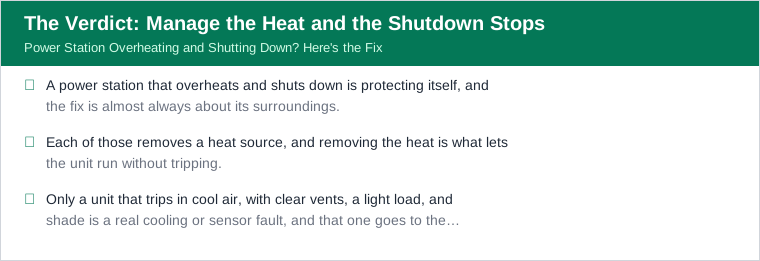
A power station that overheats and shuts down is protecting itself, and the fix is almost always about its surroundings. Keep it inside the 0-40C (32-104F) operating window. Never run or charge it in a hot parked car, where cabin heat can far exceed the 40-45C ceiling. Ease heavy loads and slow fast charges, since both generate real internal heat. Clear its vents and give them room, and keep it out of direct sun and off hot surfaces.
Each of those removes a heat source, and removing the heat is what lets the unit run without tripping. The thermal shutdown is reversible - once the box cools, it resumes - so a unit that comes back to life in cooler air with clear vents was never broken; it was overheating for a reason you can find and fix.
Only a unit that trips in cool air, with clear vents, a light load, and shade is a real cooling or sensor fault, and that one goes to the manufacturer. Work through placement, airflow, load, and charging first, and you will resolve nearly every overheating shutdown with a better spot and a lighter touch - and you will know for certain the rare time a unit genuinely needs service.